
For families in our service areas
For families in our service areas, this guide explains caregiving and how non-medical in-home caregiving can support care planning in East Idaho, Treasure Valley & Magic Valley, Northern Wasatch, North Central West Virginia, and Northeast Ohio.
Find the Right Old People Helper at a Glance
Finding the right helper for your loved one can feel overwhelming. It’s essential to assess their unique care needs and explore in-home care services that can provide the support they deserve. Evaluating potential caregivers is a crucial step, as is creating a personalized care plan that truly reflects your loved one’s requirements.
Understanding the physical, emotional, and social needs of your loved one is vital. This article emphasizes the importance of this understanding, offering practical steps to help you select a caregiver who can meet these needs effectively. Remember, you are not alone in this journey; many have walked this path and found compassionate care that makes a difference.
Understanding Find the Right Old People Helper
Navigating the complexities of elder care can feel overwhelming, especially when searching for the right helper for a beloved family member. Many seniors encounter challenges related to their physical health, emotional well-being, and daily activities. Understanding these unique needs is essential. This guide provides a structured approach to identifying the ideal caregiver, guiding you from assessing care requirements to creating a personalized care plan. But how can families ensure they select a caregiver who not only meets these needs but also builds a sense of trust and companionship? We are here to help you every step of the way.
Assess Care Needs of Your Loved One
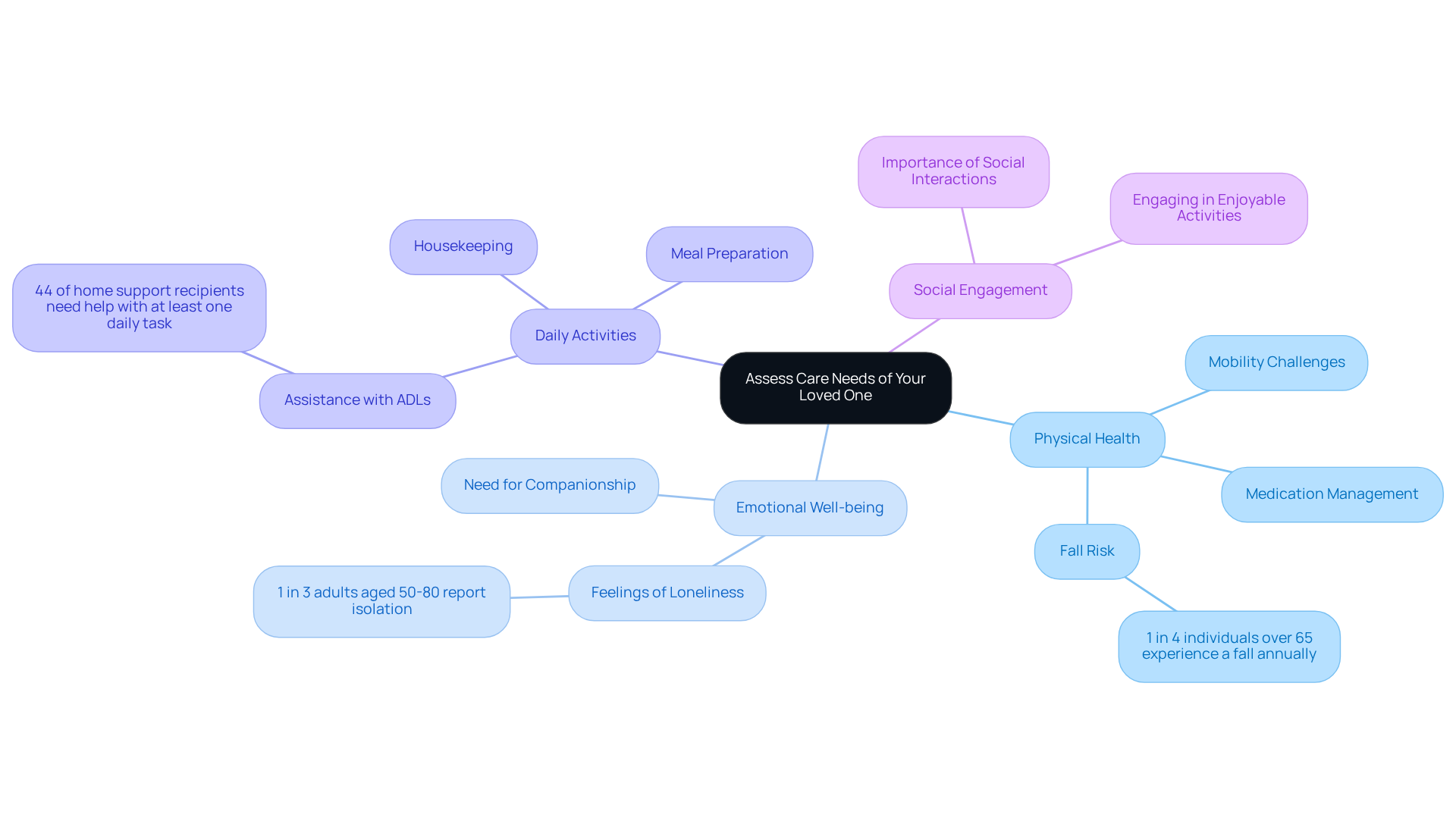
Initiate an open dialogue with your loved one to discuss their daily routines, preferences, and any challenges they may be experiencing. Focus on the following key areas:
-
Physical Health: Assess any existing medical conditions, mobility challenges, or requirements for medication management. Significantly, one in four individuals over 65 encounters a fall annually. This statistic emphasizes the importance of a thorough assessment of physical abilities.
-
Emotional Well-being: Evaluate feelings of loneliness or anxiety. Nearly one in three adults aged 50-80 report experiencing isolation at least some of the time. Understanding their emotional condition is essential for identifying the need for companionship and support.
-
Daily Activities: Identify the level of assistance required from an old people helper with activities of daily living (ADLs), such as bathing, dressing, meal preparation, and housekeeping. About 44% of home support recipients require the help of an old people helper with at least one daily task, highlighting the significance of this evaluation.
-
Social Engagement: Consider the importance of social interactions and activities that bring joy to your loved one. Engaging in enjoyable activities can greatly enhance their quality of life and emotional health.
By recording these requirements, you will develop a thorough summary that will guide your search for the suitable caregiver. This ensures that your loved one receives the customized assistance they need, fostering a nurturing environment that promotes their well-being.
Research In-Home Care Services
Beginning your research to find an old people helper can feel overwhelming, especially when considering the care of a loved one. Here are some steps to help you navigate this journey:
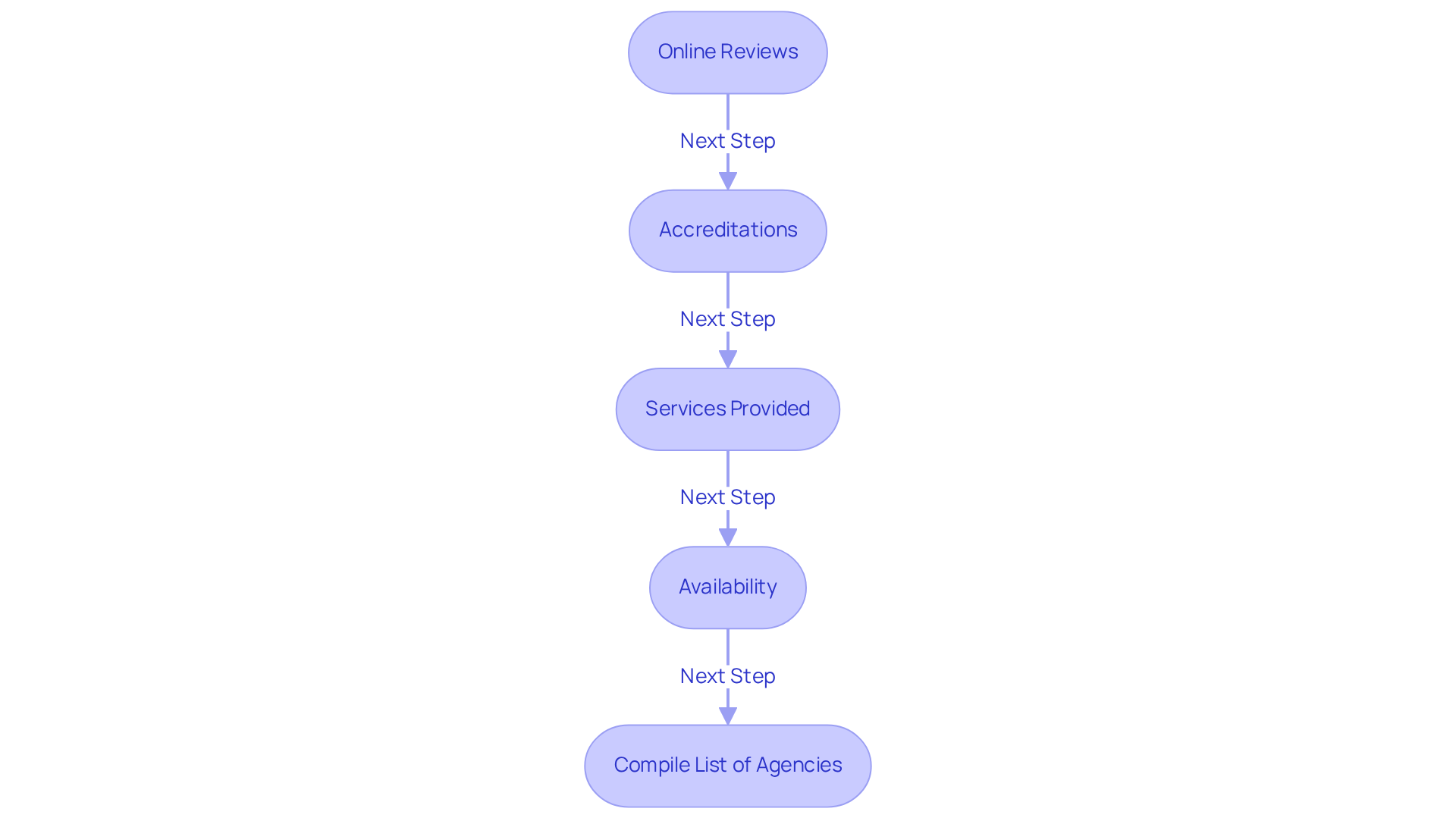
- Online Reviews: Take a moment to explore reviews and testimonials on platforms like Google, Yelp, or specialized caregiving websites. Hearing about the experiences of other families can provide valuable insights and comfort.
- Accreditations: It’s important to verify if the agency is recognized by relevant organizations. This can indicate a commitment to providing quality service, which is essential for peace of mind.
- Services Provided: Ensure that the agency offers the specific services your loved one needs, whether it’s companionship, personal assistance, or specialized medical support, with the help of an old people helper. Knowing they can cater to these needs can alleviate some stress.
- Availability: Confirm that the agency can meet your scheduling requirements, including the possibility of 24/7 care if necessary. Flexibility in care can make a significant difference in your loved one’s comfort.
As you compile a list of potential agencies, take note of their strengths and weaknesses. This will help you compare them more easily and find the best fit for your family.
Evaluate and Interview Caregivers
Once you have shortlisted potential caregivers, it’s important to approach the next steps with care and consideration:
-
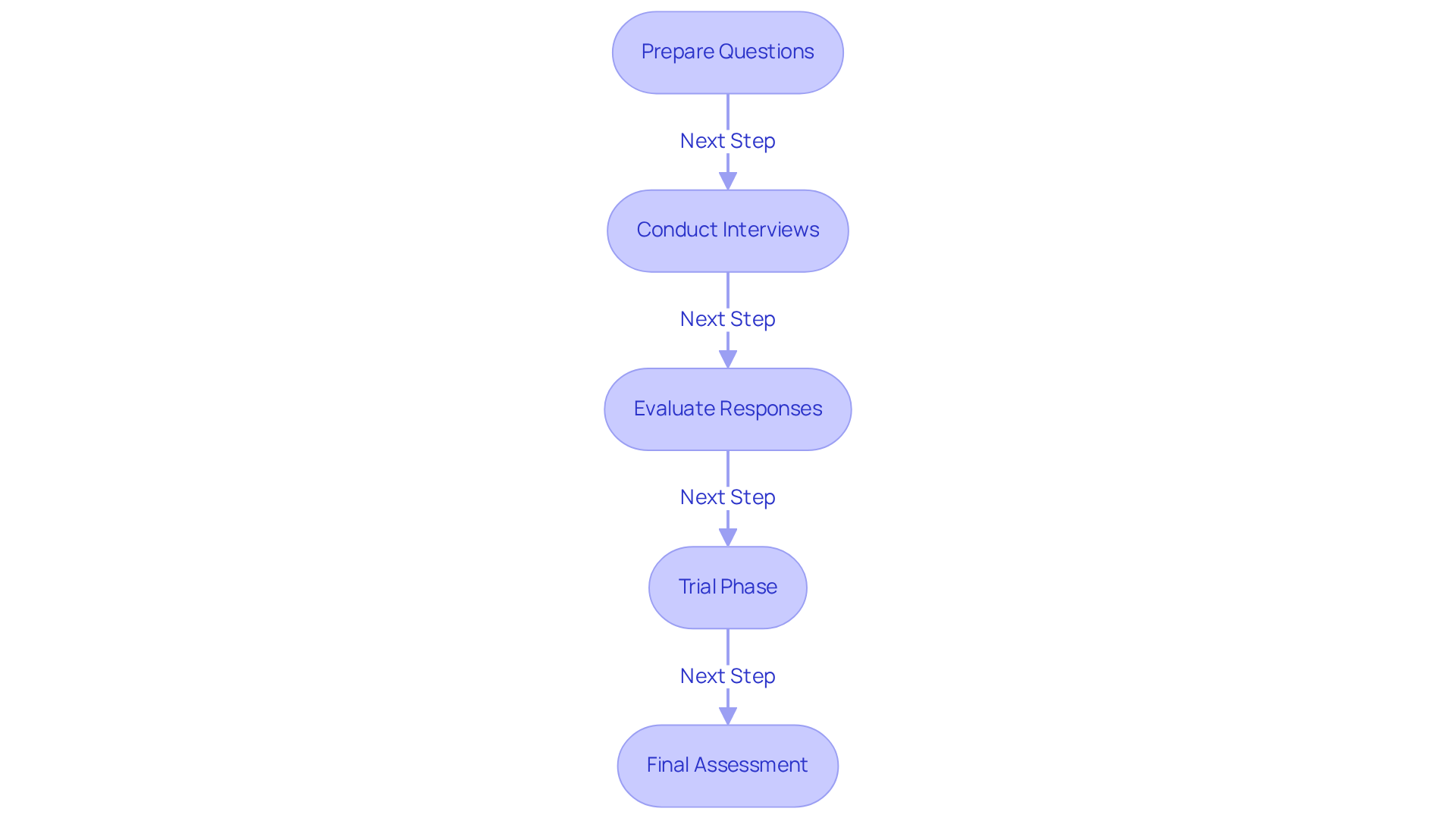
Prepare Questions: Take a moment to develop a thoughtful list of questions that reflect your concerns and needs. Consider asking about their experience, training, and caregiving approach. For instance:
- What experience do you have with clients who have similar needs?
- How do you handle emergencies or challenging situations?
- Can you provide references from previous clients?
-
Conduct Interviews: Arrange interviews with each provider, whether in person or via video call. Pay close attention to their communication style and how they interact with your loved one, as this can reveal much about their approach to caregiving.
-
Trial Phase: If possible, organize a trial phase where the assistant can spend some time with your loved one. This is a valuable opportunity to evaluate compatibility and comfort levels, ensuring that everyone feels at ease.
As you assess each provider, consider their responses, attitude, and the effectiveness of their engagement with your loved one. This process is not just about finding an old people helper; it’s also about ensuring peace of mind for both you and your loved one.
Create a Personalized Care Plan
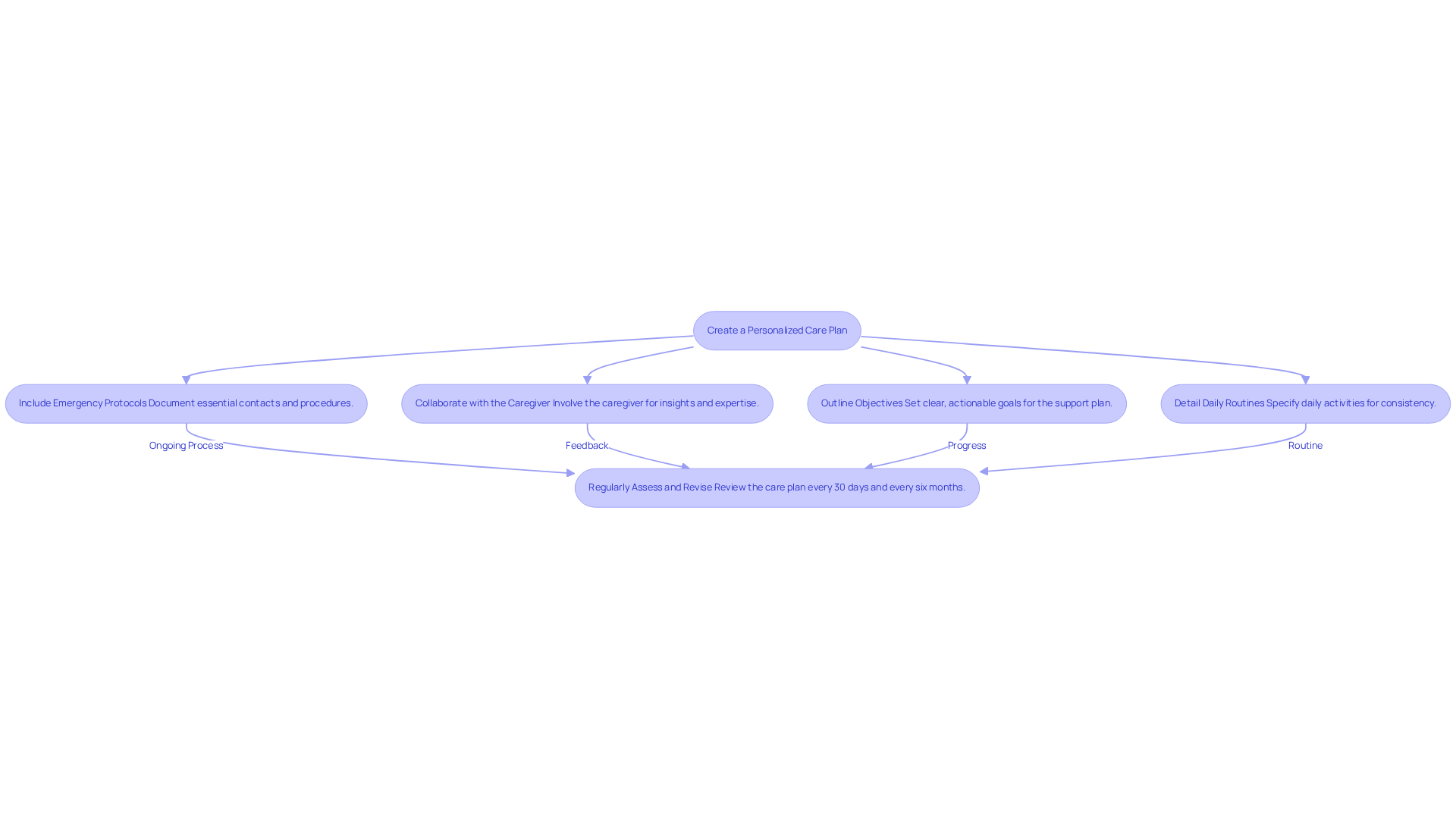
Creating a personalized care plan can feel overwhelming, but with the right approach, it can also be a deeply rewarding experience. Here are some steps to help you navigate this process with care and compassion:
- Collaborate with the Caregiver: Involve the caregiver in the planning process. Their insights and expertise are invaluable. This partnership fosters a deeper understanding of your loved one’s needs and preferences, ensuring that the support plan is practical and effective. Engaging those who provide support not only enhances the quality of care but also builds trust.
- Outline Objectives: Set clear, actionable goals for the support plan. Whether it’s improving mobility, enhancing social engagement, or managing medications effectively, specific goals can guide the caregiver’s actions. Research shows that having defined objectives helps in measuring progress, which is crucial for effective old people helper initiatives.
- Detail Daily Routines: Specify daily activities, such as meal times, medication schedules, and preferred social activities. This structure aids the caregiver in providing consistent support while also creating a sense of normalcy and routine for your loved one.
- Include Emergency Protocols: Document essential emergency contacts, medical information, and procedures for various situations. This preparation equips caregivers to respond effectively in emergencies, offering peace of mind for both them and your family.
Remember, regularly assessing and revising the care plan is vital as needs and preferences evolve. Typically, support plans should be reviewed upon moving in, 30 days later, and every six months to ensure they remain relevant. This ongoing process guarantees that your loved one continues to receive the best possible care tailored to their changing needs. Additionally, consider using tools like pill boxes and phone reminders to help manage health effectively.
Making the Right Choice
Finding the right caregiver for a loved one is a crucial process that requires careful consideration and planning. It’s essential to assess care needs, research available services, evaluate potential caregivers, and create a personalized care plan. By doing so, families can ensure their loved ones receive the support they need to thrive. This structured approach not only prioritizes the physical and emotional well-being of seniors but also fosters a nurturing environment where they can maintain their independence and dignity.
Key insights from this guide emphasize the importance of:
- Open communication
- Thorough research
- Thoughtful evaluation
Understanding the specific needs of your loved one—whether it’s physical health, emotional support, daily activities, or social engagement—provides a solid foundation for selecting the most suitable caregiver. Engaging caregivers in the planning process and creating clear objectives helps streamline care delivery and enhances the overall experience for both the caregiver and the elderly individual.
Ultimately, the journey to finding the right caregiver is not just about meeting immediate needs; it is about fostering a supportive and compassionate environment that enriches the lives of seniors. By implementing these steps, families can make informed decisions that lead to better care outcomes. Taking action today can significantly impact the quality of life for elderly loved ones, ensuring they receive the care they deserve in a manner that respects their individuality and personal preferences.
https://iframe.tely.ai/cta/eyJhcnRpY2xlX2lkIjogIjY4Zjk3MTBlOTFlODJlNDU5ZjhjZTJhZSIsICJjb21wYW55X2lkIjogIjY4ZWU1ZGNhNzMxNzYyNTU3ZjNjOTVjMSIsICJpbmRleCI6IG51bGwsICJ0eXBlIjogImFydGljbGUifQ==Frequently Asked Questions
What should I discuss with my loved one when assessing their care needs?
Initiate an open dialogue to discuss their daily routines, preferences, and any challenges they may be experiencing, focusing on physical health, emotional well-being, daily activities, and social engagement.
Why is it important to assess physical health?
Assessing physical health is crucial because one in four individuals over 65 encounters a fall annually. Understanding medical conditions, mobility challenges, and medication management needs helps ensure safety and appropriate care.
How can I evaluate my loved one's emotional well-being?
Evaluate their feelings of loneliness or anxiety, as nearly one in three adults aged 50-80 report experiencing isolation at least some of the time. This understanding is essential for determining the need for companionship and support.
What are daily activities that may require assistance?
Daily activities that may require assistance include bathing, dressing, meal preparation, and housekeeping. About 44% of home support recipients need help with at least one of these tasks, making it important to identify these needs.
Why is social engagement important for my loved one?
Social engagement is important as it enhances quality of life and emotional health. Activities that bring joy can significantly improve their overall well-being.
How can I use the information gathered from the assessment?
By recording the requirements identified during the assessment, you will create a thorough summary that guides you in finding a suitable caregiver, ensuring your loved one receives customized assistance.