
For families in our service areas
For families in our service areas, this guide explains dementia care and how non-medical in-home caregiving can support care planning in East Idaho, Treasure Valley & Magic Valley, Northern Wasatch, North Central West Virginia, and Northeast Ohio.
Understanding Handle a Dementia Parent with Compassion
Caring for a parent with dementia presents a significant challenge for many caregivers. The emotional toll and complexities of this condition can be overwhelming, leading to feelings of isolation and stress. As families face issues like memory loss, confusion, and emotional fluctuations, the question arises: how can caregivers effectively support their loved ones while also safeguarding their own emotional health?
Understanding the nuances of dementia is crucial. It not only enhances the quality of care but also fosters a compassionate connection that can improve the well-being of both the caregiver and the individual with dementia. This guide outlines essential steps to approach dementia care with empathy and practical strategies, ensuring that both the caregiver and the parent can thrive amidst the difficulties of cognitive decline.
Understand Dementia: Key Concepts and Symptoms
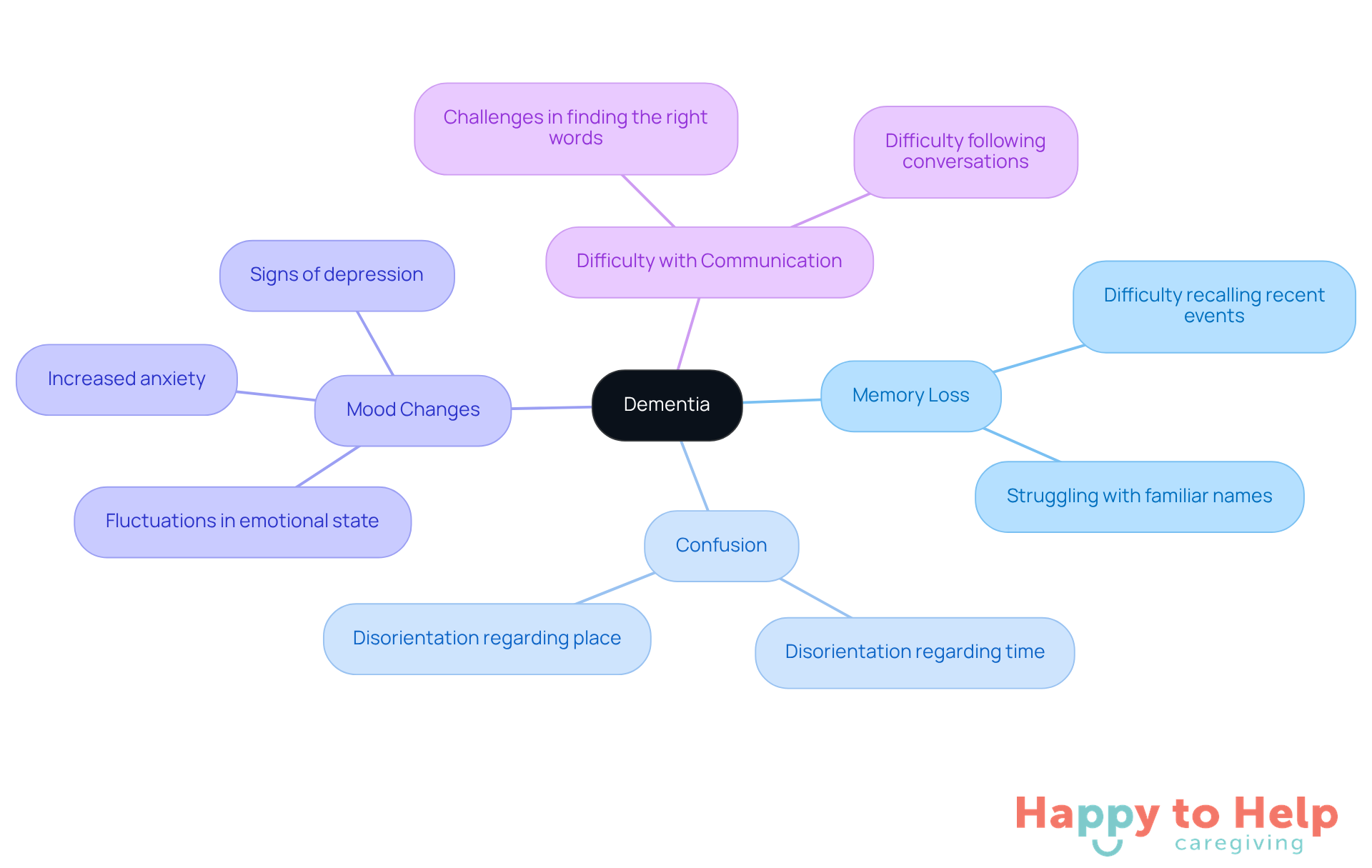
Dementia encompasses a range of cognitive impairments that significantly impact memory, thinking, and social abilities. Key symptoms include:
- Memory Loss: Difficulty recalling recent events or familiar names.
- Confusion: Disorientation regarding time and place.
- Mood Changes: Fluctuations in emotional state, including anxiety and depression.
- Difficulty with Communication: Challenges in finding the right words or following conversations.
For caregivers, recognizing these symptoms early is crucial when learning how to handle dementia parent. It allows them to adapt their approach and provide the necessary support in learning how to handle dementia parent. Understanding the development of cognitive decline is equally important, as it varies greatly among individuals.
By familiarizing yourself with these concepts, you can create a more supportive environment for your loved one. Implementing strategies on how to handle dementia parent challenges can significantly enhance the quality of care.
Communicate Effectively: Tips for Engaging with Your Parent
Understanding how to handle dementia parent can make effective communication less challenging. Caregivers often face difficulties in understanding how to handle dementia parent to ensure their loved ones understand and engage in conversations. This can lead to frustration and emotional strain for both parties.
To address these challenges, consider the following actionable strategies:
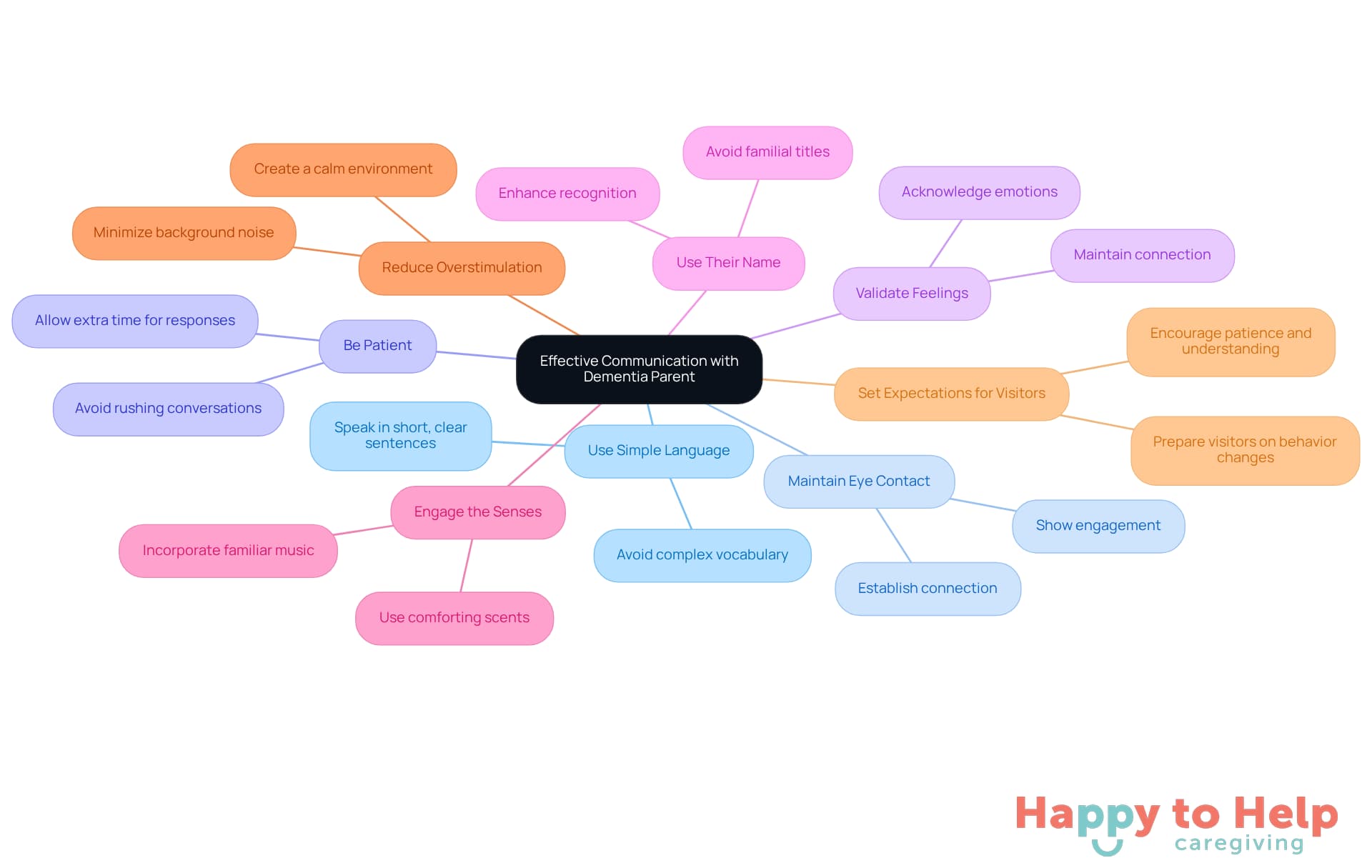
- Use Simple Language: Speak in short, clear sentences to avoid confusion. This assists your guardian in understanding and engaging more easily.
- Maintain Eye Contact: This helps to establish a connection and shows that you are engaged.
- Be Patient: Allow extra time for your guardian to process information and respond. Rushing can lead to frustration for both parties, so patience is crucial.
- Validate Feelings: Acknowledge their emotions, even if their perceptions differ from reality. Validating feelings helps maintain a connection and shows that you care.
- Use Their Name: Rather than employing familial titles, utilize your mother or father's name to improve recognition and connection, as they may not identify those titles anymore.
- Engage the Senses: Incorporate familiar music, foods, or scents during interactions to create a comforting atmosphere and enhance connection.
- Reduce Overstimulation: Create a calm environment by minimizing background noise and distractions, which can help your loved one feel more at ease.
- Set Expectations for Visitors: Prepare visitors by explaining any changes in your parent's behavior or needs, helping them approach interactions with patience and understanding.
By implementing these strategies, caregivers can better understand how to handle dementia parent interactions, ultimately reducing anxiety for both themselves and the person with dementia.
Create a Dementia-Friendly Home: Safety and Comfort Measures
Creating a dementia-friendly home is essential for understanding how to handle a dementia parent and ensuring the safety and comfort of individuals with cognitive impairments. Caregivers often face the challenge of making their living spaces more navigable and secure. Without proper adjustments, loved ones may experience confusion and increased risk of accidents.
To address these issues, consider implementing the following safety and comfort measures:
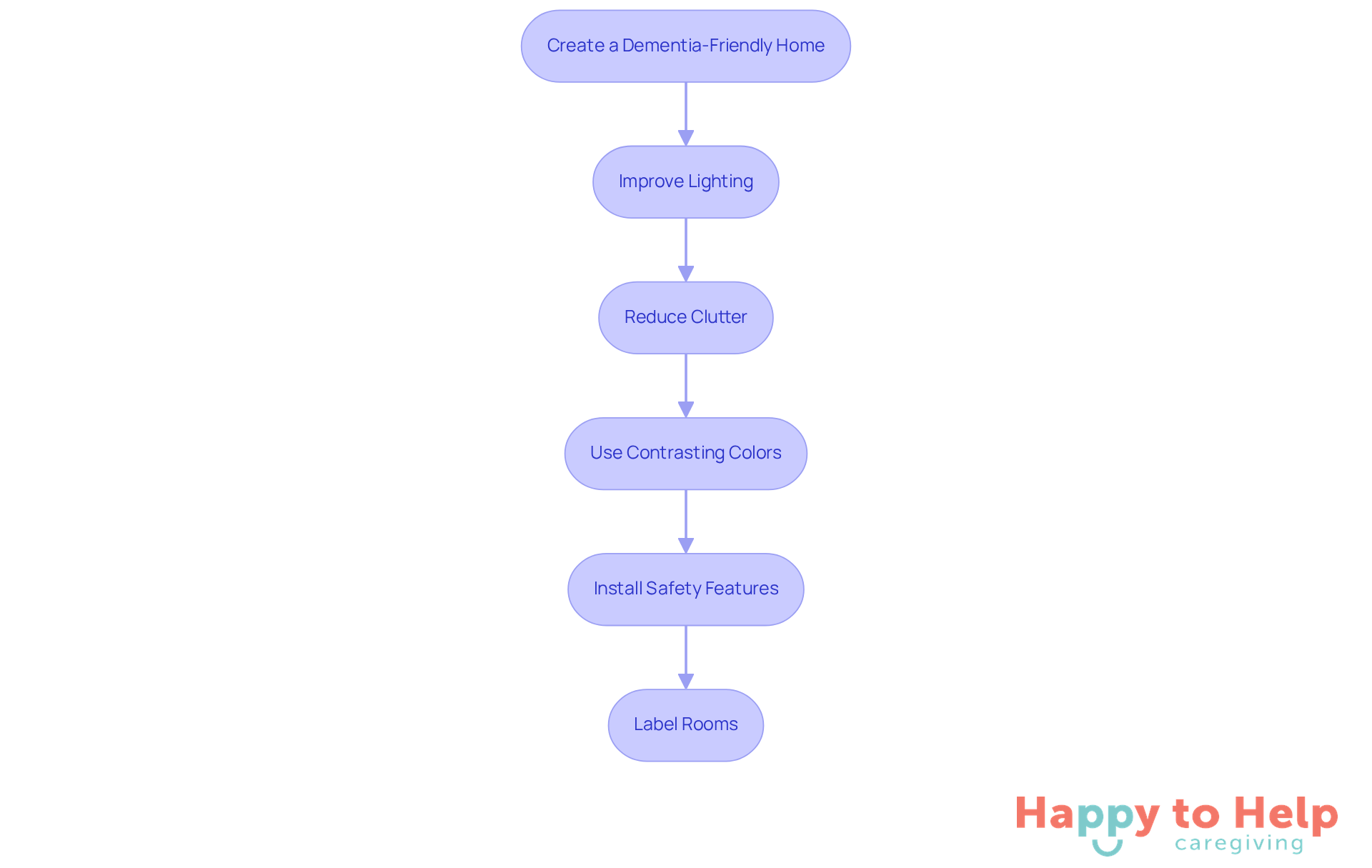
- Improve Lighting: Ensure that all areas are well-lit. Older adults may require up to 60% more light to see clearly. Consistent, warm lighting can help reduce confusion and prevent falls.
- Reduce Clutter: Keep pathways clear to facilitate easy navigation. Eliminating disorienting patterns from carpets and rugs can prevent eye strain and improve safety.
- Use Contrasting Colors: Differentiate between walls, floors, and furniture to aid spatial awareness. For instance, using a bright plate on a dark tablecloth can empower individuals with low visibility to eat with confidence.
- Install Safety Features: Incorporate grab bars in bathrooms and secure rugs to prevent slipping. Essential bathroom modifications, such as non-slip mats and improved lighting, can have an immediate positive impact on safety. Additionally, consider kitchen safety features like automatic shut-off devices for stoves to prevent accidents.
- Label Rooms: Use clear signs or pictures to assist your guardian in identifying different areas of the home. Visual aids can assist in communication and navigation, making the environment more familiar and less stressful.
These modifications not only improve safety but also promote independence, illustrating how to handle a dementia parent and enabling individuals with cognitive impairments to flourish in a supportive environment. Remember, introducing changes gradually can help your loved one adjust without feeling overwhelmed.
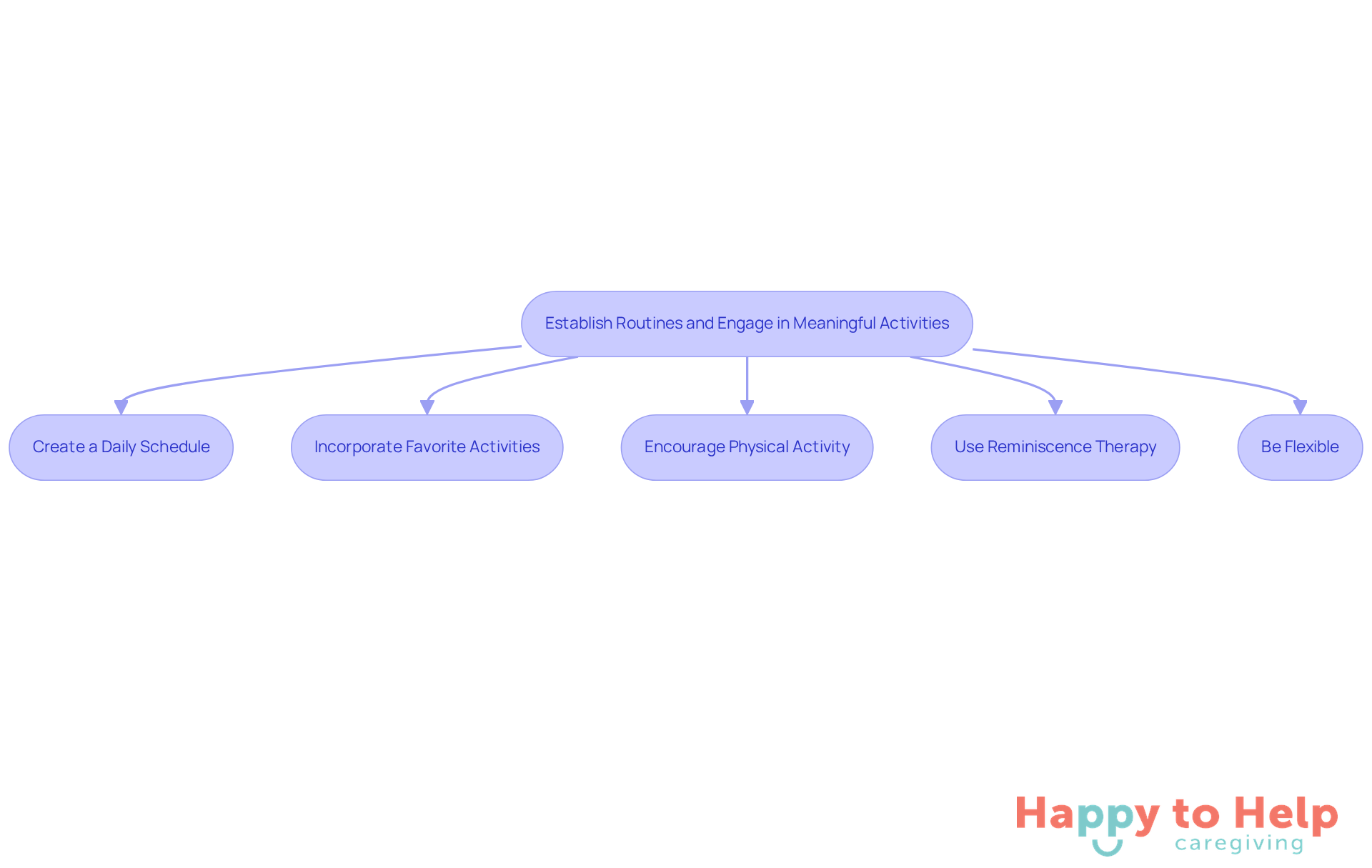
Establish Routines and Engage in Meaningful Activities
Caregivers often face significant challenges in establishing routines and engaging their parent in meaningful activities while learning how to handle a dementia parent. The unpredictability of daily life can lead to anxiety and agitation for individuals with cognitive decline, making it essential to create a structured environment.
-
Create a Daily Schedule: Outline daily activities such as meals, personal care, and leisure time to provide structure. Predictable schedules can significantly alleviate anxiety and agitation, fostering a sense of security. Regular rest periods should be incorporated into the daily routine to prevent fatigue, as individuals with dementia often tire quickly from cognitive efforts.
-
Incorporate Favorite Activities: Include hobbies or interests that your parent enjoys, such as gardening, music, or crafts. Participating in familiar activities not only preserves skills but enhances self-esteem and emotional well-being. As noted by Dementia UK, music can evoke memories and provide emotional benefits, helping to reduce agitation and anxiety.
-
Encourage Physical Activity: Simple exercises like walking or stretching can enhance physical health and mood. Regular physical activity has been shown to improve cognitive function and overall well-being, making it an essential part of daily routines. Activities like household chores can also serve as effective exercise, promoting engagement and interaction.
-
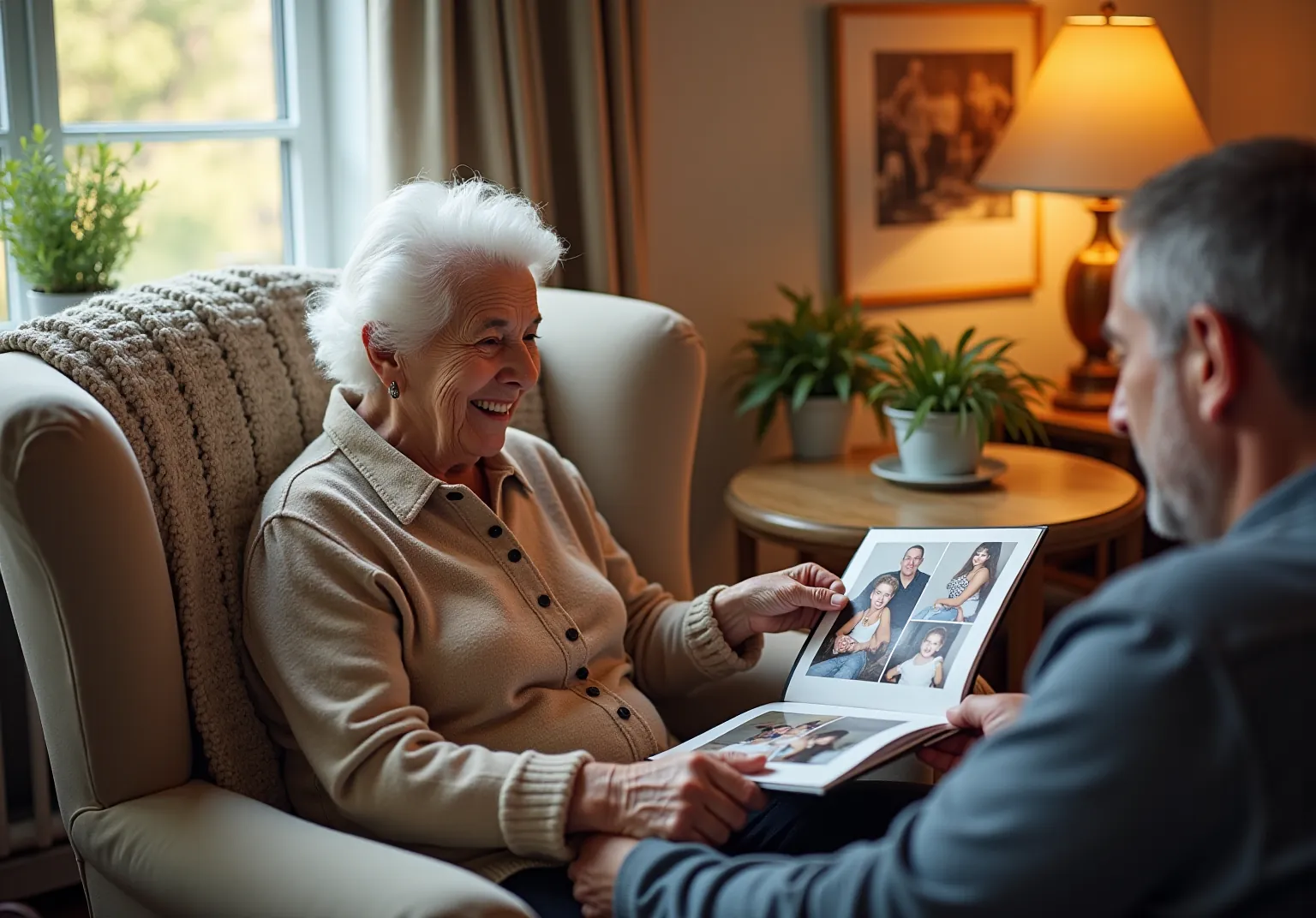
Use Reminiscence Therapy: Engage in conversations about past experiences or look through old photographs to stimulate memory and connection. This method can trigger positive recollections and reinforce emotional connections, improving the quality of life for individuals with memory impairments. As highlighted in case studies, reminiscence therapy can improve mood and well-being by focusing on positive memories.
-
Be Flexible: While routines are important, be prepared to adapt them based on your parent’s mood and energy levels. Understanding how to handle dementia parent behavior changes may indicate the need for routine adjustments, which is crucial for effective caregiving. Incorporating visual aids, such as clear labels and daily routine charts, can also enhance understanding and communication for dementia patients.
Implementing these strategies can foster a sense of stability and joy, enhancing the overall caregiving experience and ensuring that your loved one feels valued and engaged.
Making the Right Choice
Caring for a parent with dementia presents significant challenges that can impact both the caregiver and the individual. The emotional toll, coupled with the complexities of dementia, can create a stressful environment. Recognizing these difficulties is the first step toward fostering a supportive caregiving atmosphere.
To navigate this complex situation effectively, caregivers must implement thoughtful strategies. Key steps include:
- Recognizing dementia symptoms to understand the individual’s needs.
- Utilizing effective communication techniques that promote connection.
- Creating a dementia-friendly home that enhances safety and comfort.
- Establishing routines filled with meaningful activities to provide structure and purpose.
Each of these components plays a vital role in fostering a sense of security and connection, ultimately improving the emotional and physical well-being of both the caregiver and the person with dementia.
Caregivers are encouraged to embrace these strategies while remaining flexible in their approach. The journey of caring for a loved one with dementia is undoubtedly challenging, but prioritizing compassion and understanding can lead to a significant difference in their loved one's life. By taking the time to learn and implement these techniques, caregivers can cultivate a more fulfilling and harmonious relationship, enriching both lives in the process.
https://iframe.tely.ai/cta/eyJhcnRpY2xlX2lkIjogIjY5NDFmMzRlMTE4MTVjMDQxY2UzNWU1ZiIsICJjb21wYW55X2lkIjogIjY4ZWU1ZGNhNzMxNzYyNTU3ZjNjOTVjMSIsICJpbmRleCI6IG51bGwsICJ0eXBlIjogImFydGljbGUifQ==Frequently Asked Questions
What is dementia?
Dementia encompasses a range of cognitive impairments that significantly impact memory, thinking, and social abilities.
What are the key symptoms of dementia?
Key symptoms of dementia include memory loss, confusion, mood changes, and difficulty with communication.
How does memory loss manifest in dementia?
Memory loss in dementia is characterized by difficulty recalling recent events or familiar names.
What does confusion look like in individuals with dementia?
Confusion may involve disorientation regarding time and place.
How do mood changes affect individuals with dementia?
Mood changes can result in fluctuations in emotional state, including anxiety and depression.
What communication challenges do individuals with dementia face?
Individuals with dementia may struggle with finding the right words or following conversations.
Why is it important for caregivers to recognize dementia symptoms early?
Recognizing symptoms early allows caregivers to adapt their approach and provide necessary support for their loved ones.
How does cognitive decline in dementia vary among individuals?
The development of cognitive decline in dementia varies greatly among individuals, making it important to understand each person's unique experience.
What can caregivers do to create a supportive environment for someone with dementia?
Caregivers can create a supportive environment by familiarizing themselves with dementia concepts and implementing strategies to handle challenges effectively.
List of Sources
- Understand Dementia: Key Concepts and Symptoms
- Dementia News (https://sciencedaily.com/news/mind\_brain/dementia)
- New Mayo-led study establishes practical definition for rapidly progressive dementia | Newswise (https://newswise.com/articles/new-mayo-led-study-establishes-practical-definition-for-rapidly-progressive-dementia)
- Communicate Effectively: Tips for Engaging with Your Parent
- Home for the Holidays: Experts Share Tips for Communicating and Connecting When a Loved One Has Dementia (https://asha.org/news/2025/home-for-the-holidays-experts-share-tips-for-communicating-and-connecting-when-a-loved-one-has-dementia?srsltid=AfmBOoqxUNpFQlHuYUY7mkVJBwfhGqGOnk10jC61SLE3NCQN1xvEKkFM)
- Study offers guidance for communicating with loved ones living with dementia (https://news-medical.net/news/20250827/Study-offers-guidance-for-communicating-with-loved-ones-living-with-dementia.aspx)
- Effective Communication Tips for Dementia | Bridges® by EPOCH (https://bridgesbyepoch.com/2025/01/06/effective-communication-tips)
- Create a Dementia-Friendly Home: Safety and Comfort Measures
- Expert Tips for Creating a Dementia-Friendly Home in Anaheim, CA – Front Porch (https://frontporch.net/community/walnut-village/blog/expert-tips-for-creating-a-dementia-friendly-home-in-anaheim-ca)
- Creating a Dementia-Friendly Home: Room-by-Room Modifications That Work (https://thekey.com/learning-center/dementia-friendly-home)
- Creating a Dementia-Friendly Home: Five Simple Ideas (https://bshcinfo.org/creating-a-dementia-friendly-home-five-simple-ideas)
- Alzheimer's Foundation of America shares tips to plan for dementia-friendly 4th of July (https://katv.com/news/local/alzheimers-foundation-of-america-shares-tips-to-plan-for-dementia-friendly-4th-of-july-celebration-katv-news-inform-community-share-engage-activities-find-safety-look-family-friends-assist)
- CREATING A DEMENTIA-FRIENDLY HOME | Alzheimer's Foundation of America (https://alzfdn.org/creating-a-dementia-friendly-home)
- Establish Routines and Engage in Meaningful Activities
- Dementia Care Activities (https://health.usnews.com/best-senior-living/articles/dementia-care-activities)
- Dementia: Why Routines Matter! (https://heritagesenior.com/elm-grove/blog/memory-care/dementia-why-routines-matter)
- Explore Engaging Activities for Seniors With Dementia (https://delaneyatthevale.com/news-blog/activities-for-seniors-with-dementia)
- Meaningful activities for a person with dementia (https://dementiauk.org/news/meaningful-activities-for-a-person-with-dementia)
- The Importance of Routine for Seniors with Alzheimer’s and Dementia (https://blog.thebristal.com/importance-routine-seniors-alzheimers-dementia)