

For families in our service areas
For families in our service areas, this guide explains dementia care and how non-medical in-home caregiving can support care planning in East Idaho, Treasure Valley & Magic Valley, Northern Wasatch, North Central West Virginia, and Northeast Ohio.
What You Need to Know About Help a Parent with Dementia Effectively
Dementia poses a significant challenge for both those diagnosed and their caregivers. Caregivers often navigate a complex landscape filled with emotional and practical hurdles. This guide aims to empower caregivers with essential knowledge and strategies to effectively support a parent living with dementia.
As caregivers explore the intricacies of communication, behavioral management, and environmental adjustments, they face a pressing question: how can they balance compassion with the demanding realities of caregiving? It’s crucial for caregivers to ensure that both their loved ones and themselves thrive throughout this journey.
In this guide, we will outline practical steps that caregivers can take to address these challenges. By understanding the emotional toll and practical demands of caregiving, caregivers can implement strategies that foster a supportive environment for their loved ones while also prioritizing their own well-being.
Understand Dementia: Key Concepts and Symptoms
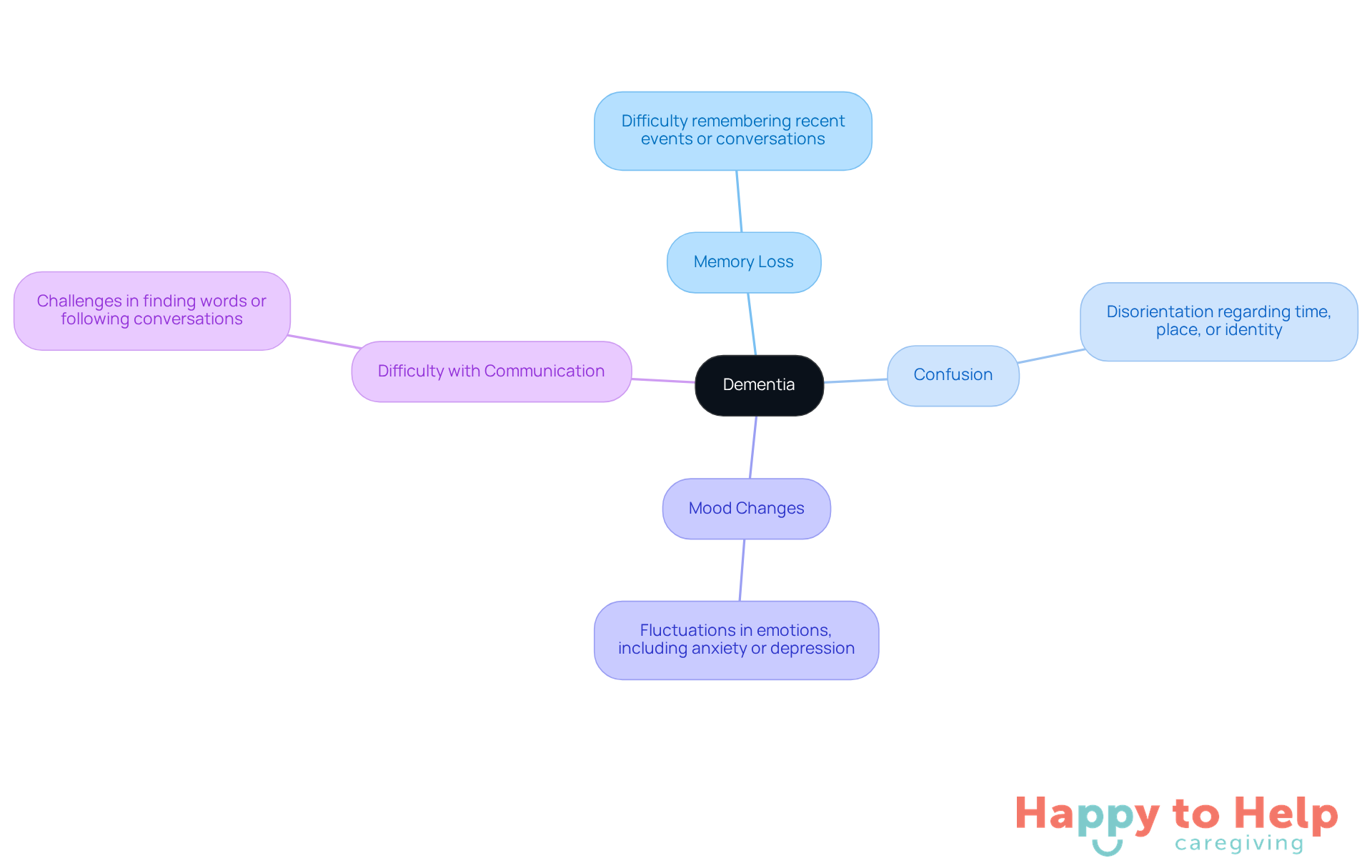
Dementia encompasses a range of cognitive impairments that impact memory, thinking, and social abilities. Key symptoms include:
- Memory Loss: Difficulty remembering recent events or conversations.
- Confusion: Disorientation regarding time, place, or identity.
- Mood Changes: Fluctuations in emotions, including anxiety or depression.
- Difficulty with Communication: Challenges in finding words or following conversations.
Identifying these symptoms early is crucial for caregivers. It allows them to respond appropriately and seek essential medical guidance. Unfortunately, recent research shows that dementia is often diagnosed 3.5 years after symptoms first appear, with early onset dementia taking even longer at 4.1 years. This delay can leave caregivers feeling overwhelmed without the necessary support and resources.
Dr. Courtney Ghormley highlights the importance of recognizing early signs, stating, "Occasional mental errors are normal in aging, but worsening symptoms should be addressed." Caregivers are encouraged to reach out to the Alzheimer’s Association's 24-hour help line at 800-272-3900 for immediate support. By recognizing these symptoms early, caregivers can respond effectively and seek necessary medical evaluations, ultimately improving the quality of life for both themselves and their loved ones.
The concept of 'Time To Diagnose (TTD)' underscores the challenges in achieving prompt diagnosis, emphasizing the need for awareness and proactive measures in cognitive impairment care.
Communicate Effectively: Tips for Engaging with Your Parent
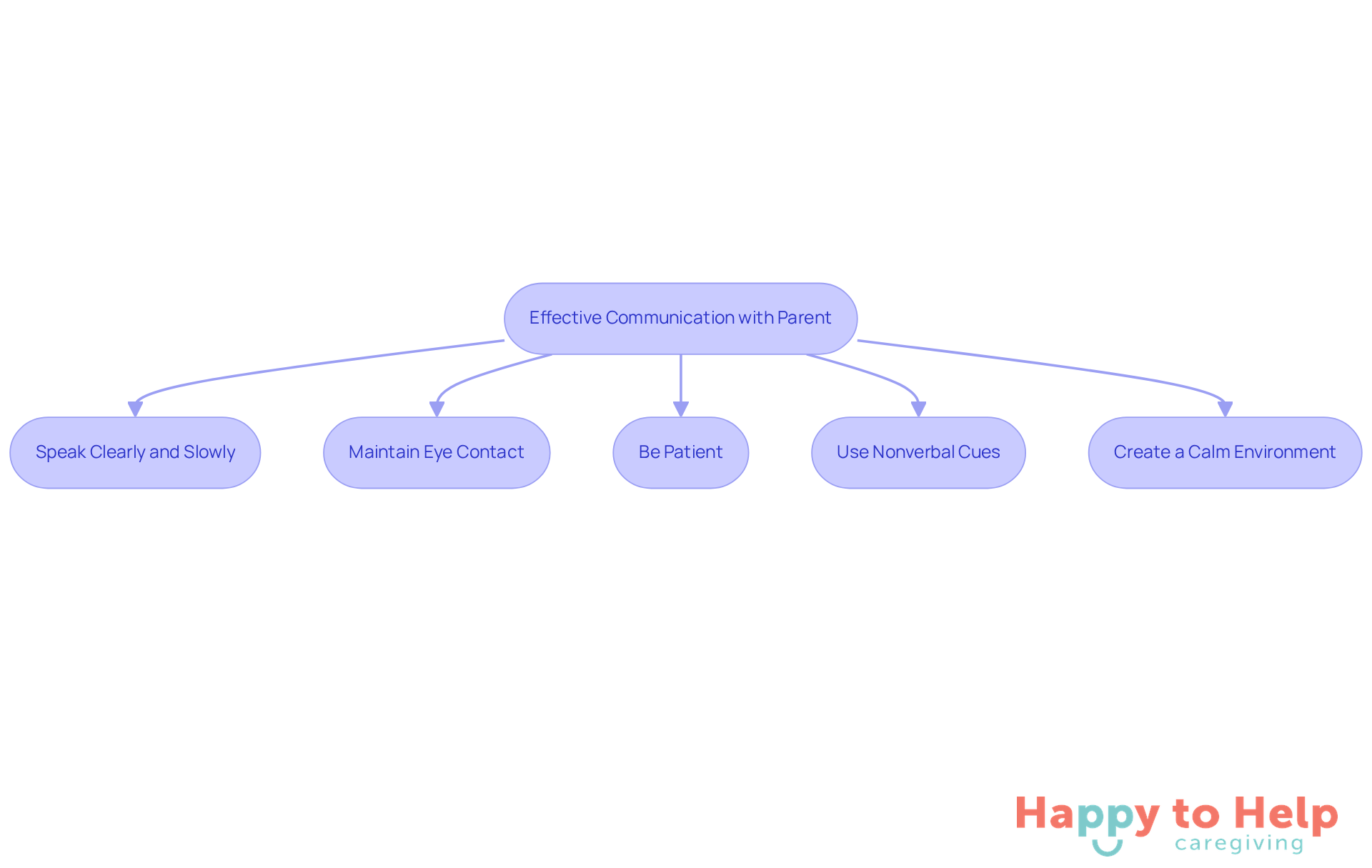
Learning how to help a parent with dementia by communicating effectively can be challenging. Caregivers often face difficulties in understanding how to help a parent with dementia so that their loved ones can understand and respond appropriately. This can lead to frustration and feelings of isolation for both parties. However, there are practical strategies that demonstrate how to help a parent with dementia improve communication.
-
Speak Clearly and Slowly: Use simple language and short sentences to enhance understanding. This approach minimizes confusion and helps your parent grasp the conversation better.
-
Maintain Eye Contact: Engaging your caregiver through eye contact shows that you are focused on them. This connection can foster a sense of security and attentiveness.
-
Be Patient: Allow extra time for your guardian to respond, and avoid interrupting. Patience is crucial, as it gives them the space they need to process information and articulate their thoughts.
-
Use Nonverbal Cues: Gestures and facial expressions can significantly aid in conveying your message. These nonverbal signals provide reassurance and can bridge gaps in understanding.
-
Create a Calm Environment: Minimize distractions by turning off the TV or moving to a quieter space. A serene setting can enhance focus and make communication more effective.
Manage Behavioral Challenges: Strategies for Common Issues
Behavioral issues in dementia, such as restlessness, aggression, and wandering, pose significant challenges for caregivers. These behaviors can lead to increased anxiety and feelings of helplessness for both the caregiver and the individual with dementia. Understanding how to help a parent with dementia is crucial for providing effective support.
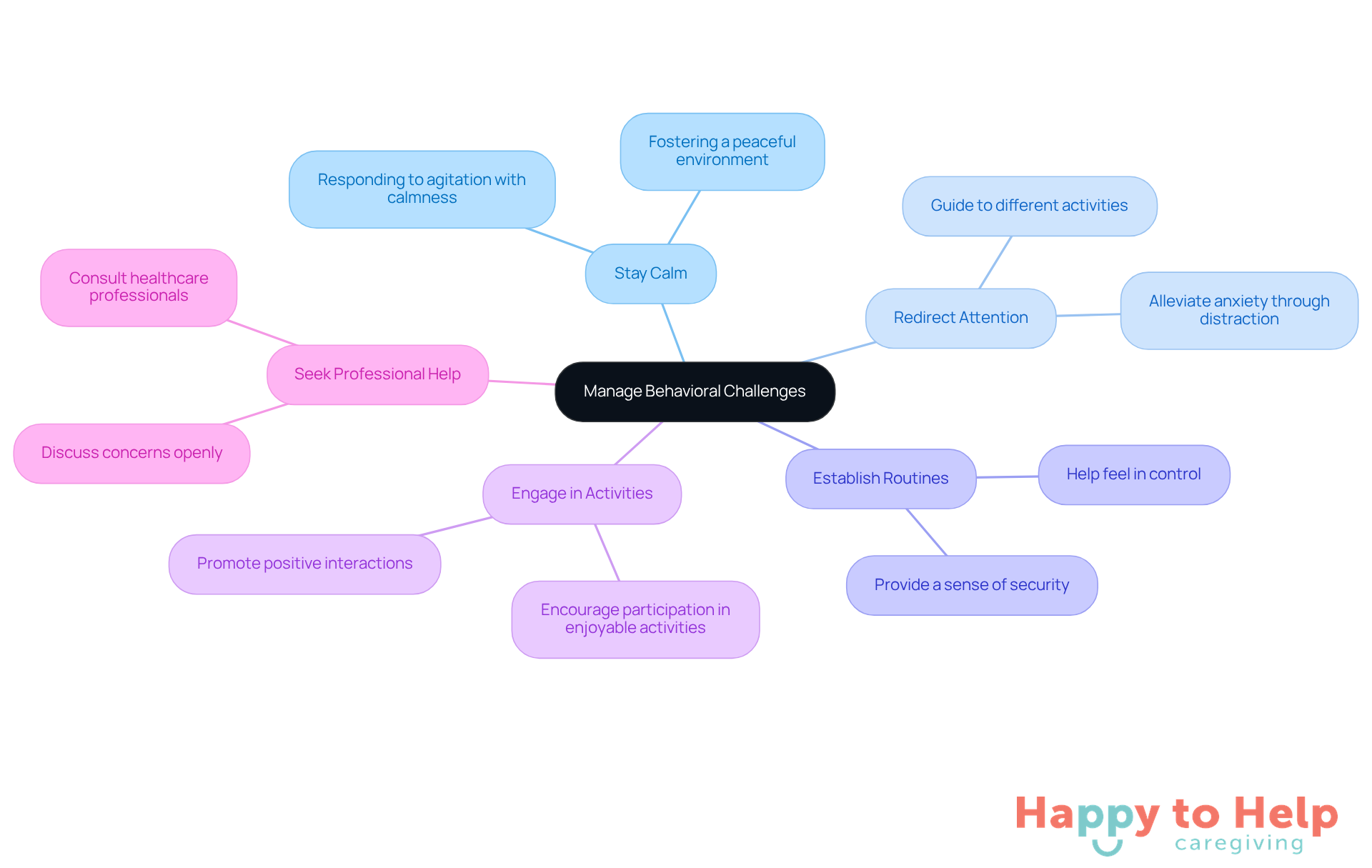
To manage these behaviors, consider the following strategies:
- Stay Calm: Responding to agitation with a calm demeanor can help soothe your parent. Your composed presence fosters a more peaceful environment.
- Redirect Attention: If your caregiver is fixated on a distressing thought, gently guide them to a different activity or topic. This redirection can alleviate anxiety and shift their mindset.
- Establish Routines: Consistent daily routines provide a sense of security and reduce anxiety. Regular schedules help your guardian feel more in control of their environment.
- Engage in Activities: Encourage participation in enjoyable activities, such as music or art, to promote positive interactions. These activities can foster joy and connection, countering feelings of frustration or distress.
- Seek Professional Help: If behaviors become unmanageable, consult healthcare professionals for additional support. Open conversations with providers are essential, as 32% have been hesitant to discuss restlessness due to guilt or fear. A multidisciplinary approach to cognitive impairment care can offer customized strategies and support, ensuring both you and your parent receive the assistance you need.
These approaches are vital for managing the challenges of memory impairment support. Almost 93% of caregivers report feeling overwhelmed by distressing symptoms. Additionally, 44.6% of individuals with Alzheimer's disease exhibit signs of agitation. Recognizing that this behavior is part of the illness can help caregivers feel less isolated and more optimistic. By implementing these strategies, caregivers can understand how to help a parent with dementia by creating a more supportive and understanding environment for their loved ones.
Create a Supportive Environment: Enhancing Comfort and Safety
It is crucial for their safety and well-being to create a supportive environment that demonstrates how to help a parent with dementia. Caregivers often face the challenge of ensuring that their loved ones can navigate their surroundings without confusion or risk of injury.
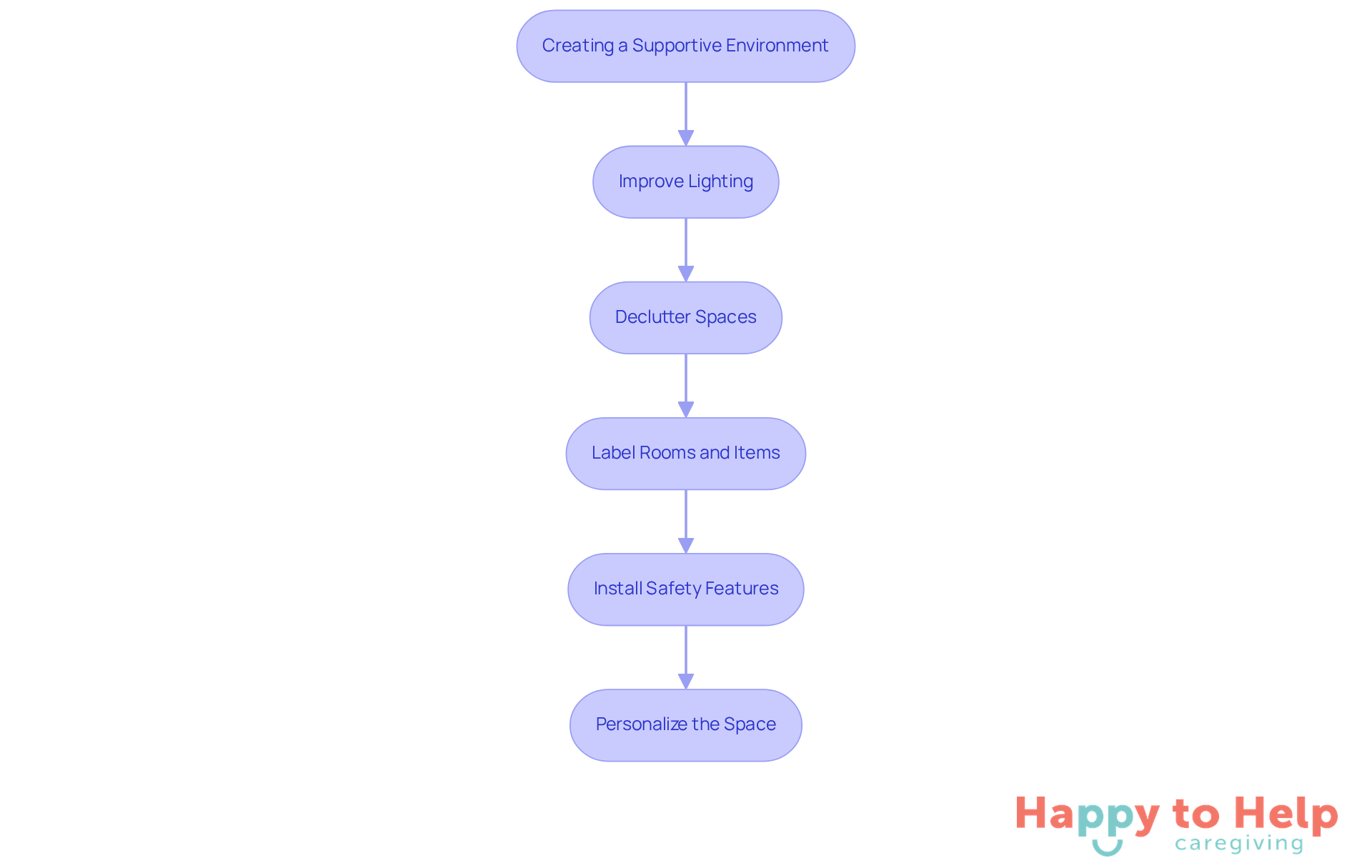
To address this issue, consider the following modifications:
- Improve Lighting: Ensure that all areas of the home are well-lit to prevent falls and confusion.
- Declutter Spaces: Remove unnecessary items to create a clear and safe pathway.
- Label Rooms and Items: Use clear labels on doors and common items to help your parent navigate their environment.
- Install Safety Features: Consider grab bars in bathrooms and non-slip mats to enhance safety.
- Personalize the Space: Incorporate familiar items and photographs to create a comforting atmosphere.
Implementing these changes can significantly enhance the quality of life for both the caregiver and the parent, particularly in understanding how to help a parent with dementia, fostering a safer and more supportive home environment.
Making the Right Choice
Supporting a parent with dementia presents significant challenges for caregivers. The emotional and physical toll can be overwhelming, leading to stress and burnout. Recognizing the symptoms of dementia early is crucial, as it allows for timely intervention and better management of the condition.
Effective communication is essential in this journey. Caregivers can engage meaningfully with their parents by employing strategies tailored to their loved one's needs. For instance, using simple language, maintaining eye contact, and being patient can foster a more supportive interaction. Additionally, managing behavioral challenges is vital. Caregivers should be prepared for potential outbursts or confusion, and having practical approaches in place can alleviate stress. Techniques such as redirecting attention or providing a calming environment can make a significant difference.
Creating a safe and comforting home environment is another key aspect. This involves removing hazards and ensuring that the living space is familiar and soothing. By tailoring the environment to the needs of individuals with dementia, caregivers can enhance their loved one's quality of life.
In conclusion, supporting a parent with dementia requires a blend of patience, understanding, and proactive measures. By implementing these strategies, caregivers can navigate the complexities of dementia care more effectively. This not only ensures that their loved ones receive the compassion and support they deserve but also fosters a deeper connection and understanding between caregivers and their parents.
https://iframe.tely.ai/cta/eyJhcnRpY2xlX2lkIjogIjY5MjY2NjFlYmE1MjYxOTlhNjlhODM0YiIsICJjb21wYW55X2lkIjogIjY4ZWU1ZGNhNzMxNzYyNTU3ZjNjOTVjMSIsICJpbmRleCI6IG51bGwsICJ0eXBlIjogImFydGljbGUifQ==Frequently Asked Questions
What is dementia?
Dementia encompasses a range of cognitive impairments that impact memory, thinking, and social abilities.
What are the key symptoms of dementia?
Key symptoms of dementia include memory loss, confusion, mood changes, and difficulty with communication.
Why is early identification of dementia symptoms important for caregivers?
Early identification allows caregivers to respond appropriately and seek essential medical guidance, improving the quality of life for both themselves and their loved ones.
How long does it typically take to diagnose dementia after symptoms first appear?
Research shows that dementia is often diagnosed 3.5 years after symptoms first appear, with early onset dementia taking even longer at 4.1 years.
What challenges do caregivers face due to delays in dementia diagnosis?
Delays in diagnosis can leave caregivers feeling overwhelmed without the necessary support and resources.
What does Dr. Courtney Ghormley emphasize regarding dementia symptoms?
Dr. Courtney Ghormley emphasizes that while occasional mental errors are normal in aging, worsening symptoms should be addressed.
Where can caregivers seek immediate support for dementia-related concerns?
Caregivers can reach out to the Alzheimer’s Association's 24-hour help line at 800-272-3900 for immediate support.
What is the 'Time To Diagnose (TTD)' concept?
The 'Time To Diagnose (TTD)' concept highlights the challenges in achieving prompt diagnosis and emphasizes the need for awareness and proactive measures in cognitive impairment care.
List of Sources
- Understand Dementia: Key Concepts and Symptoms
- Could This Precision Medicine Approach Help You Delay Dementia? (https://ucsf.edu/news/2025/11/431111/could-precision-medicine-approach-help-you-delay-dementia)
- New insights into blood pressure's role in dementia prevention (https://nbcdfw.com/news/health/dementia-trial-help-determine-risk/3939062)
- UAMS Hosts Lecture on Warning Signs of Dementia - UAMS News (https://news.uams.edu/2025/11/25/uams-hosts-lecture-on-warning-signs-of-dementia)
- Dementia: Diagnosis may take 3.5 years after symptoms start (https://medicalnewstoday.com/articles/dementia-takes-3-5-years-diagnosis-after-symptoms-begin-but-why)
- ADI - Dementia statistics (https://alzint.org/about/dementia-facts-figures/dementia-statistics)
- Communicate Effectively: Tips for Engaging with Your Parent
- Study offers guidance for communicating with loved ones living with dementia (https://news-medical.net/news/20250827/Study-offers-guidance-for-communicating-with-loved-ones-living-with-dementia.aspx)
- Effective Communication With Loved Ones With Dementia Premieres on UW-Led YouTube Program (https://uwyo.edu/news/2025/02/effective-communication-with-loved-ones-with-dementia-premieres-on-uw-led-youtube-program.html)
- Bridging the gap: Dementia communication strategies - Harvard Health (https://health.harvard.edu/mind-and-mood/bridging-the-gap-dementia-communication-strategies)
- Clearer Conversations, Better Care: New Guide Highlights Best Practices for Communicating with Older Adults (https://geron.org/News-Events/GSA-News/Press-Room/Press-Releases/clearer-conversations-better-care-new-guide-highlights-best-practices-for-communicating-with-older-adults)
- Manage Behavioral Challenges: Strategies for Common Issues
- New Help for Dealing With Aggression in People With Dementia - KFF Health News (https://kffhealthnews.org/news/article/dementia-aggression-caregiver-resources-help)
- New Survey Reveals Critical Gaps in Awareness and Understanding of Agitation in Alzheimer’s Dementia - Alliance for Aging Research (https://agingresearch.org/news/new-survey-reveals-critical-gaps-in-awareness-and-understanding-of-agitation-in-alzheimers-dementia)
- Hospice study reveals contrasting views on managing dementia behaviors (https://mcknights.com/news/hospice-study-reveals-contrasting-views-on-managing-dementia-behaviors)
- Multidisciplinary team approach to dementia care (https://nortonhealthcareprovider.com/news/multidisciplinary-team-approach-to-dementia-care-for-clinicians)
- Create a Supportive Environment: Enhancing Comfort and Safety
- Dementia care programs help, if caregivers can find them (https://cbsnews.com/news/alzheimers-dementia-care-programs-help-if-caregivers-can-find-them)
- How a Dementia Friendly Environment Can Enhance Well-Being (https://thefleetdartmouth.co.uk/news-events/how-a-dementia-friendly-environment-can-enhance-well-being)
- Hospice Company Launches New Program to Address ‘Significant Need’ for Dementia Care (https://seniorhousingnews.com/2024/11/26/hospice-company-launches-new-program-to-address-significant-need-for-dementia-care)
- Creating a Dementia-Friendly Home: Room-by-Room Modifications That Work (https://thekey.com/learning-center/dementia-friendly-home)
- News Stories (https://dementiacampus.org/news-stories)