

For families in our service areas
For families in our service areas, this guide explains alzheimer's care and how non-medical in-home caregiving can support care planning in East Idaho, Treasure Valley & Magic Valley, Northern Wasatch, North Central West Virginia, and Northeast Ohio.
Why Help an Alzheimer Patient Not Eating Matters
Understanding the complexities of appetite changes in Alzheimer’s patients is crucial for caregivers on this challenging journey. Cognitive decline often leads to missed meals and nutritional deficits, which can be incredibly stressful. Caregivers may feel overwhelmed, and it’s important to recognize these emotional challenges.
How can caregivers address these eating difficulties while also creating a supportive environment? One that encourages nourishment and emotional well-being? This article explores practical steps and insights to help caregivers foster healthier eating habits in their loved ones.
By implementing effective strategies, caregivers can ensure their loved ones receive the care and attention they truly deserve. Together, we can navigate this journey with compassion and understanding.
Identify Reasons for Reduced Appetite in Alzheimer's Patients
To effectively address the diminished appetite often seen in an Alzheimer patient not eating, it’s essential to keep a close eye on any changes in their eating habits. This can be a challenging journey, but understanding the common factors at play can help caregivers provide better support.
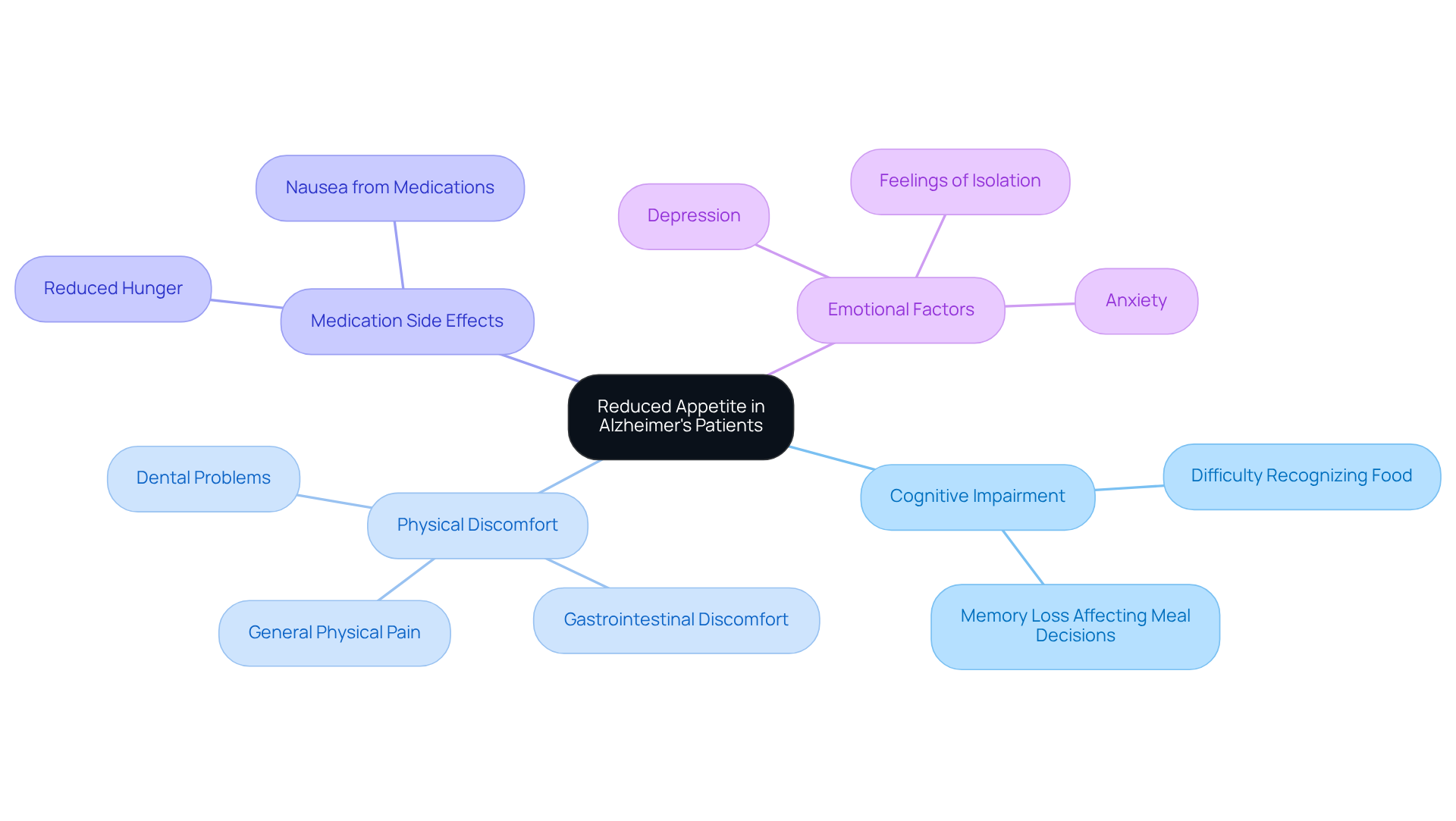
Cognitive impairment can result in an Alzheimer patient not eating or struggling to recognize food, leading to missed meals. It’s heartbreaking to see how cognitive decline can result in an Alzheimer patient not eating, as individuals may find it difficult to remember or make decisions about food.
-
Physical Discomfort: Physical discomfort can also play a significant role in discouraging eating. Many patients face issues like dental problems or gastrointestinal discomfort. In fact, studies show that nearly 40% of individuals with dementia report challenges related to eating due to such discomfort. This can be a tough reality for both patients and caregivers.
-
Medication Side Effects: Additionally, some medications prescribed for dementia symptoms can reduce hunger, complicating nutritional intake even further. It’s important for caregivers to be aware of these potential side effects and to discuss them with healthcare providers to find the best solutions.
-
Emotional Factors: Emotional well-being is another crucial aspect. Depression and anxiety are common among individuals, which can lead to an Alzheimer patient not eating, greatly impacting their desire to consume food. Caregivers should be attentive to any signs of distress or mood changes, as emotional health is closely tied to hunger.
Engaging with the patient about their feelings towards food and eating is vital. Open discussions can help caregivers understand the underlying issues affecting their loved one’s appetite. Consulting healthcare professionals can also be beneficial in identifying and addressing any medical concerns contributing to appetite loss.
Remember, you’re not alone in this journey. By fostering open communication and seeking support, caregivers can navigate these challenges with compassion and understanding.
Implement Strategies to Encourage Eating
To encourage eating in an Alzheimer patient not eating, it is important to approach the situation with care and understanding. Here are some gentle strategies that can make a real difference:
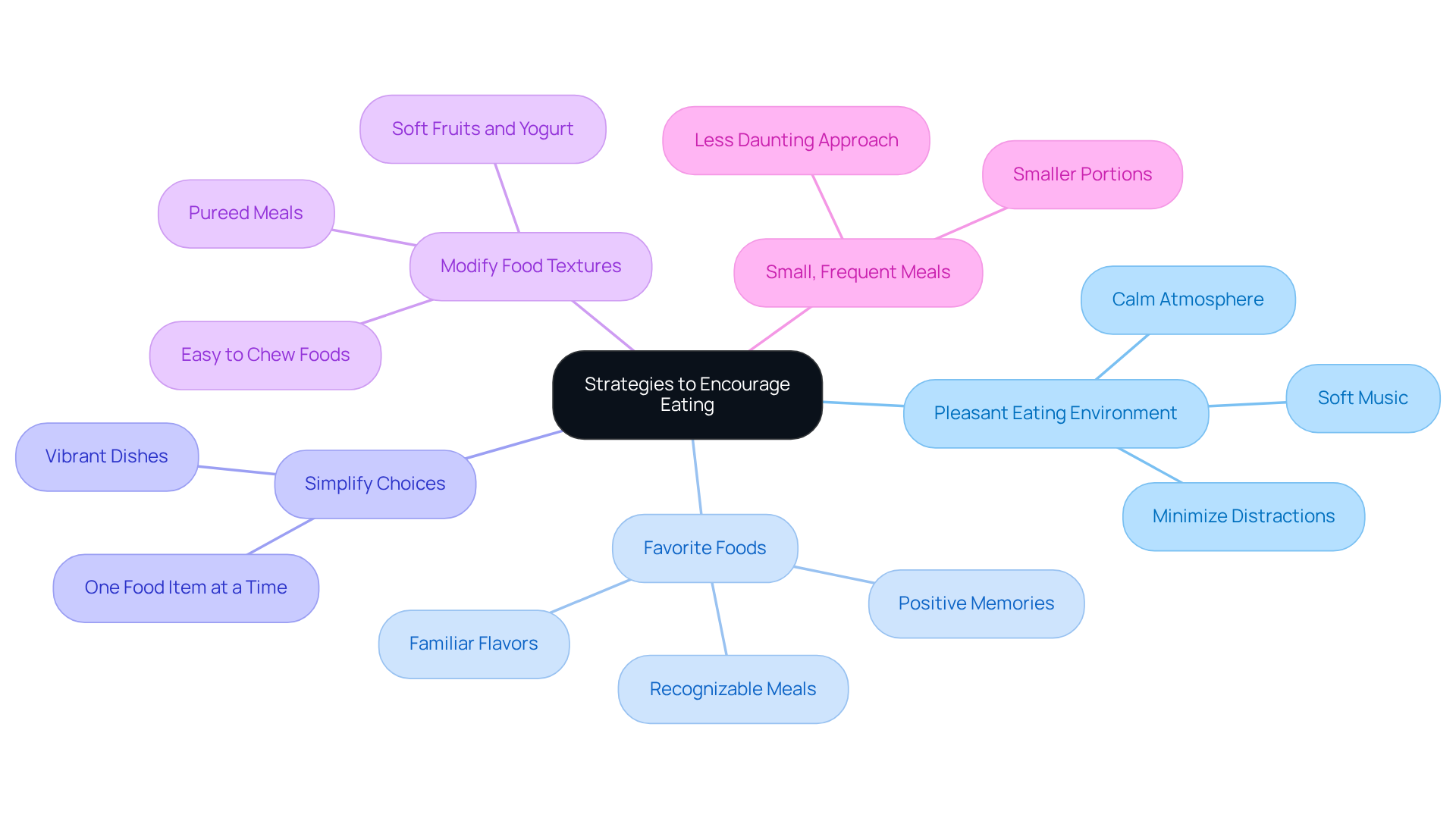
- Create a Pleasant Eating Environment: Imagine a calm and inviting dining area. A soothing atmosphere can truly enhance the mealtime experience. By minimizing distractions and perhaps playing soft music, you can foster relaxation and focus during meals.
- Serve Favorite Foods: Think about the meals that bring joy. Providing foods that the individual enjoys and recognizes can spark interest in eating. Familiar flavors and textures can evoke positive memories, encouraging participation in mealtime.
- Simplify Choices: It can be overwhelming to face too many options. Presenting one food item at a time can help ease this burden. Using vibrant dishes can also make meals visually appealing, boosting interest and engagement.
- Modify Food Textures: Safety is key. Preparing foods that are easy to chew and swallow is crucial. Soft fruits, yogurt, or pureed meals can help prevent choking and ensure that nutrition needs are met.
- Encourage Small, Frequent Meals: Instead of three large meals, consider offering smaller portions throughout the day. This approach can make eating feel less daunting and more manageable for individuals who may struggle with appetite.
These strategies not only meet the nutritional needs of individuals with Alzheimer's but also help mitigate the problem of an Alzheimer patient not eating by creating a supportive and pleasant dining experience. By focusing on these compassionate approaches, we can help improve their overall well-being.
Monitor Health and Adjust Care Plans as Needed
It is so important to monitor an Alzheimer patient not eating and their health habits. Keeping a daily log of food intake and any changes in behavior can make a real difference. Here are some key areas to focus on:
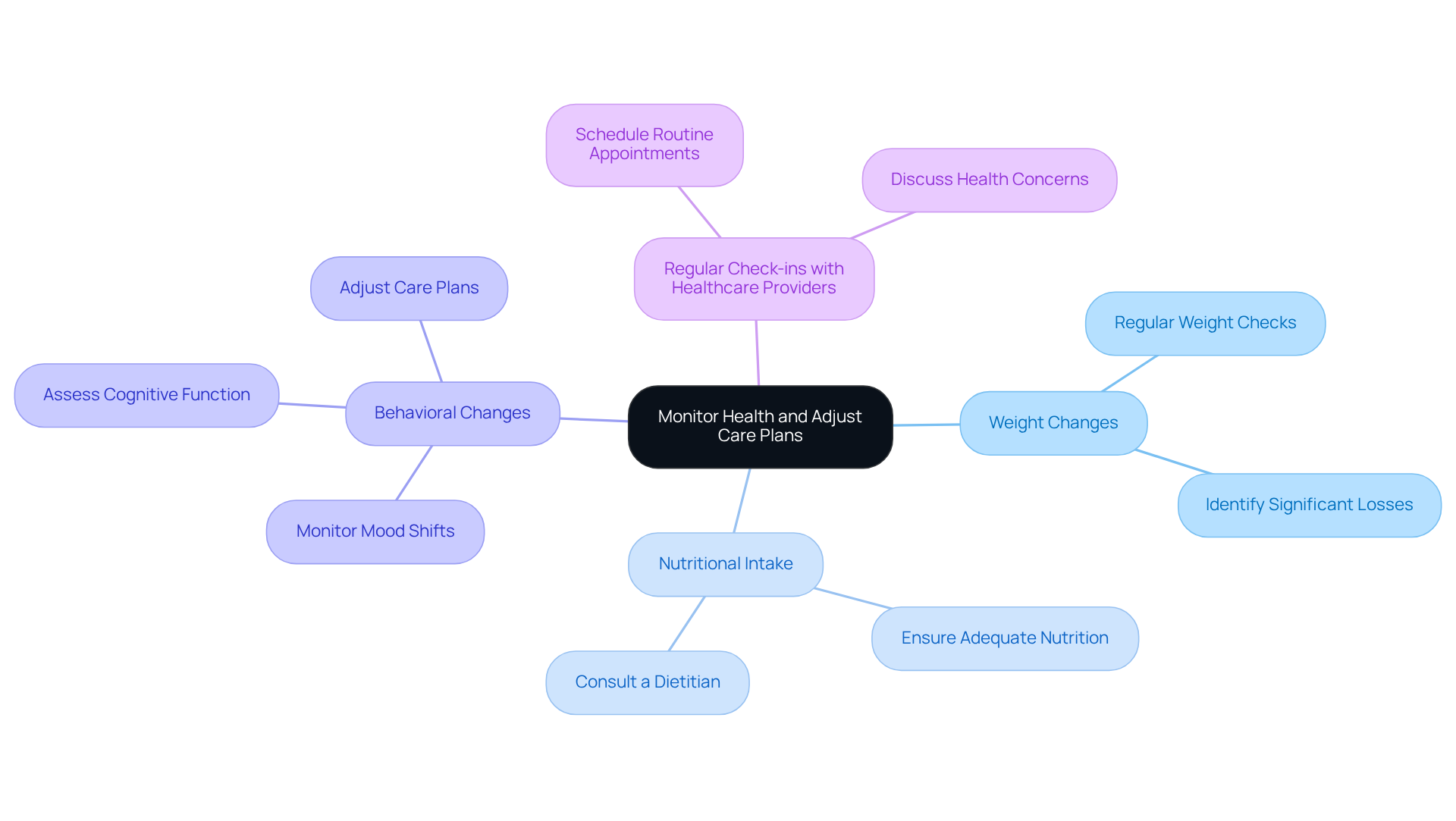
- Weight Changes: Regularly checking the patient's weight helps identify any significant losses. It’s a simple yet effective way to stay on top of their health.
- Nutritional Intake: Ensuring that the individual receives adequate nutrition is crucial. If you're unsure, consider reaching out to a dietitian for tailored advice that meets their specific needs.
- Behavioral Changes: Pay attention to any behavioral changes in an Alzheimer patient not eating, such as shifts in mood or cognitive function that might affect appetite. Adjusting care plans accordingly and incorporating new strategies can be beneficial.
- Regular Check-ins with Healthcare Providers: Scheduling routine appointments to discuss the health of an individual, especially if they are an Alzheimer patient not eating, and any concerns regarding their eating habits is essential. These check-ins provide an opportunity to address any worries and ensure that the individual is supported.
Remember, you’re not alone in this journey. By monitoring these aspects, you’re taking proactive steps to ensure the well-being of those you care for. Your compassion and dedication truly make a difference.
Recognize When to Seek Professional Assistance
Recognizing when to seek expert help for an Alzheimer patient not eating and experiencing memory loss is crucial for their well-being. Here are some signs that may indicate a need for intervention:
-
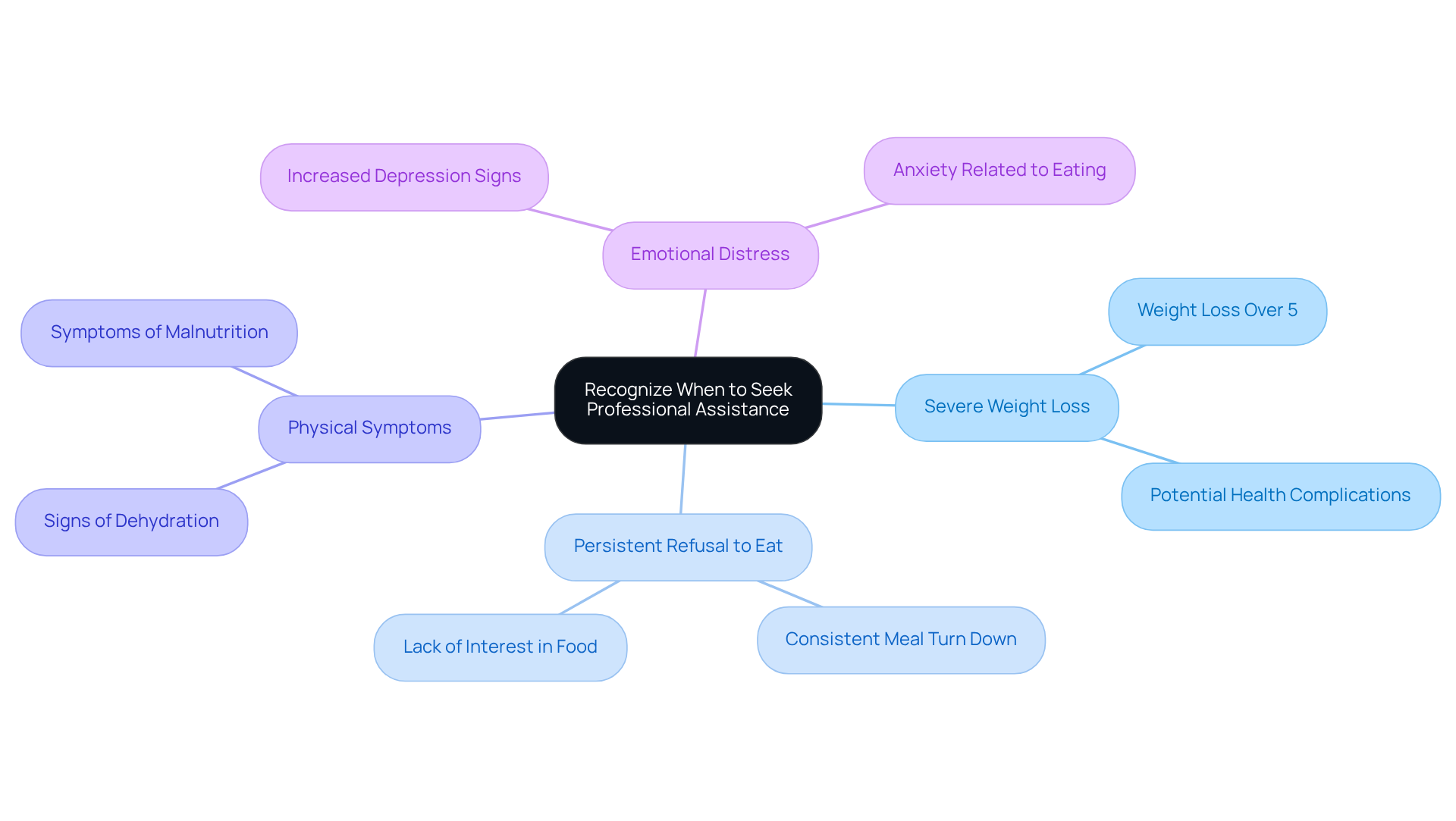
Severe Weight Loss: Losing more than 5% of body weight in a month is a significant concern, as it can lead to serious health complications. Even a weight loss of 5% or more over 6-12 months should prompt further investigation, as it might signal underlying health issues.
-
Persistent Refusal to Eat: If the person consistently turns down meals or shows little interest in food, it’s important to take notice. Research indicates that the behavior of an Alzheimer patient not eating is common, making it essential for caregivers to observe this closely.
-
Physical Symptoms: Watch for signs of dehydration or malnutrition, which can appear as fatigue, weakness, or other health problems. These symptoms can greatly impact the individual’s overall health and quality of life.
-
Emotional Distress: Increased signs of depression or anxiety related to eating can complicate the individual’s situation. Caregivers should understand that emotional distress often intertwines with the challenges of eating in dementia care.
Consulting with a healthcare provider or a nutritionist who specializes in dementia care can provide valuable insights and tailored support. Early intervention can significantly enhance the quality of care and health outcomes. As one caregiver shared, "Understanding the emotional and physical challenges faced by dementia patients is key to providing effective support.
Moving Forward with Help an Alzheimer Patient Not Eating
Addressing the challenges of reduced appetite in Alzheimer patients is vital for their overall well-being and quality of life. Caregivers often feel overwhelmed, and understanding the factors that contribute to this issue can help them take meaningful steps to encourage proper nutrition and support their loved ones effectively.
Creating a pleasant dining environment can make a world of difference. Strategies that can ease the stress of mealtime include:
- Serving familiar foods
- Simplifying meal choices
- Modifying food textures
Encouraging small, frequent meals can also help ensure that patients receive the nutrition they need. Moreover, monitoring health indicators and knowing when to seek professional assistance are crucial for ensuring that Alzheimer patients thrive.
Caring for an Alzheimer patient is a journey filled with compassion and patience. By implementing these strategies and staying vigilant about health changes, caregivers can truly make a significant difference in the lives of those they support. Prioritizing nutrition not only enhances physical health but also nurtures emotional well-being, reinforcing the importance of thoughtful caregiving in the context of Alzheimer's disease.
Remember, you are not alone in this journey. Many caregivers share similar experiences, and together, we can foster a supportive community that uplifts one another. Your dedication and love are the cornerstones of care, and by focusing on nutrition, you are helping to create a brighter, healthier future for your loved one.
https://iframe.tely.ai/cta/eyJhcnRpY2xlX2lkIjogIjY5MTdjMjg0YmE4YzYwY2YzMzY2OGE1MSIsICJjb21wYW55X2lkIjogIjY4ZWU1ZGNhNzMxNzYyNTU3ZjNjOTVjMSIsICJpbmRleCI6IG51bGwsICJ0eXBlIjogImFydGljbGUifQ==Frequently Asked Questions
What are common reasons for reduced appetite in Alzheimer's patients?
Common reasons include cognitive impairment, physical discomfort, medication side effects, and emotional factors such as depression and anxiety.
How does cognitive impairment affect eating habits in Alzheimer's patients?
Cognitive impairment can lead to difficulties in recognizing food and making decisions about eating, which may result in missed meals.
What physical issues might contribute to an Alzheimer patient not eating?
Physical discomfort, such as dental problems or gastrointestinal issues, can discourage eating. Studies indicate that nearly 40% of individuals with dementia face challenges related to eating due to such discomfort.
Can medications impact the appetite of Alzheimer's patients?
Yes, some medications prescribed for dementia symptoms can reduce hunger, complicating nutritional intake for patients.
How do emotional factors influence an Alzheimer's patient's appetite?
Emotional well-being plays a crucial role, as conditions like depression and anxiety can lead to a decreased desire to eat. Caregivers should be attentive to signs of distress or mood changes.
What can caregivers do to understand the appetite issues of Alzheimer's patients?
Caregivers should engage in open discussions about the patient’s feelings towards food and eating, and consult healthcare professionals to identify any medical concerns contributing to appetite loss.
How can caregivers support Alzheimer's patients with reduced appetite?
By fostering open communication and seeking support, caregivers can better navigate the challenges of reduced appetite with compassion and understanding.