
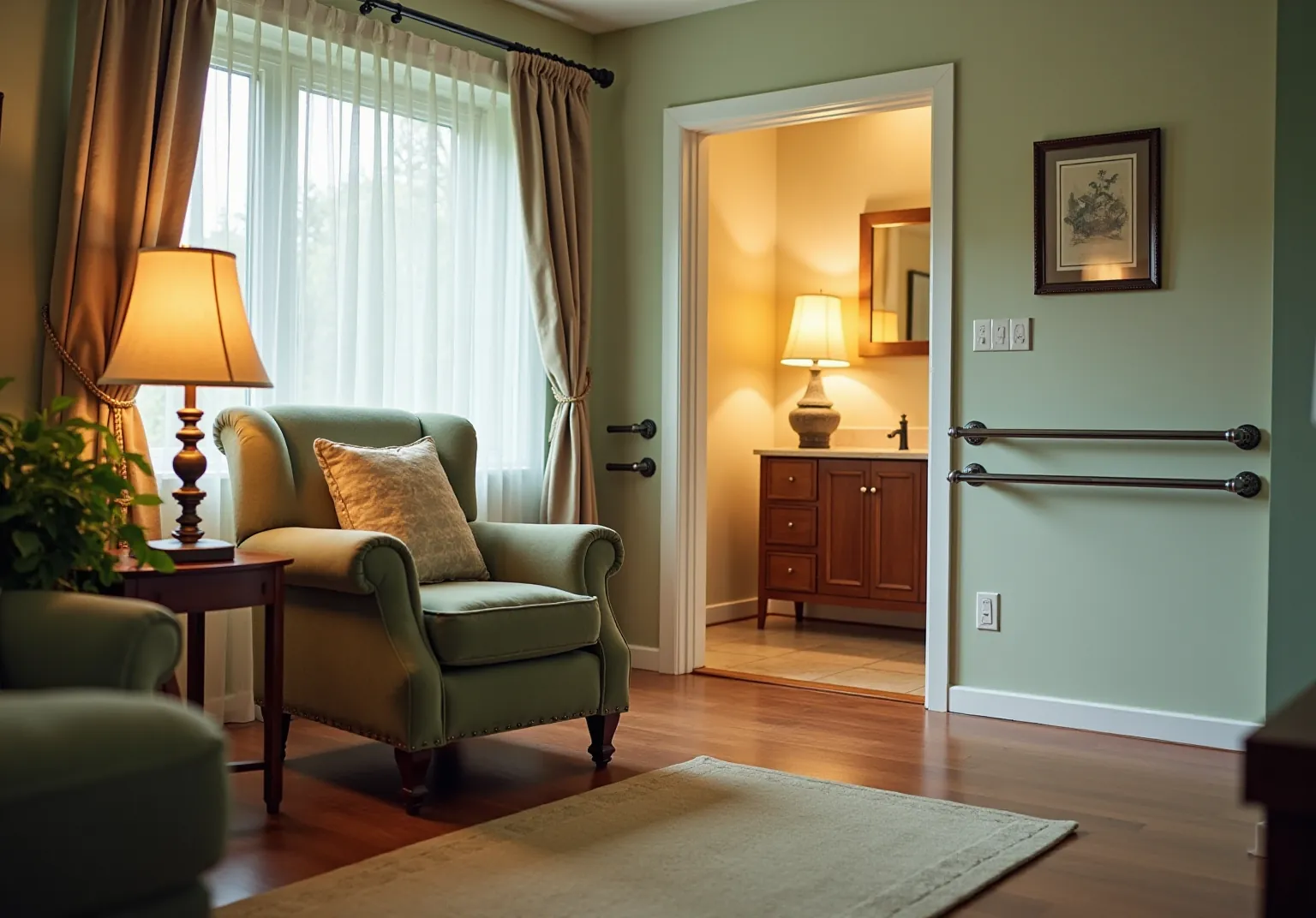
For families in our service areas
For families in our service areas, this guide explains caregiving and how non-medical in-home caregiving can support care planning in East Idaho, Treasure Valley & Magic Valley, Northern Wasatch, North Central West Virginia, and Northeast Ohio.
The Importance of Make Your Home Safe for Elderly Loved
Creating a safe home environment for elderly loved ones is not just about comfort; it’s crucial for their well-being and independence. Alarmingly, one in four Americans aged 65 and older experiences a fall each year. This statistic highlights the urgent need to address potential hazards in the home.
Caregivers face the challenge of transforming their homes into secure spaces while navigating emotional and financial hurdles. This guide provides practical steps, from assessing risks to implementing effective safety modifications. How can families balance the need for safety with these challenges?
By understanding the risks and taking actionable steps, caregivers can create a safer environment that promotes independence and peace of mind.
Assess the Home Environment for Hazards
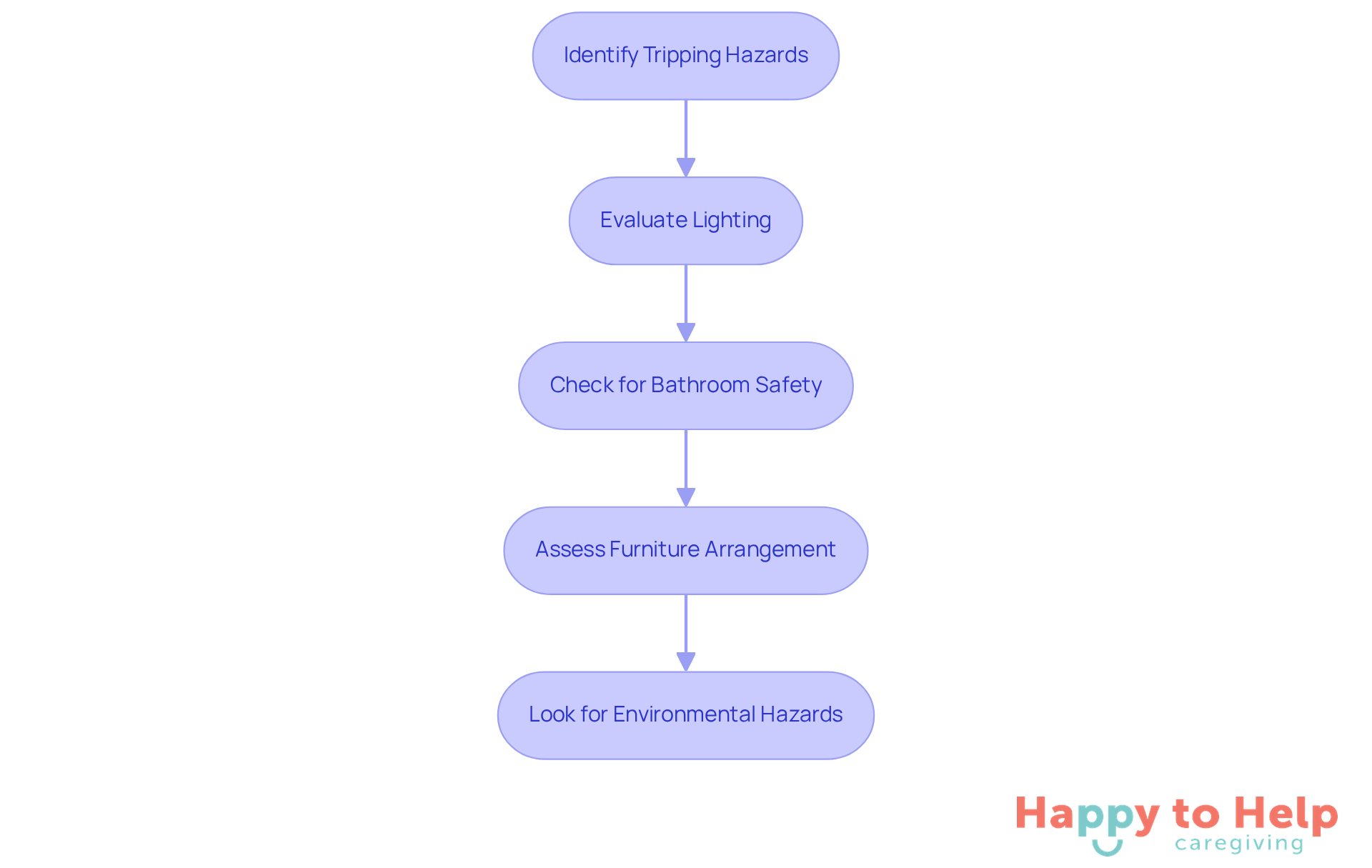
Carrying out a comprehensive inspection of the residence is crucial for understanding how to make home safe for elderly by recognizing possible dangers that could lead to slips or accidents among older adults. One in four Americans aged 65 and older encounters tumbles each year, highlighting the importance of addressing these risks. Here’s a structured approach to assess the home environment effectively:
-
Identify Tripping Hazards: Begin by examining the floors for loose rugs, electrical cords, and clutter in hallways and rooms. These items can create significant tripping risks. Remove or secure them to create clear pathways.
-
Evaluate Lighting: Proper lighting is vital for safety. Ensure that all areas, particularly stairways, hallways, and bathrooms, are well-lit. Installing night lights in bedrooms and bathrooms can significantly aid with nighttime navigation, decreasing the risk of accidents during low visibility.
-
Check for Bathroom Safety: The bathroom is often a high-risk area for falls. Inspect for slippery surfaces and consider installing non-slip mats in the tub or shower. Additionally, adding grab bars near the toilet and in the shower can provide essential support for seniors.
-
Assess Furniture Arrangement: Furniture should be arranged to facilitate easy movement throughout the residence. Avoid sharp corners and ensure that frequently used items are within easy reach to minimize the need for stretching or bending, which can lead to falls.
-
Look for Environmental Hazards: Beyond physical hazards, assess the home for environmental risks such as poor air quality, extreme temperatures, or inadequate heating and cooling systems. These factors can significantly affect the health and well-being of elderly residents.
Regular reevaluation of protection requirements is crucial as cognitive abilities change over time. By systematically identifying these hazards, families can understand how to make home safe for elderly by creating a prioritized list of changes required to improve safety. Financial issues frequently obstruct essential protective modifications, but resources are accessible to assist in covering expenses. By using available financial resources, families can afford essential home modifications that improve security and support their loved ones' independence.
Implement Safety Modifications and Improvements
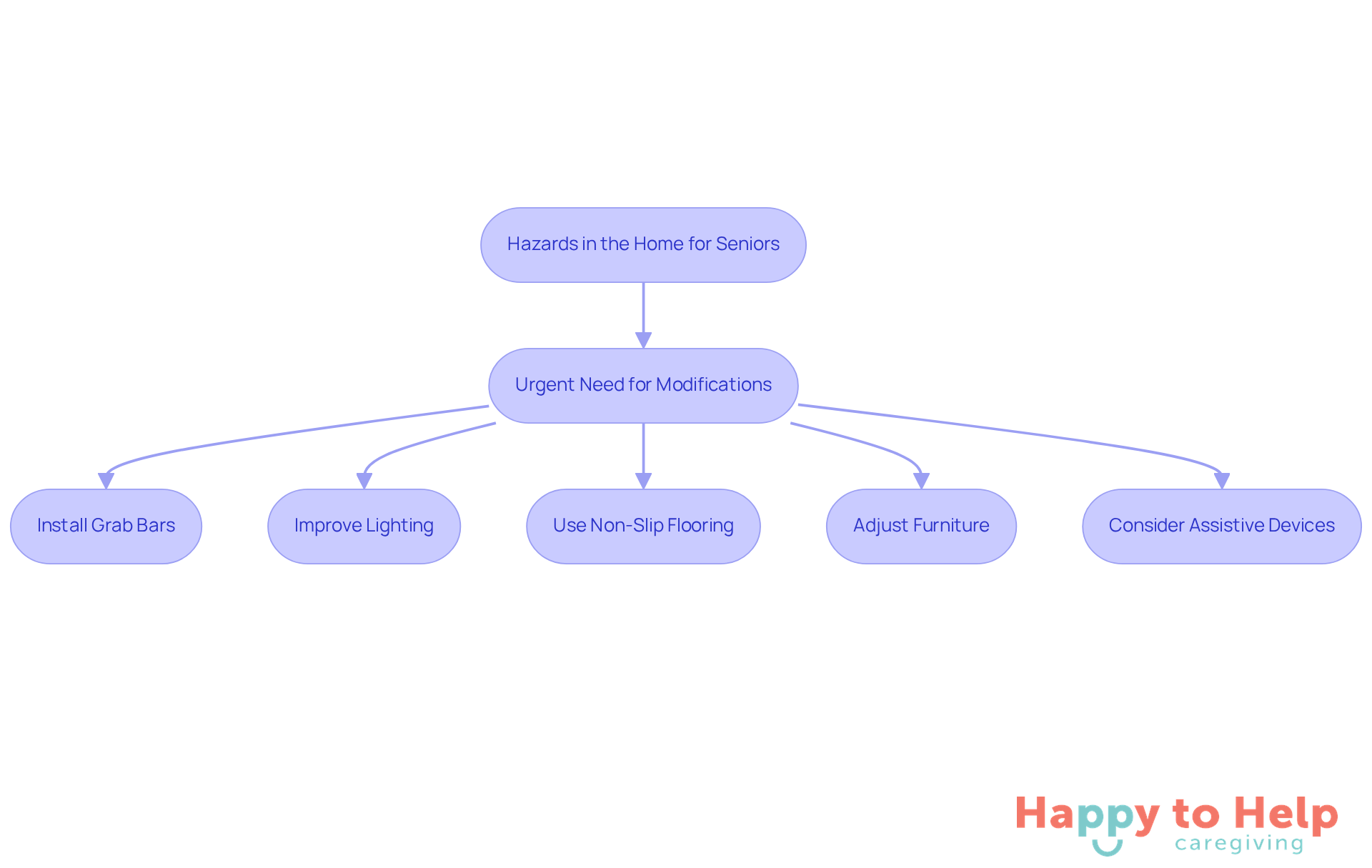
Problem: Hazards in the home pose significant risks to seniors, which emphasizes the need to know how to make home safe for elderly to prevent injuries that can severely impact their independence and quality of life.
Agitate: Falls are a leading cause of injury among older adults, with one in four Americans aged 65 and older experiencing a tumble each year. The CDC reports that slips cost the healthcare system over $50 billion annually. This alarming statistic highlights the urgent need for modifications to ensure safety in the home.
Solution: Here are practical steps caregivers can take to enhance safety for seniors:
-
Install Grab Bars: Strategically place grab bars in the bathroom, near the toilet, and in the shower. These setups provide vital assistance and significantly reduce the likelihood of falls. Dr. Jane Smith, a geriatric expert, emphasizes that "Installing grab bars in essential locations within the residence is one of the most effective methods to avert tumbles and associated injuries among seniors."
-
Improve Lighting: Upgrading dim bulbs to brighter LED lights and installing motion-sensor lighting in hallways and staircases is part of how to make home safe for elderly. Enhanced visibility is crucial for preventing accidents, especially in areas frequently navigated by seniors.
-
Use Non-Slip Flooring: One way to understand how to make home safe for elderly is to replace slippery flooring with non-slip options or to add non-slip strips to existing surfaces, particularly in bathrooms and kitchens. This simple modification can drastically lower the chances of slips and falls.
-
Adjust Furniture: Rearranging furniture is an important step in how to make home safe for elderly, as it creates wider pathways and eliminates low tables or items that could obstruct movement. A tidy environment encourages safer movement for older adults.
-
Consider Assistive Devices: Assess how to make home safe for elderly by determining the need for assistive devices such as shower chairs, raised toilet seats, or stairlifts. These tools facilitate mobility and enhance independence, allowing seniors to manage daily activities with greater ease.
These modifications not only enhance safety but also empower elderly individuals to maintain their independence in the comfort of their own homes.
Maintain a Clutter-Free and Organized Space
Caregivers need to learn how to make home safe for elderly loved ones, as clutter poses a significant challenge that can impact safety and independence.
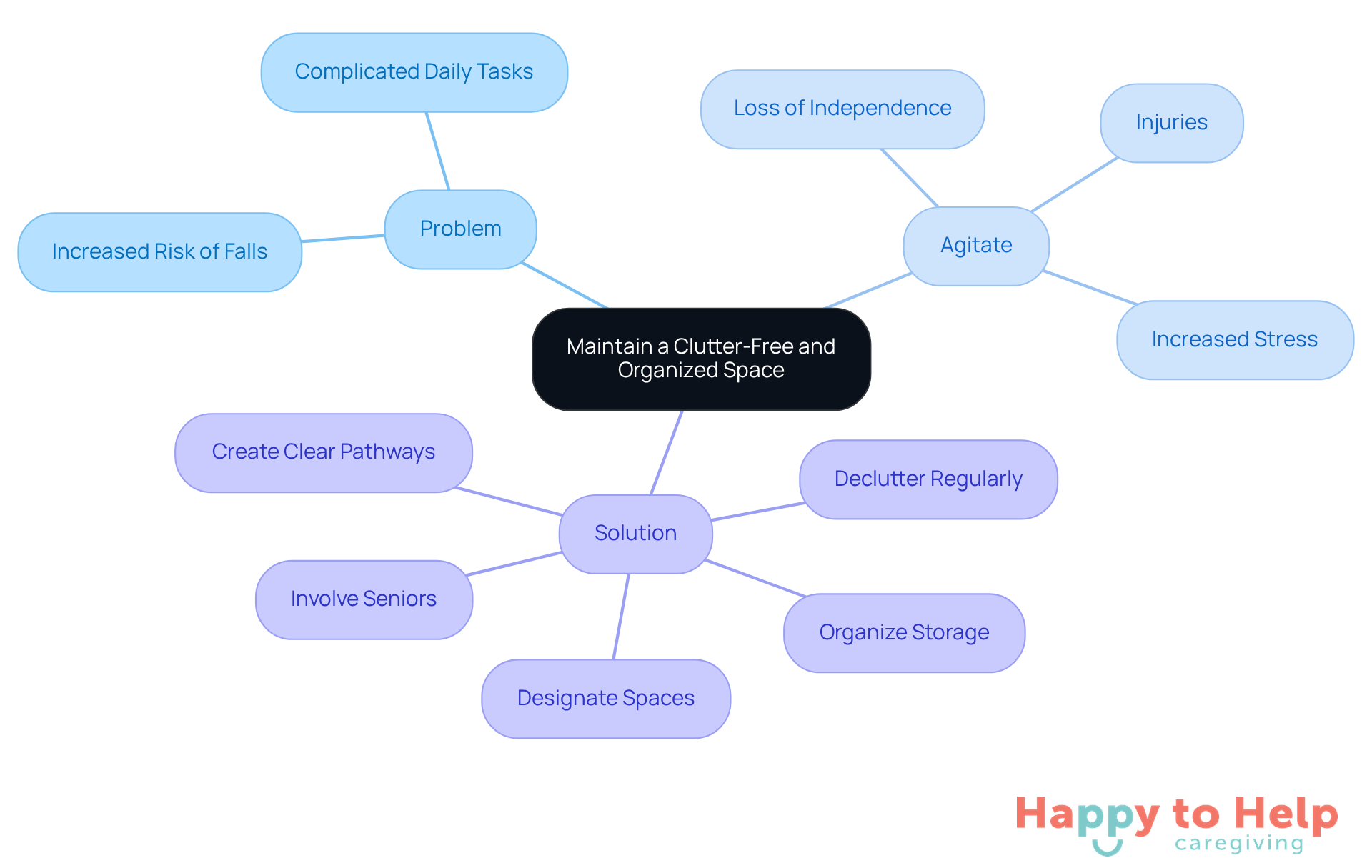
Problem: Excessive household clutter can increase the risk of falls for older adults, making it crucial to address this issue. Studies show that clutter not only complicates daily tasks but also elevates the likelihood of accidents. In fact, 32% of participants in a study reported experiencing at least one fall in their home in the previous year.
Agitate: The implications of a cluttered space are serious. It can lead to injuries, loss of independence, and increased stress for both seniors and their caregivers. A disorganized environment can create confusion, making it difficult for elderly individuals to locate essential items like medications or personal belongings.
Solution: Here are actionable steps caregivers can implement to foster a safer living space:
-
Declutter Regularly: Establish a routine for decluttering each room. Focus on removing items that are no longer needed. Utilize the one-year rule: if an item hasn't been used in the past year, consider donating or discarding it.
-
Organize Storage: Use clear bins and labels for storage. This allows older adults to easily locate items without sifting through clutter, promoting a sense of control and independence.
-
Create Clear Pathways: Ensure all walkways are free of obstacles. Eliminate surplus furniture and decorations that could cause trips and tumbles. To reduce accident risks, it is important to understand how to make home safe for elderly by maintaining a clutter-free environment.
-
Designate Spaces: Assign specific areas for frequently used items, such as keys and medications. This minimizes searching and confusion, contributing to a more organized and stress-free environment.
-
Involve Seniors: Engage elderly loved ones in the decluttering process. This involvement fosters a sense of ownership and control over their living space, enhancing their overall well-being. Local aging services or community resource centers may also provide decluttering assistance, offering valuable support for caregivers.
By maintaining an organized space, caregivers can significantly improve how to make home safe for elderly individuals, thereby reducing stress and promoting a healthier living environment.
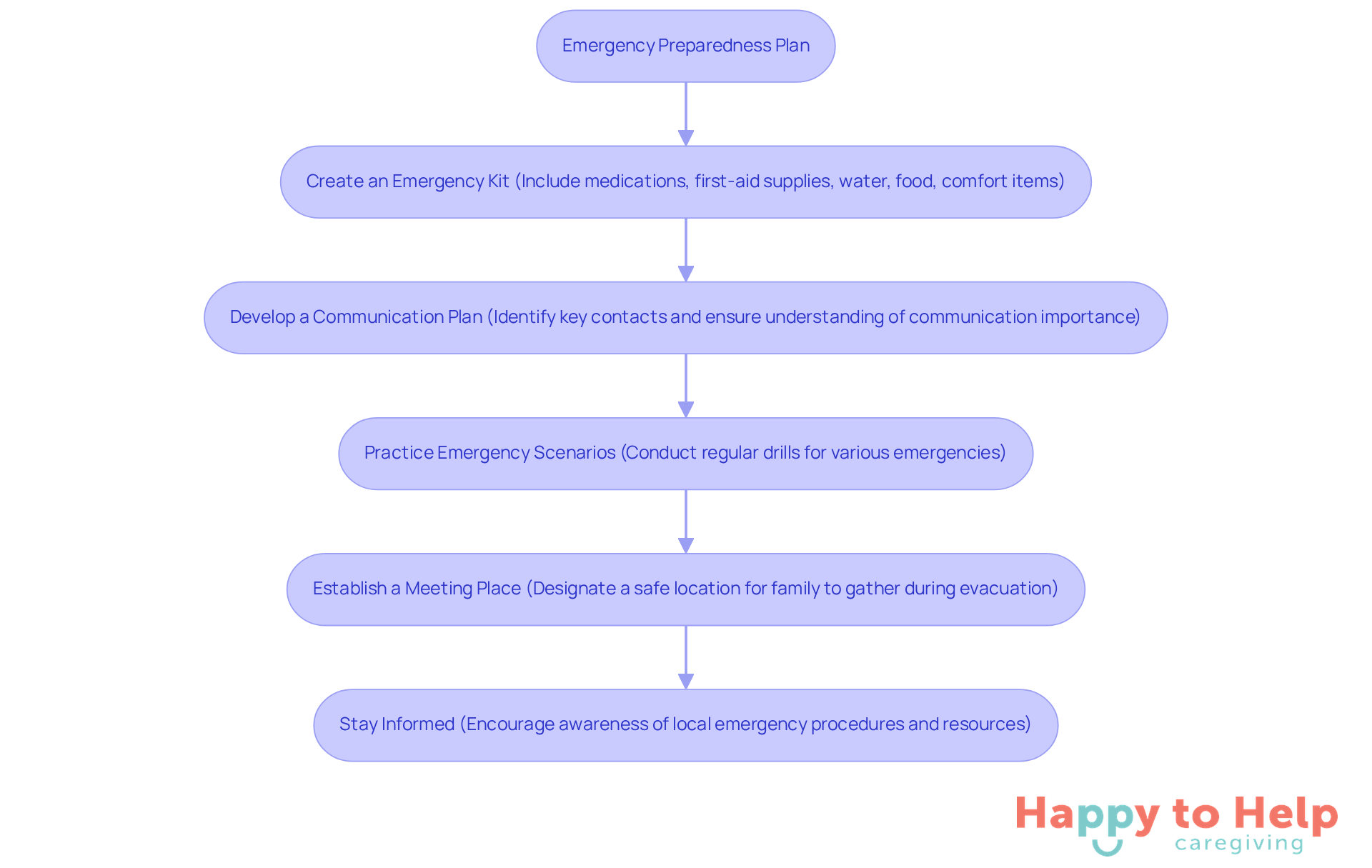
Establish Emergency Preparedness and Response Plans
Caregivers have a significant concern about how to make home safe for elderly loved ones to ensure they are prepared for emergencies. Many older adults may not have the necessary resources or knowledge to respond effectively in crises, which can lead to increased anxiety and risk during emergencies.
Agitate: The implications of inadequate preparedness can be severe. Without a proper emergency kit or a communication plan, elderly individuals may struggle to access essential items or reach out for help when they need it most. Research shows that older adults living alone are particularly vulnerable, with lower odds of having a stocked emergency kit (aOR=0.64, 95% CI 0.47, 0.86). This lack of preparation can lead to confusion and distress during critical moments.
Solution: To help ensure that elderly loved ones are well-prepared, consider these essential steps:
-
Create an Emergency Kit: Assemble a comprehensive kit that includes vital items such as medications, first-aid supplies, water, non-perishable food, and comfort items like family photos or devotionals. Research indicates that having a stocked emergency kit significantly increases preparedness, particularly for older adults.
-
Develop a Communication Plan: Identify key contacts, including family members and neighbors, who can assist during emergencies. Ensure that older adults know how to reach these contacts and understand the importance of communication during crises. Tailored interventions can enhance preparedness, especially for those living alone or using mobility aids.
-
Practice Emergency Scenarios: Conduct regular drills for various scenarios, such as fires, severe weather, or medical emergencies. Familiarizing older adults with the steps they need to take can significantly boost their confidence in managing emergencies. Studies show that those who engage in preparedness actions report higher confidence levels in handling crises.
-
Establish a Meeting Place: Designate a safe meeting place outside the home where family members can gather in case of evacuation. This ensures that everyone knows where to go and can reunite quickly during emergencies.
-
Stay Informed: Encourage seniors to stay updated on local emergency procedures and resources available in their community. Awareness of potential hazards, such as wildfires or extreme weather, is crucial for effective preparedness.
By implementing these strategies, you can learn how to make home safe for elderly loved ones, ensuring they feel secure and ready to face any situation that may arise.
Your Path Forward
Ensuring a safe home for elderly loved ones is not merely about comfort; it’s a crucial step in preserving their independence and enhancing their quality of life. The problem arises when hazards in the home go unaddressed, leading to potential accidents that can significantly impact their well-being.
By taking proactive measures to identify and mitigate these hazards, families can create a secure living environment tailored to their loved ones’ needs. This guide outlines essential strategies, from assessing the home for potential dangers to implementing necessary safety modifications and maintaining an organized space. Each action-whether it’s installing grab bars, improving lighting, decluttering, or preparing for emergencies-plays a vital role in reducing risks and ensuring a safe haven for seniors.
Ultimately, the safety and well-being of elderly individuals hinge on the collective efforts of caregivers and family members. By prioritizing home safety, families not only protect their loved ones from accidents but also foster a sense of autonomy and confidence in their ability to navigate their environment. Embracing these practices is a significant investment in the health and happiness of seniors, empowering them to thrive in the comfort of their own homes.
https://iframe.tely.ai/cta/eyJhcnRpY2xlX2lkIjogIjY5NDBhMjBjOTc5ZjhiMGM0MmQzYjU1ZiIsICJjb21wYW55X2lkIjogIjY4ZWU1ZGNhNzMxNzYyNTU3ZjNjOTVjMSIsICJpbmRleCI6IG51bGwsICJ0eXBlIjogImFydGljbGUifQ==Frequently Asked Questions
Why is it important to assess the home environment for hazards for elderly individuals?
Assessing the home environment is crucial for understanding how to make it safe for elderly individuals, as one in four Americans aged 65 and older experiences falls each year. Recognizing potential dangers can help prevent slips and accidents.
What should be done to identify tripping hazards in the home?
To identify tripping hazards, examine the floors for loose rugs, electrical cords, and clutter in hallways and rooms. These items should be removed or secured to create clear pathways.
How can lighting be improved to enhance safety for seniors?
Proper lighting is essential for safety. Ensure all areas, especially stairways, hallways, and bathrooms, are well-lit. Installing night lights in bedrooms and bathrooms can help with nighttime navigation and reduce the risk of accidents.
What safety measures can be taken in the bathroom to prevent falls?
To enhance bathroom safety, inspect for slippery surfaces and consider installing non-slip mats in the tub or shower. Adding grab bars near the toilet and in the shower can provide essential support for seniors.
How should furniture be arranged to promote safety for elderly individuals?
Furniture should be arranged to facilitate easy movement throughout the residence. Avoid sharp corners and ensure frequently used items are within easy reach to minimize stretching or bending, which can lead to falls.
What environmental hazards should be assessed in a home for elderly residents?
Besides physical hazards, assess the home for environmental risks such as poor air quality, extreme temperatures, or inadequate heating and cooling systems, as these can significantly affect the health and well-being of elderly residents.
Why is regular reevaluation of safety requirements important for elderly individuals?
Regular reevaluation of safety requirements is important because cognitive abilities can change over time. Systematically identifying hazards allows families to create a prioritized list of necessary changes to improve safety.
What challenges might families face when making home modifications for safety, and what resources are available?
Financial issues often obstruct essential protective modifications. However, resources are available to assist families in covering expenses for necessary home modifications that improve safety and support the independence of their loved ones.
List of Sources
- Assess the Home Environment for Hazards
- As falling deaths rise for older adults, how home safety can make a difference (https://denver7.com/news/local-news/as-falling-deaths-rise-for-older-adults-how-home-safety-can-make-a-difference)
- Experts warn of rising winter fall risks for seniors; urge proactive safety measures (https://13wham.com/news/local/experts-warn-of-rising-winter-fall-risks-for-seniors-urge-proactive-safety-measures-university-rochester-cdc-physical-therapists-urmc-injury-related-deaths)
- Aging in Place Home Modifications Guide 2025 | Senior Safety Tips (https://agesafeamerica.com/home-safety-hub/articles/top-home-safety-modifications)
- Home Safety Month, Garbage Cans, and Aging in Place (https://lifework.arizona.edu/news/2025/home-safety-month-garbage-cans-and-aging-place)
- Implement Safety Modifications and Improvements
- Aging in Place Home Modifications Guide 2025 | Senior Safety Tips (https://agesafeamerica.com/home-safety-hub/articles/top-home-safety-modifications)
- Home Safety Modifications to Promote Senior Independence (https://ohioanshhc.com/news/home-safety-modifications-to-promote-senior-independence)
- The Importance of Grab Bars for Home Safety and Mobility (https://101mobility.com/blog/the-importance-of-grab-bars-for-home-safety-and)
- Grab Bar Use Influences Fall Hazard During Bathtub Exit - PubMed (https://pubmed.ncbi.nlm.nih.gov/34963373)
- Fire department helps protect older adults from falls with AARP grant (https://spectrumnews1.com/oh/columbus/news/2025/07/24/fall-prevention-program--colerain-fire---ems--chelsea-gehring--jennifer-ploeger---janet-cramer--aarp)
- Maintain a Clutter-Free and Organized Space
- CLUTTER AS A BARRIER TO MAINTAINING FUNCTIONAL INDEPENDENCE - PMC (https://pmc.ncbi.nlm.nih.gov/articles/PMC10735369)
- Letting Go of Clutter: Why Many Seniors Struggle (https://amadaseniorcare.com/2022/04/letting-go-of-clutter-why-many-seniors-struggle)
- Spring Refresh: Enhancing Safety at Home for Seniors (https://prnewswire.com/news-releases/spring-refresh-enhancing-safety-at-home-for-seniors-302383108.html)
- News | How to Simplify Life: Decluttering Tips for Seniors (https://taylorglencommunity.org/news/decluttering-tips-for-seniors)
- Older Americans Are More Likely to Suffer Fatalities from Falls and Fire; CPSC Report Highlights Hidden Hazards Around the Home (https://cpsc.gov/Newsroom/News-Releases/2022/Older-Americans-Are-More-Likely-to-Suffer-Fatalities-from-Falls-and-Fire-CPSC-Report-Highlights-Hidden-Hazards-Around-the-Home)
- Establish Emergency Preparedness and Response Plans
- Predictors of Emergency Preparedness among Older Adults in the United States - PMC (https://pmc.ncbi.nlm.nih.gov/articles/PMC7704536)
- Oregon offering emergency kits, power stations to older adults, people with disabilities (https://opb.org/article/2025/07/11/oregon-offering-emergency-kits-power-stations-older-adults-people-with-disabilities)
- Houston care home owner creates emergency kits to help seniors during hurricane evacuations (https://khou.com/article/weather/hurricane/houston-care-home-emergency-kit-senior-hurricane-evacuation/285-0e768526-95a1-4203-9bd1-44ee9e35e55e)
- Emergency preparedness efforts prevented deaths, serious injuries in massive fire, senior living operator says (https://mcknightsseniorliving.com/news/emergency-preparedness-efforts-prevented-deaths-serious-injuries-in-massive-fire-senior-living-operator-says)
- Meals on Wheels prepares for winter storms with emergency food kits (https://kotatv.com/2025/12/12/meals-wheels-prepares-winter-storms-with-emergency-food-kits)