
For families in our service areas
For families in our service areas, this guide explains caregiver support and how non-medical in-home caregiving can support care planning in East Idaho, Treasure Valley & Magic Valley, Northern Wasatch, North Central West Virginia, and Northeast Ohio.
Why Take Care of My Mom: A Caregiver Matters
Navigating the complexities of caregiving for an aging parent presents a significant challenge. As loved ones age, their needs evolve, and caregivers often find themselves overwhelmed by the emotional and practical demands of this role. Balancing these responsibilities can lead to stress and burnout, making it crucial for caregivers to find effective strategies to manage their own well-being while providing the necessary support.
So, how can caregivers tackle these challenges without sacrificing their health and happiness? This guide offers a structured approach to understanding and addressing the evolving needs of aging parents. By implementing practical solutions, caregivers can enhance their loved ones' quality of life while also taking care of themselves. Let's explore actionable tips and insights that can make this journey more manageable.
Assess Your Mom's Needs and Preferences
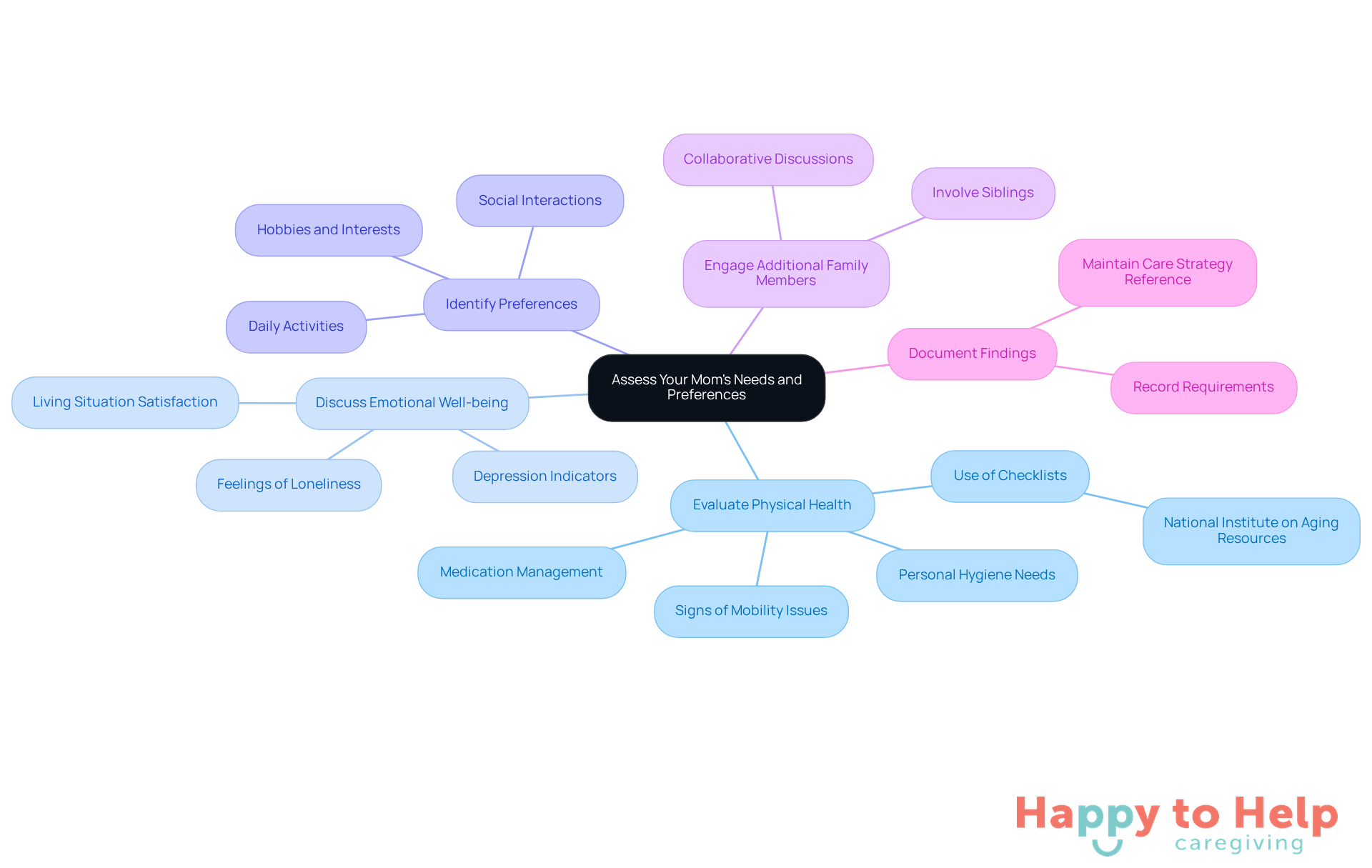
Begin by having an open and honest conversation with your mom about her current health status and daily routines to take care of my mom. Caregivers often face the challenge of ensuring their loved ones receive the support they need, which can be daunting when I take care of my mom without a clear understanding of her situation.
-
Evaluate Physical Health: Look for signs that may suggest a requirement for assistance, such as difficulty with mobility, medication management, or personal hygiene. You can utilize checklists from sources such as the National Institute on Aging to identify particular requirements. Recognizing these signs early can prevent further complications and ensure timely intervention.
-
Discuss Emotional Well-being: Ask her how she feels about her current living situation and if she experiences feelings of loneliness or depression. Understanding her emotional state is crucial to take care of my mom properly. Emotional well-being significantly impacts overall health, making this conversation essential.
-
Identify Preferences: Inquire about her daily activities, hobbies, and social interactions. Understanding what she enjoys will assist in developing a more engaging care strategy. By tailoring care to her preferences, I can take care of my mom in a way that enhances her quality of life and fosters a sense of independence.
-
Engage Additional Family Members: If suitable, involve siblings or other relatives in the conversation to obtain a wider viewpoint on her requirements and preferences. Collaborative discussions can lead to more comprehensive care solutions and ensure everyone is on the same page.
-
Document Findings: Maintain a record of her requirements and preferences to consult when creating the care strategy. This documentation will serve as a valuable reference, helping to ensure that her needs are consistently met.
Develop a Personalized Care Plan
To develop a personalized care plan, caregivers often face the challenge of figuring out how to take care of my mom and ensure she receives the best possible support. Without a structured approach, it can be overwhelming to take care of my mom and manage various aspects of care, leading to stress for both the caregiver and her.
-
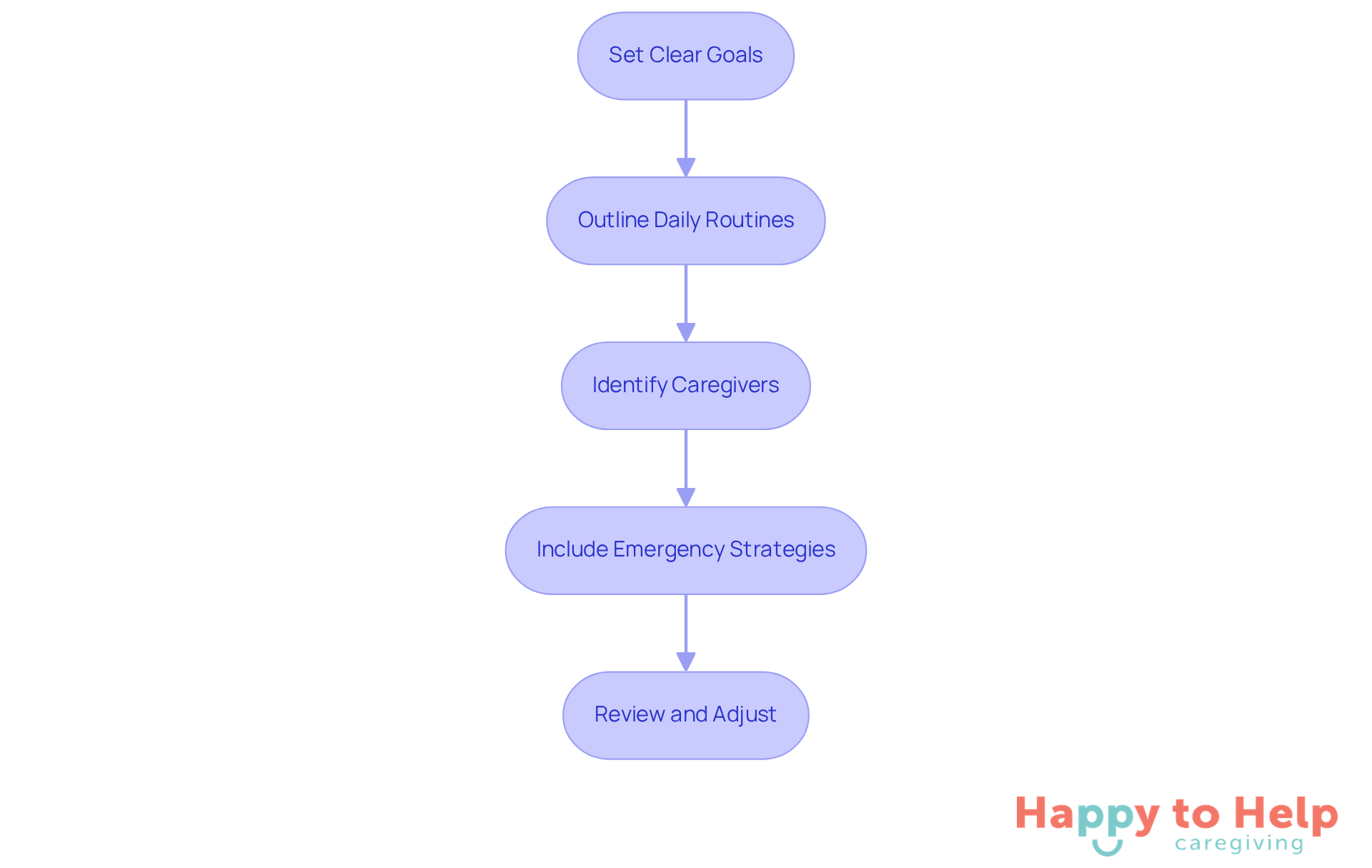
Set Clear Goals: Start by outlining specific goals based on the needs assessment. These could include improving mobility, enhancing social interactions, or effectively managing medications. Clear goals provide direction and purpose in the caregiving process.
-
Outline Daily Routines: Establish a daily schedule that incorporates preferred activities, meal times, and rest periods. This structure helps maintain a sense of normalcy and independence for your loved one, making daily life more manageable.
-
Identify Caregivers: Determine who will deliver care-whether it's relatives, professional caregivers, or a combination of both. It's crucial that everyone involved understands their roles and responsibilities to ensure a cohesive care approach to take care of my mom.
-
Include Emergency Strategies: Develop a strategy for emergencies, including contact details for healthcare providers, local emergency services, and relatives who can be reached quickly. This preparation can make a significant difference in critical situations.
-
Review and Adjust: Schedule regular check-ins to review the care plan and make necessary adjustments based on evolving needs. This flexibility ensures that the care plan remains relevant and effective over time.
Implement Self-Care Strategies for Caregivers
Caregivers often face the challenge of balancing their responsibilities with their own well-being. This can lead to stress, burnout, and a decline in health if not addressed. It's crucial to recognize these issues and take proactive steps to ensure personal care is not neglected.
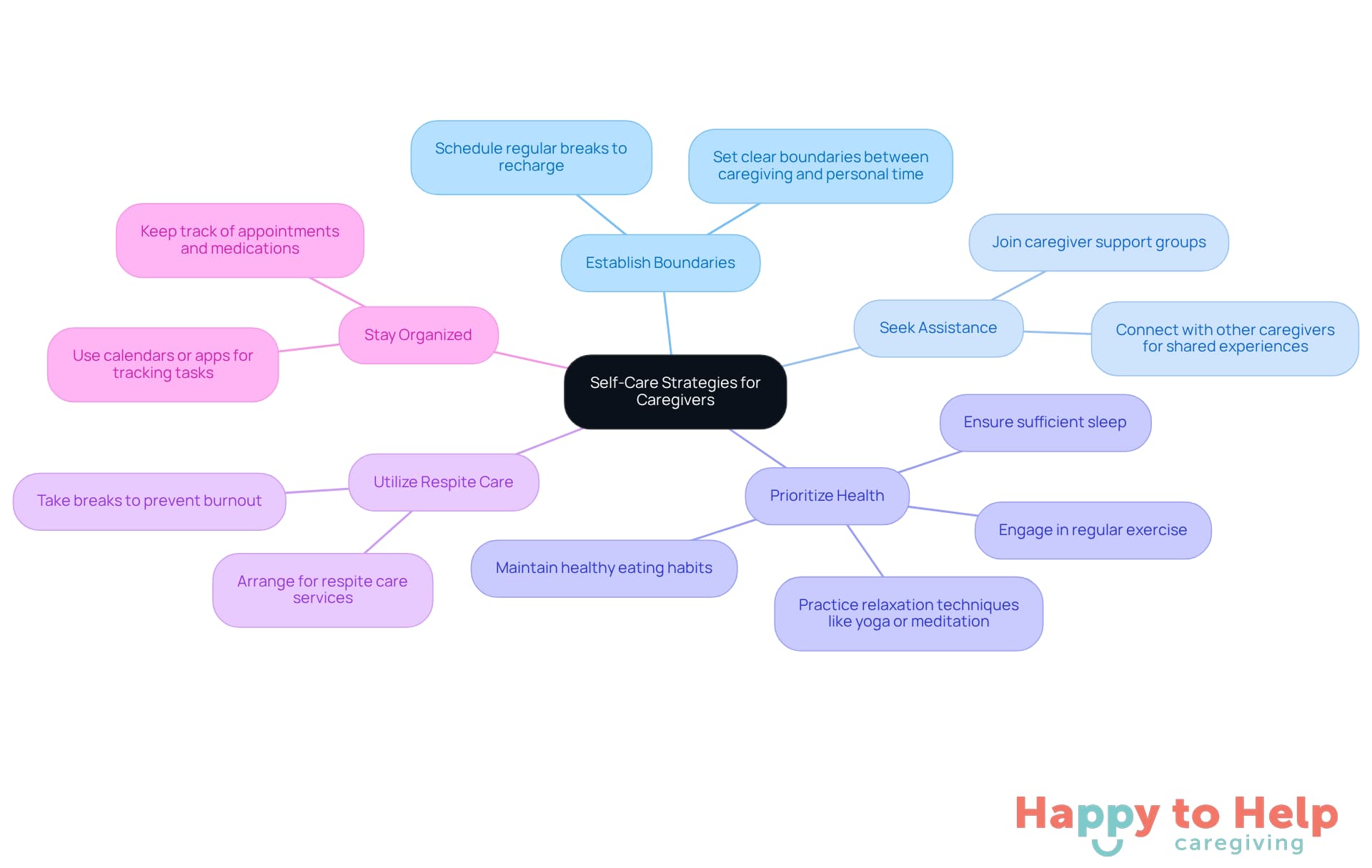
To combat these challenges, consider implementing the following self-care strategies:
- Establish Boundaries: Set clear boundaries between caregiving responsibilities and personal time. Schedule regular breaks to recharge.
- Seek Assistance: Join caregiver support groups or connect with other caregivers to share experiences and advice. This can provide emotional relief and practical tips.
- Prioritize Health: Make time for regular exercise, healthy eating, and sufficient sleep. Consider activities that promote relaxation, such as yoga or meditation.
- Utilize Respite Care: If possible, arrange for respite care services to give yourself a break. This can help prevent caregiver burnout and allow you to return to your caregiving role refreshed.
- Stay Organized: Use tools like calendars or apps to keep track of appointments, medications, and caregiving tasks. Staying organized can reduce stress and help you feel more in control.
Communicate Effectively with Healthcare Providers and Family
Problem: Caregivers often struggle with effective communication with healthcare providers and family members, which can lead to misunderstandings and inadequate care for their loved ones.
Agitate: This lack of clear communication can result in missed information about symptoms, treatment plans, and overall health, leaving caregivers feeling overwhelmed and unsupported.
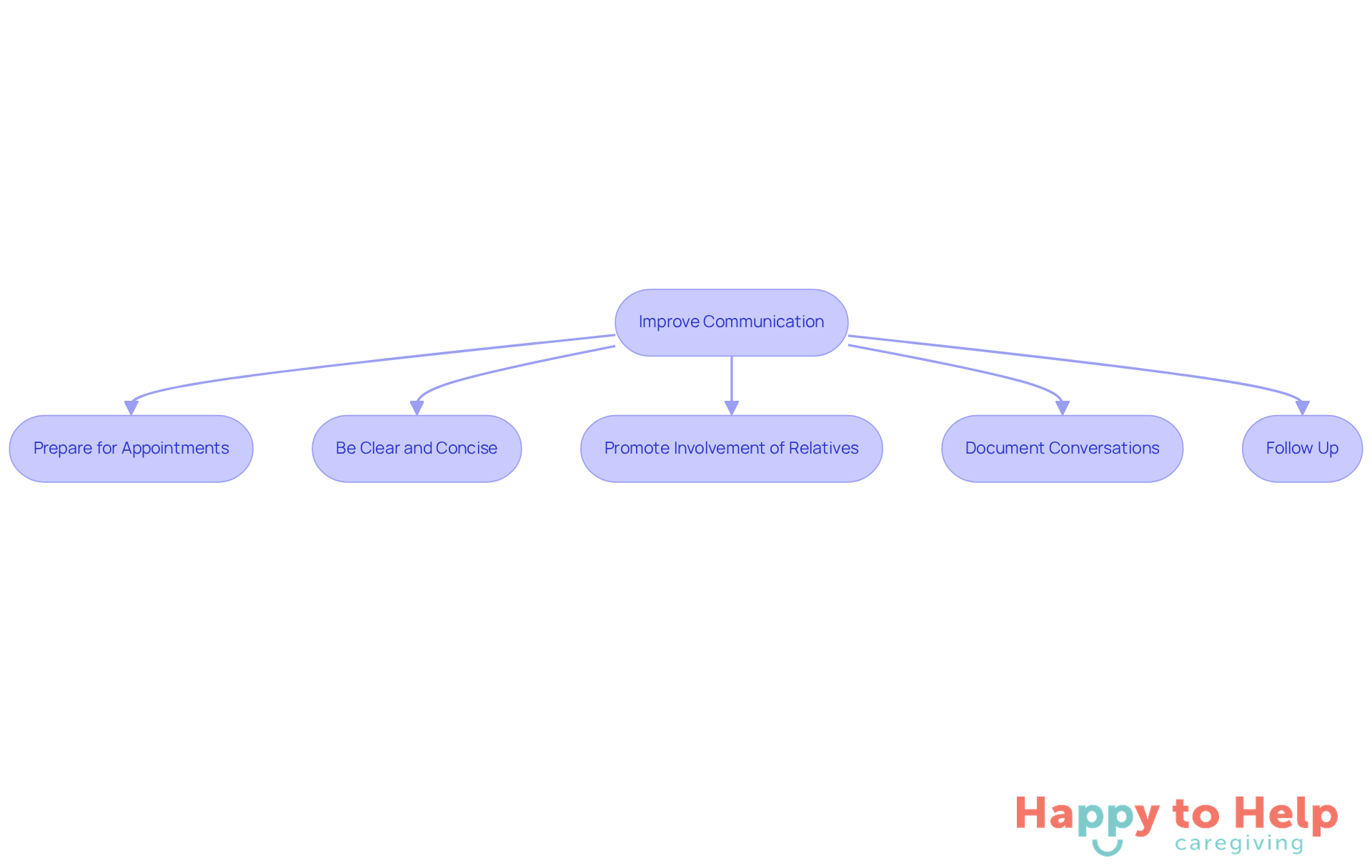
Solution: To enhance communication, follow these guidelines:
- Prepare for Appointments: Before medical appointments, compile a list of questions and concerns to discuss with the healthcare provider. Bring any relevant medical records or medication lists.
- Be clear and concise when communicating with healthcare professionals about how to take care of my mom, including her symptoms, concerns, and any changes in her condition. Use specific examples to illustrate your points.
- Promote the involvement of relatives by keeping them informed about how to take care of my mom's health and care plan. Regular updates can help everyone stay on the same page and provide a support network.
- Document Conversations: Take notes during medical appointments and discussions with family members. This documentation can help you remember important details and follow up on any action items.
- Follow Up: After appointments, follow up with healthcare providers if you have additional questions or concerns. Maintaining an open line of communication is key to effective caregiving.
Making the Right Choice
Caring for an aging parent, particularly a mother, presents a unique set of challenges. Caregivers often grapple with the emotional and physical demands of this role, which can lead to feelings of overwhelm and burnout. Understanding these challenges is crucial for effective caregiving.
To address these issues, caregivers must first assess their loved one's needs and preferences. This tailored approach not only respects the individuality of the parent but also ensures their safety and well-being. Communication and collaboration with healthcare providers and family members are vital in developing a personalized care plan that evolves with the parent's changing needs.
Self-care strategies for caregivers are equally important. Regularly prioritizing one's own health can prevent burnout and enhance the overall caregiving experience. By fostering open dialogues and conducting regular assessments, caregivers can maintain a relevant and effective care plan.
Ultimately, caregiving is a shared responsibility that thrives on understanding and compassion. By implementing the strategies outlined in this guide, caregivers can create a supportive environment that improves the quality of life for their mothers while nurturing their own mental and emotional health. Embracing this journey with patience and proactive planning leads to a more rewarding caregiving experience for everyone involved.
https://iframe.tely.ai/cta/eyJhcnRpY2xlX2lkIjogIjY5MmZiYWFiNThmZDlmMDkwN2JiMTY2OCIsICJjb21wYW55X2lkIjogIjY4ZWU1ZGNhNzMxNzYyNTU3ZjNjOTVjMSIsICJpbmRleCI6IG51bGwsICJ0eXBlIjogImFydGljbGUifQ==Frequently Asked Questions
How should I begin assessing my mom's needs and preferences?
Start with an open and honest conversation about her current health status and daily routines to better understand her situation.
What physical health signs should I look for when caring for my mom?
Look for signs such as difficulty with mobility, medication management issues, or challenges with personal hygiene. Utilizing checklists from sources like the National Institute on Aging can help identify specific needs.
Why is it important to discuss my mom's emotional well-being?
Understanding her emotional state is crucial because it significantly impacts her overall health. Ask her about her feelings regarding her living situation and if she experiences loneliness or depression.
How can I identify my mom's preferences?
Inquire about her daily activities, hobbies, and social interactions. Understanding what she enjoys will help you develop a care strategy that enhances her quality of life and fosters independence.
Should I involve other family members in the care assessment?
Yes, if appropriate, involve siblings or other relatives in the conversation to gain a broader perspective on her needs and preferences. Collaborative discussions can lead to more comprehensive care solutions.
How should I document my findings about my mom's needs and preferences?
Maintain a record of her requirements and preferences to refer to when creating the care strategy. This documentation will help ensure that her needs are consistently met.
List of Sources
- Assess Your Mom's Needs and Preferences
- Warning From Older Adults: Care for Aging in America Needs Urgent Rethinking (https://johnahartford.org/newsroom/view/warning-from-older-adults-care-for-aging-in-america-needs-urgent-rethinking)
- Older adults prioritize social activities, inclusiveness in massive survey assessing what matters most to them (https://mcknights.com/news/older-adults-prioritize-social-activities-inclusiveness-in-massive-survey-assessing-what-matters-most-to-them)
- Geriatric Assessment Reduces Hospital Admissions for Older Adults, Study Finds (https://emergencyphysicians.org/press-releases/2025/8-21-25-geriatric-assessment-reduces-hospital-admissions-for-older-adults-study-finds)
- The declining population will make it even harder to care for elders (https://npr.org/2025/11/02/nx-s1-5535648/population-elderly-caregivers)
- Develop a Personalized Care Plan
- New Year, New Care Plans: How to Set Goals for Senior Care in 2025 (https://rightaccordhealth.com/blog/new-year-new-care-plans)
- ‘We’re Back, Baby’: 6 Senior Living Leaders Predict Memory Care’s Future (https://seniorhousingnews.com/2025/10/17/were-back-baby-6-senior-living-leaders-predict-memory-cares-future)
- The Incredible Benefits of Home Care, in 7 Amazing Stats - Companions For Seniors (https://companionsforseniors.com/2019/08/benefits-home-care-amazing-stats-trends-reports)
- How Home Care Agencies Can Prepare Now to Secure a Strong Start in 2025 (https://aaniie.com/news/how-home-care-agencies-can-prepare-now-to-secure-a-strong-start-in-2025)
- Home Care Impact on Recovery of Patient (A Statistics Report) (https://lovinghomecareinc.com/home-care-recovery-statistics)
- Implement Self-Care Strategies for Caregivers
- A caregiver's survival guide: Advice from people who've been there (https://npr.org/2025/10/18/nx-s1-5558451/caregiver-caregiving-family-burnout-support-advice)
- Self-Care Strategies for Brain Tumor Caregivers - National Brain Tumor Society (https://braintumor.org/news/self-care-strategies-for-brain-tumor-caregivers)
- Facebook (https://newsroom.clevelandclinic.org/2025/11/19/importance-of-self-care-for-family-caregivers)
- 5 Self-Care Tips for Caregivers | United Way Worldwide (https://unitedway.org/news/5-self-care-tips-for-caregivers)
- Maintaining Boundaries As A Caregiver: Go From Guilt To Glow | Mental Health America (https://mhanational.org/resources/maintaining-boundaries-as-a-caregiver-go-from-guilt-to-glow)
- Communicate Effectively with Healthcare Providers and Family
- New report gives healthcare providers fresh guidance on communicating with older adults (https://mcknights.com/news/new-report-gives-healthcare-providers-fresh-guidance-on-communicating-with-older-adults)
- Communication tips for caregivers of elders (https://uhc.com/news-articles/healthy-living/communication-tips-for-caregivers-of-elderly-parents)
- How to Best Prepare for a Doctor's Appointment (https://health.usnews.com/wellness/articles/how-to-best-prepare-for-a-doctors-appointment)
- Effective Communication Strategies for Older Adults: Evidence-Based Approaches that Improve Care (https://medtigo.com/news/effective-communication-strategies-for-older-adults-evidence-based-approaches-that-improve-care)
- Clearer Conversations, Better Care: New Guide Highlights Best Practices for Communicating with Older Adults (https://geron.org/News-Events/GSA-News/Press-Room/Press-Releases/clearer-conversations-better-care-new-guide-highlights-best-practices-for-communicating-with-older-adults)