
For families in our service areas
For families in our service areas, this guide explains in-home care and how non-medical in-home caregiving can support care planning in East Idaho, Treasure Valley & Magic Valley, Northern Wasatch, North Central West Virginia, and Northeast Ohio.
Understanding Practices for Effective 24 Hr In Home
Caring for individuals who require constant support poses significant challenges that can easily overwhelm families and caregivers. The emotional and physical strain of providing round-the-clock assistance often leads to burnout, which not only affects the quality of care but also the well-being of everyone involved.
This article delves into five best practices for effective 24-hour in-home care. By implementing these strategies, caregivers can enhance their caregiving experience while prioritizing the needs of those they support. How can caregivers effectively balance the demands of their roles while ensuring compassionate and competent care?
Understanding the challenges is the first step toward finding solutions. The emotional toll of caregiving can be profound, making it essential to adopt practices that mitigate stress and promote well-being.
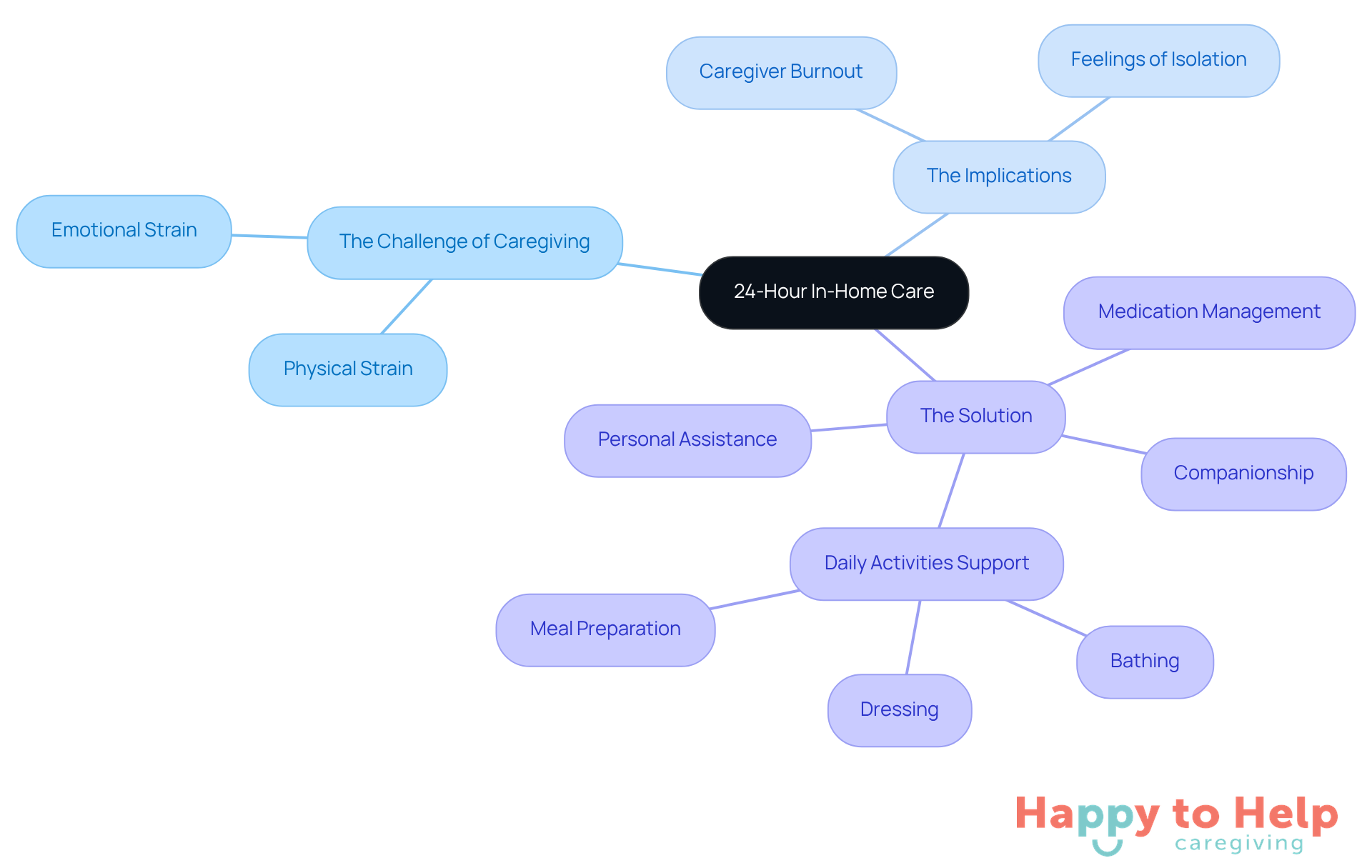
Define 24-Hour In-Home Care: Key Concepts and Services
The Challenge of Caregiving
Caring for individuals who require constant support can be overwhelming for families and caregivers. The demands of providing assistance around the clock can lead to physical and emotional strain, making it difficult to maintain a healthy balance in life.
The Implications
Without adequate support, caregivers may experience burnout, which can negatively impact both their well-being and the quality of care provided. This situation often leaves individuals feeling isolated and unsupported, further complicating their daily lives.
The Solution: 24-Hour In-Home Assistance
24-hour in-home assistance offers a comprehensive caregiving service that ensures continuous support day and night. This service includes personal assistance, companionship, medication management, and help with daily activities such as bathing, dressing, and meal preparation.
Skilled caregivers provide 24 hr in home care by working in shifts, guaranteeing that someone is always available to meet the individual's needs. The primary goal of this service is to enhance the quality of life for individuals while allowing them to remain in the comfort of their own homes.
Identify Individual Needs: Tailoring Care Plans for Quality Support
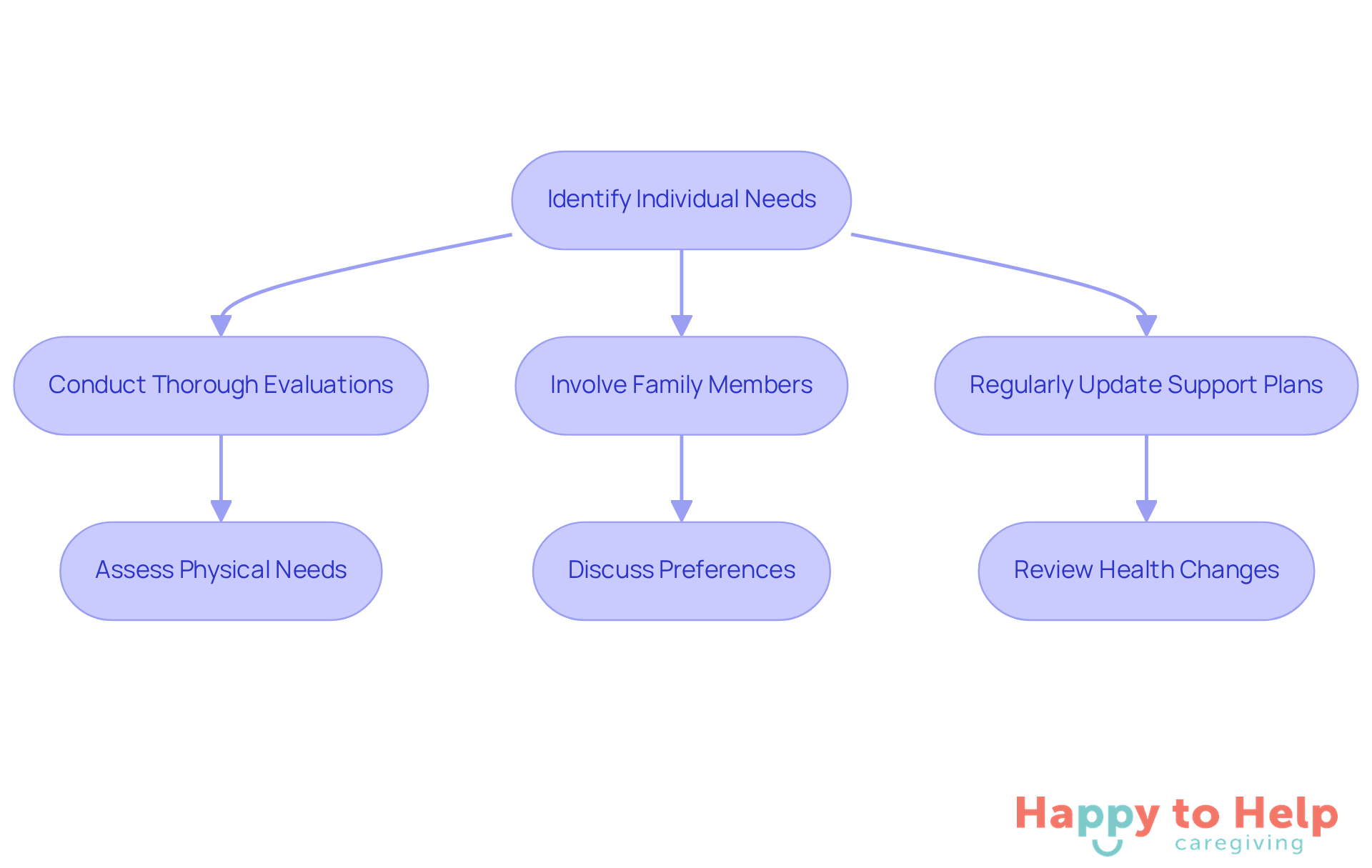
Effective 24 hr in home care often begins with a significant problem: the lack of thorough evaluations of an individual's physical, emotional, and social needs. Without this foundational step, caregivers may struggle to provide the appropriate level of support. Engaging with both the client and their family is crucial to understanding their preferences, daily routines, and any specific medical conditions.
As highlighted by Juniper Village at Preston Hollow, a comprehensive, individual-focused approach to planning support is essential for addressing the needs of residents. This collaborative method enables caregivers to create customized support plans tailored to each person's unique situation. Statistics show that personalized support plans significantly enhance residents' quality of life, fostering their independence and well-being.
However, frequent evaluations and modifications to these treatment plans are vital. They ensure that the plans remain relevant and adaptable to any changes in the client's health or preferences. By prioritizing personalized support, caregivers can greatly improve the quality of life for seniors, promoting their independence and overall well-being.
Yet, common pitfalls exist in the planning process. For instance, failing to involve family members or neglecting to update plans regularly can hinder effective assistance. Addressing these challenges can lead to more supportive care.
Key Takeaways:
- Conduct thorough evaluations to understand individual needs.
- Involve family members in the planning process.
- Regularly update support plans to reflect changes in health or preferences.
By implementing these strategies, caregivers can provide more effective and compassionate assistance.
Train Caregivers: Ensuring Competence and Compassion in Care
Effective training programs for support providers face a significant challenge: they often lack a comprehensive approach that includes both technical and soft skills. This gap can lead to caregivers feeling unprepared to handle the complexities of their roles, which can negatively impact the quality of care provided to clients.
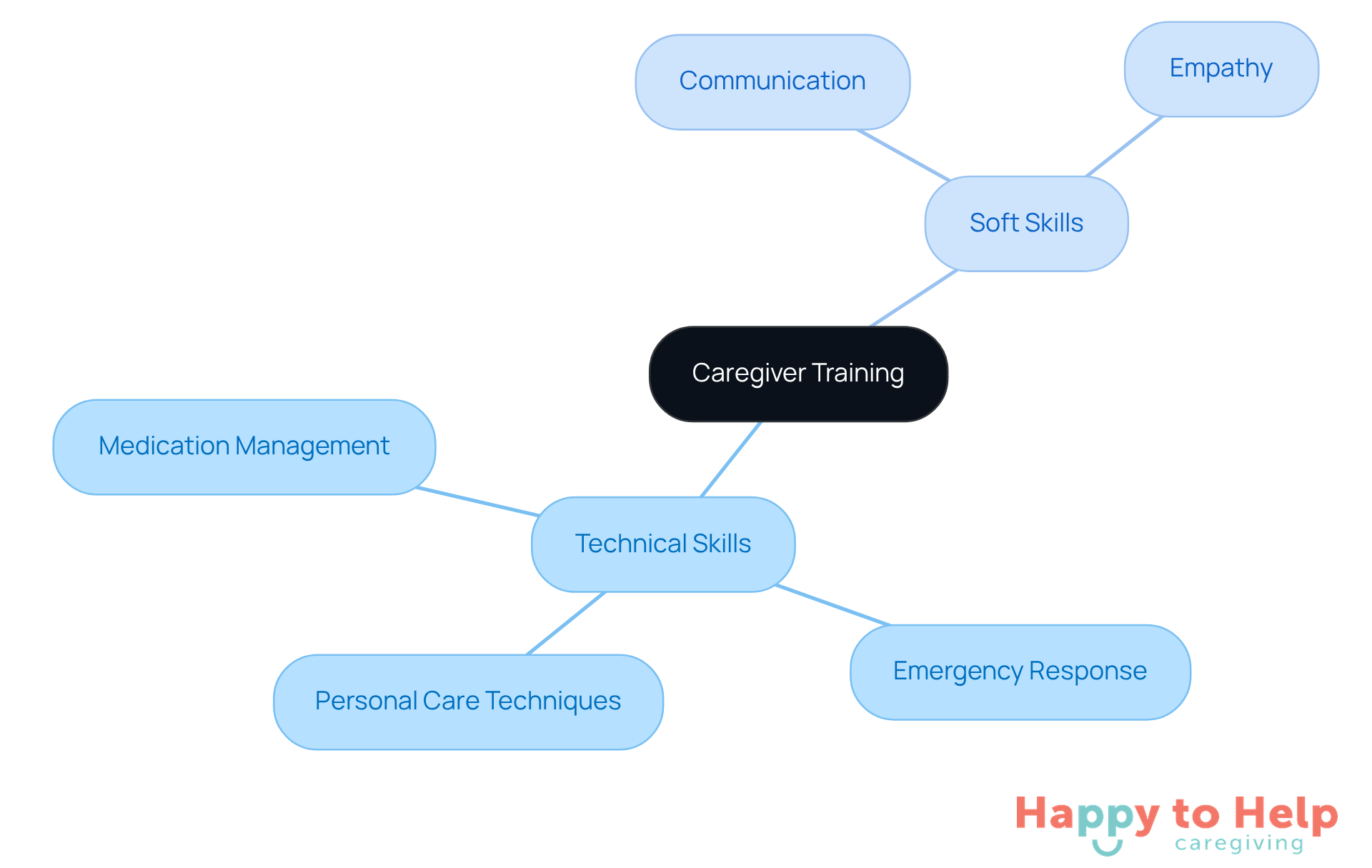
To address this issue, it’s crucial to incorporate training in essential areas such as:
- Medication management
- Emergency response
- Personal care techniques
However, technical skills alone are not enough. Caregivers must also develop soft skills like:
- Communication
- Empathy
Promoting a compassionate approach is vital; support providers should be encouraged to establish rapport with clients, actively listen to their concerns, and involve them in meaningful activities.
Ongoing training and support are key solutions to ensure caregivers stay updated on best practices and continuously improve their caregiving skills. By implementing regular training sessions and providing resources for skill enhancement, organizations can empower caregivers to deliver high-quality, empathetic care.
Enhance Communication: Foster Collaboration Among Care Teams
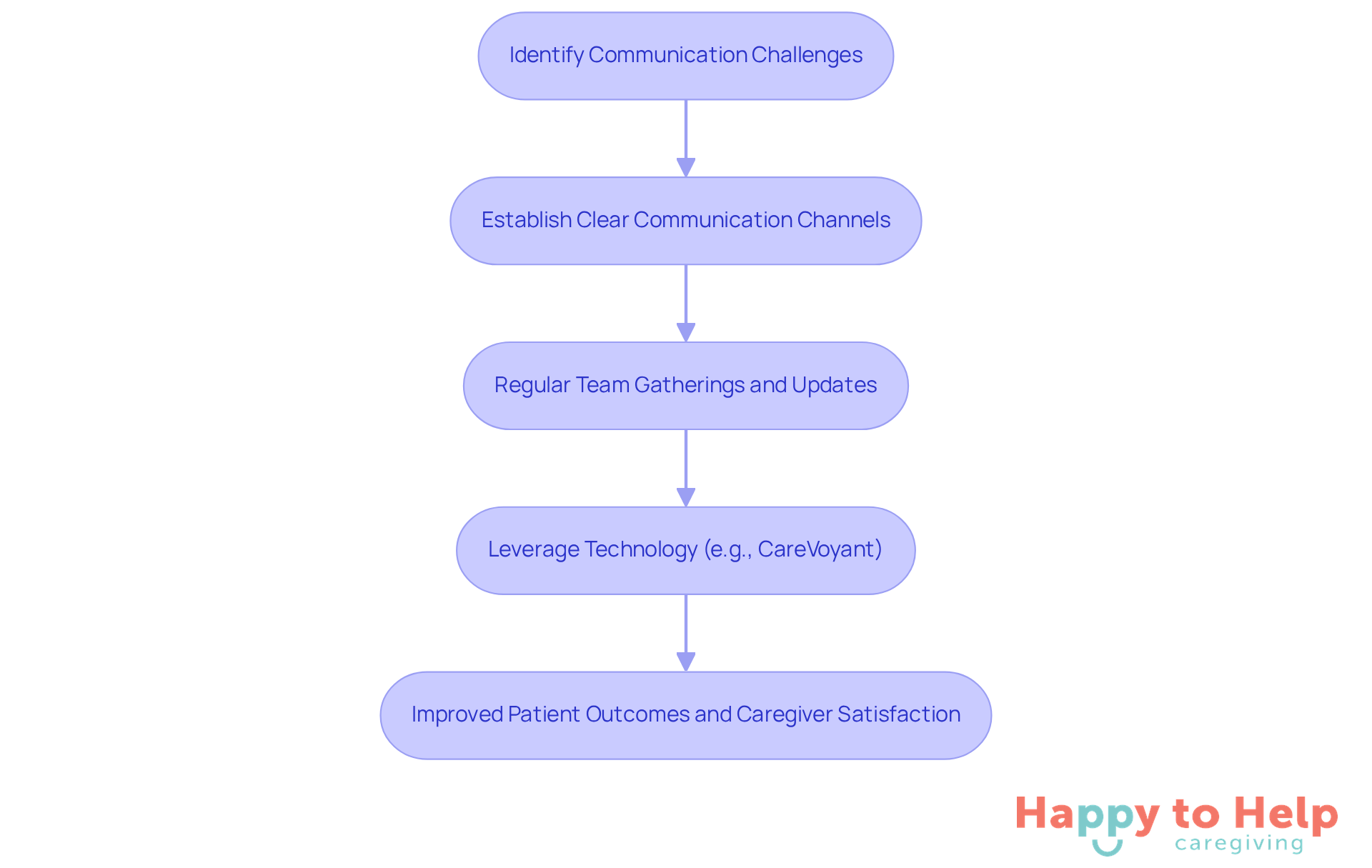
Effective communication poses a significant challenge in successful 24 hr in home care. Care teams often struggle with sharing vital information about the client's condition, preferences, and changes in care needs. This lack of clarity can lead to misunderstandings and fragmented updates, ultimately affecting patient outcomes and caregiver satisfaction.
To address these issues, establishing clear channels for communication is essential. Regular team gatherings and updates ensure that all providers are aligned and informed. Studies show that efficient dialogue not only enhances patient results but also boosts staff satisfaction. For instance, agencies utilizing integrated communication tools report fewer missed visits and improved coordination among support staff.
One effective solution is to leverage technology, such as centralized home support software like CareVoyant. This tool enhances real-time interaction and documentation, allowing family members to stay informed about their loved one's care. By nurturing a cooperative atmosphere among caregivers and utilizing these technological solutions, the overall standard of 24 hr in home care can be significantly improved, leading to better patient outcomes and satisfaction.
Leverage Technology: Streamline Care and Enhance Family Engagement
Caregivers face significant challenges in providing consistent, high-quality assistance in a 24 hr in home care environment. The lack of effective tools can lead to miscommunication, medication errors, and feelings of isolation among both caregivers and those receiving care.
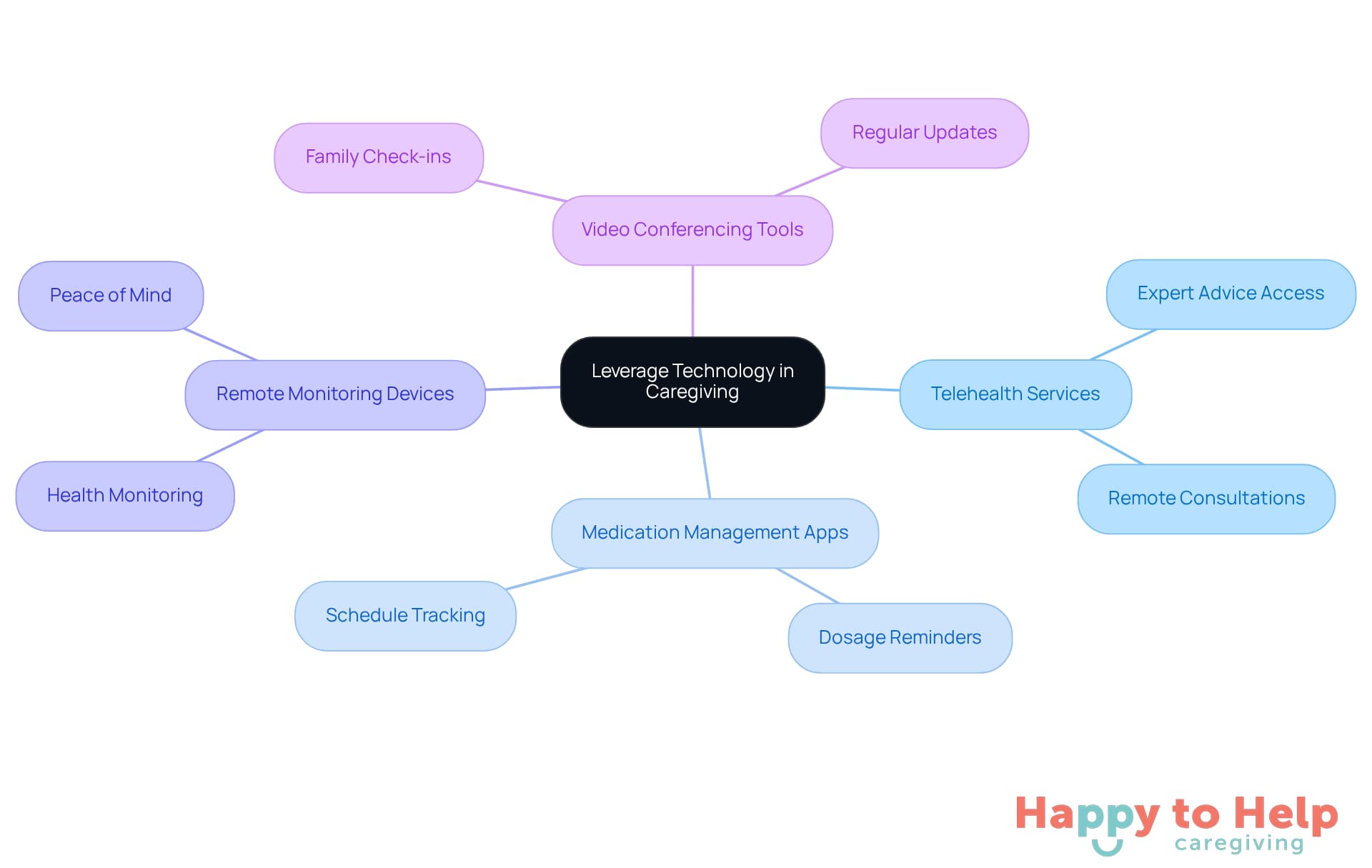
To address these issues, technology offers practical solutions that can greatly enhance caregiving. Telehealth services, for example, allow caregivers to consult with healthcare professionals remotely, ensuring that they have access to expert advice when needed. Medication management apps can help track schedules and remind caregivers of dosages, reducing the risk of errors.
Moreover, remote monitoring devices enable caregivers to keep an eye on the health of their clients from a distance, providing peace of mind. Video conferencing tools facilitate regular check-ins between families and caregivers, fostering a sense of connection and involvement in the care process.
By integrating these technologies into caregiving practices, agencies can improve efficiency and enhance the overall caregiving experience. Embracing these tools not only streamlines operations but also enriches the lives of both caregivers and those they care for.
Making the Right Choice
Effective 24-hour in-home care is essential for ensuring individuals receive the support they need while maintaining their quality of life. However, caregivers often face significant challenges in providing this level of care. The emotional toll, combined with the physical demands of caregiving, can lead to burnout and decreased quality of care.
To address these challenges, it’s crucial to adopt best practices that enhance the caregiving experience. Start by:
- Defining individual needs through thorough assessments.
- Tailoring personalized care plans that reflect these needs, ensuring that each client receives the attention they deserve.
- Training caregivers in both technical and soft skills; this equips them to handle various situations with confidence and compassion.
Enhancing communication among care teams is another key strategy. When caregivers collaborate effectively, they can share insights and strategies that improve care delivery. Additionally, leveraging technology can streamline services, making it easier to monitor client needs and coordinate care.
By implementing these strategies, caregivers can create a supportive environment that prioritizes the needs of clients and their families. This not only reduces the risk of burnout but also enhances the quality of life for those they serve. Embracing these principles in 24-hour in-home care leads to more compassionate, effective, and personalized support, ensuring individuals thrive in the comfort of their own homes.
https://iframe.tely.ai/cta/eyJhcnRpY2xlX2lkIjogIjY5M2Y1MDhmMTQ3ZTIwZjE1ODJjOWRlNSIsICJjb21wYW55X2lkIjogIjY4ZWU1ZGNhNzMxNzYyNTU3ZjNjOTVjMSIsICJpbmRleCI6IG51bGwsICJ0eXBlIjogImFydGljbGUifQ==Frequently Asked Questions
What is 24-hour in-home care?
24-hour in-home care is a comprehensive caregiving service that provides continuous support day and night, including personal assistance, companionship, medication management, and help with daily activities such as bathing, dressing, and meal preparation.
What challenges do caregivers face when providing support?
Caregivers often experience physical and emotional strain due to the demands of providing assistance around the clock, which can lead to burnout and negatively impact their well-being and the quality of care they provide.
How does 24-hour in-home care help caregivers?
24-hour in-home care alleviates the burden on family caregivers by ensuring that skilled caregivers are available in shifts, providing continuous support and allowing caregivers to maintain a healthier balance in their lives.
Why is it important to tailor care plans for individuals?
Tailoring care plans is essential because it addresses the unique physical, emotional, and social needs of each individual, enhancing their quality of life and promoting independence.
What steps should be taken to create effective support plans?
Effective support plans should begin with thorough evaluations of the individual's needs, involve family members in the planning process, and be regularly updated to reflect any changes in health or preferences.
What are the consequences of not involving family members in the care planning process?
Failing to involve family members can hinder effective assistance and may result in care plans that do not adequately address the individual’s needs or preferences.
How can caregivers ensure that support plans remain relevant?
Caregivers can ensure that support plans remain relevant by conducting frequent evaluations and making necessary modifications based on changes in the client's health or preferences.
What are the key takeaways for providing effective in-home care?
Key takeaways include conducting thorough evaluations to understand individual needs, involving family members in the planning process, and regularly updating support plans to adapt to changes.
List of Sources
- Define 24-Hour In-Home Care: Key Concepts and Services
- Around-the-Clock Support: The Benefits of 24-Hour Home Care for Seniors (https://afcsnc.com/around-the-clock-support-the-benefits-of-24-hour-home-care-for-seniors)
- The Benefits of 24-Hour Home Care for Seniors Living Alone (https://lifesathomecare.com/the-benefits-of-24-hour-home-care-for-seniors-living-alone)
- How Much Does 24/7 In-Home Care Cost? | The Senior List (https://theseniorlist.com/caregiving/24-7-in-home-care)
- Why So Many Seniors Prefer 24-Hour Home Care Over Nursing Home Care (https://heavenathomecare.com/why-24-hour-home-care-is-preferred-over-nursing-home-care)
- How Much Does 24/7 Home Care Cost? (https://aplaceformom.com/caregiver-resources/articles/24-hour-in-home-care)
- Identify Individual Needs: Tailoring Care Plans for Quality Support
- Personalized Care Plans: Tailoring Support to Individual Needs in Assisted Living | Juniper Senior Living (https://junipercommunities.com/personalized-care-plans-tailoring-support-to-individual-needs-in-assisted-living)
- Benefits of Personalized Care Plans in Nursing Homes (https://havenhealthaz.com/blog/benefits-of-personalized-care-plans-in-nursing-homes)
- How a Personalized Care Plan Makes Living with Chronic Conditions Easier | Dedicated Senior Medical Center (https://dedicated.care/articles/how-personalized-care-plan-makes-living-chronic-conditions-easier)
- How Personalized Care Plans Improve Quality of Life for Seniors (https://seniorcarecompanions.com/personalized-care-plans-quality-of-life-for-seniors)
- Customized Care at Home: The Benefits of Personalized Care Plans - VNA Health Group (https://vnahg.org/customized-care-at-home-the-benefits-of-personalized-care-plans)
- Train Caregivers: Ensuring Competence and Compassion in Care
- CCA Announces Free Online Caregiver Training Program for IHSS Workers (https://advancecaregivers.org/cca-announces-free-online-caregiver-training-program-for-ihss-workers)
- The Power of Empathy in Senior Care (https://aprilibarra.com/the-power-of-empathy)
- Caregiver Statistics: Health, Technology, and Caregiving Resources (https://caregiver.org/resource/caregiver-statistics-health-technology-and-caregiving-resources)
- Empathy in Dementia Care: Why It Matters and How to Strengthen It (https://ageucate.com/blog/empathy-in-dementia-care-why-it-matters-and-how-to-strengthen-it)
- Home Helpers Launches Home Health Aide Training Program To Build The Next Wave Of Caregivers (https://homehealthcarenews.com/2025/07/home-helpers-launches-home-health-aide-training-program-to-build-the-next-wave-of-caregivers)
- Enhance Communication: Foster Collaboration Among Care Teams
- New report gives healthcare providers fresh guidance on communicating with older adults (https://mcknights.com/news/new-report-gives-healthcare-providers-fresh-guidance-on-communicating-with-older-adults)
- Importance of Communication in Healthcare (https://cipherhealth.com/blog/importance-of-communication-in-healthcare)
- New Research Brief: Quality of Communication Between Family Caregivers and Direct Care Professionals | The LeadingAge LTSS Center @UMass Boston (https://ltsscenter.org/new-research-brief-quality-of-communication-between-family-caregivers-and-direct-care-professionals)
- How to Improve Care Team Communication in Home Care (https://carevoyant.com/home-health-blog/how-to-improve-care-team-communication-in-home-care)
- Leverage Technology: Streamline Care and Enhance Family Engagement
- The Rise and Promise of Technology in Home Health (https://healthrecoverysolutions.com/blog/the-rise-and-promise-of-technology-in-home-health)
- Amid National Caregiver Shortages, Electronic Caregiver Announces the Hybrid Home Care Model-A Scalable Solution to the Labor Crisis Threatening U.S. Aging and Chronic Care (https://fox40.com/business/press-releases/accesswire/1115691/amid-national-caregiver-shortages-electronic-caregiver-announces-the-hybrid-home-care-model-a-scalable-solution-to-the-labor-crisis-threatening-u-s-aging-and-chronic-care)
- 6 Companies and Technologies Changing Home Care for the Better (https://chosenfamilyhomecare.com/6-companies-and-technologies-changing-home-care-for-the-better)
- How Technology is Reshaping Home-Based Care - THL (https://thl.com/articles/how-technology-is-reshaping-home-based-care)
- How enabling technology is transforming home-based care | UnitedHealthcare Community & State (https://uhccommunityandstate.com/content/blog-post/blogs/how-enabling-technology-is-transforming-home-based-care)