5 Best Practices for Finding In Home Dementia Care Near You

For families in our service areas
For families in our service areas, this guide explains dementia care and how non-medical in-home caregiving can support care planning in East Idaho, Treasure Valley & Magic Valley, Northern Wasatch, North Central West Virginia & Southwestern Pennsylvania, and Northeast Ohio.
Why Practices for Finding In Home Dementia Matters
Finding the right in-home dementia care can feel like navigating a complex maze filled with options and uncertainties. Caregivers face the critical task of ensuring their loved ones receive suitable support tailored to their unique needs. This can be overwhelming without the right guidance.
The challenge lies in the sheer volume of choices available, which can lead to confusion and stress. Families often struggle to identify the best services that align with their loved ones' specific requirements. This article explores essential best practices for identifying, evaluating, and selecting in-home dementia care services. It also addresses the financial aspects and the importance of personalized care plans.
So, how can families effectively sift through the myriad of choices to find the perfect match for their loved ones? By following a structured approach, caregivers can make informed decisions that ensure their loved ones receive the care they deserve.
Identify Types of In-Home Dementia Care Services
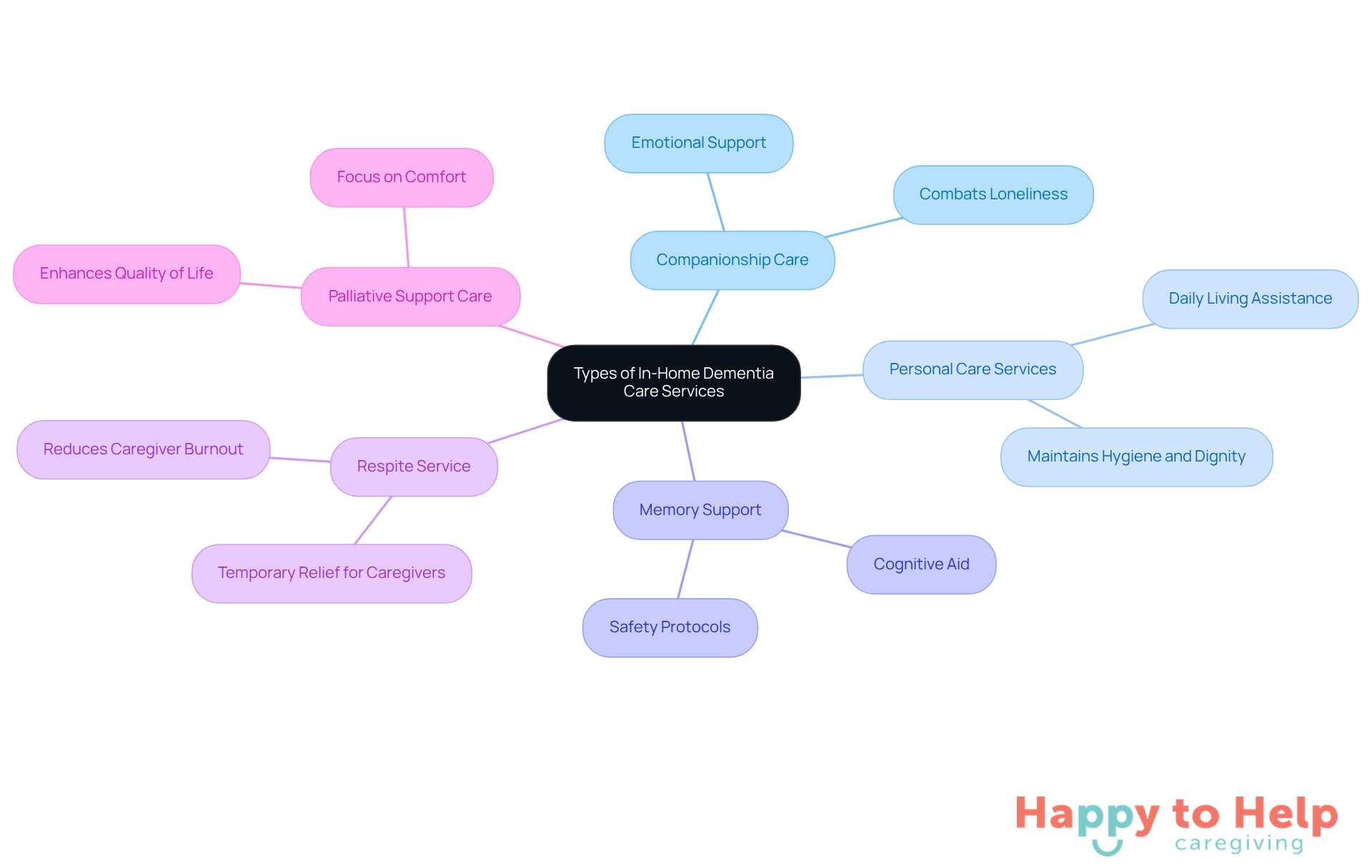
Finding the right in home dementia care near me can be a daunting task for caregivers. With various options available, it’s essential to understand the specific types of care, including in home dementia care near me, that can meet the needs of individuals with cognitive impairments.
-
Companionship Care addresses the emotional needs of those with dementia, providing vital support to combat feelings of loneliness and isolation. This type of care can significantly enhance the quality of life for individuals by fostering meaningful connections.
-
Personal Care Services assist with daily living activities, such as bathing, dressing, and grooming. These services ensure that individuals maintain their personal hygiene and dignity, which is crucial for their overall well-being.
-
Memory Support offers specialized assistance tailored for individuals with cognitive impairment. This service emphasizes cognitive aid and implements safety protocols to prevent wandering and disorientation, addressing a common concern for caregivers.
-
Respite Service provides temporary relief for primary caregivers, allowing them to take necessary breaks while ensuring their loved ones receive quality support. This can help reduce caregiver burnout and improve the overall caregiving experience.
-
Palliative Support Care focuses on meeting the physical, emotional, and spiritual needs of individuals with advanced cognitive decline. By concentrating on comfort and quality of life, this type of care can significantly enhance the well-being of both the individual and their family.
By recognizing these resources, caregivers can more effectively assess their loved one's needs and discover the most appropriate support options available.
Research and Evaluate Local In-Home Care Providers
Finding the right in home dementia care near me provider can be a daunting task for families. The challenge lies in ensuring that their loved ones receive the best possible support tailored to their unique needs. Without proper guidance, families may feel overwhelmed and uncertain about where to turn for help with in home dementia care near me.
To tackle this issue, families can take several practical steps:
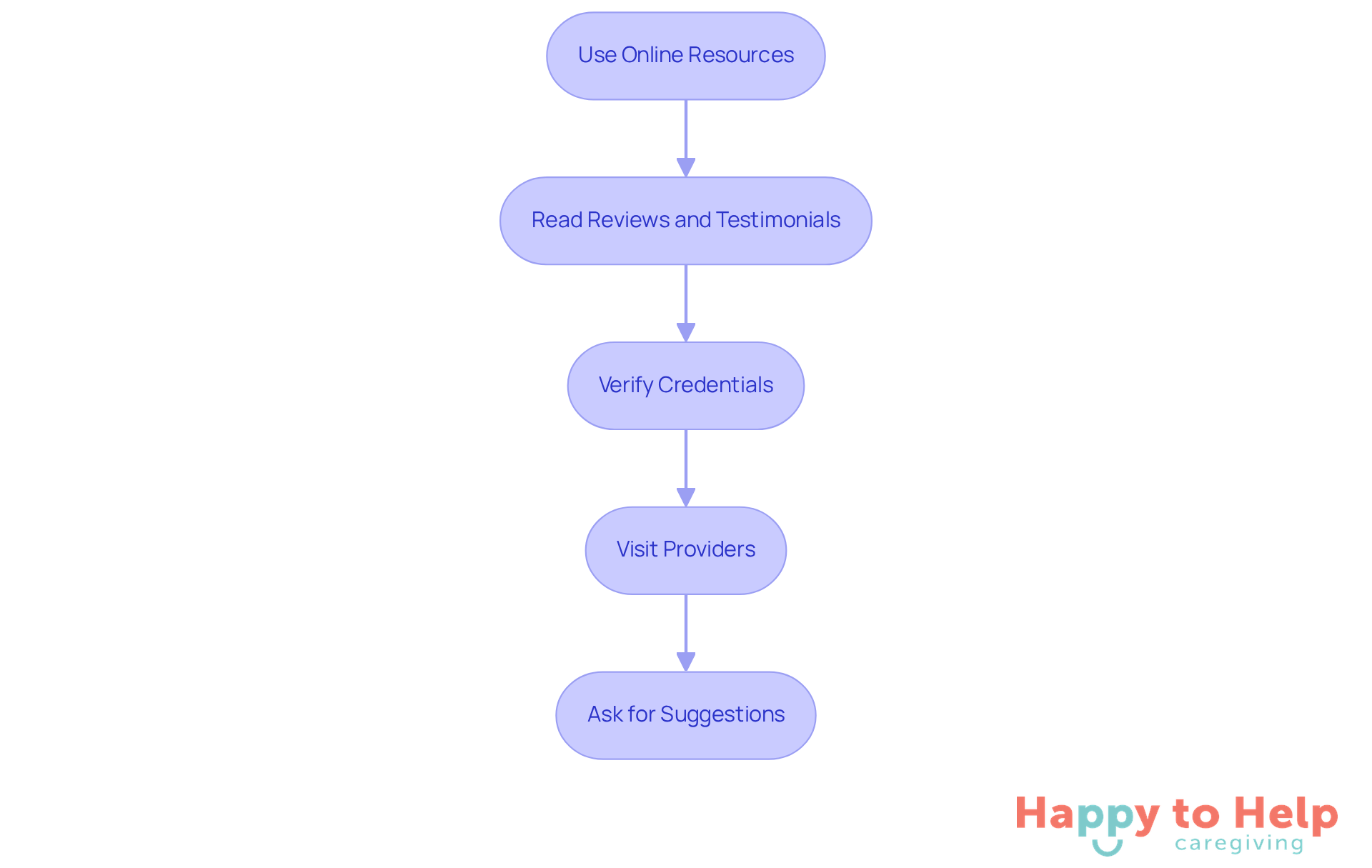
- Use Online Resources: Websites like the Eldercare Locator and local aging organizations can help identify licensed providers in your area.
- Read Reviews and Testimonials: Feedback from other families who have utilized these services can provide valuable insights. Positive evaluations often indicate a provider's reliability and quality of care.
- Verify Credentials: It's crucial to confirm that the agency is licensed and that caregivers are trained in dementia care. Look for certifications from reputable organizations.
- Visit Providers: If possible, visiting the agency allows families to meet the staff and observe the environment. This firsthand experience can reveal the level of support and attention their loved one will receive.
- Ask for Suggestions: Consulting healthcare professionals, social workers, or friends with experience in in-home support services can lead to trustworthy recommendations.
By conducting thorough research and following these steps, families can narrow down their options and select a provider for in home dementia care near me that best meets their loved one's needs.
Ask Key Questions When Interviewing Caregivers
When interviewing prospective caregivers for memory support, it's crucial to ask focused questions that reveal their experience and methods. Here are some essential inquiries:
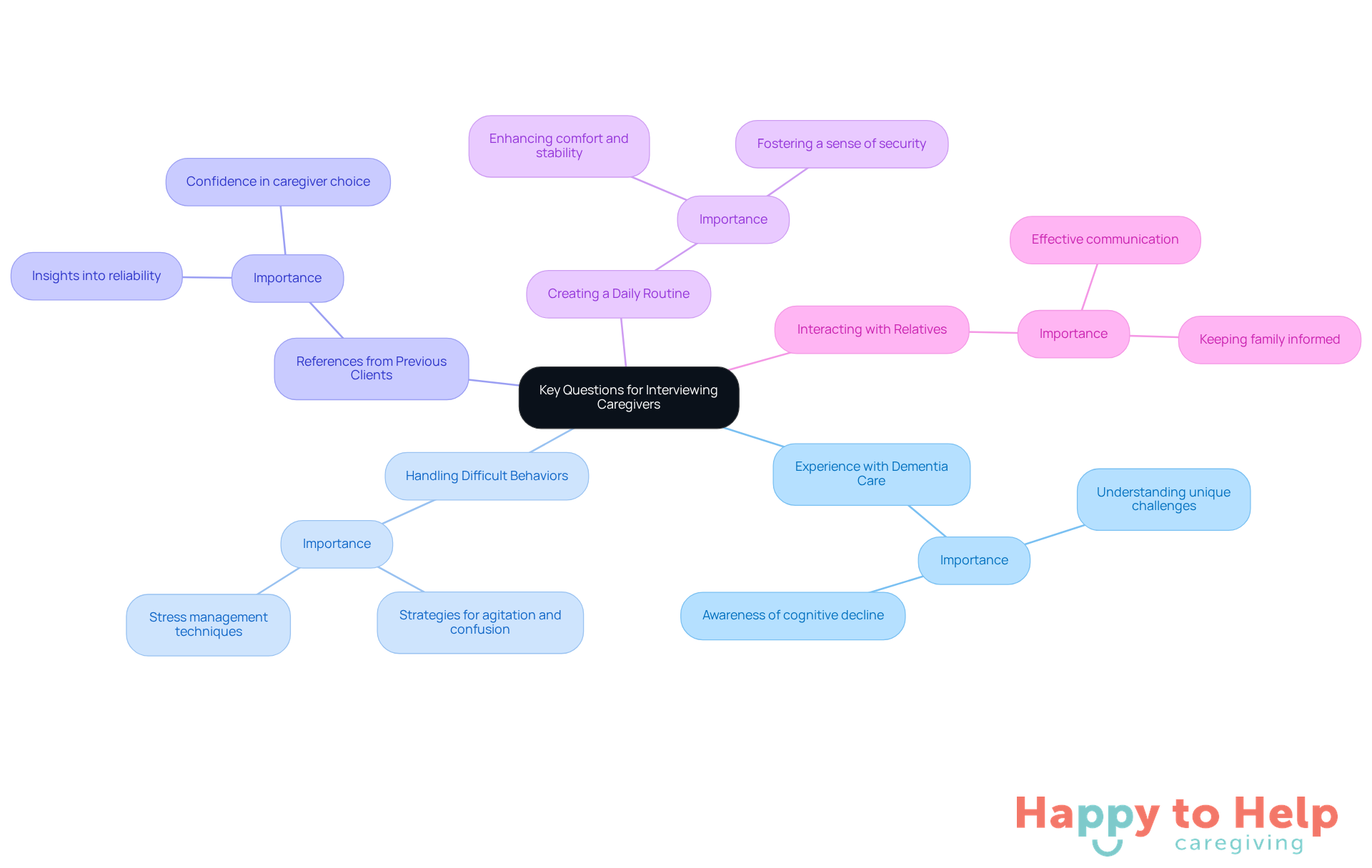
- What experience do you have with dementia care? Understanding a caregiver's background is vital to assess their awareness of the unique challenges linked to cognitive decline, which affects over 6 million people in the U.S. alone.
- How do you handle difficult behaviors? This question uncovers their strategies for managing common issues like agitation or confusion, prevalent among individuals with cognitive impairments. Notably, 70% of caregivers for those with cognitive decline report that coordinating care is stressful, underscoring the need for effective management techniques.
- Can you provide references from previous clients? Speaking with past clients offers valuable insights into the caregiver's reliability and effectiveness, helping families feel confident in their choice.
- What is your approach to creating a daily routine? A caregiver's ability to establish a structured routine can significantly enhance comfort and stability for individuals with dementia, fostering a sense of security in their daily lives.
- How do you interact with relatives? Effective communication is essential for keeping family members informed about their loved one's care, as caregivers often hold considerable decision-making power regarding the recipient's condition.
These questions not only help families evaluate whether a caregiver is the right fit but also ensure a positive caregiving experience that prioritizes the well-being of their loved ones.
Understand Costs and Payment Options for Care
When families consider in home dementia care near me, they often face the challenge of understanding various cost factors and payment options. This can lead to confusion and stress, especially when trying to provide the best support for their loved ones.
-
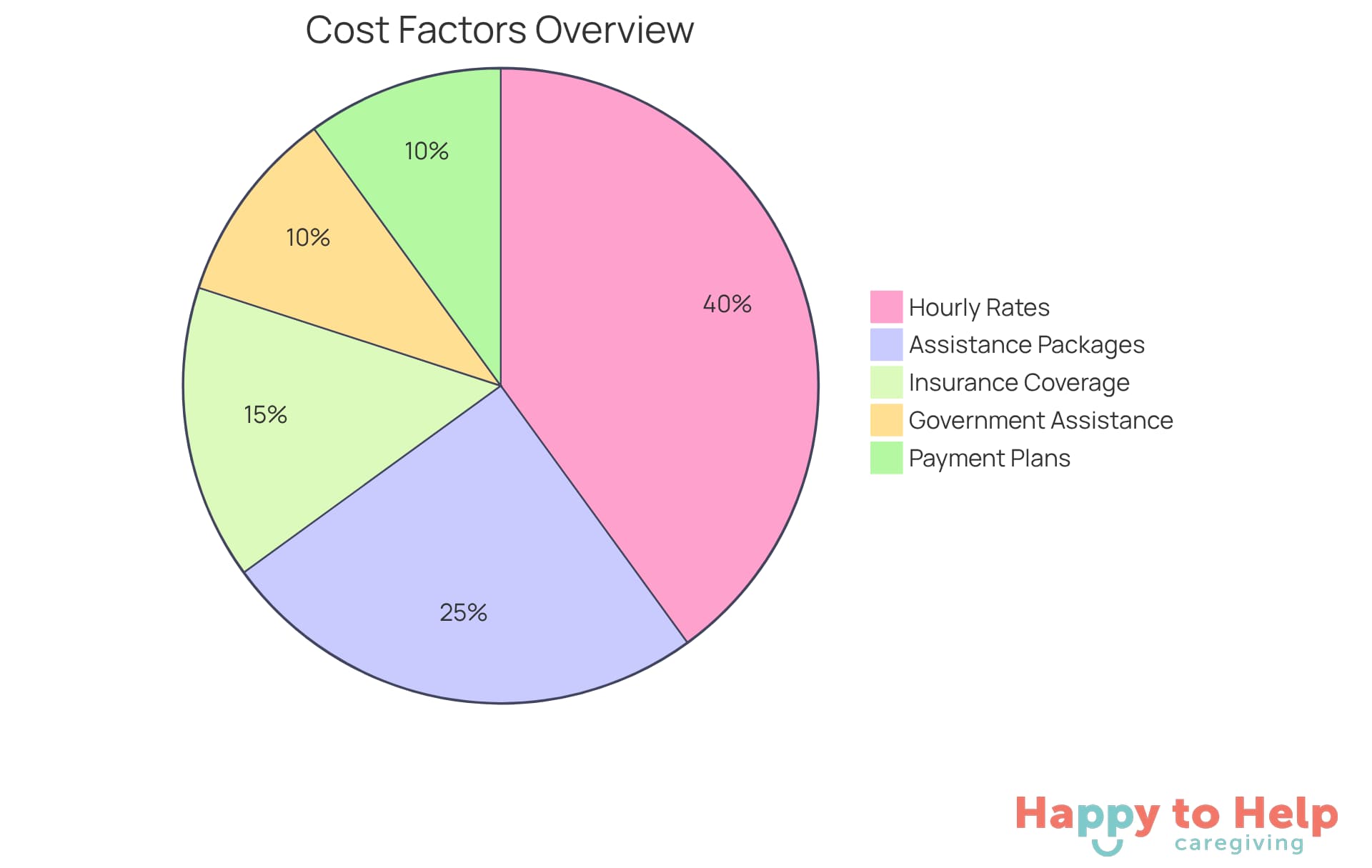
Hourly Rates: In-home care services typically charge by the hour, with rates ranging from $33 to $60 in high-cost regions. The national median expense for in-home assistance is about $33 per hour. These rates can vary based on the level of support needed and the caregiver's qualifications.
-
Assistance Packages: Many agencies offer assistance packages that can lower the hourly rate when a certain number of hours per week is purchased. For instance, a 30-hour weekly assistance plan may cost around $4,290 per month, making it a more economical choice for families needing consistent support.
-
Insurance Coverage: It's essential to check if your loved one's health insurance or long-term support policy covers any in-home assistance options. While Medicare includes some aspects of assistance, it generally does not cover long-term in-home support. However, Medicare Part B does cover cognitive testing and planning options for dementia diagnosis. Families should be aware that Medicare coverage for long-term support is limited.
-
Government Assistance: Programs like Medicaid can provide financial support for eligible individuals, particularly those requiring memory support. Medicaid usually covers all nursing home expenses, including memory assistance, while Medicare coverage is more restricted. Families should explore local resources that may help reduce costs, as Medicaid might cover certain in-home cognitive support services in approved facilities.
-
Payment Plans: Some agencies offer flexible payment options, including sliding scale fees based on income, which can improve accessibility for families facing financial challenges.
Understanding these factors can empower families to effectively plan for the financial aspects of in home dementia care near me, ensuring they provide the necessary assistance for their loved ones.
Develop a Personalized Care Plan for Your Loved One
Creating a personalized care plan is crucial for caregivers facing the challenges of dementia. Without a tailored approach, loved ones may struggle with their physical, emotional, and social needs, leading to increased frustration and a decline in their quality of life.
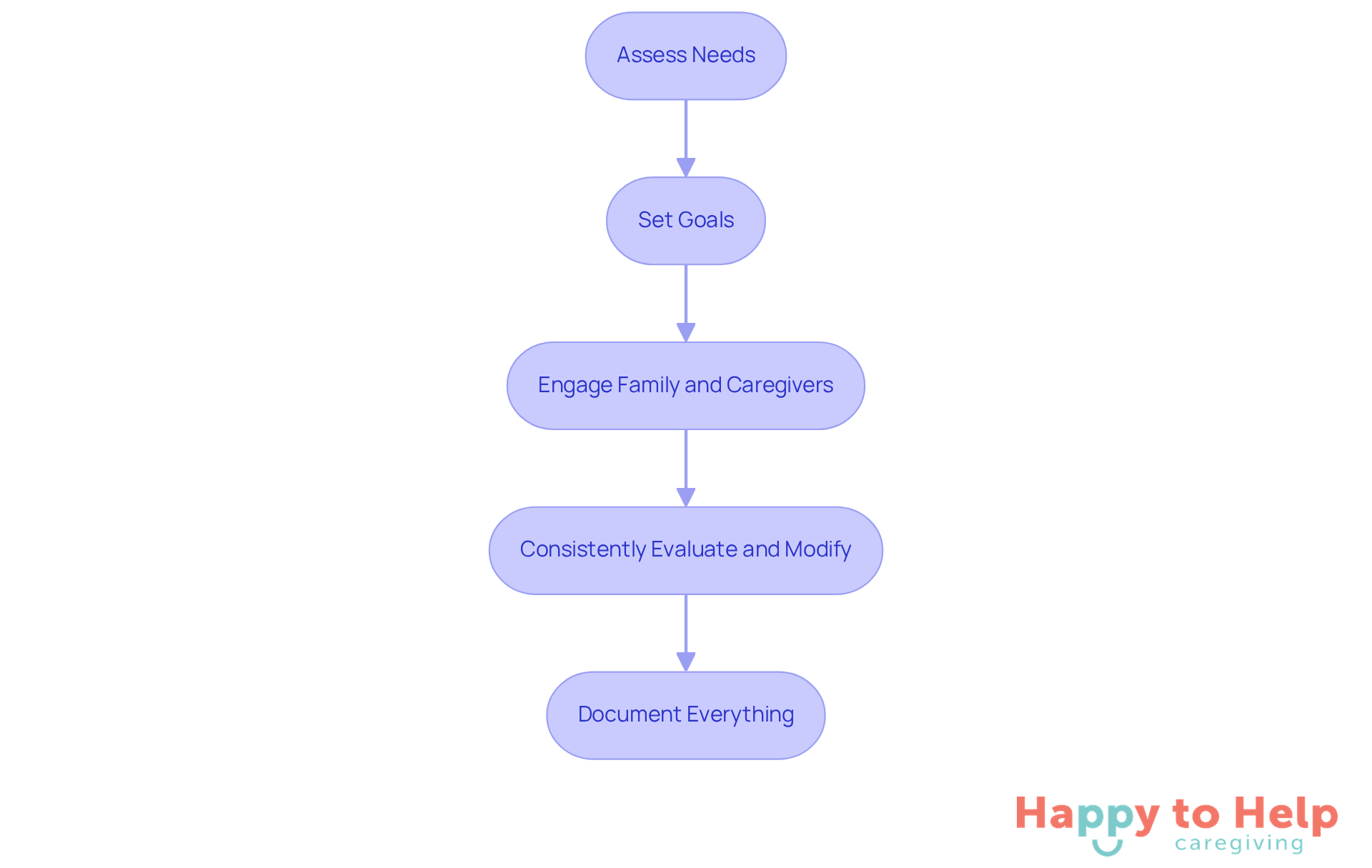
To address these challenges, follow these key steps:
- Assess Needs: Evaluate your loved one's physical, emotional, and social needs. Consider their daily routines, preferences, and any specific challenges they face due to dementia.
- Set Goals: Establish clear, achievable objectives for support. This could include maintaining independence in daily activities or improving social engagement.
- Engage Family and Caregivers: Work together with family members and caregivers to ensure everyone is aligned concerning the support strategy and duties.
- Consistently Evaluate and Modify: Dementia is a progressive condition, so it's important to consistently evaluate and modify the support plan as your loved one's needs change.
- Document Everything: Maintain a written record of the treatment plan, including routines, preferences, and any changes in condition. This documentation can be essential for caregivers and relatives.
By developing a personalized care plan, families can ensure that their loved ones receive the best possible care tailored to their unique needs.
Key Takeaways for Caregivers
Finding the right in-home dementia care is a crucial step for families seeking the best support for their loved ones. The challenge lies in understanding the diverse types of care available and the need for thorough research on local providers. Families must actively engage in the selection process to ensure the chosen caregiver aligns with the specific needs of the individual. This careful approach not only enhances the quality of care but also provides peace of mind for families navigating the complexities of dementia.
Identifying various in-home care services is essential. Options such as:
- Companionship
- Personal care
- Memory support
cater to the unique needs of individuals with cognitive impairments. Evaluating potential care providers is equally important. Families should utilize online resources, read reviews, verify credentials, and ask insightful questions during caregiver interviews. Understanding costs and exploring payment options further empowers families to make informed decisions that fit their financial situation.
The significance of developing a personalized care plan cannot be overstated. By assessing specific needs, setting clear goals, and involving family members in the planning process, caregivers can create a supportive environment that fosters dignity and well-being for individuals with dementia. This comprehensive approach not only improves the quality of care but also enriches the lives of those affected by cognitive decline. Families are encouraged to take these best practices to heart, ensuring their loved ones receive the compassionate and tailored support they deserve.
https://iframe.tely.ai/cta/eyJhcnRpY2xlX2lkIjogIjY5NDBhMjIwMjI1ZjA3N2M1ZmMwYmYzZCIsICJjb21wYW55X2lkIjogIjY4ZWU1ZGNhNzMxNzYyNTU3ZjNjOTVjMSIsICJpbmRleCI6IG51bGwsICJ0eXBlIjogImFydGljbGUifQ==Frequently Asked Questions
What types of in-home dementia care services are available?
The main types of in-home dementia care services include Companionship Care, Personal Care Services, Memory Support, Respite Service, and Palliative Support Care.
What is Companionship Care?
Companionship Care addresses the emotional needs of individuals with dementia, providing support to combat feelings of loneliness and isolation, thereby enhancing their quality of life.
What do Personal Care Services involve?
Personal Care Services assist individuals with daily living activities such as bathing, dressing, and grooming, ensuring they maintain personal hygiene and dignity.
What is the purpose of Memory Support?
Memory Support offers specialized assistance tailored for individuals with cognitive impairment, focusing on cognitive aid and safety protocols to prevent wandering and disorientation.
How does Respite Service benefit caregivers?
Respite Service provides temporary relief for primary caregivers, allowing them to take necessary breaks while ensuring their loved ones receive quality support, thus helping to reduce caregiver burnout.
What is Palliative Support Care?
Palliative Support Care focuses on meeting the physical, emotional, and spiritual needs of individuals with advanced cognitive decline, emphasizing comfort and quality of life.
How can families find local in-home dementia care providers?
Families can find local providers by using online resources, reading reviews and testimonials, verifying credentials, visiting providers, and asking for suggestions from healthcare professionals or friends.
Why is it important to verify the credentials of in-home care providers?
Verifying credentials ensures that the agency is licensed and that caregivers are trained in dementia care, which is crucial for providing reliable and quality support.
What benefits can families gain from visiting potential care providers?
Visiting providers allows families to meet the staff and observe the environment, giving them firsthand experience of the level of support and attention their loved one will receive.
List of Sources
- Identify Types of In-Home Dementia Care Services
- In-Home Care Options for Seniors With Dementia (https://villagecaregiving.com/blog/care-options-for-dementia)
- Why More Families Are Choosing In-Home Dementia Care in 2025 (https://ambassadorhomeagency.com/choosing-in-home-dementia-care-in-2025)
- In-Home Care | Alzheimer's Association (https://alz.org/help-support/caregiving/care-options/in-home-care)
- Home Health Care Trends Among Medicare Beneficiaries With or Without Dementia (https://jamanetwork.com/journals/jamanetworkopen/fullarticle/2834204)
- New Medicare program offers much-needed relief for caregivers of dementia patients (https://finance.yahoo.com/news/new-medicare-program-offers-much-needed-relief-for-caregivers-of-dementia-patients-203450020.html)
- Research and Evaluate Local In-Home Care Providers
- 10 Must-Know U.S. Home Care Industry Stats for 2025 - North American Community Hub (https://nchstats.com/us-home-care-industry-stats)
- Finding Dementia Care and Local Services | Alzheimers.gov (https://alzheimers.gov/life-with-dementia/find-local-services)
- 2025 Home Care Statistics: Trends & Insights To Know (https://premierhcinc.com/blog/home-care-statistics)
- 52 Eye-Opening Home Health Statistics: Insights for 2025 (https://boosthomehealth.com/home-health-statistics)
- Home Care Industry Overview and Statistics (https://ankota.com/home-care-industry-overview-and-statistics)
- Ask Key Questions When Interviewing Caregivers
- Caregiver Statistics: Demographics (https://caregiver.org/resource/caregiver-statistics-demographics)
- Caring for the Caregivers: An Alzheimer’s Disease Research Center Call to Action - PMC (https://pmc.ncbi.nlm.nih.gov/articles/PMC9047452)
- New Alzheimer’s Association Report Reveals Top Stressors for Caregivers and Lack of Care Navigation Support and Resources (https://alz.org/news/2024/new-alzheimers-association-report-reveals-top-stressors-caregivers)
- The Caregiving Landscape: Data & Insights on the Caregiver Experience in the U.S. (https://caregiveraction.org/caregiver-statistics)
- 10 Questions to Ask When Considering a Memory Care Community | Alzheimer's Foundation of America (https://alzfdn.org/10-questions-to-ask-when-considering-a-memory-care-community)
- Understand Costs and Payment Options for Care
- Medicare offering dementia caregiver benefit: It's a start, advocates say (https://naplesnews.com/story/news/local/2025/08/20/medicare-now-offers-2500-dementia-caregiving-stipend-how-it-helps/84334583007)
- Medicare covers at-home nursing care for dementia patients for the first time this year (https://tampabay.com/news/health/2025/08/14/medicare-covers-at-home-nursing-care-dementia-patients-first-time-this-year)
- Is Memory Care Covered by Medicare? (https://ncoa.org/article/does-medicare-cover-memory-care-a-comprehensive-guide)
- Home Care Costs in 2025: A State-by-State Guide (https://aplaceformom.com/caregiver-resources/articles/in-home-care-costs)
- In-Home Dementia Care Costs in 2025: What Families Should Expect and How to Plan (https://clarahomecare.com/articles/in-home-dementia-care-costs-in-2025-what-families-should-expect-and-how-to-plan)