
Understanding Practices for Hiring a Private Duty CNA
Hiring a private duty Certified Nursing Assistant (CNA) can be a complex and daunting task for families. The challenge lies in understanding the specific needs and goals of the individual requiring care. This understanding is crucial, as it forms the foundation for selecting the right caregiver. Without clarity on these needs, families may struggle to find suitable candidates, leading to potential mismatches in care quality.
The implications of not addressing these needs can be significant. Families may face increased stress, financial strain, and dissatisfaction with the care provided. To navigate this process effectively, families must balance their care requirements with the qualifications of potential candidates while also considering financial implications.
So, how can families streamline this hiring process?
- Clearly define the care needs of your loved one.
- Create a checklist of qualifications and experience you expect from a CNA. This will help you evaluate candidates more effectively.
- Consider reaching out to local agencies that specialize in caregiver placements, as they can provide valuable insights and support.
By following these best practices, families can make informed decisions that enhance the quality of care for their loved ones.
Define Your Care Needs and Goals
Before starting the hiring process, it’s essential to clearly outline the specific support needs and objectives for your family member. Without this clarity, caregivers may struggle to find the right assistance, leading to frustration and unmet needs.
-
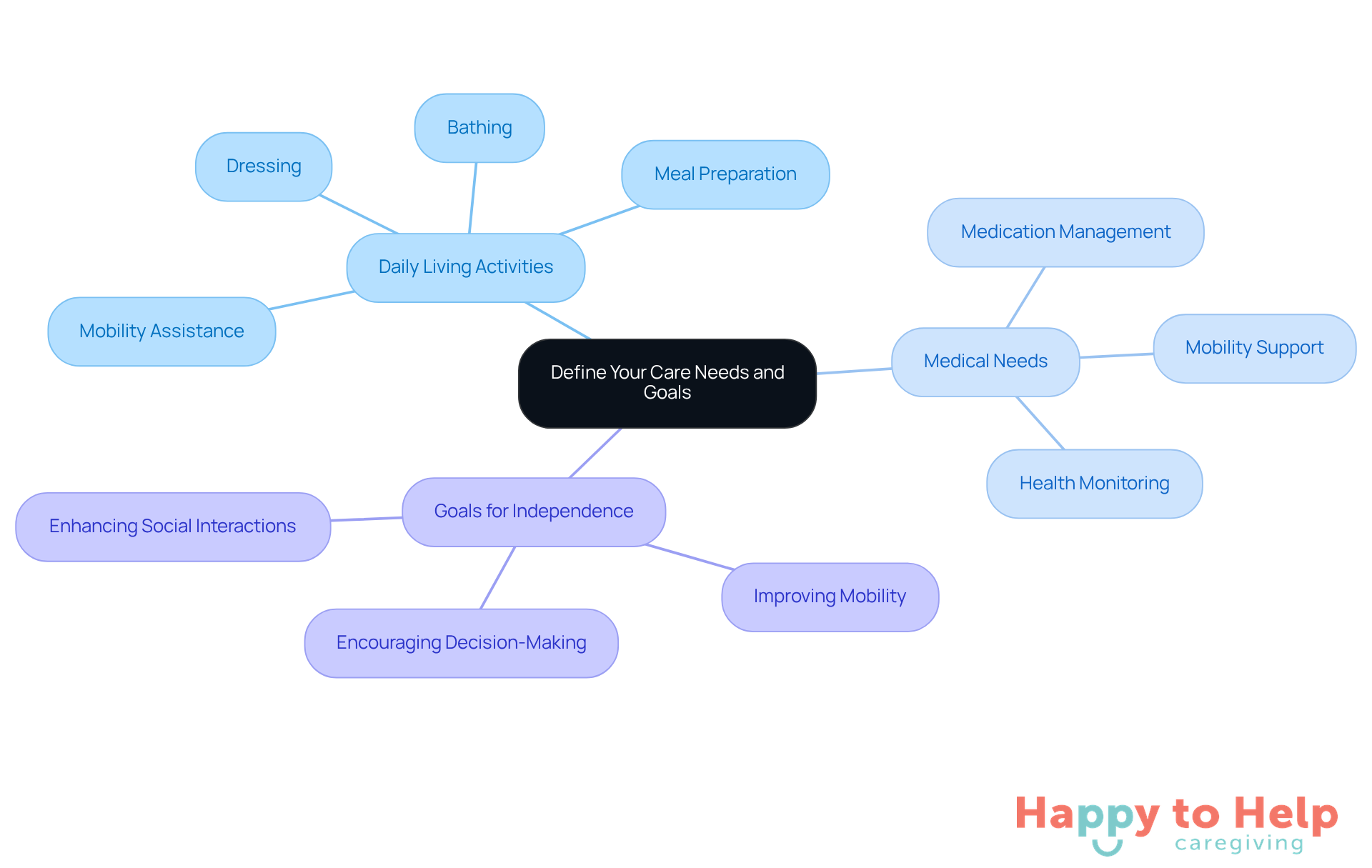
Assess Daily Living Activities: Identify which daily activities the individual struggles with, such as bathing, dressing, or meal preparation. This assessment is crucial for understanding the level of support required.
-
Identify Medical Needs: If your relative has medical conditions, specify the particular support required, including medication management or mobility assistance. This ensures that caregivers can address all health-related concerns effectively.
-
Set Goals for Independence: Establish what level of independence you wish to maintain for your loved one. Goals might include improving mobility or enhancing social interactions, which can significantly impact their quality of life.
Engage family members in discussions to ensure everyone is aligned regarding support expectations and goals. This collaboration fosters a supportive environment and helps in making informed decisions.
By taking these steps, you can create a comprehensive overview of what you require from a support provider, particularly when considering a private duty cna for hire to guide your hiring decisions effectively.
Evaluate Qualifications and Experience of Candidates
Hiring a private duty CNA for hire can be challenging. Families often face the problem of ensuring they select a qualified caregiver who meets their specific needs. Without proper evaluation, they risk compromising the quality of care for their loved ones.
To address this issue, consider these key factors:
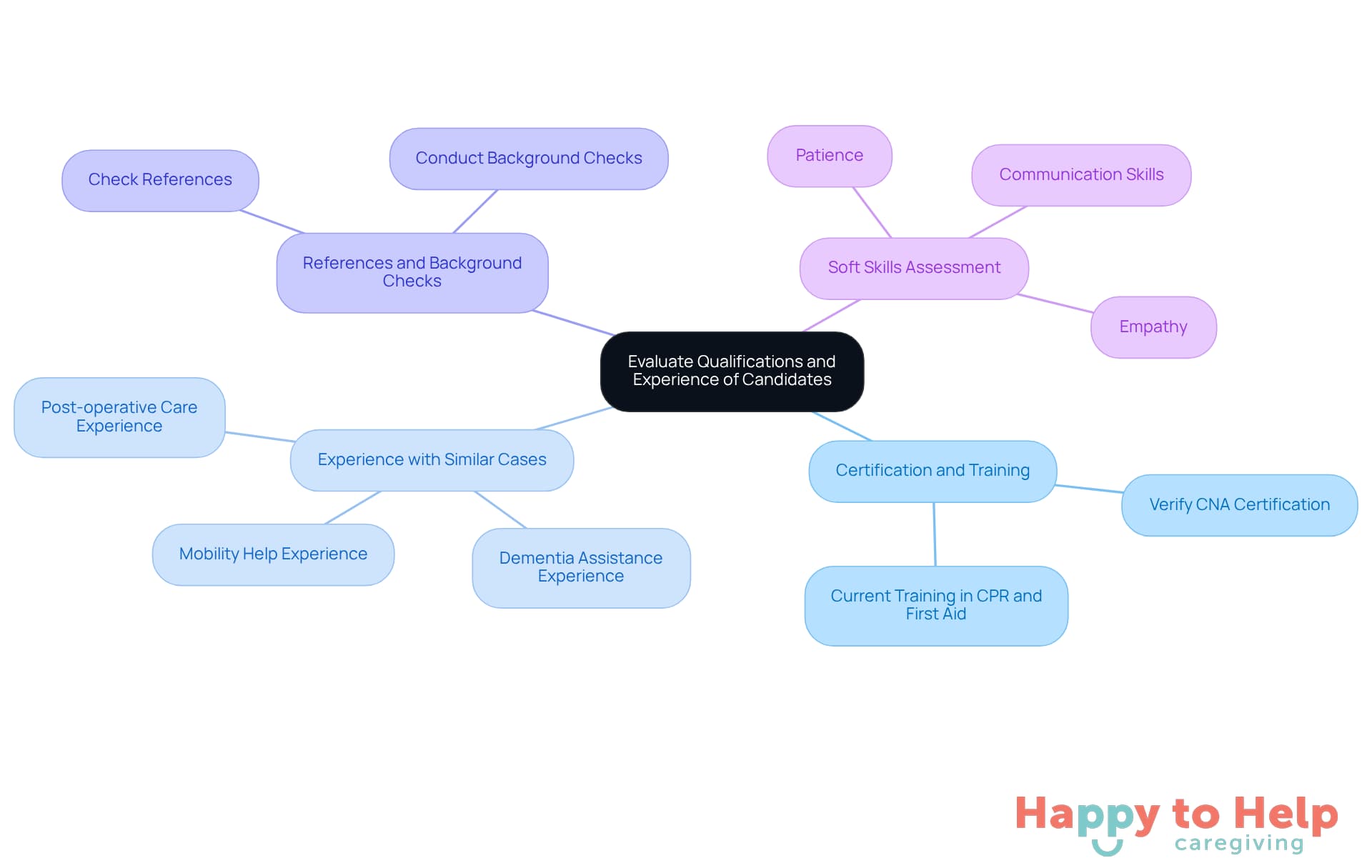
- Certification and Training: Verify that the candidate is a certified nursing assistant (CNA) with current training in essential areas like CPR and first aid.
- Experience with Similar Cases: Seek candidates who have experience with individuals requiring similar support, whether it’s post-operative care, dementia assistance, or mobility help.
- References and Background Checks: Always check references and conduct thorough background checks to confirm the candidate's reliability and history.
- Soft Skills Assessment: Assess interpersonal skills such as empathy, patience, and communication, which are vital for effective caregiving.
By focusing on these aspects, families can ensure they choose a qualified private duty CNA for hire who is capable of delivering the necessary support.
Understand Financial Considerations and Payment Options
When hiring a private duty CNA for hire, financial considerations pose significant challenges. Families often grapple with understanding the costs involved, which can lead to confusion and financial strain.
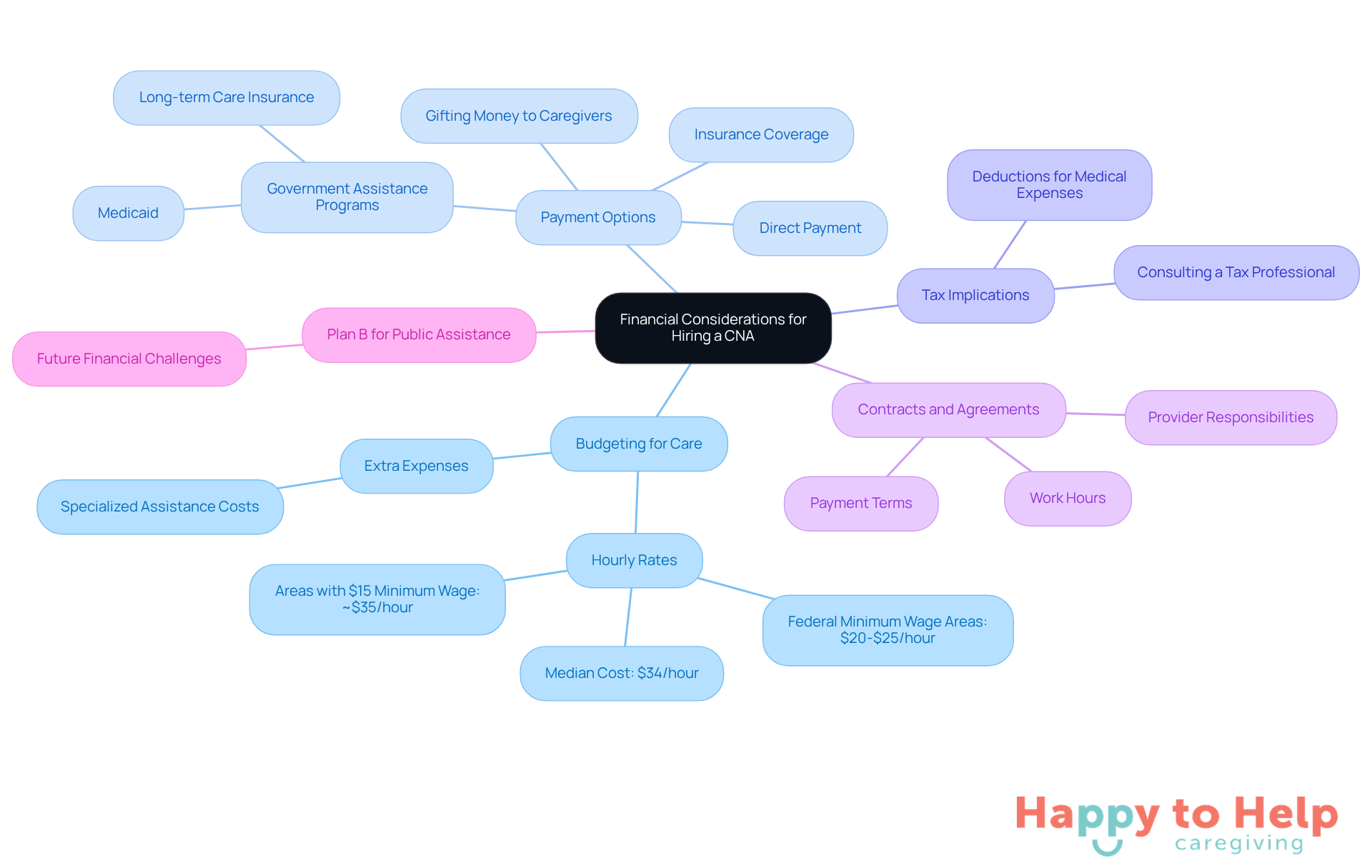
Budgeting for Care: Assessing your financial capacity for caregiving services is essential. Hourly rates typically range from $18 to over $40, with a median cost of $34 per hour for home health aides. In areas adhering to the federal minimum wage, prices hover around $20 to $25 per hour, while in regions with a $15 minimum wage, costs can reach about $35 per hour. Additionally, consider potential extra expenses for specialized assistance based on the recipient's specific needs.
Payment Options: Exploring various payment methods is crucial. Options include direct payment, insurance coverage, and government assistance programs like Medicaid, which can provide financial aid for low-income seniors needing home support. Many families also look into long-term care insurance to cover in-home care expenses. Alternatively, gifting money to caregivers instead of compensating them as staff may be a viable option.
Tax Implications: Families should be aware of the tax responsibilities associated with employing a support worker. They may qualify for deductions related to medical expenses, which can ease some financial burdens. Consulting with a tax professional can clarify how to maximize these benefits, making it essential for families to understand potential deductions to reduce their financial strain.
Contracts and Agreements: Establishing a clear contract that outlines payment terms, work hours, and responsibilities of the provider is vital. This practice helps prevent misunderstandings and ensures both parties are aligned on expectations.
Plan B for Public Assistance: It's wise to create a plan B for potential public assistance if caregiving needs increase. This foresight can help families navigate future financial challenges related to caregiving.
By addressing these financial aspects, families can better prepare for the costs associated with hiring a private duty CNA for hire, ensuring a smoother transition into caregiving.
Conduct Comprehensive Interviews and Background Checks
Choosing the right caregiver can be a daunting task for families. Without thorough vetting, you risk placing your loved one in the hands of someone unqualified or unreliable. This can lead to negative outcomes, including emotional distress and compromised care.
To tackle this issue, consider these essential steps:
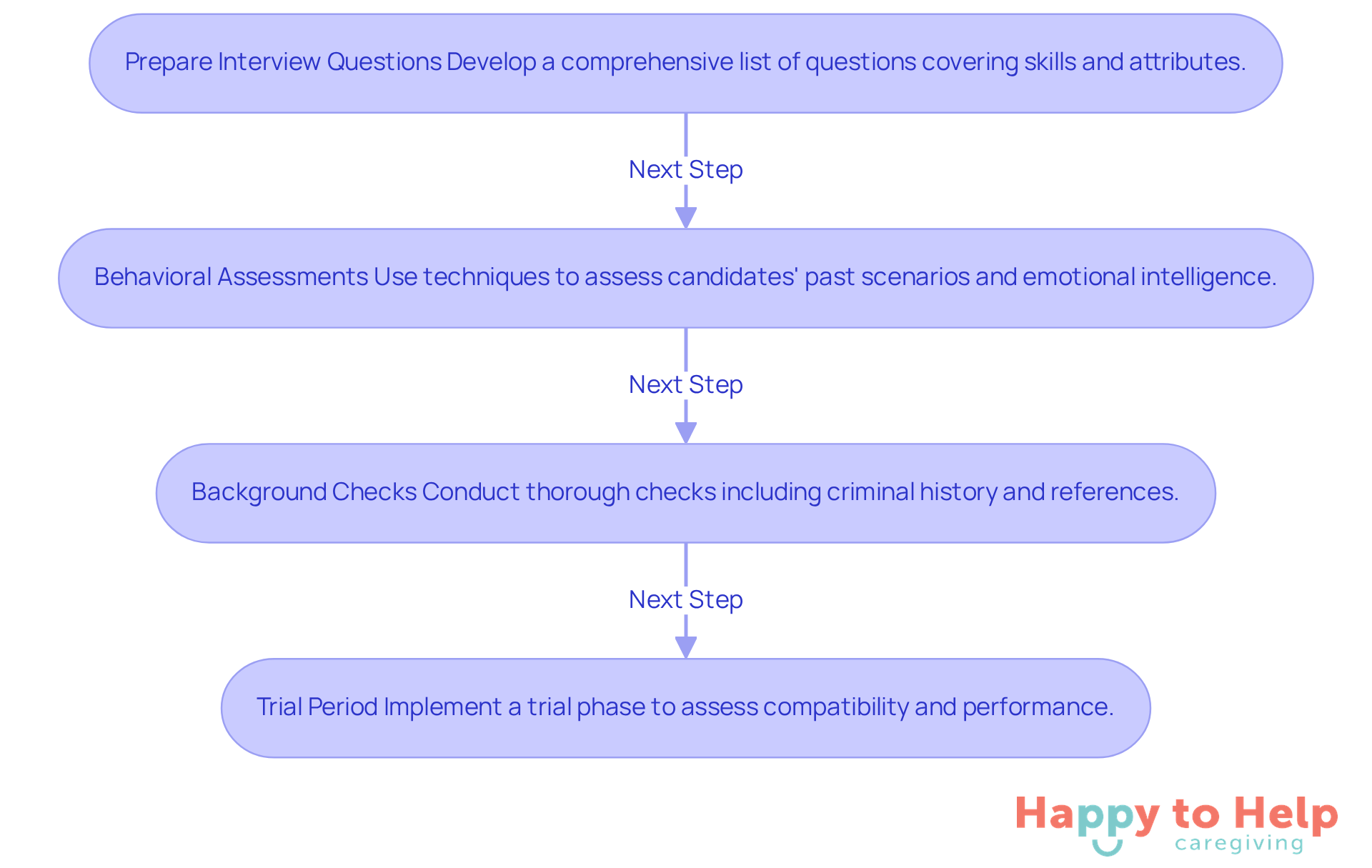
- Prepare Interview Questions: Develop a comprehensive list of questions that cover both technical skills and personal attributes. Ask about their experience, caregiving philosophy, and how they handle challenging situations.
- Behavioral Assessments: Use behavioral interview techniques to assess how candidates have dealt with past scenarios. This method can uncover their problem-solving abilities and emotional intelligence-key traits for effective caregiving. Notably, 80% of Fortune 500 companies employ behavioral tests, underscoring their significance in the hiring process.
- Background Checks: Conduct thorough background checks that include criminal history, employment verification, and reference checks. This step is crucial for ensuring the candidate's reliability and protecting your loved one's well-being. While 91.9% of agencies perform state criminal background checks, families should note that none extend beyond their state of operation, which can create a false sense of security regarding the qualifications of caregivers.
- Trial Period: Implement a trial phase where the caregiver works with your loved one under supervision. This allows for an assessment of compatibility and performance in a real-world setting, fostering a trusting relationship between the provider and client.
By following these practices, families can make informed decisions, ensuring a positive match between the caregiver and the client, ultimately enhancing the quality of care provided.
Develop a Personalized Care Plan
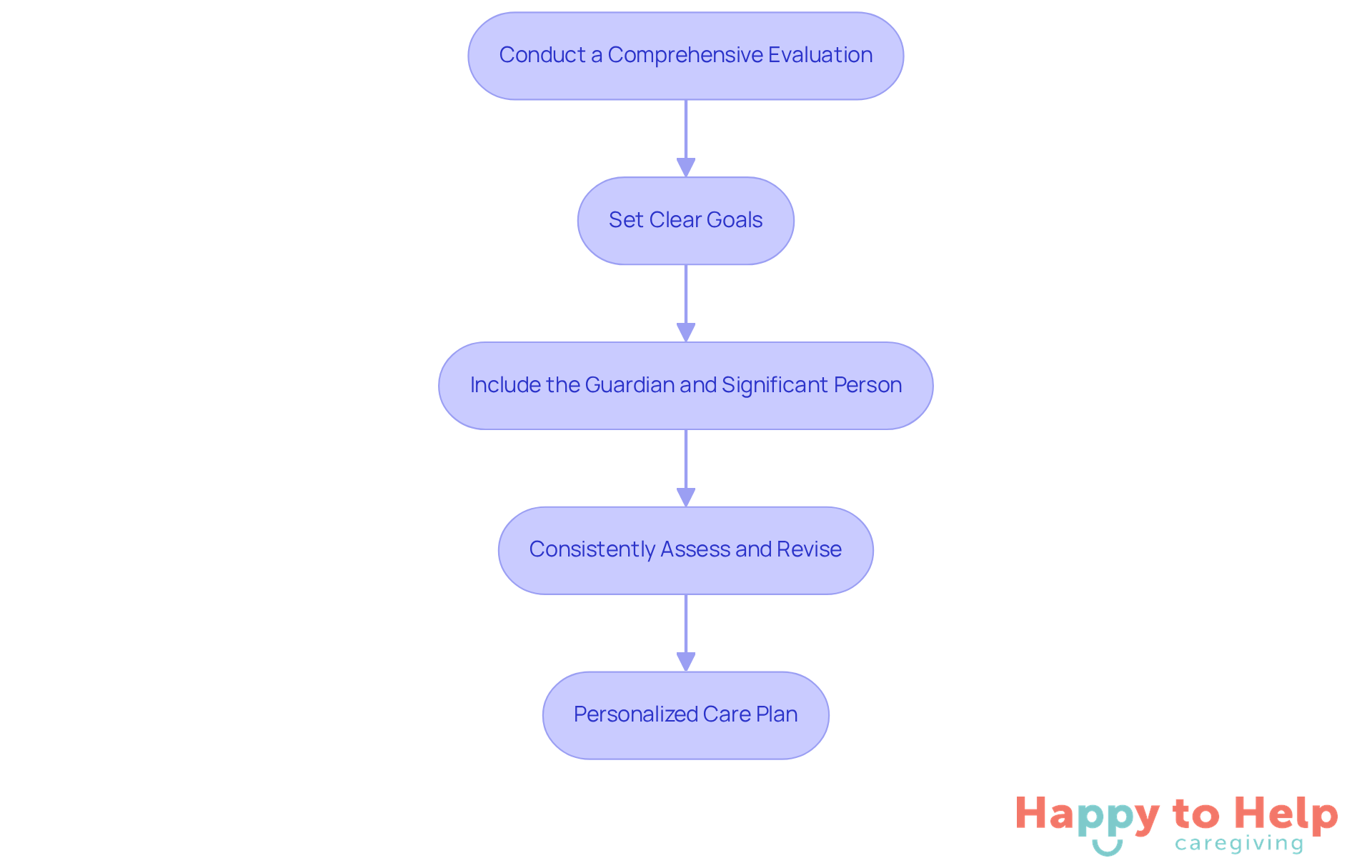
Developing a customized support plan is essential for delivering tailored assistance that meets the unique needs of each client. Without such a plan, caregivers may struggle to provide effective support, leading to potential dissatisfaction and unmet needs. Here’s how to create an effective care plan:
-
Conduct a Comprehensive Evaluation: Gather detailed information about the client's medical history, daily routines, preferences, and specific support requirements. This crucial step ensures that all aspects of the client's life are considered, resulting in a more effective support strategy.
-
Set Clear Goals: Establish both short-term and long-term objectives for the client's support. These goals should focus on enhancing the client's quality of life and promoting independence, providing a clear direction for caregivers.
-
Include the Guardian and Significant Person: Involve both the employed assistant and the significant person in the support planning process. Their insights are invaluable in shaping a practical and effective plan. This collaboration fosters a sense of ownership and responsibility, strengthening the caregiver's commitment to the client's well-being while ensuring the support plan respects the loved one's preferences.
-
Consistently Assess and Revise: Set a schedule for regular evaluations to assess the plan's effectiveness. Treatment plans should be reviewed quarterly, considering the client's evolving needs. Changes noted by caregivers, such as shifts in appetite or mood, should trigger a review, ensuring that the support provided remains relevant and effective.
By creating a personalized support plan, families can ensure their loved ones receive the highest quality of assistance tailored to their individual circumstances by hiring a private duty cna for hire. As Comfort Keepers® states, "A personalized care plan is a comprehensive document that details an individual’s specific needs, preferences, and goals for their health and well-being.
Key Takeaways for Caregivers
Hiring a private duty CNA presents a significant challenge that directly affects the quality of care for your loved one. Families often struggle with making informed choices that truly align with their specific needs and goals. This decision-making process starts with clearly defining care requirements and desired outcomes, laying the groundwork for effective caregiver selection.
Key practices are essential in this journey:
- Evaluating candidates' qualifications and experience is crucial.
- Understanding the financial implications involved.
- Conducting thorough interviews and background checks.
- Developing personalized care plans ensures that the caregiver not only meets technical requirements but also resonates with the emotional and social needs of the individual receiving care.
The importance of a thoughtful and comprehensive approach cannot be overstated. Families should take the time to assess their unique circumstances and engage in open communication with potential caregivers. This proactive approach fosters a supportive environment, enhancing the quality of life for loved ones and ensuring that the care provided is both effective and compassionate.
https://iframe.tely.ai/cta/eyJhcnRpY2xlX2lkIjogIjY5M2Y1MDdkYzVjNjk0NTk3NDczMjZmOSIsICJjb21wYW55X2lkIjogIjY4ZWU1ZGNhNzMxNzYyNTU3ZjNjOTVjMSIsICJpbmRleCI6IG51bGwsICJ0eXBlIjogImFydGljbGUifQ==Frequently Asked Questions
What are the initial steps to take before hiring a caregiver?
Before hiring a caregiver, it is essential to define your care needs and goals. This includes assessing daily living activities, identifying medical needs, setting goals for independence, and engaging family members in discussions about support expectations.
How do I assess daily living activities for my family member?
Identify which daily activities the individual struggles with, such as bathing, dressing, or meal preparation. This assessment helps determine the level of support required.
Why is it important to identify medical needs when hiring a caregiver?
Identifying medical needs ensures that caregivers can address all health-related concerns effectively, including specific support required for medication management or mobility assistance.
What goals should I set for my loved one's independence?
Goals for independence might include improving mobility or enhancing social interactions, which can significantly impact the individual's quality of life.
How can family members contribute to the hiring process?
Engaging family members in discussions helps ensure everyone is aligned regarding support expectations and goals, fostering a supportive environment and aiding in informed decision-making.
What qualifications should I look for in a private duty CNA?
Look for a certified nursing assistant (CNA) with current training in essential areas like CPR and first aid, as well as experience with similar cases that match your loved one's needs.
How can I verify the qualifications and experience of potential caregivers?
Verify qualifications by checking certifications, seeking candidates with relevant experience, checking references, conducting background checks, and assessing soft skills such as empathy and communication.
Why are soft skills important in a caregiver?
Soft skills like empathy, patience, and communication are vital for effective caregiving, as they enhance the caregiver's ability to connect with and support the individual in their care.
List of Sources
- Define Your Care Needs and Goals
- Top 10 Tips For Caring For Older Adults (https://forbes.com/sites/williamhaseltine/2020/01/10/top-10-tips-for-caring-for-older-adults)
- Disability and Care Needs Among Older Americans - PMC (https://pmc.ncbi.nlm.nih.gov/articles/PMC4221755)
- Nearly half of older adults worldwide struggle with daily tasks, study reveals (https://mcknights.com/news/nearly-half-of-older-adults-worldwide-struggle-with-daily-living-activities-study-reveals)
- Elderly Care Statistics (https://rosewood-nursing.com/post/elderly-care-statistics)
- Clearer Conversations, Better Care: New Guide Highlights Best Practices for Communicating with Older Adults (https://geron.org/News-Events/GSA-News/Press-Room/Press-Releases/clearer-conversations-better-care-new-guide-highlights-best-practices-for-communicating-with-older-adults)
- Evaluate Qualifications and Experience of Candidates
- As a nurse how do you know which CNA's are trust worthy? (https://quora.com/As-a-nurse-how-do-you-know-which-CNAs-are-trust-worthy)
- Evaluate Home Care Providers: Step-by-Step Guide (https://proactivehealthcarestaffing.co/how-to-assess-experience-and-qualification-home-care-providers)
- Nursing Assistants and Orderlies (https://bls.gov/ooh/healthcare/nursing-assistants.htm)
- Certified Nursing Assistant Resume Examples and Templates for 2025 - Resume.org (https://resume.org/resume-examples/cna)
- Inspirational Quotes for Caregivers (https://blog.caregiverlist.com/inspirational-quotes-for-caregivers)
- Understand Financial Considerations and Payment Options
- Private equity’s grip on private duty nursing leads to higher costs, reduced care for medically complex children & adults (https://pestakeholder.org/reports/private-equitys-grip-on-private-duty-nursing-leads-to-higher-costs-reduced-care-for-medically-complex-children-adults)
- Budget for Caregiving When Planning for Aging, Illness (https://aarp.org/caregiving/financial-legal/plan-budget-for-care)
- The Cost of In-Home Caregivers May Surprise You (https://health.usnews.com/senior-care/caregiving/articles/how-much-do-in-home-caregivers-cost)
- How to Pay for In-Home Care | Village Caregiving (https://villagecaregiving.com/blog/paying-for-home-care)
- Private-Duty Nursing Attracts PE Investment Amid Strong Market Potential – And Rising Concerns (https://homehealthcarenews.com/2025/07/private-duty-nursing-attracts-pe-investment-amid-strong-market-potential-and-rising-concerns)
- Conduct Comprehensive Interviews and Background Checks
- Hiring and Screening Practices of Agencies Supplying Paid Caregivers to Older Adults - PMC (https://pmc.ncbi.nlm.nih.gov/articles/PMC3396775)
- The Role of Behavioral Assessments in Senior Living Hiring (https://jeffharrisassociates.com/blog/behavioral-assessments-senior-living-hiring)
- CaringBridge (https://caringbridge.org/resources/inspirational-quotes-on-caregiving)
- The Importance of Background Checks in Homecare Hiring | Gotham Companies (https://gothamcompanies.com/2024/08/21/the-importance-of-comprehensive-background-checks-in-homecare-hiring)
- The Case For Stronger Caregiver Vetting In Home Care (https://homehealthcarenews.com/2024/10/the-case-for-stronger-caregiver-vetting-in-home-care)
- Develop a Personalized Care Plan
- Personalized Care Plans: Are They Effective in Decreasing ED Visits and Health Care Expenditure Among Adult Super-Utilizers? (https://sciencedirect.com/science/article/abs/pii/S0099176719304544)
- 25+ Inspirational Quotes for Caregivers (https://caringseniorservice.com/blog/quotes-for-caregiver-inspiration)
- The Living Blueprint: How to Create a Personalized Care Plan - Regina (https://comfortkeepers.ca/regina/blog/personalized-care-plan-blueprint)
- Family caregivers want support from senior living professionals, report reveals (https://mcknightsseniorliving.com/news/family-caregivers-want-support-from-senior-living-professionals-report-reveals)
- Offering Home Health Care Services: A Case Study (https://syscreations.com/case\_studies/home-health-care-services)