5 Essential Activities of Daily Living for Family Caregivers
For families in our service areas
For families in our service areas, this guide explains caregiver support and how non-medical in-home caregiving can support care planning in East Idaho, Treasure Valley & Magic Valley, Northern Wasatch, North Central West Virginia, and Northeast Ohio.
What You Need to Know About Activities of Daily Living
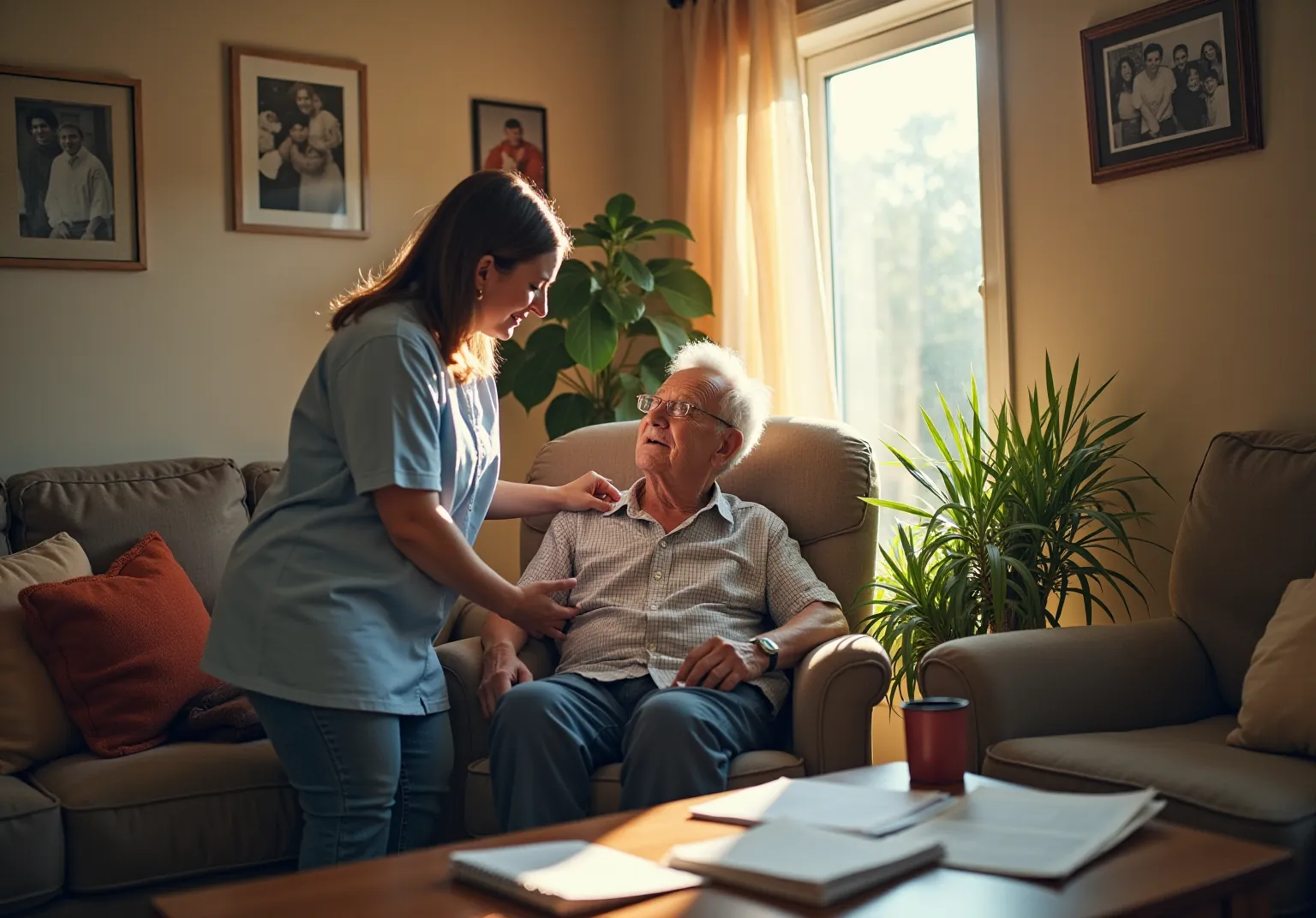
Navigating the complexities of caregiving for elderly individuals presents a significant challenge for many families. Caregivers often find themselves juggling essential activities of daily living, which include companionship, hygiene, nutrition, and mobility. These activities are crucial not only for maintaining physical health but also for ensuring emotional well-being.
However, what happens when the very support meant to empower seniors becomes a source of frustration? Caregivers may struggle to help their loved ones perform these activities with the dignity and independence they deserve. This situation can lead to feelings of helplessness and stress for both caregivers and seniors alike.
To address these challenges, this article explores five critical activities of daily living for family caregivers. It offers insights and practical strategies designed to enhance the caregiving experience while promoting a fulfilling quality of life for seniors. By implementing these solutions, caregivers can navigate their responsibilities more effectively, ensuring that their loved ones receive the care and support they need.
Happy to Help Caregiving: Companionship Care for Seniors
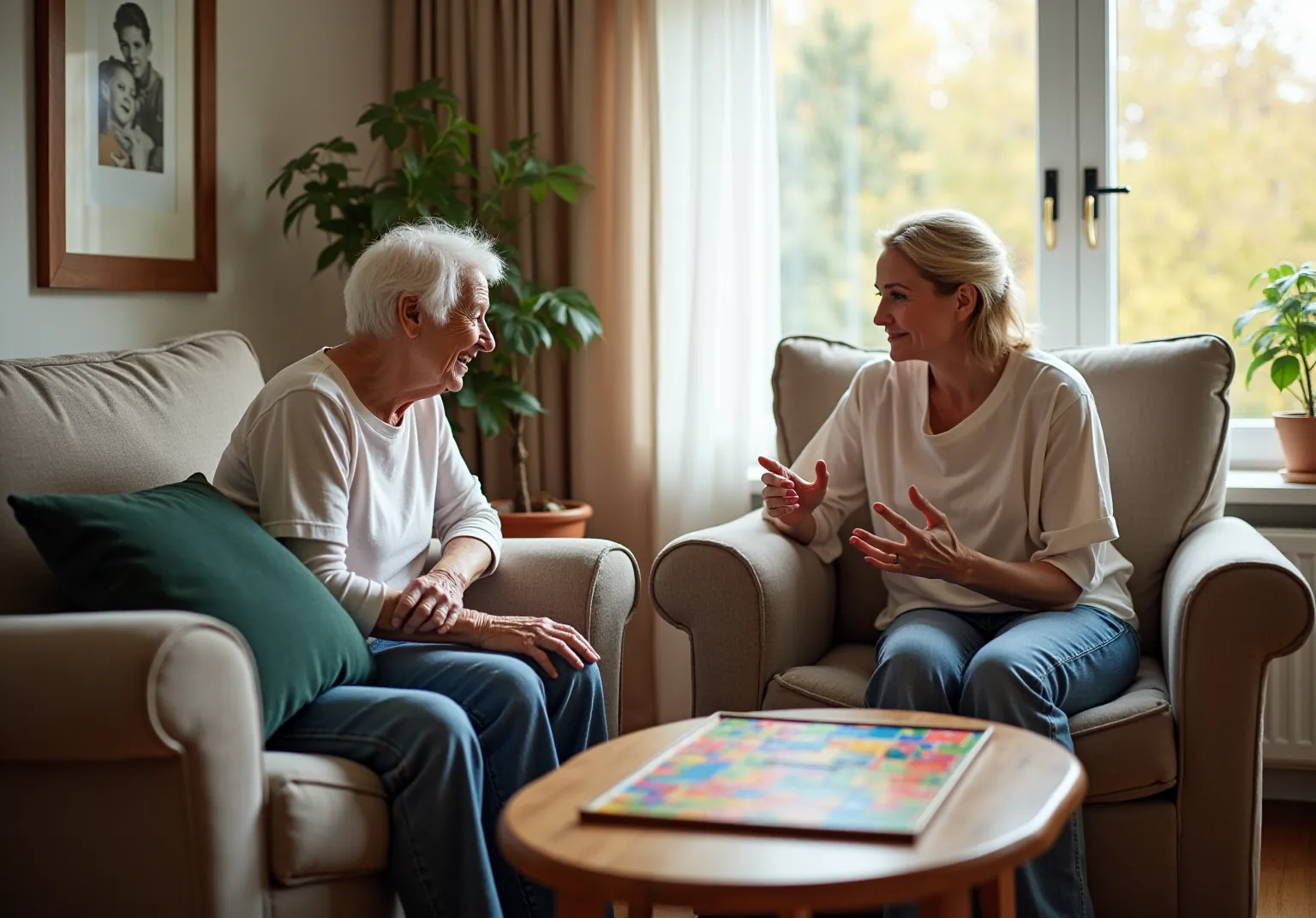
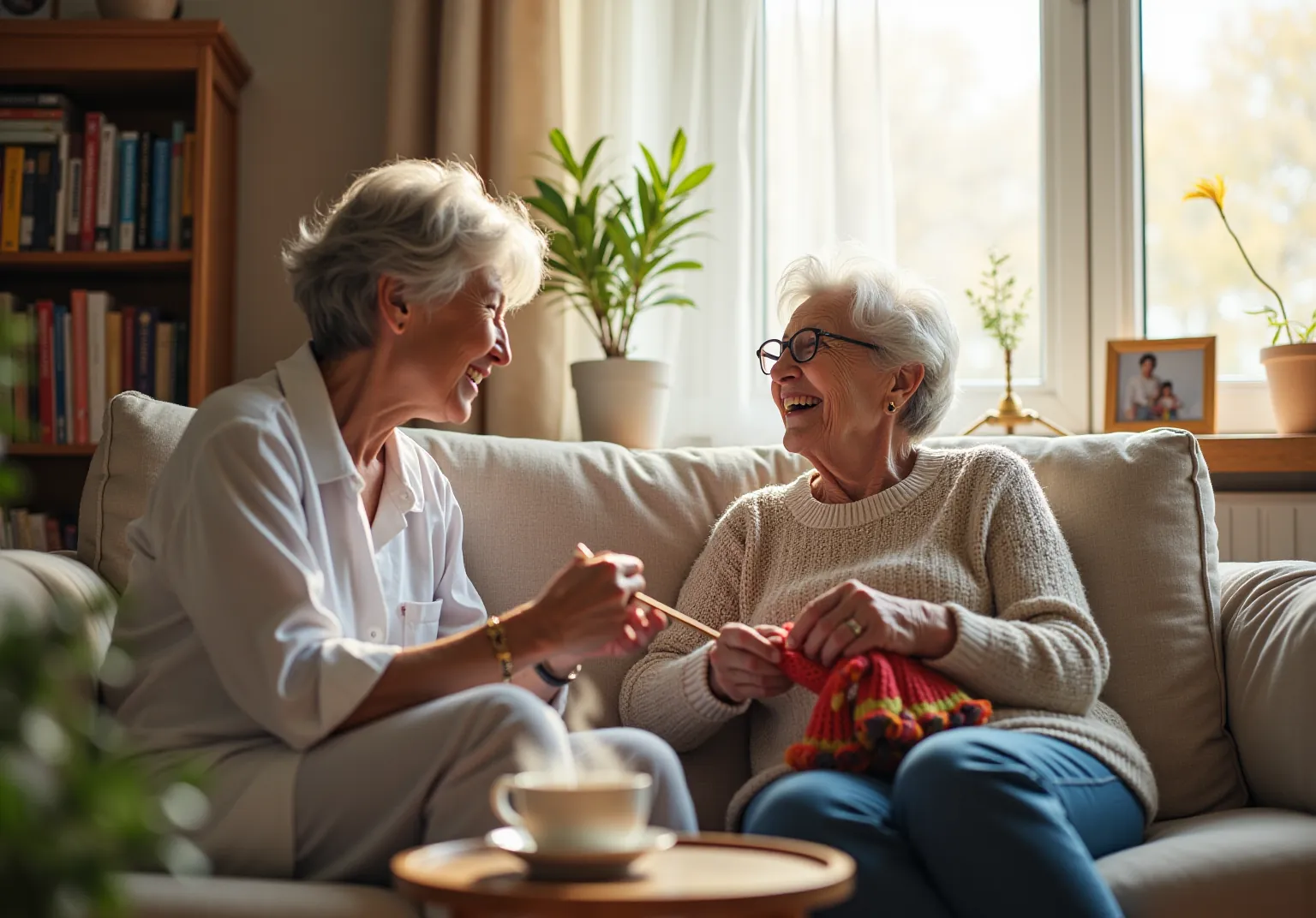
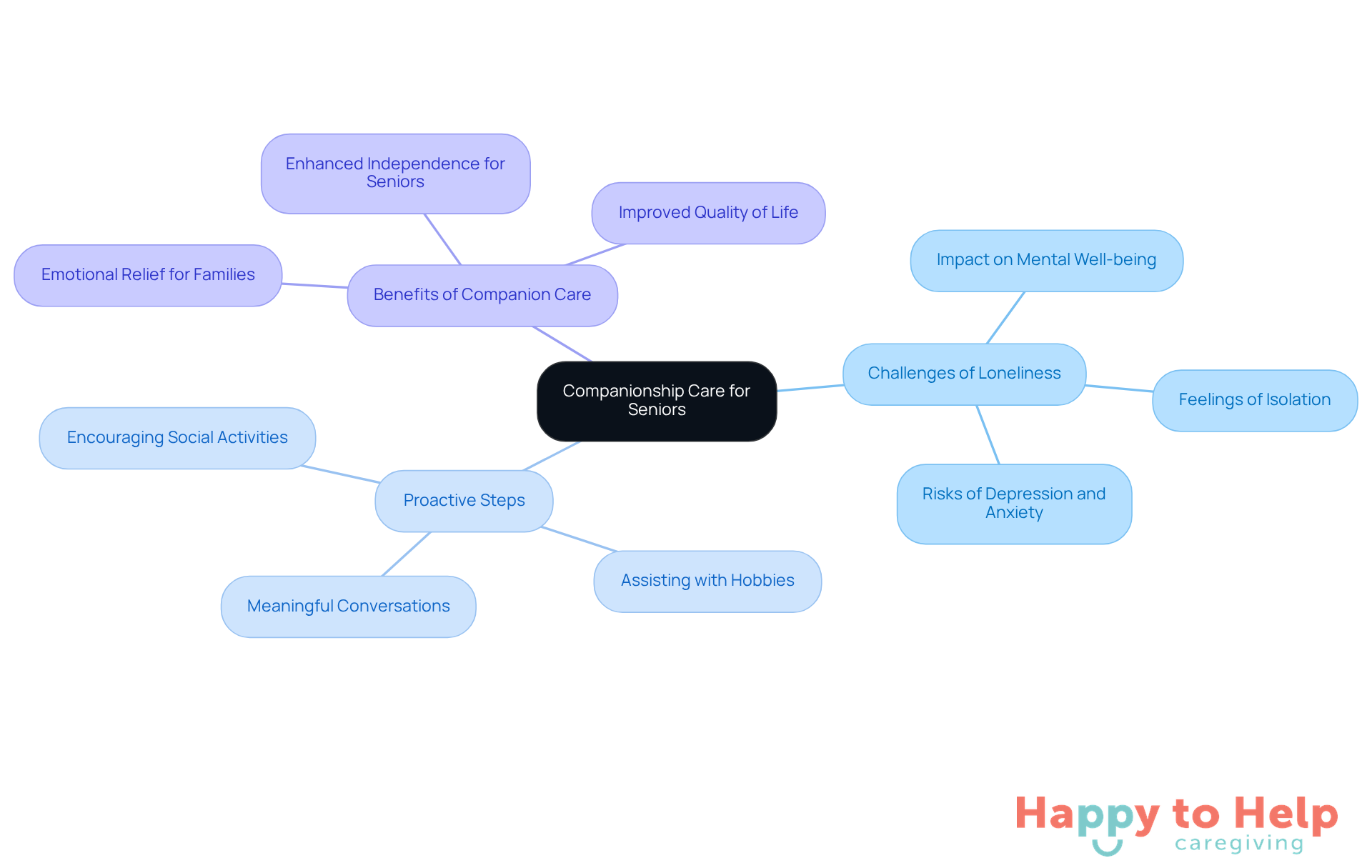
Companionship care presents a significant challenge for many caregivers, as loneliness can severely impact the mental well-being of older adults. Without regular social interaction, seniors may experience feelings of isolation, which can lead to depression and anxiety. In fact, research shows that regular social engagement is crucial for reducing these risks, making companionship care an essential aspect of elderly support.
To address this issue, caregivers can take proactive steps to foster emotional connections:
- Engaging clients in meaningful conversations
- Assisting with hobbies
- Encouraging participation in social activities
These actions can significantly alleviate feelings of loneliness. Statistics reveal that 93% of families report emotional relief from companion care services, highlighting the positive effects on both older adults and their families.
Happy to Help Caregiving recognizes the importance of this approach by training support providers to connect with clients on a personal level. This nurturing environment not only enhances emotional health but also empowers seniors to maintain their independence and dignity in their own homes. As we celebrate National Family Caregivers Month, it's vital for family supporters to remember that fostering these connections can lead to more rewarding caregiving experiences.
Consider scheduling regular activities that your loved one enjoys. This simple step can strengthen your bond and significantly enhance their emotional well-being.
Bathing: Ensuring Hygiene and Comfort
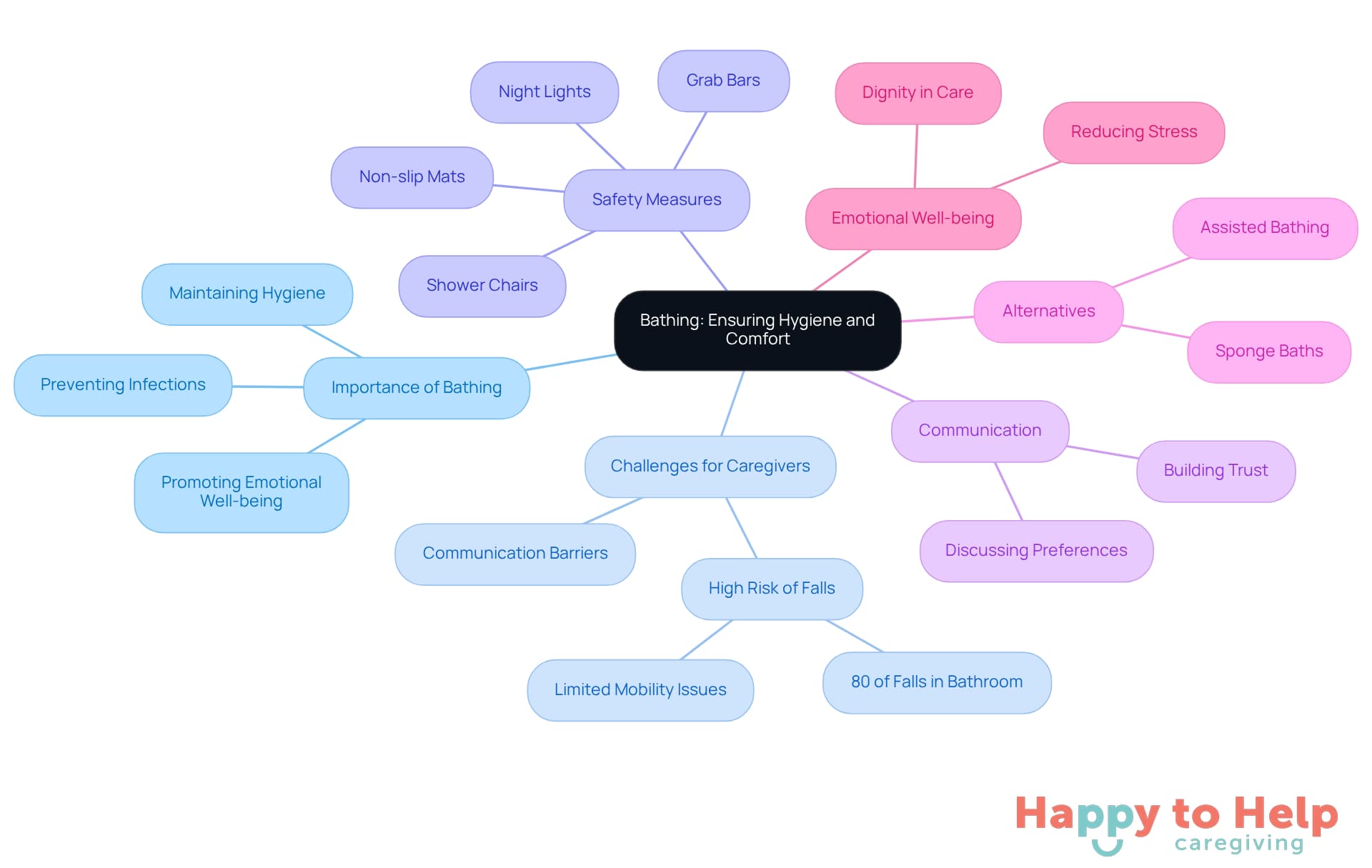
Bathing is essential among the 5 activities of daily living for maintaining hygiene and preventing infections in elderly individuals. However, caregivers face significant challenges in ensuring safe bathing environments. According to the CDC, falls are the leading cause of injury and death among older adults, with 80% of these falls occurring in the bathroom. This alarming statistic underscores the need for caregivers to implement essential safety measures.
To address this issue, caregivers can create a safer bathing experience by:
- Using non-slip mats
- Installing grab bars
- Providing shower chairs
Effective communication with older adults about their preferences and comfort levels is vital. This approach fosters trust and ensures a more positive bathing experience.
For those who may resist full baths, sponge baths can serve as a practical alternative, promoting cleanliness while respecting individual preferences. Happy to Help Caregiving emphasizes the importance of training caregivers to approach the 5 activities of daily living, particularly bathing, with compassion and sensitivity, ensuring that the process remains dignified and comfortable for clients.
Additionally, adding night lights in and around the bathroom can enhance safety during bathing routines. This focus on personal hygiene not only improves physical health but also significantly aids in the emotional well-being and dignity of elderly individuals.
Dressing: Supporting Independence and Dignity
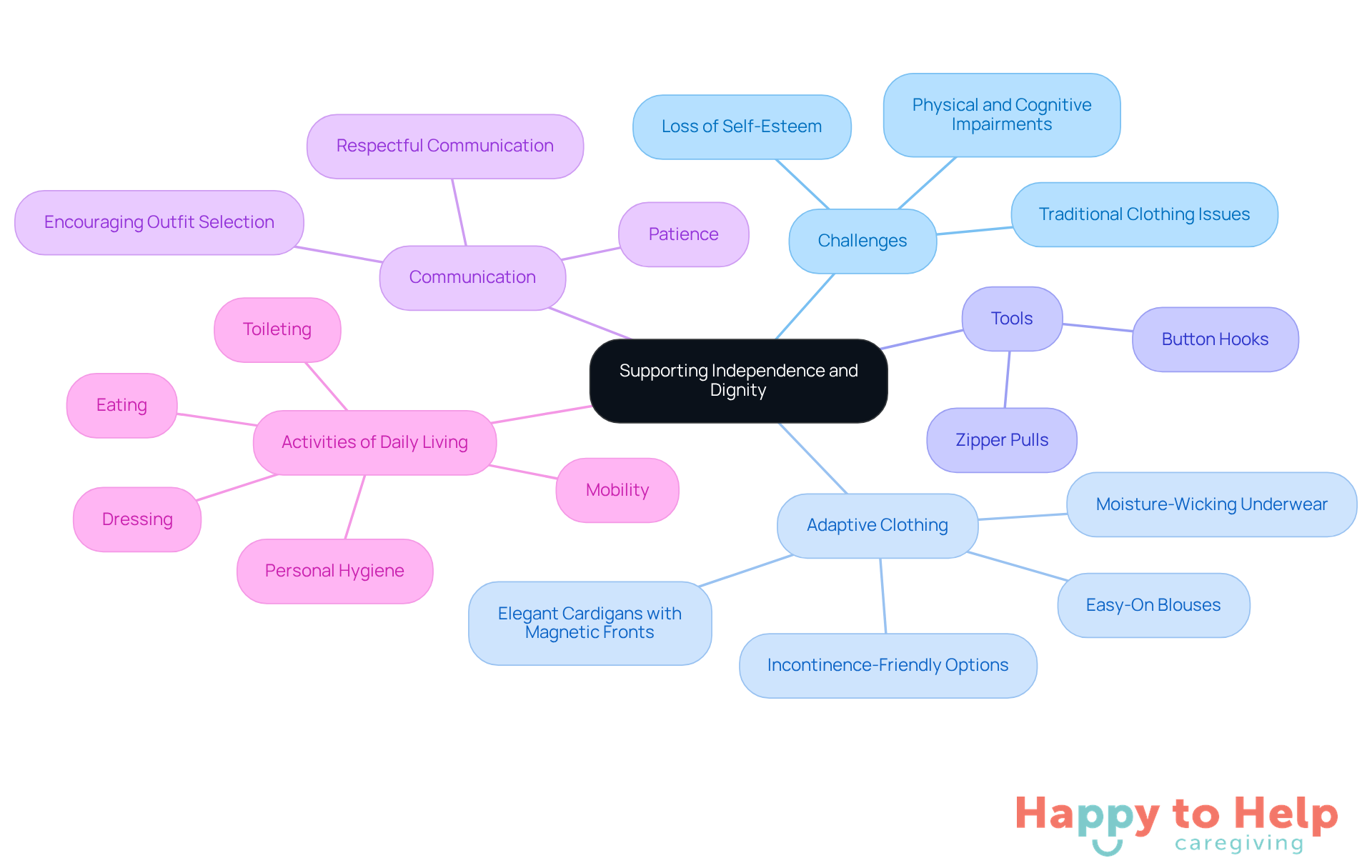
Helping elderly individuals with dressing presents a significant challenge for caregivers. It’s not just about putting on clothes; it’s about preserving dignity and independence. Many older adults struggle with traditional clothing, which can lead to frustration and a loss of self-esteem.
To address this issue, caregivers can utilize adaptive clothing and tools such as button hooks or zipper pulls. These resources make dressing easier and empower older adults to maintain control over their appearance. Encouraging them to select their outfits fosters a sense of autonomy, which is crucial for their self-worth.
Happy to Help Caregiving emphasizes the importance of respectful communication and patience. By adopting these practices, caregivers can help older individuals uphold their self-esteem while receiving essential support. Implementing these strategies not only enhances the dressing experience but also contributes to a more dignified and independent lifestyle for elderly individuals by supporting the 5 activities of daily living.
Eating and Drinking: Promoting Nutrition and Health
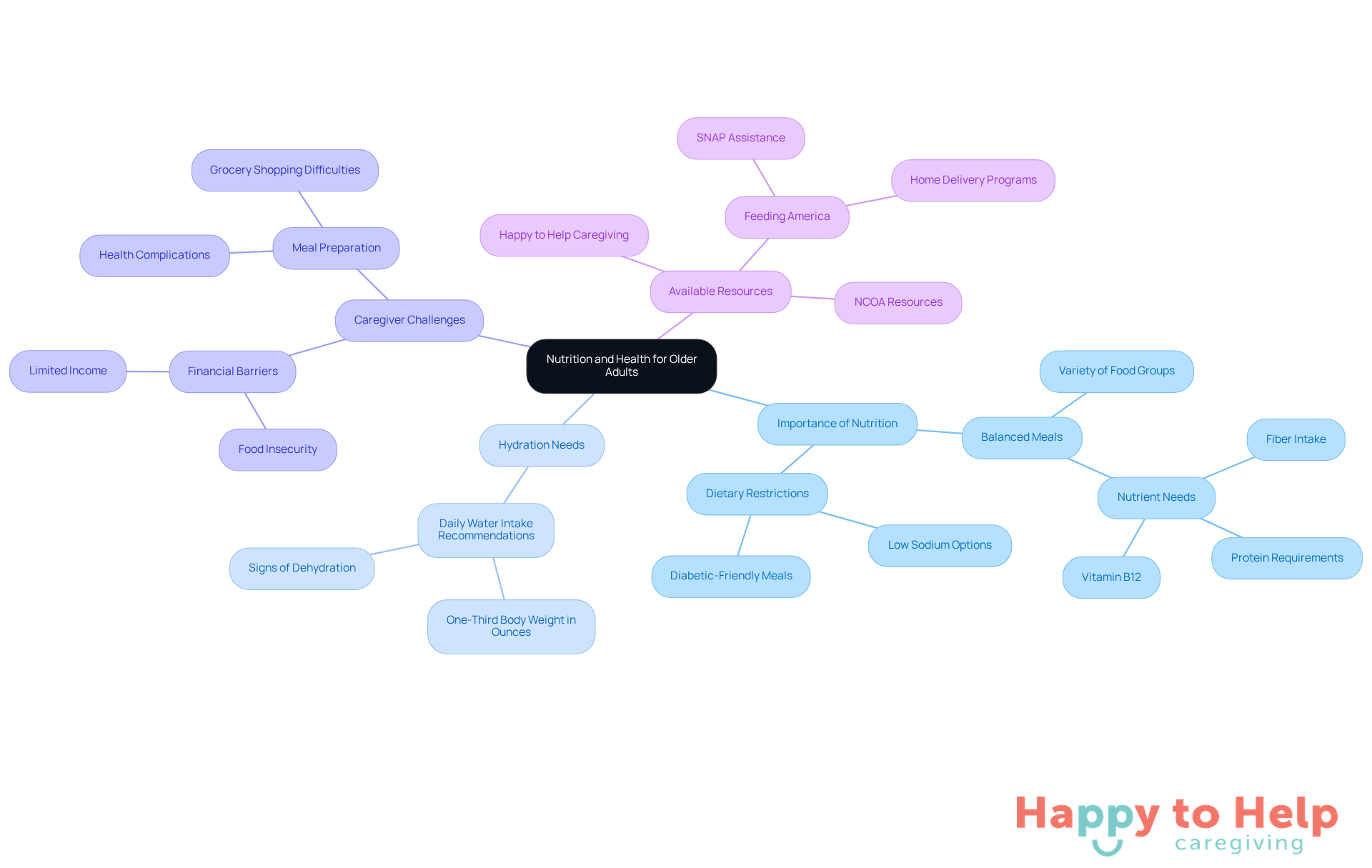
Nutrition is vital for the wellness and vitality of older adults. However, caregivers often face significant challenges in ensuring that meals are balanced and tailored to meet specific dietary restrictions, such as low sodium or diabetic-friendly options. Many older adults struggle with persistent medical issues that complicate meal preparation and grocery shopping, making caregiver assistance essential. Financial challenges also impact food access; in 2022, SNAP helped 40 million people afford groceries.
In addition to meal preparation, proper hydration is crucial. Studies show that up to 40 percent of older adults may not drink enough water regularly, leading to health issues like headaches, fatigue, and muscle cramps. Caregivers should encourage older adults to drink water throughout the day, aiming for about one-third of their body weight in ounces. For instance, a 150-pound individual should target approximately 50 ounces of water daily.
Happy to Help Caregiving provides valuable resources to educate families about the nutritional needs of their loved ones, promoting healthier eating habits and overall wellness. By implementing effective meal planning strategies, caregivers can significantly enhance the quality of life for elderly individuals, which supports their 5 activities of daily living and ensures they receive the necessary nutrients for a healthy and active lifestyle. Organizations like Feeding America are also working to assist older adults in understanding and applying for benefits, helping to alleviate some financial burdens associated with food insecurity.
Mobility: Facilitating Safe Movement and Independence
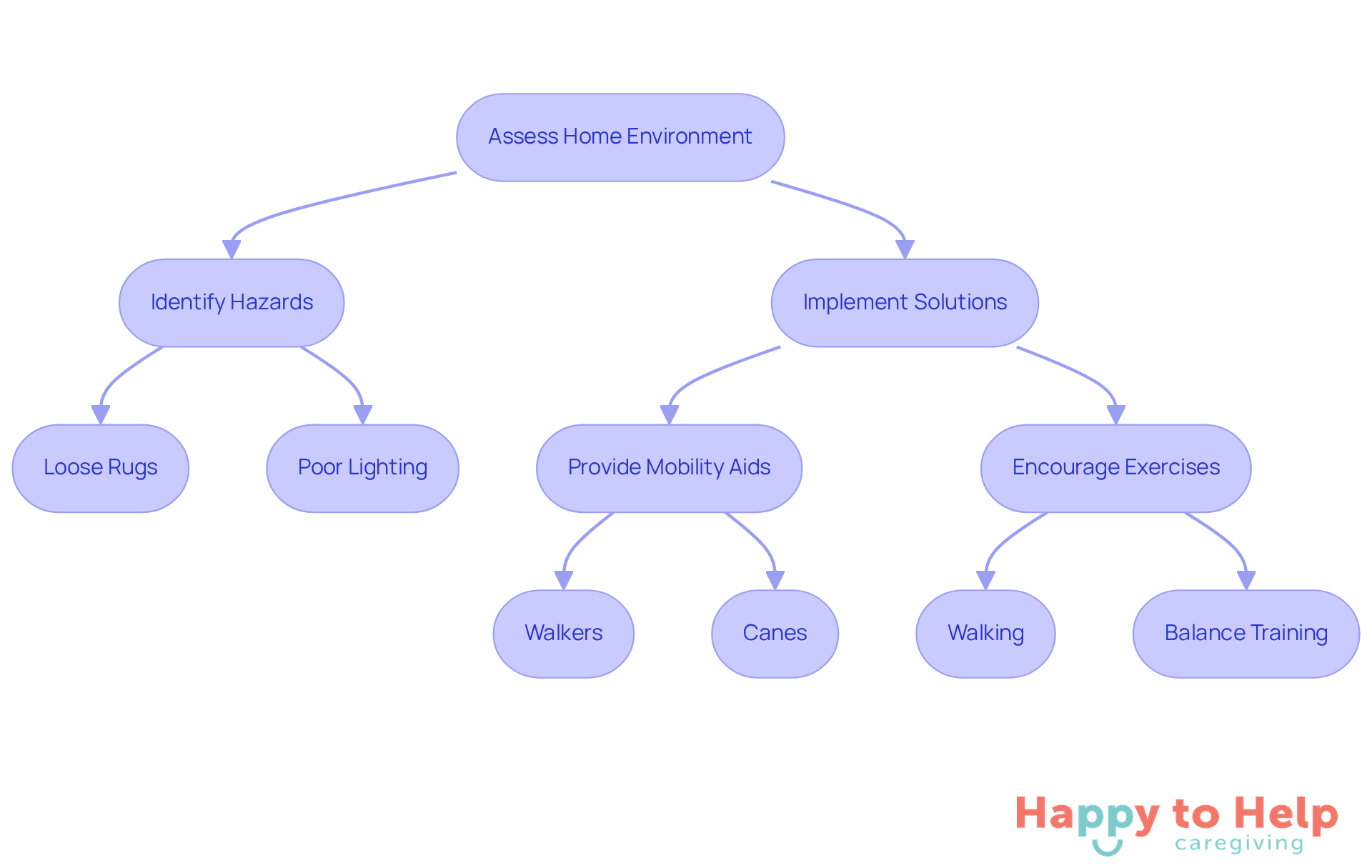
Ensuring safe mobility is essential for older adults to remain active and independent. However, many face challenges that can hinder their ability to move freely. Caregivers play a vital role in assessing home environments for potential hazards, such as loose rugs or poor lighting, which can increase the risk of falls. Research indicates that over 14 million older adults, or one in four, report falling each year, making falls the leading cause of injury among this demographic.
To address these issues, caregivers can take proactive steps:
- Providing suitable mobility aids, such as walkers or canes, can significantly improve an elderly person's ability to navigate their surroundings safely.
- Encouraging gentle exercises, like walking or balance training, can enhance strength and stability, further reducing fall risk.
Happy to Help Caregiving prioritizes mobility by training caregivers to assist elderly individuals in ways that foster confidence and independence. This approach not only helps older adults move safely within their homes but also enables them to engage in the 5 activities of daily living without fear. As Dr. Karen Fields observes, innovations in mobility aids are designed to give older adults the confidence to shop, travel, and enjoy life fully.
By focusing on safe movement and the right support, caregivers can help seniors maintain their independence and enhance their quality of life.
Moving Forward with Activities of Daily Living
Family caregivers face significant challenges in enhancing the quality of life for elderly individuals. These challenges often stem from the demanding nature of caregiving, which can lead to feelings of isolation and overwhelm. The five essential activities of daily living - companionship, bathing, dressing, eating and drinking, and mobility - are critical not only for maintaining physical health but also for ensuring emotional well-being and dignity among seniors.
To address these challenges, caregivers can implement key strategies:
- Engaging in companionship care is vital to combat loneliness.
- Safe bathing practices can prevent injuries.
- Supporting independence in dressing through adaptive clothing and tools empowers seniors.
- Promoting balanced nutrition and hydration is essential for their overall health.
- Facilitating safe mobility allows older adults to maintain an active lifestyle, further enhancing their sense of autonomy.
By prioritizing these essential activities of daily living, caregivers can significantly improve the physical and emotional health of seniors. Embracing these practices leads to more fulfilling relationships and a higher quality of life for the elderly. Engaging in these activities with compassion and understanding transforms caregiving into a rewarding journey for both caregivers and those they support.
https://iframe.tely.ai/cta/eyJhcnRpY2xlX2lkIjogIjY5MmZiYWFlMzY3MGE5NjZjYjZkMDRkNiIsICJjb21wYW55X2lkIjogIjY4ZWU1ZGNhNzMxNzYyNTU3ZjNjOTVjMSIsICJpbmRleCI6IG51bGwsICJ0eXBlIjogImFydGljbGUifQ==Frequently Asked Questions
What is companionship care and why is it important for seniors?
Companionship care involves providing social interaction and emotional support to seniors, which is crucial for reducing feelings of loneliness that can lead to depression and anxiety. Regular social engagement is essential for the mental well-being of older adults.
What proactive steps can caregivers take to foster emotional connections with seniors?
Caregivers can engage clients in meaningful conversations, assist with hobbies, and encourage participation in social activities to alleviate feelings of loneliness.
What are the benefits of companionship care for families?
Statistics show that 93% of families report emotional relief from companion care services, highlighting the positive impact on both older adults and their families.
How does Happy to Help Caregiving support companionship care?
Happy to Help Caregiving trains support providers to connect with clients on a personal level, enhancing emotional health and empowering seniors to maintain their independence and dignity.
What safety measures should caregivers implement for bathing elderly individuals?
Caregivers should use non-slip mats, install grab bars, and provide shower chairs to create a safer bathing environment and prevent falls.
Why is communication important during bathing routines for seniors?
Effective communication about preferences and comfort levels fosters trust and ensures a more positive bathing experience for older adults.
What alternatives can be offered for seniors who resist full baths?
Sponge baths can be a practical alternative, promoting cleanliness while respecting individual preferences.
What additional safety measures can enhance bathing routines for seniors?
Adding night lights in and around the bathroom can improve safety during bathing routines.
How does maintaining personal hygiene affect elderly individuals?
Proper hygiene not only improves physical health but also significantly aids in the emotional well-being and dignity of elderly individuals.
List of Sources
- Happy to Help Caregiving: Companionship Care for Seniors
- Understanding the Benefits of Companion Care for Seniors - Freedom Home Care (https://freedomhomecare.net/2025/08/26/understanding-the-benefits-of-companion-care-for-seniors)
- Executive Home Care Launches "Lights of Love" to Brighten the Holidays for Seniors (https://prnewswire.com/news-releases/executive-home-care-launches-lights-of-love-to-brighten-the-holidays-for-seniors-302623348.html)
- The Role of Companion Care in Reducing Depression Among Seniors (https://malamamaikai.com/role-of-companion-care-in-reducing-depression-among-seniors)
- 10 Benefits of In-Home Companion Care for Seniors You Should Know - Happy To Help (https://happytohelpcaregiving.com/10-benefits-of-in-home-companion-care-for-seniors-you-should-know)
- Companion Care at Home Reduces Loneliness for Seniors During the Holidays (https://lifesathomecare.com/companion-care-at-home-reduces-loneliness-for-seniors-during-the-holidays)
- Bathing: Ensuring Hygiene and Comfort
- Essential Bathing Tips for Older Adults (https://caregiveraction.org/bathing-tips-for-older-adults)
- 11 Tips to Improve Bathroom Safety for the Elderly (https://resources.amedisys.com/improve-bathroom-safety-elderly)
- The Importance of Personal Hygiene Care for Seniors: Ensuring Safety and Well-Being (https://familyfirsthomecompanions.com/the-importance-of-personal-hygiene-care-for-seniors-ensuring-safety-and-well-being)
- All Care’s Senior Safety Tips for National Bath Safety Month (https://nhcares.com/blog/senior-safety-tips-national-bath-safety-month)
- Bathing Tips for Caregivers - WelbeHealth (https://welbehealth.com/bathing-tips-for-caregivers)
- Dressing: Supporting Independence and Dignity
- Empowering Seniors Through Innovative, Sustainable and Functional Garments (https://sgs.com/en-hk/news/2025/10/cc-2025-q3-empowering-seniors-through-innovative-sustainable-and-functional-garments)
- J.C. Penney debuts apparel line for women who use wheelchairs (https://retaildive.com/news/jc-penney-adaptive-apparel-wheelchair-collection/726561)
- Top Adaptive Wear 2025 - Great Advice - News (https://crownway.net/news/top-adaptive-wear-85310215.html)
- Empowerment Through Daily Dressing for Seniors (https://arcyhc.com/empowerment-through-daily-dressing-for-seniors)
- Adaptive Clothing Aids Life Stage Transitions (https://andcircus.com/blogs/industry-news/adaptive-clothing-aids-life-stage-transitions?srsltid=AfmBOorwjS4EIPgKfFLwoLiRdwjbi33CgGIJe8BDfKGs-0XtSiog2ukX)
- Eating and Drinking: Promoting Nutrition and Health
- Facts about Senior Hunger in America | Feeding America (https://feedingamerica.org/hunger-in-america/senior-hunger-facts)
- Food Insecurity and Older Adults: Get the Facts (https://ncoa.org/article/what-is-food-insecurity-get-the-facts)
- Changing nutritional needs for older adults | Penn Medicine (https://pennmedicine.org/news/changing-nutritional-needs-for-older-adults)
- Mobility: Facilitating Safe Movement and Independence
- Fall Prevention Month: How Mobility Planning Now Safeguards Your Independence as You Age (https://chapelpointe.org/News-Events/ArticleID/137/Fall-Prevention-Month-How-Mobility-Planning-Now-Safeguards-Your-Independence-as-You-Age)
- Older Adult Falls Data (https://cdc.gov/falls/data-research)
- Staying Active and Independent: The Importance of Mobility for Seniors - Acorn 27514 (https://acornhcs.com/staying-active-and-independent-the-importance-of-mobility-for-seniors)
- Breaking News: Fall 2025 Brings a New Era of Lightweight Walkers and Rollators for Seniors (https://wsav.com/business/press-releases/ein-presswire/850373373/breaking-news-fall-2025-brings-a-new-era-of-lightweight-walkers-and-rollators-for-seniors)
- Maintaining mobility and preventing disability are key to living independently as we age (https://nia.nih.gov/news/maintaining-mobility-and-preventing-disability-are-key-living-independently-we-age)