
For families in our service areas
For families in our service areas, this guide explains caregiver support and how non-medical in-home caregiving can support care planning in East Idaho, Treasure Valley & Magic Valley, Northern Wasatch, North Central West Virginia, and Northeast Ohio.
The Importance of Brain Apps
Cognitive decline presents a significant challenge for seniors, often affecting their independence and overall quality of life. This issue not only impacts their daily activities but also raises concerns for caregivers who strive to support their loved ones. As caregivers search for effective strategies to enhance mental agility, brain apps have emerged as valuable tools that blend entertainment with cognitive enhancement.
However, with so many options available, caregivers may wonder how to identify which apps truly meet the unique needs of older adults. This article provides a comparative analysis of five essential brain apps, exploring their features and benefits. By doing so, we aim to equip caregivers with the knowledge needed to make informed choices that can significantly improve the mental well-being of seniors.
Understanding Cognitive Enhancement for Seniors
Cognitive enhancement presents a significant challenge for caregivers of older adults, as preserving mental well-being is essential for maintaining overall quality of life. Cognitive decline can severely impact daily functioning and independence, making it crucial to address this issue proactively.
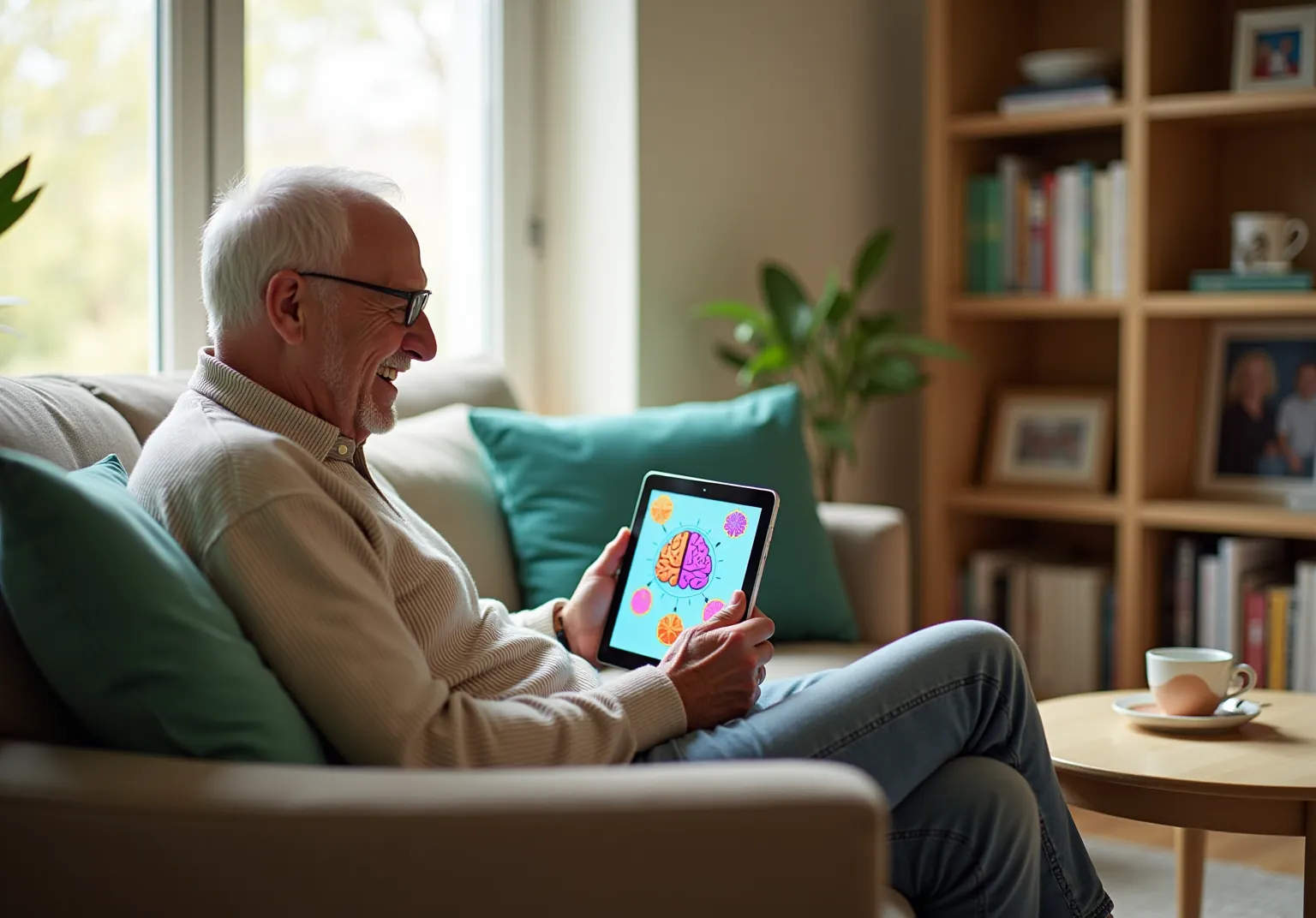
Engaging in mental activities can significantly postpone the onset of cognitive decline related to aging. Brain apps for seniors offer interactive and enjoyable methods to stimulate the mind, making them an attractive option for caregivers and families dedicated to supporting their loved ones' mental health. These applications often include games and activities specifically designed to enhance mental abilities, providing a structured approach to mental training that is both enjoyable and beneficial.
Research indicates that nearly 90% of studies have found technology to have a protective mental effect, underscoring the potential of these tools in enhancing mental health among older adults. As Dr. Jennifer Pauldurai, a neurologist, emphasizes, "Maintaining your mind engaged" is crucial for mental vitality. By integrating mental training applications into daily routines, older adults can experience improvements in cognitive functions, leading to a more fulfilling and self-sufficient lifestyle.
Criteria for Evaluating Brain Apps
When it comes to selecting brain apps for seniors, caregivers encounter a significant challenge in finding applications that genuinely meet the needs of older adults. With the growing number of options available, it can be overwhelming to determine which brain apps for seniors are effective and user-friendly.
To address this issue, consider the following criteria when evaluating brain apps:
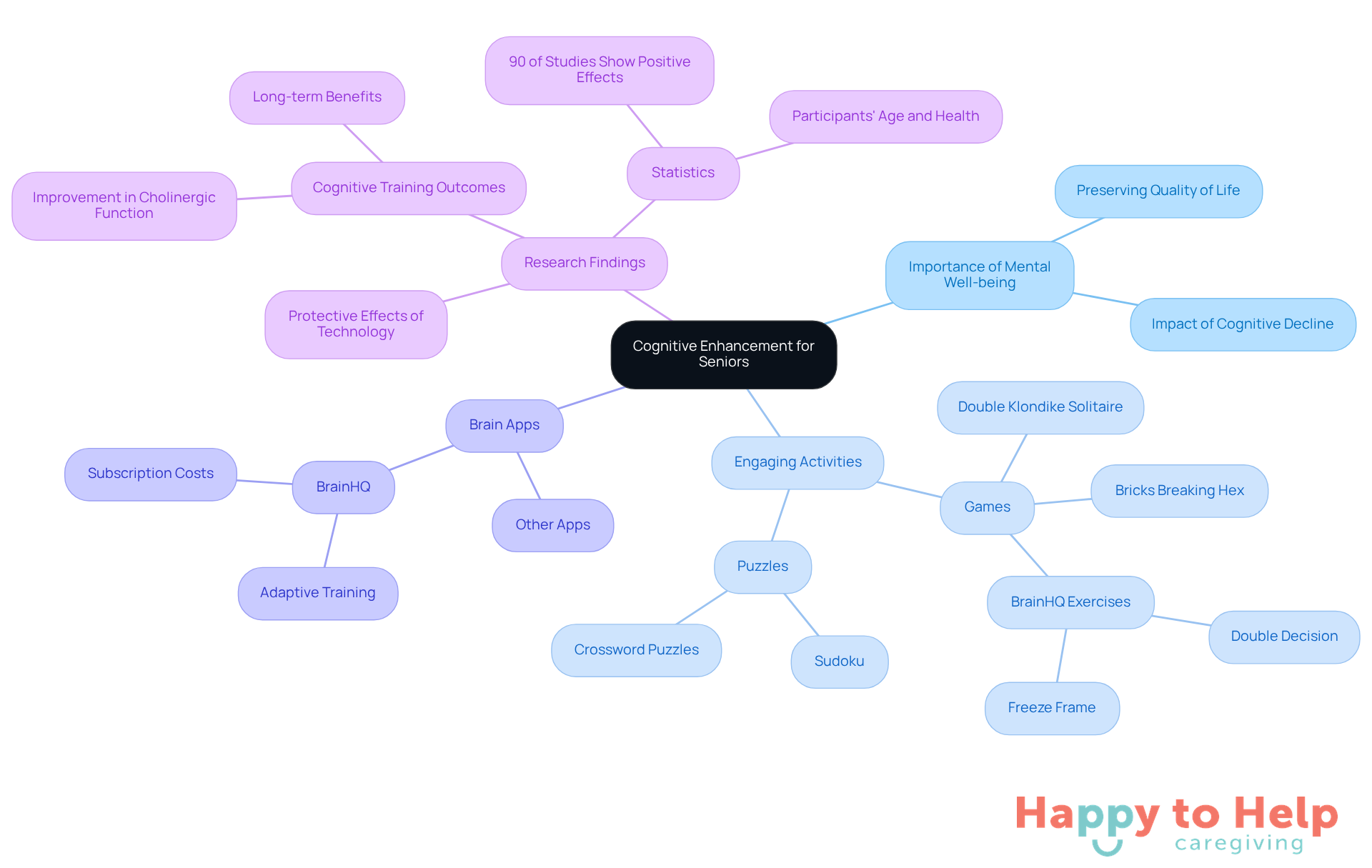
- User Interface: Look for apps with a senior-friendly design, featuring clear navigation and large buttons. This ensures accessibility for users with varying levels of tech-savviness.
- Variety of Activities: Brain apps for seniors should offer a range of games and exercises that target different mental skills, such as memory, attention, and problem-solving.
- Scientific Support: Brain apps for seniors that are developed with input from neuroscientists or backed by research are more likely to provide effective mental training.
- Progress Tracking: Brain apps for seniors include features that allow users to monitor their progress, boosting motivation and providing insights into cognitive improvements.
- Accessibility: Ensure the brain apps for seniors are available on multiple platforms (e.g., smartphones, tablets) and offer offline functionality for ease of use.
- Cost: Consider whether the brain apps for seniors are free, subscription-based, or include in-app purchases, as this is crucial for budget-conscious users.
By keeping these criteria in mind, caregivers can make informed decisions that enhance the cognitive well-being of seniors through brain apps for seniors.
Comparative Analysis of the Top 5 Brain Apps
Cognitive decline is a significant concern for seniors, impacting their daily lives and independence. Caregivers often seek effective tools to support mental agility and enhance cognitive function. Fortunately, several brain apps for seniors can help to address these challenges.
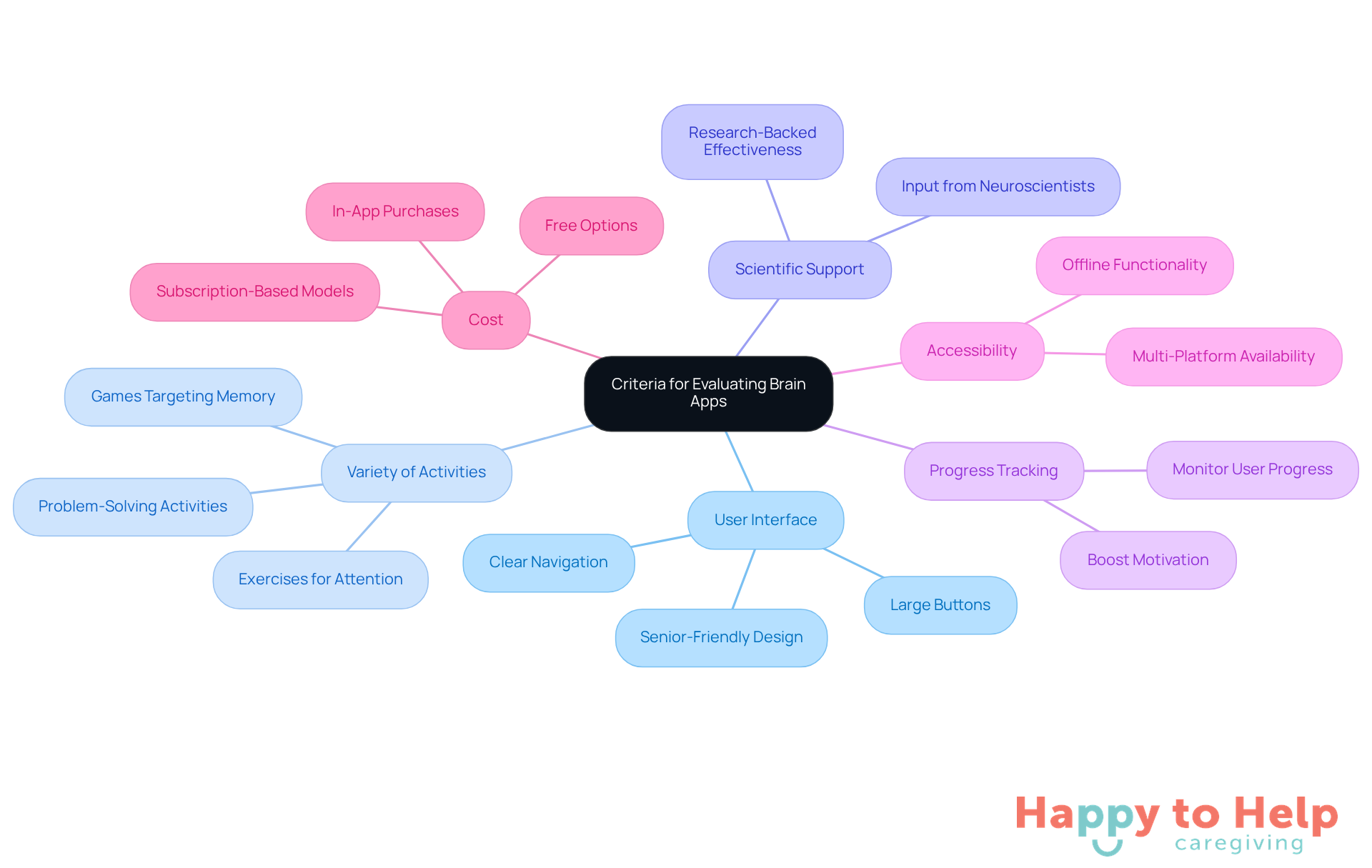
Here’s a comparative analysis of five popular brain apps for seniors:
-
App Name: Lumosity
-
User Interface: Intuitive
-
Variety of Activities: High
-
Scientific Backing: Yes
-
Progress Tracking: Yes
-
Cost: Free/Premium
-
App Name: BrainHQ
-
User Interface: User-friendly
-
Variety of Activities: Moderate
-
Scientific Backing: Yes
-
Progress Tracking: Yes
-
Cost: Free/Premium
-
App Name: CogniFit
-
User Interface: Accessible
-
Variety of Activities: High
-
Scientific Backing: Yes
-
Progress Tracking: Yes
-
Cost: Free/Premium
-
App Name: Elevate
-
User Interface: Engaging
-
Variety of Activities: High
-
Scientific Backing: Yes
-
Progress Tracking: Yes
-
Cost: Free/Premium
-
App Name: Dakim
-
User Interface: Simple
-
Variety of Activities: Moderate
-
Scientific Backing: Yes
-
Progress Tracking: Yes
-
Cost: Subscription
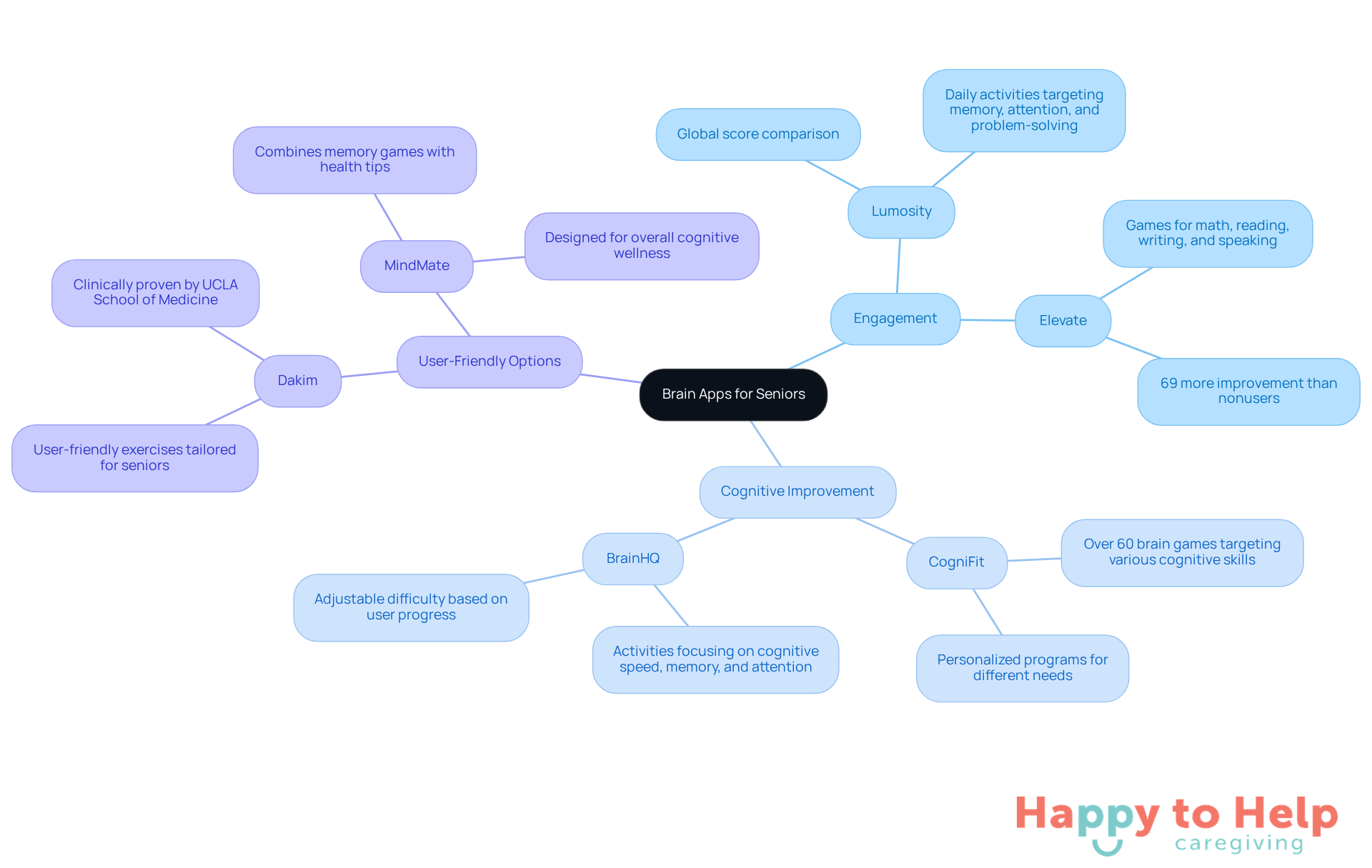
Lumosity is well-known for its engaging games and extensive research backing, making it a favorite among users. BrainHQ provides specialized exercises designed for older adults, concentrating on memory and attention. CogniFit offers an extensive mental evaluation and a range of activities, while Elevate focuses on enhancing skills in fields such as math and language. Dakim is created specifically for older adults but operates on a subscription model, which may deter some users. Each of the brain apps for seniors has distinct features that address various mental training needs, providing caregivers with valuable resources to support their loved ones.
Recommendations and Final Thoughts
Selecting brain apps for seniors can be challenging, especially when considering the risk of cognitive decline. Caregivers often face the dilemma of finding effective brain apps for seniors that engage elderly users while enhancing their mental skills. This is crucial, as research shows that mental training can significantly improve memory, attention, and processing speed.
In this landscape, several brain apps for seniors stand out. Brain apps for seniors, such as Lumosity and CogniFit, are particularly noteworthy for their extensive range of activities, which are backed by scientific research demonstrating tangible improvements in cognitive abilities. Users can witness noticeable results in as little as 30 days with consistent use, making these apps solid choices for comprehensive cognitive training.
For those looking to sharpen specific skills, BrainHQ offers targeted exercises focusing on memory and attention, making it one of the best brain apps for seniors aiming to improve these areas. Elevate is another strong contender, especially for users interested in enhancing language and math skills through engaging and interactive brain apps for seniors.
Seniors who prefer a more straightforward approach may find that brain apps for seniors, such as Dakim, are appealing, as they provide user-friendly exercises tailored to their needs. Incorporating brain apps for seniors into daily activities has been shown to lower the risk of mental decline, highlighting the importance of selecting an app that aligns with the user's interests and comfort level.
Caregivers play a vital role in this process. Involving elderly individuals in the selection of their brain training app can foster a sense of ownership and motivation. By aligning the choice of brain apps for seniors with individual preferences and cognitive goals, caregivers can enhance the overall effectiveness of the training, ensuring that seniors remain engaged and active in their cognitive health journey.
Making the Right Choice
Cognitive decline in seniors is a pressing issue that can significantly impact their mental well-being and independence. Caregivers often face the challenge of finding effective ways to support their loved ones in maintaining cognitive health. This is where cognitive enhancement through brain apps comes into play, offering a proactive solution to combat this decline.
By utilizing brain apps specifically designed for older adults, caregivers can encourage engagement in stimulating activities that entertain while promoting cognitive health. These tools provide a structured and enjoyable means of mental training, making it easier for seniors to stay mentally active.
When evaluating brain apps, several criteria should be considered:
- User interface
- Variety of activities
- Scientific backing
- Progress tracking
- Accessibility
- Cost
Each of these factors is essential to ensure that the selected apps cater to the unique needs of seniors. A comparative analysis of five prominent brain apps, such as Lumosity and CogniFit for comprehensive cognitive training, and BrainHQ and Elevate for specific skill enhancement, can help caregivers make informed choices.
Integrating brain apps into the daily routines of seniors presents a significant opportunity to enhance cognitive function and improve overall quality of life. Caregivers are encouraged to involve seniors in the selection process, ensuring that the chosen app aligns with their interests and cognitive goals. This involvement fosters engagement and motivation, contributing to a more fulfilling and mentally active lifestyle.
Embracing these digital tools is not merely about keeping the mind sharp; it represents a commitment to nurturing the mental vitality essential for aging with dignity and independence.
https://iframe.tely.ai/cta/eyJhcnRpY2xlX2lkIjogIjY5MjNhMGM5MWRmODM1M2QyMjg0NTk2ZCIsICJjb21wYW55X2lkIjogIjY4ZWU1ZGNhNzMxNzYyNTU3ZjNjOTVjMSIsICJpbmRleCI6IG51bGwsICJ0eXBlIjogImFydGljbGUifQ==Frequently Asked Questions
Why is cognitive enhancement important for seniors?
Cognitive enhancement is important for seniors as it helps preserve mental well-being, which is essential for maintaining overall quality of life and independence.
How can engaging in mental activities benefit older adults?
Engaging in mental activities can significantly postpone the onset of cognitive decline related to aging, thereby improving daily functioning and overall mental health.
What are brain apps for seniors?
Brain apps for seniors are interactive and enjoyable applications designed to stimulate the mind through games and activities specifically aimed at enhancing mental abilities.
What benefits do brain apps provide for cognitive training?
Brain apps provide a structured approach to mental training that is both enjoyable and beneficial, helping older adults improve their cognitive functions.
What does research say about technology and mental health for older adults?
Research indicates that nearly 90% of studies have found technology to have a protective mental effect, highlighting its potential in enhancing mental health among older adults.
What is the advice from neurologist Dr. Jennifer Pauldurai regarding cognitive health?
Dr. Jennifer Pauldurai emphasizes that "maintaining your mind engaged" is crucial for mental vitality, suggesting that mental engagement is key to cognitive health.
How can caregivers integrate mental training applications into seniors' routines?
Caregivers can integrate mental training applications into daily routines to help older adults experience improvements in cognitive functions, leading to a more fulfilling and self-sufficient lifestyle.
List of Sources
- Understanding Cognitive Enhancement for Seniors
- Trying to keep your brain young? A big new study finds these lifestyle changes help (https://npr.org/2025/07/28/nx-s1-5477556/aging-brain-health-lifestyle-diet-exercise-social-alzheimers)
- How Older People Are Reaping Brain Benefits From New Tech - KFF Health News (https://kffhealthnews.org/news/article/tech-apps-ai-older-adults-health-benefits)
- Researchers at The Neuro show a brain exercise yields benefits (https://mcgill.ca/newsroom/channels/news/researchers-neuro-show-brain-exercise-yields-benefits-368265)
- A brain training game boosts a chemical linked to memory and attention, new research shows (https://nbcnews.com/health/aging/brain-game-boosts-chemical-memory-dementia-research-rcna237832)
- Alzheimer's Disease Facts and Figures (https://alz.org/alzheimers-dementia/facts-figures)
- Criteria for Evaluating Brain Apps
- How Older People Are Reaping Brain Benefits From New Tech (https://nytimes.com/2025/08/09/health/technology-cognition-older-people.html)
- Digital test breakthrough links brain chemistry to cognitive health (https://brainhq.com/news/latest-news/digital-test-breakthrough-links-brain-chemistry-to-cognitive-health)
- The Best Brain Training Apps for Seniors 2025 (https://neurotrackerx.com/brain-training/best-brain-training-apps-for-seniors)
- How Older People Are Reaping Brain Benefits From New Tech - KFF Health News (https://kffhealthnews.org/news/article/tech-apps-ai-older-adults-health-benefits)
- Frontiers | Self-Perceived Benefits of Cognitive Training in Healthy Older Adults (https://frontiersin.org/journals/aging-neuroscience/articles/10.3389/fnagi.2018.00112/full)
- Comparative Analysis of the Top 5 Brain Apps
- How Older People Are Reaping Brain Benefits From New Tech (https://nytimes.com/2025/08/09/health/technology-cognition-older-people.html)
- Lots of apps claim to improve brain health. Do any work? (https://brainhq.com/better-brain-health/article/brain-news/lots-of-apps-claim-to-improve-brain-health-do-any-work)
- Your Brain After 40: Expert-Tested Best Apps for Brain Health and Memory - Resource for Seniors and Caregivers | SeniorSite (https://seniorsite.org/resource/your-brain-after-40-expert-tested-best-apps-for-brain-health-and-memory)
- The Best Brain Training Apps for Seniors 2025 (https://neurotrackerx.com/brain-training/best-brain-training-apps-for-seniors)
- How Older People Are Reaping Brain Benefits From New Tech - KFF Health News (https://kffhealthnews.org/news/article/tech-apps-ai-older-adults-health-benefits)
- Recommendations and Final Thoughts
- The Best Brain Training Apps for Seniors 2025 (https://neurotrackerx.com/brain-training/best-brain-training-apps-for-seniors)
- How Older People Are Reaping Brain Benefits From New Tech - KFF Health News (https://kffhealthnews.org/news/article/tech-apps-ai-older-adults-health-benefits)
- 10 best apps to train your brain | CNN (https://edition.cnn.com/2014/09/09/health/brain-training-apps)
- Brain training using cognitive apps can improve cognitive performance and processing speed in older adults - Scientific Reports (https://nature.com/articles/s41598-021-91867-z)
- The Best Brain Games for Seniors | Galleria Woods (https://galleriawoodsseniorliving.com/blog/brain-games-seniors)