5 Essential Elderly Transport Services Near You for Seniors

For families in our service areas
For families in our service areas, this guide explains caregiving and how non-medical in-home caregiving can support care planning in East Idaho, Treasure Valley & Magic Valley, Northern Wasatch, North Central West Virginia & Southwestern Pennsylvania, and Northeast Ohio.
Understanding Elderly Transport Services Near You
Seniors often face significant transportation challenges, with nearly 57.7% living in areas lacking essential transit options. This absence of reliable transport services can lead to isolation and restrict access to vital resources, such as medical appointments and social activities.
To address these issues, this article explores five essential transportation solutions tailored for seniors. From public transit to volunteer programs, each option presents unique benefits and challenges. Families must navigate these choices to help their loved ones maintain independence and mobility in an increasingly inaccessible world.
Overview of Senior Transportation Options
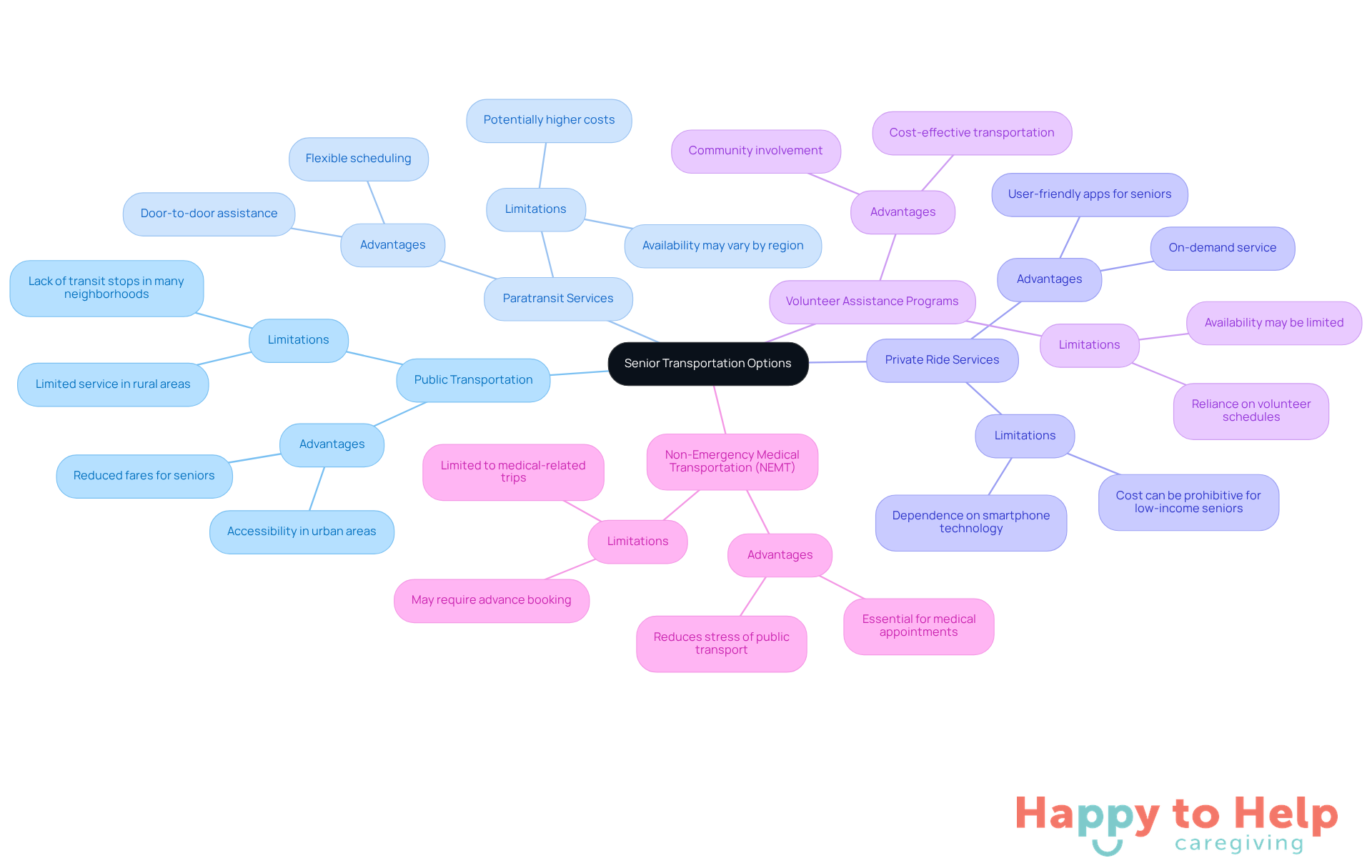
Seniors face significant challenges when it comes to transportation options, highlighting the importance of elderly transport services near me for their mobility and independence. Problem: Many older adults struggle to find reliable elderly transport services near me, particularly in areas lacking adequate public transit. In fact, nearly 57.7% of seniors live in neighborhoods without transit stops, limiting their accessibility to essential services.
The lack of elderly transport services near me can lead to isolation and hinder access to medical appointments, social activities, and other vital resources. With around 15.8% of adults below the federal poverty threshold lacking dependable travel options, the demand for affordable elderly transport services near me is more crucial than ever.
Solution: Fortunately, there are several transportation options tailored to meet the diverse needs of seniors:
- Public Transportation: Many cities offer reduced fares for elderly individuals on buses and trains, making this an affordable option. However, the lack of transit stops in many neighborhoods remains a barrier.
- Paratransit Services: Designed for individuals with disabilities, these elderly transport services near me provide door-to-door assistance, ensuring that seniors who cannot use standard public transit have reliable options.
- Private Ride Services: Companies like Uber and Lyft have adapted their platforms for older adults, featuring larger text and simplified navigation to enhance usability.
- Volunteer Assistance Programs: Local organizations often coordinate volunteer drivers to help seniors, fostering community involvement while addressing travel needs. Programs like Drive a Senior Northwest exemplify successful initiatives that effectively support older adults.
- Non-Emergency Medical Transportation (NEMT): This service is essential for elderly transport services near me, helping to transport seniors to medical appointments and ensuring they receive necessary care without the stress of navigating public transport.
Each of these options has its own advantages and limitations, making it essential for families to evaluate which service aligns best with their loved one's specific requirements. Additionally, it's important to note that only about 5% of American employees use communal transit, highlighting the broader context of shared travel usage and its implications for the elderly.
Evaluating Public Transportation for Seniors
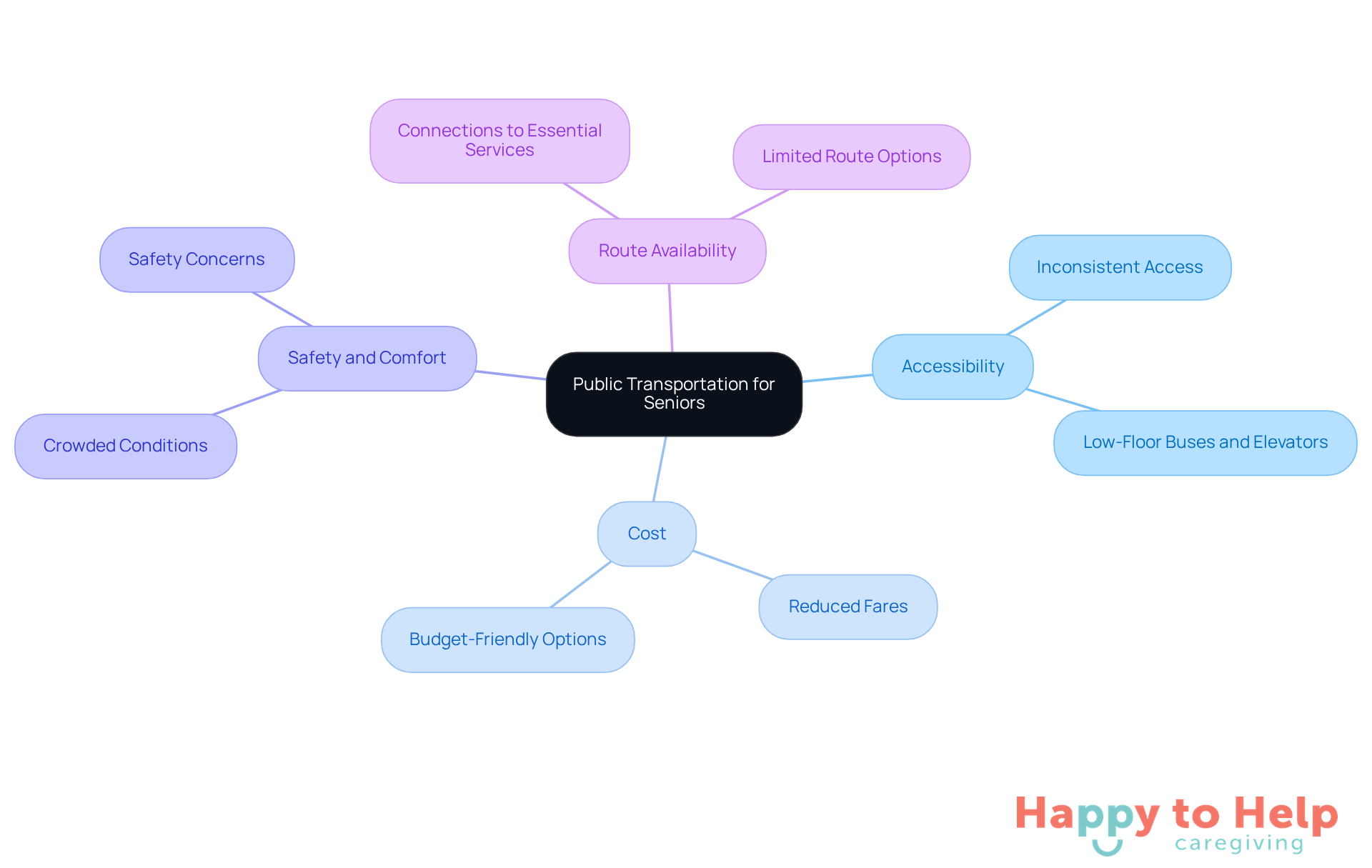
Public transportation systems can be a lifeline for seniors, offering affordable elderly transport services near me. However, several challenges must be addressed:
- Accessibility: While many public transit systems feature low-floor buses and elevators in train stations, not all areas are equally accessible. This inconsistency can limit travel options for seniors.
- Cost: Seniors often benefit from reduced fares, making transit a budget-friendly choice. This financial relief is crucial for many individuals on fixed incomes.
- Safety and Comfort: Communal transport can be crowded and hectic, providing opportunities for social interaction. However, safety concerns, especially during peak hours, may deter some seniors from using these services.
- Route Availability: The effectiveness of mass transit heavily relies on routes connecting vital destinations, such as grocery stores and medical facilities. Without these connections, seniors may struggle to access essential services.
In summary, while mass transit offers significant benefits, its effectiveness varies widely based on location and individual needs. Addressing these challenges can enhance the overall experience for seniors, ensuring they can take full advantage of elderly transport services near me.
Understanding Paratransit Services
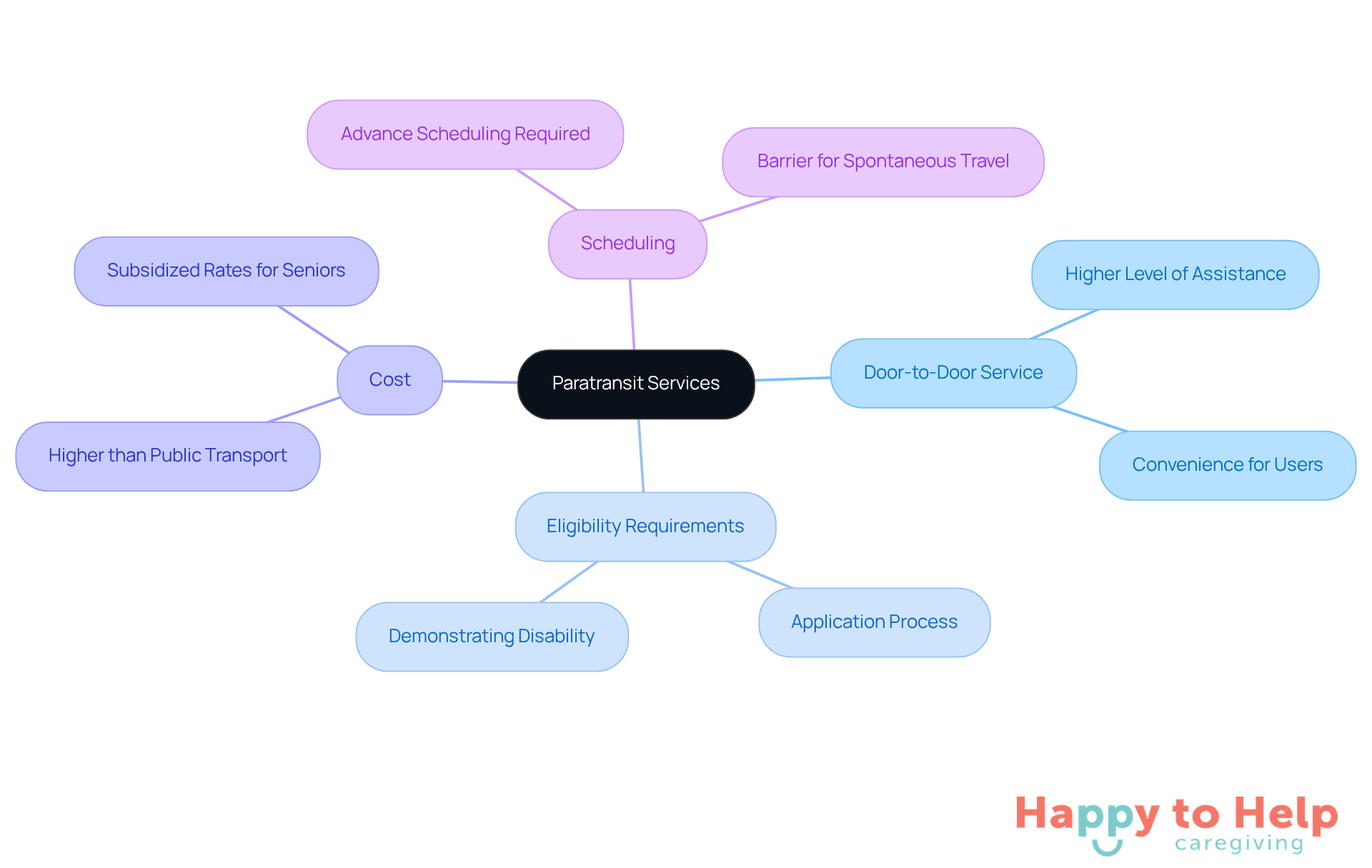
Paratransit options address a significant problem for individuals with disabilities who cannot use standard transit. This lack of accessible transportation can severely limit their independence and access to essential resources.
Key Features of Paratransit Services:
- Door-to-Door Service: Paratransit typically offers door-to-door service, providing a higher level of assistance than standard public transport.
- Eligibility Requirements: Seniors often need to apply for paratransit assistance, demonstrating their inability to use fixed-route transit due to a disability.
- Cost: While usually more expensive than public transport, paratransit options may still offer subsidized rates for older adults.
- Scheduling: Users generally need to schedule rides in advance, which can pose a barrier for those requiring spontaneous travel.
These features highlight the importance of elderly transport services near me for older adults facing mobility challenges. By ensuring access to essential resources, these services play a crucial role in helping individuals maintain their independence.
Exploring Private Ride Services and Ride-Hailing
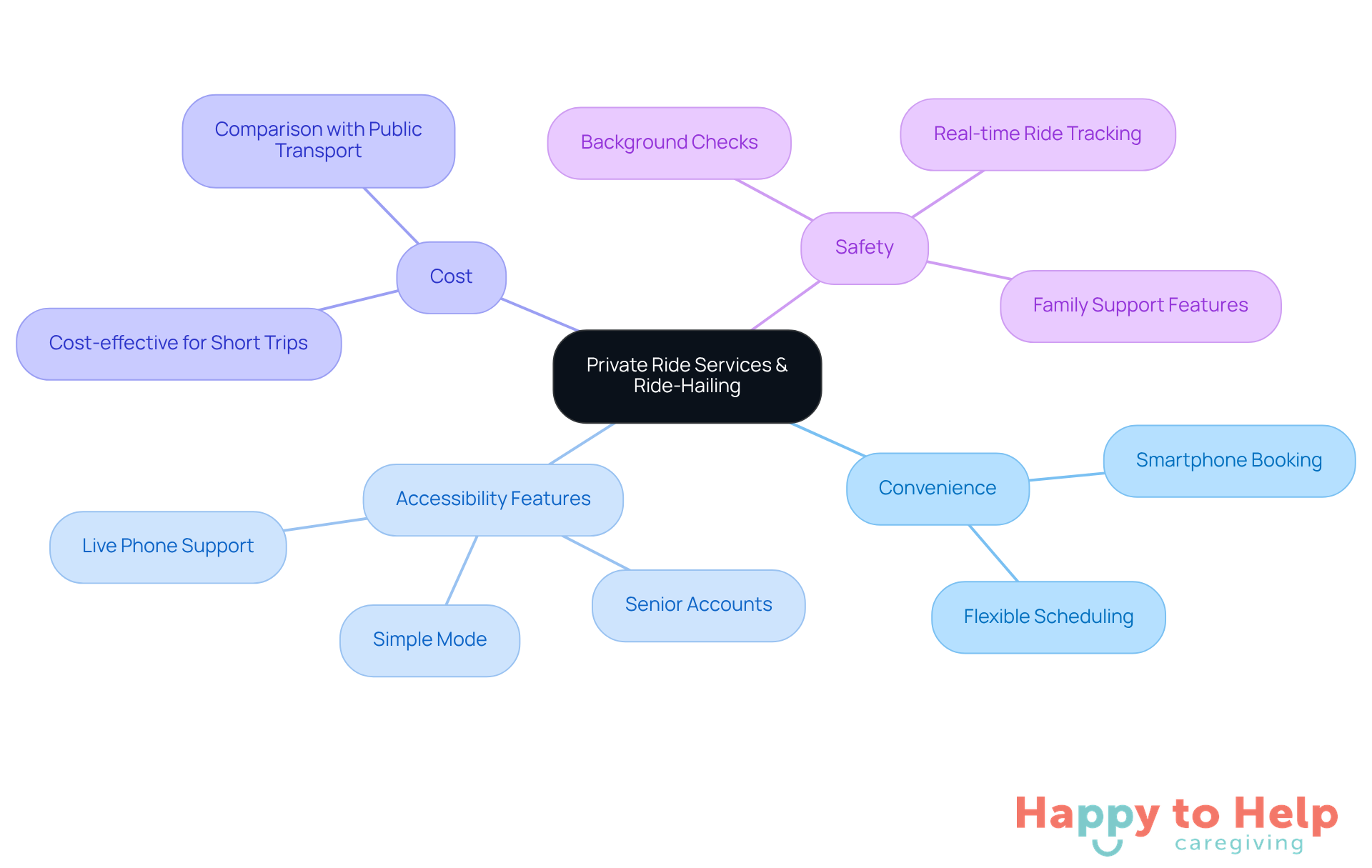
Private transportation options, particularly ride-hailing applications like Uber and Lyft, have significantly transformed mobility access, including elderly transport services near me, for older adults. However, many seniors still face challenges in maintaining independence and convenience in their travel choices.
-
Convenience is a major concern. These services empower seniors to book rides easily via smartphones or phone calls, offering flexibility in scheduling that accommodates their needs.
-
Accessibility Features are crucial as well. Many ride-hailing platforms have implemented senior-friendly features, such as larger text options and simplified interfaces, enhancing usability for older adults. For instance, Uber's 'Simple Mode' allows older users to navigate the app more easily, while Lyft's 'Lyft Silver' initiative prioritizes matching riders with accessible vehicles.
-
Cost is another factor to consider. Although ride-hailing can be pricier than public transport, it often proves cost-effective for short trips or when public options are limited, providing a valuable alternative. As Briana Gilmore, Uber's global head of accessibility policy, notes, "Transportation is truly one of the biggest barriers to independence as we age."
-
Safety is paramount. Ride-hailing companies typically perform extensive background verifications on drivers, fostering trust among older adults and their families. Additionally, both Uber and Lyft have introduced features that enhance safety, such as live phone support and the ability for family members to track rides in real time.
In summary, elderly transport services near me provide a practical solution for older adults seeking independence and convenience in their travel choices. They address the mobility obstacles many encounter as they age, facilitating access to healthcare and social connections while empowering older adults to maintain their dignity and independence.
Assessing Volunteer Transportation Programs
Transportation can be a significant challenge for elderly individuals, so utilizing elderly transport services near me is essential for helping them attend medical appointments, grocery shop, and engage in social activities. This issue can lead to feelings of isolation and hinder their overall well-being.
Volunteer ride programs emerge as a vital solution to this problem, offering several key benefits:
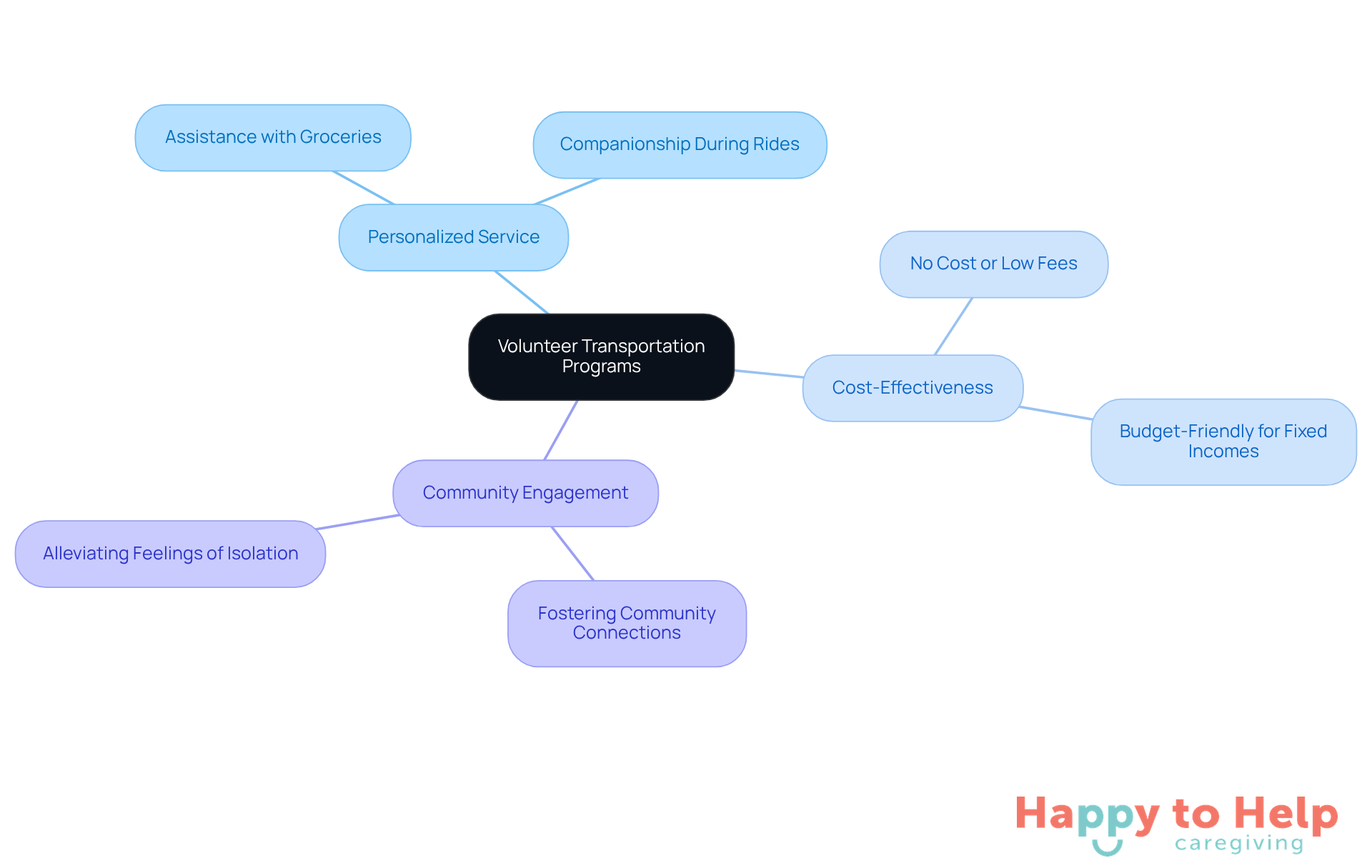
- Personalized Service: Volunteers provide more than just transportation; they assist with carrying groceries and offer companionship during rides, greatly enhancing the travel experience for seniors.
- Cost-Effectiveness: Many elderly transport services near me operate at no cost or charge only a small fee, making them a budget-friendly option for older adults on fixed incomes.
- Community Engagement: These initiatives help foster connections within the community, alleviating feelings of isolation among older adults and promoting social interaction. As Martin Luther King Jr. stated, 'Life’s most persistent and urgent question is, “What are you doing for others?”' This underscores the importance of community support through volunteerism.
The availability of elderly transport services near me can vary by location, which may affect access to these essential resources. For example, community transport is often wheelchair accessible, catering to those with specialized mobility needs.
In summary, volunteer travel initiatives not only enhance mobility for older adults but also play a crucial role in fostering their social involvement and overall well-being. As Winston Churchill noted, 'You make a living by what you get. You make a life by what you give,' emphasizing the value of giving back to the community.
Key Considerations for Choosing Transportation Services
When families face a significant challenge in selecting elderly transport services near me for seniors, ensuring that their loved ones receive the right support can be daunting, especially considering the unique needs of older adults.
-
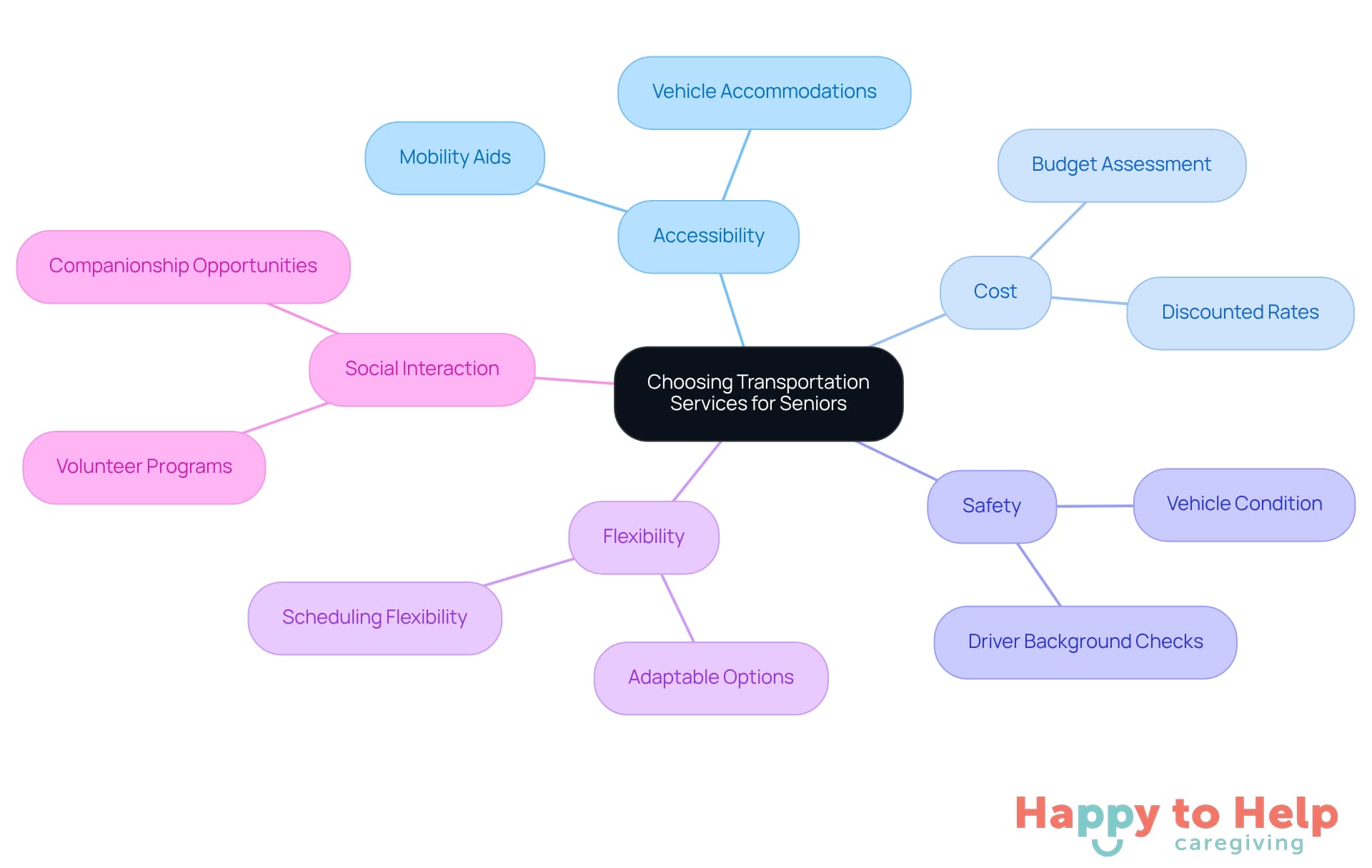
Accessibility is a crucial factor. Families must evaluate whether the service accommodates specific mobility needs, particularly since nearly 60% of potential assisted living residents rely on mobility aids.
-
Cost is another key consideration. Families should assess if the transportation fits within their budget, as expenses can vary widely. It's also worth noting that some assisted living facilities may offer discounted or included transportation costs in their monthly rent.
-
Safety measures are paramount. Families need to investigate the protocols in place, such as driver background checks and the overall condition of vehicles, to ensure a secure travel experience for their loved ones.
-
Flexibility in scheduling is essential. Services that offer adaptable options can significantly enhance a senior's lifestyle, allowing them to maintain their independence.
-
Social Interaction is also important. Families should consider travel options that promote engagement, like volunteer programs. These not only provide transportation but also companionship, helping to reduce feelings of isolation. It's crucial to remember that half of Americans aged 65 and older lack access to public transit, making elderly transport services near me even more vital.
By carefully evaluating these factors, families can choose transportation services that enhance their loved one's independence and overall quality of life. Additionally, consulting a doctor before long-distance travel is advisable to address any medical concerns that may arise.
Making the Right Choice
Seniors face significant challenges when it comes to transportation, which can hinder their independence and connection to the community. The lack of accessible options can lead to feelings of isolation and dependence on family members or caregivers. This situation underscores the critical need for elderly transport services that cater to the unique needs of older adults.
Various transportation services are available for seniors, each with its strengths and limitations:
- Public transportation may be cost-effective, but it often lacks accessibility in certain areas.
- Paratransit services offer essential door-to-door assistance for those with disabilities.
- Private ride services provide convenience and flexibility.
- Volunteer programs not only address transportation needs but also foster social connections, helping to reduce feelings of isolation among seniors.
Each of these services plays a vital role in enhancing mobility and improving the quality of life for older adults.
The importance of elderly transport services cannot be overstated. Families must carefully evaluate the options available to ensure their loved ones receive the appropriate support. By considering factors such as accessibility, cost, safety, and social interaction, families can make informed decisions that empower seniors to maintain their dignity and independence. Prioritizing these transportation solutions will not only improve seniors' mobility but also enrich their lives, allowing them to engage fully with their communities and access essential resources.
https://iframe.tely.ai/cta/eyJhcnRpY2xlX2lkIjogIjY5NDBhMjM3NmYzZjk5NzYxYTM2ZTNlYiIsICJjb21wYW55X2lkIjogIjY4ZWU1ZGNhNzMxNzYyNTU3ZjNjOTVjMSIsICJpbmRleCI6IG51bGwsICJ0eXBlIjogImFydGljbGUifQ==Frequently Asked Questions
What challenges do seniors face regarding transportation options?
Seniors often struggle to find reliable transportation options, especially in areas without adequate public transit. Nearly 57.7% of seniors live in neighborhoods without transit stops, limiting their access to essential services.
How does the lack of transportation services affect seniors?
The absence of elderly transport services can lead to isolation and hinder access to medical appointments, social activities, and other vital resources. Approximately 15.8% of adults below the federal poverty threshold lack dependable travel options, making affordable transportation crucial.
What transportation options are available for seniors?
Several options include:
- Public Transportation: Reduced fares for seniors on buses and trains, though access may be limited in some areas.
- Paratransit Services: Door-to-door assistance designed for individuals with disabilities.
- Private Ride Services: Companies like Uber and Lyft offer platforms adapted for older adults with larger text and simplified navigation.
- Volunteer Assistance Programs: Local organizations coordinate volunteer drivers to help seniors.
- Non-Emergency Medical Transportation (NEMT): Essential for transporting seniors to medical appointments.
What are some considerations when evaluating public transportation for seniors?
Key considerations include:
- Accessibility: Not all public transit systems are equally accessible.
- Cost: Reduced fares are available, which is important for seniors on fixed incomes.
- Safety and Comfort: Crowded conditions can create safety concerns.
- Route Availability: Effective mass transit relies on routes connecting vital destinations like grocery stores and medical facilities.
How do public transportation systems impact seniors?
Public transportation can provide affordable options for seniors, but its effectiveness varies based on location and individual needs. Addressing challenges such as accessibility, safety, and route availability can enhance seniors' experiences with these services.
List of Sources
- Overview of Senior Transportation Options
- Public transit use among American older adults: Insights from a nationally representative survey (https://sciencedirect.com/science/article/abs/pii/S2214140525000027)
- Millions of Americans Lack Reliable Transportation. It May Affect Their Health. (https://usnews.com/news/health-news/articles/2024-01-11/millions-of-americans-lack-reliable-transportation)
- Uber Health (https://uberhealth.com/us/en/resources/articles/alternative-transportation-options)
- Products - Data Briefs - Number 490 - January 2024 (https://cdc.gov/nchs/products/databriefs/db490.htm)
- Evaluating Public Transportation for Seniors
- 100+ of the Best Urban Planning Quotes: Cities, Community, Urbanisation & Inspiration - This Big City (https://thisbigcity.net/quotes)
- Janette Sadik-Khan quotes (https://environmentshow.com/janette-sadik-khan-quotes)
- Public transit use among American older adults: Insights from a nationally representative survey (https://sciencedirect.com/science/article/abs/pii/S2214140525000027)
- The Best Quotes by Jan Gehl — city planner and urban visionary (https://medium.com/@EnvironmentShow/the-best-quotes-by-jan-gehl-city-planner-and-urban-visionary-8860846a4aae)
- Exploring Private Ride Services and Ride-Hailing
- Uber launches new safer ride option for seniors - News is My Business (https://newsismybusiness.com/uber-launches-new-safer-ride-option-for-seniors)
- Uber rolls out new app features to make ride hailing easier for seniors (https://foxbusiness.com/lifestyle/uber-rolls-out-new-app-features-make-ride-hailing-easier-seniors)
- Villages and Age-Friendly Cities - Village Movement California (https://villagemovementcalifornia.org/case_studies/villages-and-age-friendly-cities)
- Uber’s new senior mode aims to remove barriers for aging riders (https://fastcompany.com/91346140/ubers-new-senior-mode-aims-to-remove-barriers-for-aging-riders)
- Assessing Volunteer Transportation Programs
- Villages and Age-Friendly Cities - Village Movement California (https://villagemovementcalifornia.org/case_studies/villages-and-age-friendly-cities)
- Best Volunteering Quotes | 15 Favorite Volunteering Quotes (https://civicchamps.com/post/our-15-favorite-quotes-about-volunteering)
- 50 Inspirational Quotes About Volunteering & Giving Back - Volunteer Vacations | Discover Corps (https://discovercorps.com/50-inspirational-quotes-volunteering)
- The Impact of Community Transport for the Elderly | Road XS (https://roadxs.com/transport/community-transport/community-transport-for-the-elderly)
- 13 quotes about volunteering that will inspire you to make an impact | GVI (https://gviusa.com/blog/13-quotes-about-volunteering-that-will-inspire-you-to-make-an-impact)
- Key Considerations for Choosing Transportation Services
- Survey: Mobility Needs of Prospective Senior Care Residents (https://oasissenioradvisors.com/blog/survey-results-mobility-needs-of-prospective-senior-care-residents)
- Personal Transportation Services and Rides for Seniors (https://seniorliving.org/transportation)
- Older Adults & Transportation - NADTC (https://nadtc.org/about/transportation-aging-disability/unique-issues-related-to-older-adults-and-transportation)