
For families in our service areas
For families in our service areas, this guide explains caregiving and how non-medical in-home caregiving can support care planning in East Idaho, Treasure Valley & Magic Valley, Northern Wasatch, North Central West Virginia, and Northeast Ohio.
What You Need to Know About Steps for Mobility Help
Mobility challenges pose a significant problem for seniors, impacting their independence and quality of life. Each year, millions face the risk of falls, which can lead to serious injuries and a decline in overall well-being. This situation not only affects the seniors themselves but also places a burden on caregivers who strive to ensure their loved ones remain safe and active.
Understanding the various mobility aids available is crucial for enhancing safety and promoting active lifestyles among older adults. However, with so many options and considerations, caregivers may feel overwhelmed. How can they select the right tools and create a safe environment that truly meets the needs of their loved ones?
This article outlines five essential steps to provide effective mobility help for seniors. By following these actionable solutions, caregivers can empower their loved ones to navigate their world with confidence and dignity.
Understand Mobility Aids and Their Importance
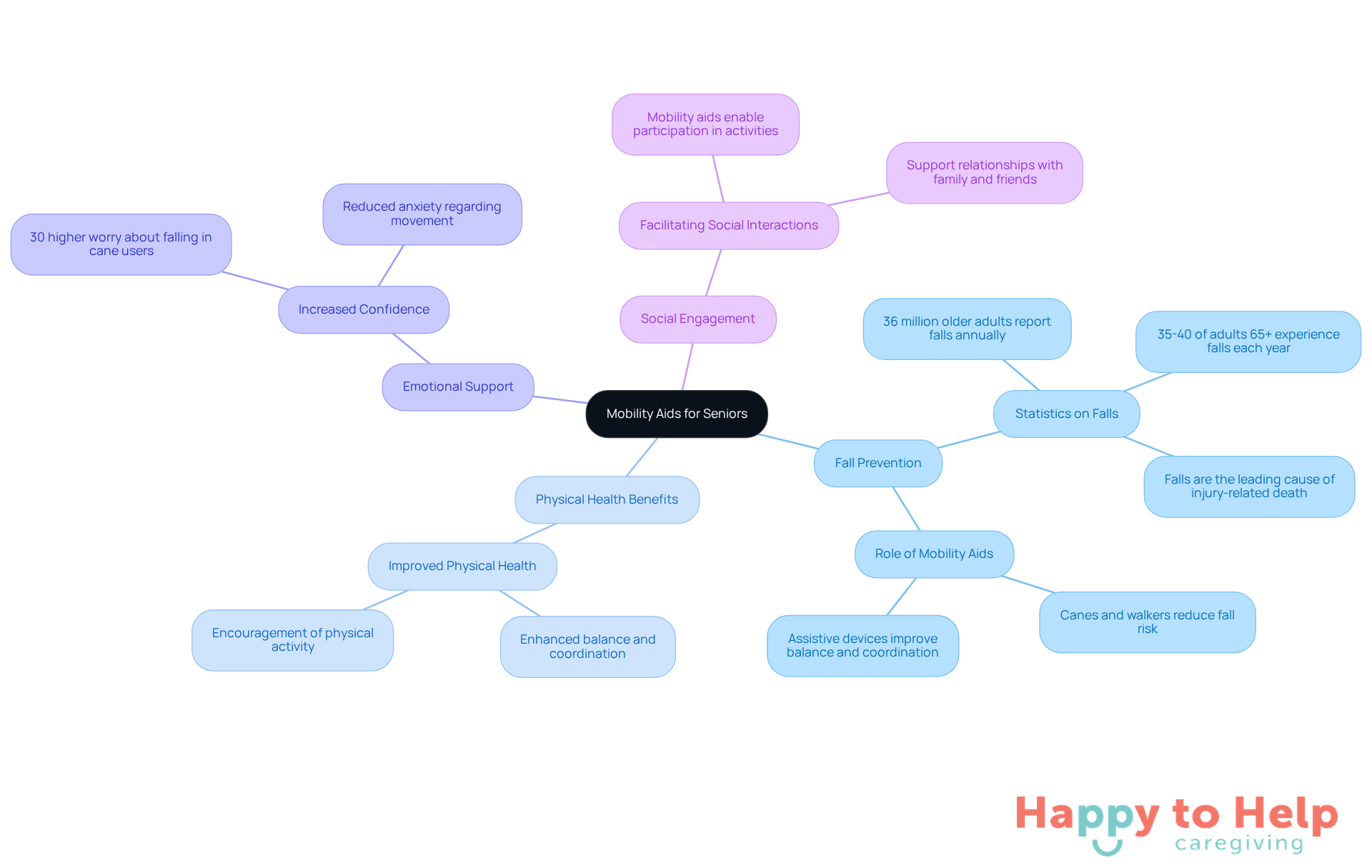
Mobility help for seniors consists of essential tools for preventing falls and fostering independence. With over 36 million older adults reporting falls each year, the use of devices like canes and walkers can significantly reduce this risk. In fact, 35-40% of adults living in the community who are 65 and older experience falls each year, highlighting the urgent need for mobility help for seniors.
Keeping active is closely related to enhanced health outcomes and overall quality of life. Research indicates that older adults who utilize mobility help for seniors often experience improved physical health, as these tools enhance balance and coordination, which are essential for avoiding injuries.
The emotional advantages of assistive devices cannot be overlooked. Many users report increased confidence and reduced anxiety concerning movement challenges. For instance, cane users often experience a 30% higher worry about falling compared to non-device users, indicating that the right mobility aid can alleviate fears and encourage more active lifestyles.
Mobility help for seniors also plays a vital role in facilitating social interactions and engagement in activities. By offering the necessary assistance, these tools allow older adults to engage in social activities and sustain relationships with family and friends, which is crucial for mental health.
Expert views highlight the significance of support devices in improving health outcomes for seniors. Studies show that the use of assistive tools can result in a reduction of fall-related injuries, a primary cause of death among older adults. Thus, incorporating assistance devices into everyday life is not only about physical support; it’s about enabling older adults to live richer, more autonomous lives.
Explore Common Types of Mobility Aids
Use english for answers
Common Mobility Aids
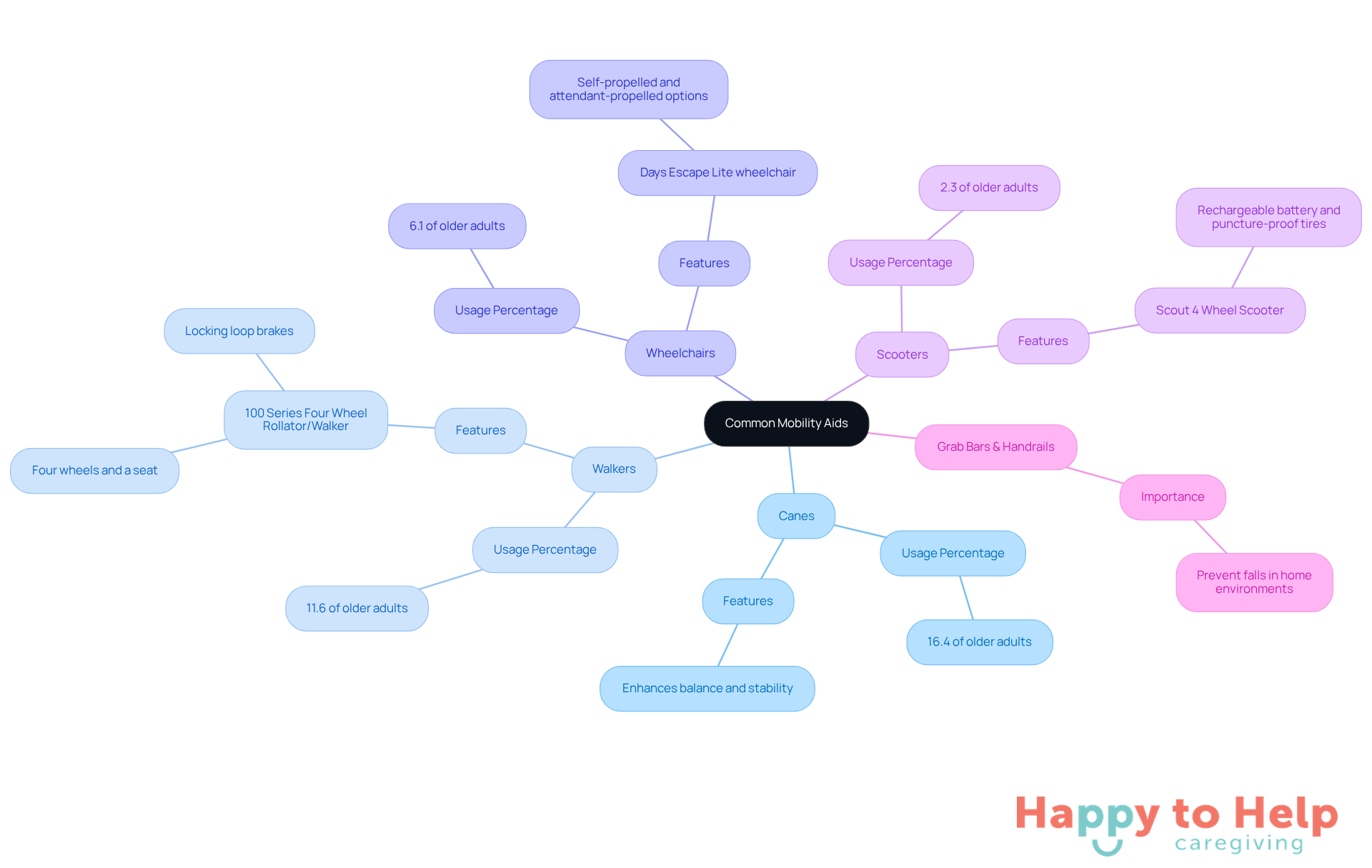
Mobility challenges are a significant concern for older adults, impacting their independence and quality of life. Approximately 24% of U.S. individuals aged 65 and above reported using an assistive device in the last month, highlighting a substantial reliance on support aids.
-
Canes: For those requiring minimal support, canes enhance balance and stability during walking. About 16.4% of older adults utilize canes, making them a common choice for maintaining mobility.
-
Walkers: Offering greater stability, walkers are ideal for individuals needing more support. The 100 Series Four Wheel Rollator/Walker, for example, features four easily maneuverable wheels, a seat, and locking loop brakes, making it a popular choice among seniors for enhanced safety and usability.
-
Wheelchairs: Essential for individuals with significant movement limitations, wheelchairs provide comfortable transport. The Days Escape Lite wheelchair is available in both self-propelled and attendant-propelled varieties, catering to diverse user needs.
-
Scooters for Movement: Designed for outdoor travel and extended distances, scooters like the Scout 4 Wheel Scooter come equipped with features such as a rechargeable battery and puncture-proof tires, enhancing user confidence and safety.
-
Grab Bars and Handrails: Crucial for safety in the home environment, grab bars and handrails help prevent falls, particularly in bathrooms and stairways.
Choosing the right assistance device is essential for providing mobility help for seniors and should depend on the individual's movement capability and lifestyle. Consulting with healthcare professionals can provide valuable insights into which tool best suits personal needs. As noted by Nancy Gell, a physical therapist, understanding the factors influencing device use is crucial for ensuring safety and improving independence.
Real-life examples demonstrate that walkers significantly improve stability for elderly users, allowing them to engage more actively in daily activities. With over 25% of older individuals depending on mobility help for seniors, selecting the right assistive device can help them maintain their dignity and autonomy as they navigate their surroundings.
Select the Right Mobility Aid for Individual Needs
Many older adults face significant mobility challenges, emphasizing the importance of mobility help for seniors, which can greatly affect their independence and quality of life. Understanding the unique movement capacities and difficulties of each individual is crucial, as these can vary widely among seniors.
Without proper mobility help for seniors, older adults may struggle with daily activities, which can lead to decreased autonomy and an increased risk of falls. Research indicates that 24% of adults aged 65 and older use mobility devices, emphasizing the need for mobility help for seniors that addresses their specific needs. Moreover, providing mobility help for seniors can make a substantial difference in their overall well-being.
Solution:
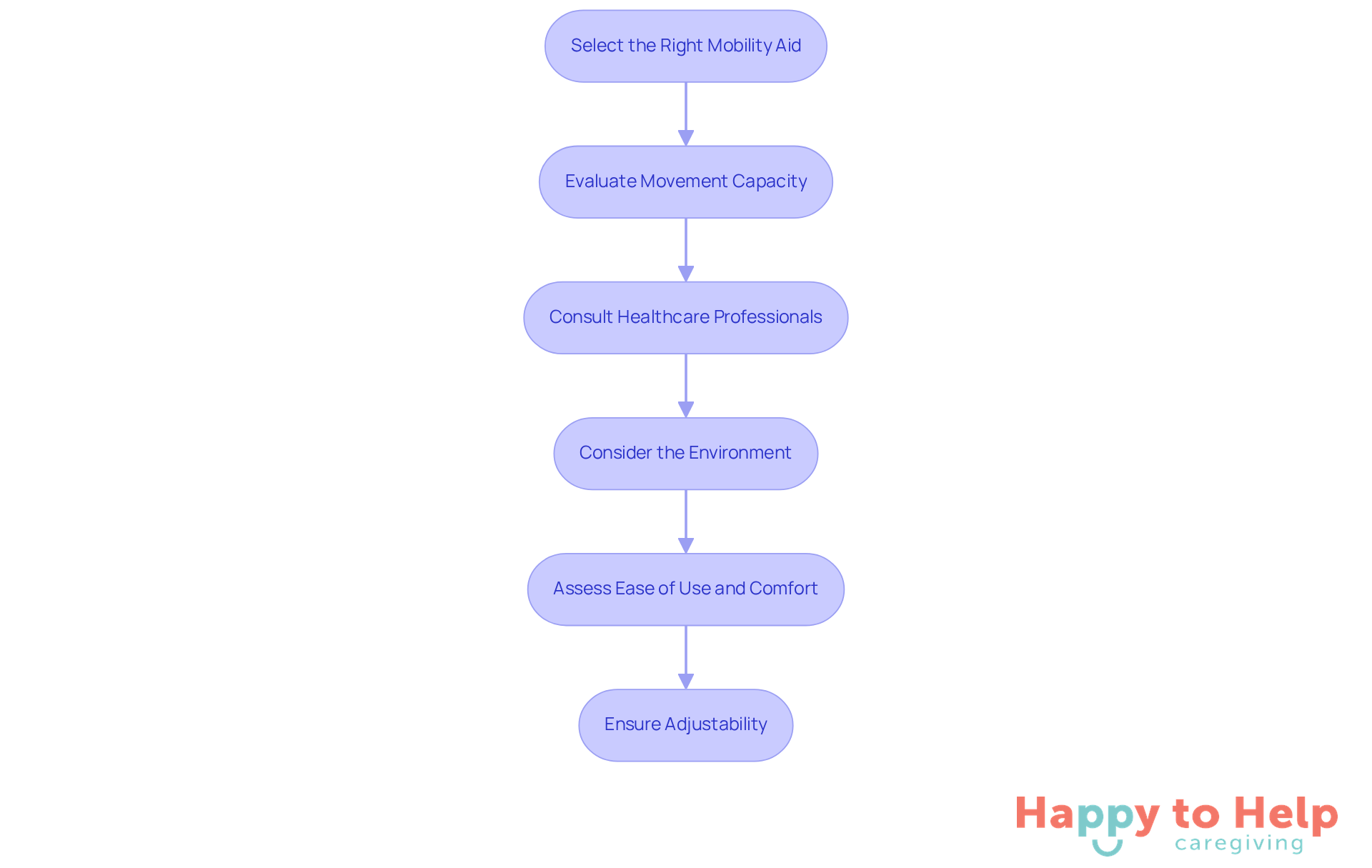
- Evaluate Movement Capacity: Assess the individual's movement abilities and specific challenges to determine the most suitable assistance.
- Consult Healthcare Professionals: Engage with healthcare providers for personalized recommendations. Their expertise is vital in guiding seniors toward appropriate assistive devices that align with medical needs and lifestyle preferences.
- Consider the Environment: Take into account where the aid will be used - indoors or outdoors. Different tools serve different purposes, and understanding the context can enhance independence.
- Assess Ease of Use and Comfort: Ensure that the chosen device is comfortable and easy to handle. Devices that are cumbersome can discourage use, potentially leading to reduced mobility.
- Ensure Adjustability: The aid should be adjustable to fit the user's height and strength, maximizing safety and effectiveness.
By following these steps, caregivers can significantly improve the quality of life for older adults, ensuring they receive the necessary mobility help for seniors to thrive.
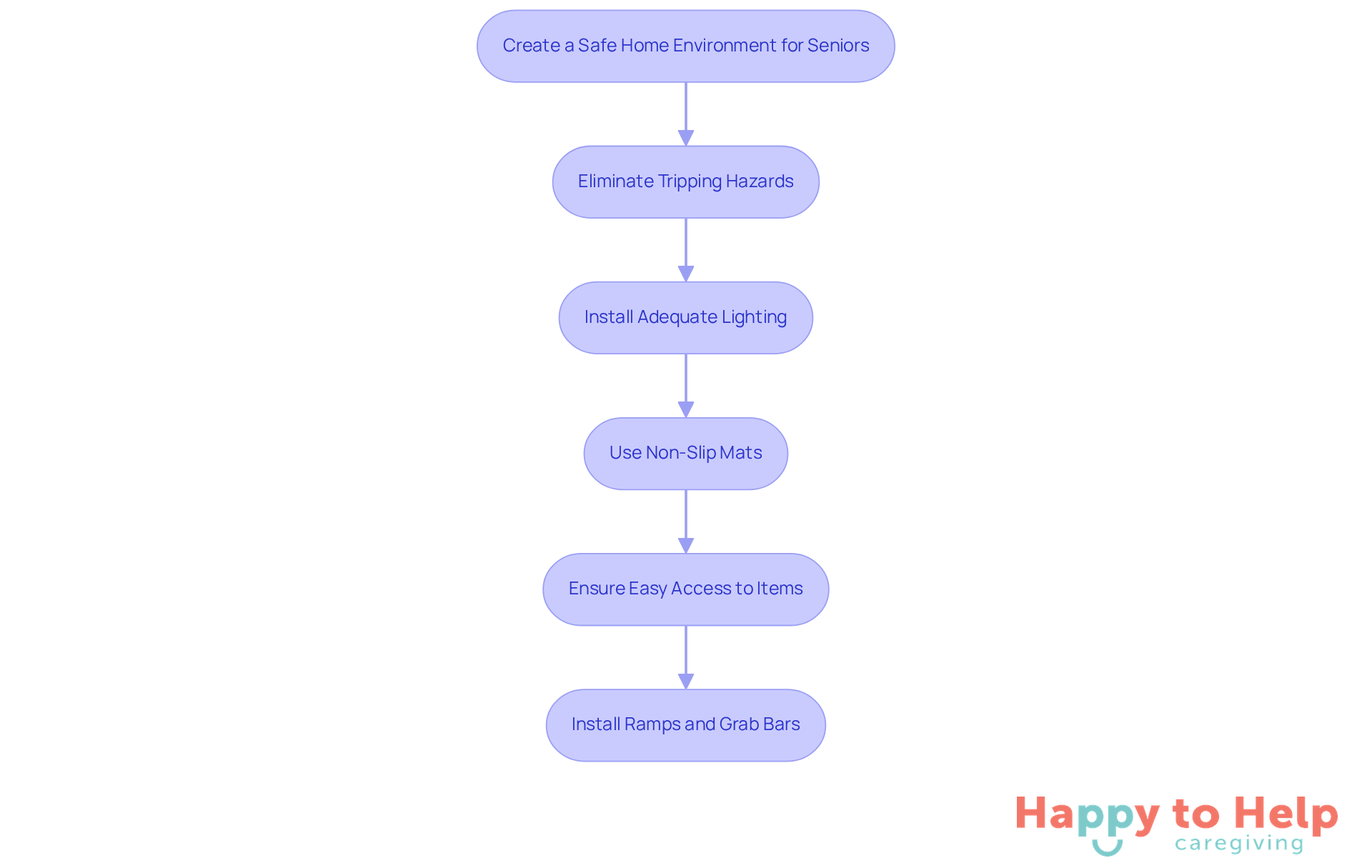
Create a Safe Home Environment for Seniors
Falls among older adults pose a significant risk, with one in three elderly individuals experiencing a fall each year. In fact, falls are the leading cause of fatal and non-fatal injuries for this demographic, resulting in 38,000 deaths in 2021 alone for those aged 65 and older. This alarming statistic highlights the urgent need for preventive measures.
To combat this issue, caregivers can take several actionable steps:
- Eliminate tripping hazards such as loose rugs and clutter, which are major contributors to falls.
- Install adequate lighting in hallways and staircases to greatly improve visibility, as poor lighting often obscures obstacles and complicates navigation.
- Use non-slip mats in bathrooms and kitchens, where wet surfaces increase the risk of slipping. These simple additions can significantly enhance safety in high-risk areas.
- Ensure that frequently used items are within easy reach to minimize stretching or bending, which often leads to loss of balance. This small adjustment can make a big difference in maintaining independence.
- Consider installing ramps and grab bars in critical areas like bathrooms and stairways to offer mobility help for seniors. These modifications not only provide essential support but also boost confidence in movement, reducing the fear of falling.
Real-life examples underscore the effectiveness of these modifications. Families who have conducted home safety assessments report a notable decrease in fall incidents. A study emphasized that homemaking services, which offer mobility help for seniors, significantly improve safety and independence for those facing movement challenges. According to the CDC, "Falls are the leading cause of fatal and non-fatal injuries among older adults." By prioritizing these changes, families can create a safer living environment that fosters both independence and well-being for their elderly loved ones.
Ensure Proper Use and Maintenance of Mobility Aids
Problem: Regular maintenance of assistive devices is crucial for ensuring user safety and comfort. Neglecting this can lead to wear and tear, which may compromise the effectiveness of these essential tools.
Agitate: When assistive devices are not regularly checked, users may face increased risks of accidents or injuries. For instance, a walker that isn’t properly adjusted can lead to falls, while powered devices that haven’t been maintained may malfunction at critical moments.
Solution: To mitigate these risks, caregivers should implement the following practices:
- Regularly check assistive devices for wear and tear.
- Ensure that all adjustments are made for a proper fit before use.
- Educate users on how to use their support tools safely, such as navigating stairs with a walker.
- Schedule routine maintenance checks for powered assistive devices.
- Encourage users to report any issues with their mobility aids immediately.
By following these steps, caregivers can enhance the safety and effectiveness of assistive devices, ultimately improving the quality of care provided.

Key Takeaways for Caregivers
Mobility help for seniors presents a significant challenge for caregivers, as it directly impacts the independence and quality of life of older adults. Without proper support, seniors face increased risks of falls, anxiety, and social isolation. This situation not only affects their physical health but also their emotional well-being, making it essential for caregivers to address these issues effectively.
To tackle these challenges, caregivers must understand the various types of mobility aids available, such as canes, walkers, and wheelchairs. Selecting the right device tailored to individual needs is crucial. Additionally, creating a safe home environment can significantly reduce the risk of accidents. Regular maintenance of mobility aids and ensuring their proper use are vital steps that caregivers can take to enhance safety and comfort for seniors.
Investing in the right mobility aids and fostering a supportive environment can profoundly impact seniors' lives. Caregivers should assess individual needs, engage healthcare professionals, and implement safety measures at home. These proactive steps not only help maintain seniors' dignity and autonomy but also reduce the risk of falls. Ultimately, this commitment encourages a sense of belonging and connection, empowering seniors to lead fulfilling, active lives.
https://iframe.tely.ai/cta/eyJhcnRpY2xlX2lkIjogIjY5MjI0ZjVlZmViYTIxODdjZTM2NWI5YyIsICJjb21wYW55X2lkIjogIjY4ZWU1ZGNhNzMxNzYyNTU3ZjNjOTVjMSIsICJpbmRleCI6IG51bGwsICJ0eXBlIjogImFydGljbGUifQ==Frequently Asked Questions
What are mobility aids and why are they important for seniors?
Mobility aids are essential tools that help prevent falls and promote independence among seniors. They significantly reduce the risk of falls, which affect over 36 million older adults each year, fostering improved physical health and overall quality of life.
How do mobility aids impact physical health for older adults?
Mobility aids enhance balance and coordination, which are crucial for avoiding injuries. Research shows that older adults who use these aids often experience better physical health outcomes.
What emotional benefits do mobility aids provide to seniors?
Many users report increased confidence and reduced anxiety about movement challenges. For example, cane users often have a 30% higher worry about falling compared to those who do not use devices, indicating that mobility aids can alleviate fears and encourage more active lifestyles.
How do mobility aids facilitate social interactions for seniors?
Mobility aids enable older adults to participate in social activities and maintain relationships with family and friends, which is vital for their mental health and overall well-being.
What types of mobility aids are commonly used by seniors?
Common mobility aids include:
- Canes: Used by about 16.4% of older adults for minimal support and enhanced balance.
- Walkers: Provide greater stability and support, with models like the 100 Series Four Wheel Rollator being popular.
- Wheelchairs: Essential for those with significant movement limitations, available in self-propelled and attendant-propelled options.
- Scooters: Designed for outdoor travel, equipped with features like rechargeable batteries and puncture-proof tires.
- Grab Bars and Handrails: Important for safety at home, especially in bathrooms and stairways.
How should seniors choose the right mobility aid?
Choosing the appropriate mobility aid depends on an individual's movement capability and lifestyle. Consulting healthcare professionals can provide valuable insights into which device best suits personal needs.
What is the prevalence of mobility aid usage among older adults in the U.S.?
Approximately 24% of U.S. individuals aged 65 and above reported using an assistive device in the last month, highlighting a significant reliance on mobility aids.
What are the potential consequences of not using mobility aids for seniors?
Without mobility aids, seniors may face a higher risk of falls and related injuries, which are a primary cause of death among older adults. Mobility aids help improve safety and enable seniors to live richer, more autonomous lives.
List of Sources
- Understand Mobility Aids and Their Importance
- Older Adult Falls Data (https://cdc.gov/falls/data-research)
- Breaking News: Fall 2025 Brings a New Era of Lightweight Walkers and Rollators for Seniors (https://cbs42.com/business/press-releases/ein-presswire/850373373/breaking-news-fall-2025-brings-a-new-era-of-lightweight-walkers-and-rollators-for-seniors)
- Mobility Device Use Among Older Adults and Incidence of Falls and Worry About Falling: Findings From the 2011–2012 National Health and Aging Trends Study - PMC (https://pmc.ncbi.nlm.nih.gov/articles/PMC4439269)
- 30 Incredibly Inspiring Quotes For People With Disabilities | Vantage Mobility (https://vantagemobility.com/blog/blogincredibly-inspiring-quotes-for-people-with-disabilities)
- Longitudinal Relationship between Mobility Device Use, Falls and Fear of Falling (FOF) Differed by Frailty Status among Community-Dwelling Older Adults (https://sciencedirect.com/science/article/pii/S1279770723002403)
- Explore Common Types of Mobility Aids
- References - The Future of Disability in America - NCBI Bookshelf (https://ncbi.nlm.nih.gov/books/NBK11419)
- Mobility Device Use Among Older Adults and Incidence of Falls and Worry About Falling: Findings From the 2011–2012 National Health and Aging Trends Study - PMC (https://pmc.ncbi.nlm.nih.gov/articles/PMC4439269)
- Breaking News: Fall 2025 Brings a New Era of Lightweight Walkers and Rollators for Seniors (https://cbs42.com/business/press-releases/ein-presswire/850373373/breaking-news-fall-2025-brings-a-new-era-of-lightweight-walkers-and-rollators-for-seniors)
- Ultimate Buying Guide for 2025 - Top 10 Mobility Aids (https://abilitysuperstore.com/blogs/news/ultimate-buying-guide-for-2024-top-10-mobility-aids)
- Friend or Foe? Study Examines Seniors' Increasing Use of Walking Aids | UVM News | The University of Vermont (https://uvm.edu/uvmnews/news/friend-or-foe-study-examines-seniors-increasing-use-walking-aids)
- Select the Right Mobility Aid for Individual Needs
- Breaking News: Fall 2025 Brings a New Era of Lightweight Walkers and Rollators for Seniors (https://cbs42.com/business/press-releases/ein-presswire/850373373/breaking-news-fall-2025-brings-a-new-era-of-lightweight-walkers-and-rollators-for-seniors)
- Mobility Device Use Among Older Adults and Incidence of Falls and Worry About Falling: Findings From the 2011–2012 National Health and Aging Trends Study - PMC (https://pmc.ncbi.nlm.nih.gov/articles/PMC4439269)
- Create a Safe Home Environment for Seniors
- Home Safety for Seniors: Statistics & Proven Safety Solutions (https://agesafeamerica.com/home-safety-hub/articles/home-safety-seniors-statistics-solutions)
- Heartwarming Quotes on Taking Care of Elderly Parents (https://humancareny.com/blog/taking-care-of-elderly-parents-quotes)
- Facts About Falls (https://cdc.gov/falls/data-research/facts-stats)
- Get the Facts on Falls Prevention (https://ncoa.org/article/get-the-facts-on-falls-prevention)
- As falling deaths rise for older adults, how home safety can make a difference (https://denver7.com/news/local-news/as-falling-deaths-rise-for-older-adults-how-home-safety-can-make-a-difference)
- Ensure Proper Use and Maintenance of Mobility Aids
- 30 Incredibly Inspiring Quotes For People With Disabilities | Vantage Mobility (https://vantagemobility.com/blog/blogincredibly-inspiring-quotes-for-people-with-disabilities)
- 20 Inspirational Senior Care Quotes (https://1plus1cares.com/20-inspirational-senior-care-quotes)
- Persons with Multiple Disabilities Exercise Adaptive Head and Hand-Eye Responses Using Technology-Aided Programs: Two Single-Case Studies | Request PDF (https://researchgate.net/publication/257586007\_Persons\_with\_Multiple\_Disabilities\_Exercise\_Adaptive\_Head\_and\_Hand-Eye\_Responses\_Using\_Technology-Aided\_Programs\_Two\_Single-Case\_Studies)