
For families in our service areas
For families in our service areas, this guide explains caregiving and how non-medical in-home caregiving can support care planning in East Idaho, Treasure Valley & Magic Valley, Northern Wasatch, North Central West Virginia, and Northeast Ohio.
Why Causes of Fatigue in Seniors and How to Matters
Understanding the complexities of fatigue in seniors is crucial. This pervasive issue affects a significant portion of the older population, with studies indicating that between 40% and 74% experience chronic tiredness. Caregivers face the challenge of supporting older adults through this fatigue, which can severely impact their quality of life.
The implications of fatigue are profound. It can lead to decreased mobility, increased risk of falls, and a decline in mental health. As caregivers, it’s essential to recognize these challenges and address the underlying issues contributing to fatigue.
So, how can caregivers effectively manage this situation? First, it’s important to identify the multifaceted causes of fatigue, which range from medical conditions and lifestyle choices to emotional and psychological influences. By understanding these factors, caregivers can implement targeted strategies to enhance the well-being of their loved ones.
Here are some actionable tips:
- Encourage regular physical activity to boost energy levels.
- Promote a balanced diet rich in nutrients to support overall health.
- Facilitate social interactions to combat feelings of isolation and depression.
By addressing these underlying issues, caregivers can significantly improve the quality of life for seniors experiencing fatigue.
Define Fatigue in Older Adults
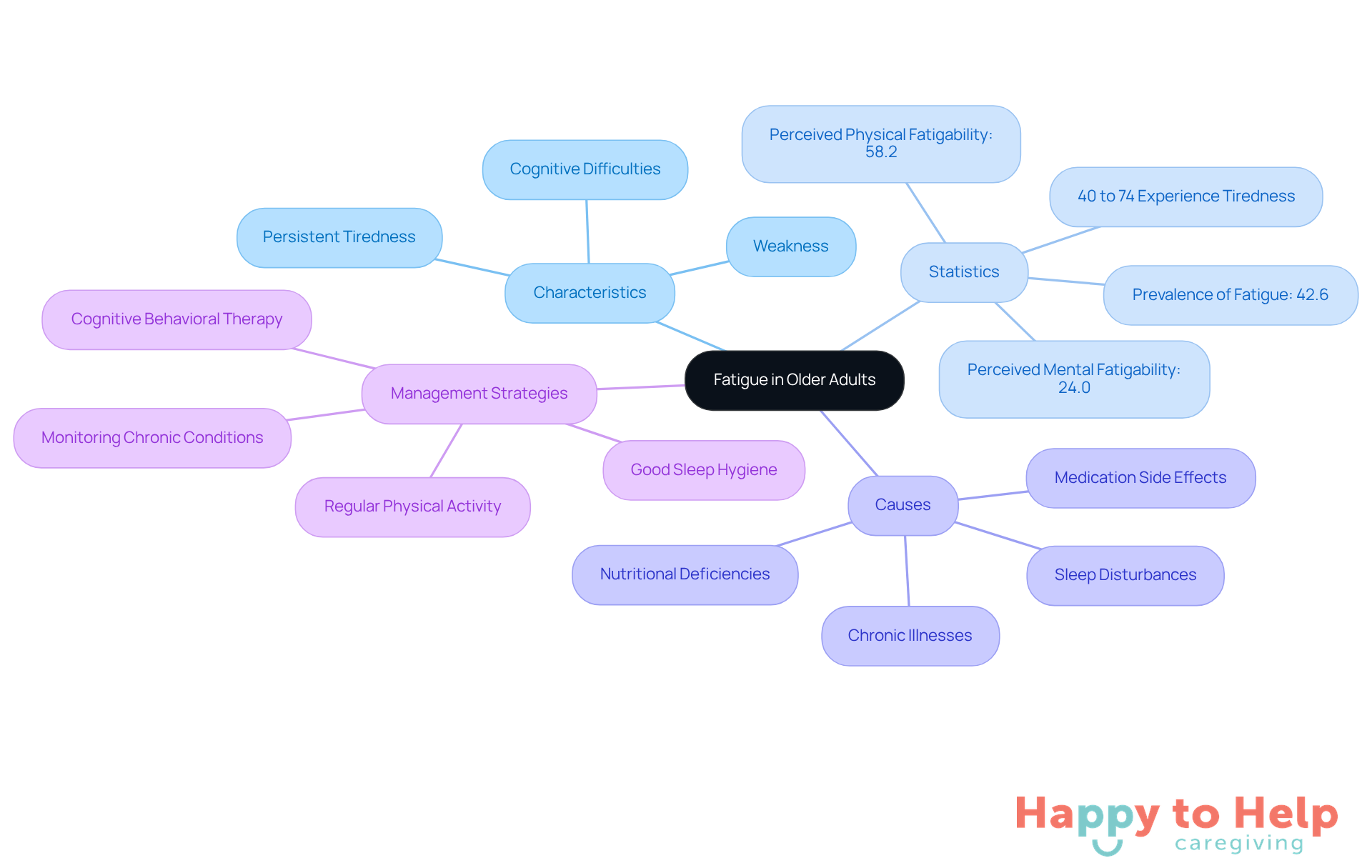
Understanding what causes fatigue in seniors is essential, as it presents a significant problem characterized by a persistent sense of tiredness or lack of energy that lingers despite adequate rest. This isn't just typical tiredness, which can often be resolved through sleep or relaxation; exhaustion can severely hinder daily activities and diminish overall quality of life. It often coexists with symptoms such as weakness, sleep disturbances, and cognitive difficulties. Recognizing when exhaustion signals a potential underlying health issue, rather than merely a result of aging, is crucial for caregivers and family members.
Research shows that between 40% and 74% of older adults experience tiredness, which raises questions about what causes fatigue in seniors, particularly those with chronic illnesses. This statistic underscores the importance of identifying what causes fatigue in seniors as a major health concern that requires attention and management. As specialists point out, tiredness can lead to a cycle of decreased activity, further worsening health problems and impacting emotional well-being.
To effectively support older adults, caregivers can implement several strategies:
- Encourage regular physical activity to combat fatigue and improve overall health.
- Promote good sleep hygiene to address sleep disturbances.
- Monitor and manage chronic conditions that may contribute to feelings of exhaustion.
Understanding these dynamics is essential for providing effective support and care, ensuring that older adults maintain their quality of life.
Identify Medical Conditions Contributing to Fatigue
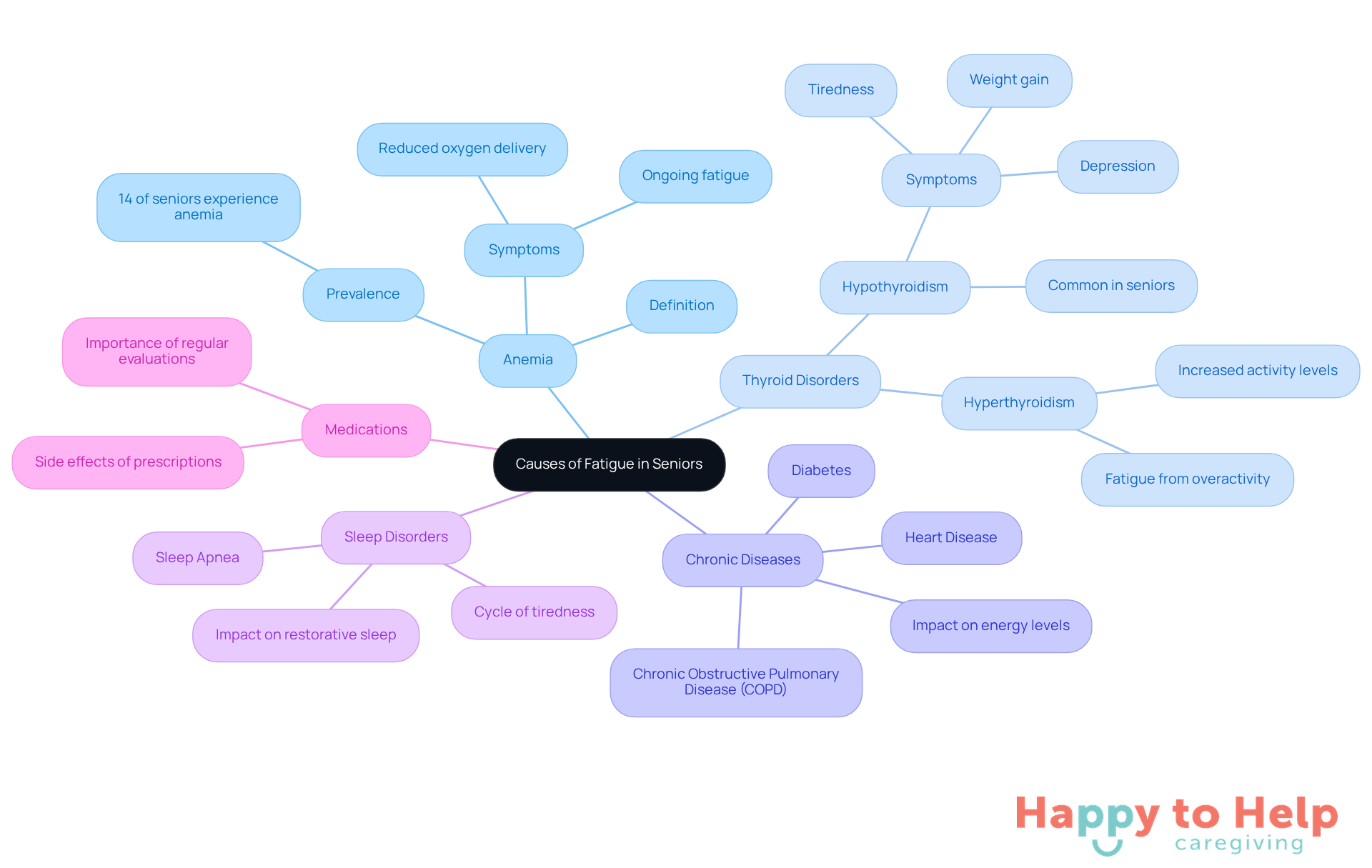
Caregivers must address what causes fatigue in seniors, as it is a significant issue. It is essential to understand what causes fatigue in seniors, as several medical conditions can contribute to this persistent tiredness.
-
Anemia is one such condition, characterized by a deficiency in red blood cells. This leads to reduced oxygen delivery to tissues, resulting in ongoing fatigue. Approximately 14% of seniors experience anemia, which can exacerbate feelings of sluggishness.
-
Thyroid disorders also play a role. Both hypothyroidism and hyperthyroidism can disrupt energy levels. Hypothyroidism is particularly common among seniors, often causing tiredness, weight gain, and depression. Conversely, hyperthyroidism may lead to increased activity levels but can still result in fatigue due to overactivity.
-
Chronic diseases such as diabetes, heart disease, and chronic obstructive pulmonary disease (COPD) are often what causes fatigue in seniors. These conditions can impair physical function and overall energy, making daily activities more challenging for seniors.
-
Sleep disorders, such as sleep apnea, can significantly hinder restorative sleep, leading to considerable daytime fatigue. Research indicates that sleep issues are prevalent among older adults, creating a cycle of tiredness that diminishes quality of life.
-
Medications can also be a factor. Certain prescriptions, especially for chronic conditions, may cause fatigue as a side effect. Regular evaluations with healthcare professionals are crucial to identify and mitigate these effects, helping seniors maintain optimal energy levels.
It is vital for caregivers to understand what causes fatigue in seniors. By addressing the root causes of fatigue, they can enhance the well-being and quality of life for older adults.
Examine Lifestyle Factors Affecting Energy Levels
The problem is that various lifestyle factors can affect what causes fatigue in seniors, leading to increased fatigue and decreased quality of life.
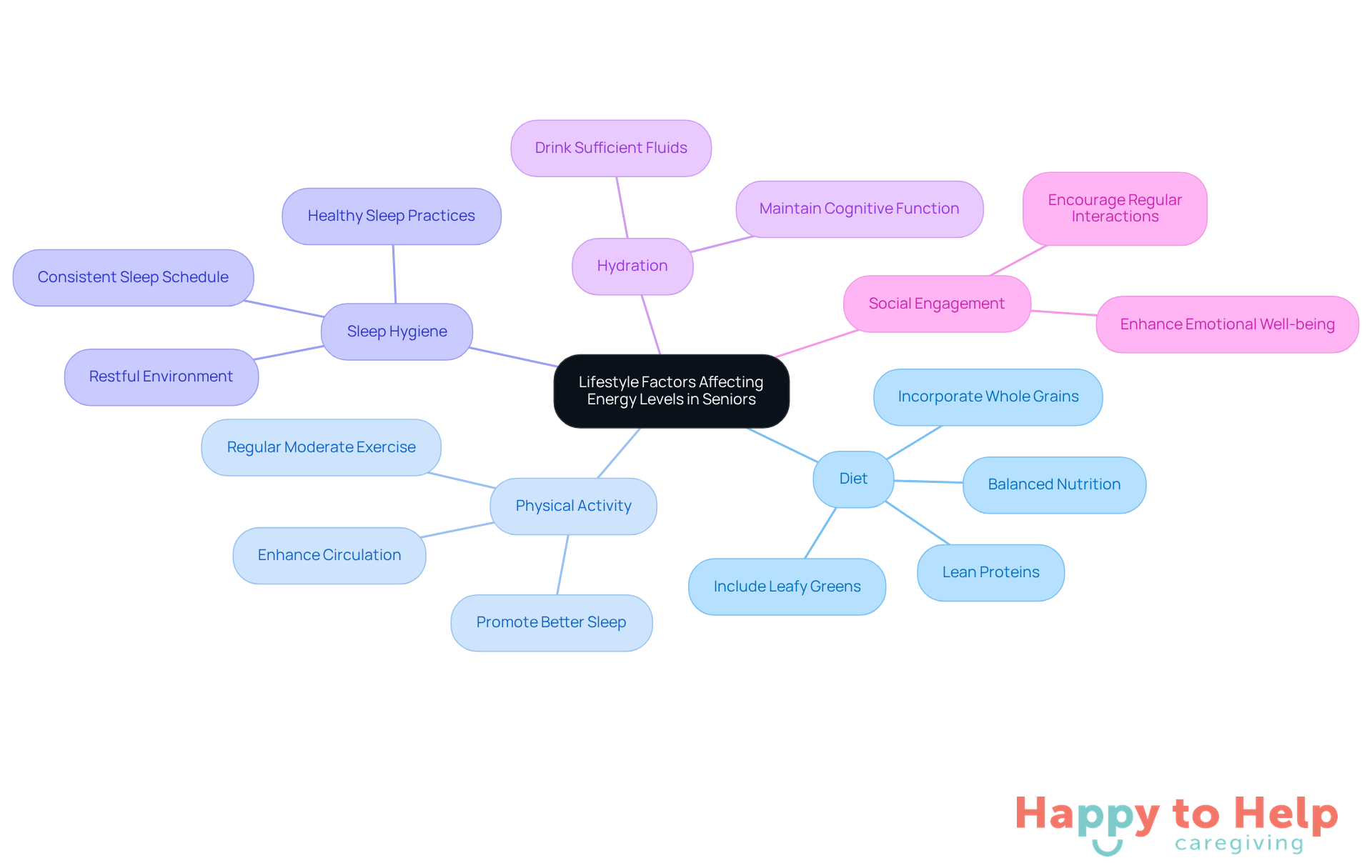
Many seniors struggle with low energy, and understanding what causes fatigue in seniors can include factors like poor diet, lack of physical activity, inadequate sleep, dehydration, and social isolation. For instance, research indicates that about 42.6% of seniors experience tiredness, highlighting the importance of addressing these issues. Poor nutrition, particularly deficiencies in vitamins like B12 and minerals such as iron, can contribute to what causes fatigue in seniors. Additionally, social isolation can further drain energy levels, making it crucial to understand what causes fatigue in seniors.
Solution: Here are some actionable solutions to help seniors manage their energy levels:
-
Diet: A balanced diet rich in essential nutrients is vital. Nutritionists recommend including leafy greens, whole grains, and lean proteins to enhance vitality and overall health.
-
Physical Activity: Regular, moderate exercise is linked to improved energy levels. Staying active can reduce feelings of tiredness by enhancing circulation and promoting better sleep.
-
Sleep Hygiene: Establishing a consistent sleep schedule and creating a restful environment can significantly improve sleep quality. Prioritizing healthy sleep practices is essential for combating tiredness.
-
Hydration: Dehydration is often overlooked but can lead to reduced vitality. Older adults should aim to drink sufficient fluids throughout the day to maintain energy levels and cognitive function.
-
Social Engagement: Encouraging regular social interactions can enhance emotional well-being and boost energy. Positive social experiences invigorate and motivate individuals.
Before making any substantial dietary changes, seniors should consult with their healthcare providers to ensure their choices align with their health needs. By addressing these lifestyle factors, seniors can effectively manage tiredness and gain insight into what causes fatigue in seniors, thereby improving their overall quality of life.
Explore Emotional and Psychological Influences on Fatigue
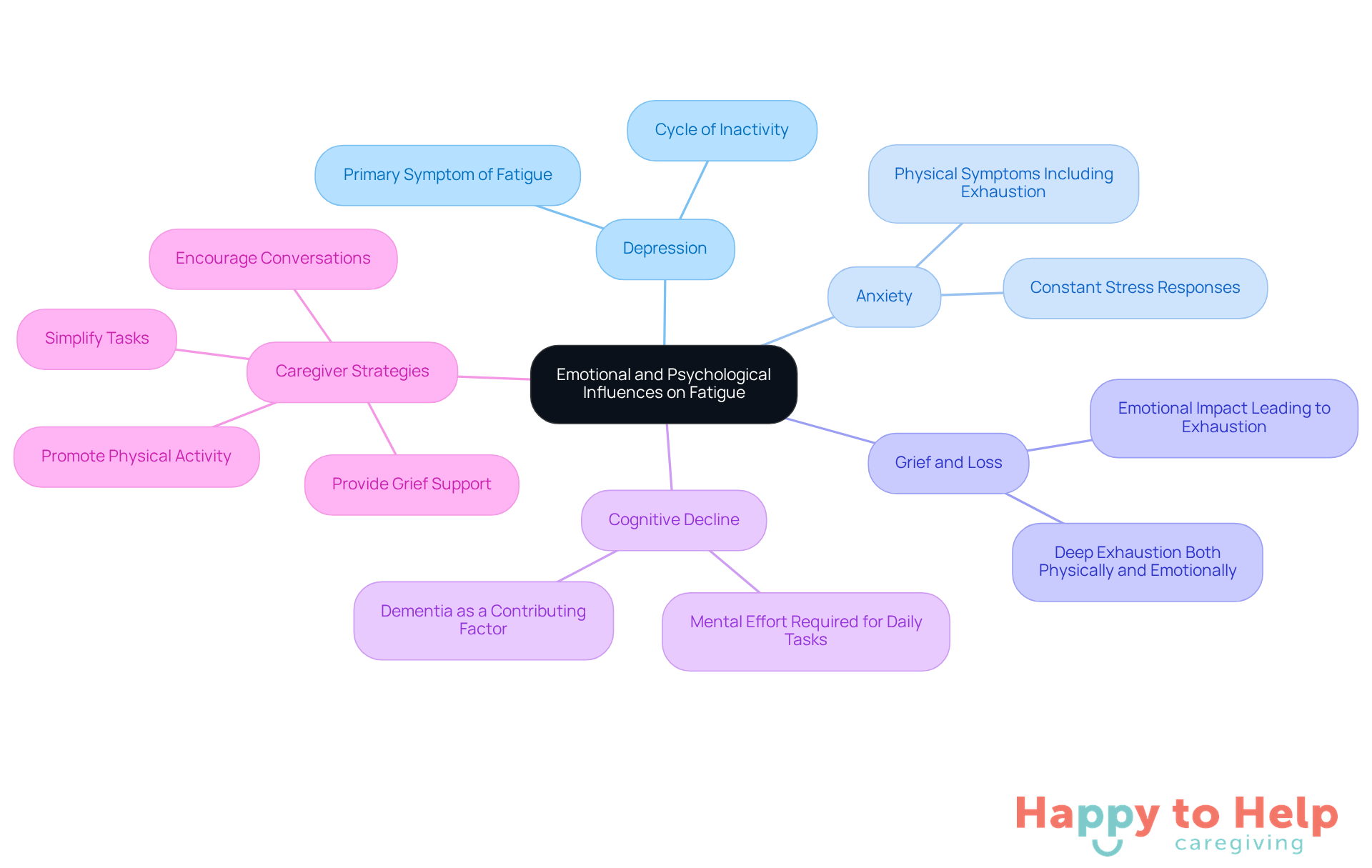
Emotional and psychological factors can significantly affect what causes fatigue in seniors, which presents a challenge for caregivers. Depression often manifests with fatigue as a primary symptom, highlighting what causes fatigue in seniors and leading to a cycle of inactivity and worsening mood. Anxiety, on the other hand, can result in physical symptoms, including exhaustion, due to constant stress responses. Additionally, understanding what causes fatigue in seniors can include the emotional impact of grief and loss, leading to deep exhaustion both physically and emotionally. Lastly, cognitive decline, such as dementia, is an example of what causes fatigue in seniors due to the mental effort required to navigate daily tasks.
Addressing these emotional and psychological factors is crucial for effective exhaustion management. Caregivers can implement several strategies:
- Encourage open conversations about feelings to help alleviate depression and anxiety.
- Promote physical activity, which can improve mood and reduce fatigue.
- Provide support during times of grief, allowing for emotional processing.
- Simplify daily tasks for those experiencing cognitive decline, reducing mental strain.
By recognizing and addressing these factors, caregivers can help older adults manage tiredness more effectively.
Implement Strategies to Manage Fatigue
Caregivers often face a significant challenge in managing what causes fatigue in seniors. Understanding what causes fatigue in seniors is essential, as it can stem from various underlying health issues, poor nutrition, lack of exercise, and inadequate sleep, all of which can severely impact their quality of life. Addressing these factors is crucial for enhancing their overall well-being.
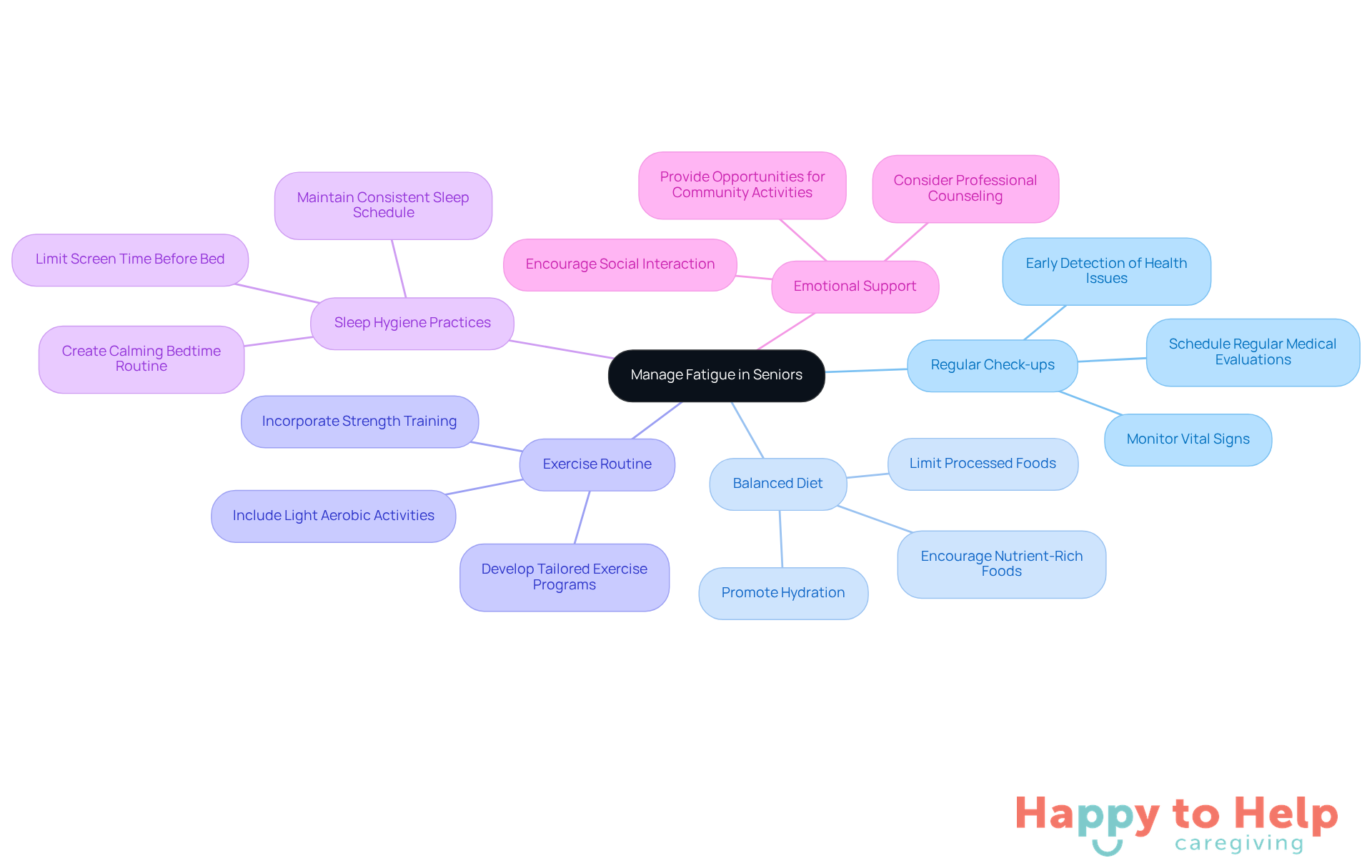
To combat this issue, consider implementing the following strategies:
- Regular Check-ups: Schedule regular medical evaluations to identify and address any underlying health issues.
- Balanced Diet: Encourage a diet rich in fruits, vegetables, whole grains, and lean proteins to support energy levels.
- Exercise Routine: Develop a tailored exercise program that includes light aerobic activities and strength training to enhance physical stamina.
- Sleep Hygiene Practices: Promote good sleep habits, such as maintaining a consistent sleep schedule and creating a calming bedtime routine.
- Emotional Support: Provide opportunities for social interaction and emotional support, whether through family engagement or community activities. Consider professional counseling if needed.
By implementing these strategies, caregivers can help older adults identify what causes fatigue in seniors and manage it effectively, leading to improved health and a better quality of life.
Your Path Forward
Understanding the causes of fatigue in seniors is vital for improving their quality of life. This persistent sense of tiredness can stem from various medical, lifestyle, and emotional factors, necessitating a comprehensive approach to management. Fatigue is not merely a consequence of aging; it often links to underlying health issues. Caregivers must recognize this to take proactive steps that enhance the well-being of older adults.
Several key contributors to fatigue include medical conditions like anemia and thyroid disorders, lifestyle factors such as poor nutrition and lack of exercise, and emotional influences like depression and anxiety. Each area requires attention and tailored strategies to help seniors regain their energy and vitality. Here are some actionable solutions:
- Implement regular check-ups to monitor health conditions.
- Promote a balanced diet rich in essential nutrients.
- Encourage physical activity to boost energy levels.
- Provide emotional support to address mental health concerns.
Ultimately, addressing fatigue in seniors is not just about managing symptoms; it’s about fostering a holistic approach to their health. By prioritizing their physical, emotional, and social needs, caregivers can empower older adults to lead more active and fulfilling lives. Taking action on these insights will enhance energy levels and contribute to a greater sense of well-being and happiness in this vital stage of life.
https://iframe.tely.ai/cta/eyJhcnRpY2xlX2lkIjogIjY5MjY0MzYzMTRjODUwNzI1NGI4N2FhYyIsICJjb21wYW55X2lkIjogIjY4ZWU1ZGNhNzMxNzYyNTU3ZjNjOTVjMSIsICJpbmRleCI6IG51bGwsICJ0eXBlIjogImFydGljbGUifQ==Frequently Asked Questions
What is fatigue in older adults?
Fatigue in older adults is characterized by a persistent sense of tiredness or lack of energy that continues despite adequate rest. It can severely hinder daily activities and diminish overall quality of life, often coexisting with symptoms like weakness, sleep disturbances, and cognitive difficulties.
How common is fatigue among older adults?
Research shows that between 40% and 74% of older adults experience tiredness, highlighting it as a significant health concern that requires attention and management.
What are some causes of fatigue in seniors?
Fatigue in seniors can be caused by several medical conditions, including anemia, thyroid disorders, chronic diseases (such as diabetes, heart disease, and COPD), sleep disorders (like sleep apnea), and certain medications.
How does anemia contribute to fatigue in older adults?
Anemia, characterized by a deficiency in red blood cells, leads to reduced oxygen delivery to tissues, resulting in ongoing fatigue. Approximately 14% of seniors experience anemia, which can exacerbate feelings of sluggishness.
What role do thyroid disorders play in fatigue?
Both hypothyroidism and hyperthyroidism can disrupt energy levels in seniors. Hypothyroidism is common and often causes tiredness, weight gain, and depression, while hyperthyroidism may lead to increased activity but still result in fatigue due to overactivity.
How can sleep disorders affect fatigue in older adults?
Sleep disorders, such as sleep apnea, can significantly hinder restorative sleep, leading to considerable daytime fatigue. These issues are prevalent among older adults and create a cycle of tiredness that diminishes quality of life.
What strategies can caregivers implement to support fatigued older adults?
Caregivers can encourage regular physical activity, promote good sleep hygiene, and monitor/manage chronic conditions that may contribute to feelings of exhaustion to effectively support older adults.
Why is it important for caregivers to understand the causes of fatigue in seniors?
Understanding the causes of fatigue is crucial for caregivers as it enables them to address root issues, enhancing the well-being and quality of life for older adults. Regular evaluations with healthcare professionals can help mitigate fatigue-related effects.
List of Sources
- Define Fatigue in Older Adults
- Treating Fatigue is Key to Maximizing Health as You Age (https://kansashealthsystem.com/news-room/blog/2023/09/treating-fatigue-is-key-to-maximizing-health-as-you-age)
- Fatigue is common among older adults, and it has many possible causes (https://news-medical.net/news/20230404/Fatigue-is-common-among-older-adults-and-it-has-many-possible-causes.aspx)
- Prevalence of fatigue and perceived fatigability in older adults: a systematic review and meta-analysis - Scientific Reports (https://nature.com/articles/s41598-025-88961-x)
- News: Fatigue is common among older people.... (The Washington Post) - Behind the headlines - NLM (https://ncbi.nlm.nih.gov/search/research-news/18600)
- Experiencing a Higher Level of Fatigue May Predict Death in Older Adults (https://everydayhealth.com/senior-health/experiencing-a-higher-level-of-fatigue-may-predict-death-in-older-adults)
- Identify Medical Conditions Contributing to Fatigue
- Why do older adults feel tired? (https://healthline.com/health/medicare/what-causes-sudden-extreme-fatigue-in-elderly)
- Feeling tired in older age (https://medicalnewstoday.com/articles/what-causes-sudden-extreme-fatigue-in-elderly)
- Prevalence of fatigue and perceived fatigability in older adults: a systematic review and meta-analysis - Scientific Reports (https://nature.com/articles/s41598-025-88961-x)
- Low-dose aspirin may increase risk of anemia in older adults (https://nih.gov/news-events/news-releases/low-dose-aspirin-may-increase-risk-anemia-older-adults)
- Examine Lifestyle Factors Affecting Energy Levels
- The Importance of Balanced Nutrition as You Age (https://bucknercalderwoods.org/news-blog/the-importance-of-balanced-nutrition-as-you-age)
- Diet Quality and Health in Older Americans - PMC (https://pmc.ncbi.nlm.nih.gov/articles/PMC8955752)
- Prevalence of fatigue and perceived fatigability in older adults: a systematic review and meta-analysis - Scientific Reports (https://nature.com/articles/s41598-025-88961-x)
- The changing nutritional needs of older adults and how to meet them (https://heart.org/en/news/2024/12/18/the-changing-nutritional-needs-of-older-adults-and-how-to-meet-them)
- Optimal dietary patterns for healthy aging - Nature Medicine (https://nature.com/articles/s41591-025-03570-5)
- Explore Emotional and Psychological Influences on Fatigue
- Fatigue is common among older adults, and it has many possible causes (https://news-medical.net/news/20230404/Fatigue-is-common-among-older-adults-and-it-has-many-possible-causes.aspx)
- Prevalence of fatigue and perceived fatigability in older adults: a systematic review and meta-analysis - Scientific Reports (https://nature.com/articles/s41598-025-88961-x)
- Mental health of older adults (https://who.int/news-room/fact-sheets/detail/mental-health-of-older-adults)
- 101 Inspiring Mental Health Quotes - Mental Health Match (https://mentalhealthmatch.com/articles/inspiring-mental-health-quotes)
- Implement Strategies to Manage Fatigue
- Treating Fatigue is Key to Maximizing Health as You Age (https://kansashealthsystem.com/news-room/blog/2023/09/treating-fatigue-is-key-to-maximizing-health-as-you-age)
- Prevalence of fatigue and perceived fatigability in older adults: a systematic review and meta-analysis - Scientific Reports (https://nature.com/articles/s41598-025-88961-x)
- The Importance of Regular Check-ups: | SJPP (https://sjpp.org/news/the-importance-of-regular-check-ups)
- Why Regular Health Checkups Are Key to Senior Safety - WelbeHealth (https://welbehealth.com/regular-health-checkups-for-senior-safety)