

For families in our service areas
For families in our service areas, this guide explains caregiving and how non-medical in-home caregiving can support care planning in East Idaho, Treasure Valley & Magic Valley, Northern Wasatch, North Central West Virginia, and Northeast Ohio.
What to Expect
Caring for the elderly comes with its own set of challenges, and one significant concern is electrolyte imbalance. This issue can deeply affect health, often stemming from dehydration, medication effects, chronic illnesses, or dietary deficiencies. As caregivers, it’s essential to recognize the emotional weight of these challenges, as they can lead to feelings of stress and burnout.
Understanding the symptoms of electrolyte imbalance is crucial. By employing proper diagnostic procedures and exploring treatment options, we can effectively manage these imbalances. This not only helps in improving the health of elderly individuals but also enhances their quality of life.
Imagine the relief of knowing that with the right support, caregivers can navigate these complexities. It’s about providing compassionate care and ensuring that our loved ones receive the attention they deserve. Remember, you’re not alone in this journey. Together, we can make a difference.
What You Need to Know About Insights on Electrolyte Imbalance in
Electrolyte imbalances can be a serious concern for our elderly loved ones, often leading to complications that threaten their well-being. As caregivers, we know how essential minerals like sodium, potassium, and calcium are for maintaining health. Understanding these imbalances is not just important; it’s vital for ensuring the best care possible.
But here’s the challenge: how can we, as caregivers, effectively spot and manage these imbalances? It’s a question that weighs heavily on our hearts. This article aims to provide key insights into electrolyte imbalances in elderly care, offering guidance that can help us navigate these challenges with confidence and compassion.
Together, we can explore the nuances of these imbalances and find ways to support our loved ones in achieving optimal health outcomes. Remember, you’re not alone in this journey; there are resources and strategies available to help you every step of the way.
Define Electrolyte Imbalance and Its Importance in Elderly Care
Electrolyte imbalance in elderly individuals can be a significant concern. When essential electrolytes—like sodium, potassium, calcium, and magnesium—are too high or too low, it can lead to serious health issues. These minerals are crucial for many bodily functions, including nerve signaling, muscle contraction, and hydration. For seniors, maintaining a proper mineral balance is particularly important to avoid electrolyte imbalance in elderly individuals, which can be caused by factors like reduced kidney function, the impact of medications, and dietary restrictions.
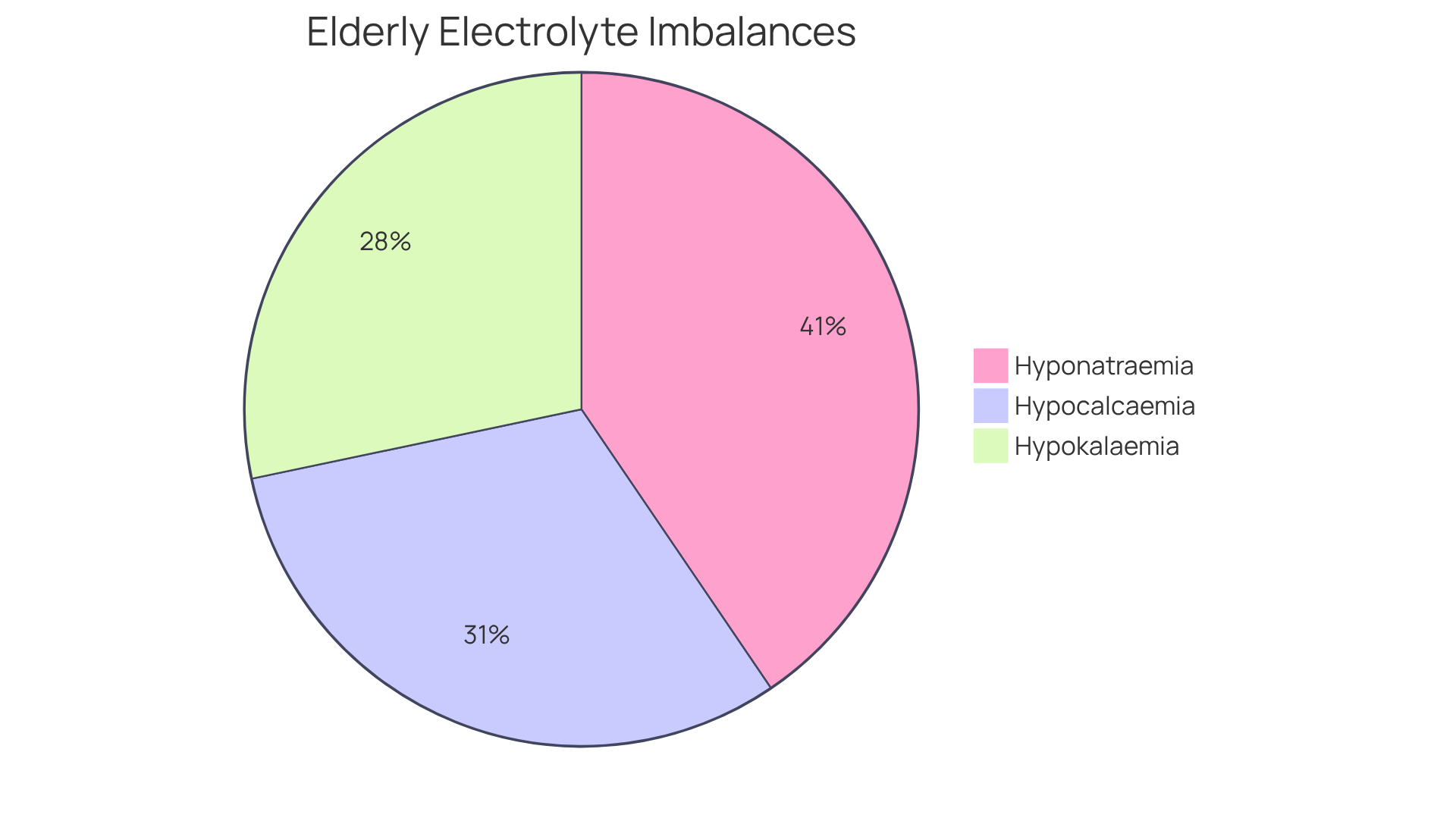
It's alarming to note that around 30% of senior patients admitted to hospitals with infections exhibit signs of electrolyte imbalance in elderly. This statistic underscores how prevalent this issue is in clinical settings. Common imbalances that contribute to electrolyte imbalance in elderly include hyponatraemia, which affects 40.5% of cases, hypocalcaemia impacting 31.2% of elderly patients, and significant instances of hypokalaemia. The electrolyte imbalance in elderly can lead to severe complications, such as confusion, muscle weakness, and heart problems, which are particularly concerning for this vulnerable group.
Case studies reveal that imbalances in bodily salts often correlate with negative clinical outcomes, including longer hospital stays and increased mortality rates. For instance, one study found that 7% of senior patients with infections did not survive their hospital stay. This highlights the critical need for careful monitoring and management of mineral levels to avoid electrolyte imbalance in elderly.
As caregivers, it's essential to recognize the signs of electrolyte disruption and understand the potential effects on the health of your loved ones. By acknowledging the importance of these minerals, you can better oversee their health and take proactive steps to prevent serious issues related to deficiencies. This proactive approach not only enhances the quality of care but also supports the overall well-being of seniors, fostering a nurturing environment where they can thrive.
Identify Common Causes of Electrolyte Imbalance in the Elderly
As caregivers, it's important to recognize the common causes of electrolyte imbalance in elderly individuals, as these can significantly impact their well-being.
-
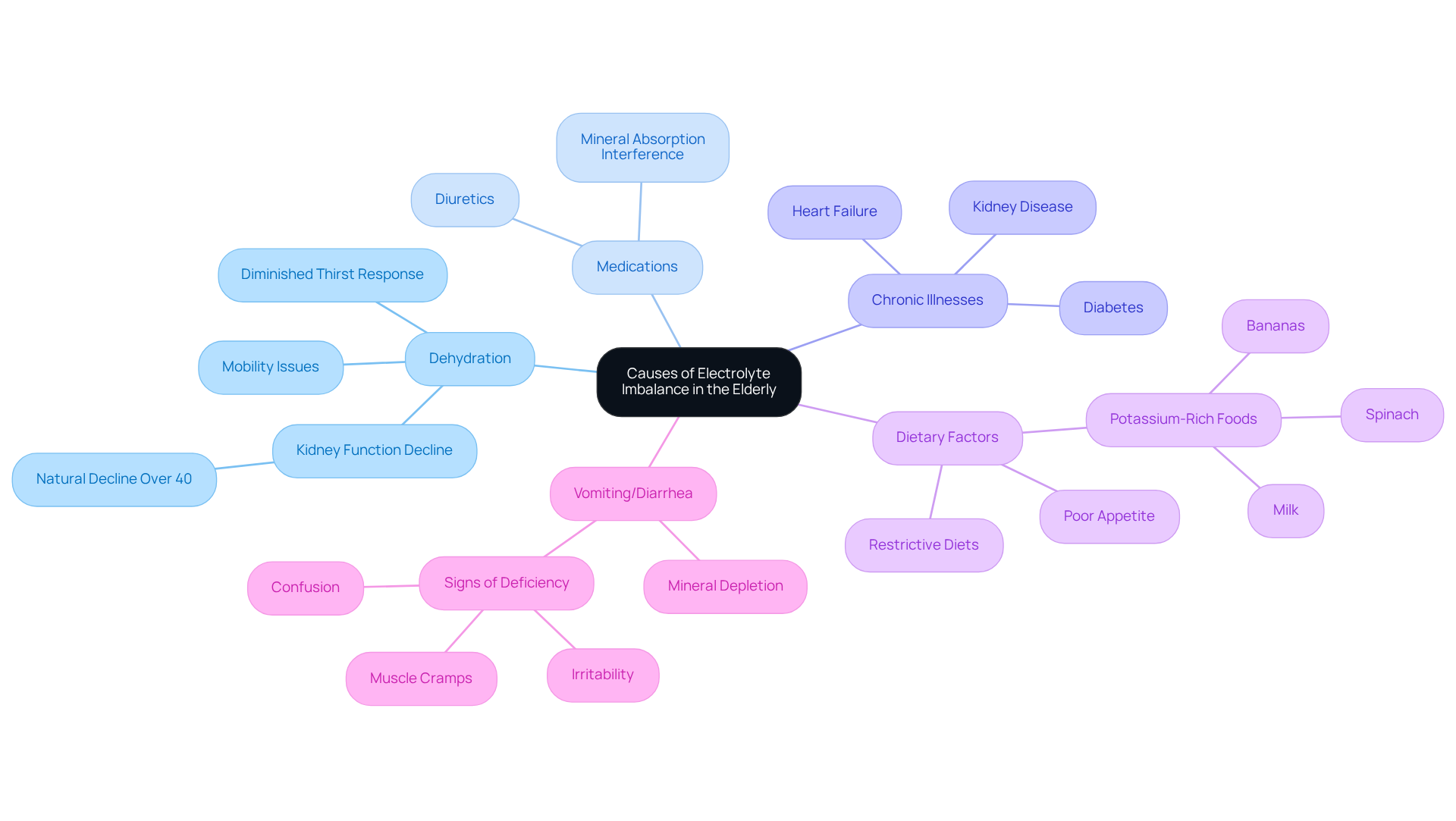
Dehydration is a major concern. Many seniors struggle to drink enough fluids, whether due to mobility issues or a diminished thirst response. This can lead to dehydration and imbalances. Did you know that about two-thirds of individuals over 40 experience a natural decline in kidney function? This makes them even more vulnerable to dehydration and can lead to an electrolyte imbalance in elderly.
-
Medications also play a role. Certain drugs, like diuretics, can cause the body to lose essential minerals, while others might interfere with how minerals are absorbed. This can complicate the balance of vital nutrients, adding to the stress caregivers already face.
-
Chronic illnesses such as kidney disease, heart failure, and diabetes can disturb mineral levels. It’s crucial for caregivers to keep a close eye on their clients, as these conditions can make managing electrolyte imbalance in elderly individuals even more challenging.
-
Dietary factors are another piece of the puzzle. A poor appetite or restrictive diets can lead to inadequate intake of essential nutrients. Foods rich in potassium, calcium, and magnesium—like bananas, spinach, and milk—are especially important for older adults to help maintain appropriate mineral levels.
-
Lastly, vomiting or diarrhea can quickly cause an electrolyte imbalance in elderly by depleting essential minerals. This is particularly concerning for older individuals who may already be at risk. Signs of mineral deficiency can include confusion, irritability, and muscle cramps. Caregivers should be vigilant and watch for these symptoms.
As Pete Imbesi wisely notes, "natural byproducts of aging or stressful situations such as prolonged dehydration can result in a disruption of minerals in older adults." Understanding these causes is vital for caregivers. By being aware and proactive, they can effectively manage and prevent mineral deficiencies, ensuring the health and happiness of their senior clients.
Recognize Symptoms of Electrolyte Imbalance in Seniors
Recognizing signs of electrolyte imbalance in elderly individuals is crucial, as these can manifest in various ways depending on the specific electrolyte involved. Here are some key indicators to watch for:
-
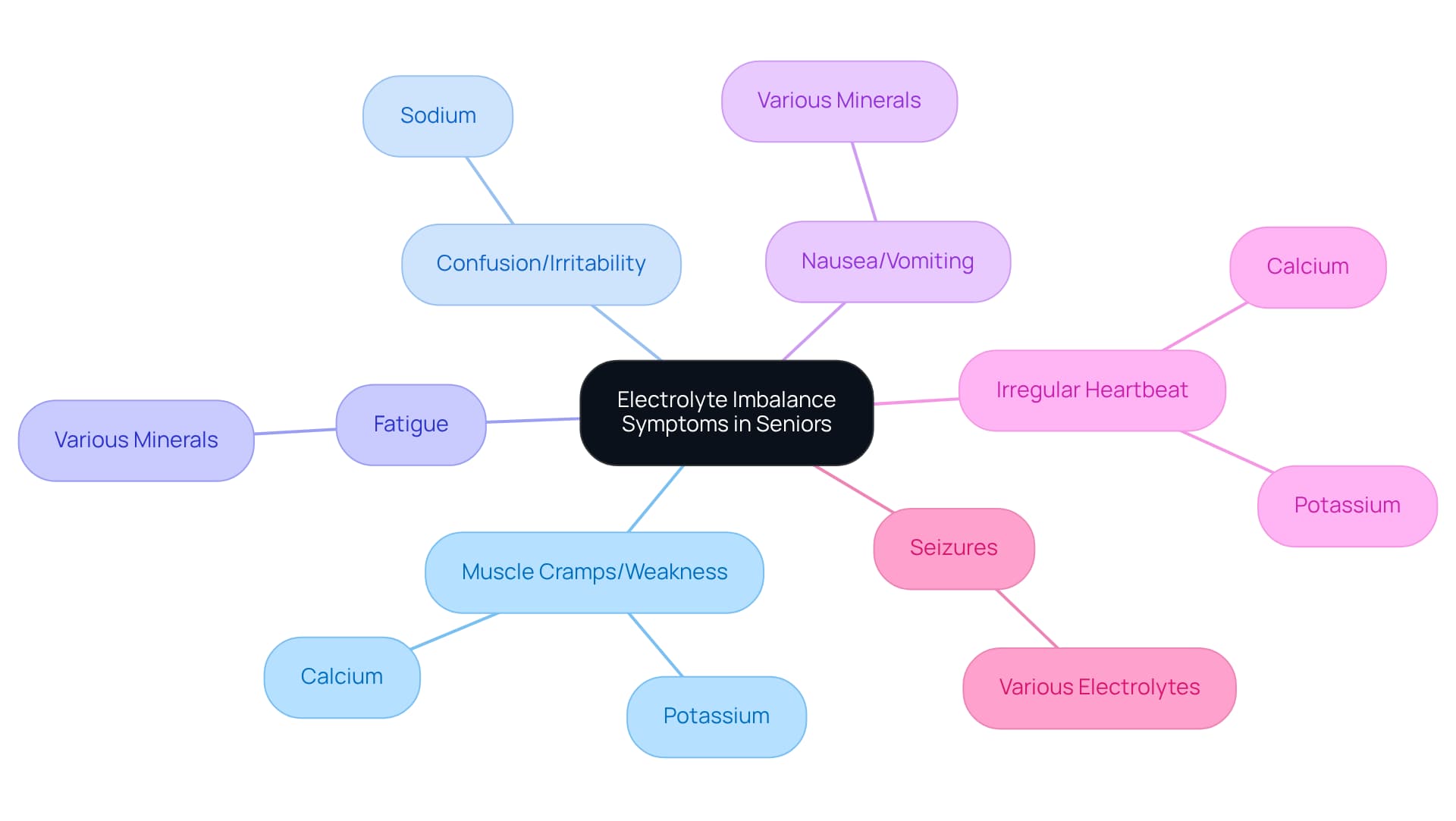
Muscle cramps or weakness: These can often signal low potassium or calcium levels. It's concerning to note that studies show muscle cramps affect about 30% of seniors. If you notice this, it’s worth discussing with a healthcare provider.
-
Confusion or irritability: Changes in mental status may indicate sodium discrepancies. This is particularly worrying for elderly patients, as confusion is one of the most common symptoms of electrolyte imbalance in elderly. It’s important to approach these changes with care and understanding.
-
Fatigue: General tiredness can stem from imbalances in various minerals, impacting daily activities and overall quality of life. If fatigue seems persistent, it’s a good idea to seek advice about the possibility of an electrolyte imbalance in elderly individuals.
-
Nausea or vomiting: These symptoms can arise from different mineral imbalances, underscoring the necessity for careful monitoring of electrolyte imbalance in elderly individuals experiencing gastrointestinal issues. Keeping an eye on these signs can help in early intervention.
-
Irregular heartbeat: This serious symptom, often linked to potassium or calcium deficiencies, requires immediate medical attention. It’s essential to act quickly, as it can lead to severe complications.
-
Seizures: Significant disturbances in body fluids can lead to neurological symptoms, including seizures. This situation demands immediate attention to prevent further deterioration of well-being.
Identifying these signs early is vital for prompt intervention and management. By recognizing these symptoms, caregivers can ensure that seniors receive the appropriate care they need to maintain their well-being and quality of life. Remember, you’re not alone in this journey; support is available to help navigate these challenges.
Understand Diagnostic Procedures for Electrolyte Imbalance
When it comes to diagnosing electrolyte imbalance in elderly individuals, it’s essential to approach the process with care and understanding. These imbalances, particularly electrolyte imbalance in elderly individuals, can be concerning, and recognizing them early can make a significant difference in the well-being of our loved ones.
-
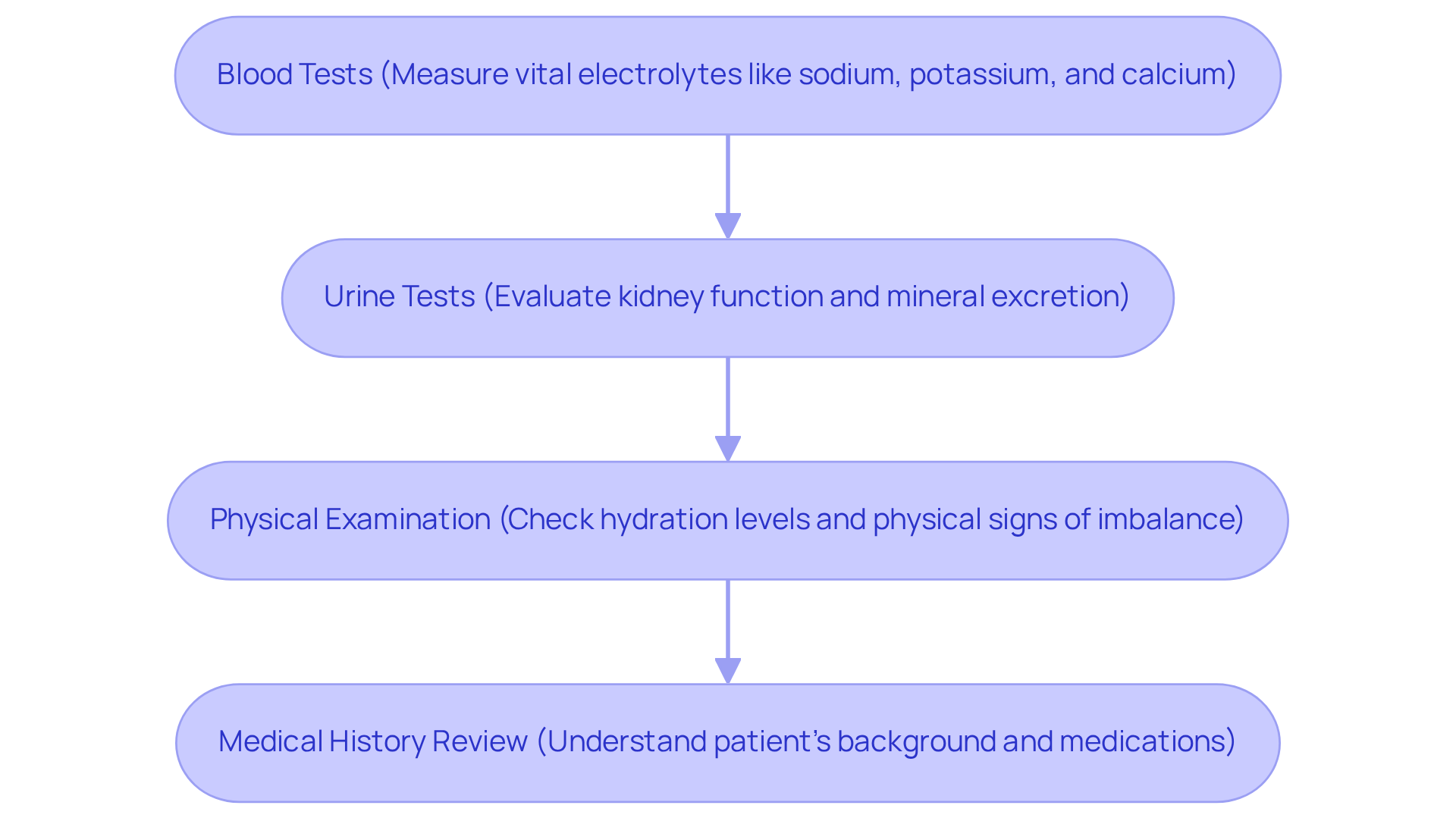
Blood Tests are often the first step. A comprehensive metabolic panel (CMP) is commonly used to measure vital electrolytes like sodium, potassium, and calcium in the blood. These tests are crucial for spotting imbalances that could lead to serious health issues. As the NHS notes, "A blood test is a very common test. It’s a quick and simple test done in your GP surgery or local hospital." Knowing that this process is straightforward can ease some worries.
-
Urine Tests follow, evaluating kidney function and how well the kidneys are excreting minerals. These tests provide valuable insights into how the body is managing electrolytes and hydration, which is crucial for understanding electrolyte imbalance in elderly individuals.
-
A Physical Examination is also part of the assessment. Healthcare providers often check hydration levels and look for physical signs of imbalance, such as muscle weakness, fatigue, or confusion. These symptoms can be common in the elderly and recognizing them early may help identify an electrolyte imbalance in elderly, leading to timely interventions.
-
Additionally, a Medical History Review is vital. Understanding a patient’s medical background, including current medications and past conditions, helps ensure an accurate diagnosis. Some medications, like diuretics, can significantly impact mineral levels, making this step essential for grasping the patient’s overall health.
These diagnostic methods are not just procedures; they are lifelines for older adults, ensuring they receive the appropriate treatment and management for mineral disruptions. Such an electrolyte imbalance in elderly individuals can greatly affect their quality of life. Statistics show that mineral deficiencies are prevalent among older adults, which can lead to electrolyte imbalance in elderly, highlighting the importance of regular monitoring and evaluation.
By staying vigilant and proactive, we can help our loved ones navigate these challenges with compassion and care.
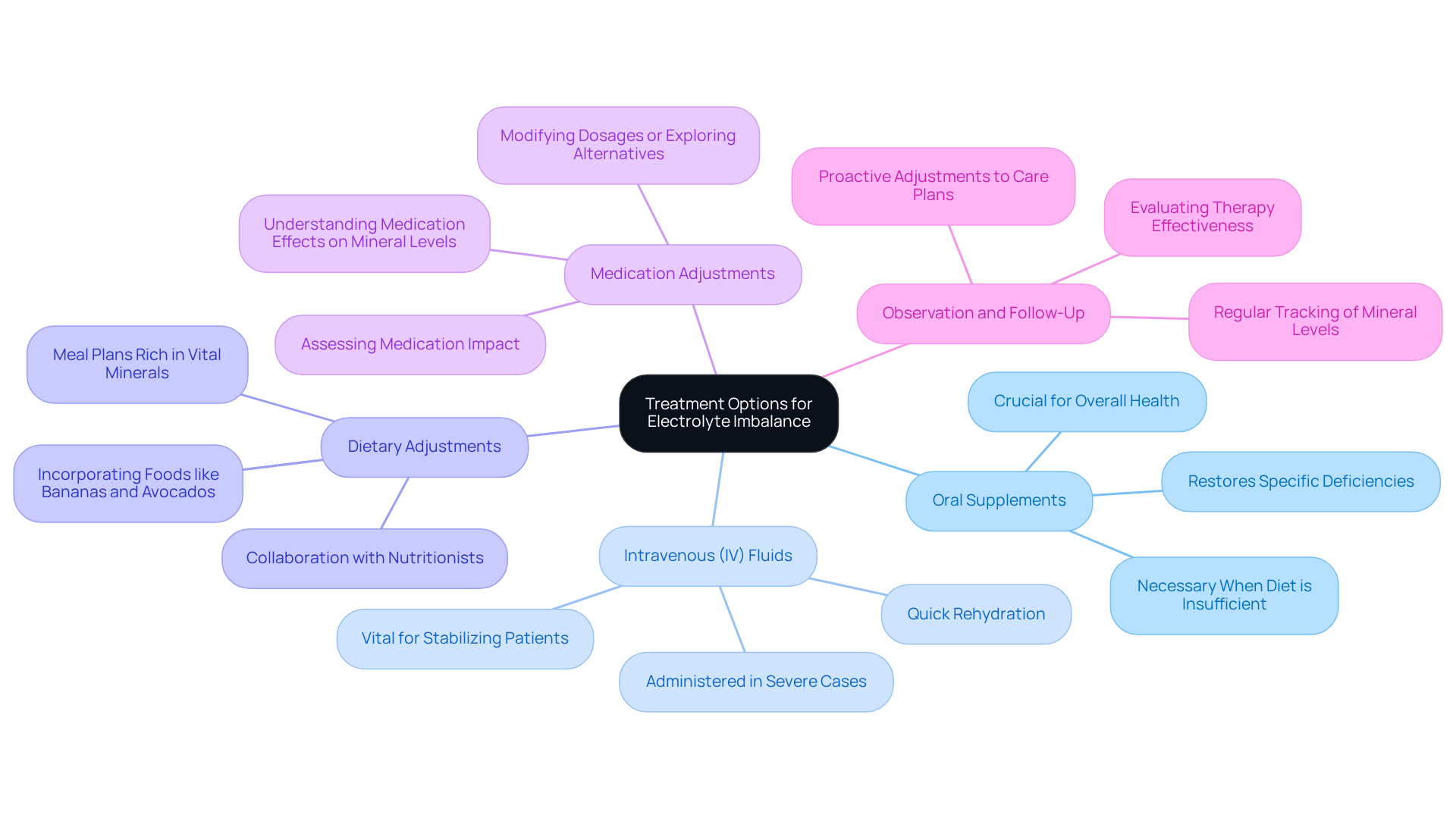
Explore Treatment Options for Electrolyte Imbalance in Elderly Patients
Caring for elderly patients with an electrolyte imbalance can be a daunting task for caregivers. It’s essential to recognize the emotional toll this responsibility can take. Fortunately, there are effective treatment options that can help ease this burden and improve the well-being of those you care for.
-
Oral Supplements can be a lifeline. Tailored to restore specific deficiencies like potassium or magnesium, these supplements are crucial for maintaining overall health. Many seniors struggle to get enough minerals through diet alone, and that’s where these supplements come in. While health experts recommend obtaining essential minerals from a nutritious, diverse diet, sometimes supplements are necessary to fill the gaps.
-
In more severe cases, Intravenous (IV) Fluids may be required. When dehydration or significant mineral disruption occurs, healthcare professionals can administer IV fluids to ensure quick rehydration and mineral replenishment. This is vital for stabilizing patients in critical conditions, as severe imbalances can lead to life-threatening complications. Prompt intervention can make all the difference.
-
Dietary Adjustments also play a key role. Collaborating with nutritionists, caregivers can create meal plans rich in vital minerals. Foods like bananas and avocados are fantastic sources of potassium, while dairy products provide necessary calcium. Real-life examples show that incorporating these foods into daily meals can significantly enhance mineral levels in seniors. A diverse diet is essential for acquiring vital nutrients, as emphasized by health content specialists.
-
Sometimes, Medication Adjustments are necessary too. Certain medications can contribute to mineral imbalances, so healthcare providers may need to assess and modify dosages or explore alternatives. Understanding how medications affect mineral levels is crucial for effective treatment, ensuring that seniors maintain balance.
-
Lastly, Observation and Follow-Up are vital. Regularly tracking mineral levels helps evaluate the effectiveness of therapy and prevents future discrepancies. This proactive approach allows caregivers to make timely adjustments to care plans. Case studies have shown that consistent observation can lead to improved wellness outcomes for older patients.
By embracing these treatment options, caregivers can significantly impact the management of electrolyte imbalance in elderly individuals. Your role is pivotal in enhancing the health and well-being of elderly patients, and with the right support, you can navigate this journey with confidence.
Your Path Forward
Electrolyte imbalance can be a serious concern for the health and well-being of our elderly loved ones. It’s essential to understand this issue and provide the vigilant care they deserve. Keeping the right levels of vital minerals like sodium, potassium, calcium, and magnesium is crucial for helping seniors thrive. When we recognize the effects of these imbalances, we not only improve the quality of care but also significantly enhance the overall health outcomes for older adults.
In this article, we’ve shared important insights about the causes, symptoms, diagnostic procedures, and treatment options for electrolyte imbalance in elderly patients. Factors such as dehydration, medication side effects, chronic illnesses, and dietary restrictions can all lead to these imbalances. Symptoms like muscle cramps, confusion, fatigue, and irregular heartbeat are critical signs that caregivers should keep an eye on. With the right diagnostic tests and tailored treatment approaches—like oral supplements, IV fluids, and dietary adjustments—we can effectively manage these imbalances and improve the quality of life for our seniors.
Ultimately, being aware of and proactively managing electrolyte imbalances is vital in elderly care. We encourage caregivers to stay vigilant in monitoring their loved ones and to seek appropriate medical guidance when needed. By creating a supportive environment and prioritizing the health of our seniors, we can help reduce the risks associated with electrolyte disturbances and promote a healthier, more fulfilling life for them. Remember, you’re not alone in this journey; together, we can make a difference.
https://iframe.tely.ai/cta/eyJhcnRpY2xlX2lkIjogIjY5MGU4ODZjZDg0YTA5OThiNjRlNTMyNSIsICJjb21wYW55X2lkIjogIjY4ZWU1ZGNhNzMxNzYyNTU3ZjNjOTVjMSIsICJpbmRleCI6IG51bGwsICJ0eXBlIjogImFydGljbGUifQ==Frequently Asked Questions
What is electrolyte imbalance and why is it important in elderly care?
Electrolyte imbalance occurs when essential minerals like sodium, potassium, calcium, and magnesium are too high or too low, which can lead to serious health issues. It is crucial in elderly care because these minerals are vital for bodily functions, and maintaining their balance helps prevent complications such as confusion, muscle weakness, and heart problems.
What are the common causes of electrolyte imbalance in the elderly?
Common causes include dehydration, which can result from mobility issues or a reduced thirst response; medications, particularly diuretics, that can cause mineral loss; chronic illnesses like kidney disease and heart failure; dietary factors, such as poor appetite or restrictive diets; and gastrointestinal issues like vomiting or diarrhea.
How prevalent is electrolyte imbalance among elderly patients in hospitals?
Approximately 30% of senior patients admitted to hospitals with infections exhibit signs of electrolyte imbalance. Common imbalances include hyponatraemia affecting 40.5% of cases and hypocalcaemia impacting 31.2% of elderly patients.
What are the consequences of electrolyte imbalance in the elderly?
Electrolyte imbalance can lead to severe complications, including confusion, muscle weakness, heart problems, longer hospital stays, and increased mortality rates. For instance, 7% of senior patients with infections did not survive their hospital stay due to these imbalances.
What symptoms should caregivers look for to identify electrolyte imbalance in elderly individuals?
Caregivers should be vigilant for symptoms such as confusion, irritability, muscle cramps, and signs of dehydration. Recognizing these symptoms can help in managing and preventing mineral deficiencies.
How can caregivers help prevent electrolyte imbalance in elderly individuals?
Caregivers can help by ensuring adequate fluid intake, monitoring medications that may affect mineral levels, managing chronic illnesses effectively, promoting a balanced diet rich in essential nutrients, and being alert to signs of dehydration or gastrointestinal issues.