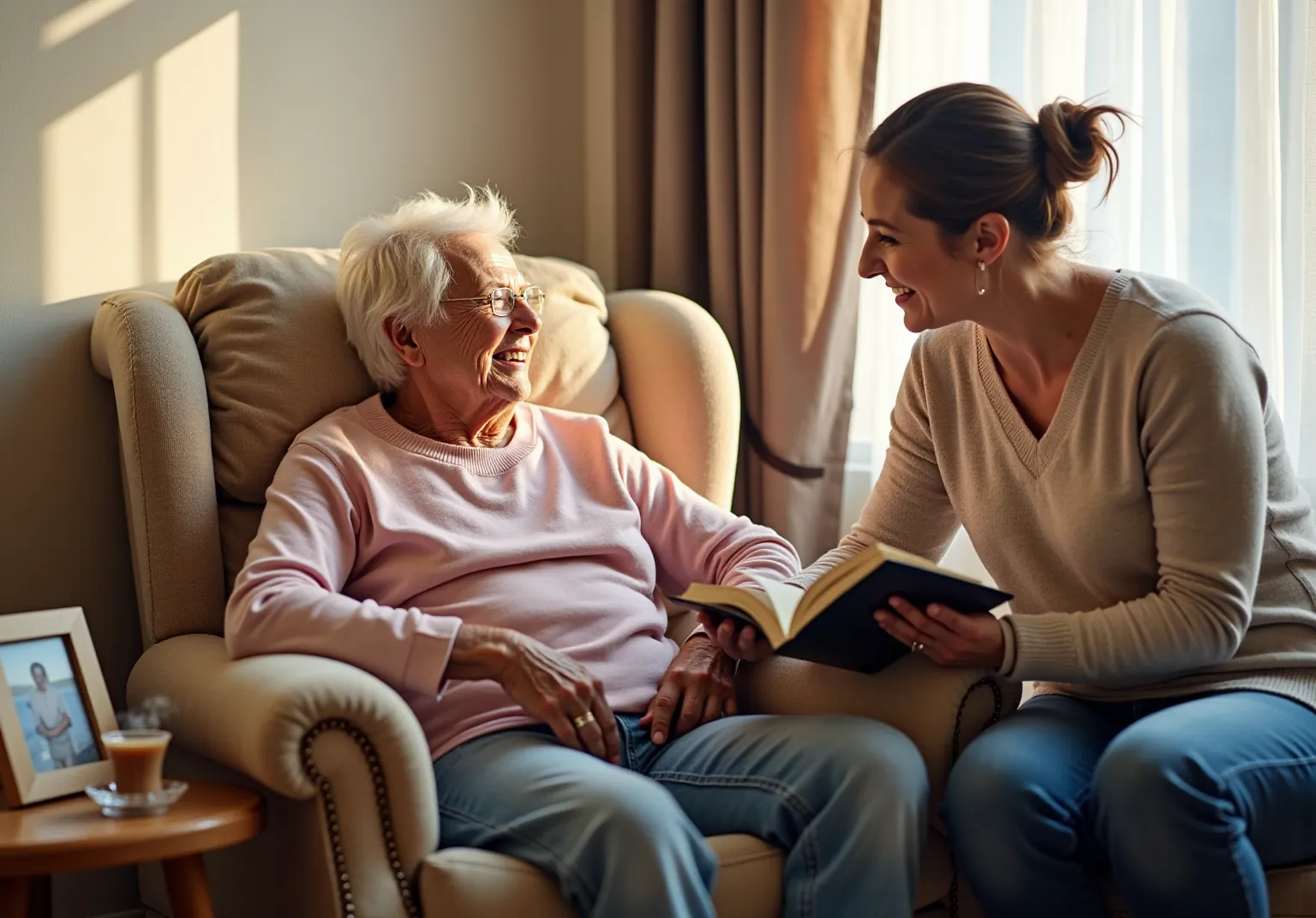
Why Effective Asistencia para Personas Matters
Understanding the unique needs of seniors is crucial in providing effective assistance at home. As the elderly population continues to grow, caregivers face emotional challenges that can lead to stress and burnout. This article explores five essential steps for delivering compassionate and personalized care. It emphasizes the importance of tailoring support to individual health, emotional, and cognitive requirements.
However, caregivers often encounter varying challenges, such as:
- Mobility issues
- Social isolation
- Complexities of communication
How can they ensure that they not only meet these needs but also foster a nurturing environment that promotes independence and well-being? By focusing on these aspects, we can create a supportive atmosphere that truly makes a difference in the lives of seniors.
Understand the Unique Needs of Seniors
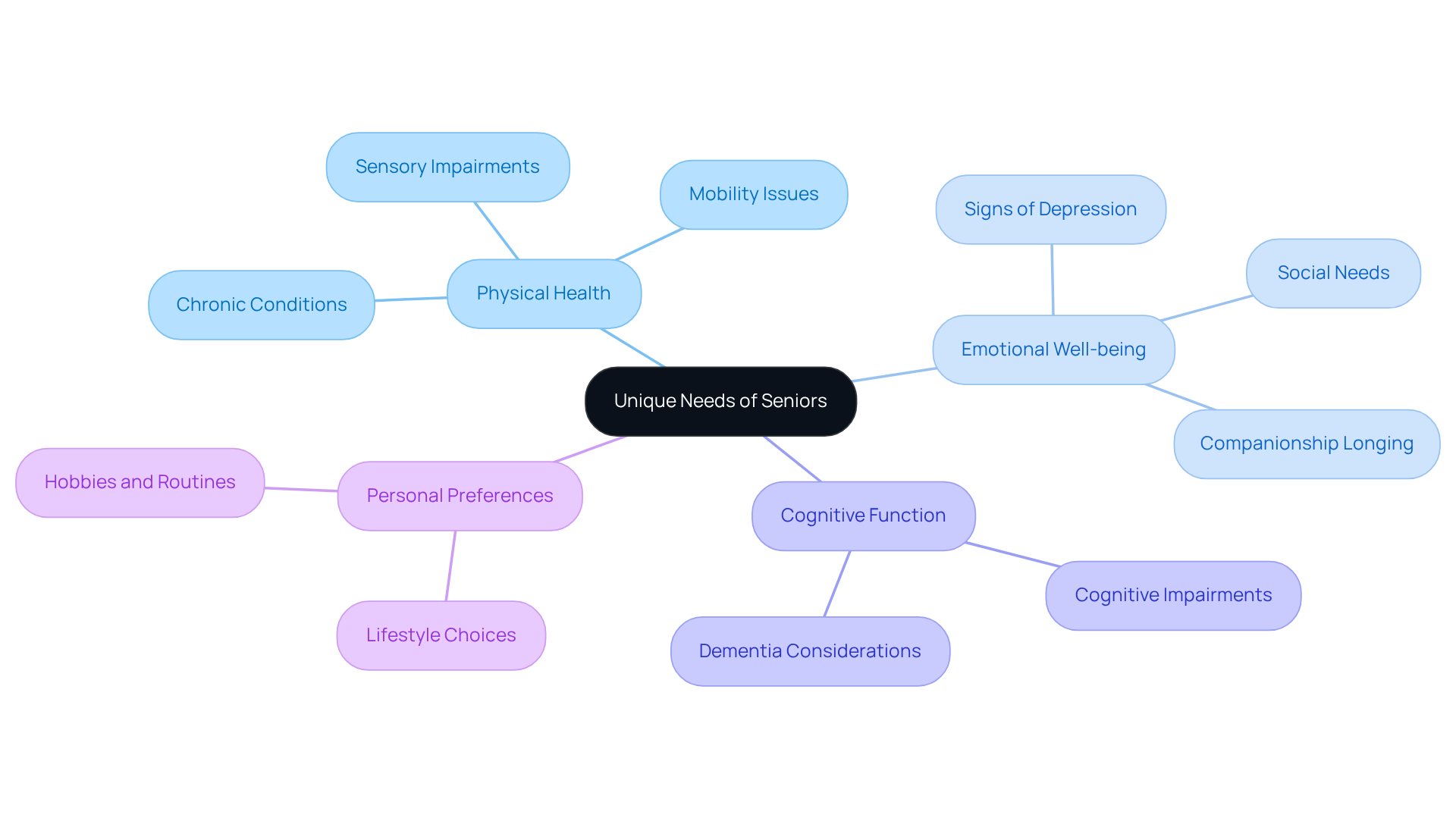
To effectively provide asistencia para personas mayores at home, it’s essential to start by understanding their unique needs. This journey begins with a compassionate assessment of several key factors:
-
Physical Health: It’s important to evaluate chronic conditions, mobility issues, and sensory impairments that may hinder daily activities. With nearly 80% of older adults living with at least one chronic condition, recognizing these health challenges is vital for providing tailored care. The CDC highlights this statistic, underscoring the importance of addressing health concerns to enhance the quality of life for older adults.
-
Emotional Well-being: We must be attentive to signs of depression or anxiety, which affect about 5% of older adults frequently. Understanding their social needs is crucial in combating feelings of loneliness, as many seniors express a longing for companionship and engagement. Geriatric specialists emphasize that nurturing social connections can significantly boost emotional well-being.
-
Cognitive Function: It’s essential to be vigilant for cognitive impairments, such as dementia, which can complicate communication and support strategies. Research indicates that cognitive decline is common among older adults, necessitating specialized methods to ensure effective interaction and support.
-
Personal Preferences: We should consider their lifestyle choices, hobbies, and routines to align support with their interests. Involving older adults in activities they cherish not only encourages independence but also enhances their overall quality of life.
Collaborating with healthcare experts for thorough evaluations can provide a deeper understanding of the requirements for asistencia para personas mayores for each elderly individual. This ensures that assistance is both effective and compassionate. By taking a holistic approach, we address not just physical health but also foster emotional and cognitive well-being, creating a nurturing environment for seniors to thrive. As the population of older individuals continues to grow, the need for effective long-term support solutions becomes increasingly vital.
Create a Personalized Care Plan
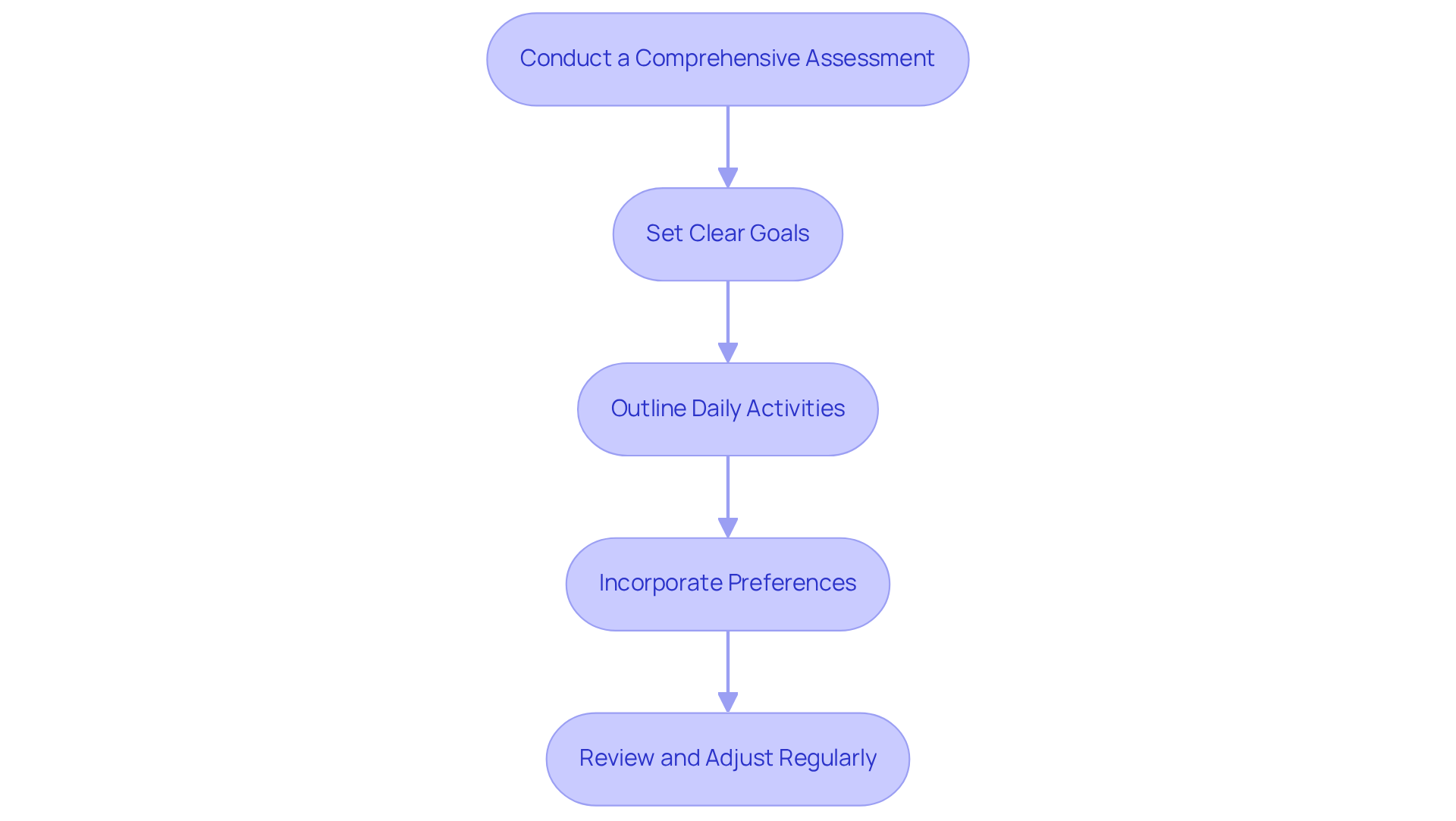
Creating a personalized care plan for asistencia para personas mayores can feel overwhelming, but it’s a vital step in ensuring our loved ones receive the support they need. Here’s how to approach it with care and compassion:
-
Conduct a Comprehensive Assessment: Start by gathering detailed information about the senior's medical history, current health status, and daily living activities. Involving healthcare professionals can provide valuable insights, ensuring a thorough understanding of the individual's needs. This step is crucial, as it lays the foundation for a tailored approach.
-
Set Clear Goals: It’s important to define the objectives of the support plan clearly. Goals might include improving mobility, enhancing social interaction, or managing medications effectively. Establishing measurable targets not only helps track progress but also allows for adjustments when necessary. Coordinators often note that specific objectives are essential for creating effective, personalized plans.
-
Outline Daily Activities: Specify the types of assistance needed, such as personal care, meal preparation, medication management, and transportation. This clarity ensures caregivers can provide the necessary asistencia para personas mayores tailored to the elderly person's lifestyle, making daily life smoother and more enjoyable.
-
Incorporating preferences in asistencia para personas mayores involves integrating the elder's preferences regarding daily routines, activities, and social interactions. This personalization fosters engagement and comfort, allowing older adults to maintain a sense of control over their lives. After all, it’s their journey, and their voice matters.
-
Review and Adjust Regularly: Schedule regular check-ins to evaluate how well the treatment plan is working. As needs evolve, adjustments may be necessary to ensure ongoing support and satisfaction. Research shows that customized treatment plans can lead to a 43% decrease in hospital visits for elderly patients, highlighting the importance of continuous assessment and adaptation.
Including the elder in the planning process not only honors their wishes but also promotes independence, which is vital for emotional well-being. This approach aligns with the current trends in senior support for 2025, focusing on personalized and adaptive strategies that enhance quality of life. Plus, leveraging technology, like mobile apps for tracking health metrics, can further bolster the effectiveness of personalized care plans.
Remember, you’re not alone in this journey. By approaching care with empathy and understanding, you can create a nurturing environment that truly supports your loved one.
Establish a Supportive Home Environment
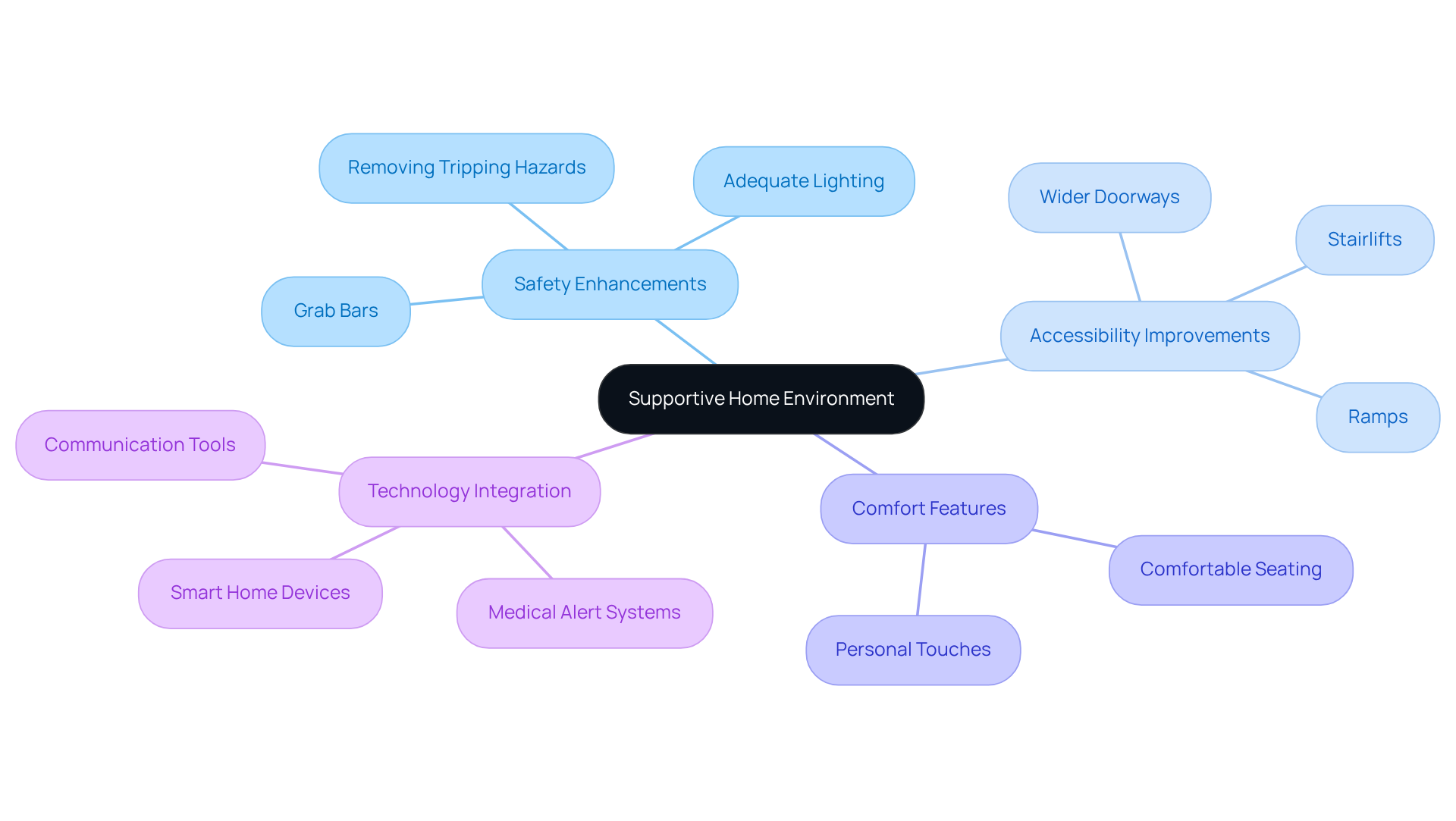
Creating a supportive home environment is essential for the well-being of older adults and can be enhanced by providing asistencia para personas mayores. Here are some thoughtful modifications to consider:
-
Safety Enhancements: Think about installing grab bars in bathrooms, ensuring there’s adequate lighting throughout the home, and removing tripping hazards like loose rugs. Did you know that one in four adults over 65 experiences a fall each year? It’s a staggering statistic, with around 3 million older adults visiting the emergency room due to fall-related injuries. These numbers really highlight how crucial safety measures are in our homes.
-
Accessibility Improvements: Take a moment to evaluate your home’s layout. Are essential areas like the kitchen, bathroom, and bedroom easily accessible? If mobility is a concern, consider adding ramps or stairlifts. In-home caregivers offer asistencia para personas mayores by being a tremendous support in helping prevent falls and ensuring that movement around the house is safe and easy.
-
Comfort Features: Let’s create cozy spaces! Comfortable seating and personal touches that reflect the individual’s personality can make a world of difference. It’s important to remember that one in three adults aged 50-80 report feeling isolated at least some of the time. This underscores the need for emotional support through asistencia para personas mayores in their living environment.
-
Technology Integration: Embrace technology! Medical alert systems, smart home devices, and communication tools can enhance safety and connectivity. It’s reassuring to know that older adults can easily reach out for help when they need it.
Regularly evaluating the home setting is key. Involve the elderly person in conversations about modifications to ensure their needs and preferences are prioritized. This collaborative approach not only enhances safety but also fosters independence and well-being.
Provide Daily Assistance and Companionship
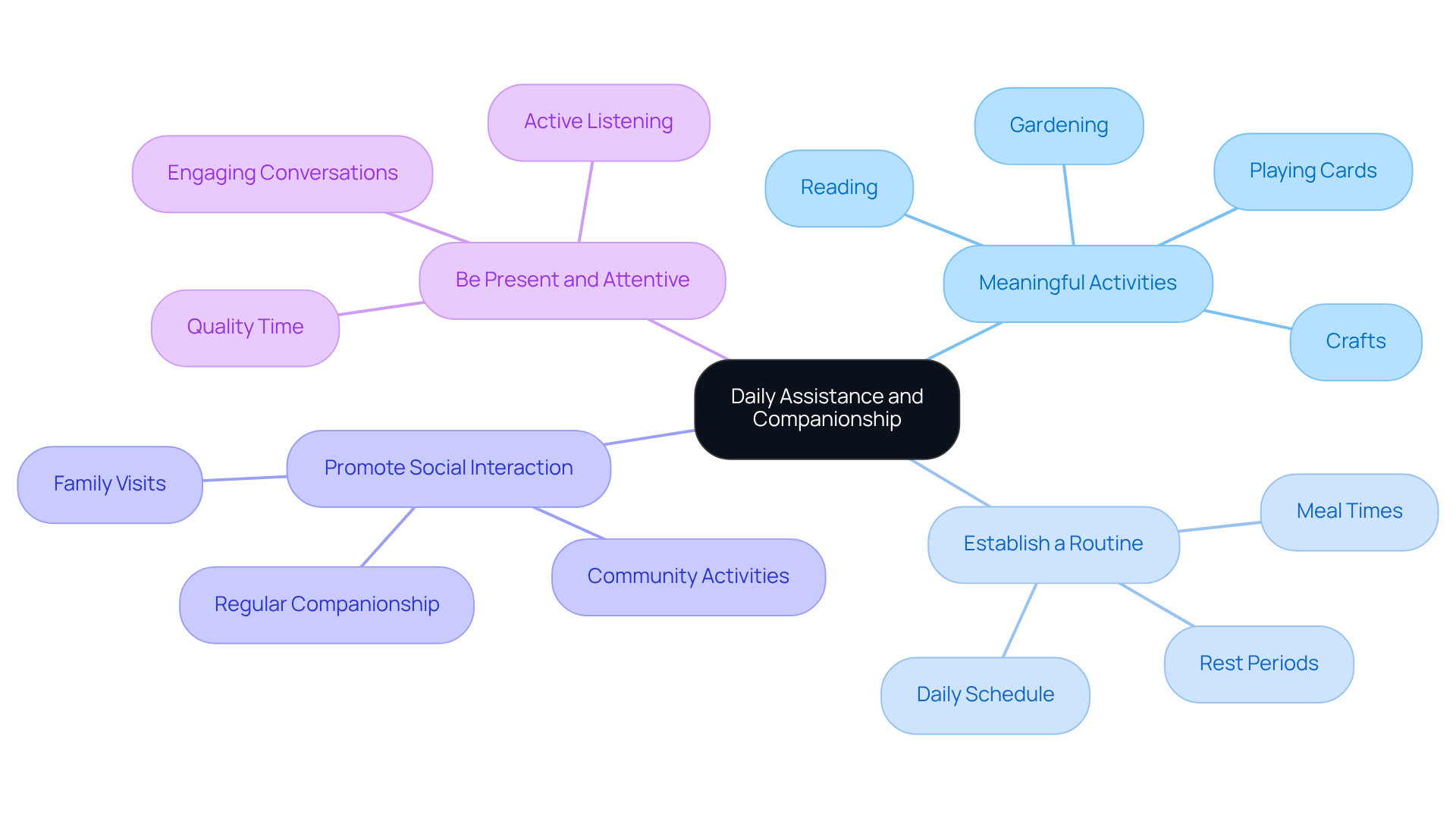
To provide effective daily assistance and companionship, caregivers can embrace several nurturing strategies:
- Engage in Meaningful Activities: Encourage seniors to dive into hobbies, games, or crafts they love, like reading, gardening, or playing cards. These activities not only spark joy but also boost cognitive function and mental well-being.
- Establish a Routine: Create a daily schedule that carves out time for meals, activities, and rest. A consistent routine offers comfort and predictability, which are vital for mental stability.
- Promote Social Interaction: Facilitate visits from family and friends or arrange community social activities to enhance social engagement. Regular social interaction is crucial; research shows that older adults with frequent visitors tend to maintain better health practices and overall well-being. In fact, 25% of older adults report feelings of isolation, and 30% lack regular companionship, underscoring the need for increased social interaction.
- Be Present and Attentive: Spend quality time with elders, actively listening and engaging in conversations to nurture connections. This attentiveness can significantly alleviate feelings of loneliness and isolation, which are common among older adults.
By prioritizing companionship and daily engagement, caregivers can provide asistencia para personas mayores, which profoundly enhances the emotional and mental well-being of elderly individuals, making them feel valued and supported. Research suggests that consistent social engagement can uplift mood and cognitive abilities, ultimately leading to an improved quality of life for older adults. Moreover, older adults utilizing asistencia para personas mayores report 25% fewer doctor visits each year compared to those who do not use such services, highlighting the overall benefits of companion support. As Sharon Morrisette beautifully puts it, "The main advantage that companionship can provide for elderly individuals is enhanced physical, mental, and emotional wellness - resulting in a higher quality of life - due to consistent interactions with a companion caregiver.
Communicate Effectively with Family Members
Efficient interaction among family members is vital for providing the best assistance para personas mayores. It’s important to recognize the emotional challenges caregivers face, and here are some key strategies to enhance family involvement in elderly care decisions:
-
Schedule Regular Meetings: Setting up consistent family meetings creates a space for open discussions about the senior's care. These gatherings allow everyone to voice their concerns and share updates on the elder's well-being. Regular meetings foster a collaborative environment, ensuring that all family members feel informed and engaged in the caregiving process. Family therapists emphasize that these meetings can significantly enhance the emotional well-being of both caregivers and elderly individuals, nurturing a supportive network that improves the quality of care.
-
Use Clear and Simple Language: When discussing treatment plans or health issues, it’s crucial to avoid jargon. Transparent communication ensures that everyone understands the information being shared, which is essential for making informed decisions about the elder's support.
-
Promote Open Communication: Creating a safe environment for family members to express their thoughts and concerns about the elder's care is essential. Open dialogue builds trust and collaboration, allowing families to address any issues that may arise.
-
Document Important Information: Keeping a shared document or log that outlines the care plan, medications, and any changes in the senior's condition helps keep everyone informed. This practice not only enhances communication but also ensures continuity of support.
Given the increasing demands on caregivers, who now dedicate an average of 26 hours per week to providing support, regular family gatherings are not just beneficial; they are crucial for effective caregiving. By prioritizing communication, families can work together more efficiently, ensuring that seniors receive the best possible asistencia para personas mayores and support. As experts note, addressing the needs of family caregivers requires a cohesive framework that supports the care economy.

Moving Forward with Effective Asistencia para Personas
Understanding the unique needs of seniors is at the heart of providing effective assistance for older adults at home. By recognizing the many facets of their care—physical health, emotional well-being, cognitive function, and personal preferences—caregivers can cultivate a nurturing environment that truly enhances the quality of life for older adults. This holistic approach not only meets immediate needs but also nurtures long-term emotional and cognitive support.
The article highlights five essential steps to ensure effective care:
- Assessing individual needs
- Creating personalized care plans
- Establishing a supportive home environment
- Providing daily assistance and companionship
- Facilitating effective communication among family members
Each step underscores the importance of tailored strategies that honor the individuality of seniors, promoting their independence and emotional well-being while ensuring safety and comfort in their living spaces.
Caring for elderly individuals at home goes beyond just meeting basic needs; it’s about enriching their lives through thoughtful engagement and support. By embracing these best practices, caregivers can profoundly impact the lives of seniors, fostering a sense of community and connection that is vital for their overall health. These strategies not only benefit the elderly but also strengthen family bonds, creating a collaborative approach to care that respects their dignity and enhances their quality of life.
https://iframe.tely.ai/cta/eyJhcnRpY2xlX2lkIjogIjY5MTNkN2EwMmY1ZTVhMzFiMGM4ZWE5ZSIsICJjb21wYW55X2lkIjogIjY4ZWU1ZGNhNzMxNzYyNTU3ZjNjOTVjMSIsICJpbmRleCI6IG51bGwsICJ0eXBlIjogImFydGljbGUifQ==Frequently Asked Questions
What are the unique needs of seniors that should be considered for home assistance?
Seniors have unique needs that include physical health assessments for chronic conditions and mobility issues, emotional well-being considerations to combat loneliness, vigilance for cognitive impairments like dementia, and personal preferences regarding lifestyle and routines.
Why is it important to assess physical health in seniors?
Assessing physical health is crucial because nearly 80% of older adults live with at least one chronic condition. Recognizing these health challenges is vital for providing tailored care that enhances their quality of life.
How can emotional well-being be supported for older adults?
Emotional well-being can be supported by being attentive to signs of depression or anxiety, fostering social connections, and engaging seniors in companionship activities to combat feelings of loneliness.
What role does cognitive function play in providing assistance to seniors?
Cognitive function is important as cognitive impairments like dementia can complicate communication and support strategies. Specialized methods are necessary to ensure effective interaction and support for those experiencing cognitive decline.
How can personal preferences impact the care plan for seniors?
Personal preferences regarding lifestyle choices, hobbies, and routines should be considered to align support with their interests. Involving seniors in activities they cherish encourages independence and enhances their overall quality of life.
What steps should be taken to create a personalized care plan for seniors?
Steps include conducting a comprehensive assessment of the senior's medical history and daily living activities, setting clear goals for the support plan, outlining daily activities needed, incorporating the elder's preferences, and scheduling regular reviews to adjust the plan as necessary.
Why is it important to set clear goals in a care plan?
Setting clear goals helps define the objectives of the support plan, such as improving mobility or enhancing social interaction. Measurable targets allow for tracking progress and making necessary adjustments to the plan.
How often should the care plan be reviewed and adjusted?
The care plan should be reviewed regularly to evaluate its effectiveness and make adjustments as needed, ensuring ongoing support and satisfaction for the senior.
What benefits can arise from including seniors in the care planning process?
Including seniors in the planning process honors their wishes, promotes independence, and aligns with current trends focusing on personalized strategies that enhance their quality of life.
How can technology assist in managing personalized care plans for seniors?
Technology, such as mobile apps for tracking health metrics, can bolster the effectiveness of personalized care plans by providing tools for monitoring progress and facilitating communication among caregivers.