

For families in our service areas
For families in our service areas, this guide explains dementia care and how non-medical in-home caregiving can support care planning in East Idaho, Treasure Valley & Magic Valley, Northern Wasatch, North Central West Virginia, and Northeast Ohio.
Why Effective Dementia Care in Your Own Home Matters
Dementia affects millions around the world, deeply transforming the daily lives of those diagnosed and their caregivers. It’s crucial to understand the nuances of this condition, as it can help in providing effective care-whether that’s navigating memory loss or emotional shifts.
This article outlines five essential steps for creating a compassionate and supportive home environment. These steps empower caregivers to enhance the quality of life for their loved ones.
But how can caregivers balance the emotional and practical demands of dementia care while also ensuring their own well-being? It’s a challenging journey, filled with moments of stress and uncertainty. Yet, there is hope and support available.
By embracing these steps, caregivers can find not only ways to support their loved ones but also to nurture themselves along the way.
Understand Dementia and Its Impact on Daily Life
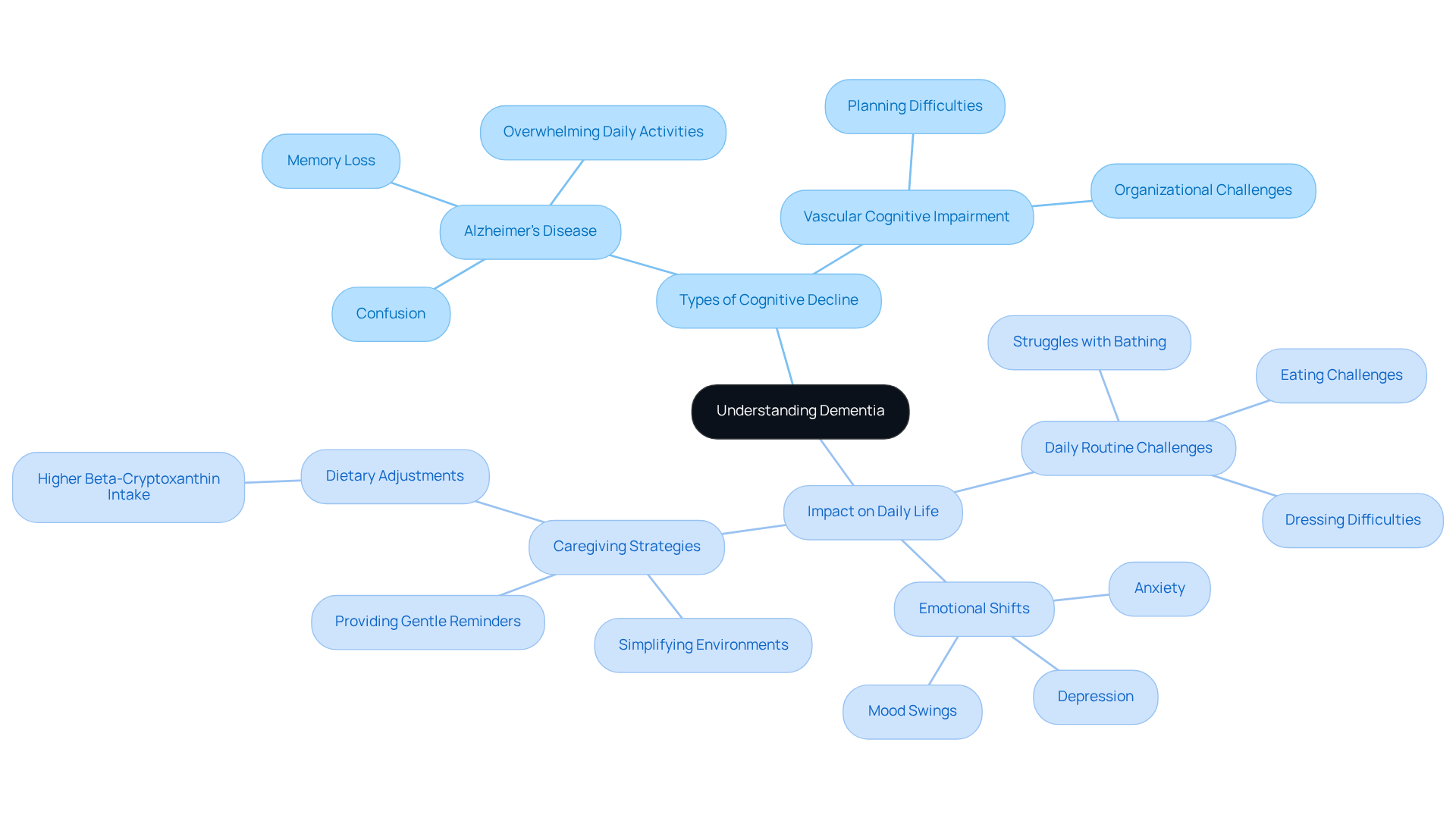
Dementia encompasses various cognitive impairments that can deeply affect memory, thinking, and daily life. It’s crucial to understand the specific type of cognitive decline your loved one is facing, whether it’s Alzheimer’s disease or vascular cognitive impairment. Each type brings its own set of challenges. For instance, Alzheimer’s disease accounts for 60-70% of cognitive decline cases, often leading to significant memory loss and confusion, which can make everyday activities feel overwhelming. On the other hand, vascular cognitive impairment may create difficulties with planning and organization due to reduced blood flow to the brain. Recognizing these differences helps caregivers tailor their approach with compassion and understanding.
Cognitive decline can significantly impact daily routines. Individuals may find themselves struggling with simple tasks like bathing, dressing, or eating. Emotional shifts, such as anxiety and depression, are also common. Caregivers should be ready for mood swings and behavioral changes, often stemming from frustration or confusion. It’s staggering to note that over 10 million new cases of cognitive decline are diagnosed each year worldwide-one new case every 3.2 seconds. This statistic underscores the urgent need for effective caregiving strategies.
Real-life experiences highlight the importance of adaptability in caregiving. For example, caregivers may need to simplify environments for those with Alzheimer’s to reduce confusion or provide gentle reminders for daily tasks. Additionally, research suggests that a higher intake of beta-cryptoxanthin, found in certain fruits and vegetables, is linked to fewer anxiety symptoms. This indicates that dietary adjustments could play a role in emotional well-being. By understanding the specific challenges associated with different forms of cognitive decline, caregivers can enhance their ability to offer compassionate and effective support.
Assess Individual Needs and Preferences
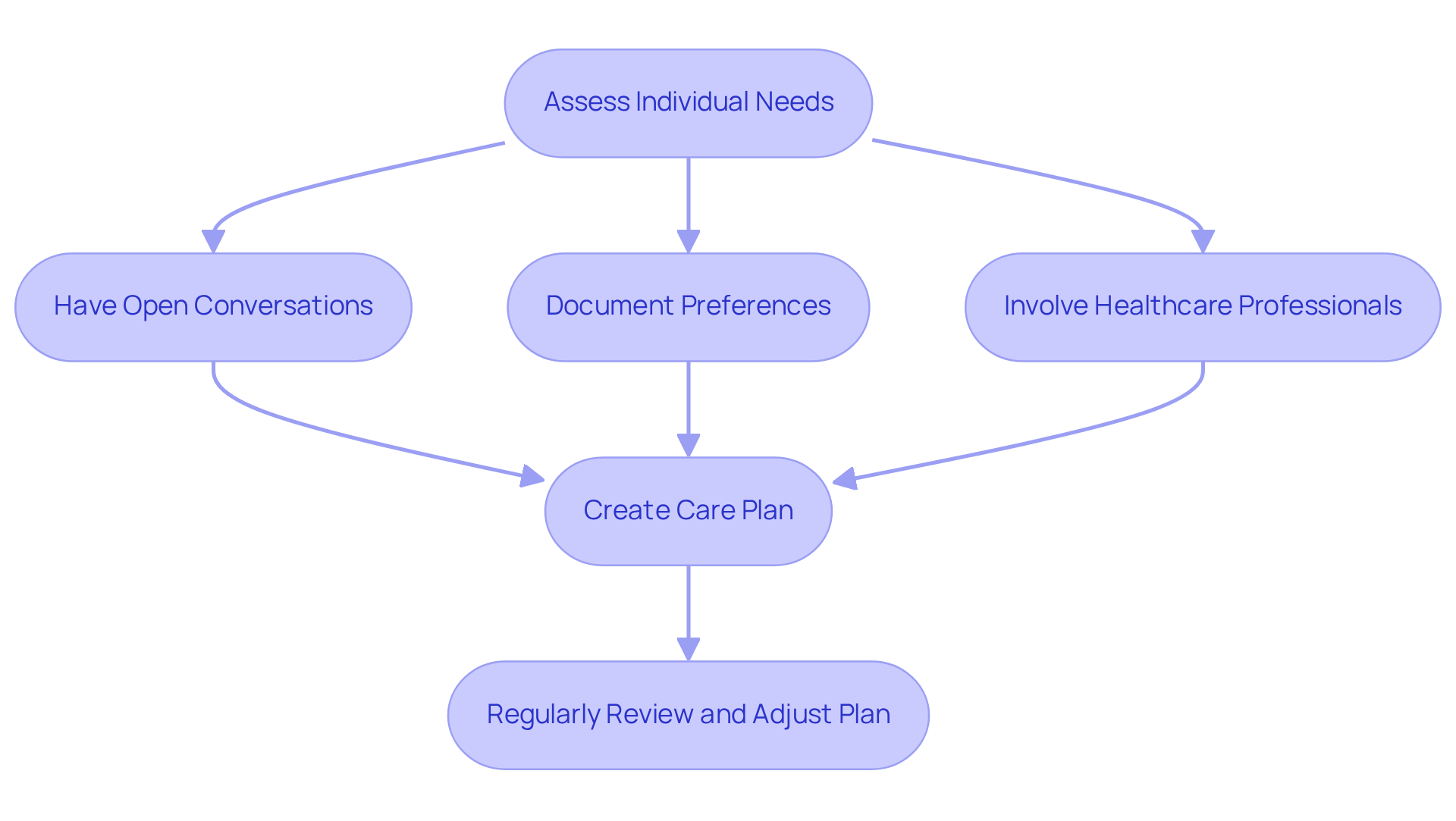
Start by having open conversations with your loved one about their preferences and routines. It’s important to document their likes, dislikes, and any specific needs they may have. Think about their daily habits, like preferred meal times, favorite activities, and social interactions. This information is invaluable in creating a care plan that aligns with their lifestyle and supports dementia care in your own home.
Involving healthcare professionals in this assessment process can be incredibly beneficial. They offer insights into the medical aspects of cognitive decline and can recommend suitable interventions. It’s essential to regularly review and adjust the care plan as the individual’s condition evolves, ensuring it remains relevant and effective.
Statistics reveal that nearly 70% of those supporting individuals with cognitive decline find organizing care to be challenging. This highlights the importance of a well-organized strategy that adapts to the patient’s needs. By fostering cooperation with medical professionals, caregivers can develop a holistic approach to enhance dementia care in your own home for those facing cognitive decline.
Incorporating the 4Ms of Age-Friendly Health Systems - What Matters, Medication, Mind, and Mobility - can further guide caregivers in crafting personalized care plans. Remember, you’re not alone in this journey; support is available, and together, we can make a meaningful difference.
Create a Safe and Supportive Home Environment
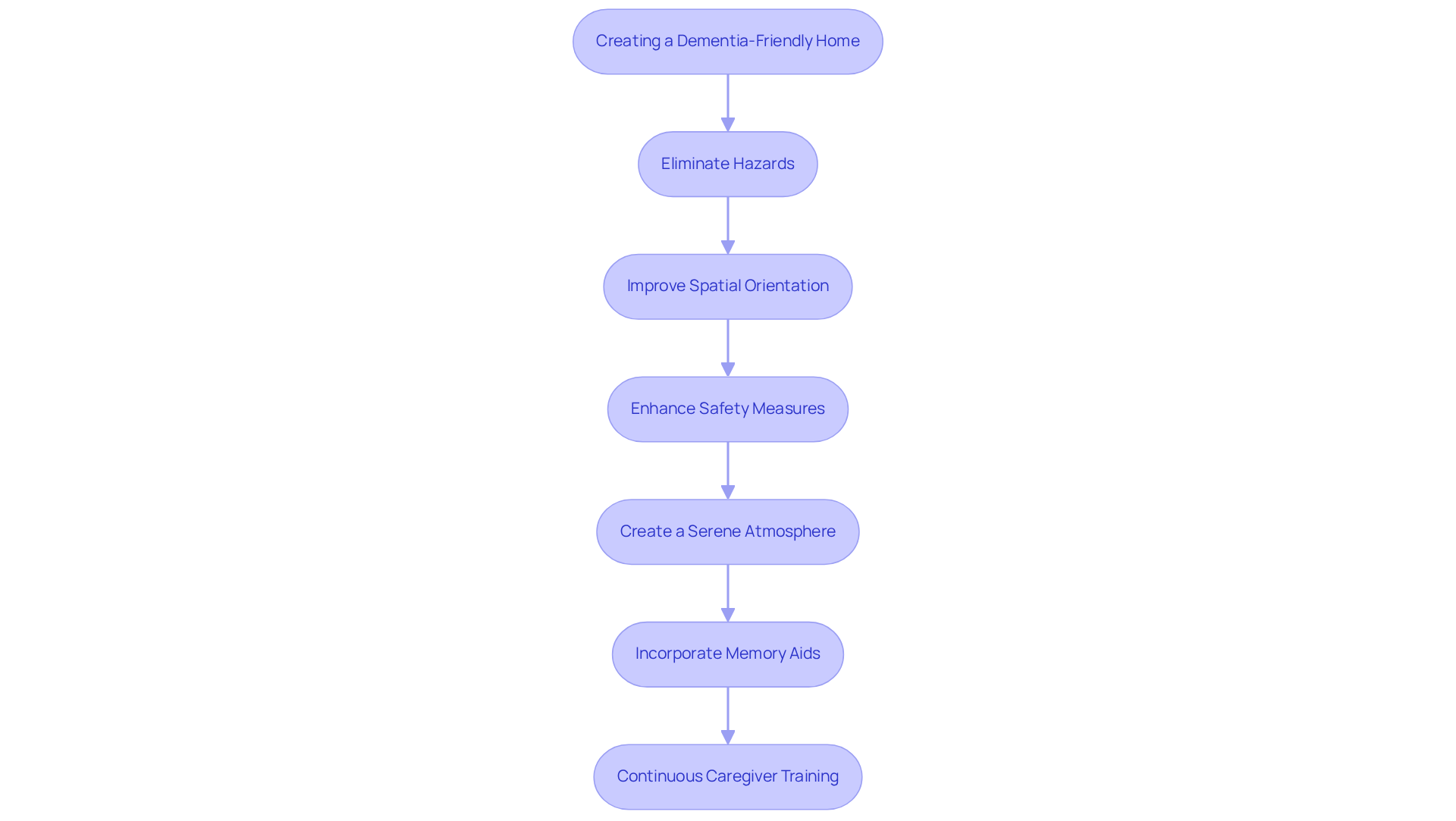
Creating a dementia-friendly home is essential for effective dementia care in your own home, and it starts with understanding the emotional challenges faced by caregivers. It’s essential to eliminate potential hazards, so begin by:
- Decluttering walkways
- Securing loose rugs
- Ensuring all areas are well-lit
This simple act can significantly reduce the risk of falls, providing peace of mind for both caregivers and loved ones.
Using contrasting hues for walls and furniture can greatly improve spatial orientation, making navigation easier for those experiencing cognitive decline. Labeling rooms and key areas with clear signs or pictures can assist in orientation, helping individuals find their way with confidence.
Safety measures like:
- Installing grab bars in bathrooms
- Using non-slip mats in the shower
are crucial. These modifications not only enhance safety but also promote emotional well-being. Creating a serene atmosphere by reducing noise and distractions can significantly lessen anxiety for individuals with cognitive impairment.
Occupational therapists often recommend these thoughtful changes. They can preserve the identity and autonomy of individuals with dementia, allowing them to thrive in a familiar and supportive setting. By prioritizing safety and comfort, caregivers can create a nurturing environment that encourages independence and dignity.
Incorporating memory aids, such as dry-erase boards for reminders and family photos to reinforce recognition, can further enhance orientation. Continuous training for caregivers is essential, equipping them with the skills needed to foster supportive environments. Modern technology, including GPS trackers and voice-activated assistants, can also enhance safety and independence for individuals with dementia.
By integrating these elements, caregivers can ensure a holistic approach to dementia care in your own home. Remember, every small change can make a significant difference in the lives of those you care for.
Implement Caregiving Techniques and Activities
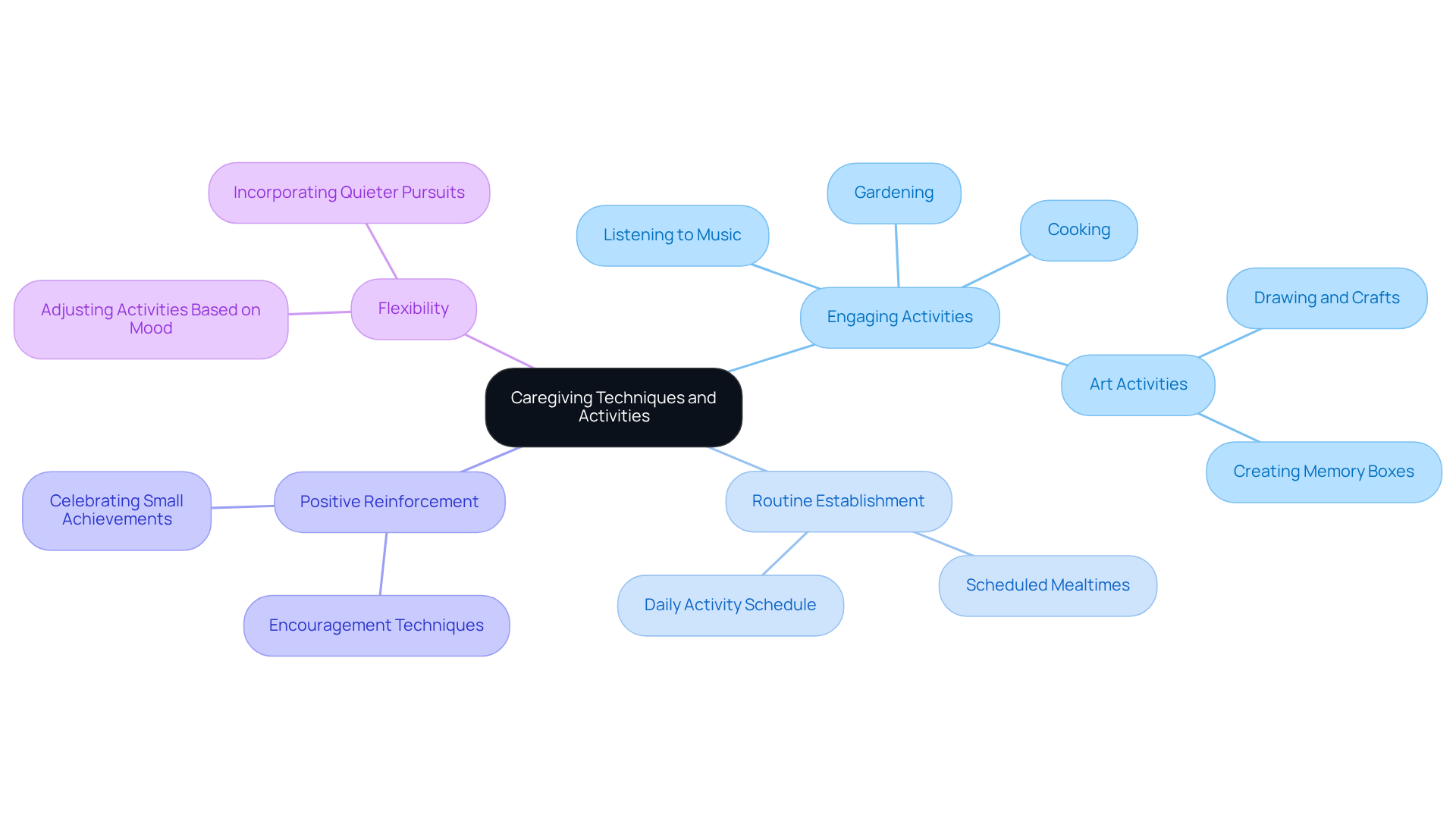
Involving your loved one in enjoyable activities is vital for their well-being. Simple tasks like gardening, cooking, or listening to music can foster meaningful connections. Tailor these activities to their interests; for instance, if they love art, provide supplies for easy crafts that allow for self-expression. Research indicates that individuals with cognitive decline who regularly engage in fulfilling activities report a better quality of life, as these pursuits instill a sense of purpose and routine.
Using positive reinforcement can motivate participation, while a consistent routine helps create structure, easing anxiety and confusion. Establishing a daily schedule can be incredibly helpful, offering something to look forward to and managing expectations. For example, having set mealtimes can enhance procedural memory and encourage community among seniors with dementia.
Be patient and flexible, adjusting activities based on their mood and energy levels. If they seem tired, consider quieter pursuits like listening to their favorite music or flipping through photo albums. Engaging in these familiar and enjoyable tasks not only stimulates cognitive function but also strengthens emotional bonds, making dementia care in your own home a more rewarding journey for both of you. Additionally, incorporating sensory activities, such as creating memory boxes or engaging in cooking tasks, can further deepen their engagement and connection to cherished memories.
Prioritize Caregiver Well-Being and Support
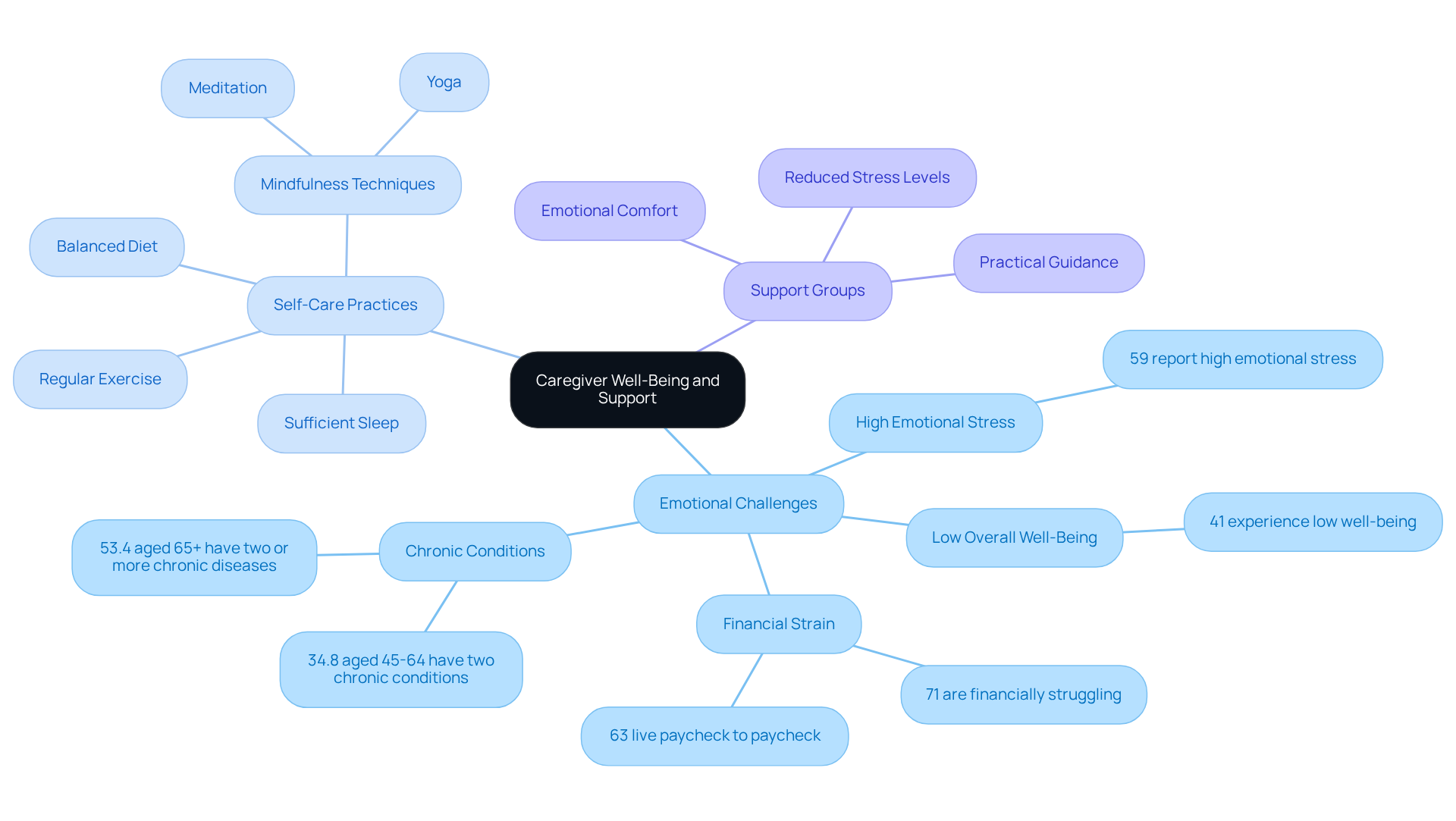
As a provider of care, prioritizing your own well-being is essential. Many caregivers face emotional challenges, with statistics revealing that 59% of individuals involved in dementia care in your own home report high emotional stress. Additionally, 41% of caregivers experience low overall well-being. It’s crucial to schedule regular breaks to recharge and don’t hesitate to seek help from family members or professional services. Joining a support group can offer both emotional comfort and practical guidance from those in similar situations. Caregivers who participate in these groups often report reduced stress levels and improved mental well-being.
Practice self-care by maintaining a healthy lifestyle. This includes:
- Regular exercise
- A balanced diet
- Sufficient sleep
Mindfulness and relaxation techniques, such as meditation or yoga, can also be beneficial in managing stress. Remember, taking care of yourself enables you to provide better care for your loved one. As Elizabeth Edgerly, senior director of community programs and services, wisely states, 'It’s important that dementia caregivers not do it alone when providing dementia care in your own home.' Prioritizing your health is not just beneficial for you; it ultimately leads to better outcomes for those you care for.
Moving Forward with Effective Dementia Care in Your Own Home
Caring for someone with dementia at home is a journey that requires not just knowledge of the condition but also a deep understanding of its impact on daily life. It’s essential to recognize the specific type of cognitive decline and adapt caregiving strategies to meet those unique needs. This journey isn’t merely about managing tasks; it’s about creating a nurturing environment that honors the individual’s preferences, ensuring their dignity and well-being.
Key strategies include:
- Assessing individual needs through open communication
- Fostering a safe and supportive home
- Introducing engaging activities that uplift quality of life
Caregivers must also remember to prioritize their own well-being, as personal health is crucial for providing the best care possible. By integrating safety measures, personalized care plans, and meaningful interactions, caregivers can significantly enhance their experience and that of their loved ones.
Ultimately, the path of dementia care is a shared experience that calls for patience, adaptability, and support. As caregivers embrace these compassionate strategies, they not only improve the quality of life for their loved ones but also cultivate a sense of community and understanding. Engaging with healthcare professionals, utilizing available resources, and connecting with support networks can empower caregivers to navigate this challenging journey with confidence and compassion.
https://iframe.tely.ai/cta/eyJhcnRpY2xlX2lkIjogIjY5MWZkYzViYTdkMmM5NDAwMmQ5OTU4YiIsICJjb21wYW55X2lkIjogIjY4ZWU1ZGNhNzMxNzYyNTU3ZjNjOTVjMSIsICJpbmRleCI6IG51bGwsICJ0eXBlIjogImFydGljbGUifQ==Frequently Asked Questions
What is dementia and how does it affect daily life?
Dementia encompasses various cognitive impairments that can significantly impact memory, thinking, and daily activities. It can lead to challenges in performing simple tasks and often causes emotional shifts, such as anxiety and depression.
What are the different types of cognitive decline associated with dementia?
The two main types of cognitive decline are Alzheimer’s disease, which accounts for 60-70% of cases and often results in significant memory loss and confusion, and vascular cognitive impairment, which can cause difficulties with planning and organization due to reduced blood flow to the brain.
How can caregivers support individuals with dementia?
Caregivers can support individuals by adapting their environments to reduce confusion, providing gentle reminders for daily tasks, and understanding the specific challenges associated with different forms of cognitive decline.
What are some common emotional changes experienced by individuals with dementia?
Individuals with dementia may experience mood swings, frustration, and confusion, which can lead to anxiety and depression.
How many new cases of cognitive decline are diagnosed each year?
Over 10 million new cases of cognitive decline are diagnosed each year worldwide, which translates to one new case every 3.2 seconds.
What role do dietary adjustments play in the emotional well-being of individuals with dementia?
Research suggests that a higher intake of beta-cryptoxanthin, found in certain fruits and vegetables, is linked to fewer anxiety symptoms, indicating that dietary adjustments could positively impact emotional well-being.
How can caregivers assess the individual needs and preferences of those with dementia?
Caregivers should have open conversations with their loved ones about their preferences and routines, documenting likes, dislikes, and specific needs to create a personalized care plan.
Why is it important to involve healthcare professionals in the caregiving process?
Healthcare professionals can provide insights into the medical aspects of cognitive decline and recommend suitable interventions, helping to create a more effective care plan.
What are the 4Ms of Age-Friendly Health Systems that caregivers should consider?
The 4Ms are What Matters, Medication, Mind, and Mobility, which can guide caregivers in crafting personalized care plans.
What challenges do caregivers face when organizing care for individuals with cognitive decline?
Nearly 70% of caregivers find organizing care to be challenging, highlighting the need for a well-organized strategy that adapts to the patient's evolving needs.