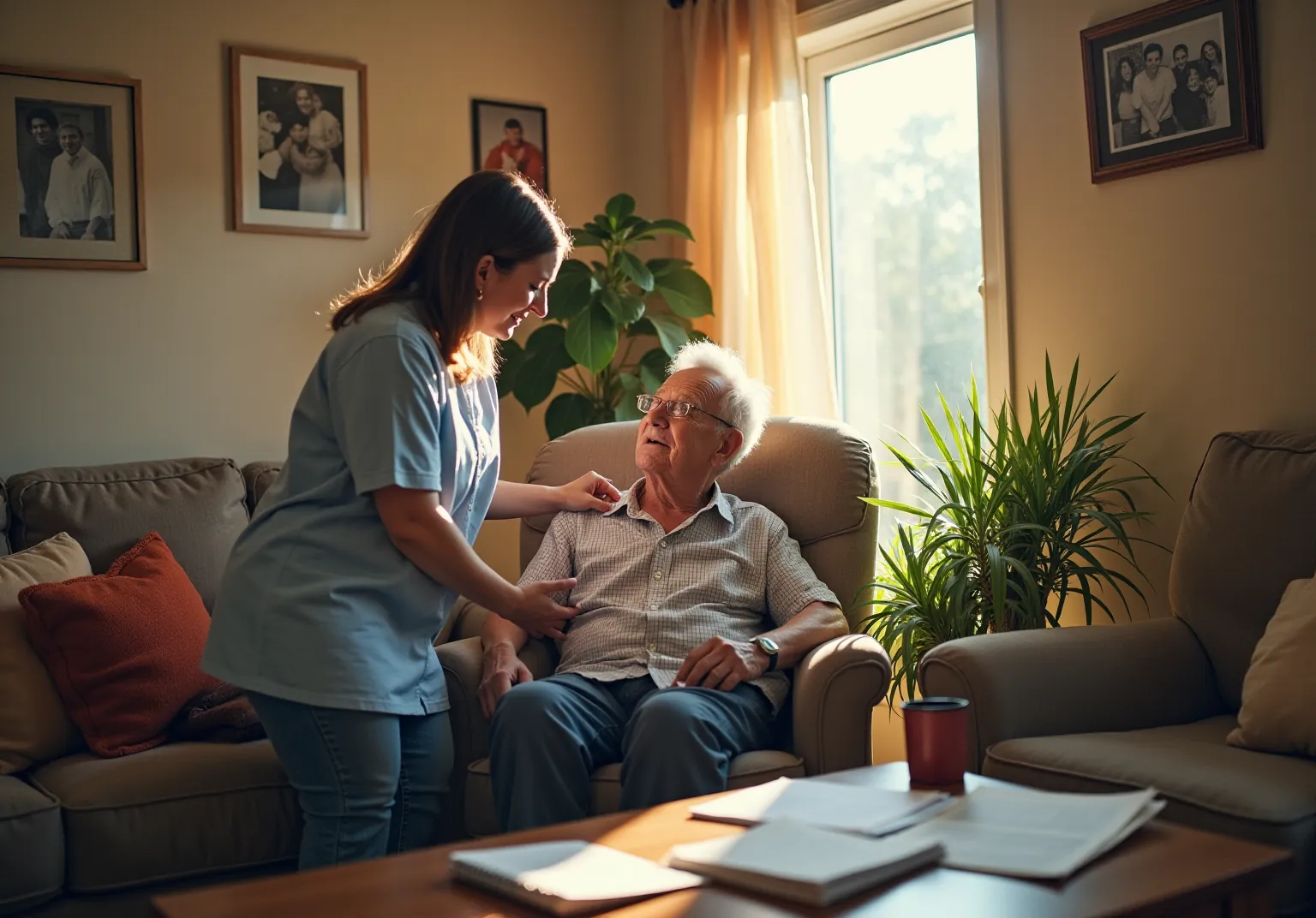
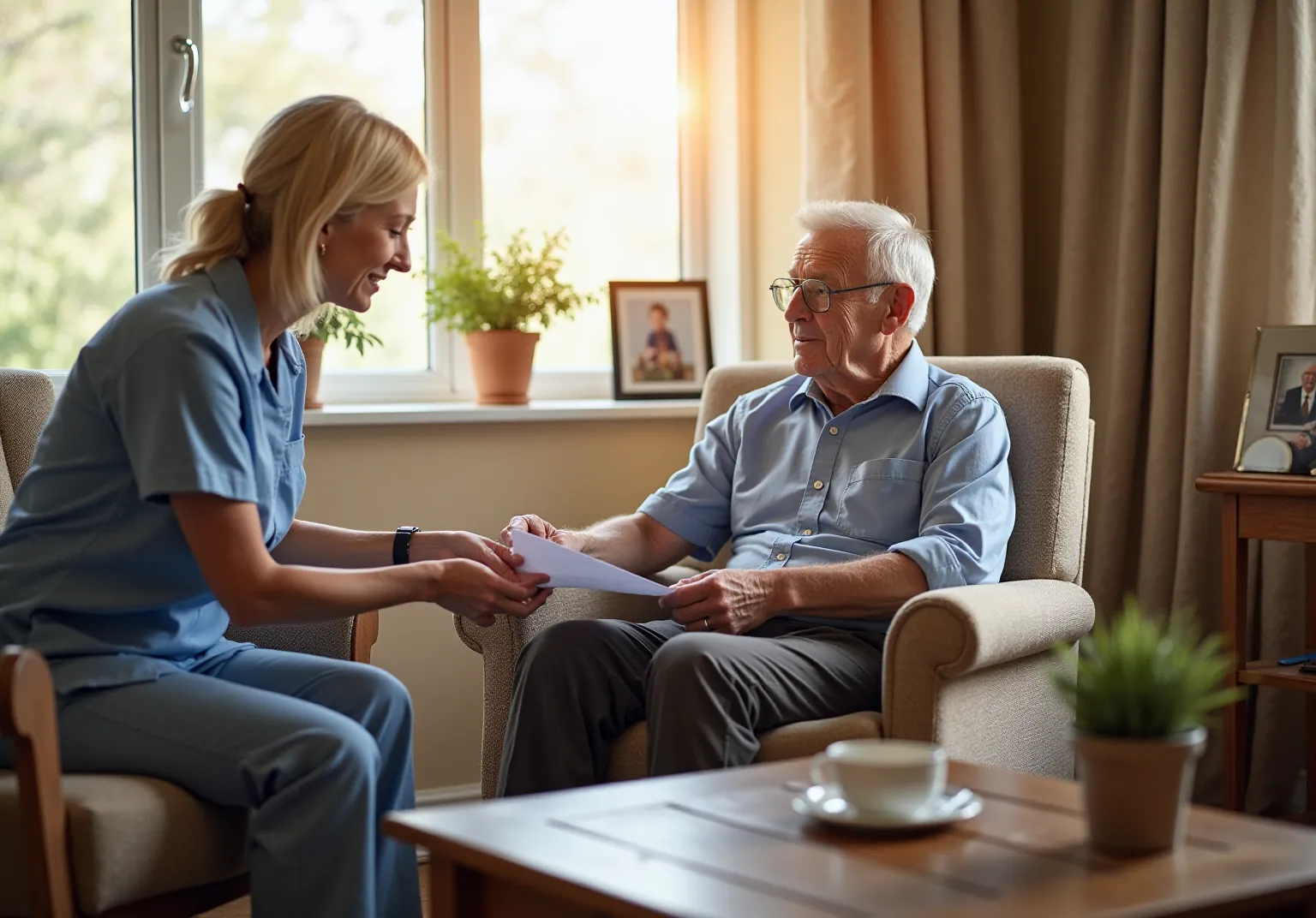
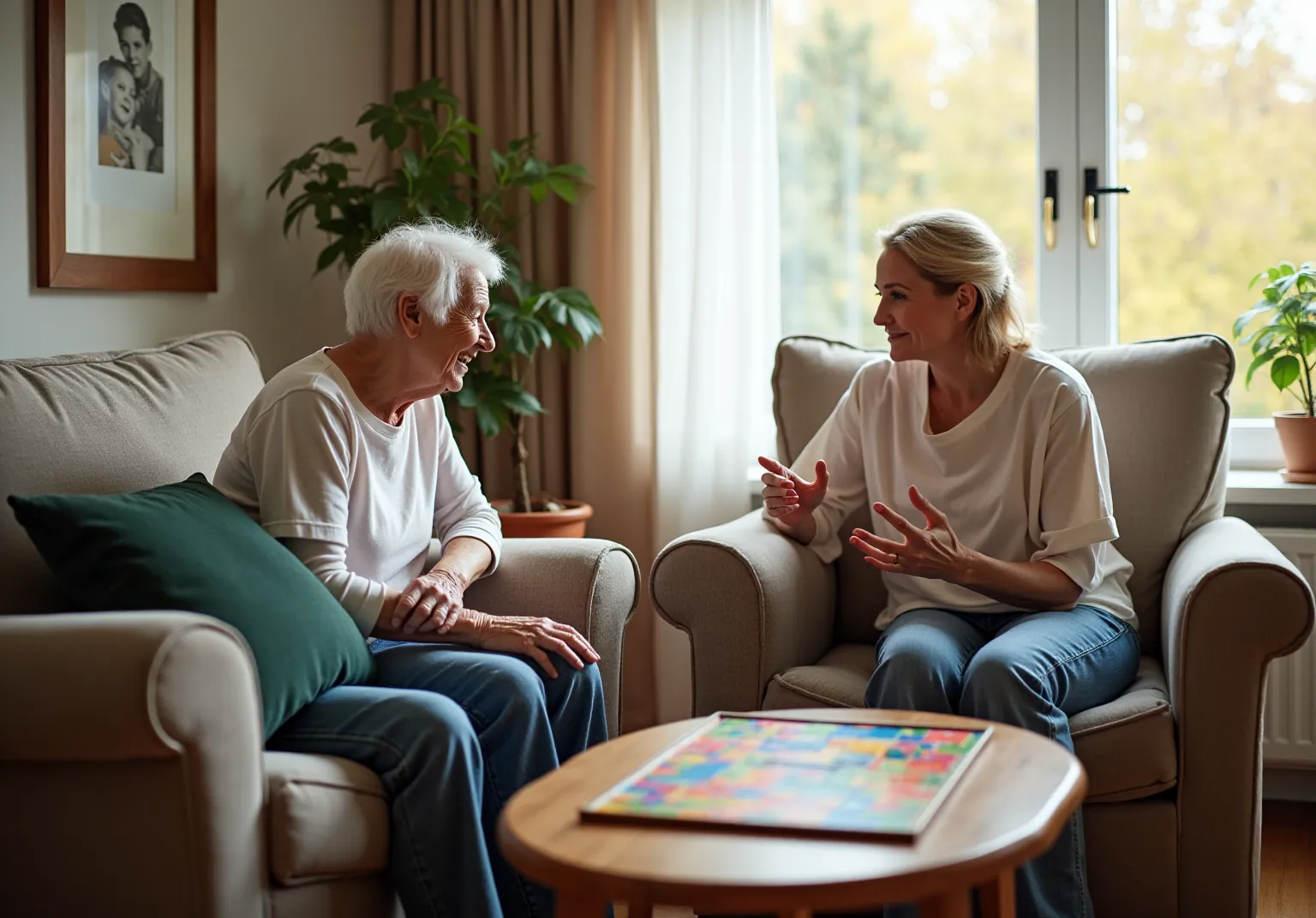
5 Steps for Effective Senior Care at Home in Palm Beach County
Active service-area notice
Happy to Help does not currently list Palm Beach as an active service area. This article is general educational information. For local care availability, browse our active service areas.
Browse active service areasFor families in our service areas
For families in our service areas, this guide explains caregiving and how non-medical in-home caregiving can support care planning in East Idaho, Treasure Valley & Magic Valley, Northern Wasatch, North Central West Virginia, and Northeast Ohio.
What You Need to Know About Effective Senior Care at Home in Palm
In the picturesque setting of Palm Beach County, the challenge of providing effective senior care at home is increasingly urgent. As the population ages, caregivers face a complex landscape of elderly needs, encompassing both physical limitations and emotional well-being. This situation not only affects the quality of care but also places immense pressure on caregivers to meet diverse requirements.
To address these challenges, caregivers must create personalized care plans that ensure seniors receive the tailored support they deserve. But how can they balance these diverse needs while fostering a nurturing environment? This article explores five essential steps that empower caregivers to navigate this intricate process effectively.
Understand the Unique Needs of Seniors
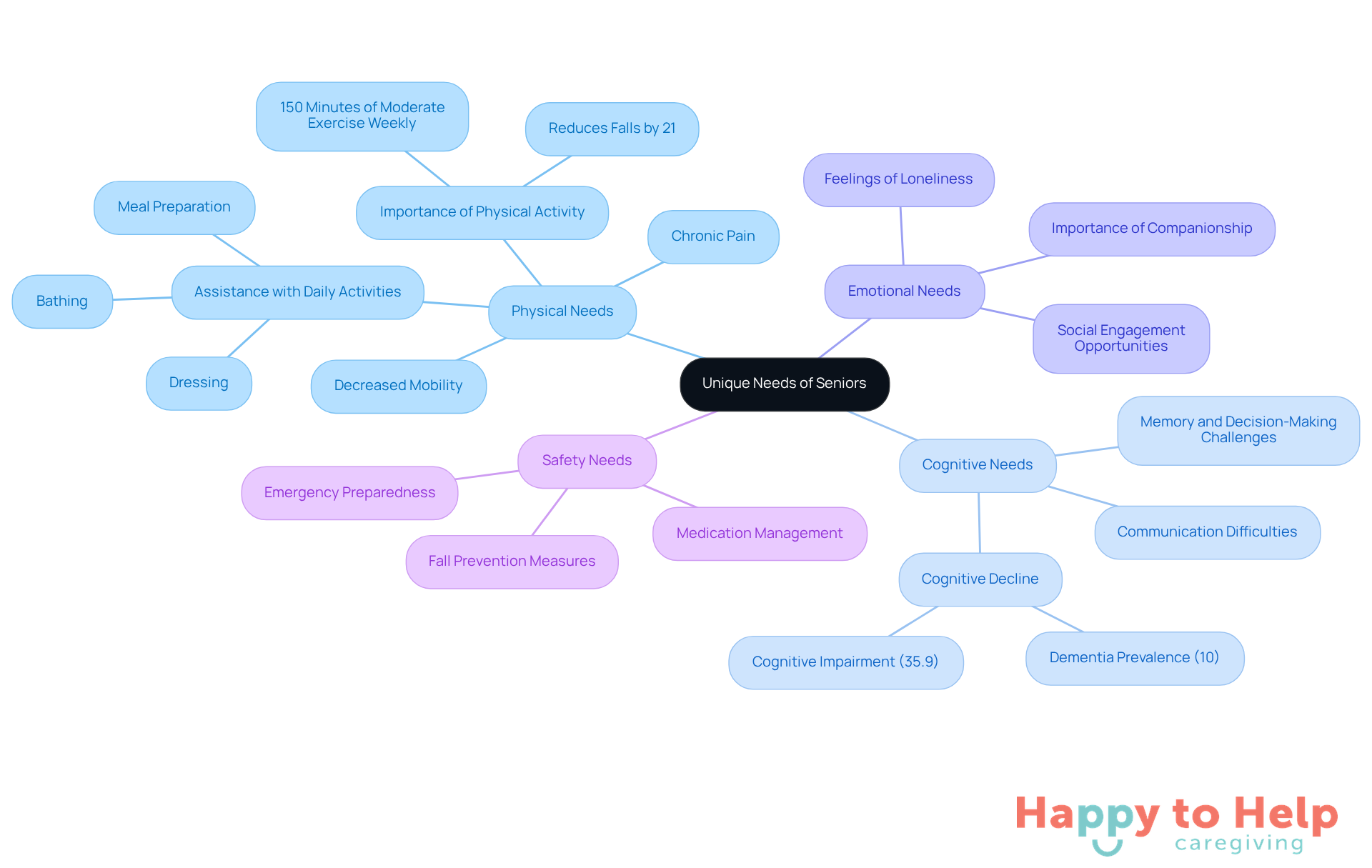
To effectively provide senior care at home in Palm Beach County, caregivers must recognize the unique challenges faced by elderly individuals. These challenges can vary widely based on individual circumstances, making it essential to address key areas of need.
-
Physical Needs: Many seniors experience decreased mobility, chronic pain, or other health issues that necessitate assistance with daily activities such as bathing, dressing, and meal preparation. Regular physical activity is crucial; studies suggest that engaging in at least 150 minutes of moderate-intensity exercise weekly can enhance physical function and reduce the risk of falls by 21%. With a global prevalence of physical inactivity at 21.4%, motivating older adults to remain active is vital.
-
Cognitive Needs: Cognitive decline, including conditions like dementia, can significantly impact an older adult's ability to remember, make decisions, and communicate effectively. Recent findings indicate that nearly 10% of U.S. adults aged 65 and older have dementia, while an additional 35.9% experience cognitive impairment without dementia. Understanding these changes is essential for providing appropriate support and fostering a safe environment.
-
Emotional Needs: Seniors often grapple with feelings of loneliness and isolation. Recognizing the importance of companionship and social interaction can help caregivers create a supportive atmosphere. Prioritizing opportunities for social engagement is crucial, as emotional well-being significantly influences overall health.
-
Safety Needs: Ensuring a safe living environment is paramount. This includes implementing fall prevention measures, managing medications, and preparing for emergencies. By addressing these safety concerns, caregivers involved in senior care at home in Palm Beach County can help elderly individuals feel secure in their homes, greatly enhancing their quality of life.
By thoroughly evaluating these areas, caregivers can tailor their approach to meet the specific needs of the elderly individuals they assist. This ultimately promotes a more compassionate and effective caregiving experience.
Assess Individual Care Requirements
Problem: Assessing the individual care requirements of elderly individuals can be a complex task for caregivers. Without a thorough understanding of their needs, caregivers may struggle to provide the appropriate support.
Agitate: This lack of clarity can lead to inadequate care, increased safety risks, and emotional distress for both the elderly and their families. Caregivers may feel overwhelmed, unsure of how to effectively meet the diverse needs of those they care for.
Solution: To address these challenges, follow these steps:
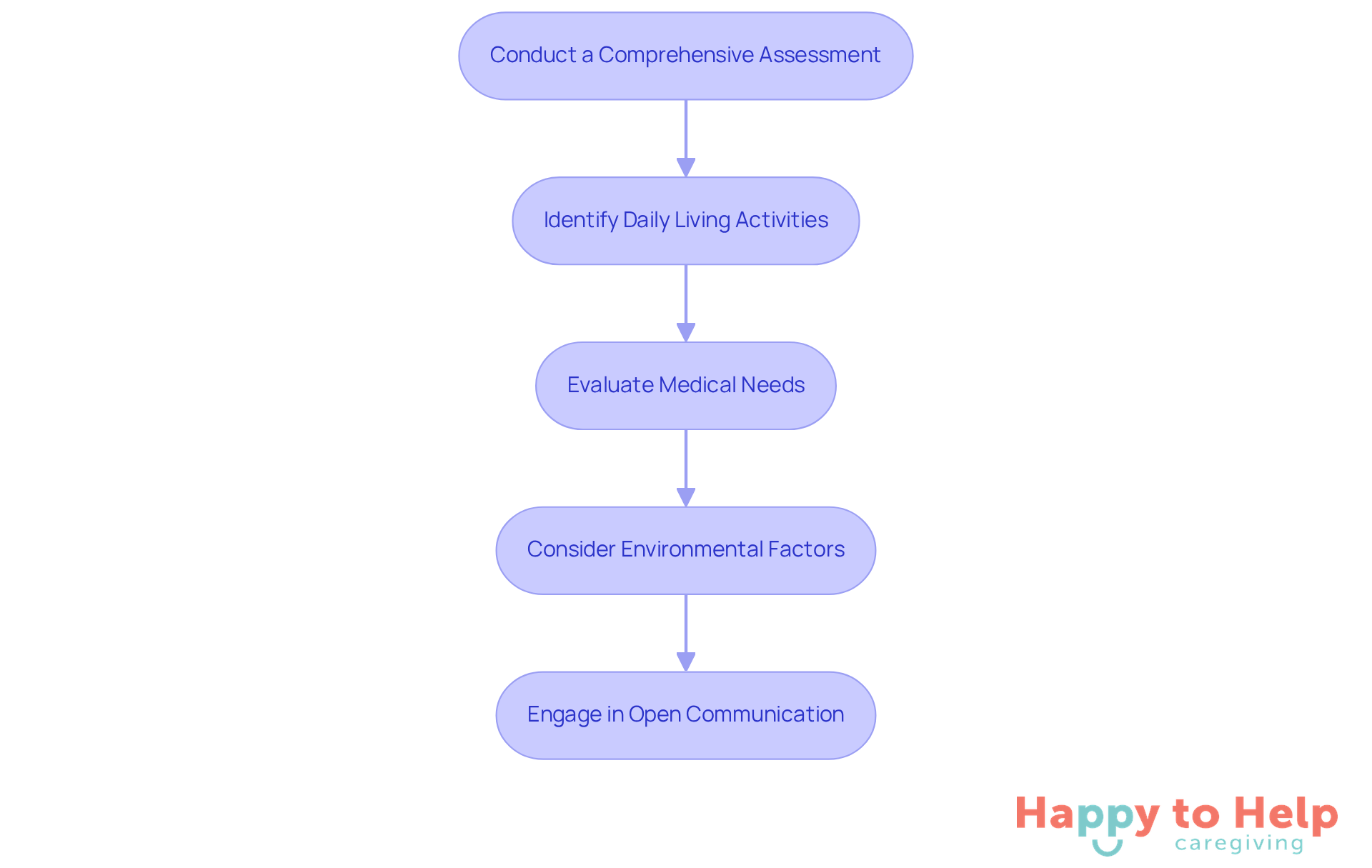
- Conduct a Comprehensive Assessment: Utilize tools like questionnaires or checklists to evaluate the elder's physical health, cognitive abilities, emotional state, and social needs. Involve healthcare professionals, family members, and the elderly themselves in this process.
- Identify Daily Living Activities: Determine which daily activities the older adult can perform independently and which require assistance. This includes essential tasks such as bathing, dressing, cooking, and managing medications.
- Evaluate Medical Needs: Review any existing medical conditions and medications. Consult with healthcare providers to understand how these conditions impact daily management.
- Consider Environmental Factors: Assess the elderly individual's living environment for safety and accessibility. Identify potential hazards and necessary modifications to enhance safety.
- Engage in Open Communication: Discuss findings with the senior and their family to ensure everyone is aligned regarding needs and preferences.
By thoroughly assessing these areas, caregivers can develop a clear understanding of the support required for each individual.
Create a Personalized Care Plan
Creating a personalized care plan is essential for effective support. Here’s how to do it:
-
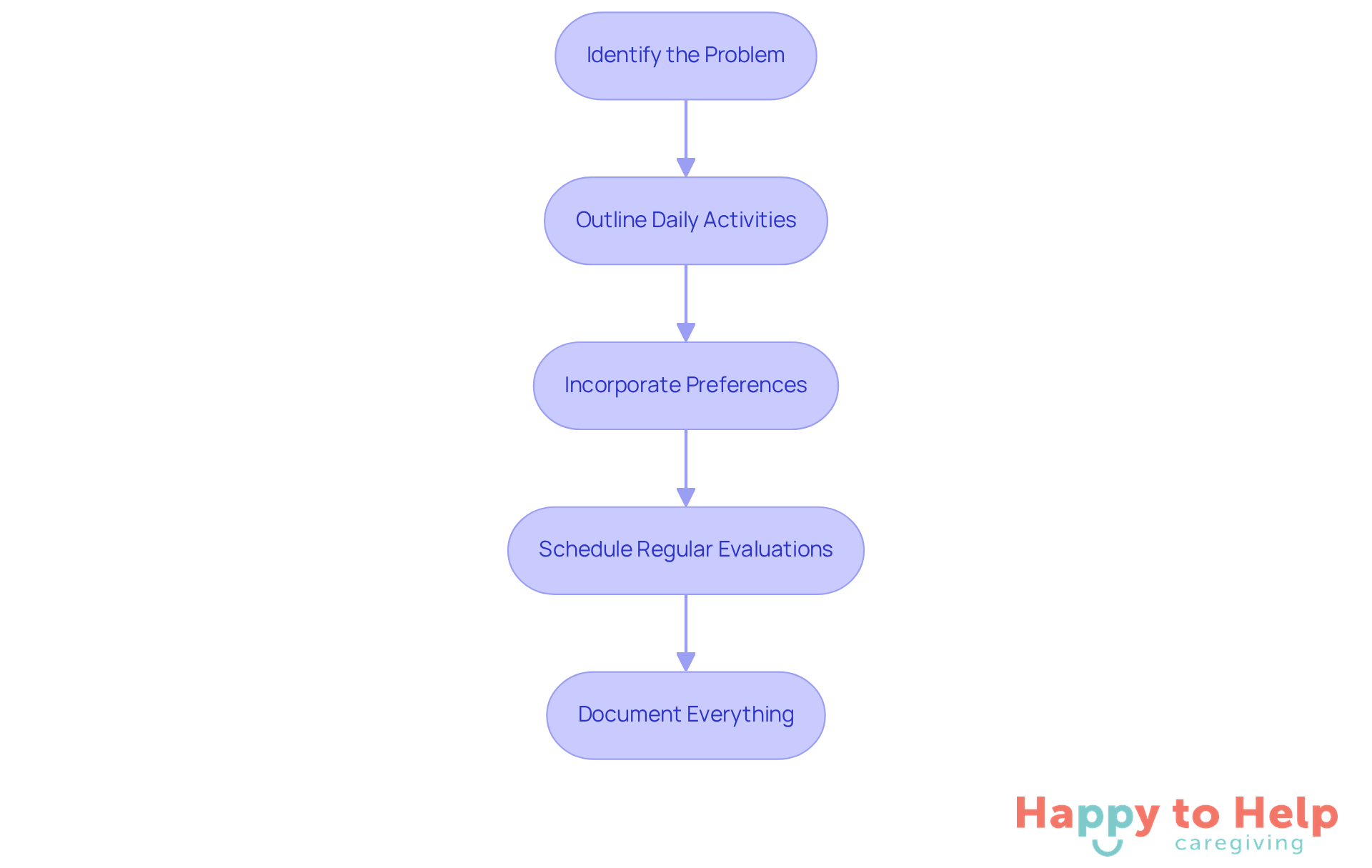
Identify the Problem: Many seniors and their families struggle to set clear, attainable goals for support. This can lead to unmet needs and a decline in quality of life. In 2020, 8.3 million individuals, or 42 percent of adults facing challenges with daily tasks, did not receive any assistance. This highlights the importance of tailored support.
-
Outline Daily Activities: Specify which daily activities require assistance, such as meal preparation, personal hygiene, medication management, and transportation. Nearly 20 million adults aged 55 and older faced difficulties with daily living activities in 2020. Families often bear the burden of supporting aging adults, leaving those without family or resources particularly vulnerable.
-
Incorporate Preferences: It’s crucial to include the elder's preferences regarding daily routines and social interactions. Customized strategies that respect personal choices promote dignity and identity. As Susan Tomalia, Divisional Director of Health & Wellness at Senior Lifestyle, notes, a one-size-fits-all approach can overlook individual needs, leading to inadequate support.
-
Schedule Regular Evaluations: Establish a timeline for assessing and revising the support plan. Regular check-ins with the senior and their family can ensure that the support remains relevant. Continuous collaboration among caregivers, families, and healthcare professionals is vital for adapting strategies as needs change.
-
Document Everything: Keep thorough records of the care plan, including modifications and their justifications. This documentation is crucial for continuity of care and communication among caregivers, ensuring everyone is informed. Additionally, individualized plans should address emotional and psychological support, which is key to enhancing overall well-being.
By following these steps, caregivers can create a personalized care strategy that meets the unique needs of each elderly individual, ultimately fostering their independence and improving their overall wellness.
Select and Train Caregivers
Selecting and training caregivers effectively is crucial for providing quality senior care at home in Palm Beach County to elderly individuals. However, many caregivers struggle with identifying the right qualifications and ensuring their staff are adequately prepared. This can lead to inadequate care and increased stress for both caregivers and those they assist.
To address these challenges, consider the following actionable steps:
-
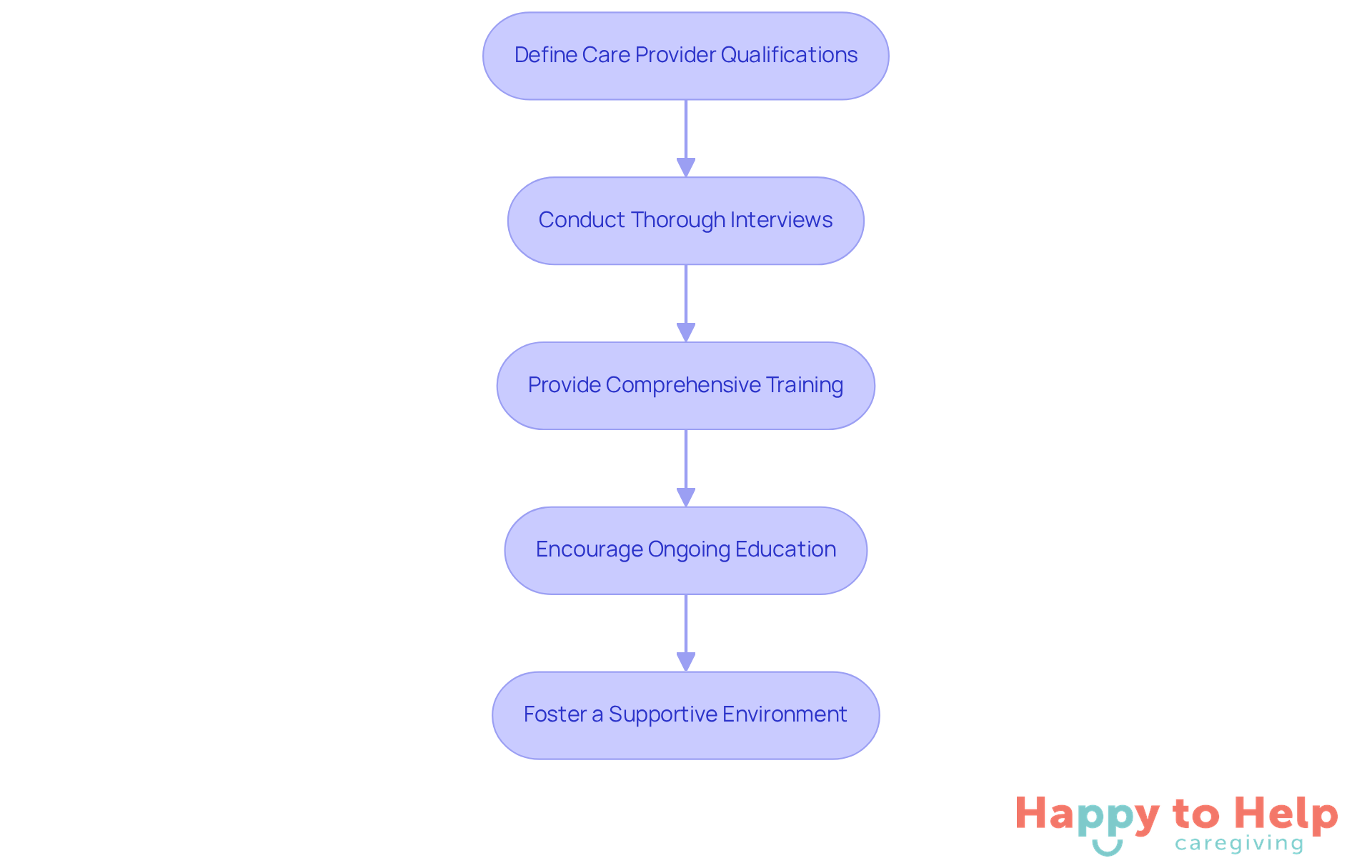
Define Care Provider Qualifications: Identify essential qualifications and abilities needed for support personnel based on the specific requirements of the elderly individuals they will assist. This may include certifications in first aid, CPR, or specialized training for conditions like dementia.
-
Conduct Thorough Interviews: When recruiting assistants, carry out extensive interviews to evaluate their experience, compassion, and alignment with the elderly individual's character and preferences.
-
Provide Comprehensive Training: Implement a training program that covers essential caregiving skills, communication techniques, and safety protocols. Include training on how to handle specific medical conditions and emergencies.
-
Encourage Ongoing Education: Promote continuous learning by providing access to additional training resources and workshops. This can help caregivers stay informed about best practices and new advancements in senior care at home in Palm Beach County.
-
Foster a Supportive Environment: Create a nurturing work atmosphere where individuals feel appreciated and motivated to share their experiences and challenges. Regular team meetings can enhance communication and cooperation among caregivers.
By following these steps, you can ensure that support providers are well-prepared to offer compassionate and effective assistance to elderly individuals.
Establish Communication Channels
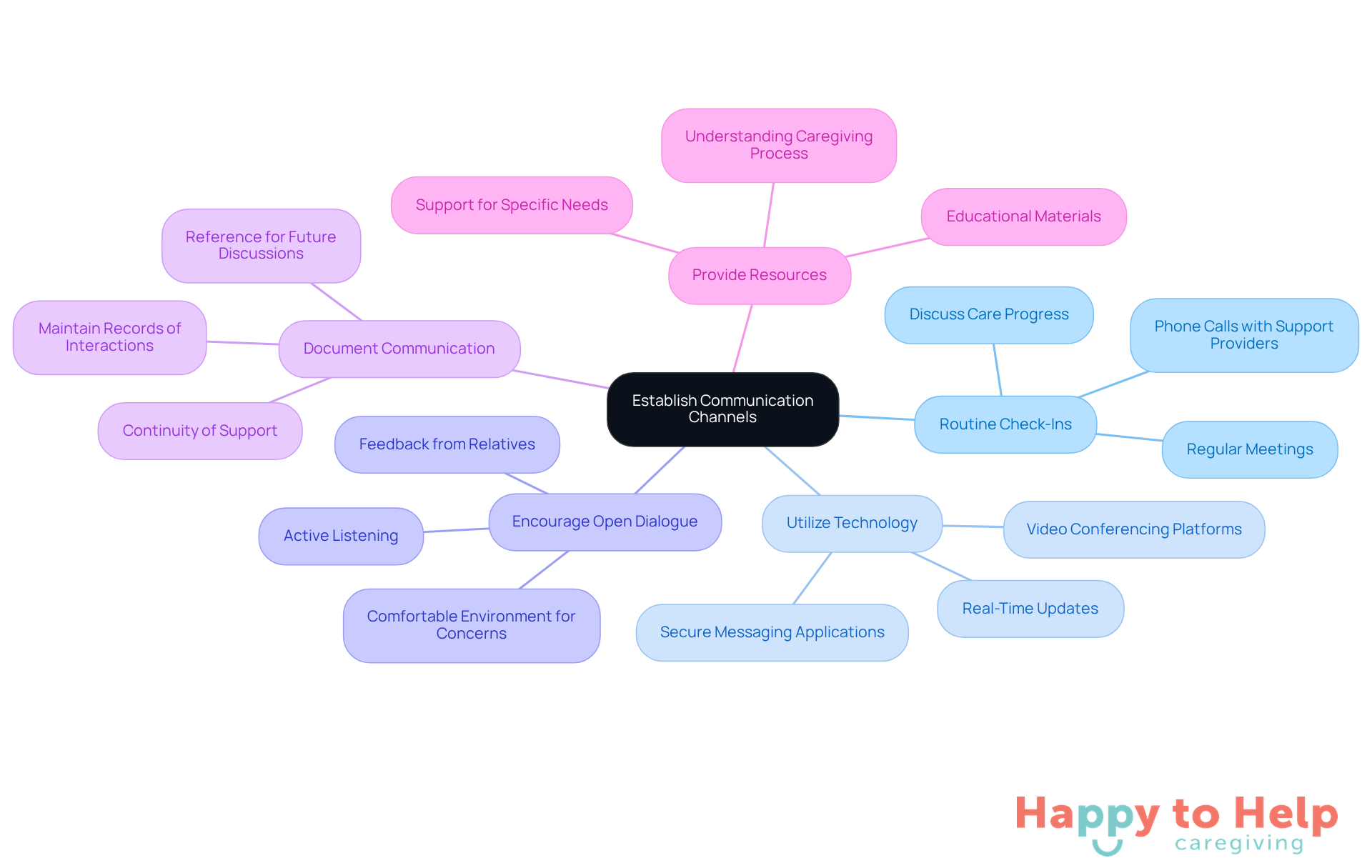
To establish effective communication channels, caregivers face a significant challenge in senior care at home Palm Beach County: ensuring that all parties involved in a senior's care are informed and engaged. This lack of communication can lead to misunderstandings, feelings of isolation, and anxiety among both caregivers and relatives.
To address this issue, consider implementing the following strategies:
-
Establish Routine Check-Ins: Arrange regular meetings or phone calls with support providers, seniors, and relatives to discuss care progress, address concerns, and make necessary adjustments to the care plan. Regular check-ins not only keep everyone informed but also foster a sense of community and support.
-
Utilize Technology: Leverage technology to facilitate communication. Think about using applications or online platforms that enable support providers to share updates, notes, and schedules with relatives in real-time. Tools such as secure messaging applications and video conferencing platforms have been shown to improve engagement among relatives, making it easier for guardians to keep loved ones informed and involved. Studies indicate that technology significantly enhances communication effectiveness and availability in support environments, reducing feelings of isolation and anxiety for both providers and their relatives.
-
Encourage Open Dialogue: Foster an environment where seniors and their relatives feel comfortable expressing their concerns and preferences. Encourage caregivers to actively listen and respond to feedback. This open dialogue can greatly enhance the caregiving experience, as relatives feel more connected and informed about their loved ones' treatment.
-
Document Communication: Maintain records of all interactions concerning health plans, modifications, and discussions with relatives. This documentation helps ensure continuity of support and serves as a reference for future discussions regarding senior care at home in Palm Beach County. Efficient documentation methods can also reduce stress among relatives, as they have access to clear information about their loved ones' treatment.
-
Provide Resources: Share educational materials and resources with households to help them understand the caregiving process and the specific needs of their loved ones. This can enable households to participate more effectively in the support process, improving their capacity to assist both the provider and the elderly.
By creating these communication channels, providers can improve collaboration and ensure that seniors receive the best possible senior care at home in Palm Beach County. It's also crucial to acknowledge challenges such as disparities in access and digital literacy concerns, as these factors can impact the effectiveness of communication strategies. Including testimonials from family caregivers about the importance of communication can further enrich the content, providing personal insights that resonate with the target audience.
Your Path Forward
Effective senior care at home in Palm Beach County presents a significant challenge: understanding and addressing the unique needs of elderly individuals. Without this recognition, caregivers may struggle to create a supportive environment, ultimately impacting the quality of life for seniors. The diverse physical, cognitive, emotional, and safety requirements of seniors must be acknowledged to foster a compassionate caregiving experience.
To tackle this issue, caregivers should take crucial steps:
- Conducting comprehensive assessments
- Developing personalized care plans
- Selecting and training qualified caregivers
- Establishing effective communication channels
Each of these components is vital in ensuring that seniors receive the appropriate support tailored to their specific circumstances. By focusing on these key areas, caregivers can significantly improve the overall well-being of the elderly individuals they assist.
Prioritizing individualized care and open communication is essential in the realm of senior care at home. As the population ages, the demand for effective home care services will continue to grow. Emphasizing best practices in caregiver training and establishing strong communication networks can lead to better outcomes for seniors and their families. Taking proactive steps today will not only enhance the quality of care but also ensure that elderly individuals feel valued and supported in their own homes.
https://iframe.tely.ai/cta/eyJhcnRpY2xlX2lkIjogIjY5MjI0ZjU3ZmViYTIxODdjZTM2NWI3OSIsICJjb21wYW55X2lkIjogIjY4ZWU1ZGNhNzMxNzYyNTU3ZjNjOTVjMSIsICJpbmRleCI6IG51bGwsICJ0eXBlIjogImFydGljbGUifQ==Frequently Asked Questions
What are the unique needs of seniors that caregivers should understand?
Seniors have unique physical, cognitive, emotional, and safety needs. They may require assistance with daily activities due to decreased mobility or chronic pain, support for cognitive decline, companionship to combat loneliness, and a safe living environment to prevent accidents.
How can physical needs impact elderly individuals?
Many seniors experience decreased mobility and chronic health issues, making it necessary for them to receive help with daily tasks such as bathing, dressing, and meal preparation. Engaging in regular physical activity is crucial for maintaining physical function and reducing the risk of falls.
What is the significance of cognitive needs in senior care?
Cognitive decline, including conditions like dementia, affects many seniors, impairing their memory, decision-making, and communication abilities. Understanding these cognitive changes is essential for providing appropriate support and ensuring a safe environment.
How do emotional needs affect seniors?
Seniors often face feelings of loneliness and isolation, which can significantly impact their emotional well-being. Caregivers should prioritize social engagement and companionship to help improve the emotional health of elderly individuals.
What safety needs must caregivers address for seniors?
Caregivers must ensure a safe living environment for seniors by implementing fall prevention measures, managing medications, and preparing for emergencies. Addressing these safety concerns enhances the quality of life for elderly individuals.
What steps should caregivers take to assess individual care requirements?
Caregivers should conduct a comprehensive assessment using tools like questionnaires, identify daily living activities that require assistance, evaluate medical needs, consider environmental safety, and engage in open communication with the elderly and their families.
Why is it important to assess the individual care requirements of elderly individuals?
A thorough assessment helps caregivers understand the specific needs of seniors, leading to appropriate support and reducing the risks of inadequate care, safety issues, and emotional distress for both the elderly and their families.
List of Sources
- Understand the Unique Needs of Seniors
- The Importance of Physical Activity Exercise among Older People - PMC (https://pmc.ncbi.nlm.nih.gov/articles/PMC6304477)
- The senior population is booming. Caregiving is struggling to keep up (https://cnbc.com/2025/11/21/senior-caregiving-labor.html)
- Prevalence of Memory-Related Diagnoses Among U.S. Older Adults With Early Symptoms of Cognitive Impairment - PMC (https://pmc.ncbi.nlm.nih.gov/articles/PMC8436977)
- Get the Facts on Healthy Aging (https://ncoa.org/article/get-the-facts-on-healthy-aging)
- One in 10 Older Americans Has Dementia (https://neurology.columbia.edu/news/one-10-older-americans-has-dementia)
- Assess Individual Care Requirements
- Fact Sheet: Trends in Family Care for Older Americans (https://prb.org/resources/fact-sheet-trends-in-family-care-for-older-americans)
- Prevalence and Trends of Basic Activities of Daily Living Limitations in Middle-Aged and Older Adults in the United States - PMC (https://pmc.ncbi.nlm.nih.gov/articles/PMC10660458)
- Warning From Older Adults: Care for Aging in America Needs Urgent Rethinking (https://johnahartford.org/newsroom/view/warning-from-older-adults-care-for-aging-in-america-needs-urgent-rethinking)
- Bridging the Gap in Elderly Care: The Case for Comprehensive In-Home Assessment (https://reachmd.com/news/bridging-the-gap-in-elderly-care-the-case-for-comprehensive-in-home-assessment/2474101)
- New Report Highlights the Critical Role of Comprehensive Geriatric Assessments in Supporting Canada’s Aging Population - Provincial Geriatrics Leadership Ontario (https://geriatricsontario.ca/news/new-report-highlights-the-critical-role-of-comprehensive-geriatric-assessments-in-supporting-canadas-aging-population)
- Create a Personalized Care Plan
- New data detail which older adults are more likely to need help with ADLs (https://mcknightsseniorliving.com/news/new-data-detail-which-older-adults-are-more-likely-to-need-help-with-adls)
- Personalized Care Plans for Seniors: Enhancing Independence and Well-Being (https://silversurfer.media/empowering-seniors-the-life-changing-impact-of-personalized-care-plans)
- U.S. Caregiving System Leaves Significant Unmet Needs Among Aging Adults - The New School SCEPA (https://economicpolicyresearch.org/resource-library/u-s-caregiving-system-leaves-significant-unmet-needs-among-aging-adults)
- Benefits of Personalized Care Plans in Nursing Homes (https://havenhealthaz.com/blog/benefits-of-personalized-care-plans-in-nursing-homes)
- How Personalized Support Plans Improve Quality of Life (https://heartwisesupport.org/post/how-personalized-support-plans-improve-quality-of-life)
- Select and Train Caregivers
- Essential Practices for Caregiver Training & Education 2025 (https://learn2care.us/whitepapers/best-practices-caregiver-training-and-education-2025)
- Factors associated with receipt of caregiver training among family and unpaid caregivers of people living with dementia (https://sciencedirect.com/science/article/pii/S2667032125000186)
- Research: Caregiver Training Improves Skills & Knowledge of Alzheimer's, Study Shows (https://advancecaregivers.org/caregiver-training-improves-skills-knowledge-of-alzheimers-study-shows)
- Perceived Training Needs of the Informal Caregivers of Older Adults: A Cross-Sectional Study - PMC (https://pmc.ncbi.nlm.nih.gov/articles/PMC11641250)
- Caregiver training: Evidence of its effectiveness for cognitive and functional improvement in older adults - PMC (https://pmc.ncbi.nlm.nih.gov/articles/PMC10078788)
- Establish Communication Channels
- New report gives healthcare providers fresh guidance on communicating with older adults (https://mcknights.com/news/new-report-gives-healthcare-providers-fresh-guidance-on-communicating-with-older-adults)
- Building a lifeline for family caregivers across the US (https://news.mit.edu/2025/ianacare-builds-lifeline-for-family-caregivers-across-us-0811)
- Effective communication with caregivers to prevent unintentional injuries in children under seven years. A systematic review (https://sciencedirect.com/science/article/pii/S0738399122001896)
- How Technology Improves Communication Between Families And Care Staff (https://thehighpointresidence.com/blog/how-technology-improves-communication-between-families-and-care-staff)