

For families in our service areas
For families in our service areas, this guide explains caregiver support and how non-medical in-home caregiving can support care planning in East Idaho, Treasure Valley & Magic Valley, Northern Wasatch, North Central West Virginia, and Northeast Ohio.
What You Need to Know About Finding a Live-In Caregiver for Your
Finding the right support for a loved one can be overwhelming. As the demand for live-in caregivers continues to rise, many families face the challenge of providing long-term care. Understanding the nuances of live-in caregiving is essential. This guide offers a structured approach to:
- Identifying care needs
- Exploring recruitment channels
- Navigating the hiring process
By doing so, it empowers families to make informed decisions.
But with so many options and considerations, how can families ensure they select the best caregiver for their unique situation? The key lies in recognizing the specific needs of your loved one and understanding the implications of those needs. This guide will help you tackle these challenges head-on, providing practical solutions to simplify the process.
Understand Live-In Caregiving: Key Concepts and Benefits
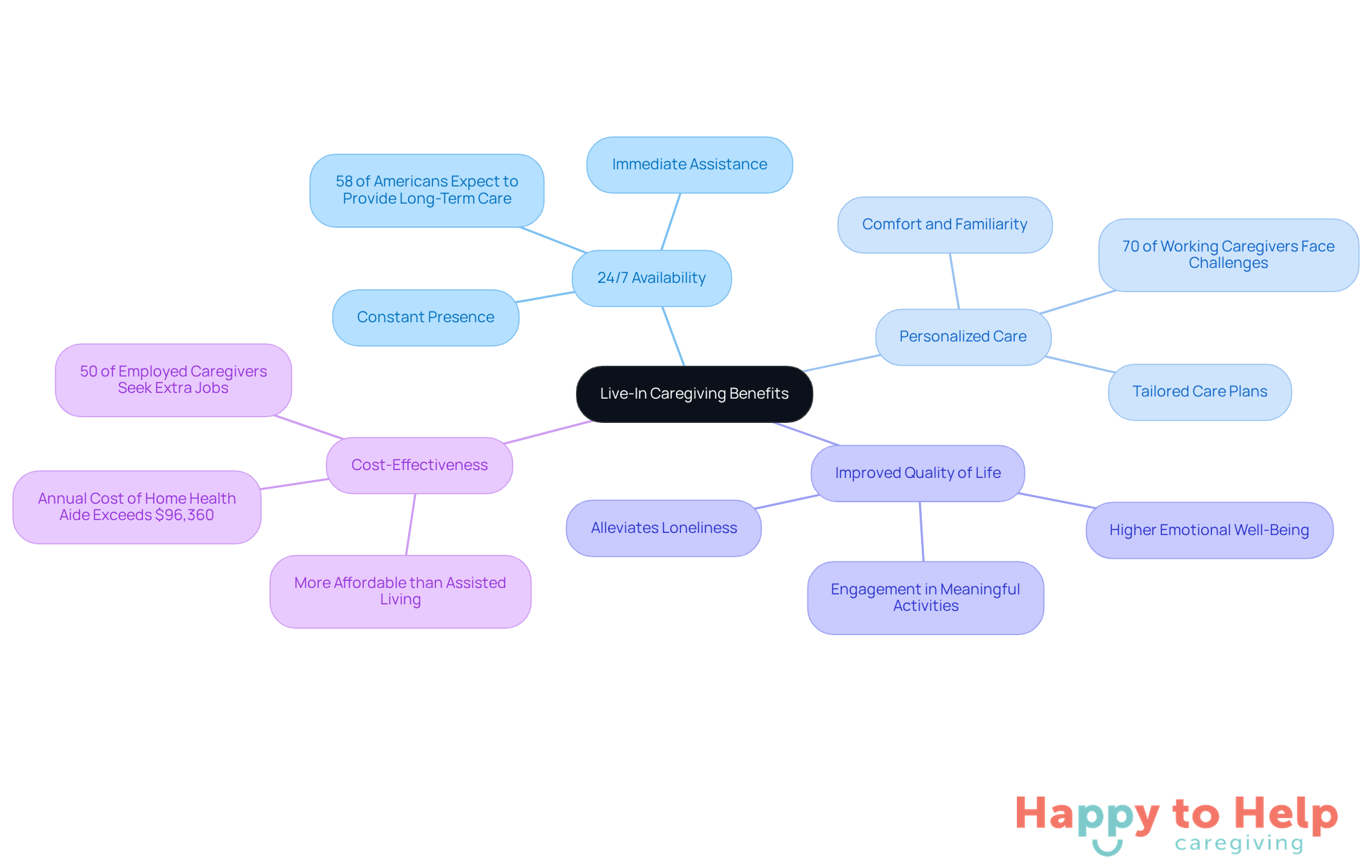
Finding a live in caregiver presents a solution to the challenges that many caregivers face today. With 58% of Americans expecting to provide long-term care for a loved one, finding a live in caregiver can help in understanding the benefits of this arrangement.
-
24/7 Availability: One of the primary advantages of live-in caregiving is the constant presence of a caregiver. This ensures immediate assistance with daily activities and emergencies, greatly enhancing safety and reassurance for both the caregiver and the individual receiving support.
-
Personalized Care: Live-in caregivers can tailor care plans to meet the specific needs of the individual, promoting comfort and familiarity. This customization aligns with the preferences and routines of the client, creating a harmonious living environment. Given that 70% of working caregivers face challenges due to their dual roles, personalized assistance becomes essential.
-
Improved Quality of Life: The presence of a caregiver can significantly alleviate feelings of loneliness and isolation. Studies show that seniors with resident caregivers often report higher emotional well-being, as caregivers engage them in meaningful activities and companionship. As Steve Sfugaras noted, having family nearby is vital for comfort, highlighting the emotional benefits of residential care.
-
Cost-Effectiveness: In-home care can often be more cost-efficient than assisted living facilities. With the annual cost of home health aides exceeding $96,360, residential arrangements offer a feasible option for families seeking quality care without the high expenses associated with institutional settings. Additionally, with 50% of employed caregivers looking for extra jobs to cover caregiving costs, the financial advantages of live-in care are increasingly significant.
Recognizing these benefits lays the groundwork for assessing personal care needs. As the demand for live-in caregiving continues to rise, finding a live in caregiver becomes essential for providing both support and companionship.
Identify Your Care Needs: Assessing Requirements and Preferences
To effectively identify your care needs, consider the following steps:
-
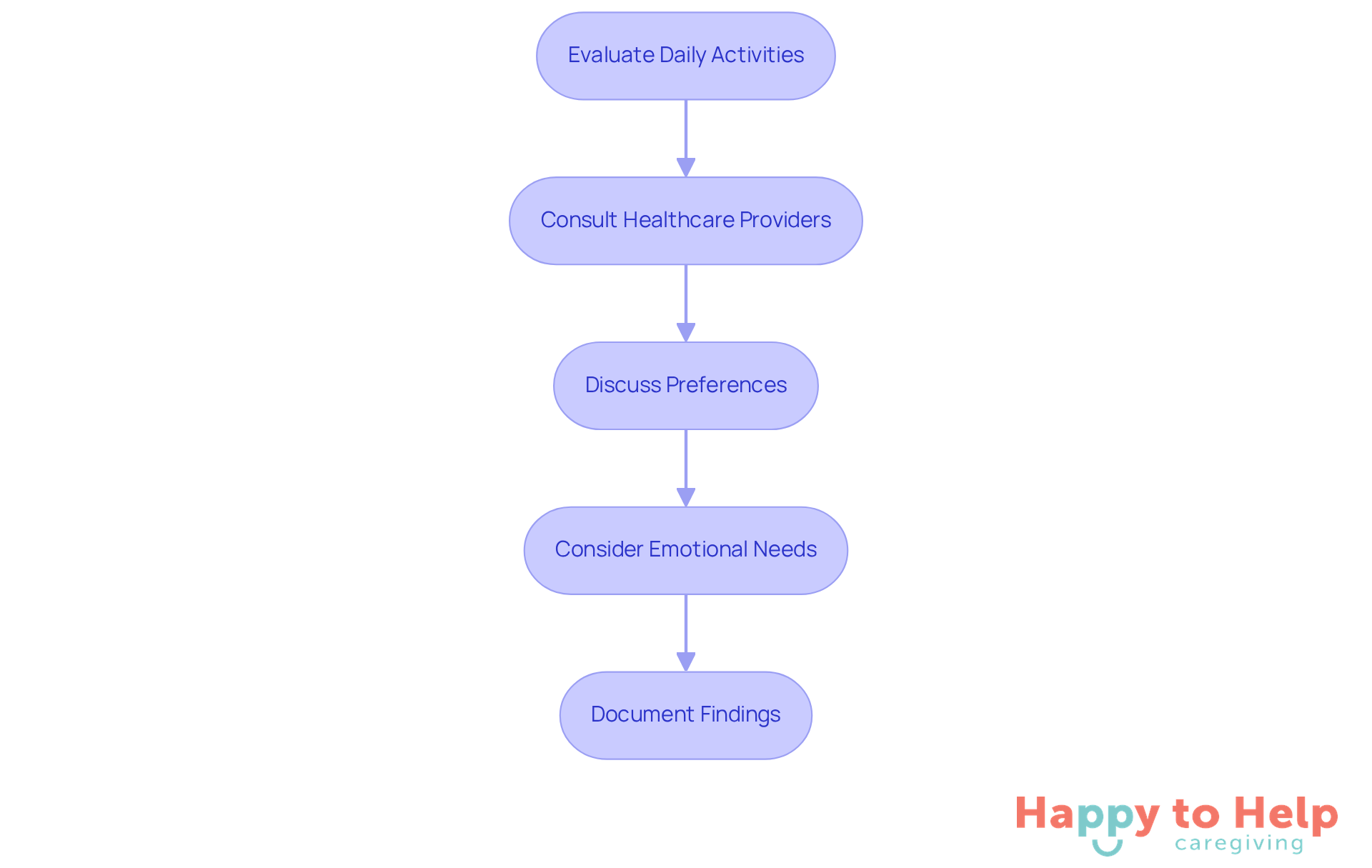
Evaluate Daily Activities: Caregivers often face the challenge of understanding their loved one's daily routines. Observing specific activities they may struggle with - like bathing, dressing, or meal preparation - can reveal their level of independence and the type of assistance required. This evaluation is crucial, as nearly 1 in 5 caregivers report fair or poor health due to their responsibilities, highlighting the importance of this assessment.
-
Consult Healthcare Providers: Engaging with doctors or specialists is essential for gaining insights into any medical needs that may require attention, such as medication management or mobility assistance. Healthcare professionals can offer valuable recommendations tailored to your loved one's health status. With the demand for home healthcare services expected to rise in 2025, timely consultations are vital.
-
Discuss Preferences: Involving your loved one in conversations about their choices regarding support providers, daily routines, and activities they enjoy is key. This dialogue not only respects their independence but also helps in finding a support person who aligns with their lifestyle and interests. Jessica Guthrie, a support worker, emphasizes the importance of recognizing the unique needs of each individual in the assistance process.
-
Consider Emotional Needs: Assessing the emotional support required - such as companionship or help with social activities - is crucial for enhancing their quality of life. Understanding these needs ensures they feel connected and engaged. The emotional burden on caregivers can be significant, as many face financial strain and health challenges while providing support.
-
Document Findings: Compile a detailed list of recognized needs and preferences to share with potential support providers. This documentation fosters clear communication during the hiring process, particularly in finding a live-in caregiver, ensuring that support staff understand specific requirements and expectations. With family support providers numbering 63 million, comprehensive evaluations are essential for ensuring effective care.
This thorough evaluation will assist you in choosing a provider who can offer the necessary support, fostering a nurturing environment for your loved one.
Explore Recruitment Channels: Where to Find Qualified Live-In Caregivers
Finding a live-in caregiver can be a daunting task. Many families struggle with the challenge of finding a live-in caregiver, which can lead to stress and uncertainty about the care their loved ones receive. The implications of not finding a live-in caregiver can be significant, affecting both the quality of care and the well-being of those involved.
To tackle this issue effectively, consider these recruitment channels:
-
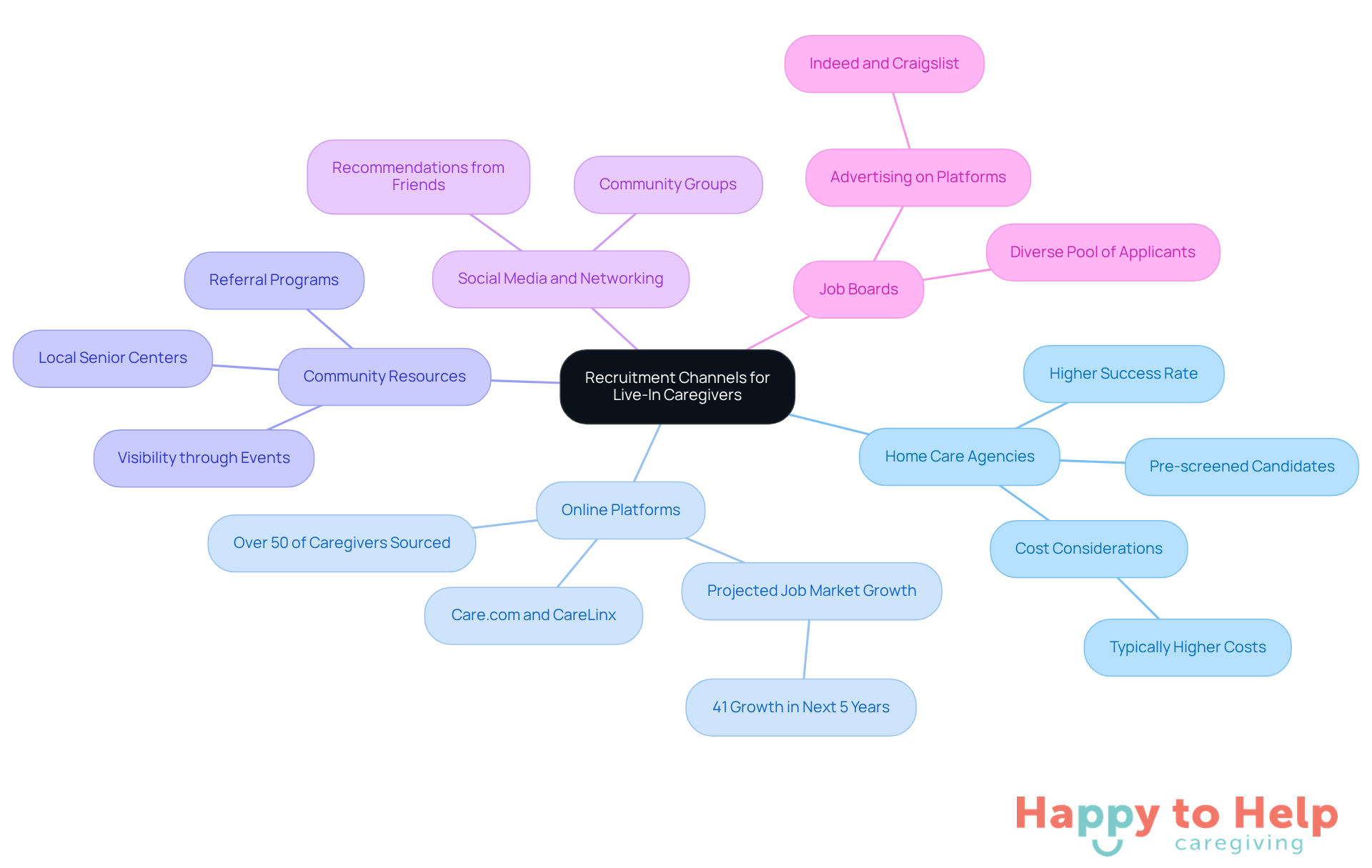
Home Care Agencies: Engage with local agencies that specialize in live-in care. These agencies typically have pre-screened candidates and can match support providers to your specific needs, ensuring a higher success rate in finding a live-in caregiver for suitable placements.
-
Online Platforms: Utilize websites like Care.com and CareLinx, where you can explore profiles of providers, read feedback, and connect directly with potential hires. Notably, over 50% of individuals providing care in recent years were sourced from these platforms, underscoring their effectiveness. With the support worker job market projected to expand by 41% over the next five years, leveraging these platforms is essential for recruitment.
-
Community Resources: Reach out to local senior centers, hospitals, or community organizations that may offer referral programs or resources for caregivers. These organizations often have established networks that can lead to qualified candidates. Participating in community events can also enhance visibility and recruitment efforts.
-
Social Media and Networking: Use social media platforms or community groups to seek recommendations from friends or neighbors who may know qualified individuals for assistance. Personal referrals can often lead to reliable and suitable providers.
-
Job Boards: Advertise on job boards like Indeed or Craigslist, clearly specifying the requirements and expectations for the support role. This approach can attract a diverse pool of applicants, increasing your chances of finding the right fit.
By utilizing these channels, you can significantly improve your chances of finding a live-in caregiver that meets your household's unique requirements. Experts in the field emphasize that employing varied recruitment strategies is crucial in today's competitive support worker market.
Conduct Interviews: Selecting the Right Caregiver for Your Family
Finding a live in caregiver for your family can seem like a daunting task. The implications of choosing the wrong provider can lead to stress and inadequate care for your loved one. To help you navigate this process, here are five key steps to guide you:
-
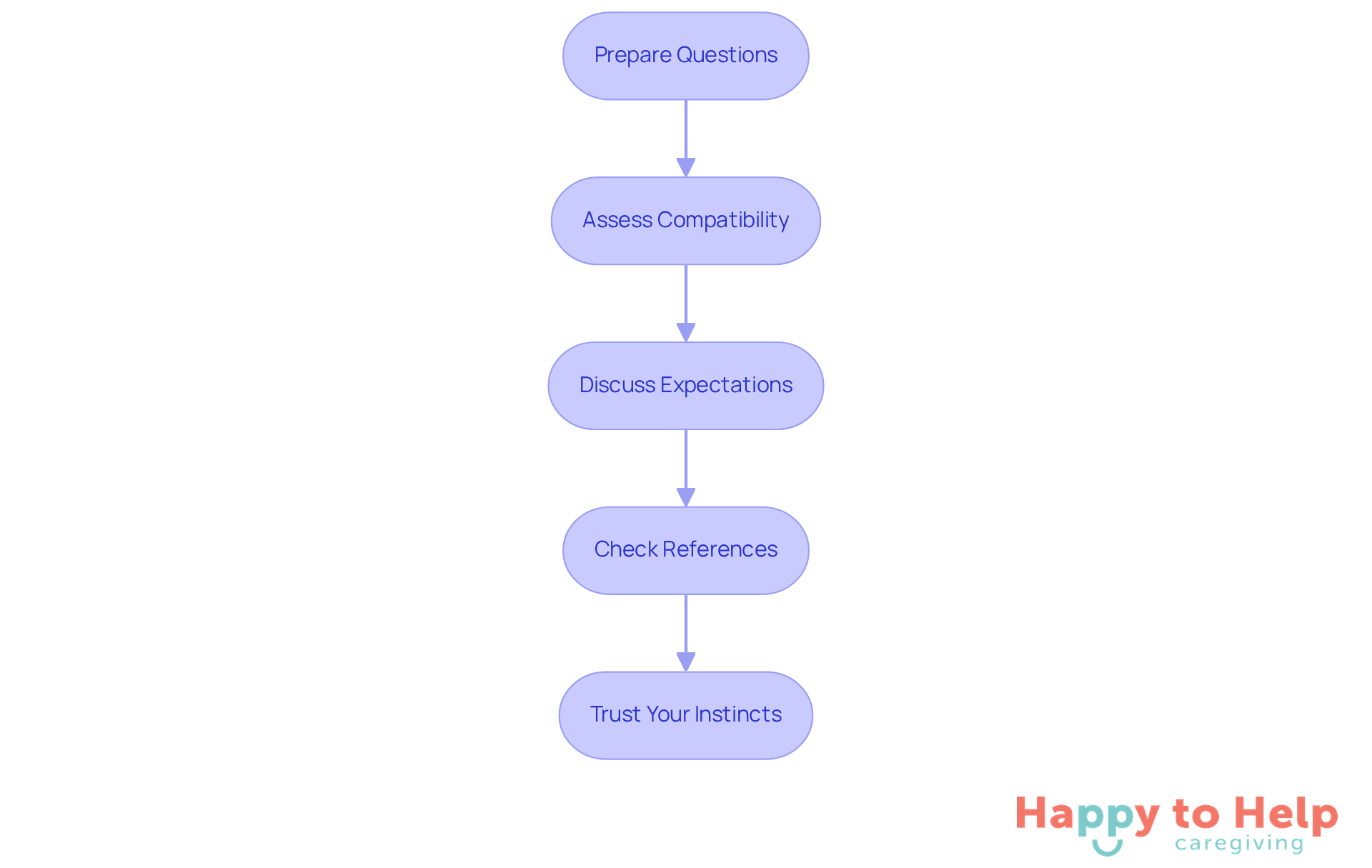
Prepare Questions: Start by creating a comprehensive list of questions that cover qualifications, experience, and specific caregiving scenarios. Consider asking:
- What experience do you have with live-in caregiving?
- How do you handle emergencies or challenging situations?
- Can you provide references from previous clients?
-
Assess Compatibility: Observe how the provider interacts with your loved one during the interview. Compatibility is crucial; a positive relationship can significantly enhance the quality of care. Research shows that caregivers who build strong connections with their clients tend to be more effective. A trial period can also be beneficial in the process of finding a live in caregiver, allowing you to assess the provider's interactions and performance.
-
Discuss Expectations: Clearly communicate your expectations regarding duties, hours, and compensation. Ensure that the caregiver understands and agrees to these terms, as clarity helps prevent misunderstandings. Additionally, discussing ongoing education and support for caregivers can help maintain high standards of service.
-
Check References: After the interview, reach out to the references provided by the caregiver. This step is essential for verifying their experience and reliability, ensuring you make an informed decision. Conducting thorough background checks, including criminal record checks, is also vital for the safety and security of your loved one.
-
Trust Your Instincts: Ultimately, trust your intuition about the provider's suitability for your household. A caregiver who fosters a positive connection with your loved one is essential for effective assistance.
By following this structured interview process, you can select a caregiver who is not only qualified but also aligns well with your family's needs and dynamics.
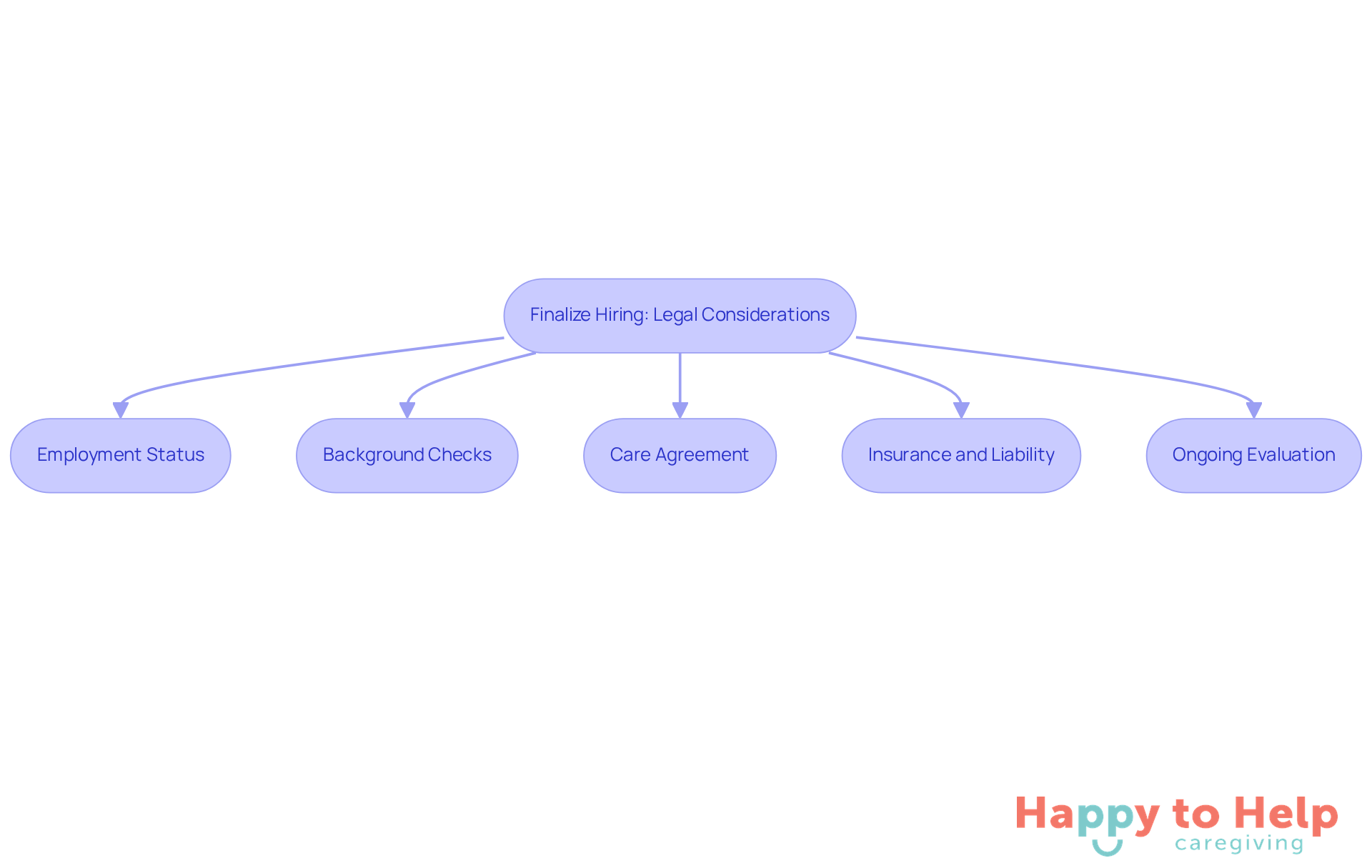
Finalize Hiring: Legal Considerations and Care Agreements
Finding a live-in caregiver can present several legal challenges that families must navigate. Understanding these issues is crucial to ensure a smooth caregiving experience.
-
Employment Status: One of the first considerations is whether the caregiver will be classified as an independent contractor or an employee. This distinction significantly impacts tax obligations and liability, making it essential to clarify this status early on.
-
Background Checks: Safety is paramount when selecting a caregiver. Conducting thorough background checks, including criminal history and reference verifications, helps ensure that the caregiver is qualified and trustworthy.
-
Care Agreement: A well-drafted care agreement is vital. This document should clearly outline the caregiver's responsibilities, work hours, compensation, and any specific care plans. Both parties should agree to its terms to avoid misunderstandings.
-
Insurance and Liability: Families should consider obtaining liability insurance to protect against potential claims. It's also wise to discuss with the caregiver whether they carry their own insurance, adding another layer of security.
-
Ongoing Evaluation: Establishing a plan for regular check-ins is crucial. These evaluations allow families to assess the caregiver's performance and address any concerns promptly.
By addressing these legal considerations, families can foster a professional and effective relationship in the process of finding a live-in caregiver.
Moving Forward with Finding a Live-In Caregiver for Your
Finding the right live-in caregiver for a loved one can be a daunting task. Families often face the challenge of ensuring that their loved ones receive not just physical care, but also emotional support and companionship. This process can significantly impact the quality of care provided, making it essential to navigate it thoughtfully.
The advantages of live-in caregiving are clear:
- 24/7 availability
- Personalized attention
- Improved emotional well-being
However, understanding the specific needs of the individual receiving care is crucial. Families should assess daily activities, consult healthcare providers, and recognize emotional needs to ensure they find the right fit.
Recruitment channels play a vital role in this journey. Families can explore various methods to find qualified caregivers, including:
- Home care agencies
- Online platforms
Once potential caregivers are identified, conducting thorough interviews becomes essential. This step reinforces the importance of compatibility and clear communication, ensuring that both the caregiver and the family are aligned in their expectations.
In conclusion, the journey to finding a live-in caregiver is about more than just meeting physical care requirements. It’s about enhancing the emotional and social well-being of those receiving support. By taking the time to assess needs, explore recruitment options, and conduct thorough interviews, families can create a nurturing environment that prioritizes both safety and companionship. Embracing this structured approach leads to a more fulfilling caregiving experience, ensuring that loved ones receive the care they truly deserve.
https://iframe.tely.ai/cta/eyJhcnRpY2xlX2lkIjogIjY5MmY5MTkwY2E4MDg5MWIwMmZiMDBjYyIsICJjb21wYW55X2lkIjogIjY4ZWU1ZGNhNzMxNzYyNTU3ZjNjOTVjMSIsICJpbmRleCI6IG51bGwsICJ0eXBlIjogImFydGljbGUifQ==Frequently Asked Questions
What is live-in caregiving?
Live-in caregiving involves hiring a caregiver who resides in the home to provide continuous support and assistance with daily activities for individuals in need of care.
What are the main benefits of live-in caregiving?
The main benefits include 24/7 availability of the caregiver, personalized care tailored to the individual’s needs, improved quality of life through companionship, and cost-effectiveness compared to assisted living facilities.
How does the presence of a live-in caregiver enhance safety?
The constant presence of a caregiver ensures immediate assistance with daily activities and emergencies, greatly enhancing safety and providing reassurance for both the caregiver and the individual receiving support.
How can live-in caregivers personalize care?
Live-in caregivers can create customized care plans that align with the preferences and routines of the individual, promoting comfort and familiarity in their living environment.
What impact does live-in caregiving have on emotional well-being?
The presence of a caregiver can alleviate feelings of loneliness and isolation, leading to higher emotional well-being as caregivers engage individuals in meaningful activities and companionship.
Is live-in care cost-effective?
Yes, in-home care can be more cost-efficient than assisted living facilities, making it a feasible option for families seeking quality care without high institutional expenses.
How can one assess their care needs effectively?
To assess care needs, evaluate daily activities, consult healthcare providers for medical insights, discuss preferences with the individual, consider emotional needs, and document findings for clear communication with potential caregivers.
Why is it important to involve the individual in care discussions?
Involving the individual respects their independence and helps find a caregiver who aligns with their lifestyle and interests, ensuring they receive the support they desire.
What should be documented when assessing care needs?
A detailed list of recognized needs and preferences should be compiled to share with potential support providers, facilitating clear communication during the hiring process.
What is the significance of consulting healthcare providers?
Consulting healthcare providers is essential for gaining insights into any medical needs that may require attention, such as medication management or mobility assistance, which helps in tailoring care effectively.
List of Sources
- Understand Live-In Caregiving: Key Concepts and Benefits
- Caregiving in the US 2025 (https://aarp.org/pri/topics/ltss/family-caregiving/caregiving-in-the-us-2025)
- 3 in 4 Americans prefer receiving long-term care at home (https://insurancenewsnet.com/oarticle/3-in-4-americans-prefer-receiving-long-term-care-at-home)
- Caregiver Statistics: Work and Caregiving (https://caregiver.org/resource/caregiver-statistics-work-and-caregiving)
- Families caring for older adults at home say aging in place should not be taken lightly, but may be worth it (https://cbsnews.com/newyork/news/aging-in-place-home-remodeling-cost-of-caregiving)
- You’re not alone in caregiving (https://health.ucdavis.edu/news/headlines/youre-not-alone-in-caregiving/2025/11)
- Identify Your Care Needs: Assessing Requirements and Preferences
- Older adults prioritize social activities, inclusiveness in massive survey assessing what matters most to them (https://mcknights.com/news/older-adults-prioritize-social-activities-inclusiveness-in-massive-survey-assessing-what-matters-most-to-them)
- The US is not ready for its aging population. New Northeastern research explains why (https://news.northeastern.edu/2025/08/16/aging-population-us-challenges)
- Caregiving Crisis: 45% Increase in Americans Providing Care (https://aarp.org/caregiving/basics/caregiving-in-us-survey-2025)
- Trends in Senior Care: What to Expect in 2025 (https://agingconnections.org/blog/trends-in-senior-care-what-to-expect-in-2025)
- Explore Recruitment Channels: Where to Find Qualified Live-In Caregivers
- 6 Home Care Companies To Watch In 2025 (https://homehealthcarenews.com/2025/07/6-home-care-companies-to-watch-in-2025)
- 7 Best Places to Find Caregivers for Home Care | Aaniie, formerly Smartcare Software (https://aaniie.com/news/7-best-places-to-find-caregivers-for-home-care)
- How to find a home health aide (https://washingtonpost.com/wellness/2025/03/24/home-health-aides-caregivers-aging)
- FastStats (https://cdc.gov/nchs/fastats/home-health-care.htm)
- Home Care Business Growth Statistics | Aaniie Formerly Smartcare Software (https://aaniie.com/resources/home-care-business-growth-statistics)
- Conduct Interviews: Selecting the Right Caregiver for Your Family
- Caregiving in the US 2025 (https://aarp.org/pri/topics/ltss/family-caregiving/caregiving-in-the-us-2025)
- National Alliance for Caregiving: Caregiving in the US 2025 Report (https://johnahartford.org/resources/view/national-alliance-for-caregiving-caregiving-in-the-us-2025-report)
- Caregiver Statistics: Demographics (https://caregiver.org/resource/caregiver-statistics-demographics)
- How to Choose the Right In-Home Caregiver for Your Loved One (https://homeinstead.com/home-care/usa/tx/carrollton-coppell-irving/407/news-and-media/navigating-in-home-care-tips-for-choosing-the-right-caregiver-for-your-loved-one)
- The Evolution Of Caregiver-Client Matching In Home Care (https://homehealthcarenews.com/2023/08/the-evolution-of-caregiver-client-matching-in-home-care)
- Finalize Hiring: Legal Considerations and Care Agreements
- DOL Proposes Rule to Reinstate Companionship & Live-in Exemptions from Minimum Wage and Overtime for Third-Party Employers | Littler (https://littler.com/news-analysis/asap/dol-proposes-rule-reinstate-companionship-live-exemptions-minimum-wage-and)
- New Report Reveals Crisis Point for America’s 63 million Family Caregivers (https://press.aarp.org/2025-07-24-New-Report-Reveals-Crisis-Point-for-Americas-63-million-Family-Caregivers)
- Home Care Agencies and Their Clients Could Get Relief Through DOL Proposal to Reinstate Companionship, Live-In Exemptions - Jackson Lewis (https://jacksonlewis.com/insights/home-care-agencies-and-their-clients-could-get-relief-through-dol-proposal-reinstate-companionship-live-exemptions)
- A New Labor Rule Could Push Caregivers to the Breaking Point | ACLU (https://aclu.org/news/womens-rights/a-new-labor-rule-could-push-caregivers-to-the-breaking-point)
- Caregiver Statistics: Work and Caregiving (https://caregiver.org/resource/caregiver-statistics-work-and-caregiving)