

For families in our service areas
For families in our service areas, this guide explains caregiving and how non-medical in-home caregiving can support care planning in East Idaho, Treasure Valley & Magic Valley, Northern Wasatch, North Central West Virginia, and Northeast Ohio.
The Importance of When My Mom Is Seeing Things That Are
Navigating the complexities of caregiving can be particularly challenging when a loved one, such as a senior parent, begins to experience hallucinations. This unsettling problem can stem from various underlying causes, including cognitive decline and medication side effects. These episodes create unique hurdles for caregivers, impacting not only the well-being of the individual but also the emotional health of those providing care.
The implications of these hallucinations can be profound. Caregivers often find themselves in distressing situations, struggling to maintain their own peace of mind while supporting their loved ones. Understanding how to effectively address these challenges is crucial. What strategies can caregivers implement to support their loved ones while ensuring their own emotional stability?
To navigate these difficult experiences, caregivers can adopt several practical strategies:
- Maintaining open communication with healthcare professionals can help identify the root causes of hallucinations.
- Creating a calm and reassuring environment can significantly ease the distress for both the caregiver and the loved one.
- Engaging in activities that promote mental stimulation and emotional connection can also be beneficial.
By implementing these strategies, caregivers can foster a supportive atmosphere that prioritizes the well-being of everyone involved.
Understand the Causes of Hallucinations in Seniors
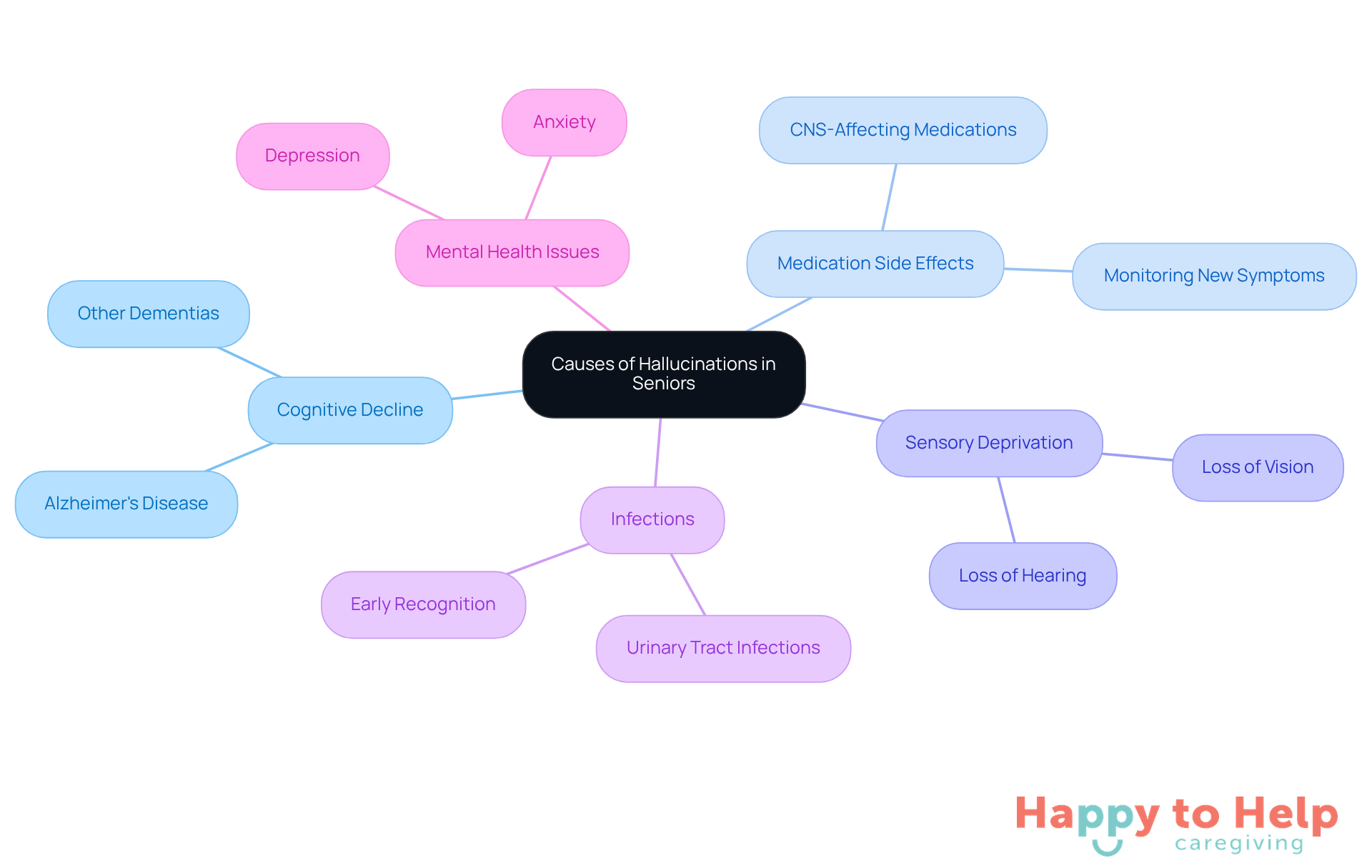
A significant challenge for caregivers arises when my mom is seeing things that are not there, which are common hallucinations in seniors. These episodes can stem from various factors, complicating the care process and impacting the well-being of older adults.
-
Cognitive Decline: Conditions like Alzheimer's disease and other dementias often lead to hallucinations due to changes in brain function. This cognitive decline can create confusion and distress for both the individual and their caregivers, especially since my mom is seeing things that are not there.
-
Medication Side Effects: Certain medications, particularly those affecting the central nervous system, can cause visual or auditory disturbances. Caregivers should be vigilant about monitoring any new symptoms that arise after my mom is seeing things that are not there following medication changes.
-
Sensory Deprivation: Loss of vision or hearing can lead to misinterpretations of sensory input, resulting in false perceptions. This can be particularly disorienting for seniors like my mom, who is seeing things that are not there, making it essential for caregivers to ensure that sensory aids are utilized effectively.
-
Infections: Conditions like urinary tract infections can lead to confusion and altered perceptions in older adults. Recognizing the signs of infection early can help mitigate these effects and improve overall care, especially since my mom is seeing things that are not there.
-
Mental Health Issues: Depression, anxiety, and other mental health conditions can also manifest as delusions. It is crucial for effective caregiving to address the underlying issues, particularly because my mom is seeing things that are not there.
Understanding these causes empowers caregivers to respond appropriately and seek necessary medical advice. By being informed, caregivers can create a supportive environment that addresses the needs of seniors experiencing hallucinations.
Assess the Situation and Gather Information
When a loved one, like my mom who is seeing things that are not there, experiences hallucinations, it can be a challenging situation for caregivers. Understanding how to respond effectively is crucial.
-
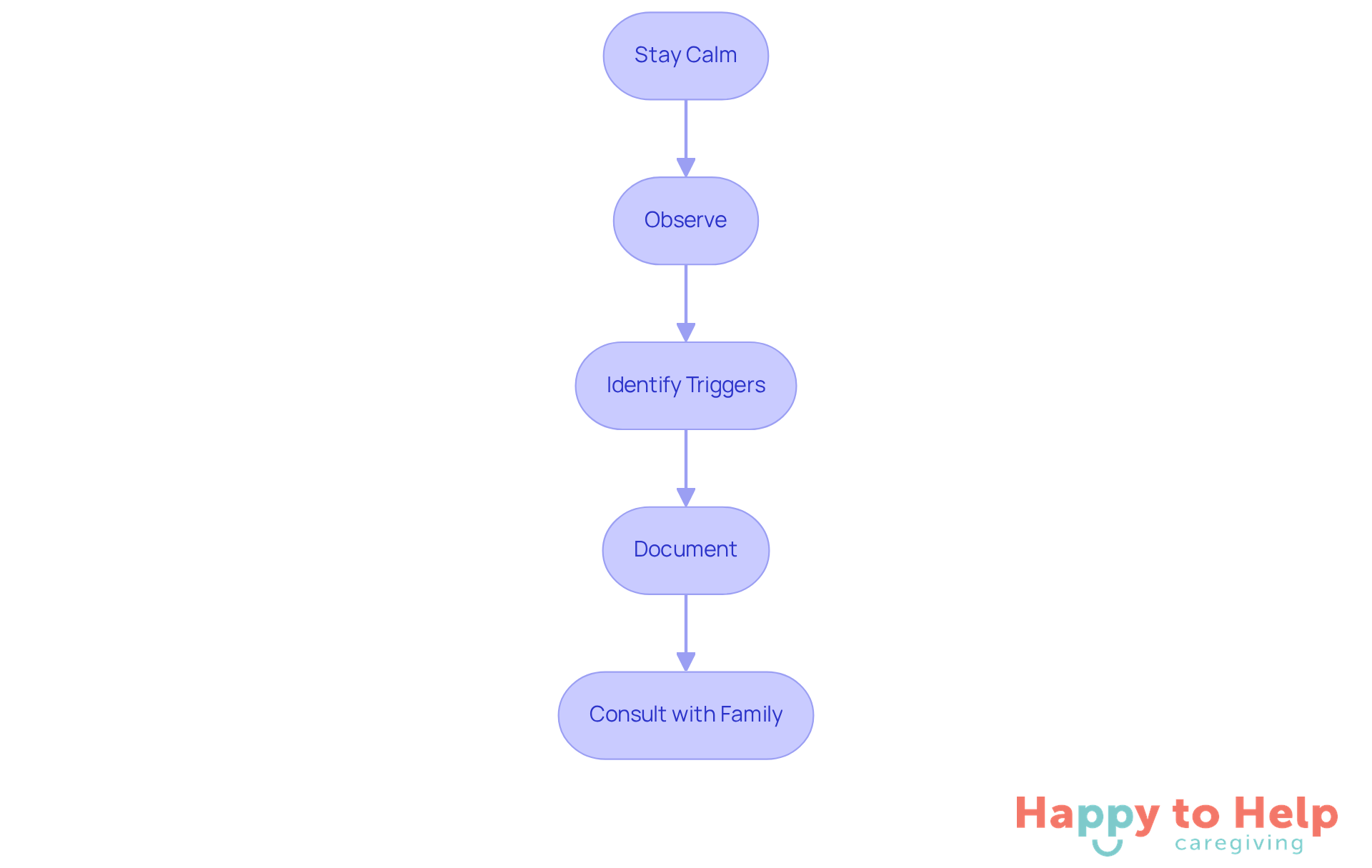
Stay Calm: Your demeanor can significantly influence how the individual reacts. Approach them with a calm and reassuring presence to help ease their distress.
-
Observe: Pay attention to what the person is seeing or hearing. Ask open-ended questions to gather details about their experience, which can provide valuable insights into their state of mind.
-
Identify Triggers: Look for environmental factors that may contribute to these altered perceptions. Consider elements like noise, lighting, or any recent changes in routine that might be affecting them.
-
Document: Keeping a record of when the disturbances occur, their duration, and any accompanying behaviors is essential. This information can be invaluable for healthcare providers in assessing the situation.
-
Consult with Family: Discuss the situation with other family members or caregivers. Gathering additional insights and support can help you better understand the context and seriousness of the experiences.
By following these steps, you can gain a clearer understanding of the situation in which my mom is seeing things that are not there and take appropriate actions to support your loved one.
Communicate Calmly and Reassuringly
Communicating with someone whose mom is seeing things that are not there can be challenging for caregivers. The emotional distress and confusion that often accompany the fact that my mom is seeing things that are not there can make it difficult to connect effectively. Caregivers need strategies to navigate these conversations and provide support.
To address this issue, consider the following actionable solutions:
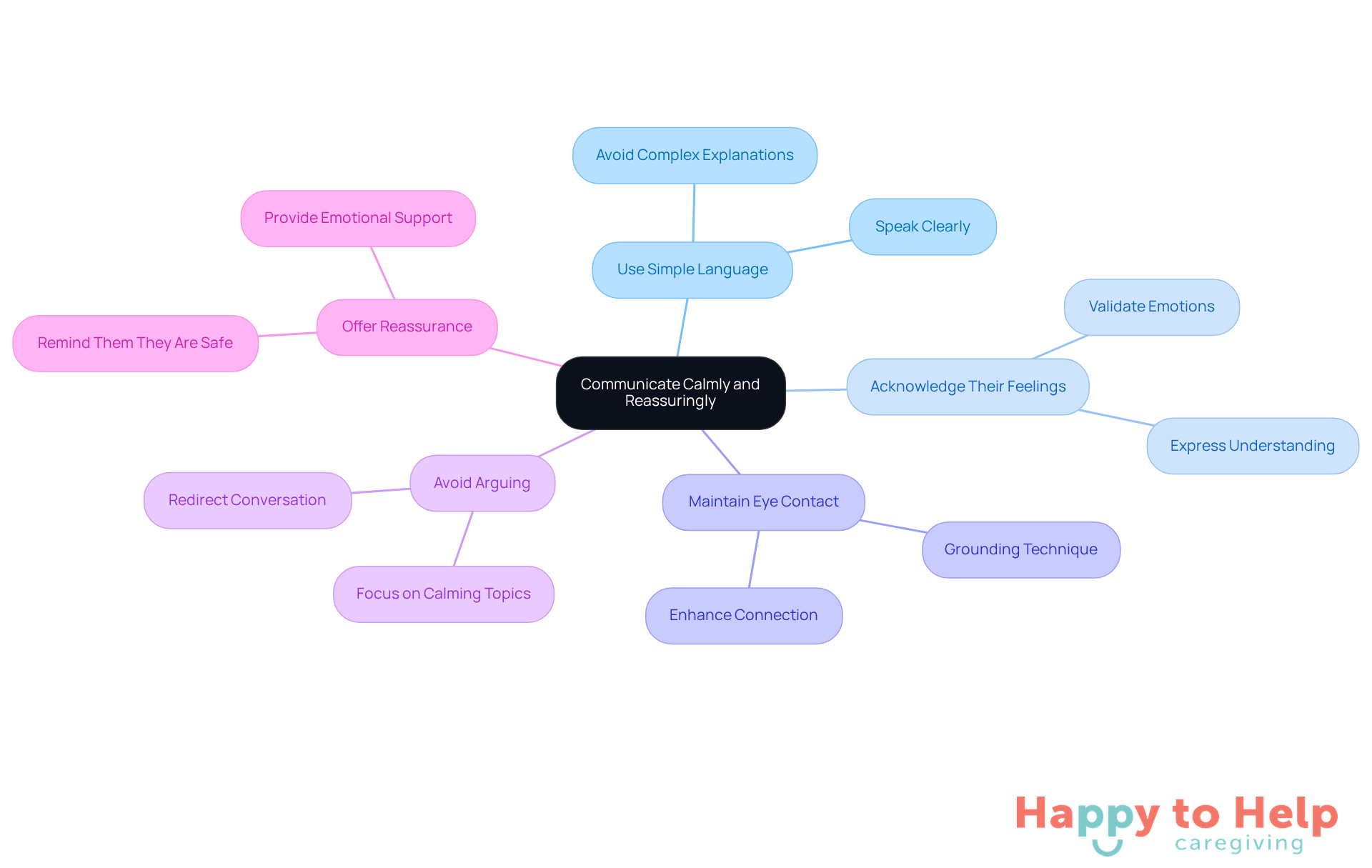
- Use Simple Language: Speak clearly and avoid complex explanations. This aids the individual in processing information more easily.
- Acknowledge Their Feelings: Validate their emotions by saying things like, "I understand that this is frightening for you. I’m here to help."
- Maintain Eye Contact: This can help ground the person and make them feel more connected to you.
- Avoid Arguing: Do not challenge their perceptions. Instead, redirect the conversation to a calming topic or activity.
- Offer Reassurance: Remind them that they are safe and that you are there to support them. Phrases like, "You’re not alone; I’m right here with you," can be comforting.
Implementing these communication methods can help alleviate the distress linked to false perceptions, especially when my mom is seeing things that are not there, and promote a sense of security.
Create a Safe and Comfortable Environment
Creating a safe and comfortable environment is crucial for caregivers, especially when my mom is seeing things that are not there. When my mom is seeing things that are not there, it can lead to confusion and anxiety, making it essential to address the factors that contribute to these experiences.
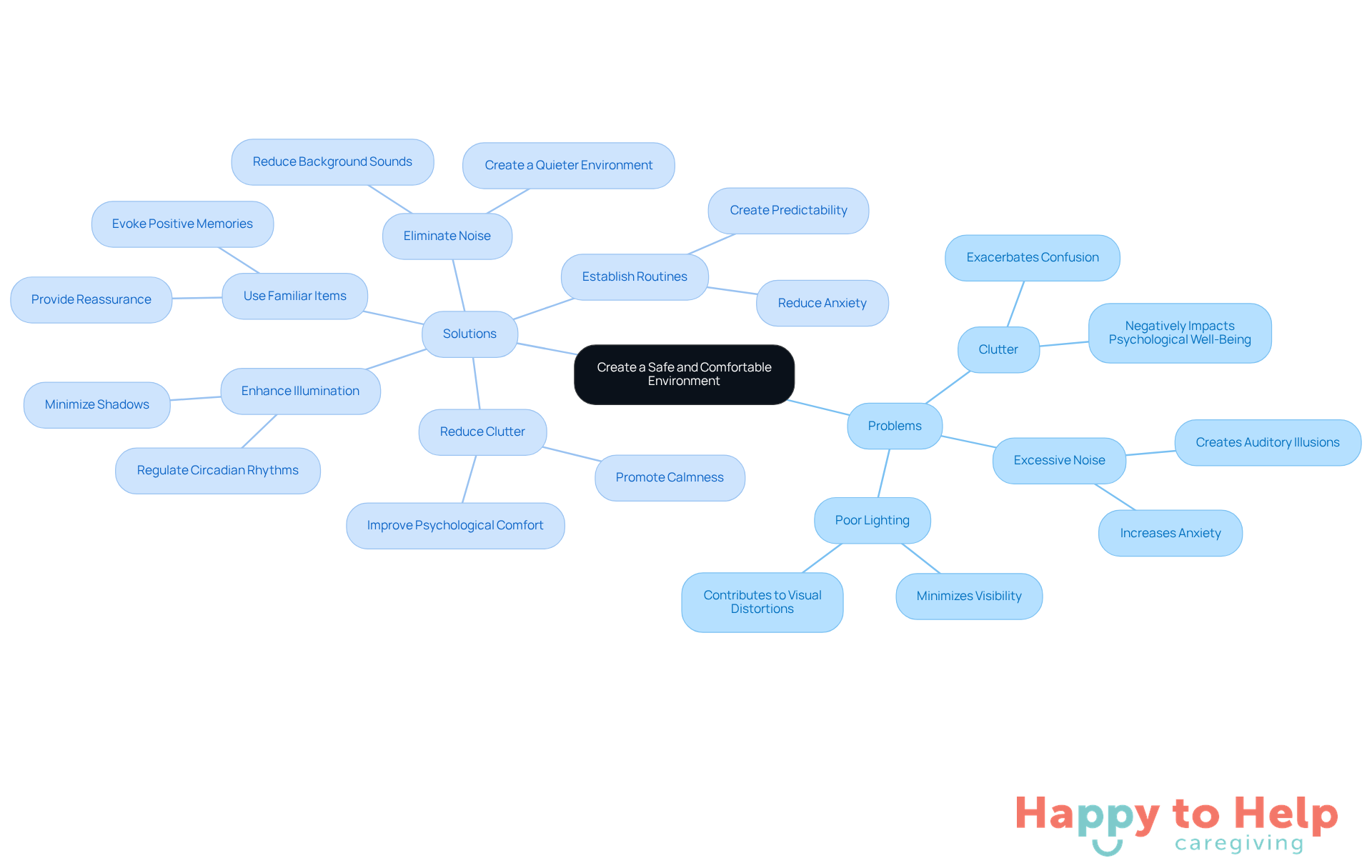
Problem: A cluttered living space can exacerbate confusion and anxiety. Research shows that clutter negatively impacts psychological well-being. Helena L. Swanson notes, "The more clutter someone has, the less sense of psychological home and subjective well-being they report."
Agitate: Without proper management, the environment can become overwhelming, which may lead to my mom seeing things that are not there and causing distress for both the individual and the caregiver. Excessive noise and poor lighting can further complicate the situation, creating a cycle of discomfort and confusion.
Solution: Here are some strategies caregivers can implement to foster a nurturing environment:
- Reduce Clutter: Keep the living space tidy to promote a sense of calm. To help my mom who is seeing things that are not there, a clean and organized space can significantly improve psychological comfort.
- Enhance Illumination: Ensure the area is well-lit to minimize shadows and visual distortions. Natural light can help regulate circadian rhythms, contributing to a more peaceful atmosphere.
- Eliminate Noise: Minimize background sounds from televisions or radios. A quieter environment can significantly reduce auditory illusions.
- Use Familiar Items: Surround the individual with familiar objects and photographs that evoke positive memories. Ava Butler emphasizes reassurance, stating, "Remind your loved one that they are safe and secure and that you are on their side."
- Establish Routines: Consistent daily routines can help reduce anxiety and confusion, making the environment feel more predictable and secure.
By implementing these modifications, caregivers can cultivate a nurturing environment that may reduce the incidence of false perceptions, especially in cases where my mom is seeing things that are not there, ultimately improving the quality of life for elderly individuals. Additionally, caregivers should prioritize their emotional health, as managing illusions can be challenging and may require seeking assistance and resources.
Know When to Seek Professional Help
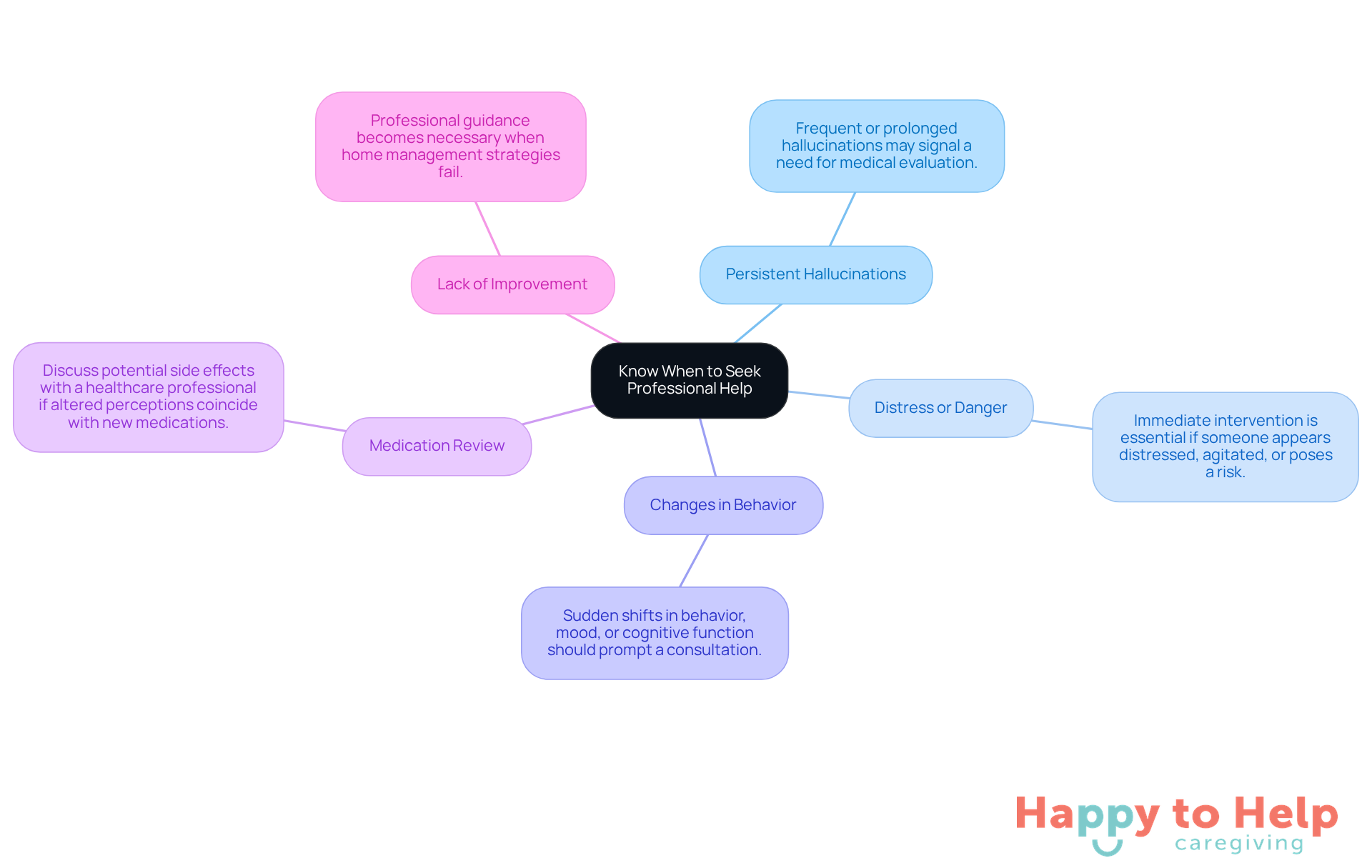
Recognizing when to seek professional assistance for distorted perceptions is crucial. Here are some key indicators to consider:
- Persistent Hallucinations: Frequent or prolonged hallucinations may signal a need for medical evaluation.
- Distress or Danger: If someone appears distressed, agitated, or poses a risk to themselves or others, immediate intervention is essential.
- Changes in Behavior: Sudden shifts in behavior, mood, or cognitive function should prompt a consultation with a healthcare provider.
- Medication Review: If altered perceptions coincide with new medications or dosage changes, it's important to discuss potential side effects with a healthcare professional.
- Lack of Improvement: When home management strategies fail to yield improvement, professional guidance becomes necessary.
Seeking help from a doctor or mental health professional can provide valuable insights and treatment options to address the underlying causes of hallucinations, particularly because my mom is seeing things that are not there.
Taking the Next Steps
Understanding and addressing the challenges of hallucinations in seniors is crucial for caregivers. These episodes can be distressing not only for the seniors experiencing them but also for their loved ones. Recognizing the underlying causes and responding with empathy and support is essential for effective caregiving.
Hallucinations can stem from various triggers, including:
- Cognitive decline
- Medication side effects
- Sensory deprivation
- Infections
- Mental health issues
Caregivers must remain calm and document their observations. Open communication with family members is vital to ensure a comprehensive approach to care. Additionally, creating a safe and comfortable living space can significantly alleviate distress and confusion for seniors facing these challenges.
Caregivers play a vital role in enhancing the quality of life for seniors dealing with hallucinations. By being informed and proactive, they can foster a supportive atmosphere that addresses both the emotional and physical needs of their loved ones. Seeking professional help is not only beneficial but sometimes necessary to ensure the well-being of those experiencing hallucinations.
Taking these steps can lead to a more peaceful and understanding environment for both caregivers and seniors alike.
https://iframe.tely.ai/cta/eyJhcnRpY2xlX2lkIjogIjY5MmY5MWIzY2E4MDg5MWIwMmZiMDEwNyIsICJjb21wYW55X2lkIjogIjY4ZWU1ZGNhNzMxNzYyNTU3ZjNjOTVjMSIsICJpbmRleCI6IG51bGwsICJ0eXBlIjogImFydGljbGUifQ==Frequently Asked Questions
What are common causes of hallucinations in seniors?
Common causes of hallucinations in seniors include cognitive decline due to conditions like Alzheimer's disease, medication side effects, sensory deprivation from loss of vision or hearing, infections such as urinary tract infections, and mental health issues like depression and anxiety.
How does cognitive decline lead to hallucinations?
Cognitive decline, particularly from Alzheimer's disease and other dementias, can cause changes in brain function that result in confusion and distress, leading to hallucinations.
Can medications cause hallucinations in seniors?
Yes, certain medications, especially those affecting the central nervous system, can lead to visual or auditory disturbances, which may manifest as hallucinations.
What role does sensory deprivation play in hallucinations?
Loss of vision or hearing can cause seniors to misinterpret sensory input, resulting in false perceptions or hallucinations.
How can infections affect perception in older adults?
Infections, such as urinary tract infections, can lead to confusion and altered perceptions, potentially causing hallucinations in older adults.
What mental health issues can contribute to hallucinations?
Mental health conditions like depression and anxiety can manifest as delusions, which may include hallucinations in seniors.
What should caregivers do when a loved one experiences hallucinations?
Caregivers should stay calm, observe the individual's experiences, identify possible triggers, document occurrences, and consult with family members for additional insights.
Why is it important to document hallucination episodes?
Documenting the timing, duration, and accompanying behaviors of hallucination episodes provides valuable information for healthcare providers to assess the situation and determine appropriate care.
How can caregivers create a supportive environment for seniors experiencing hallucinations?
By understanding the causes of hallucinations and responding appropriately, caregivers can create a supportive environment that addresses the needs of seniors experiencing these episodes.
List of Sources
- Communicate Calmly and Reassuringly
- Hallucinations in Older Adults: A Practical Review - PMC (https://pmc.ncbi.nlm.nih.gov/articles/PMC7707075)
- How to Comfort a Loved One Experiencing Hallucinations | Juniper Senior Living (https://junipercommunities.com/how-to-comfort-a-loved-one-experiencing-hallucinations)
- How to Handle Hallucinations in the Elderly: A Caregiver's Guide - Happy To Help (https://happytohelpcaregiving.com/how-to-handle-hallucinations-in-the-elderly-a-caregivers-guide)
- Clearer Conversations, Better Care: New Guide Highlights Best Practices for Communicating with Older Adults (https://geron.org/News-Events/GSA-News/Press-Room/Press-Releases/clearer-conversations-better-care-new-guide-highlights-best-practices-for-communicating-with-older-adults)
- How to Help Someone Who is Having a Psychotic Episode (https://yalemedicine.org/news/how-to-help-with-a-psychotic-episode)
- Create a Safe and Comfortable Environment
- Managing Hallucinations and Delusions (https://michaeljfox.org/news/managing-hallucinations-and-delusions)
- 29 Occupational Therapy Quotes! • OT Potential (https://otpotential.com/blog/occupational-therapy-quotes)
- Older Adults and Clutter: Age Differences in Clutter Impact, Psychological Home, and Subjective Well-Being - PMC (https://pmc.ncbi.nlm.nih.gov/articles/PMC9137741)
- The Effect of Environmental Modifications on Preventing Delirium for the Elderly Patients in the Intensive Care Unit: A Nonr-andomized Controlled Trial - European Journal of Geriatrics and Gerontology (https://ejgg.org/articles/the-effect-of-environmental-modifications-on-preventing-delirium-for-the-elderly-patients-in-the-intensive-care-unit-a-nonr-andomized-controlled-trial/ejgg.galenos.2023.2022-10-6)
- How to Handle Hallucinations in the Elderly: A Caregiver's Guide - Happy To Help (https://happytohelpcaregiving.com/how-to-handle-hallucinations-in-the-elderly-a-caregivers-guide)