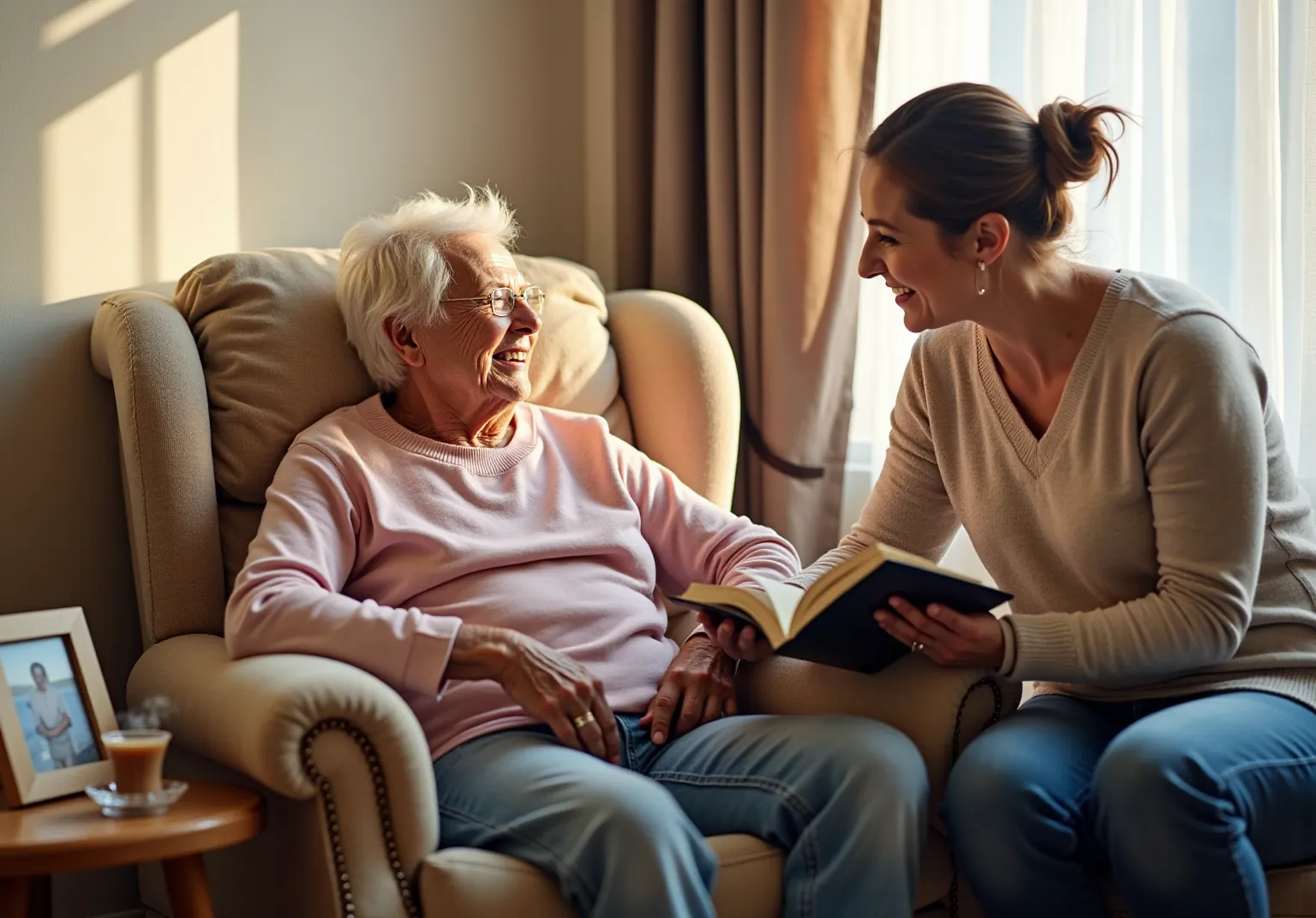
Quick Guide to Become a Private Caregiver and Thrive
Becoming a private caregiver is a journey that requires not just skills but also a heart full of empathy, patience, and strong communication. It’s about understanding the emotional landscape of those you assist and being there for them in their times of need. To truly thrive in this role, it’s essential to pursue the necessary training and certifications that will equip you with the knowledge to provide the best care possible.
This article offers a structured approach to help you navigate this rewarding path. It emphasizes the importance of self-assessment, allowing you to reflect on your strengths and areas for growth. Professional development and continuous learning are vital, as they enhance your caregiving abilities and ensure a fulfilling experience for both you and those you care for.
Remember, the journey can be challenging. Caregivers often face emotional stress and burnout, but you’re not alone. There are resources and support systems available to help you manage these feelings. By connecting with fellow caregivers and sharing experiences, you can find solace and encouragement.
As you embark on this path, know that your compassion and dedication can make a significant difference in someone’s life. Embrace the opportunity to learn and grow, and take pride in the nurturing role you play. Your journey as a caregiver is not just about providing assistance; it’s about building meaningful connections and fostering a sense of trust and comfort.
Why Become a Private Caregiver and Thrive Matters
Being a private caregiver is more than just a job; it’s a heartfelt commitment to improving the lives of those who need it most. As the demand for compassionate support continues to grow, it’s essential for anyone considering this career to grasp the vital qualities and skills that will help them succeed.
How can one navigate the intricate world of caregiving, from evaluating personal readiness to acquiring the necessary training and certifications? This guide presents five important steps designed not only to prepare aspiring caregivers for the challenges they may face but also to empower them to create a meaningful impact in the lives they touch.
Define Caregiving and Essential Qualities
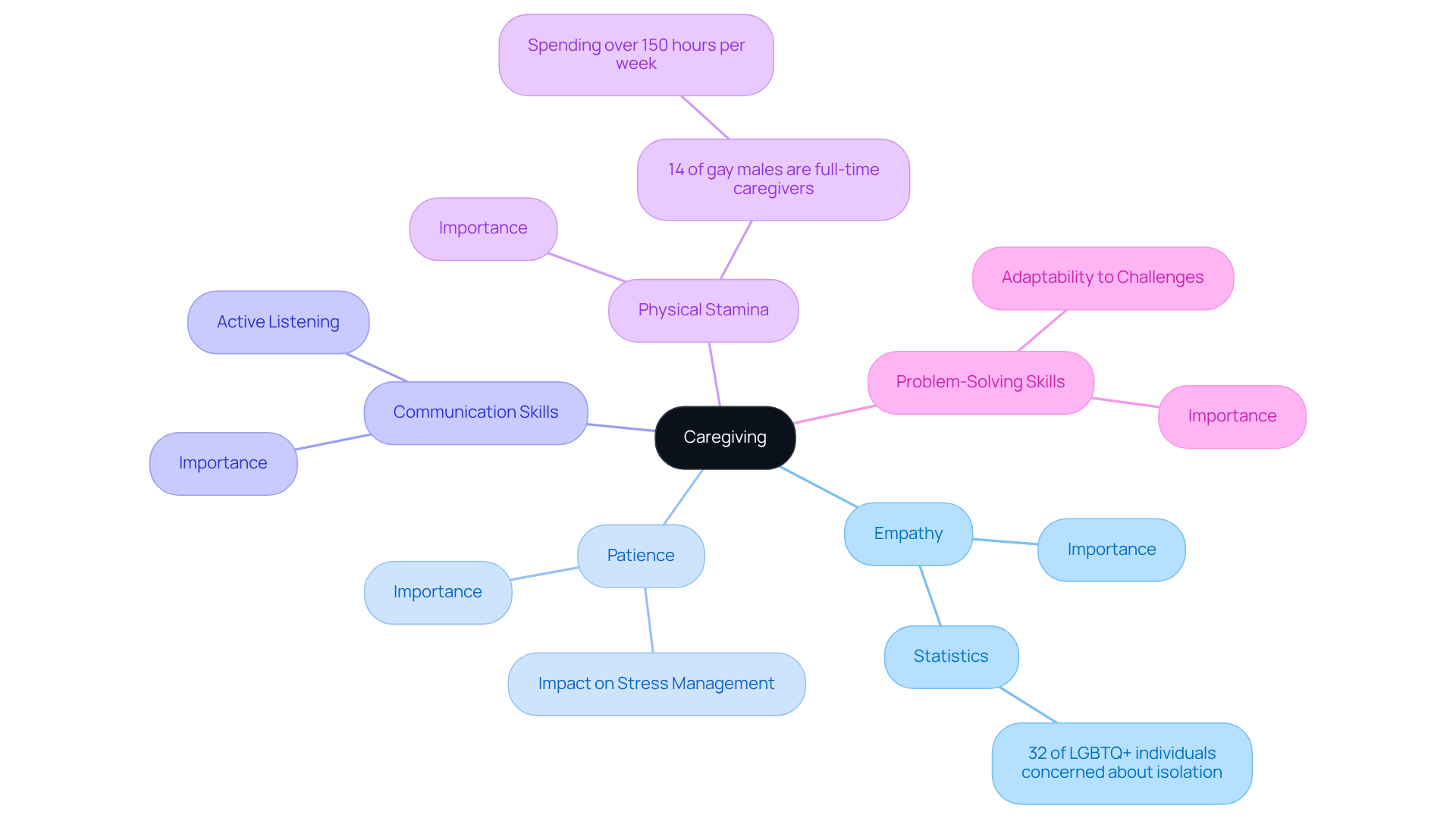
Caregiving is about providing essential support to those who need help with daily activities due to age, illness, or disability. A successful caregiver embodies several key qualities that truly enhance the caregiving experience:
- Empathy: Understanding and sharing the feelings of others is crucial. Compassionate caregivers nurture trust and connection, greatly enhancing the emotional well-being of those they assist. For instance, with 32% of LGBTQ+ individuals expressing concerns about isolation in their later years, caregivers who offer emotional companionship can help alleviate these feelings, ensuring recipients feel understood and supported.
- Patience: Staying calm and composed, especially in challenging situations, is vital. Caregiving can be demanding, and a patient demeanor helps manage stress, creating a positive environment.
- Communication Skills: Effective communication is essential for grasping clients' needs and preferences. Caregivers must excel at conveying information while also actively listening to those they assist.
- Physical Stamina: Helping clients with mobility and daily tasks requires endurance. Caregivers often engage in activities that demand strength and energy, making stamina a key attribute. The fact that 14% of gay males are full-time providers, spending over 150 hours per week in this role, highlights the physical demands placed on caregivers.
- Problem-Solving Skills: Caregivers frequently face unexpected challenges. The ability to tackle problems promptly and adapt to changing situations is essential for ensuring a seamless support experience.
By embodying these qualities, caregivers can create a nurturing atmosphere that significantly improves the quality of life for those they assist. Real-world examples show that prioritizing empathy not only enhances clients' emotional well-being but also fosters a sense of security and comfort, making the caregiving journey more rewarding for everyone involved. Moreover, with 40% of caregivers in high-burden situations, the importance of these qualities becomes even clearer, as they help individuals navigate the complexities of their roles effectively.
Assess Your Suitability for Caregiving
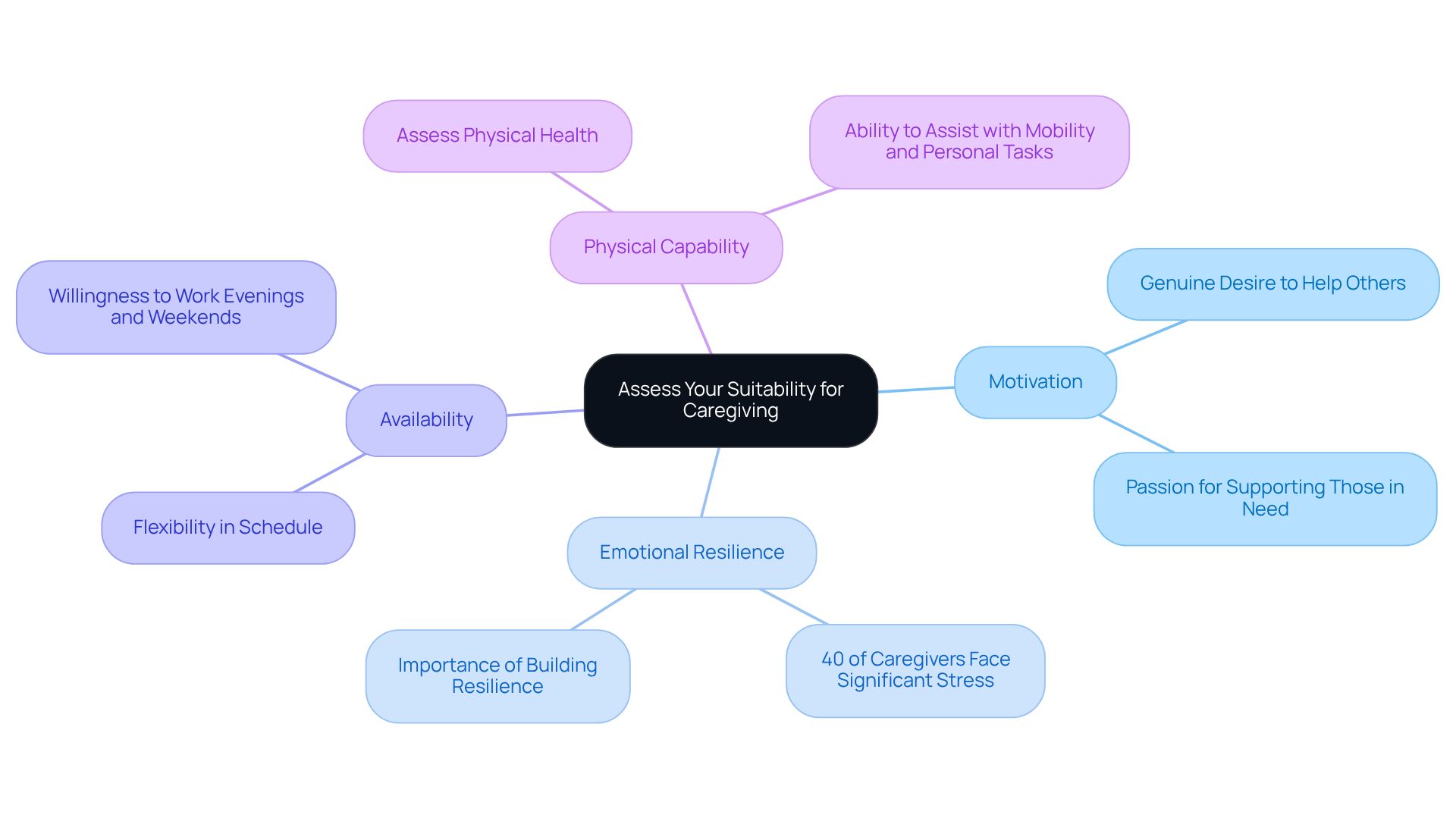
Before you start your journey in caregiving, it’s important to take a moment to reflect on a few key factors that can help you assess your fit for this meaningful role:
- Motivation: A genuine desire to help others is at the heart of caregiving. It can be a demanding path, and your commitment will be fueled by your passion for supporting those in need. As Loving Homecare Inc. wisely notes, "By summarizing these essential aspects, you can quickly capture the attention of employers and offer them a glimpse of your fit for the support role."
- Emotional Resilience: Caregiving often brings a rollercoaster of emotions. It’s important to recognize that around 40% of caregivers face significant stress and emotional fatigue. Building resilience not only benefits you but also enhances the quality of care you provide to others.
- Availability: Think about your schedule. Are you able to dedicate the necessary time, including evenings and weekends? Flexibility is often key to meeting the needs of those you care for.
- Physical Capability: Assess your physical health to ensure you can assist clients with mobility and personal tasks. Caregiving can be physically demanding, so maintaining your well-being is crucial for both you and those you support.
By considering these aspects, you can gain clarity on whether your strengths and lifestyle support your goal to become a private caregiver. This reflection can lead to a more fulfilling experience in this rewarding field, where your compassion truly makes a difference.
Obtain Required Training and Certifications
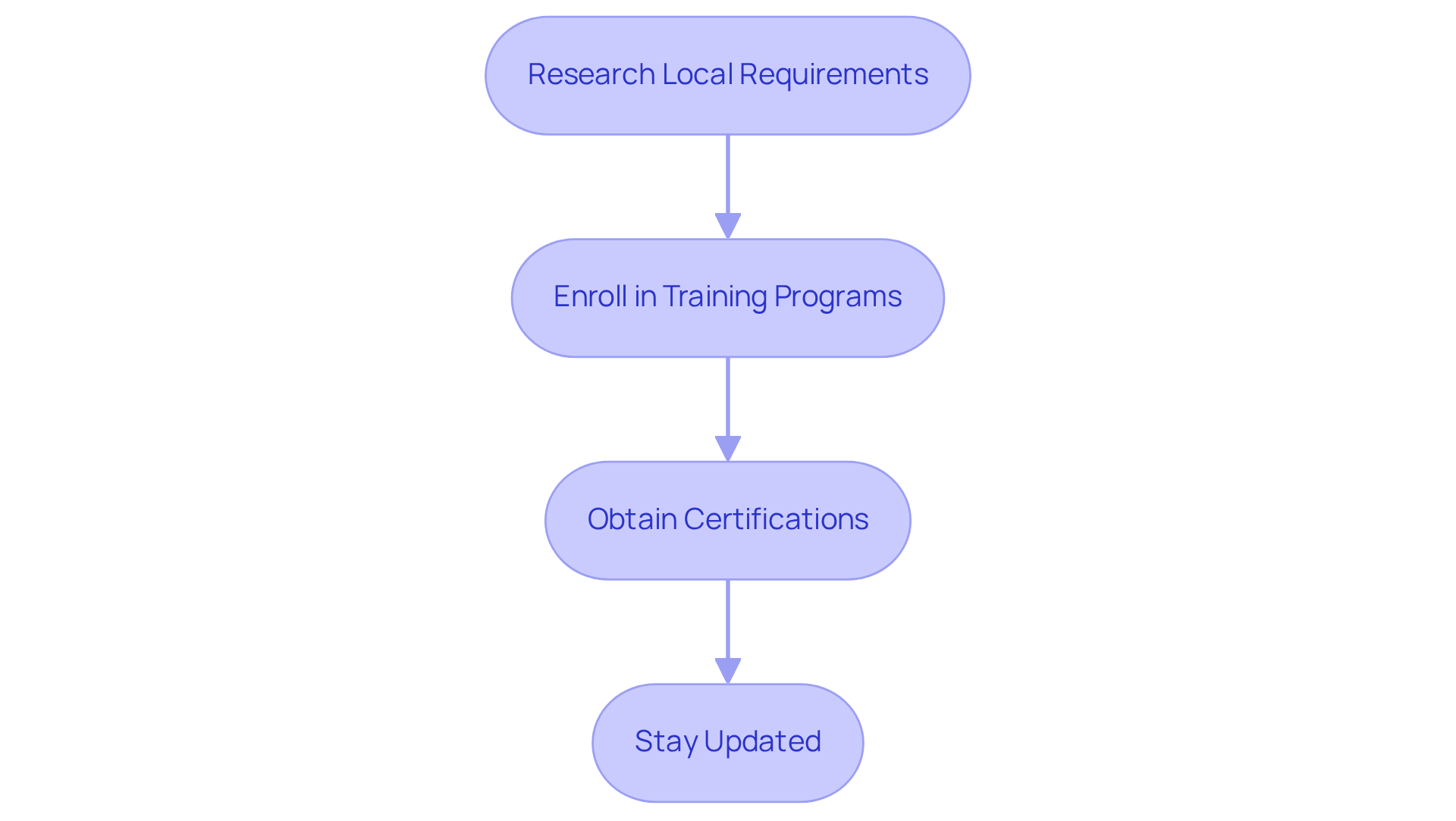
The journey to become a private caregiver requires specific training and certifications, but it’s also a path filled with purpose and compassion. Here’s how you can navigate this process:
-
Research Local Requirements: Each state has its own regulations regarding caregiver qualifications. It’s essential to understand these requirements, as they can vary significantly. For example, some states, like Pennsylvania and Massachusetts, require an 8-hour certification course, while others may ask for more extensive training. Knowing what’s needed can help ease your worries and set you on the right path.
-
Enroll in Training Programs: Look for accredited programs that teach vital support skills, such as first aid, CPR, and personal assistance techniques. These foundational skills are not just checkboxes; they’re critical for ensuring the safety and well-being of those you care for. You’re not just learning; you’re preparing to make a real difference in someone’s life.
-
Obtain Certifications: Earning certifications like Certified Nursing Assistant (CNA) or Home Health Aide (HHA) can greatly enhance your employability. These credentials confirm your abilities and demonstrate your commitment to professional growth, which is essential if you wish to become a private caregiver in the support sector. They’re a testament to your dedication and compassion.
-
Stay Updated: Engaging in continuous education is vital. It keeps your skills current and helps you learn about new caregiving practices. Many states require yearly training to maintain certification, ensuring you’re equipped with the latest knowledge and techniques. This commitment not only benefits you but also those you care for.
By following these steps, you’ll not only prepare yourself for the role but also boost your confidence in delivering high-quality support. With around 41.8 million Americans providing unpaid assistance to adults aged 50 and above, the demand for qualified support providers is significant. This makes your certifications even more valuable. Moreover, the economic value of support services is estimated at $375 billion annually, highlighting the importance of professional training and certification in this field. Remember, every step you take is a step toward making a meaningful impact in someone’s life.
Apply for Caregiver Positions and Navigate the Hiring Process
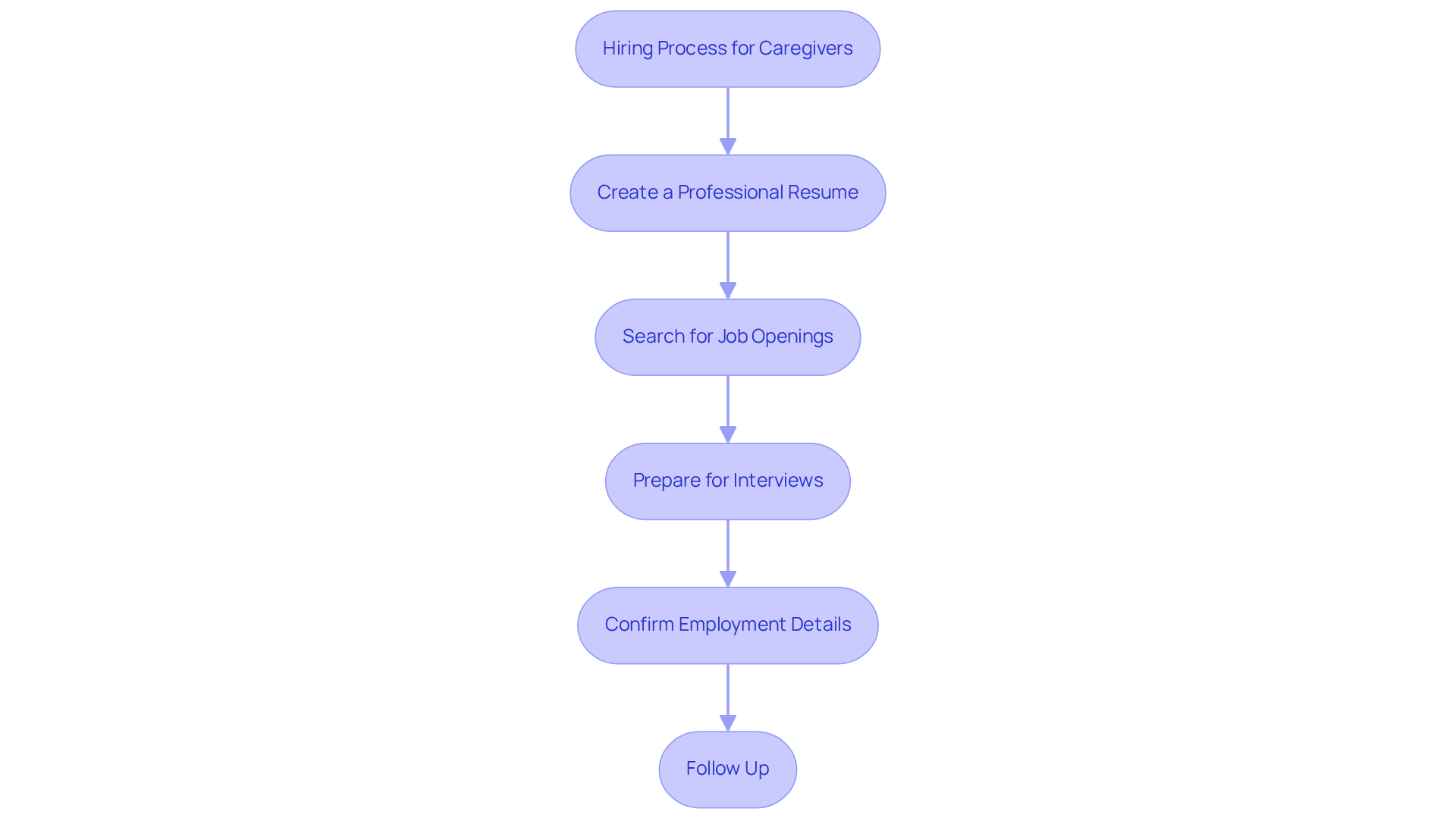
Once you’ve gained the necessary training and certifications, it’s time to begin your journey to become a private caregiver. Here are some essential steps to help you navigate the hiring process with confidence:
-
Create a Professional Resume: Your resume should clearly showcase your training, certifications, and relevant experience. Highlight any specialized skills that make you stand out, like multilingual abilities or experience with specific health conditions. Including a personal profile that reflects your strengths and philosophy of care can leave a lasting impression.
-
Search for Job Openings: Explore various platforms, including job boards, assistance agencies, and local community resources, to find available positions. The demand for home health aides is expected to grow by over 21% through 2033, translating to more than 800,000 new jobs. This indicates a wealth of opportunities in the field, which can be quite reassuring.
-
Prepare for Interviews: Familiarize yourself with common interview questions and be ready to discuss your caregiving philosophy and experiences. Employers often seek candidates who can demonstrate empathy and reliability, so think of examples that showcase these qualities.
-
Confirm Employment Details: Before starting work, make sure to confirm your work schedule, pay rate, and payment details. Understanding these terms is crucial for a smooth transition into your new role, allowing you to focus on what truly matters—providing care.
-
Follow Up: After interviews, send thank-you notes to express your appreciation and reiterate your interest in the position. This simple gesture can leave a lasting impression and show your professionalism.
Navigating the hiring process with confidence can significantly enhance your chances to become a private caregiver. Remember, the median hourly pay for caregivers is around $15.14, and understanding the financial landscape can help you negotiate effectively. By presenting yourself as a qualified and dedicated candidate, you can truly thrive in this rewarding profession.
Commit to Continuous Learning and Skill Development
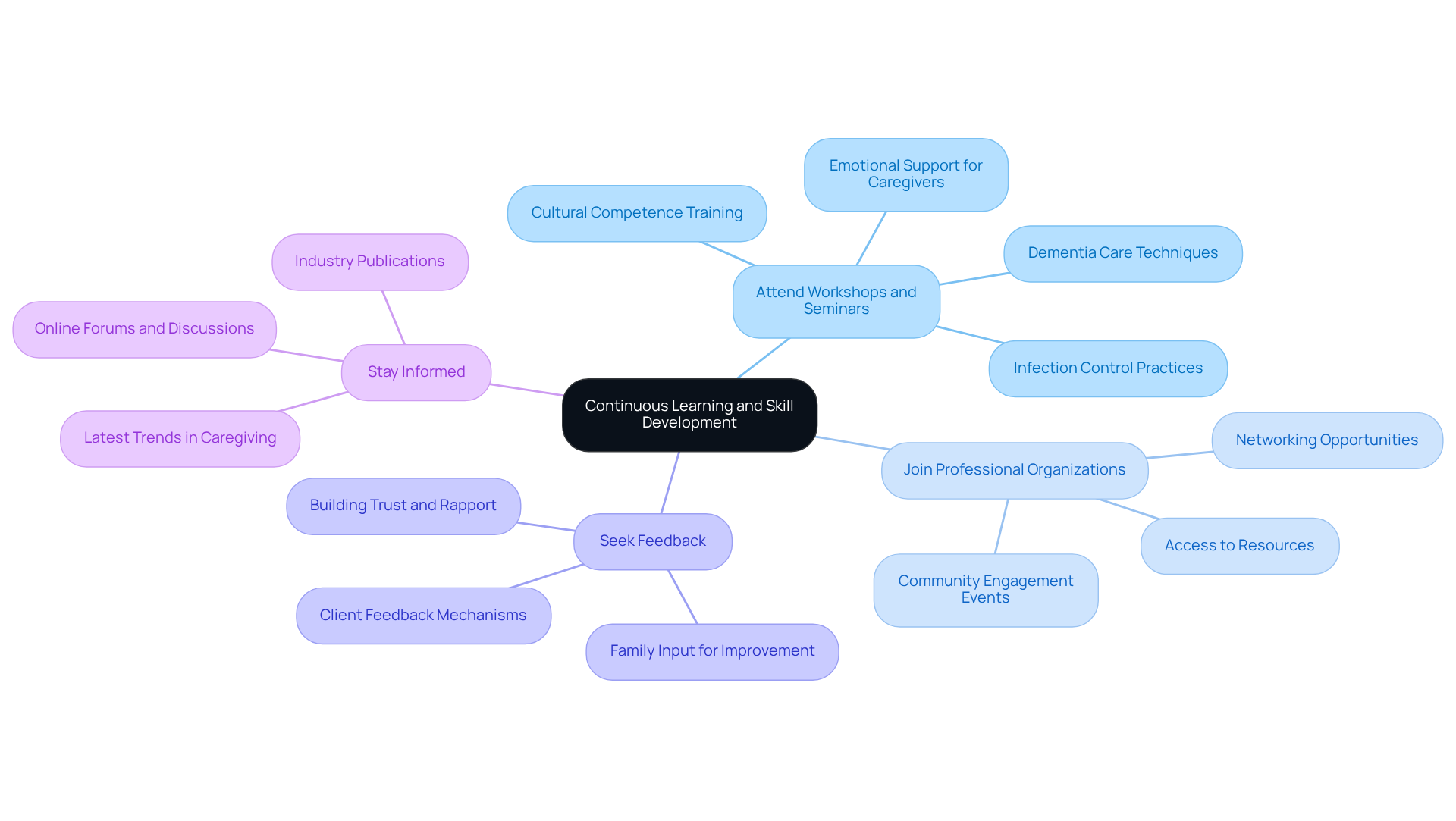
To truly thrive as a caregiver, embracing continuous learning and skill development is vital. Here are some heartfelt strategies to enhance your caregiving abilities:
- Attend Workshops and Seminars: Participating in workshops that focus on caregiving techniques can be a game-changer. In 2025, various workshops will be available, covering essential topics like dementia care, infection control, and cultural competence. These sessions not only provide practical tips but also offer emotional support to those who dedicate their lives to caring for others.
- Join Professional Organizations: Becoming part of professional groups can open doors to valuable resources, networking opportunities, and tailored support for caregivers. These organizations often host events that encourage community engagement and knowledge sharing, reminding you that you’re not alone in this journey.
- Seek Feedback: Regularly asking for feedback from clients and their families can illuminate areas for growth, ensuring you meet their needs effectively. This practice not only hones your skills but also builds trust and rapport with those you care for, reinforcing the bonds that matter most.
- Stay Informed: Keeping up with industry publications and engaging in online forums helps you stay updated on the latest trends and advancements in caregiving. This knowledge empowers you to implement new strategies, enhancing the care you provide.
By prioritizing continuous learning, you not only sharpen your skills but also elevate the quality of care you offer, ultimately enriching the lives of your clients. Remember, every step you take in your journey of growth is a step towards providing exceptional care.
Taking the Next Steps
Choosing to become a private caregiver is truly a noble and impactful journey. It’s a path that calls for a unique blend of essential qualities, training, and a heartfelt commitment to ongoing development. Caregivers do more than just provide practical support; they play a crucial role in enhancing the emotional well-being of those they assist. By nurturing traits like empathy, patience, and strong communication skills, you can create a warm environment that significantly uplifts the lives of your clients.
In this guide, we’ve highlighted the importance of:
- Self-assessment
- Obtaining necessary training and certifications
- Navigating the hiring process
Each step—whether it’s understanding your motivations, building emotional resilience, or actively seeking job opportunities—forms the bedrock of a successful caregiving career. With the demand for qualified caregivers growing, embracing these steps can lead to a fulfilling and rewarding profession.
Ultimately, being a caregiver is more than just a job; it’s a heartfelt commitment to making a meaningful difference in the lives of others. By prioritizing personal growth and skill development, you can ensure you’re well-equipped to meet the challenges of this rewarding field. Embrace this journey, continue to learn, and remember that every effort you make contributes to the well-being of those who rely on compassionate care.
https://iframe.tely.ai/cta/eyJhcnRpY2xlX2lkIjogIjY5MGJlNWZmYTNhYTUxNGM3MTIxMGE4MiIsICJjb21wYW55X2lkIjogIjY4ZWU1ZGNhNzMxNzYyNTU3ZjNjOTVjMSIsICJpbmRleCI6IG51bGwsICJ0eXBlIjogImFydGljbGUifQ==Frequently Asked Questions
What is caregiving?
Caregiving involves providing essential support to individuals who need help with daily activities due to age, illness, or disability.
What are the essential qualities of a successful caregiver?
Key qualities of a successful caregiver include empathy, patience, communication skills, physical stamina, and problem-solving skills.
Why is empathy important in caregiving?
Empathy helps caregivers understand and share the feelings of those they assist, fostering trust and emotional well-being, especially for individuals who may feel isolated.
How does patience benefit caregivers?
Patience allows caregivers to remain calm in challenging situations, helping to manage stress and create a positive environment for those they care for.
What role do communication skills play in caregiving?
Effective communication is crucial for understanding clients' needs and preferences, as well as for conveying information clearly while actively listening.
Why is physical stamina necessary for caregivers?
Caregiving often requires physical strength and endurance to assist clients with mobility and daily tasks, making stamina a key attribute for caregivers.
How do problem-solving skills impact caregiving?
Caregivers frequently encounter unexpected challenges, so the ability to solve problems quickly and adapt is essential for providing seamless support.
What should one consider when assessing their suitability for caregiving?
Individuals should reflect on their motivation, emotional resilience, availability, and physical capability to determine their fit for the caregiving role.
Why is motivation important in caregiving?
A genuine desire to help others is crucial as caregiving can be demanding, and passion for supporting those in need drives commitment.
How does emotional resilience affect a caregiver's role?
Building emotional resilience helps caregivers manage the stress and emotional fatigue that often accompany caregiving, enhancing the quality of care provided.
What factors related to availability should potential caregivers consider?
Caregivers should evaluate their schedules to ensure they can dedicate the necessary time, including evenings and weekends, to meet the needs of those they care for.
Why is assessing physical capability important for caregivers?
Caregiving can be physically demanding, so maintaining good physical health is crucial for effectively assisting clients with mobility and personal tasks.