
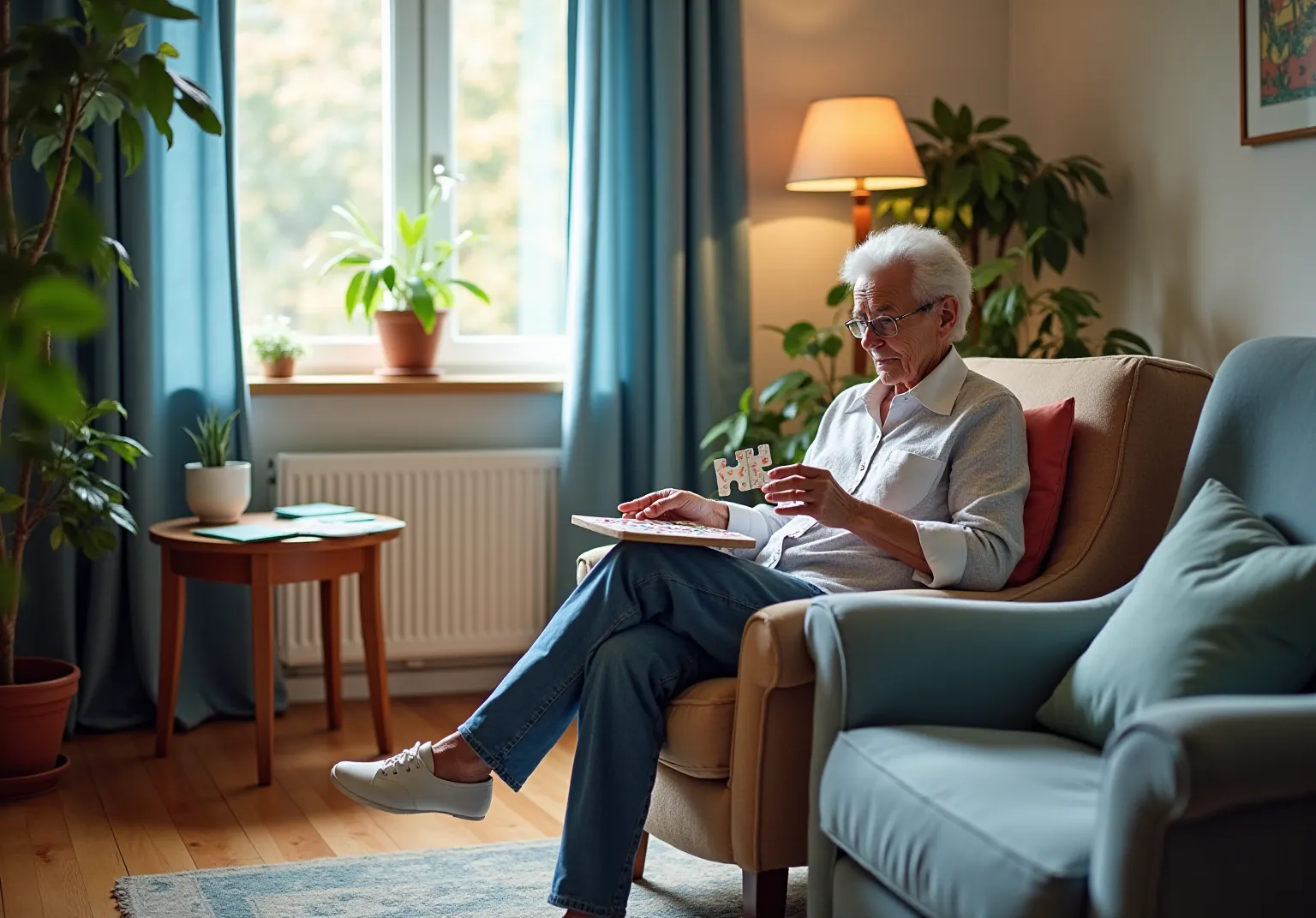
For families in our service areas
For families in our service areas, this guide explains caregiving and how non-medical in-home caregiving can support care planning in East Idaho, Treasure Valley & Magic Valley, Northern Wasatch, North Central West Virginia, and Northeast Ohio.
What You Need to Know About Care for a Stroke Patient at Home
Caring for a stroke patient at home presents a significant challenge for caregivers. They must navigate the complexities of recovery and rehabilitation, which can feel overwhelming. The unique needs of stroke survivors - ranging from mobility and communication to emotional support - require focused attention.
This challenge can lead to feelings of frustration and uncertainty for caregivers. Implementing personalized care plans and adapting home environments to promote safety and independence is crucial. However, balancing these demands while ensuring optimal recovery for their loved ones can be daunting.
To address these challenges, caregivers can take several actionable steps:
- Assess the specific needs of the stroke survivor, tailoring care plans accordingly.
- Create a safe home environment that encourages independence.
By focusing on these strategies, caregivers can significantly enhance the quality of life for stroke survivors.
Understand Stroke Recovery Needs
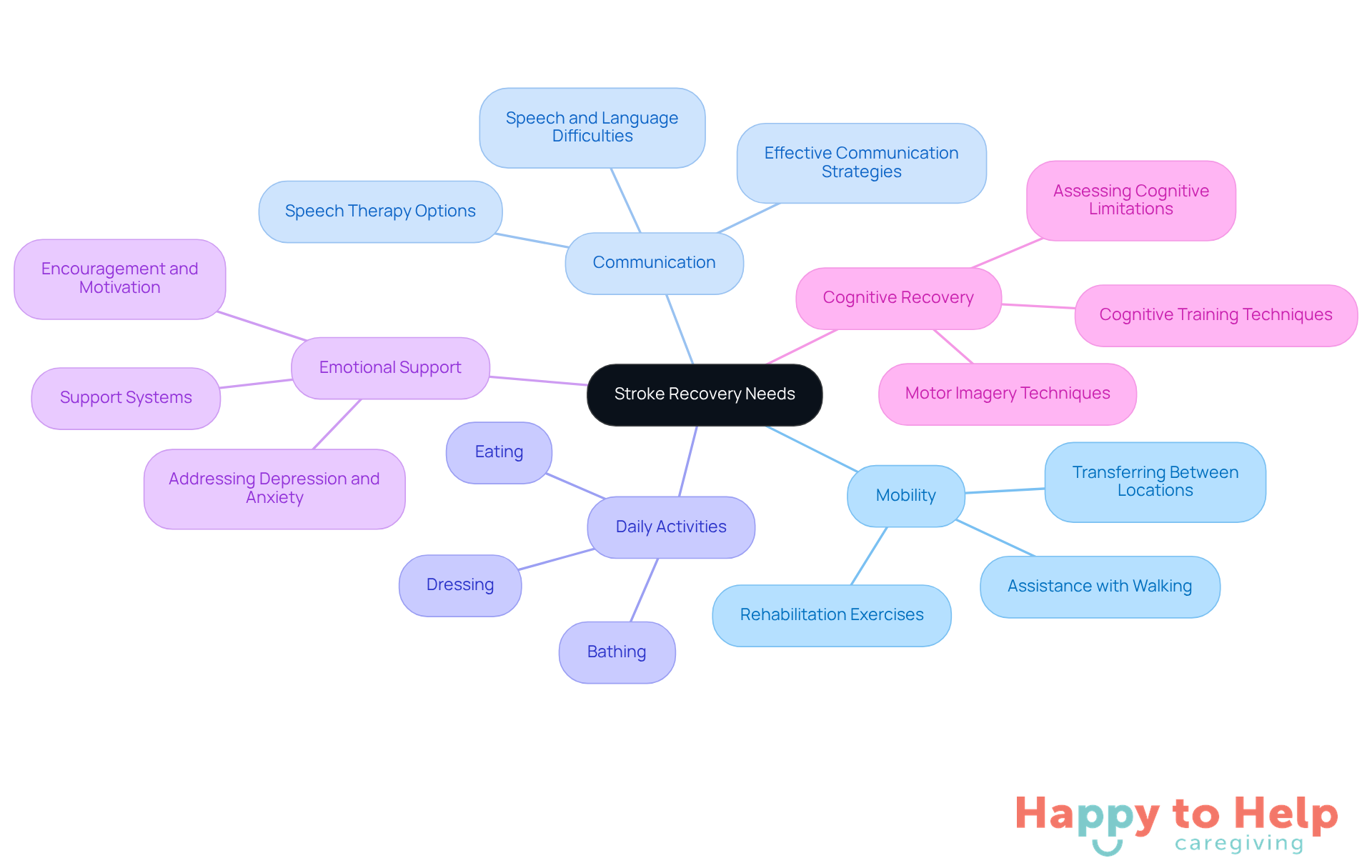
Begin by evaluating how to care for a stroke patient at home by assessing the specific needs of the stroke victim. Caregivers face significant challenges in understanding how to care for a stroke patient at home, including the survivor's physical limitations, cognitive abilities, and emotional state. Consulting with healthcare professionals can provide valuable insights on how to care for a stroke patient at home, as well as information about the survivor's condition and recovery goals.
-
Mobility: One major concern is mobility. Determine if the patient requires assistance with walking or transferring between locations. Knowing how to care for a stroke patient at home is crucial for their independence and overall recovery.
-
Communication: Another area to assess is communication. Identify any speech or language difficulties and consider speech therapy options. Effective communication is vital for emotional well-being and social interaction, which is important when learning how to care for a stroke patient at home.
-
Daily Activities: Daily activities also play a significant role in recovery. Assess the survivor's ability to perform tasks such as eating, bathing, and dressing. Rehabilitation should include education on how to care for a stroke patient at home, focusing on regaining independence in these areas, which can greatly enhance their quality of life.
Understanding how to care for a stroke patient at home is essential for their recovery. Acknowledge the emotional effects of a cerebrovascular accident, including possible depression or anxiety. Prepare suitable support systems to help the survivor understand how to care for a stroke patient at home and cope with these challenges.
- Cognitive Recovery: Lastly, understanding cognitive recovery is equally important. Assess cognitive limitations and consider cognitive training techniques, like motor imagery, which can improve rehabilitation results when combined with physical therapy.
By concentrating on these aspects, caregivers can establish a nurturing atmosphere that encourages healing and improves the quality of life for individuals affected by a brain attack, highlighting the importance of knowing how to care for a stroke patient at home.
Modify the Home Environment
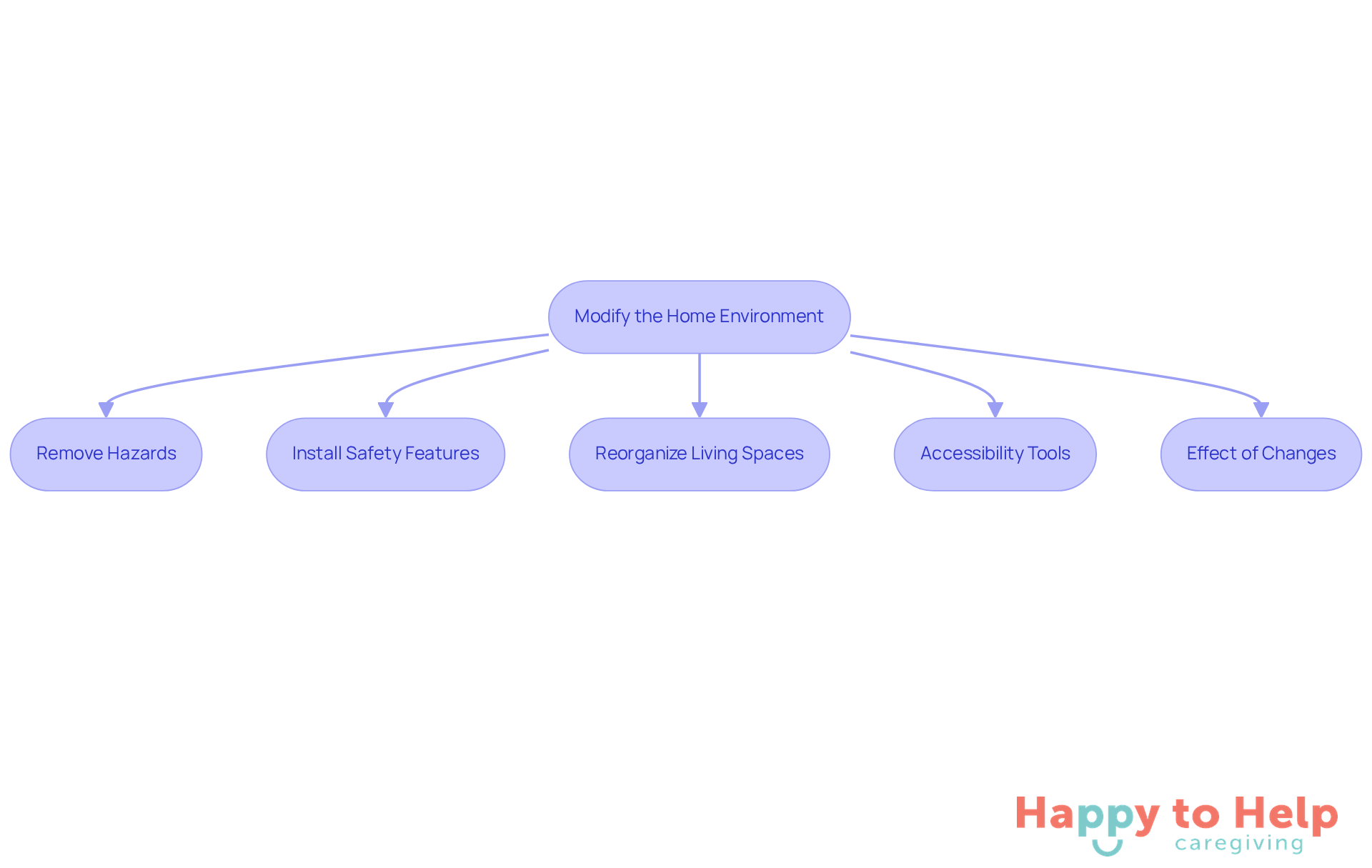
Caregivers face significant challenges when learning how to care for a stroke patient at home while effectively modifying the home environment for stroke recovery. Ensuring safety and accessibility is crucial, as many individuals recovering from a stroke are at risk of falls and other complications.
-
Remove Hazards: Clear pathways of clutter and ensure that floors are non-slip. Eliminate throw rugs and other tripping hazards to create a safer walking environment.
-
Install Safety Features: Incorporate grab bars in bathrooms and handrails on stairs, while ensuring that all areas of the home are well-lit. These modifications greatly decrease the risk of falls, which are a frequent issue for individuals recovering from a brain injury.
-
Reorganize Living Spaces: Arrange furniture to create wide pathways suitable for mobility aids. Keep frequently used items within easy reach to minimize strain and promote independence.
-
Accessibility Tools: Utilize assistive devices such as shower chairs and raised toilet seats to facilitate daily activities. These tools can greatly enhance comfort and safety during personal care routines.
-
Effect of Changes: Studies show that home adaptations can lead to improved healing outcomes for individuals who have experienced a cerebrovascular accident, allowing them to live more autonomously and interact positively with their environment. For instance, a study titled "Home Modifications and Self-Management Training for Stroke Survivors" revealed that participants who received home modifications experienced fewer complications and maintained a higher quality of life. Furthermore, creating a tranquil atmosphere is essential, as rest is vital for brain healing during rehabilitation after a cerebral event. As Kate Allatt, a person who has overcome a cerebrovascular accident, wisely stated, 'Your body can endure nearly anything.' It's your mind that you have to convince.
By concentrating on these vital adjustments, caregivers can effectively learn how to care for a stroke patient at home, establishing a nurturing atmosphere that promotes recovery and enhances the overall well-being of individuals who have experienced a stroke.
Develop a Personalized Care Plan
Caregivers often face significant challenges when trying to develop a personalized care plan on how to care for a stroke patient at home. They must navigate the complexities of rehabilitation while understanding how to care for a stroke patient at home to ensure that the survivor's needs are met effectively. This can lead to feelings of overwhelm and uncertainty.
-
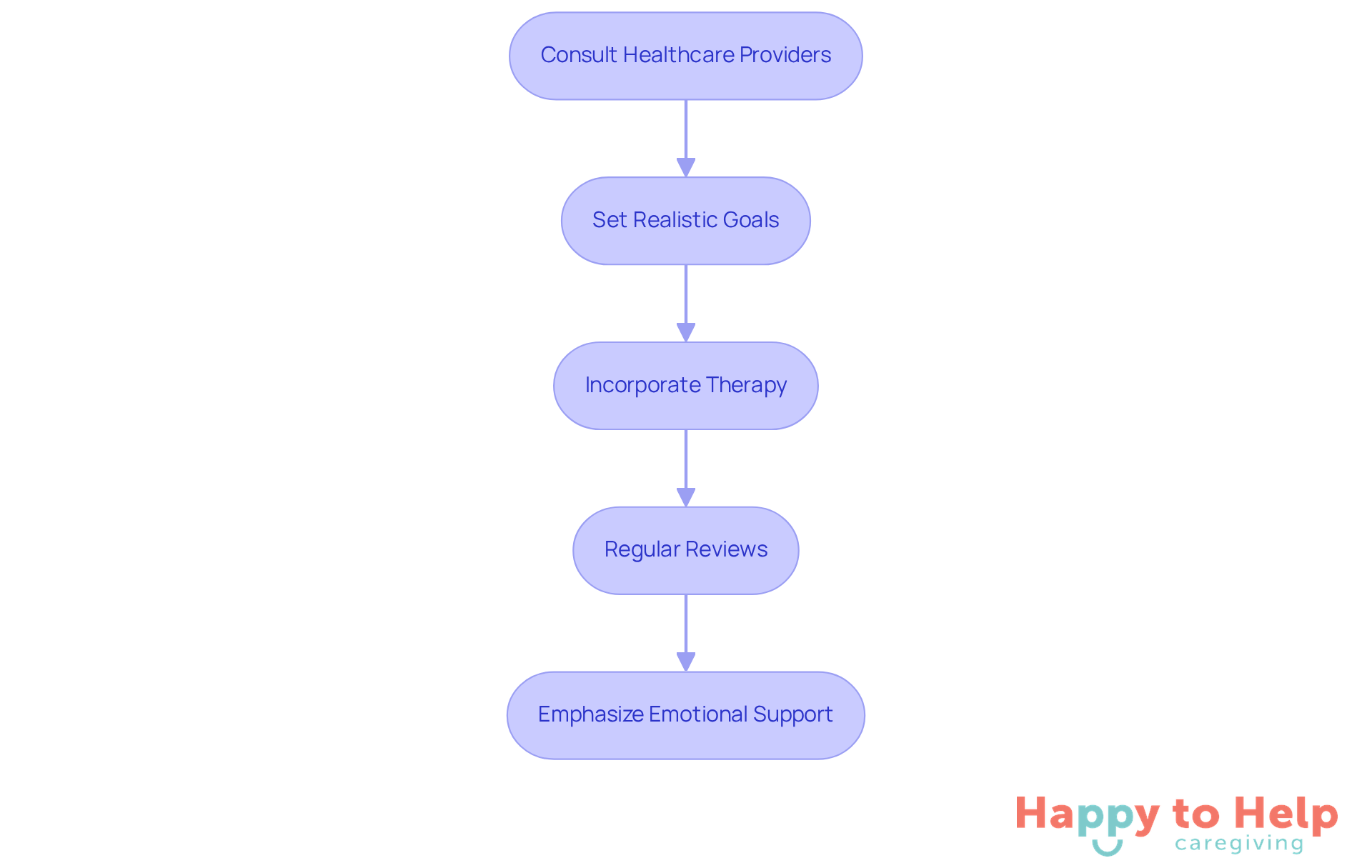
Consult Healthcare Providers: Collaborating with doctors, physical therapists, and occupational therapists is crucial. Together, they can outline the survivor's rehabilitation goals and necessary interventions, ensuring a comprehensive approach.
-
Set Realistic Goals: Establishing both short-term and long-term objectives is essential. These goals should be based on the individual's capabilities and aspirations, such as regaining the ability to walk independently or improving communication skills.
-
Incorporate Therapy: It's important to include physical, occupational, and speech therapy sessions in the care plan. These therapies should align with the individual's healing timeline to maximize effectiveness.
-
Regular Reviews: Scheduling regular check-ins allows caregivers to assess progress and adjust the care plan as needed. This ensures that the plan for how to care for a stroke patient at home remains relevant and effective throughout the recovery process.
-
Emphasize Emotional Support: Individuals recovering from a brain attack may encounter emotional difficulties, such as anxiety and frustration. Acknowledging these challenges and offering companionship and support is essential for sustaining motivation and mental well-being during the healing journey.
Provide Emotional and Physical Support
Problem: Stroke survivors often face significant challenges at home, impacting their recovery and overall well-being. Many experience feelings of isolation, depression, and a loss of independence, which can hinder their rehabilitation process. In fact, research shows that between 20-50% of brain attack survivors deal with depression, underscoring the need for effective support strategies.
Agitate: Caregivers play a crucial role in addressing these challenges, yet they may feel overwhelmed by the emotional and physical demands of providing care. Communication barriers are common, with nearly 90% of individuals who have experienced a cerebrovascular accident reporting difficulties in expressing their needs. This can lead to frustration and a sense of helplessness for both the caregiver and the survivor.
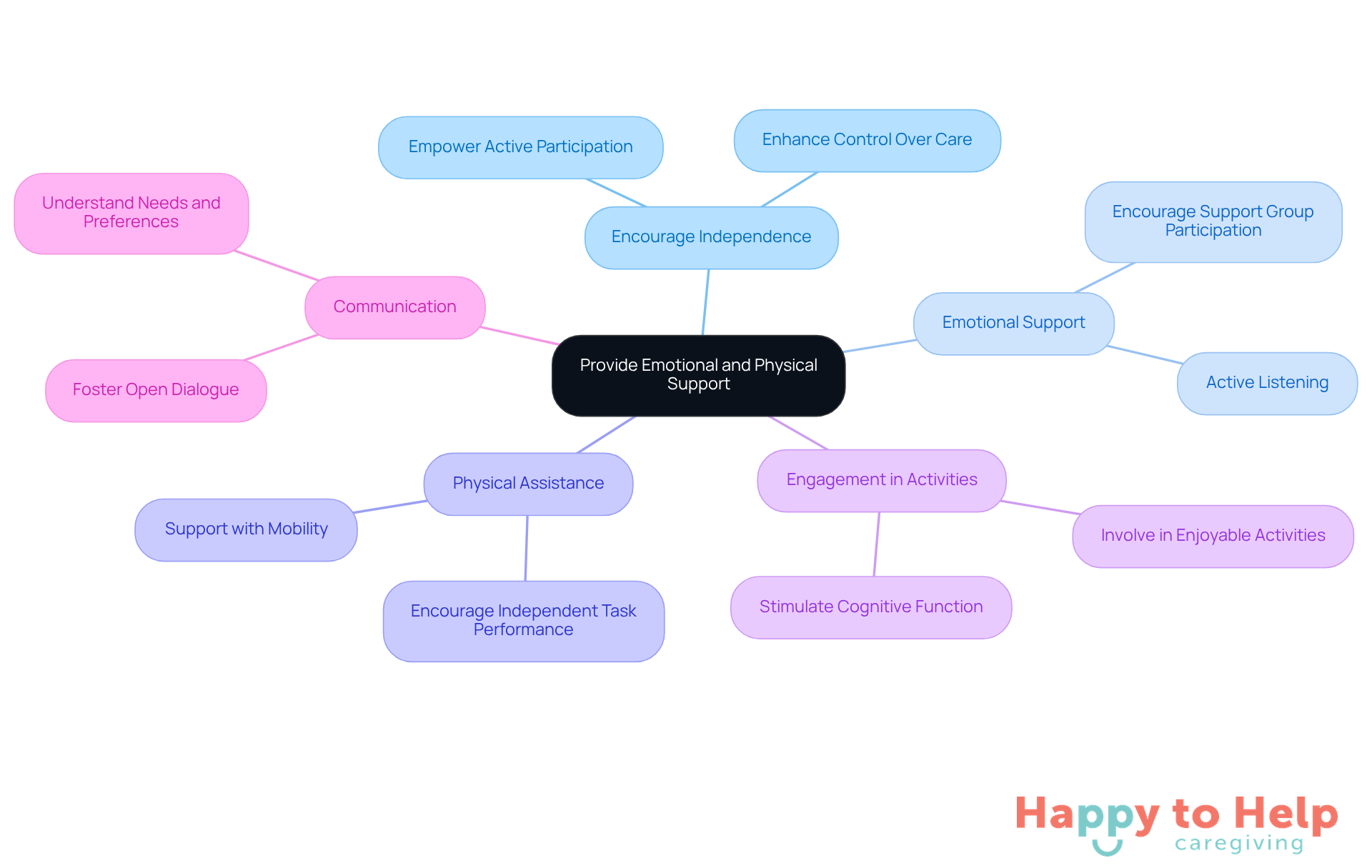
Solution: To provide comprehensive support for stroke survivors at home, consider the following strategies:
-
Encourage Independence: Empower the stroke survivor to take an active role in their care. This involvement fosters a sense of control and can significantly enhance recovery outcomes. When patients feel more independent, they often experience improved mental health and motivation during rehabilitation.
-
Emotional Support: Patience and active listening are crucial. Acknowledge their feelings and concerns, and encourage participation in support groups or counseling. Emotional support not only helps in coping with the aftermath of a stroke but also plays a vital role in recovery. As Dr. Mauricio Mandel states, "Now with this device, we have a new tool, a new option that could hopefully help patients that reach that plateau that were not improving with just physical therapy."
-
Physical Assistance: While offering support with mobility and daily activities, encourage the individual to perform tasks independently whenever feasible. This method not only aids in physical healing but also enhances confidence and self-worth, which are vital for overall well-being.
-
Engagement in Activities: Involve the stroke survivor in enjoyable and stimulating activities that engage both mind and body. Activities such as puzzles, gardening, or light exercise can enhance cognitive function and physical health, contributing to a more fulfilling healing experience.
-
Communication: Foster open communication about their needs and preferences. Understanding their desires can help tailor care strategies that promote independence and enhance their quality of life. Effective communication is key to maintaining their identity and ensuring they feel valued in their recovery journey, which is important when learning how to care for a stroke patient at home.
Monitor and Adjust Care Strategies
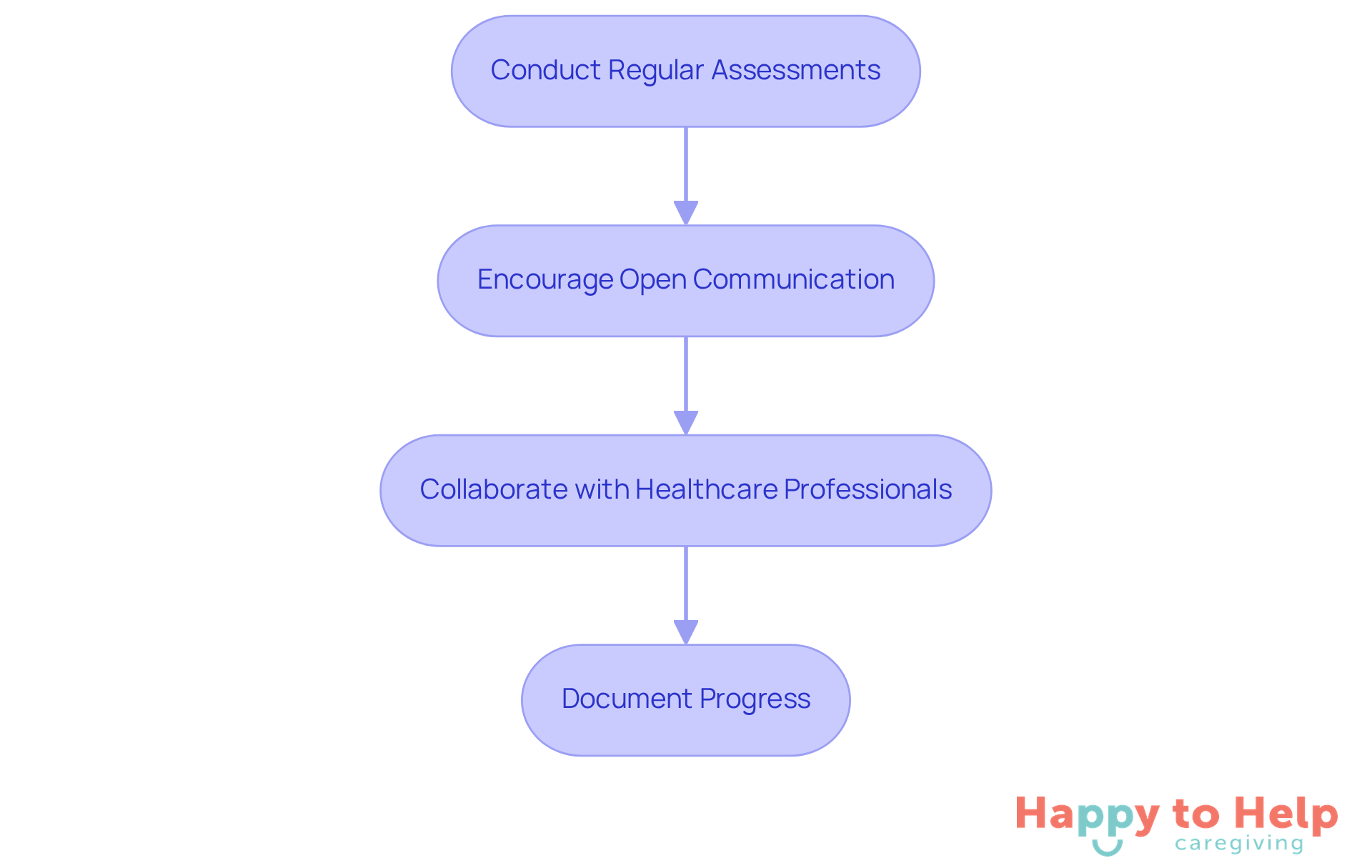
Caregivers face significant challenges in effectively monitoring and adjusting care strategies for how to care for a stroke patient at home. Regular assessments are crucial for understanding how to care for a stroke patient at home, as conducting frequent evaluations of the survivor's physical and emotional well-being helps identify changes that may require adjustments in care. Research indicates that these evaluations can greatly improve recovery outcomes, allowing caregivers to respond swiftly to the evolving needs of the individual. With HCA Healthcare caring for over 70,000 individuals admitted for cerebrovascular incidents each year, the importance of regular observation is clear.
Open communication is another vital aspect. Encouraging survivors to share their feelings and experiences with the care plan creates a feedback loop that is essential for making necessary adjustments. Actively seeking and utilizing this feedback can enhance patient satisfaction and involvement in their healing process. As Dr. Steven V. Manoukian notes, continuous improvement in stroke care is vital for achieving better outcomes.
Collaboration with healthcare professionals is equally important. Maintaining ongoing dialogue ensures that the care plan aligns with medical recommendations and rehabilitation goals. This collaboration allows caregivers to integrate professional insights into daily practices, enhancing the overall effectiveness of the recovery strategy.
Finally, documenting progress is key. Keeping comprehensive records of the individual's journey, including challenges faced and modifications made to the care plan, is invaluable for future assessments and planning. This documentation provides a clear picture of the patient's progress, facilitating informed decision-making.
By implementing these strategies, caregivers can learn how to care for a stroke patient at home, creating a responsive and supportive environment that promotes optimal recovery for stroke survivors.
Taking the Next Steps
Caring for a stroke patient at home presents significant challenges for caregivers. Understanding how to navigate these complexities is essential for fostering recovery and enhancing the quality of life for survivors. Without proper guidance, caregivers may struggle to meet the unique needs of each individual, which can hinder the healing process.
To address these challenges, caregivers can implement several key strategies:
- Modifying the home environment to enhance safety and accessibility is crucial. This includes removing hazards and ensuring that essential items are within easy reach.
- Developing a personalized care plan in collaboration with healthcare professionals can provide a clear roadmap for recovery.
- Regular monitoring and adjustments to care strategies are vital, as stroke survivors' needs can evolve over time.
- Providing both emotional and physical support is essential. Caregivers should focus on nurturing the emotional resilience of stroke survivors, empowering them to regain independence and confidence.
By implementing these steps, caregivers not only aid in physical recovery but also create a supportive environment that promotes overall well-being.
Ultimately, the journey of caring for a stroke patient at home requires compassion, patience, and proactive planning. By staying informed and engaged in the process, caregivers can significantly impact the recovery journey, ensuring that all aspects of recovery are addressed effectively.
https://iframe.tely.ai/cta/eyJhcnRpY2xlX2lkIjogIjY5MjNhMGJiMjcyNDliYTNkMmMzZTYxOCIsICJjb21wYW55X2lkIjogIjY4ZWU1ZGNhNzMxNzYyNTU3ZjNjOTVjMSIsICJpbmRleCI6IG51bGwsICJ0eXBlIjogImFydGljbGUifQ==Frequently Asked Questions
What should caregivers assess when caring for a stroke patient at home?
Caregivers should assess the stroke survivor's physical limitations, cognitive abilities, emotional state, mobility, communication skills, and ability to perform daily activities.
Why is mobility an important concern for stroke patients?
Mobility is crucial because it determines whether the patient needs assistance with walking or transferring between locations, which impacts their independence and overall recovery.
How can communication difficulties affect stroke recovery?
Communication difficulties can hinder emotional well-being and social interaction, making it essential to identify these issues and consider speech therapy options.
What daily activities should caregivers evaluate for stroke patients?
Caregivers should evaluate the survivor's ability to perform tasks such as eating, bathing, and dressing, as these are vital for regaining independence and enhancing quality of life.
What emotional challenges might stroke survivors face?
Stroke survivors may experience emotional effects such as depression or anxiety, which caregivers should acknowledge and address through suitable support systems.
How can cognitive recovery be supported in stroke patients?
Caregivers should assess cognitive limitations and consider cognitive training techniques, like motor imagery, in conjunction with physical therapy to improve rehabilitation outcomes.
What modifications can be made in the home environment for stroke recovery?
Modifications include removing hazards, installing safety features like grab bars and handrails, reorganizing living spaces for accessibility, and utilizing assistive devices.
Why is it important to remove hazards in the home for stroke patients?
Removing hazards, such as clutter and tripping risks, is crucial to ensure safety and reduce the risk of falls, which are common complications during stroke recovery.
What are some examples of accessibility tools that can help stroke patients?
Examples include shower chairs, raised toilet seats, and other assistive devices that facilitate daily activities and enhance comfort and safety.
What impact do home modifications have on stroke recovery?
Home modifications can lead to improved healing outcomes, allowing stroke survivors to live more autonomously and maintain a higher quality of life.
List of Sources
- Understand Stroke Recovery Needs
- Saebo’s Favorite Inspirational Quotes for Stroke Survivors (https://saebo.com/blogs/advice/saebos-favorite-inspirational-quotes-stroke-survivors?srsltid=AfmBOooRTwnfw9T3iW5LOrkjDzsX-l7C0WdFdjti3SbgnoJ1Ui9dZ7yu)
- Post-stroke care is in crisis as two thirds of survivors don’t get structured support (https://clinicalservicesjournal.com/story/49789/post-stroke-care-is-in-crisis-as-two-thirds-of-survivors-dont-get-structured-sup)
- Mobility After Stroke: Relearning to Walk - Clinical Pathways in Stroke Rehabilitation - NCBI Bookshelf (https://ncbi.nlm.nih.gov/books/NBK585593)
- 🫀World Stroke Day 2023: Quotes, Wishes, and Messages (https://leverageedu.com/discover/trending-events/world-stroke-day-quotes)
- Post-Stroke Rehabilitation Outcomes: Statistics on Physical Therapy Effectiveness - obrienphysicaltherapy.net (https://obrienphysicaltherapy.net/blog/post-stroke-rehabilitation-outcomes-statistics-on-physical-therapy-effectiveness)
- Modify the Home Environment
- Motivational Quotes for Stroke Survivors: Get Inspired! - Home Recovery for Stroke, Brain Injury and More (https://flintrehab.com/stroke-quotes?srsltid=AfmBOoo7o-QSOimbV7cYyX2veHUeUvIIRENyA2pjRA4nzxiSYwh4cJY1)
- Modifying homes helps stroke survivors stay independent - UPI.com (https://upi.com/Health\_News/2024/06/21/modifying-homes-stroke-survivors-independence/3101718974654)
- Develop a Personalized Care Plan
- When care teams unite, stroke outcomes improve (https://ama-assn.org/public-health/prevention-wellness/when-care-teams-unite-stroke-outcomes-improve)
- Improving Access to Stroke Rehabilitation and Recovery: A Policy Statement From the American Heart Association/American Stroke Association | Stroke (https://ahajournals.org/doi/10.1161/STR.0000000000000493)
- Prediction Tools for Stroke Rehabilitation | Stroke (https://ahajournals.org/doi/10.1161/STROKEAHA.119.025696)
- How to Create a Supportive and Safe Environment for Stroke Recovery at Home (https://incredicare.com/how-to-create-a-supportive-and-safe-environment-for-stroke-recovery-at-home)
- Stronger policy, improved recovery: closing gaps in stroke rehabilitation improves lives (https://newsroom.heart.org/news/stronger-policy-improved-recovery-closing-gaps-in-stroke-rehabilitation-improves-lives)
- Provide Emotional and Physical Support
- Emotional support in Stroke | ABC Medical Center (https://centromedicoabc.com/en/digital-magazine/what-you-should-know-about-emotional-support-in-a-stroke)
- Vero Beach woman regains independence after stroke thanks to breakthrough device (https://cbs12.com/news/local/vero-beach-woman-regains-independence-after-stroke-thanks-to-breakthrough-device-november-11-2025)
- How Home Care Supports Post-Stroke Recovery (https://humancareny.com/blog/how-home-care-supports-post-stroke-recovery)
- Life after stroke: The long-term emotional and psychological needs of stroke survivors and their carers (https://iriss.org.uk/resources/insights/life-after-stroke-long-term-emotional-psychological-needs-stroke-survivors-carers)
- Monitor and Adjust Care Strategies
- When care teams unite, stroke outcomes improve (https://ama-assn.org/public-health/prevention-wellness/when-care-teams-unite-stroke-outcomes-improve)
- Inspirational Caregiver Quotes (https://homehelpershomecare.com/blog/2022/february/10-inspirational-self-care-quotes-for-caregivers)
- Occupational Therapy Practice Guidelines for Adults With Stroke (https://research.aota.org/ajot/article/77/5/7705397010/24977/Occupational-Therapy-Practice-Guidelines-for)
- Association Between Frequency of Rehabilitation Therapy and Long-Term Mortality After Stroke: A Nationwide Cohort Study | Stroke (https://ahajournals.org/doi/10.1161/STROKEAHA.123.046008)
- 27 Inspirational Quotes for Caregivers (https://ultimatecareny.com/resources/27-quotes-for-caregivers)