5 Steps to Choose a Home Care Provider for Your Loved One

For families in our service areas
For families in our service areas, this guide explains home care and how non-medical in-home caregiving can support care planning in East Idaho, Treasure Valley & Magic Valley, Northern Wasatch, North Central West Virginia, and Northeast Ohio.
The Importance of Choose a Home Care Provider
Choosing the right home care provider can feel like navigating a complex maze. This challenge becomes even more daunting when the well-being of a loved one is at stake. Families often face the problem of sifting through numerous options, each claiming to offer the best care.
The implications of this decision are significant. With the growing need for personalized care solutions, families have a unique opportunity to enhance their loved ones' quality of life through tailored support. However, without proper guidance, the process can lead to confusion and uncertainty.
So, how can families ensure they find a provider that truly meets individual needs? This guide outlines essential steps to help caregivers make informed decisions when selecting the best home care services for their cherished ones. By following these actionable tips, families can navigate the complexities of home care with confidence.
Identify Individual Care Needs
Engaging in an open conversation with your loved one about their daily challenges and preferences is crucial. Caregivers often face significant hurdles, and understanding these can lead to better support. Here are some steps to consider:
-
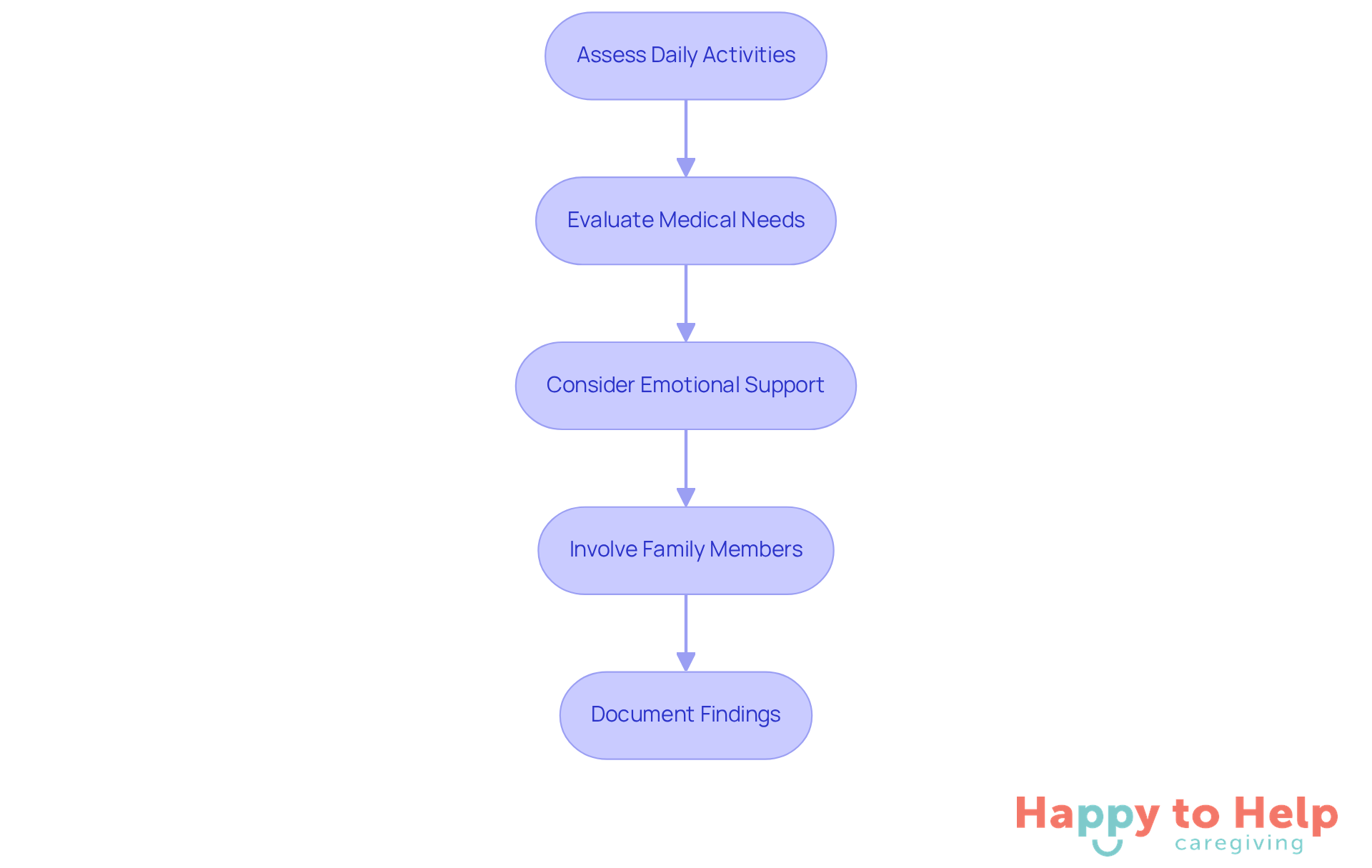
Assess Daily Activities: Many individuals struggle with daily tasks like bathing, dressing, or meal preparation. In fact, about 44% of home support recipients need help with at least one daily activity. This highlights the importance of tailored assistance to meet specific needs.
-
Evaluate Medical Needs: It's essential to recognize any medical conditions that require specialized care, such as medication management or physical therapy. Missing medications or not refilling prescriptions can indicate a need for closer oversight. Additionally, financial mismanagement, like late payments, may signal early signs of dementia, suggesting that professional assistance could be necessary.
-
Consider Emotional Support: Loneliness and isolation can be significant issues for many. Research shows that one in three adults aged 50-80 report feeling isolated at least occasionally. This underscores the importance of emotional support in home care. As Pamela Jung, president of Cross Country Workforce Solutions Group, notes, "At-home assistance has proven to provide a better quality of life and outcomes for seniors requiring ongoing support."
-
Involve Family Members: Gathering feedback from family members can provide valuable insights into changes in your loved one's capabilities or needs. Their observations can help create a more comprehensive support plan.
-
Document Findings: Keeping a detailed list of support requirements is vital. This documentation will provide guidance on how to choose a home care provider that meets your loved one's unique needs and preferences, ensuring that the selected home care service is a good fit.
Research Provider Credentials and Compliance
To ensure the provider is qualified, caregivers face the challenge of navigating various qualifications and standards. Without proper verification, families may risk inadequate care for their loved ones. Here are practical steps to help you confirm a provider's qualifications:
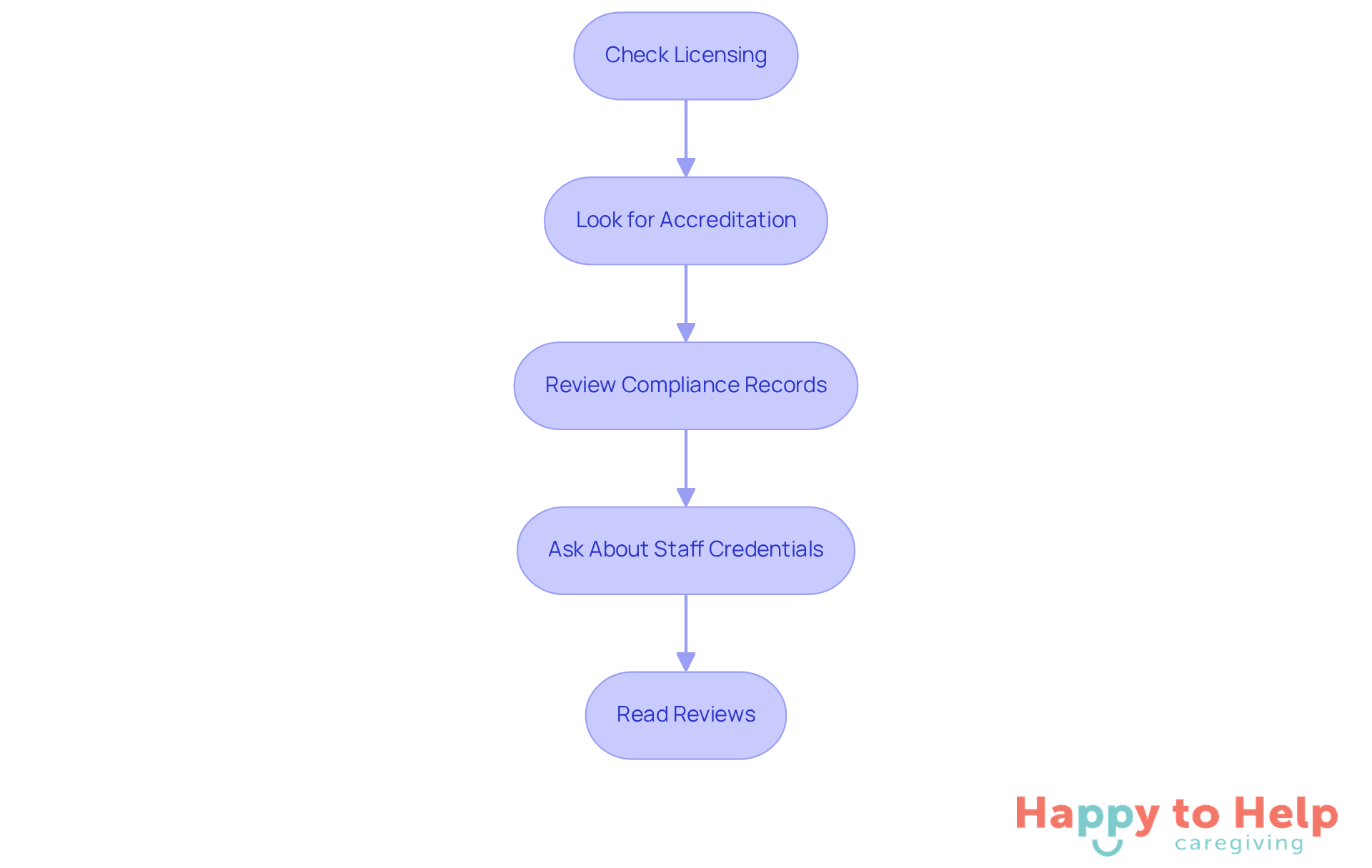
- Check Licensing: Confirm that the organization is licensed to operate in your state. You can usually find information on how to choose a home care provider on your state’s health department website.
- Look for Accreditation: Seek organizations accredited by recognized entities, such as the Joint Commission or the Accreditation Commission for Health Care (ACHC).
- Review Compliance Records: Investigate any past violations or complaints against the organization by checking state health department records.
- Ask About Staff Credentials: Inquire about the qualifications and training of caregivers, ensuring they have the necessary certifications and experience.
- This guide will explain how to choose a home care provider. To understand how to choose a home care provider, read reviews and look for online testimonials from other families to gauge the agency's reputation.
Evaluate Services Offered by Providers
When considering how to choose a home care provider, several key challenges arise that can impact the quality of care your loved one receives.
-
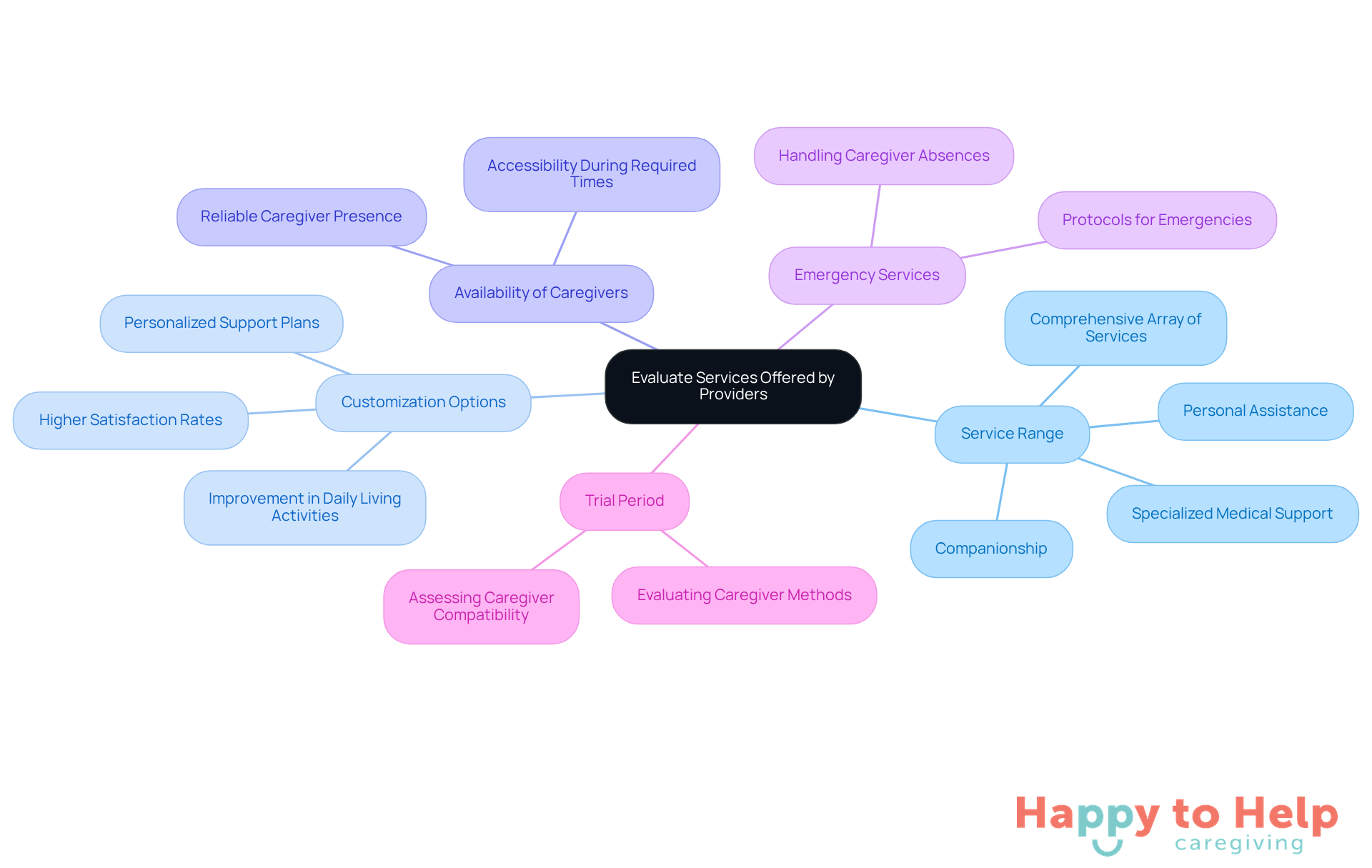
Service Range: One major concern is whether the provider offers a comprehensive array of services. When considering how to choose a home care provider, it's essential to ensure they include personal assistance, companionship, and specialized medical support when necessary. A broad range of services is crucial for addressing diverse needs effectively.
-
Customization Options: Another significant issue is the lack of personalized support plans. When learning how to choose a home care provider, ask if the agency can create a tailored plan designed specifically for your loved one's needs. Personalized treatment plans are vital, as they can significantly enhance service quality and improve overall satisfaction. Research shows that patients receiving tailored assistance experience an 80.2% improvement in daily living activities compared to those without such support. This trend towards personalization is increasingly recognized in home health services, with organizations that emphasize tailored support often reporting higher satisfaction rates among clients and their families.
-
Availability of Caregivers: It's also important to verify that the organization can supply caregivers who are accessible during the times your loved one requires help. Understanding how to choose a home care provider ensures that a reliable caregiver presence promotes a feeling of safety and continuity in support.
-
Emergency Services: Inquire about the organization's protocols for emergencies and how they handle caregiver absences. A trustworthy organization should have clear procedures in place to ensure uninterrupted care during unforeseen circumstances, which is important for understanding how to choose a home care provider.
-
Trial Period: Lastly, check if the agency offers a trial period to evaluate the caregiver's compatibility with your loved one. This opportunity allows families to understand how to choose a home care provider by assessing the caregiver's methods and ensuring they align with the client's preferences and requirements.
Individualized support strategies not only address the distinct needs of senior clients but also signify a rising trend in home health services. Personalization is increasingly acknowledged as an essential element of effective assistance. For instance, agencies that emphasize personalized support often report higher satisfaction rates among clients and their families, reinforcing the significance of this approach in home support services.
Understand Pricing and Funding Options
To effectively navigate the complexities of pricing and funding for home care, families face several challenges that can lead to confusion and financial strain. Understanding how to choose a home care provider is crucial for making informed decisions.
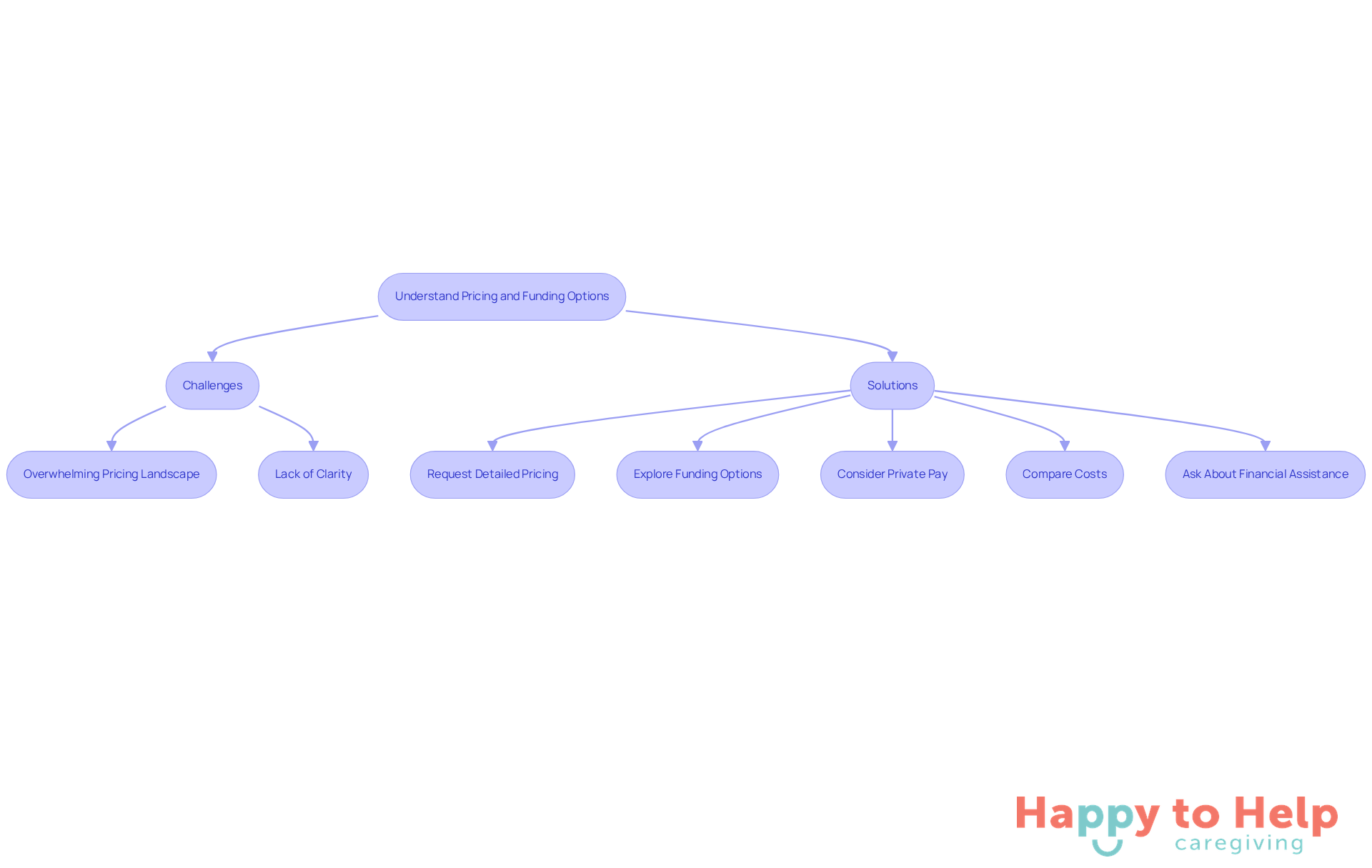
Problem: The landscape of home care pricing can be overwhelming. Families often struggle to find transparent pricing structures and may not be aware of the various funding options available.
Agitate: This lack of clarity can lead to unexpected expenses, making it difficult for families to budget for essential care. For instance, with Medicaid covering nearly 70% of all home care spending in the U.S., many families may miss out on this vital resource if they don’t know how to access it. Additionally, the current staffing crisis, with over 112,500 shifts unfilled in Pennsylvania's home-based support system, exacerbates the situation, leaving families in a lurch.
Solution: To address these challenges, consider the following actionable steps:
- Request Detailed Pricing: Engage potential providers by asking for a transparent breakdown of their pricing structure, including hourly rates and any additional fees that may apply.
- Explore Funding Options: Investigate various funding sources available for home assistance services, such as Medicare, Medicaid, long-term support insurance, and veterans' benefits. Medicaid, for example, has a reimbursement rate for personal assistance services at $20.63 per hour.
- Consider Private Pay: Understand the implications of out-of-pocket payments. While employing a private caregiver may sometimes be more affordable than utilizing a service, agencies often provide additional advantages like background checks, training, and worker’s compensation insurance, enhancing reliability.
- Compare Costs: Evaluate the expenses linked to various providers to find one that fits your budget while sufficiently meeting health requirements. Assistance for 15 hours a week typically costs around $2,145 per month, suitable for seniors requiring daily check-ins.
- Ask About Financial Assistance: Inquire whether the agency offers any financial assistance programs or sliding scale fees based on income. This can greatly alleviate the financial strain.
By adhering to these guidelines, families can understand how to choose a home care provider that guarantees their loved ones obtain the essential support while managing expenses efficiently.
Ask Key Questions to Potential Providers
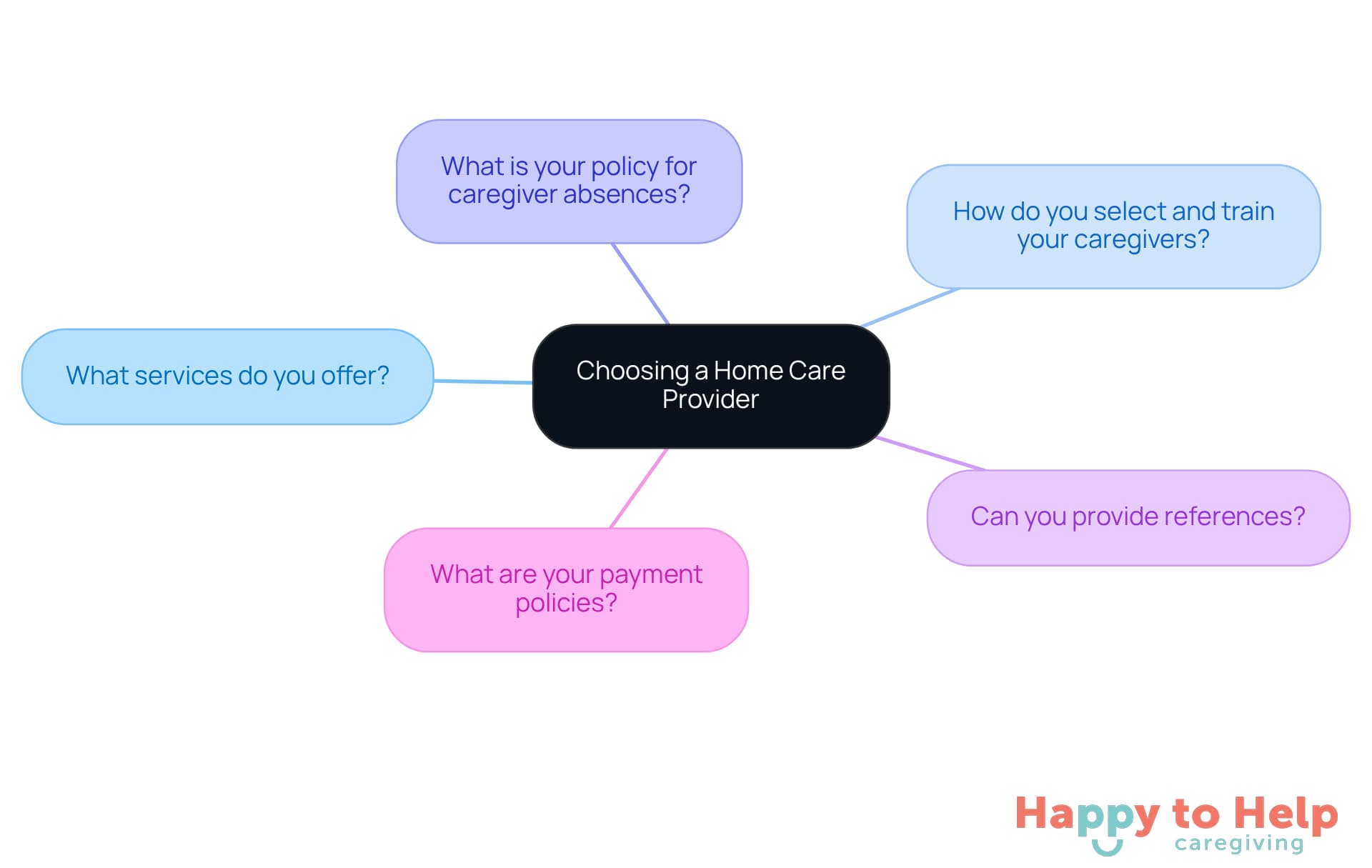
When considering how to choose a home care provider for a loved one, it's crucial to ask the right questions to ensure quality care. Here are some essential inquiries to consider:
-
What services do you offer?
Ensure they provide the specific services your loved one needs. -
How do you select and train your caregivers?
Understand the agency's hiring and training processes to ensure quality care. -
What is your policy for caregiver absences?
Inquire about backup plans if a caregiver cannot make it. -
Can you provide references?
Ask for contact information of families who have used their services. -
What are your payment policies?
Clarify billing practices, payment methods, and any additional fees.
Your Path Forward
Choosing the right home care provider for a loved one presents a significant challenge that can greatly affect their quality of life. Families often struggle with identifying individual care needs, verifying provider credentials, and understanding service offerings. This decision is not just about meeting basic needs; it’s about enhancing the overall well-being of those who require assistance.
To navigate this complex process, families can follow five key steps:
- Assess daily activities, medical needs, and emotional support requirements.
- Verify provider qualifications and compliance to ensure safety and reliability.
- Evaluate the range of services offered and understand pricing structures.
- Ask essential questions to gain clarity and confidence in their choices.
- Prioritize thorough research and maintain open communication with potential providers.
Ultimately, proactive steps in this journey are vital. This approach not only secures a supportive environment but also fosters dignity, independence, and happiness for their loved ones. By following these guidelines, families can ensure that their loved ones receive the personalized and effective care they deserve.
https://iframe.tely.ai/cta/eyJhcnRpY2xlX2lkIjogIjY5MjEwYTkzMjAzMTgzZjY3OWRlMzgzZSIsICJjb21wYW55X2lkIjogIjY4ZWU1ZGNhNzMxNzYyNTU3ZjNjOTVjMSIsICJpbmRleCI6IG51bGwsICJ0eXBlIjogImFydGljbGUifQ==Frequently Asked Questions
Why is it important to identify individual care needs for loved ones?
Identifying individual care needs is crucial because it allows caregivers to understand the specific challenges and preferences of their loved ones, leading to better support and tailored assistance.
What are common daily activities that individuals may struggle with?
Common daily activities that individuals may struggle with include bathing, dressing, and meal preparation. Approximately 44% of home support recipients need help with at least one of these activities.
How can medical needs impact the care required for an individual?
Medical needs can indicate the necessity for specialized care, such as medication management or physical therapy. Signs like missing medications or financial mismanagement may suggest a need for closer oversight and potentially professional assistance.
What role does emotional support play in home care?
Emotional support is vital in home care, as loneliness and isolation can significantly affect individuals. Research shows that one in three adults aged 50-80 report feeling isolated at least occasionally.
How can family members contribute to the care planning process?
Family members can provide valuable insights into changes in a loved one's capabilities or needs, helping to create a more comprehensive support plan through their observations.
Why is it important to document findings when assessing care needs?
Documenting findings is important as it creates a detailed list of support requirements, guiding the selection of a home care provider that meets the unique needs and preferences of the loved one.
What steps should caregivers take to research provider credentials and compliance?
Caregivers should check the provider's licensing, look for accreditation from recognized entities, review compliance records for past violations, and inquire about the qualifications and training of the caregivers.
Where can caregivers find information about a home care provider's qualifications?
Caregivers can find information about a home care provider's qualifications on their state’s health department website, as well as through reviews and online testimonials from other families.
List of Sources
- Identify Individual Care Needs
- New Study Finds That While Aging Seniors Prefer In-Home Care, Most Are Critically Underprepared for Future Healthcare Needs | Cross Country Healthcare, Inc. (https://ir.crosscountry.com/news-releases/news-release-details/new-study-finds-while-aging-seniors-prefer-home-care-most-are)
- How to Assess if an Older Adult Needs Caregiving Help (https://aarp.org/caregiving/home-care/assessing-need-for-caregiver)
- Bridging the Gap in Elderly Care: The Case for Comprehensive In-Home Assessment (https://reachmd.com/news/bridging-the-gap-in-elderly-care-the-case-for-comprehensive-in-home-assessment/2474101)
- Warning From Older Adults: Care for Aging in America Needs Urgent Rethinking (https://johnahartford.org/newsroom/view/warning-from-older-adults-care-for-aging-in-america-needs-urgent-rethinking)
- 2025 Home Care Statistics: Trends & Insights To Know (https://premierhcinc.com/blog/home-care-statistics)
- Research Provider Credentials and Compliance
- 52 Eye-Opening Home Health Statistics: Insights for 2025 (https://boosthomehealth.com/home-health-statistics)
- Another State Faces The Pros, Cons Of Standardizing Home Care (https://homehealthcarenews.com/2024/12/another-state-faces-the-pros-cons-of-standardizing-home-care)
- FastStats (https://cdc.gov/nchs/fastats/home-health-care.htm)
- Laws and Policies (https://cdss.ca.gov/inforesources/community-care/home-care-services/laws-and-policies)
- Evaluate Services Offered by Providers
- 52 Eye-Opening Home Health Statistics: Insights for 2025 (https://boosthomehealth.com/home-health-statistics)
- 10 Must-Know U.S. Home Care Industry Stats for 2025 - North American Community Hub (https://nchstats.com/us-home-care-industry-stats)
- PocketRN and Caring Senior Service Announce a National Strategic Partnership to Test Medicare Dementia Care Model Developed by Centers for Medicare & Medicaid Services (https://prnewswire.com/news-releases/pocketrn-and-caring-senior-service-announce-a-national-strategic-partnership-to-test-medicare-dementia-care-model-developed-by-centers-for-medicare--medicaid-services-302537827.html)
- Governor Hochul Announces 24 Community-based Partners for Plan to Strengthen Home Care Services for New Yorkers (https://governor.ny.gov/news/governor-hochul-announces-24-community-based-partners-plan-strengthen-home-care-services-new)
- Customized Care at Home: The Benefits of Personalized Care Plans - VNA Health Group (https://vnahg.org/customized-care-at-home-the-benefits-of-personalized-care-plans)
- Understand Pricing and Funding Options
- Home Care Costs in 2025: A State-by-State Guide (https://aplaceformom.com/caregiver-resources/articles/in-home-care-costs)
- Pennsylvania’s State Budget ‘Ignores 94% Of Caregivers’, Home-Based Care Advocates Say (https://homehealthcarenews.com/2025/11/pennsylvanias-state-budget-ignores-94-of-caregivers-home-based-care-advocates-say)
- States’ Management of Medicaid Home Care Spending Ahead of H.R. 1 Effects | KFF (https://kff.org/medicaid/states-management-of-medicaid-home-care-spending-ahead-of-h-r-1-effects)
- Genworth and CareScout Release Cost of Care Survey Results for 2024 (https://investor.genworth.com/news-events/press-releases/detail/982/genworth-and-carescout-release-cost-of-care-survey-results)
- Ask Key Questions to Potential Providers
- Key questions to help you pick a quality home health agency (https://centerwellhomehealth.com/articles/patient-articles/home-health/6-questions-to-ask-when-choosing-a-home-healthcare-agency)
- 52 Eye-Opening Home Health Statistics: Insights for 2025 (https://boosthomehealth.com/home-health-statistics)
- Topic: Home care in the U.S. (https://statista.com/topics/4049/home-care-in-the-us?srsltid=AfmBOopVp8N4sRWGdbcYuy6ktboPmJfAx9gqUeGcIksd4hc38vd\_AnAT)
- 11 Questions to Ask a Home Healthcare Agency (https://maximhealthcare.com/healthcare-blog/questions-to-ask-a-home-healthcare-agency)
- 10 Essential Questions to Ask When Choosing Home Care - Access Care Partners (https://accesscarepartners.org/10-essential-questions-to-ask-when-choosing-home-care)