
The Importance of Choose a Home Health Aide in Houston, TX
Choosing a home health aide can be a daunting task, especially in a bustling city like Houston, where options are plentiful. Families face a significant challenge: ensuring their loved ones receive not just adequate care, but also compassionate support tailored to their unique needs. The implications of inadequate care can be severe, leading to stress and uncertainty for both caregivers and recipients.
So, how can families navigate this selection process effectively? This guide offers a structured approach to selecting the right home health aide. By following these actionable steps, families can make informed decisions that enhance the well-being of their loved ones.
In the following sections, we will explore the key factors to consider, practical tips for evaluating candidates, and resources that can aid in the decision-making process.
Assess Individual Care Needs
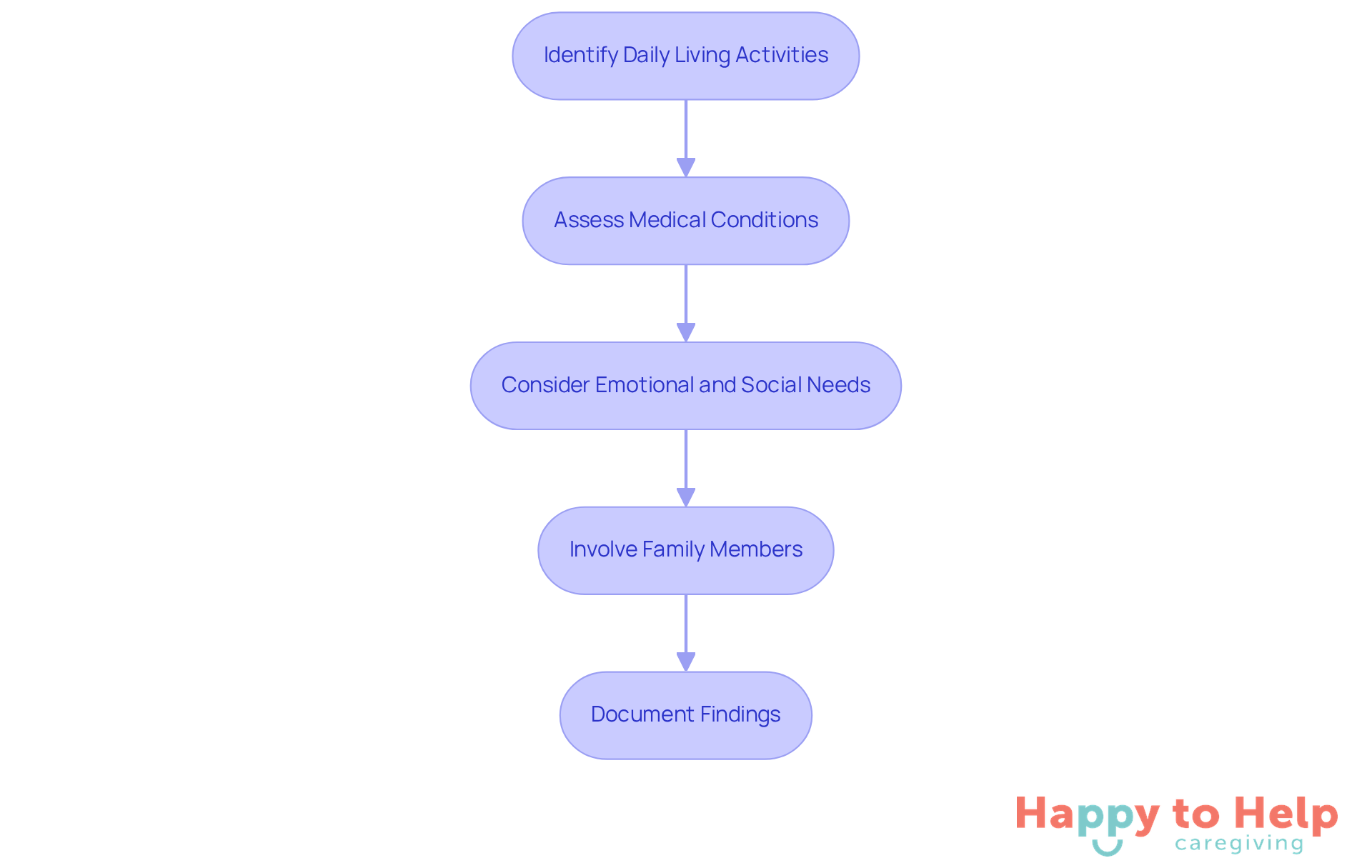
Begin by conducting a thorough assessment of the individual's physical, emotional, and social needs. Caregivers often face significant challenges in providing adequate support, which can lead to stress and burnout. To address these issues effectively, consider the following steps:
- Identify Daily Living Activities: List the activities the individual struggles with, such as bathing, dressing, meal preparation, and medication management. Recognizing these challenges is crucial, as difficulties in daily tasks often indicate the need for additional support.
- Assess Medical Conditions: Take note of any chronic illnesses or disabilities that require specialized attention or monitoring. Understanding these medical needs is essential for ensuring that the selected aide can provide appropriate assistance.
- Consider Emotional and Social Needs: Assess the individual's need for companionship and social interaction, which can significantly impact their overall well-being. Social isolation can result in feelings of loneliness and deterioration in health, making emotional support a crucial aspect of assistance.
- Involve Family Members: Engage family members in the assessment process to gather insights and ensure that all perspectives are considered. Their input can provide valuable context regarding the individual's preferences and history, facilitating a more tailored care plan.
- Document Findings: Create a detailed report of the individual's needs to share with possible support providers. This documentation will assist in pairing them with the appropriate assistant, ensuring that the provider is well-prepared to address the specific needs of the individual.
Additionally, it's important to recognize that family members providing care may experience stress and burnout while handling these responsibilities. Employing a home health aide in Houston, TX can ease some of this burden, providing specialized assistance and allowing caregivers to focus on their own well-being. The average compensation for home health assistants is approximately $37 per hour, which is a significant factor for families assessing their choices.
Research Home Health Care Agencies
Selecting the right home health aide Houston TX can be a daunting task for families. With so many options available, how can you ensure that your loved ones receive the quality care they deserve? This is a significant concern, as the safety and well-being of clients depend on the qualifications of their caregivers.
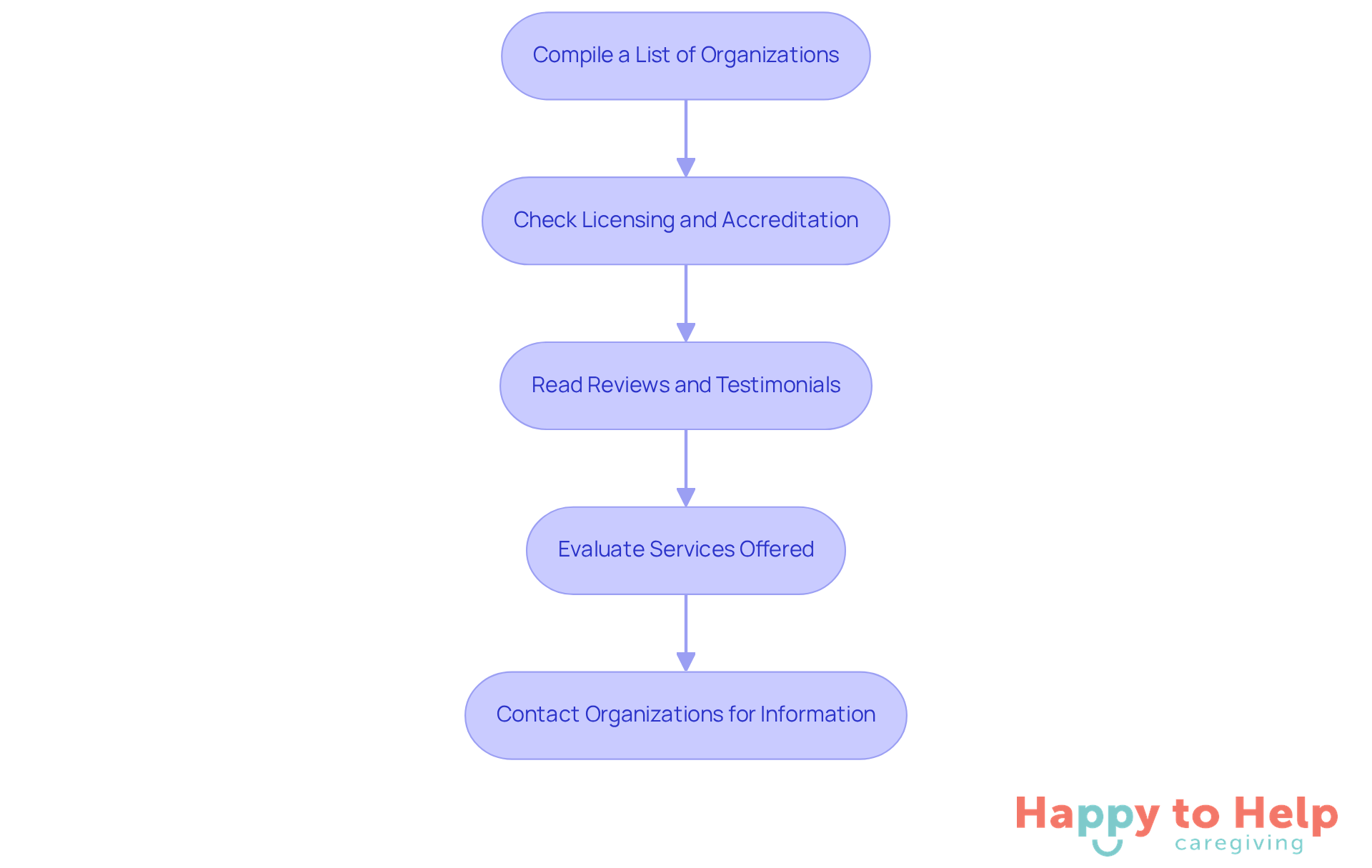
To tackle this challenge, follow these actionable steps:
-
Compile a List of Organizations: Start by creating a comprehensive list of home health services in Houston. Use online resources, local directories, and recommendations from healthcare professionals to gather potential options.
-
Check Licensing and Accreditation: Verify that each organization holds the necessary licenses and accreditations from relevant state and national bodies. This step is crucial for ensuring compliance with industry standards for quality care. As healthcare professionals emphasize, confirming licensing is vital to ensure families are entrusting their loved ones to qualified caregivers.
-
Read Reviews and Testimonials: Investigate online reviews and testimonials from families who have previously utilized the organization's services. Pay attention to both positive and negative feedback, as this can provide valuable insights into the organization's reliability and quality of service. In Houston, the average rating for home health aide Houston TX providers is 3.8 out of 5 stars by consumers, serving as a helpful benchmark.
-
Evaluate Services Offered: Confirm that the organization provides the specific services you require, such as companionship, personal care, or skilled nursing. Understanding the variety of services offered will help you choose a provider that matches your loved one's needs.
-
Contact Organizations for Information: Reach out to the organizations on your list to inquire about their services, caregiver qualifications, and availability. This direct communication can clarify any questions and provide a sense of the organization's responsiveness and professionalism.
By following these steps, families can make informed choices when selecting a home health care provider, ensuring their loved ones receive the compassionate and competent care they deserve. Additionally, reviewing case studies of successful agency selections can offer practical insights into the decision-making process.
Conduct Interviews with Candidates
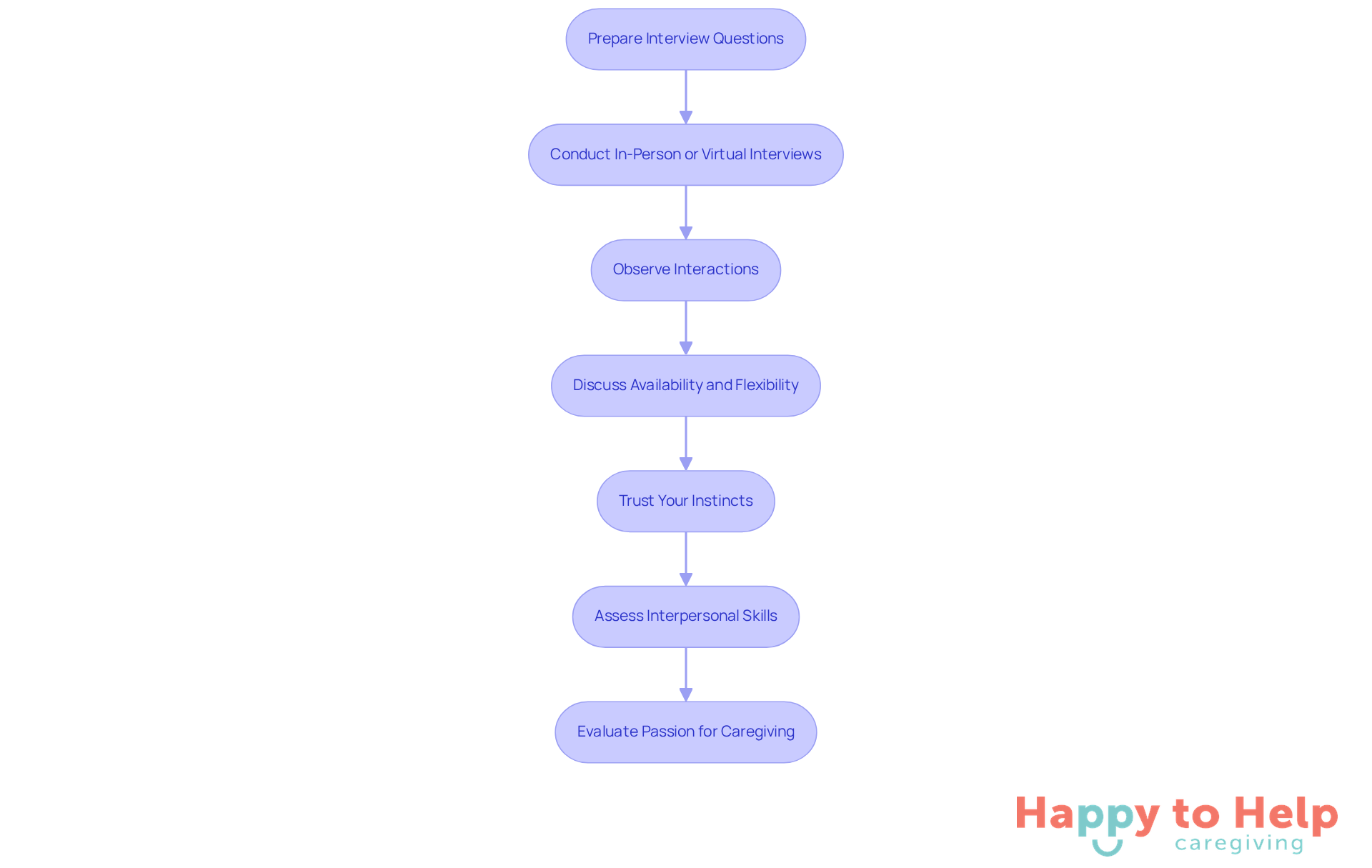
When interviewing candidates for caregiving positions, follow these essential steps to ensure a thorough evaluation:
-
Prepare Interview Questions: Create a comprehensive list of questions that delve into the candidate's experience, caregiving philosophy, and specific skills relevant to the individual's needs. Consider asking:
- What motivated you to become a caregiver?
- Can you describe your experience with clients who have similar needs?
- How do you approach challenging situations in caregiving?
- Can you provide an example of a time you navigated a conflict with a client or their family?
-
Conduct In-Person or Virtual Interviews: Arrange interviews to be held in person or via video call. This format allows you to assess the candidate's demeanor and communication style, which are critical for effective caregiving.
-
Observe Interactions: If feasible, facilitate a meeting between the candidate and the individual requiring care during the interview. Observing their interaction can provide valuable insights into their rapport and ability to connect with the client.
-
Discuss Availability and Flexibility: Clarify the candidate's availability to ensure it aligns with the required care schedule. Discuss their flexibility to accommodate any potential changes, which is vital for maintaining continuity of care.
-
Trust Your Instincts: Pay attention to your gut feelings regarding the candidate's suitability for your family and the individual needing care. Intuition can be a powerful tool in identifying the right fit for such a personal and impactful role.
-
Assess Interpersonal Skills: Evaluate the candidate's interpersonal skills during the interview. This includes their ability to communicate effectively, resolve conflicts, and build rapport with clients, which are essential qualities for a caregiver.
-
Look for Passion and Commitment: Inquire about the candidate's motivations for pursuing a caregiving career. A genuine passion for caregiving can indicate a strong cultural fit and long-term commitment to the role.
Verify References and Credentials
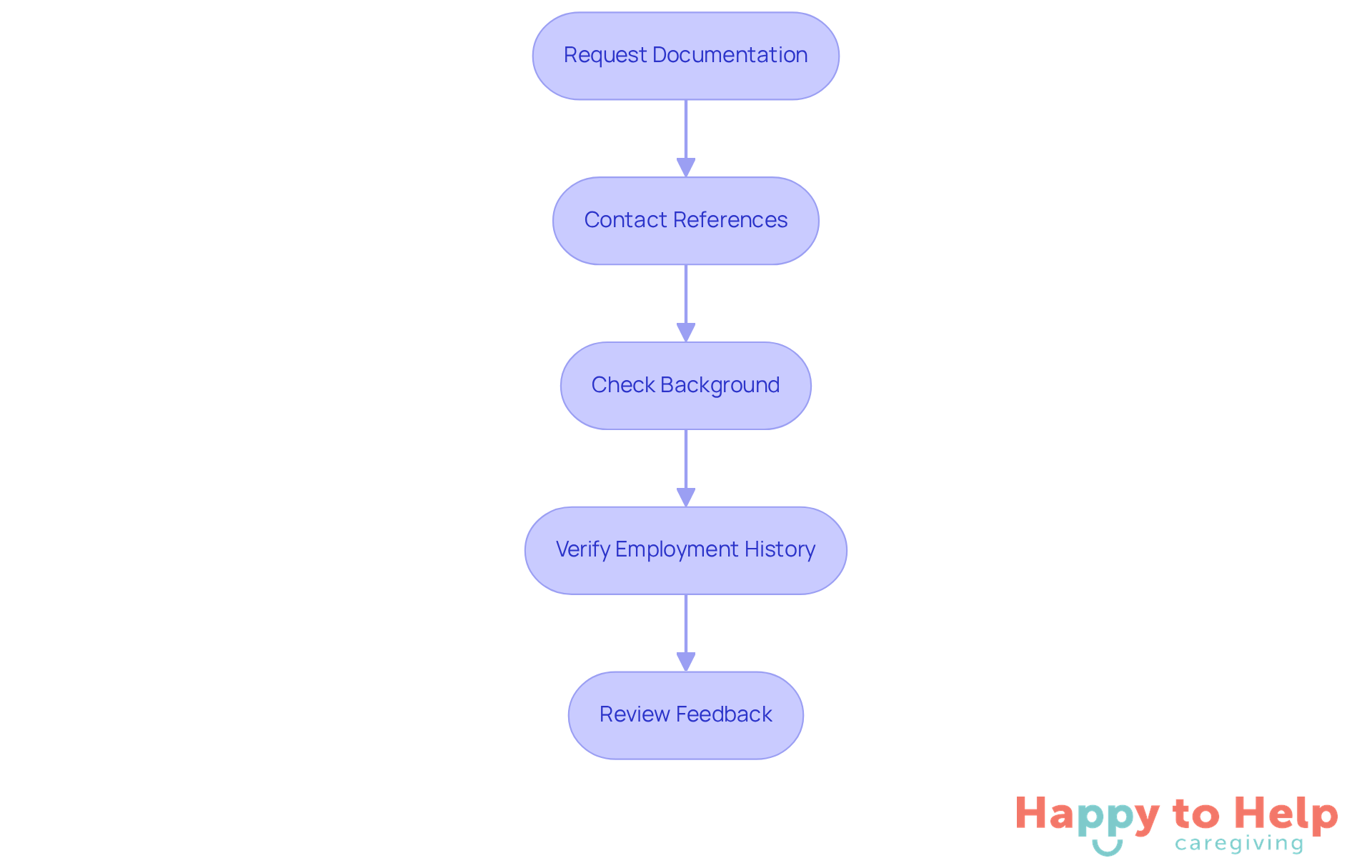
To effectively verify references and credentials when hiring a caregiver, it’s crucial to address the potential risks involved in the hiring process. Inadequate verification can lead to serious consequences, including legal issues and compromised care quality. Here are some actionable steps to ensure you hire the right individual:
-
Request Documentation: Ask the applicant for copies of their certifications, licenses, and any relevant training documentation. This ensures they possess the necessary qualifications for the role.
-
Contact References: Reach out to at least three references provided by the candidate. Inquire about their experience, reliability, and the quality of care delivered. Key questions should focus on the caregiver's performance, problem-solving skills, and overall demeanor.
-
Check Background: Conduct a comprehensive background check to identify any potential red flags in the candidate's history. This is essential, as inadequate background checks have resulted in substantial legal consequences for organizations in the past, including a $6 million lawsuit payout. The extent and regularity of these evaluations should be established by the organization, as remarked by Angelo Spinola, a home health law specialist.
-
Verify Employment History: Confirm the individual's prior employment with former organizations or clients. This verification process is essential for ensuring trustworthiness, particularly in sensitive caregiving environments. With the growing demand for skilled professionals, it is essential to ensure that those employed are dependable and competent.
-
Review Feedback: Look for online reviews or feedback about the candidate from agencies that allow public reviews. This can provide additional insights into their work ethic and client interactions. Utilizing resources like Edify Screening products can streamline this background check process, making it easier for families to ensure they are hiring the right individual.
Executing these measures not only protects at-risk individuals but also improves the overall quality of assistance provided. As emphasized in numerous case studies, comprehensive validation procedures are essential in creating a dependable caregiving environment, ultimately promoting trust between families and those providing care.
Discuss Care Plans and Expectations
To effectively discuss care plans and expectations, caregivers often face the challenge of unclear communication regarding individual needs. This can lead to misunderstandings and unmet expectations, ultimately affecting the quality of care provided.
To address this issue, consider the following actionable steps:
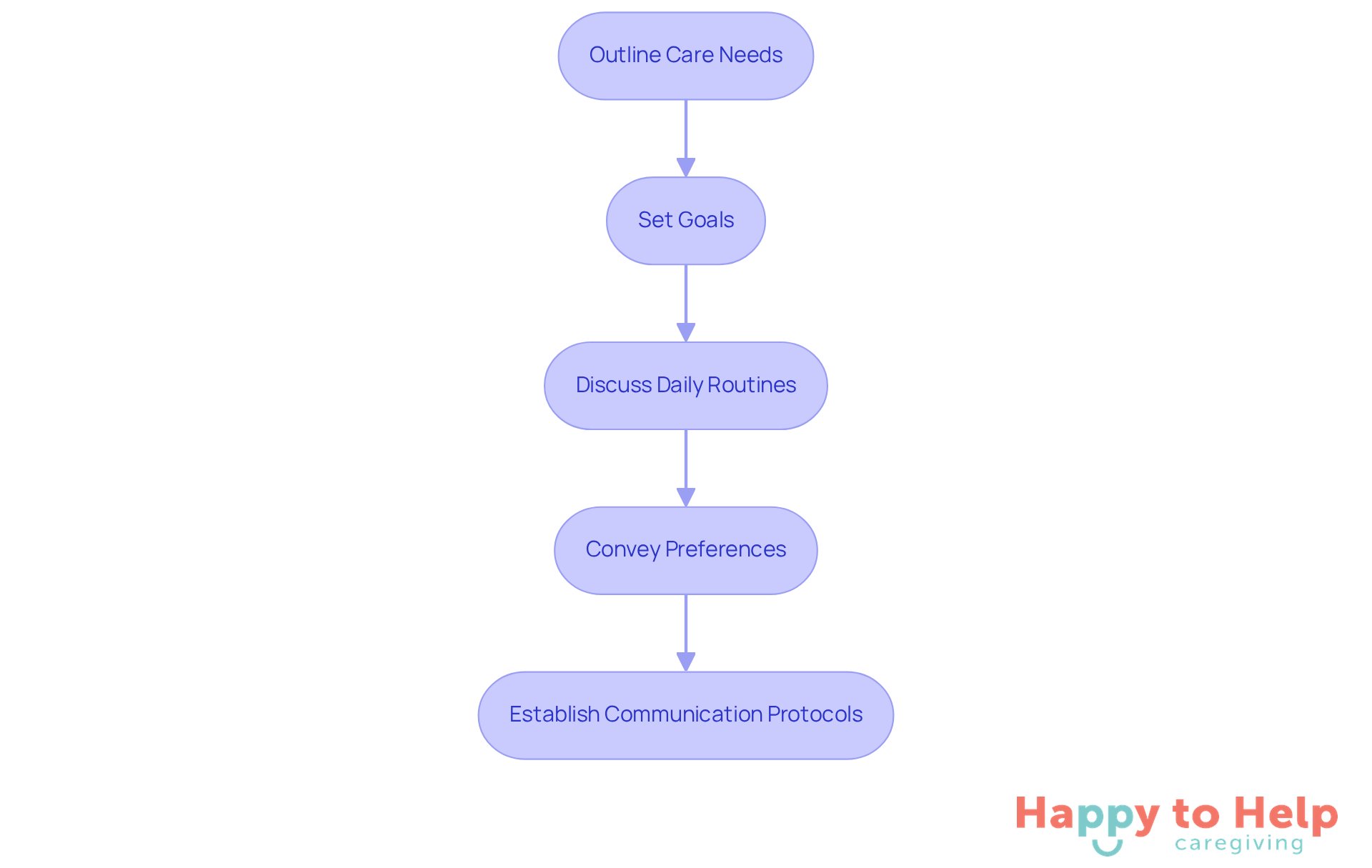
- Outline Care Needs: Review the assessment of the individual's needs and detail the specific tasks the support person will be responsible for.
- Set Goals: Establish clear, achievable objectives for the plan, such as improving mobility, enhancing social interaction, or managing medications.
- Discuss Daily Routines: Talk about the daily routines and schedules that the support person will follow, including meal times, medication schedules, and activities.
- Convey Preferences: Ensure that the support person understands the individual's choices regarding assistance, such as preferred activities, dietary restrictions, and communication methods.
- Establish Communication Protocols: Set up regular check-ins between the family and the caregiver to discuss progress, address concerns, and make any necessary adjustments to the care plan.
By implementing these steps, caregivers can foster clearer communication and improve the overall effectiveness of care plans.
Making the Right Choice
Choosing a home health aide in Houston, TX, can be a daunting task for families. The stakes are high, as this decision directly affects the quality of care for loved ones. Without a structured approach, families may struggle to find a caregiver who truly meets their specific needs, potentially compromising the well-being of the individual requiring assistance.
To tackle this challenge, start with a thorough assessment of care needs. Evaluate daily living activities, medical conditions, and emotional support requirements. This foundational step is crucial in identifying the right type of care. Next, research home health care agencies carefully. Check their credentials and conduct detailed interviews with potential aides to gauge their suitability.
Verifying references and discussing care plans are essential steps that further solidify the foundation for effective caregiving. These actions not only safeguard the health and safety of individuals in need but also provide peace of mind for their families. Investing time and effort into this selection process can lead to a rewarding partnership that promotes better health outcomes.
By prioritizing these actions, families can ensure they make the right choice, fostering a supportive environment that truly meets the needs of their loved ones. Remember, the right caregiver can enrich the lives of both caregivers and those receiving care.
https://iframe.tely.ai/cta/eyJhcnRpY2xlX2lkIjogIjY5MjRmMWQyZWM0Y2FiOGU3NGVjMDBjNSIsICJjb21wYW55X2lkIjogIjY4ZWU1ZGNhNzMxNzYyNTU3ZjNjOTVjMSIsICJpbmRleCI6IG51bGwsICJ0eXBlIjogImFydGljbGUifQ==Frequently Asked Questions
How should I assess individual care needs for a loved one?
Begin by conducting a thorough assessment of the individual's physical, emotional, and social needs. Identify daily living activities they struggle with, assess any medical conditions, consider their emotional and social needs, involve family members in the process, and document your findings to share with potential support providers.
What types of daily living activities should I consider during the assessment?
Consider activities such as bathing, dressing, meal preparation, and medication management. Recognizing difficulties in these tasks can indicate the need for additional support.
Why is it important to assess emotional and social needs?
Assessing emotional and social needs is crucial because companionship and social interaction significantly impact overall well-being. Social isolation can lead to feelings of loneliness and deterioration in health, making emotional support an essential aspect of care.
How can family members contribute to the assessment process?
Family members can provide valuable insights and perspectives regarding the individual's preferences and history, which can help facilitate a more tailored care plan.
What role does documentation play in the assessment process?
Creating a detailed report of the individual's needs helps in sharing information with potential support providers, ensuring they are well-prepared to address specific requirements.
What challenges might family caregivers face?
Family caregivers may experience stress and burnout while managing caregiving responsibilities, which can impact their well-being.
What is the average compensation for home health assistants in Houston, TX?
The average compensation for home health assistants in Houston is approximately $37 per hour.
How can I research and select a home health care agency in Houston, TX?
Start by compiling a list of home health services, checking licensing and accreditation, reading reviews and testimonials, evaluating services offered, and contacting organizations for information about their services and caregiver qualifications.
Why is it important to check licensing and accreditation of home health agencies?
Verifying licensing and accreditation ensures that the organization complies with industry standards for quality care, which is crucial for the safety and well-being of clients.
What should I look for in reviews and testimonials of home health agencies?
Look for both positive and negative feedback to gain insights into the organization's reliability and quality of service. The average rating for home health aides in Houston is 3.8 out of 5 stars, which can serve as a helpful benchmark.
How can I ensure the agency provides the specific services I need?
Confirm that the organization offers the specific services required, such as companionship, personal care, or skilled nursing, to ensure a match with your loved one's needs.
What can I do if I have further questions about a home health agency?
Reach out to the organizations on your list directly to inquire about their services, caregiver qualifications, and availability for further clarification.
List of Sources
- Assess Individual Care Needs
- Caregivers Face Mental, Physical Health Risks (https://usnews.com/news/health-news/articles/2025-01-07/caregivers-face-mental-physical-health-risks)
- When is it Time to Hire a Home Health Care Aide? - VNA Health Group (https://vnahg.org/when-is-it-time-to-hire-a-home-health-care-aide)
- The Rising Importance Of Social Workers On The Home Health Team (https://homehealthcarenews.com/2025/03/the-rising-importance-of-social-workers-on-the-home-health-team)
- What to Know About Home Care Services (Published 2023) (https://nytimes.com/2023/12/02/health/home-care-explainer.html)
- Research Home Health Care Agencies
- New Day Healthcare Acquires Patient Recovery Home Healthcare Services (https://hospicenews.com/2025/03/12/new-day-healthcare-acquires-patient-recovery-home-healthcare-services)
- Houston home health care agencies | Cause IQ (https://causeiq.com/directory/home-health-care-agencies-list/houston-the-woodlands-sugar-land-tx-metro)
- The 10 Best Home Health Agencies for Seniors in Houston, TX for 2025 | Caring.com (https://caring.com/senior-care/home-health-agencies/texas/houston)
- Dealbook: New Day Healthcare Acquires Patient Recovery Home Healthcare Services; Always Best Care Opens New Location (https://homehealthcarenews.com/2025/04/dealbook-new-day-healthcare-acquires-patient-recovery-home-healthcare-services-always-best-care-opens-new-location)
- The Best Senior Home Care Agencies Near Houston | Top-Rated In-Home Care & Senior Caregivers (https://chron.com/best/map/best-senior-home-care-agencies-houston)
- Conduct Interviews with Candidates
- Changes in Health Indicators Among Caregivers... (https://cdc.gov/mmwr/volumes/73/wr/mm7334a2.htm)
- Asking the Right Interview Questions to Find the Best-Fit Caregiver Candidates | Aaniie, formerly Smartcare Software (https://aaniie.com/news/asking-the-right-interview-questions-best-caregiver-candidates)
- The Secrets to Successful Caregiver Interviews - HomeChoice Home Care Solutions (https://homechoicehomecare.com/careers-in-caring/the-secrets-to-successful-caregiver-interviews)
- New U.S. Workforce Report: Nearly 70% of Family Caregivers Report Difficulty Balancing Career and Caregiving Responsibilities, Spurring Long-Term Impacts to U.S. Economy (https://press.aarp.org/2024-5-16-US-Workforce-Report-70-Caregivers-Difficulty-Balancing-Career-Caregiving-Responsibilities)
- Caregiver Interview Success Guide - Senior1Care (https://senior1care.com/careers-in-caring/caregiver-interview-success-guide)
- Verify References and Credentials
- DISA | Caregiver Screening for Safe Home Healthcare (https://disa.com/news/caregiver-background-check-best-practices)
- The Case For Stronger Caregiver Vetting In Home Care (https://homehealthcarenews.com/2024/10/the-case-for-stronger-caregiver-vetting-in-home-care)
- The Importance Of Verifying Employment History For Caregivers | Edify Background Screening: Fast Compliant Background Checks (https://edifyscreening.com/industry\_list/caregivers/the-importance-of-verifying-employment-history-for-caregivers)
- How to Check Senior Caregiver References and What Questions to Ask (https://clarahomecare.com/articles/how-to-check-senior-caregiver-references-and-what-questions-to-ask)
- What to Look For When Hiring a Caregiver: Factors to Consider (https://h2hhc.com/blog/what-to-look-for-when-hiring-a-caregiver)
- Discuss Care Plans and Expectations
- News Releases (https://hcaoa.org/news-releases.html)
- 52 Eye-Opening Home Health Statistics: Insights for 2025 (https://boosthomehealth.com/home-health-statistics)
- FastStats (https://cdc.gov/nchs/fastats/home-health-care.htm)
- Tips for discussing long-term care plans with loved ones (https://publicnewsservice.org/2024-10-17/senior-issues/tips-for-discussing-long-term-care-plans-with-loved-ones/a92987-1)