Understanding Choose a Home Health Nurse in Santa
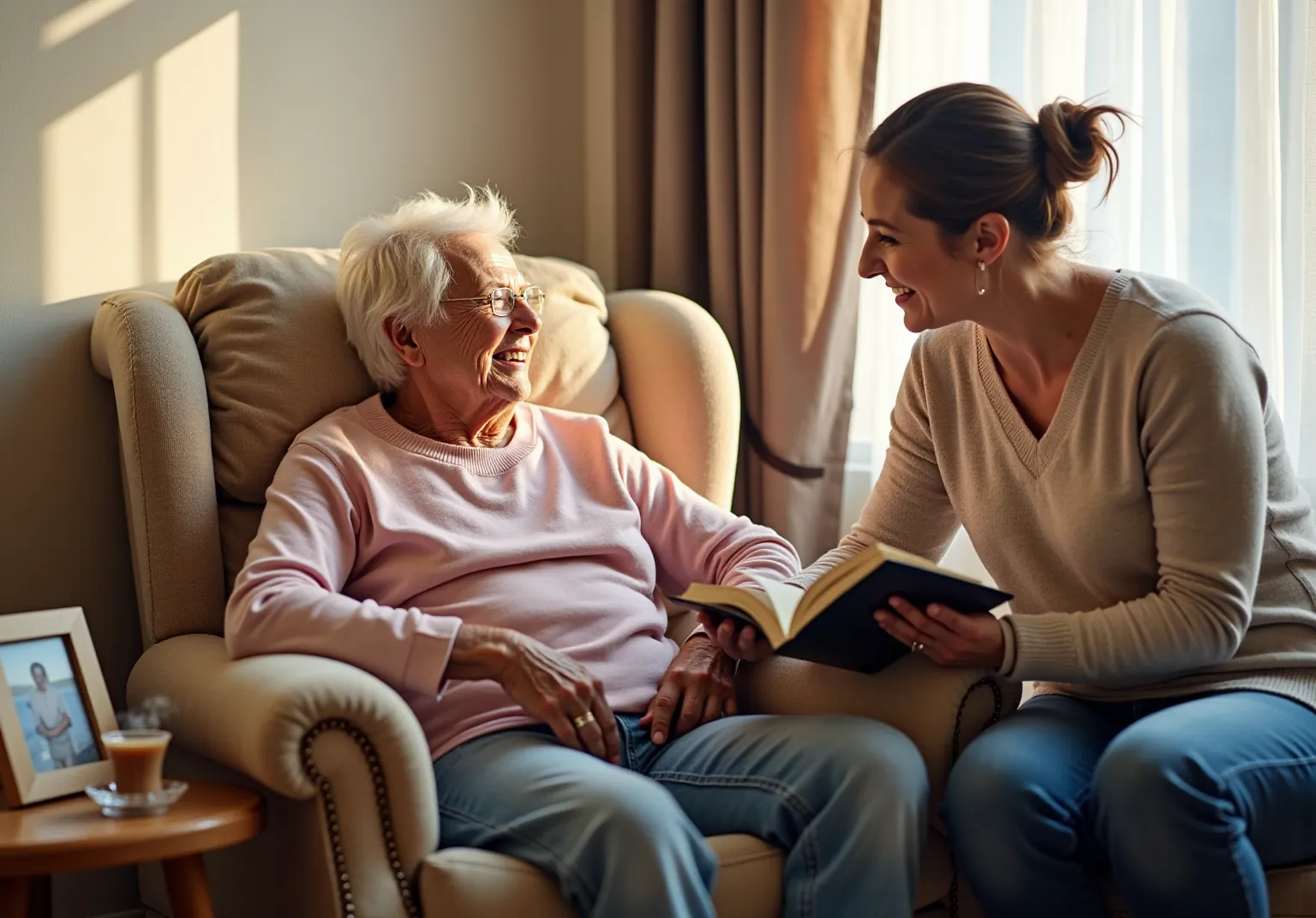
Choosing the right home health nurse is a critical decision that can significantly impact the well-being of loved ones. In Santa Clara County, the demand for quality home care is on the rise, making this choice even more pressing. Families often face the challenge of navigating a complex landscape of qualifications, experience, and personal compatibility. With so many options available, how can they confidently find the perfect match for their care requirements?
The implications of this decision are profound. A caregiver who lacks the right skills or compatibility can lead to increased stress for both the patient and their family. This situation can exacerbate health issues and diminish the quality of care. Therefore, it’s essential to approach this selection process thoughtfully.
To streamline the selection process and ensure caregivers meet the unique needs of each patient, consider these five essential steps:
- Assess qualifications thoroughly
- Evaluate experience in similar situations
- Prioritize personal compatibility
- Seek recommendations from trusted sources
- Conduct interviews to gauge fit
By following these steps, families can make informed decisions that enhance the quality of care for their loved ones.
Assess Patient Needs and Preferences
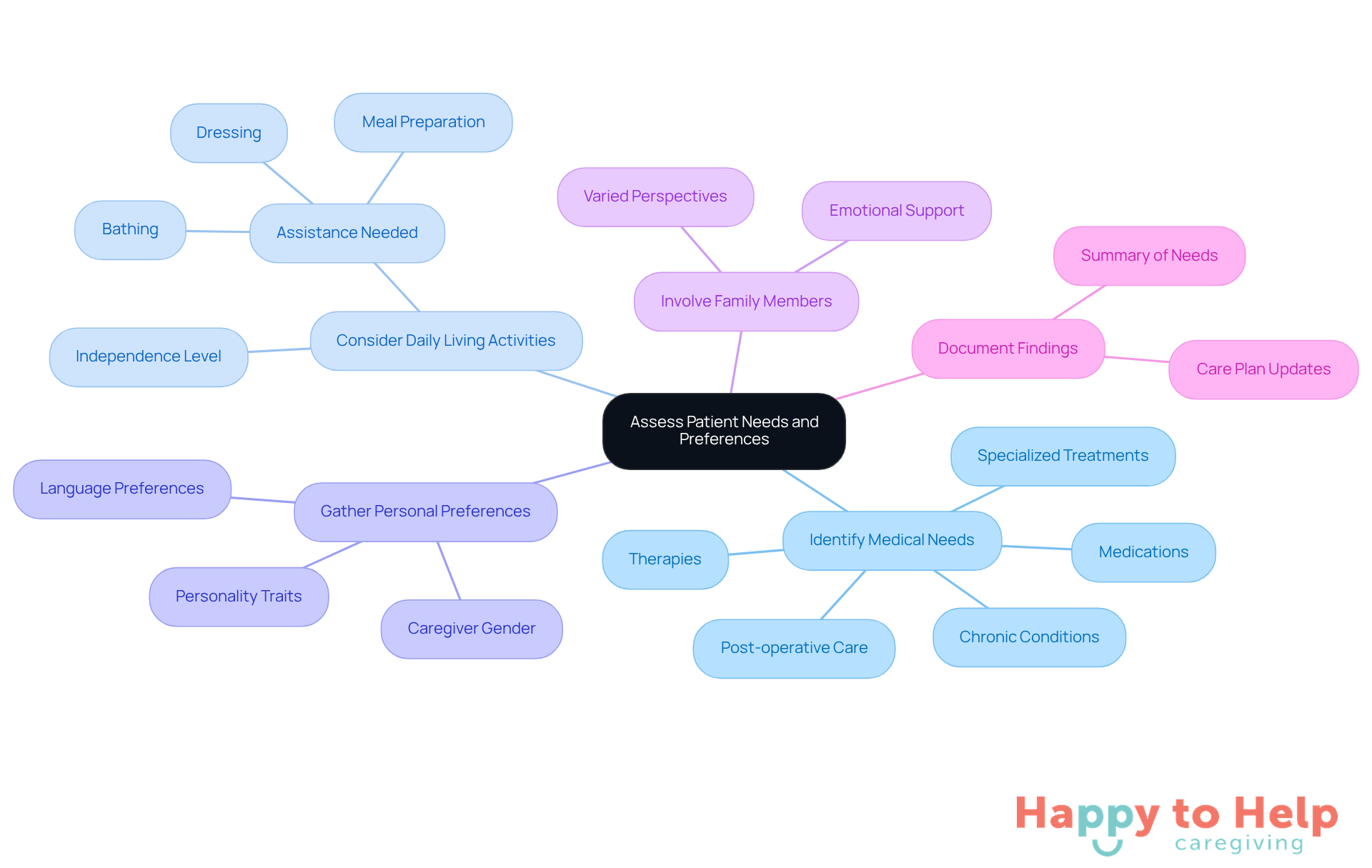
Identify Medical Needs: Caregivers often face the challenge of understanding the medical needs of their patients. With 85% of older adults having at least one chronic health condition, it's crucial to compile a detailed list of the patient's medical conditions, medications, and therapies. This includes chronic illnesses, post-operative care, and any specialized treatments required. If nursing services are ordered, involving a registered nurse in the assessment ensures compliance with care standards.
Consider Daily Living Activities: Another significant concern is evaluating the individual's ability to perform essential daily tasks. With 70% of seniors preferring to remain at home with support, recognizing their level of independence is vital. This understanding helps determine the appropriate type of assistance needed for activities such as bathing, dressing, and meal preparation.
Gather Personal Preferences: Engaging in discussions about personal preferences for caregivers can significantly enhance the caregiving experience. Consider aspects like gender, language, and personality traits. This attention to detail fosters comfort and trust, creating a more supportive environment for the individual.
Involve Family Members: Including family members in the evaluation process can provide varied perspectives and emotional support. Their involvement is essential for creating a comprehensive care plan that aligns with the individual's requirements and preferences.
Document Findings: Finally, summarizing the individual's needs and preferences in a clear document serves as a valuable reference during the caregiver selection process. This summary facilitates discussions with potential caregivers, ensuring that the chosen support aligns with the individual's unique requirements. Regularly reviewing and updating the care plan is also important to adapt to any changes in the patient's condition.
Research Qualifications and Experience
Finding a qualified caregiver, such as a home health nurse Santa Clara County, for home health care can be challenging. Without proper verification, you risk compromising the quality of care for your loved one.
Agitate: Imagine the stress of entrusting someone with the health and well-being of your family member, only to discover they lack the necessary qualifications or experience. This can lead to inadequate care and potentially harmful situations.
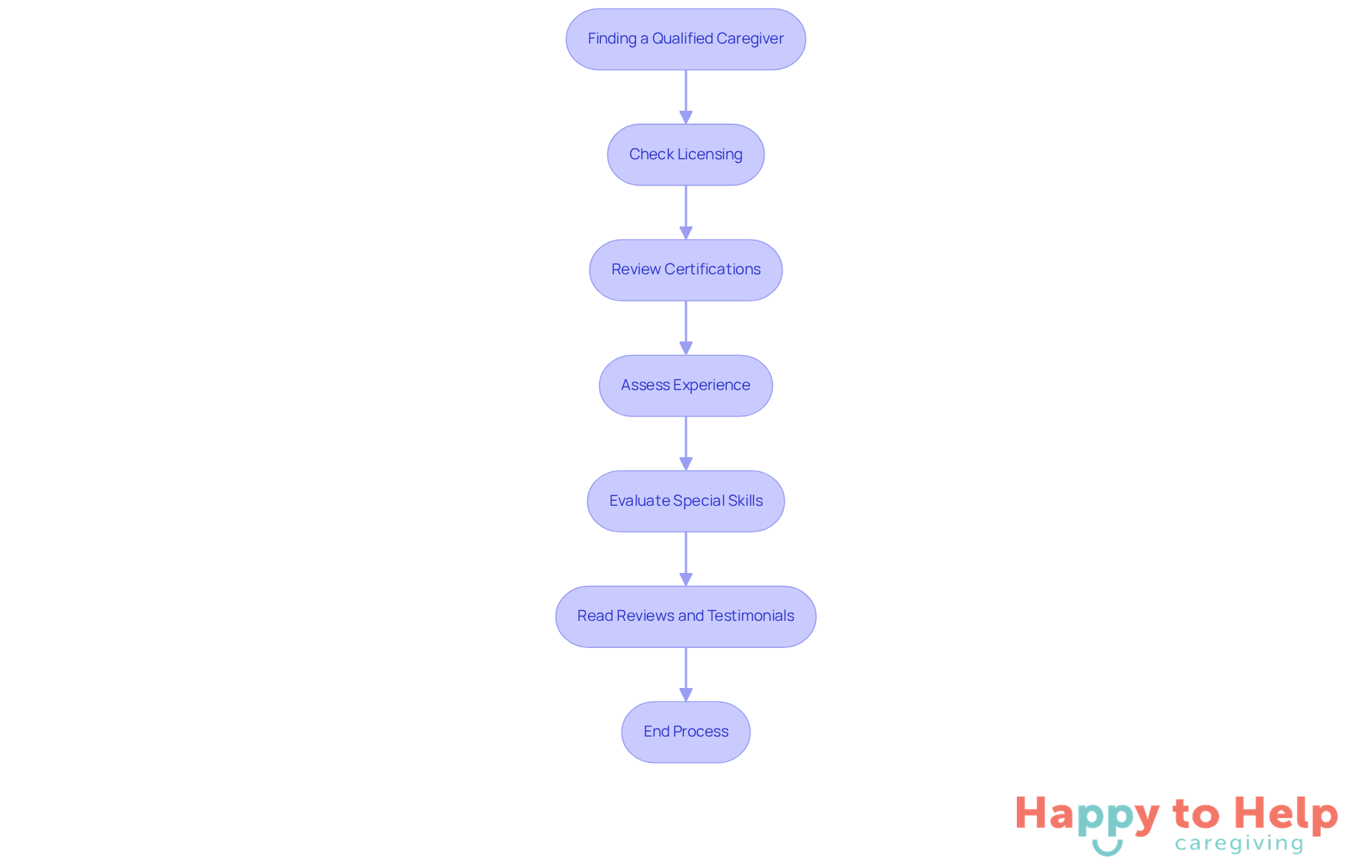
Solution: Here are five essential steps to ensure you choose the right healthcare professional:
- Check Licensing: Confirm that the healthcare professional possesses a valid nursing license in California. You can check this through the California Board of Registered Nursing website.
- Review Certifications: Look for additional certifications relevant to home health care, such as CPR, First Aid, or specialized training in areas like geriatrics or palliative care.
- Home health nurse Santa Clara County is essential for providing care. Assess the experience by inquiring about the caregiver's background as a home health nurse in Santa Clara County. Ask how long they have been working in this field and if they have experience with specific conditions relevant to your loved one.
- Evaluate Special Skills: Determine if the healthcare professional has any special skills that may be beneficial, such as wound care, medication management, or physical therapy.
- Read Reviews and Testimonials: Seek feedback from past clients or households to assess the caregiver's reputation and the standard of care they deliver.
Conduct Interviews with Candidates
Identifying the Right Caregiver
Finding a suitable caregiver can be challenging. Caregivers play a crucial role in the well-being of individuals, and selecting the wrong one can lead to significant issues in care quality.
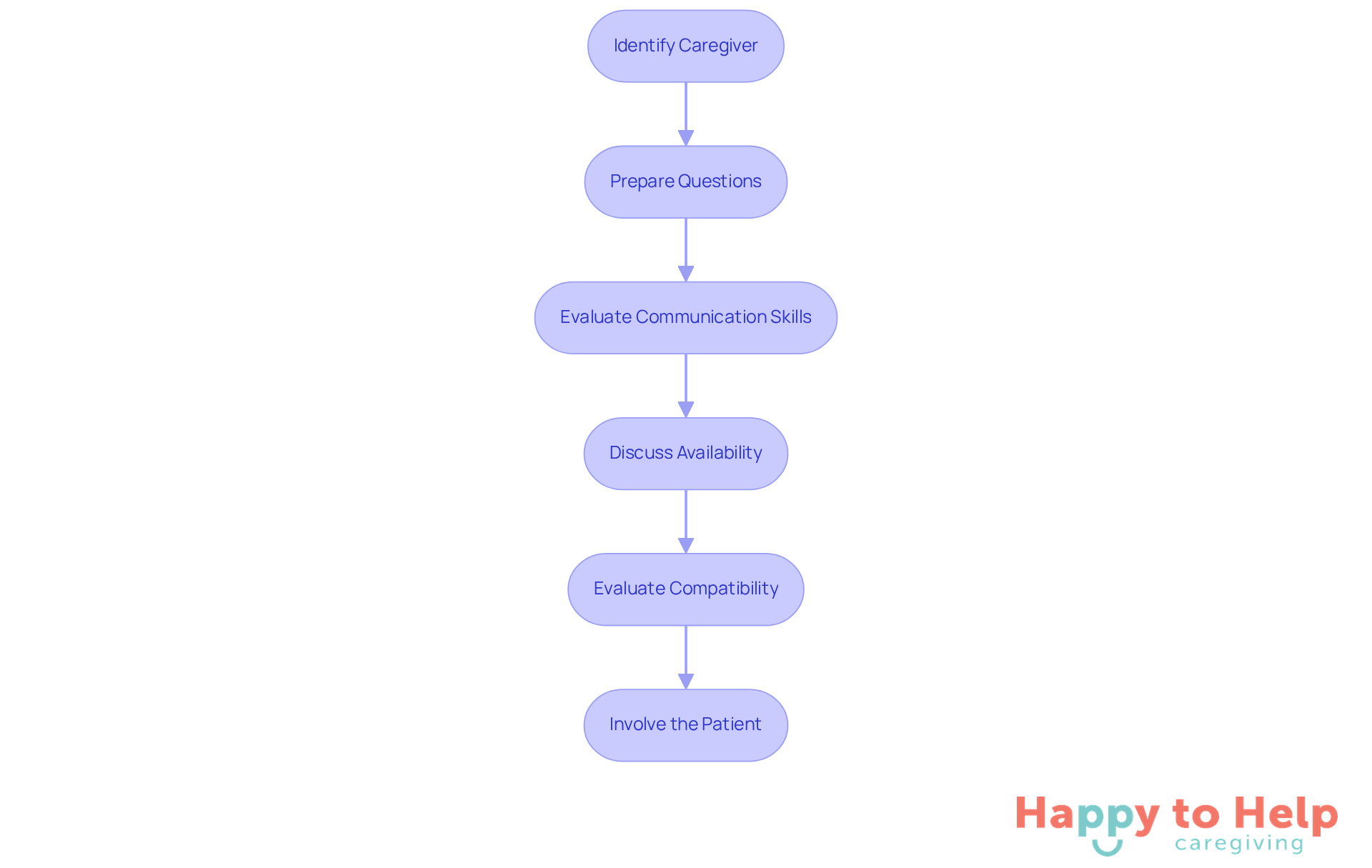
Prepare Questions
To address this challenge, develop a list of inquiries that cover the caregiver's experience, approach to care, and how they handle specific situations. Consider asking:
- How do you handle emergencies?
- Can you describe your experience with [specific condition]?
- How do you communicate with family members?
Evaluate Communication Skills
Effective communication is key to a successful caregiver-patient relationship. Observe how the healthcare professional interacts during the interview to gauge their communication skills.
Discuss Availability
Confirm the caregiver's availability and flexibility in scheduling. This ensures they can meet the individual's needs effectively.
Evaluate Compatibility
It's essential that the caregiver's character matches the individual's preferences. Observe the caregiver's demeanor and attitude to promote a comfortable atmosphere.
Involve the Patient
If feasible, include the patient in the interview process. This allows you to observe how they engage with the caregiver and ensures they feel comfortable.
Verify References and Conduct Background Checks
Problem: Ensuring the reliability and professionalism of caregivers is crucial for quality healthcare. Without proper verification, caregivers may not meet the necessary standards, leading to potential risks for patients.
Agitate: The implications of hiring an unverified caregiver can be severe. Issues such as inadequate care, safety concerns, and legal liabilities can arise if a caregiver's background is not thoroughly checked. Therefore, it’s essential to take proactive steps to mitigate these risks.
Solution: Here are actionable steps to ensure you hire a qualified caregiver:
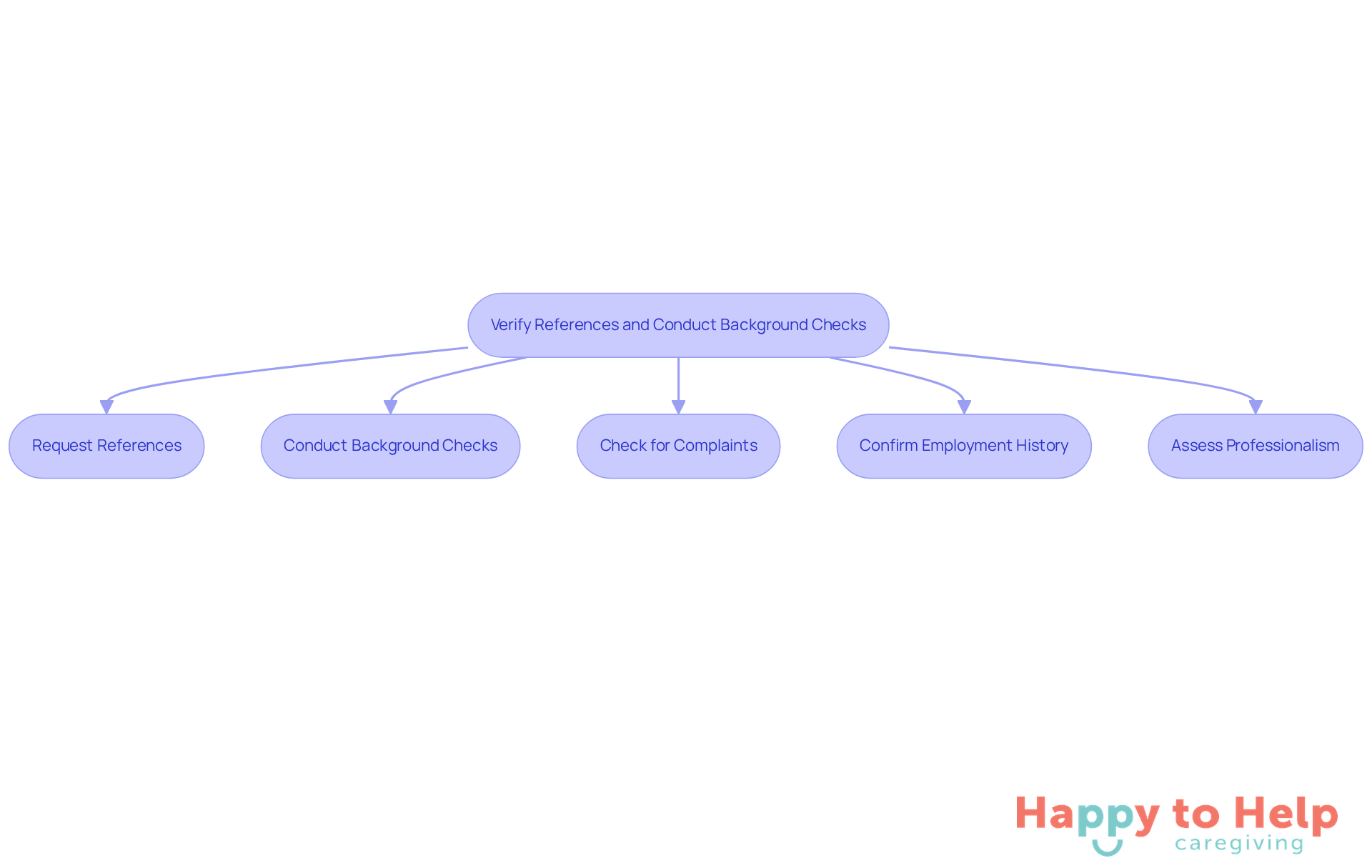
- Request References: Ask the healthcare provider for at least three professional references from previous employers or clients. Contact these references to inquire about the caregiver's performance and reliability.
- Conduct Background Checks: Utilize services that provide background checks to verify the individual's criminal history, employment history, and any disciplinary actions.
- Check for Complaints: Research any complaints or issues reported against the healthcare professional through state nursing boards or online review platforms.
- Confirm Employment History: Verify the healthcare professional's employment history to ensure they have the experience they claim.
- Assess Professionalism: Evaluate how the nurse responds to reference checks and background inquiries. A professional and transparent approach is a positive sign.
Discuss Care Plans and Expectations
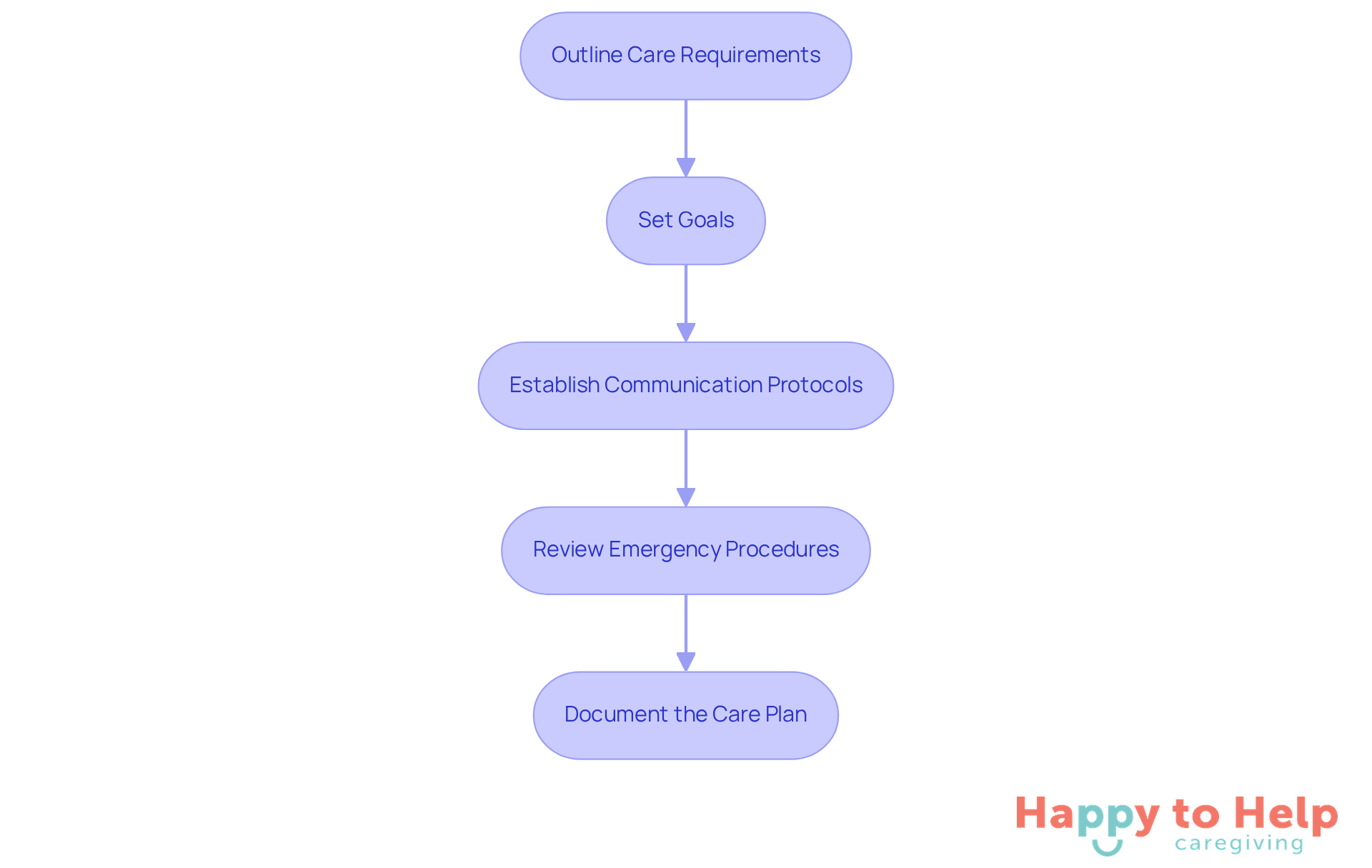
Outline Care Requirements: Caregivers often face challenges when care requirements are not clearly defined. This can lead to misunderstandings and inadequate support for the individual. Clearly specifying the individual's care requirements, including medical necessities, daily living support, and any specific preferences, is crucial.
Set Goals: Without clear goals, caregivers may struggle to provide effective care. Discussing short-term and long-term objectives ensures that care is focused and measurable. Make sure these goals are realistic and achievable to foster a sense of progress.
Establish Communication Protocols: Communication gaps can create anxiety for family members. Agreeing on how frequently the healthcare provider will update relatives regarding the patient's progress and any changes in care requirements can alleviate concerns and keep everyone informed.
Review Emergency Procedures: Emergencies can arise unexpectedly, and being unprepared can exacerbate stress. Discussing what to do in case of an emergency, including contact information for relatives and healthcare providers, is essential for ensuring a swift response.
Document the Care Plan: A written care plan serves as a vital reference for both caregivers and family members. Documenting all discussed points ensures clarity and accountability, allowing everyone involved to stay aligned with the care strategy.
Your Path Forward
Choosing the right home health nurse in Santa Clara County can be a daunting task for families. The challenge lies not only in finding a caregiver with the right qualifications but also in ensuring that they meet the unique emotional and social needs of the patient. This process can feel overwhelming, especially when considering the diverse requirements of each individual.
To navigate this challenge effectively, families should take a systematic approach. Here are essential steps to follow:
- Research Qualifications: Look for nurses with the necessary certifications and experience in home health care.
- Conduct Thorough Interviews: Ask questions that reveal the caregiver's approach to patient care and their ability to connect on a personal level.
- Verify References: Speak with previous employers or families to gauge the caregiver's reliability and competence.
- Discuss Care Plans: Collaborate with the nurse to create a tailored care plan that addresses the patient's specific needs.
Engaging family members in this selection process is crucial. Their involvement brings diverse perspectives and shared concerns to the forefront, increasing the likelihood of a successful match. Ultimately, selecting a home health nurse is about more than just credentials; it’s about fostering a supportive environment where patients can thrive.
By following these steps, families can confidently navigate their options in home health care. This proactive engagement and thorough evaluation not only enhance the caregiving experience but also significantly impact the quality of life for both patients and their families.
https://iframe.tely.ai/cta/eyJhcnRpY2xlX2lkIjogIjY5NDBhMjNjNmYzZjk5NzYxYTM2ZTNlYyIsICJjb21wYW55X2lkIjogIjY4ZWU1ZGNhNzMxNzYyNTU3ZjNjOTVjMSIsICJpbmRleCI6IG51bGwsICJ0eXBlIjogImFydGljbGUifQ==Frequently Asked Questions
What are the key medical needs to assess for a patient?
Caregivers should compile a detailed list of the patient's medical conditions, medications, and therapies, including chronic illnesses, post-operative care, and any specialized treatments required.
Why is it important to consider daily living activities in patient assessments?
Evaluating an individual's ability to perform essential daily tasks is vital, as 70% of seniors prefer to remain at home with support. This understanding helps determine the appropriate assistance needed for activities like bathing, dressing, and meal preparation.
How can personal preferences enhance the caregiving experience?
Discussing personal preferences regarding caregivers, such as gender, language, and personality traits, fosters comfort and trust, creating a more supportive environment for the individual.
Why should family members be involved in the evaluation process?
Including family members provides varied perspectives and emotional support, which is essential for creating a comprehensive care plan that aligns with the individual's requirements and preferences.
What is the importance of documenting findings in patient assessments?
Summarizing the individual's needs and preferences in a clear document serves as a valuable reference during the caregiver selection process and facilitates discussions with potential caregivers. Regularly reviewing and updating the care plan is also important to adapt to any changes in the patient's condition.
What steps should be taken to research the qualifications and experience of a caregiver?
Essential steps include checking licensing, reviewing certifications, assessing the caregiver's experience, evaluating special skills, and reading reviews and testimonials from past clients.
How can I verify a caregiver's licensing in California?
You can confirm that the healthcare professional possesses a valid nursing license by checking the California Board of Registered Nursing website.
What certifications should I look for in a caregiver?
Look for additional certifications relevant to home health care, such as CPR, First Aid, or specialized training in areas like geriatrics or palliative care.
Why is experience important when selecting a caregiver?
Inquiring about the caregiver's background, including how long they have worked as a home health nurse and their experience with specific conditions, ensures they are equipped to provide adequate care.
What special skills should I evaluate in a healthcare professional?
Determine if the caregiver has beneficial special skills, such as wound care, medication management, or physical therapy.
How can I assess a caregiver's reputation and quality of care?
Seek feedback from past clients or households to evaluate the caregiver's reputation and the standard of care they deliver.
List of Sources
- Assess Patient Needs and Preferences
- Articles - The Comprehensive Assessment in Home Health (https://achc.org/the-comprehensive-assessment-in-home-health)
- New Study Finds That While Aging Seniors Prefer In-Home Care, Most Are Critically Underprepared for Future Healthcare Needs | Cross Country Healthcare, Inc. (https://ir.crosscountry.com/news-releases/news-release-details/new-study-finds-while-aging-seniors-prefer-home-care-most-are)
- Overcoming Challenges In Home-Based Care For Medically Intensive Patients (https://homehealthcarenews.com/2025/09/overcoming-challenges-in-home-based-care-for-medically-intensive-patients)
- Why In-Home Care Assessment Is Important | Loving Homecare (https://lovinghomecareinc.com/blog/why-in-home-care-assessment)
- Research Qualifications and Experience
- Patients benefit from nursing certification | United Health Services (https://nyuhs.org/news-search/patients-benefit-nursing-certification)
- Why Home Health Providers Want Employees Working At Top Of License (https://homehealthcarenews.com/2024/10/why-home-health-providers-want-employees-working-at-top-of-license)
- The Importance of Nurse Certifications | Relias (https://relias.com/blog/the-importance-of-nurse-certifications)
- The Future of Home Health Nursing: Innovations and Opportunities (https://nurse.com/blog/future-home-health-nursing-nsp)
- Conduct Interviews with Candidates
- Importances of Communication in the Healthcare Industry | CHCM (https://chcm.com/news-events/importances-of-communication-in-the-healthcare-industry)
- How to Nail Your Interview for a Home Health Care Role (https://phoenixhomehc.com/news/how-to-nail-your-interview-for-a-role-in-home-health-care)
- Effective Communication as a Caregiver | Always Caring of CT (https://alwayscaringct.com/news/effective-communication-as-a-caregiver)
- The Importance of Communication in Home Health Care Relationships (https://h2hhc.com/blog/the-importance-of-communication-in-home-health-care-relationships)
- The Importance of Effective Communication in Caregiving (https://familycaregiversonline.net/the-importance-of-effective-communication-in-caregiving)
- Verify References and Conduct Background Checks
- Home Health Agencies Conducted Background Checks of Varying Types (https://oig.hhs.gov/reports/all/2015/home-health-agencies-conducted-background-checks-of-varying-types)
- National program helped 27 states develop background check processes for long-term care (https://mcknightsseniorliving.com/news/national-program-helped-27-states-develop-background-check-processes-for-long-term-care)
- Why Healthcare Recruiters Need to Check the Reference Before Hiring | Caring Support (https://caringsupport.com/blog/why-check-the-reference-before-hiring)
- The Importance of Background Checks in Homecare Hiring | Gotham Companies (https://gothamcompanies.com/2024/08/21/the-importance-of-comprehensive-background-checks-in-homecare-hiring)
- The importance of professional references in the job market (https://mcknights.com/marketplace/the-importance-of-professional-references-in-the-job-market)
- Discuss Care Plans and Expectations
- Dr Melissa O'Connor Discusses Tips on Creating Personalized Care Plans for Older Adults in Home Health | AJMC (https://ajmc.com/view/dr-melissa-o-connor-discusses-tips-on-creating-personalized-care-plans-for-older-adults-in-home-health)
- Home Care Statistics In 2025: Key Insights In Home Care (https://sagapixel.com/marketing/home-care-statistics)
- FastStats (https://cdc.gov/nchs/fastats/home-health-care.htm)
- Overcoming Challenges In Home-Based Care For Medically Intensive Patients (https://homehealthcarenews.com/2025/09/overcoming-challenges-in-home-based-care-for-medically-intensive-patients)
- How to Build Effective Care Plans for Home Health Patients (https://nursemagic.ai/post/how-to-build-effective-care-plans-for-home-health-patients)