
Why Choose Home Health Care in Matters
Choosing the right home health care provider can be a pivotal decision for families facing the challenges of caring for a loved one. This decision is often fraught with uncertainty, as families must navigate a myriad of services available in Charlottesville, VA. Understanding these options is essential for ensuring quality care that meets both medical needs and emotional well-being.
What criteria should caregivers prioritize? It’s crucial to consider not just the medical qualifications of a provider but also their ability to foster emotional support. Families may feel overwhelmed by the selection process, which can lead to stress and anxiety during an already challenging time.
To simplify this process, caregivers can follow these critical steps:
- Research Providers: Look for reviews and testimonials from other families.
- Assess Services Offered: Ensure the provider meets specific medical and emotional needs.
- Schedule Consultations: Meet with potential providers to gauge compatibility.
By taking these steps, families can secure the best support for their loved ones, ensuring both quality care and peace of mind.
Understand Home Health Care Services
Caring for a loved one can be a daunting task, especially when it comes to ensuring they receive the right support at home. Many caregivers face challenges such as managing medical needs, providing companionship, and assisting with daily activities. Without adequate help, caregivers may feel overwhelmed, leading to stress and burnout.
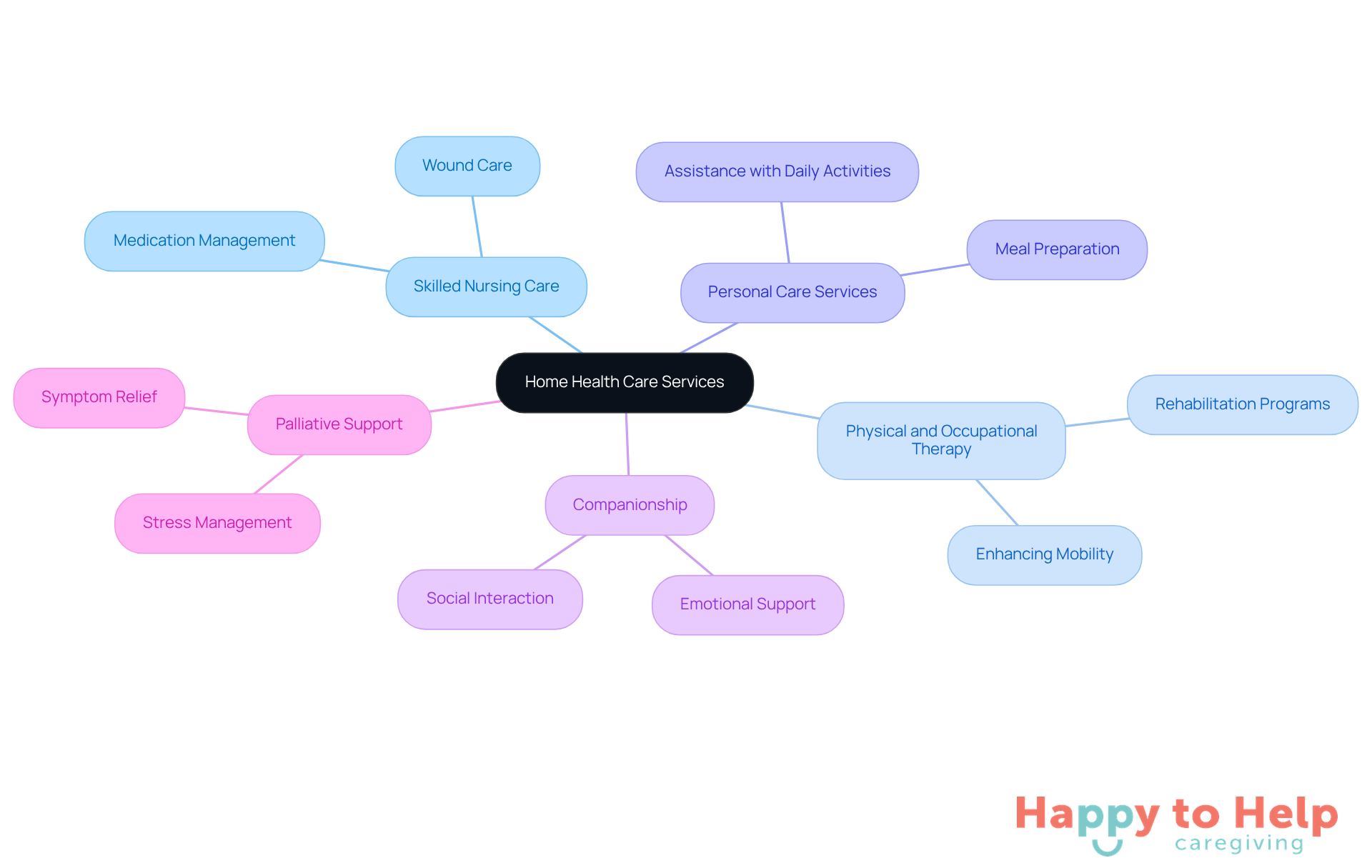
To address these challenges, home health care Charlottesville VA provides a variety of services designed to assist individuals in their own residences. Here are some key options:
- Skilled Nursing Care: Professional medical care provided by registered nurses, including medication management and wound care.
- Physical and Occupational Therapy: Rehabilitation programs aimed at enhancing mobility and daily living skills.
- Personal Care Services: Assistance with daily activities such as bathing, dressing, and meal preparation.
- Companionship: Emotional support and social interaction to combat loneliness and isolation.
- Palliative Support: Specialized medical assistance focused on providing relief from symptoms and stress of serious illness.
Understanding home health care Charlottesville VA services is crucial for assessing the level of support your loved one may need. By exploring these options, caregivers can find practical solutions that enhance the quality of life for both themselves and their loved ones.
Identify Key Criteria for Selecting Care
Choosing the right home health care Charlottesville VA provider can be a daunting task, especially when the well-being of a loved one is at stake. The challenge lies in ensuring that the provider meets essential standards of quality and reliability.
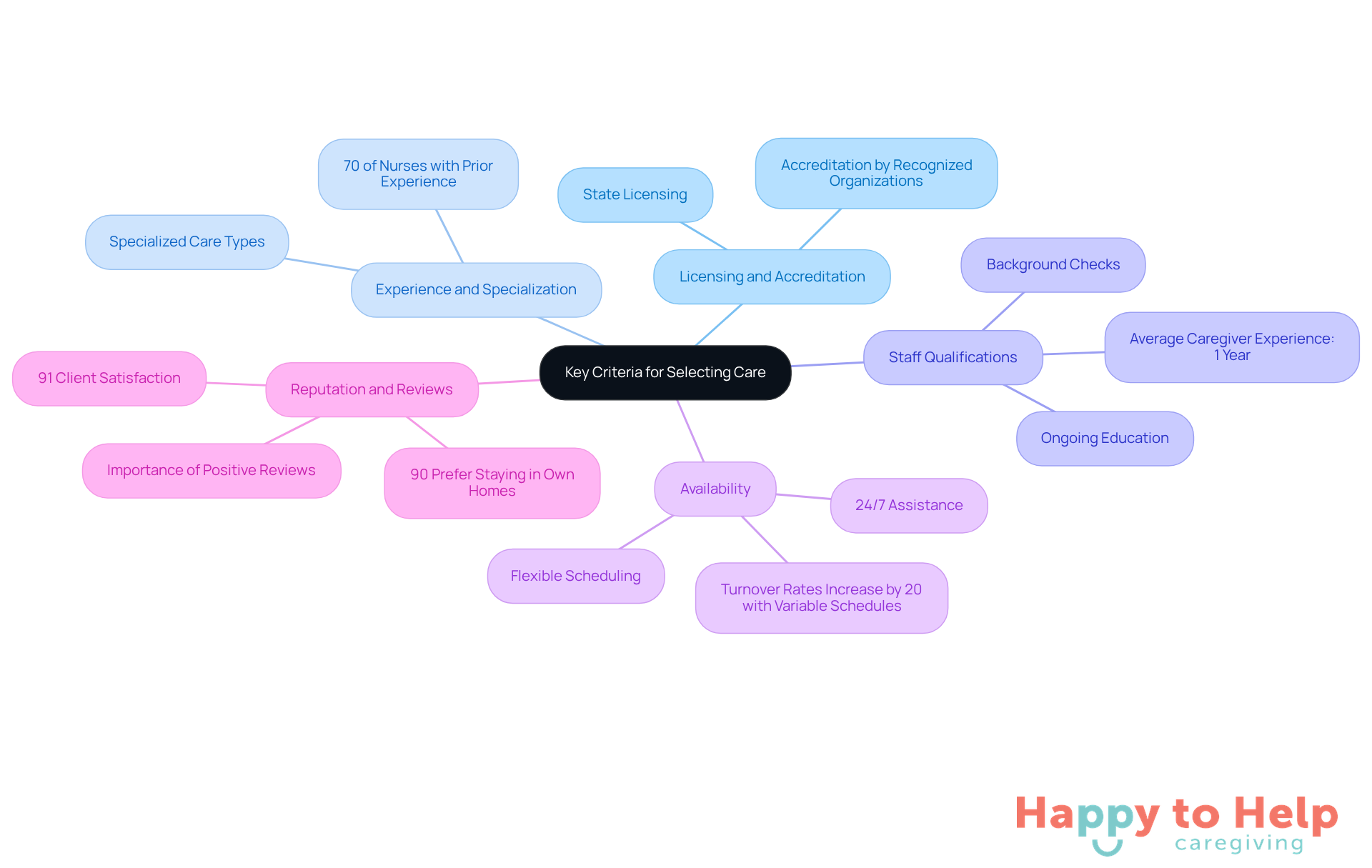
To tackle this issue, consider these key criteria:
- Licensing and Accreditation: Verify that the agency is licensed by the state and accredited by recognized organizations. This step is crucial as it ensures adherence to industry standards and regulations, which are vital for delivering quality service. Not all home health care Charlottesville VA organizations provide the same level of care, so thorough research is necessary.
- Experience and Specialization: Look for agencies that specialize in the specific type of assistance your loved one needs, whether it’s dementia support or post-surgical recovery. Specialized care can greatly enhance the quality of support provided. Notably, about 70% of nurses have prior experience as aides or health workers, which can positively impact their qualifications.
- Staff Qualifications: Investigate the qualifications and training of caregivers, including background checks and ongoing education. The average caregiver in the industry has roughly one year of experience, making it essential to understand their training and expertise.
- Availability: Ensure the availability of home health care Charlottesville VA by confirming that the organization offers 24/7 assistance or flexible scheduling options to meet your needs. This flexibility is crucial for families requiring consistent support. Keep in mind that highly variable schedules for health care nurses can increase turnover rates by up to 20%, highlighting the importance of consistent scheduling for service quality.
- Reputation and Reviews: Research online evaluations and feedback to assess the organization’s reliability and service standards. With 91% of clients expressing satisfaction with their health assistance, positive reviews can serve as a strong indicator of a provider's performance. Additionally, nearly 90% of individuals using residential health services prefer to stay in their own homes, underscoring the importance of provider reputation and client satisfaction.
Research and Compare Local Providers
Finding reliable home health care providers can be a daunting task for caregivers. With so many options available, it’s crucial to ensure that you choose a provider that meets your needs and expectations. Here’s how to effectively research and compare local home health care providers in Charlottesville, VA:
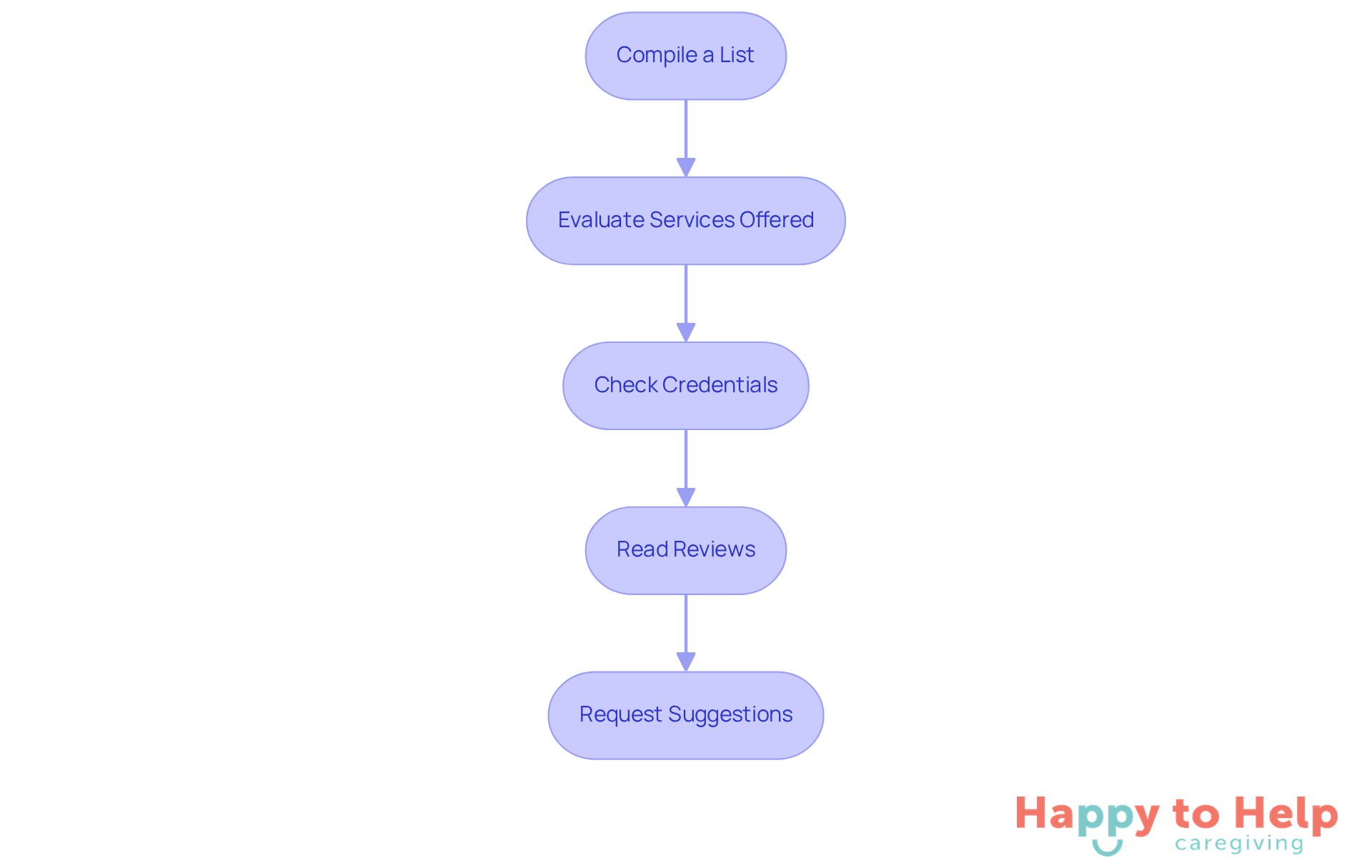
- Compile a List: Start by assembling a list of home health service providers. Utilize resources such as Medicare's Care Compare tool or local directories to gather comprehensive information on home health care Charlottesville VA.
- Evaluate Services Offered: Review each organization’s website or contact them directly to understand the specific services they provide. This will help you determine which providers align with your needs.
- Check Credentials: Look for agencies that are Medicare-certified and have favorable ratings from health quality organizations. This ensures that you are considering reputable options.
- Read Reviews: Utilize platforms like Yelp or A Place for Mom to read client reviews and experiences. These insights can provide valuable perspectives on the quality of care offered.
- Request Suggestions: Seek advice from healthcare experts or acquaintances who have experience with home health services. Personal referrals can lead you to trustworthy providers.
Conduct Interviews and Assessments
Finding the right caregiver for your loved one can be a daunting task. It’s crucial to ensure that the caregiver not only meets the practical needs but also aligns with the emotional and social aspects of care. Here’s how to navigate this process effectively:
-
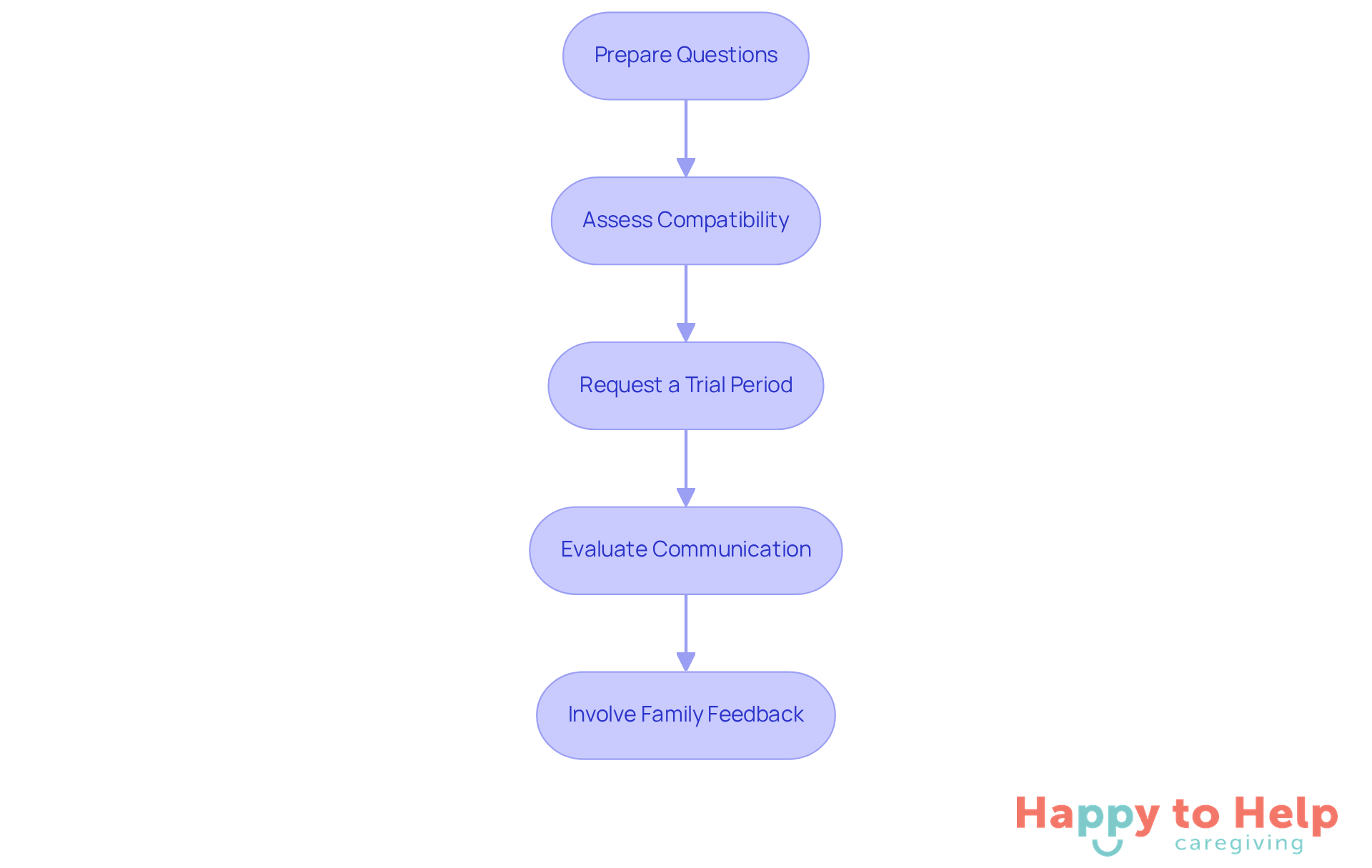
Prepare Questions: Start by developing a list of essential questions for the interview. Consider asking:
- What services do you provide?
- How do you handle emergencies?
- Can you provide references from other clients?
-
Assess Compatibility: During the interview, pay attention to the caregiver's communication style and demeanor. This assessment is vital to ensure they are a good fit for your loved one.
-
Request a Trial Period: If possible, arrange for a trial period. This allows you to observe how the caregiver interacts with your loved one and whether they effectively meet their needs.
-
Evaluate Communication: It’s important that the agency maintains open lines of communication with family members. Regular updates about assistance and any changes in the support plan are essential for effective caregiving.
-
Involve Family Feedback: Encourage family members to share their insights on caregiver compatibility. Their feedback can be invaluable in assessing how well the caregiver addresses both the emotional and physical needs of your loved one, ultimately leading to a more tailored support experience.
Make Your Decision and Establish Care
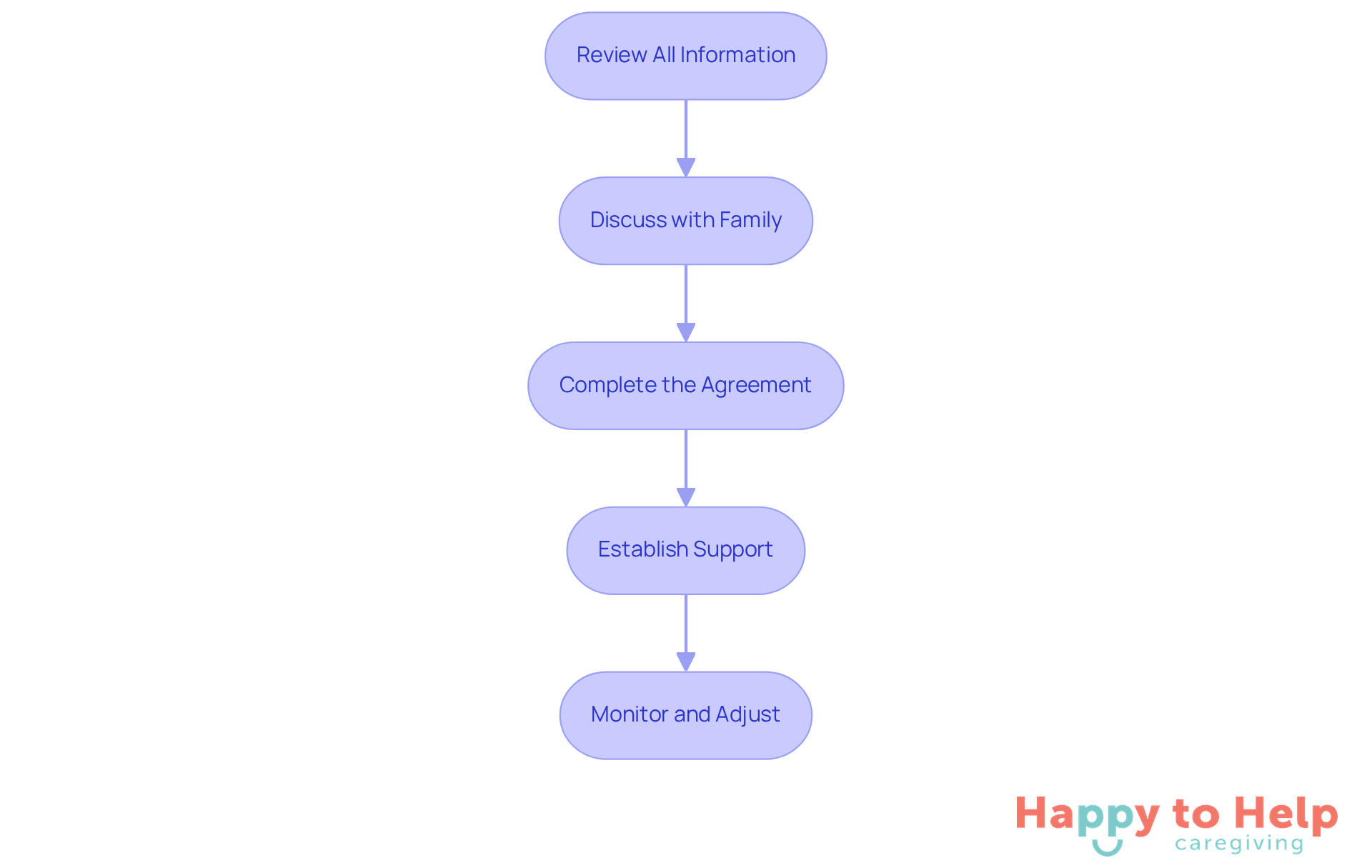
After conducting interviews and assessments, caregivers often face a significant challenge: making the right decision for their loved one's care. This choice can feel overwhelming, but with a structured approach, it can become manageable.
-
Review All Information: Start by thoroughly examining the notes from your interviews, assessments, and any additional research. This comprehensive review will help you understand each provider's offerings and capabilities.
-
Discuss with Family: Engage family members in the decision-making process. This collaboration ensures everyone is aligned on the chosen provider, fostering a supportive environment for your loved one.
-
Complete the Agreement: Once you've selected a provider, carefully review and sign the contract. Pay close attention to the terms, including costs and cancellation policies. Domestic assistance services in Virginia typically range from $25 to $35 per hour, with round-the-clock support costing between $18,000 and $26,000 per month. The average yearly expense of home assistance is approximately $42,000, a crucial factor for budgeting.
-
Establish Support: Work with the agency to create a personalized support plan that addresses your loved one's specific needs and preferences. Utilizing technology can enhance this process, allowing for more tailored and efficient planning of support.
-
Monitor and Adjust: After assistance begins, maintain regular communication with your loved one and the caregiver. This ongoing dialogue is essential for ensuring that the assistance provided meets expectations and allows for necessary adjustments, enhancing the overall quality of support. As one family caregiver noted, "Establishing care with a provider was a relief, knowing my loved one was in good hands.
Making the Right Choice
Choosing the right home health care services in Charlottesville, VA, presents a significant challenge for caregivers. This decision can greatly affect the well-being of loved ones, making it essential to understand the various types of services available. Without proper knowledge, caregivers may struggle to find the right support, which can lead to increased stress and uncertainty.
To navigate this complex landscape, caregivers must conduct thorough assessments of potential providers. Key criteria such as licensing, experience, and reputation are crucial in determining the reliability and effectiveness of care. Engaging in research, conducting interviews, and maintaining ongoing communication with providers can help alleviate concerns and ensure informed choices.
Involving family members in the decision-making process is also vital. By understanding the range of services offered and evaluating provider credentials together, caregivers can foster a collaborative environment that prioritizes the unique needs of their loved ones. This approach not only enhances care quality but also provides emotional support for everyone involved.
Ultimately, engaging home health care services goes beyond meeting medical needs; it’s about creating a nurturing environment that supports emotional and social well-being. Caregivers are encouraged to take proactive steps, utilizing available resources and insights to make informed decisions. By doing so, they can improve the quality of life for their loved ones while reducing their own stress, leading to a more fulfilling caregiving experience.
https://iframe.tely.ai/cta/eyJhcnRpY2xlX2lkIjogIjY5MjI0Zjg5OWEwZThiZmU5YWJhN2M5MyIsICJjb21wYW55X2lkIjogIjY4ZWU1ZGNhNzMxNzYyNTU3ZjNjOTVjMSIsICJpbmRleCI6IG51bGwsICJ0eXBlIjogImFydGljbGUifQ==Frequently Asked Questions
What are home health care services?
Home health care services include a variety of support options for individuals in their residences, such as skilled nursing care, physical and occupational therapy, personal care services, companionship, and palliative support.
What types of skilled nursing care are provided?
Skilled nursing care includes professional medical services provided by registered nurses, such as medication management and wound care.
How can physical and occupational therapy help?
Physical and occupational therapy focuses on rehabilitation programs that enhance mobility and improve daily living skills.
What personal care services are available?
Personal care services assist individuals with daily activities like bathing, dressing, and meal preparation.
What is the role of companionship in home health care?
Companionship provides emotional support and social interaction to help combat loneliness and isolation.
What does palliative support entail?
Palliative support offers specialized medical assistance aimed at relieving symptoms and stress associated with serious illnesses.
What key criteria should be considered when selecting a home health care provider?
Key criteria include licensing and accreditation, experience and specialization, staff qualifications, availability, and the provider's reputation and reviews.
Why is licensing and accreditation important for home health care agencies?
Licensing and accreditation ensure that the agency adheres to industry standards and regulations, which are essential for delivering quality service.
How does staff experience impact the quality of care?
Agencies that employ staff with specialized experience, such as in dementia support or post-surgical recovery, can provide a higher quality of support.
What should I know about the qualifications of caregivers?
It is important to investigate caregivers' qualifications, including their training, background checks, and ongoing education, as the average caregiver has about one year of experience.
Why is availability important in home health care?
Ensuring that the provider offers 24/7 assistance or flexible scheduling is crucial for families needing consistent support.
How can I assess the reputation of a home health care agency?
Research online evaluations and feedback to gauge the organization's reliability and service standards, as positive reviews often indicate good performance.
List of Sources
- Understand Home Health Care Services
- What’s Next For Home Health As The Industry Faces Its Biggest Test Yet (https://homehealthcarenews.com/2025/10/whats-next-for-home-health-as-the-industry-faces-its-biggest-test-yet)
- FastStats (https://cdc.gov/nchs/fastats/home-health-care.htm)
- 52 Eye-Opening Home Health Statistics: Insights for 2025 (https://boosthomehealth.com/home-health-statistics)
- The Rise of Hospital Level In-Home Healthcare: Trends, Benefits and the Future (https://achc.org/the-rise-of-hospital-level-in-home-healthcare-trends-benefits-and-the-future)
- Home (https://homehealthcarenews.com)
- Identify Key Criteria for Selecting Care
- 52 Eye-Opening Home Health Statistics: Insights for 2025 (https://boosthomehealth.com/home-health-statistics)
- FastStats (https://cdc.gov/nchs/fastats/home-health-care.htm)
- Disruption Redefines Home-Based Care: Providers Confront Challenges, Seize New Opportunities (https://homehealthcarenews.com/2025/10/disruption-redefines-home-based-care-providers-confront-challenges-seize-new-opportunities)
- U.S. News to Debut Best Home Health Ratings in 2026 (https://usnews.com/info/blogs/press-room/articles/2025-11-03/u-s-news-to-debut-best-home-health-ratings-in-2026)
- Conduct Interviews and Assessments
- Caregiver-Patient Matching in Home Care (https://carevoyant.com/home-health-blog/caregiver-patient-matching-home-care)
- Finding the Right Caregiver Match | Active Day (https://activeday.com/news/finding-the-right-caregiver-match)
- The Evolution Of Caregiver-Client Matching In Home Care (https://homehealthcarenews.com/2023/08/the-evolution-of-caregiver-client-matching-in-home-care)
- Perfect Pairings: Creating Personalized, Highly Compatible Caregiver-Client Matches to Boost Your Bottom Line | Aaniie, formerly Smartcare Software (https://aaniie.com/news/creating-personalized-highly-compatible-caregiver-client-matches-to-boost-bottom-line)
- The Importance of Caregiver-Client Relationships in Senior Well-Being (https://homeinstead.com/home-care/usa/in/goshen/588/news-and-media/the-importance-of-caregiver-client-relationships-in-senior-well-being)
- Make Your Decision and Establish Care
- Home Care Cost (https://ltsschoices.aarp.org/scorecard-report/2023/dimensions-and-indicators/home-care-cost)
- Home Care Costs in 2025: A State-by-State Guide (https://aplaceformom.com/caregiver-resources/articles/in-home-care-costs)
- Home Health Care Trends for 2025 (https://carevoyant.com/home-health-blog/home-health-care-trends-2025)
- Caregiver Statistics: Demographics (https://caregiver.org/resource/caregiver-statistics-demographics)
- How Much Does 24/7 In-Home Care Cost Per Month in Virginia? (https://clarahomecare.com/articles/how-much-does-24-7-in-home-care-cost-per-month-in-virginia)