
What You Need to Know About Choose Senior Care in The Woodlands,
Navigating the world of senior care can feel overwhelming for families in The Woodlands, Texas. With a myriad of options available, understanding the specific needs of elderly loved ones is crucial. Families must ensure their loved ones receive the most appropriate support, whether through in-home assistance, assisted living, or specialized memory care.
However, the abundance of choices can lead to confusion. Families may struggle to select the best care solution that aligns with their loved one's preferences and requirements. This uncertainty can add stress during an already challenging time.
To address these challenges, this article outlines essential steps to help families make informed decisions about senior care. By following these guidelines, families can ensure their loved ones receive the compassionate and tailored support they deserve.
Understand the Types of Senior Care Available
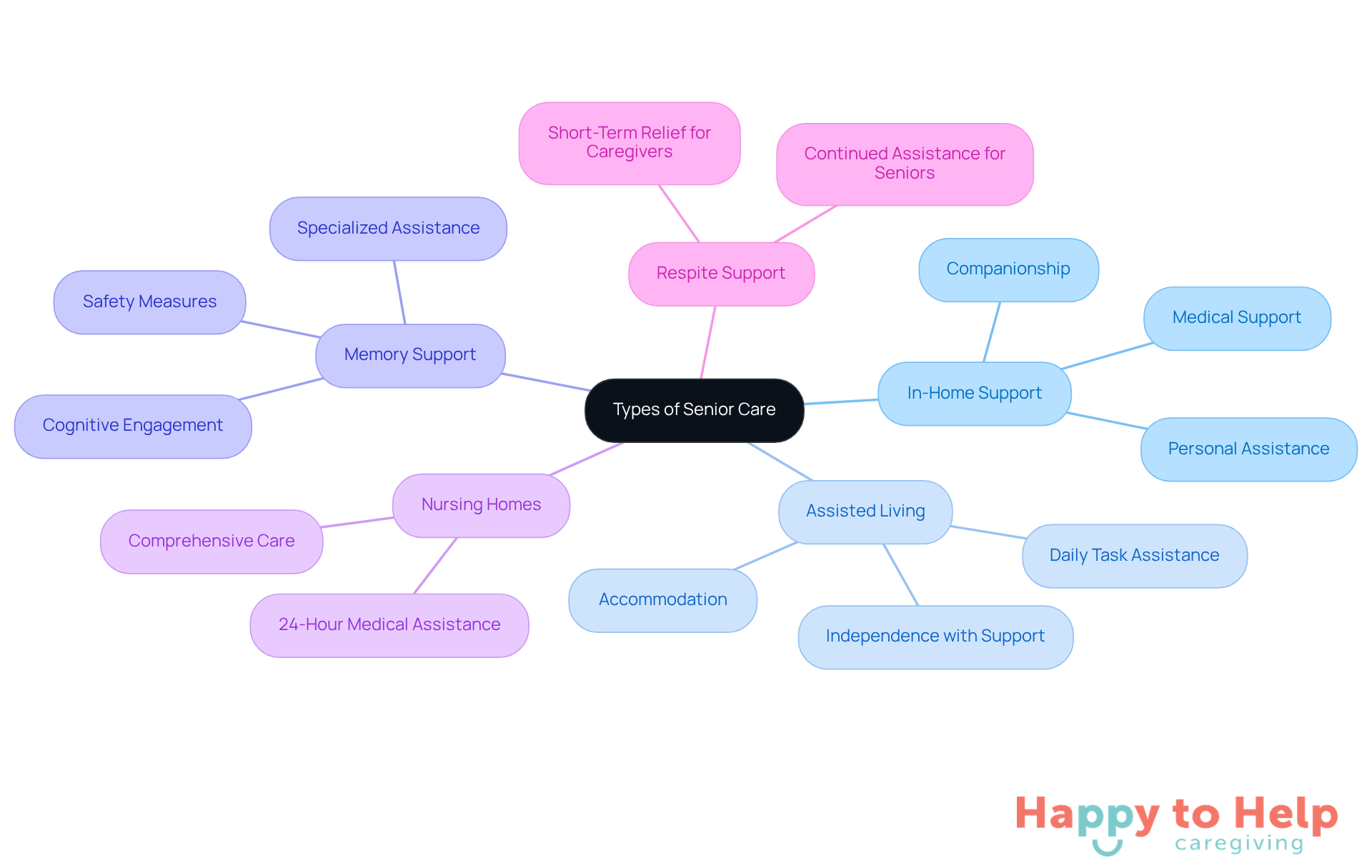
Choosing the right type of senior care can be a daunting task for families. With various options available, it’s essential to understand the specific needs of your loved one to ensure they receive the best possible support.
-
In-Home Support offers services right in the comfort of the elderly individual's residence. This includes companionship, personal assistance, and medical support tailored to their needs.
-
Assisted Living facilities provide accommodation and assistance for seniors who need help with daily tasks but do not require constant medical attention. This option allows for a degree of independence while ensuring necessary support is available.
-
For those facing cognitive challenges, Memory Support is crucial. This specialized assistance focuses on individuals with Alzheimer’s or other types of dementia, emphasizing safety and cognitive engagement to enhance their quality of life.
-
Nursing Homes are designed for seniors with significant health issues, offering 24-hour medical assistance to ensure comprehensive care.
-
Lastly, Respite Support provides short-term relief for primary caregivers, allowing them to take a much-needed break while ensuring their loved ones continue to receive assistance.
Understanding these options helps families make informed decisions about senior care in the Woodlands, Texas, based on their loved one's health, preferences, and lifestyle.
Assess Individual Needs and Preferences
To effectively assess individual needs and preferences, caregivers face a significant challenge: inadequate evaluations of elderly individuals' health and daily living capabilities. Studies show that only 55% of older adults report their providers assess their mobility and physical fitness. This gap in necessary evaluations can hinder the health and functional ability of seniors, making thorough health assessments crucial.
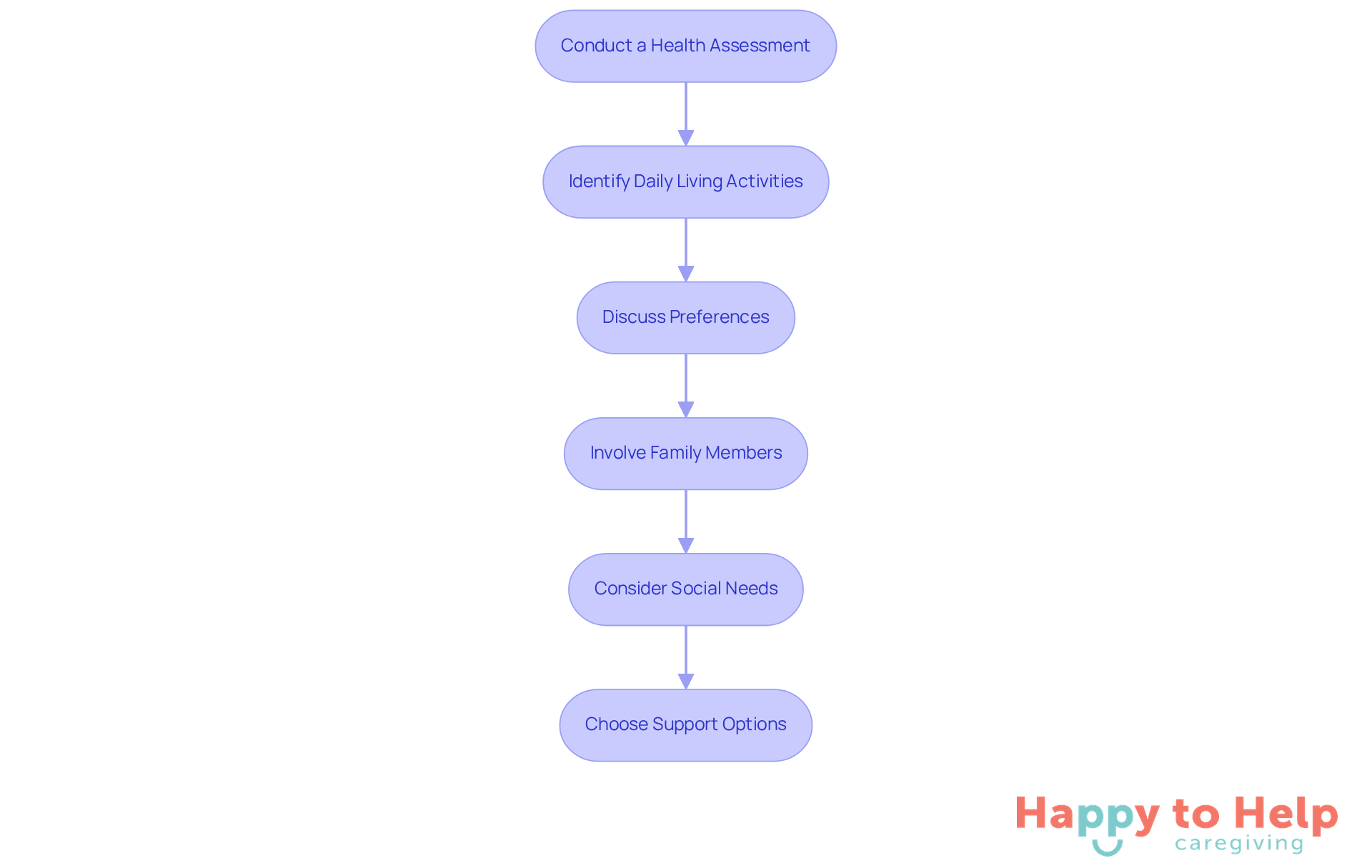
Conduct a Health Assessment: Begin by evaluating the elder's physical and mental health. This includes assessing mobility, cognitive function, and any existing medical conditions. A comprehensive health assessment is essential to maximize the older adult's health and functional ability, as emphasized by experts in the field.
Identify Daily Living Activities: Next, determine which daily tasks the elderly individual can perform independently and which require assistance. Common activities include bathing, dressing, and meal preparation. Approximately 2 in 3 seniors will likely need extended assistance for daily tasks, making this identification crucial for efficient planning.
Discuss Preferences: Engage in open conversations with the senior about their treatment preferences. Many elderly individuals wish to remain in their residences for as long as possible, highlighting the importance of understanding their preferences regarding living arrangements. As Terry Fulmer observes, older adults desire health services that enhance their well-being and capacity to function, and they want their providers to pay attention to them.
Involve Family Members: Gather insights from family members who may have valuable perspectives on the elder's needs and preferences. Family participation can improve the decision-making process, ensuring that support plans are comprehensive and mindful of the elder's background and way of life.
Consider Social Needs: Finally, assess the significance of social interaction and activities that the elderly individual enjoys. Social engagement is vital for mental health and overall well-being, as isolation can lead to increased feelings of loneliness. Customized support strategies that include social activities can greatly enhance the quality of life for elderly individuals. Households can also connect with community resources, such as local Area Agencies on Aging, for support options that can improve social engagement and overall assistance.
This comprehensive evaluation will assist households in choosing the most appropriate support option for senior care in the Woodlands Texas, ensuring that the selected services align with the senior's distinct needs and preferences. For further information on home safety and additional resources, households can contact the Administration for Community Living (ACL).
Research and Compare Care Providers
When researching and comparing senior care in The Woodlands, Texas, it's crucial to address the challenges caregivers face in making informed decisions. Selecting the right provider can be overwhelming, especially with so many options available. This decision impacts not only the quality of care but also the well-being of your loved one.
To tackle this issue, consider these essential steps:
-
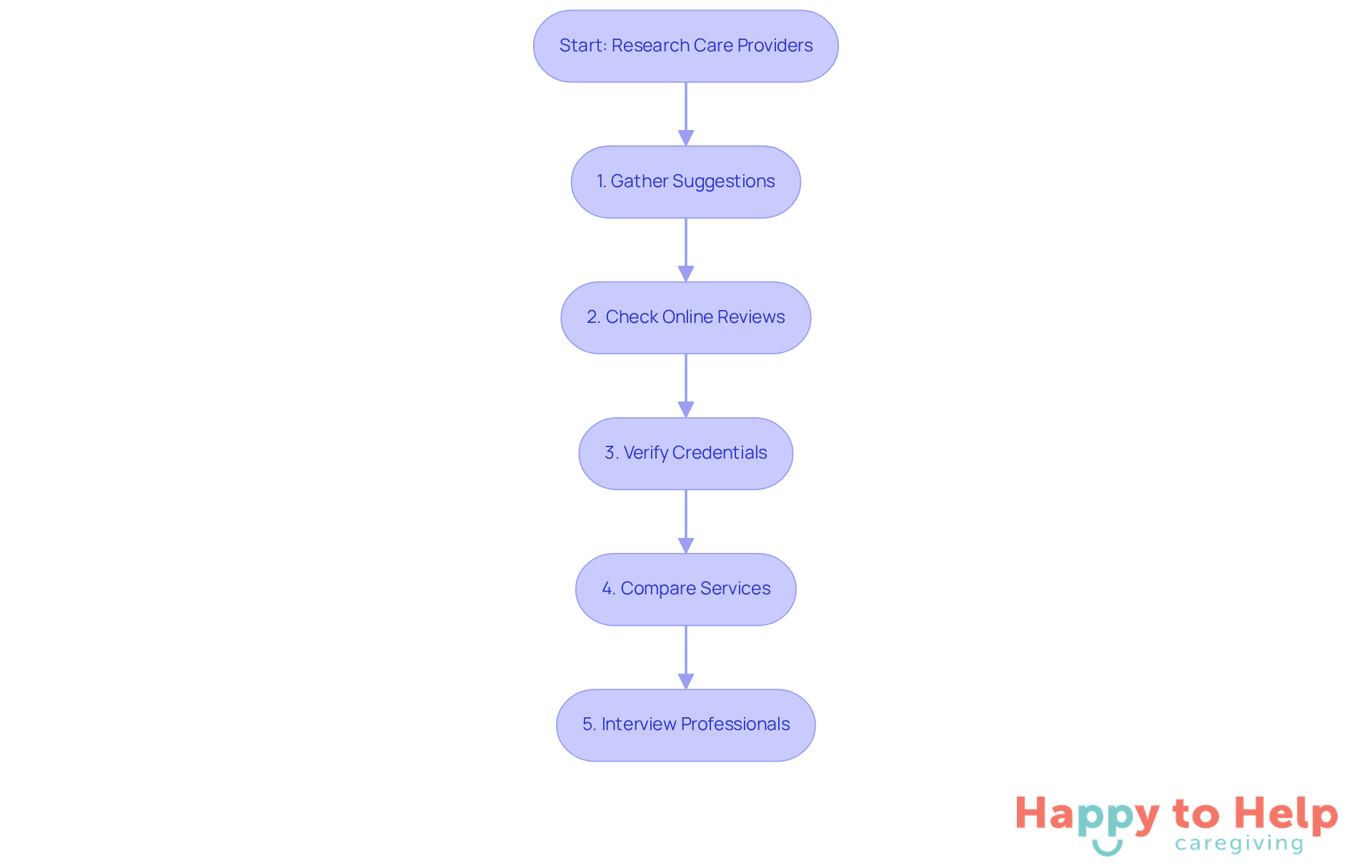
Gather Suggestions: Start by seeking advice from friends, relatives, or healthcare professionals for reliable recommendations on esteemed service providers. Personal referrals can significantly influence your choice, as 60% of patients trust referrals from family and friends when selecting healthcare services.
-
Check Online Reviews: Utilize platforms such as Yelp, Google Reviews, and dedicated senior care websites to examine reviews and ratings of different services. Positive reviews can enhance a service's reputation, with 90% of readers influenced by favorable feedback, while 86% are deterred by negative experiences. This highlights the critical role of online reviews in decision-making.
-
Verify Credentials: Confirm that the suppliers are licensed and accredited by relevant state and national organizations. This step guarantees that the service provided meets established standards of quality and safety.
-
Compare Services: Assess the variety of services available from each supplier, including specialized support options, availability, and flexibility in scheduling. Understanding the specific services offered is essential, as 83% of home service recipients need help with daily tasks such as bathing and dressing.
-
Interview Professionals: Organize interviews or consultations with prospective professionals to ask about their experience, caregiver training, and method of support. This direct interaction can offer valuable insights into the caregiver's dedication to quality service and their capability to meet the unique needs of your loved one.
This research phase is vital for narrowing down options and identifying a provider that aligns with the senior's needs, ensuring a supportive and compassionate experience in senior care in The Woodlands, Texas.
Visit Care Facilities or Meet Caregivers
Evaluating care facilities or caregivers can be a daunting task, especially when ensuring that your loved one receives the best support possible. The challenge lies in identifying environments that truly cater to the needs of seniors, particularly in relation to senior care in The Woodlands, Texas, which can significantly impact their quality of life.
To tackle this issue, consider these actionable steps:
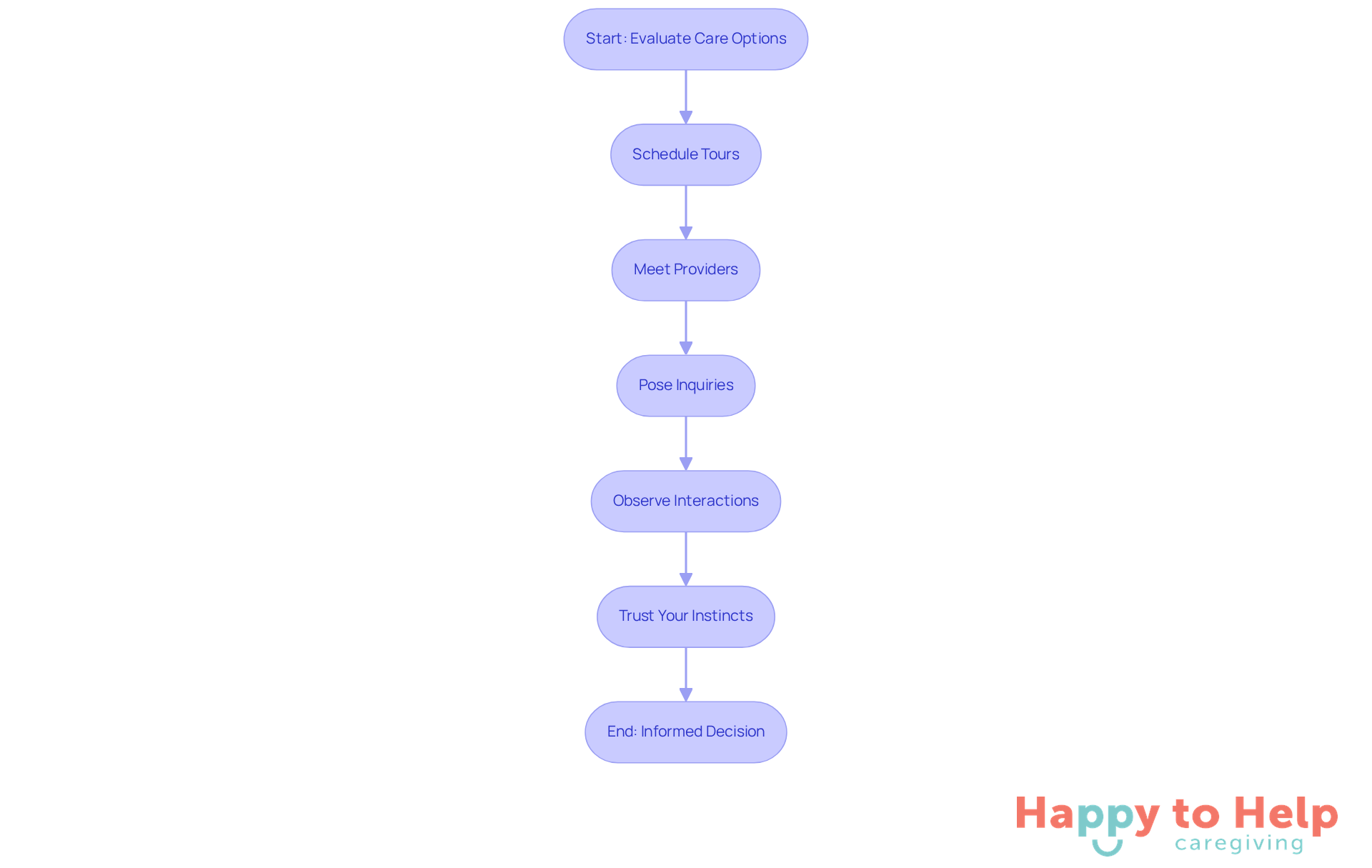
- Schedule Tours: Arrange visits to assisted living facilities or nursing homes. Observing the environment, cleanliness, and overall atmosphere firsthand can provide valuable insights into the quality of assistance available.
- Meet Providers: If opting for in-home assistance, meeting prospective providers is essential. Assess their demeanor, communication style, and compatibility with your loved one. A strong caregiver-client pairing can greatly enhance the quality of support. Facilities that offer senior care in The Woodlands, Texas, with a higher caregiver-to-resident ratio often deliver better attention and support, making this step vital.
- Pose Inquiries: During your visits, ask about staff qualifications, caregiver-to-resident ratios, and the facility's policies on resident support. Understanding these aspects helps gauge the level of attention your loved one will receive. With a projected job expansion of 17% for home health and personal support aides from 2024 to 2034, the need for quality attendants is rising, underscoring the importance of informed decisions.
- Observe Interactions: Pay attention to how staff interacts with current residents. Positive, respectful interactions indicate quality support and a nurturing environment. Research shows that successful caregiver-client matching in senior care in the Woodlands, Texas leads to improved satisfaction and outcomes for seniors.
- Trust Your Instincts: Consider how comfortable you and your loved one feel in the environment and with the caregivers. Your intuition can be a powerful guide in making the right choice. Experts emphasize that meeting caregivers prior to employment is crucial to ensure a suitable match, as it can significantly influence the standard of assistance.
By following this practical method, you can reach an informed conclusion, ensuring that your loved one receives the compassionate and tailored support they deserve.
Evaluate Costs and Payment Options
When it comes to senior care, understanding the costs and payment options can be a daunting task for families. High expenses can create significant financial strain when it comes to senior care in The Woodlands, Texas, making it essential to navigate this landscape carefully.
-
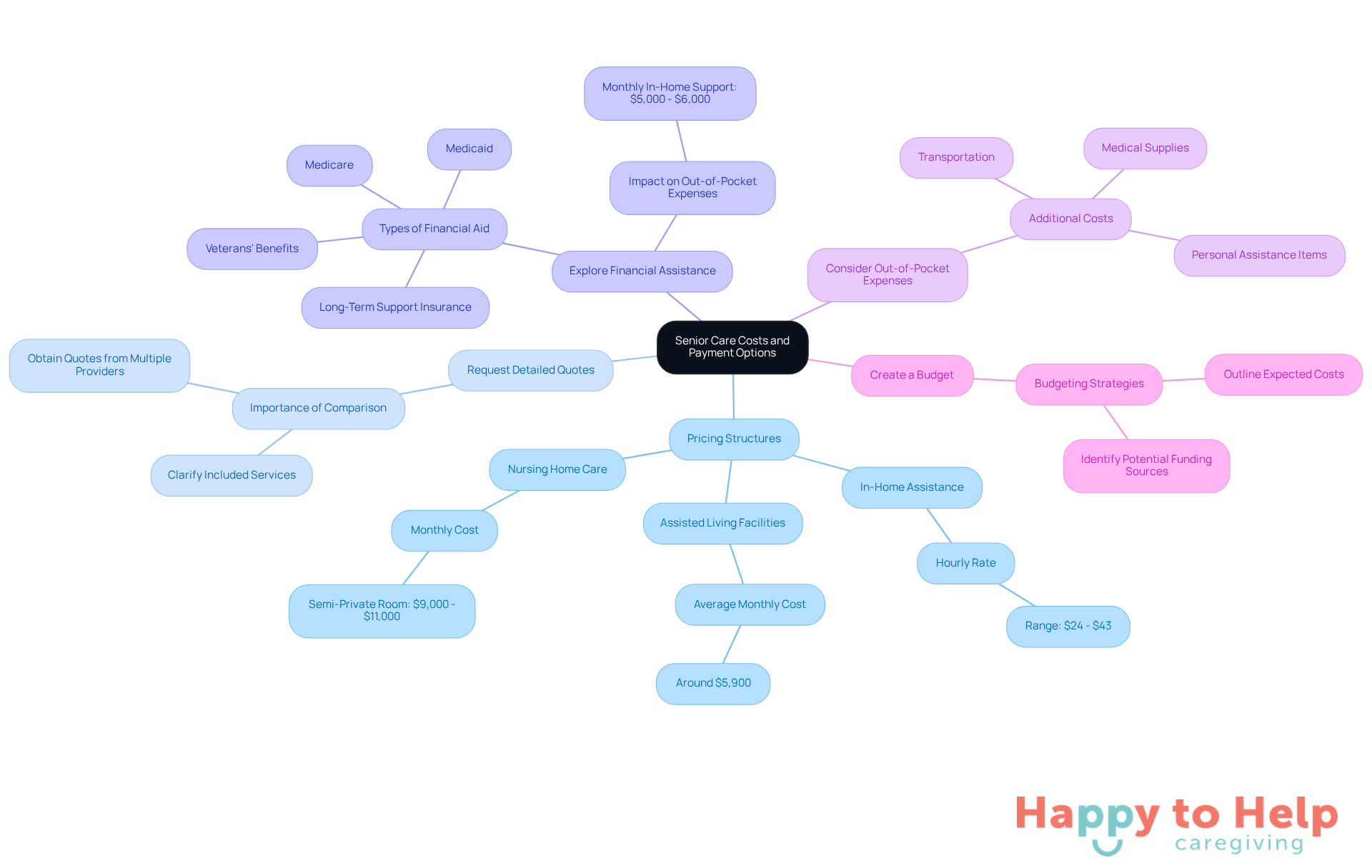
Understand Pricing Structures: Service professionals often use various pricing models. For instance, in-home assistance typically ranges from $24 to $43 per hour, depending on location and services. Alternatively, assisted living facilities average around $5,900 per month. For context, nursing home care can cost between $9,000 and $11,000 per month for a semi-private room.
-
Request Detailed Quotes: To make informed decisions, it's crucial to obtain quotes from multiple providers. This allows families to compare costs and clarify what services are included, helping them choose the best support options.
-
Explore Financial Assistance: Financial aid options like Medicaid, Medicare, long-term support insurance, and veterans' benefits can significantly reduce the burden of care costs. Many families find that out-of-pocket expenses can add up quickly, with monthly in-home support averaging between $5,000 and $6,000 for 44 hours of support per week. Notably, 94% of older adults expressed a desire to age in their own homes by 2025, underscoring the need for accessible home support services.
-
Consider Out-of-Pocket Expenses: Beyond service fees, families should account for additional costs such as transportation, medical supplies, and personal assistance items. Understanding these expenses is vital for comprehensive financial planning.
-
Create a Budget: Developing a budget that outlines expected costs and potential funding sources is a proactive approach. This ensures financial viability and helps families manage the complexities of senior support costs effectively.
Conducting a thorough financial assessment is essential for making sustainable decisions. It enables families to provide necessary support while maintaining financial stability. Additionally, it's important to note that unreimbursed medical expenses exceeding 7.5% of adjusted gross income can be itemized for tax deductions, which may further assist in managing expenses.
Make an Informed Decision and Finalize Care
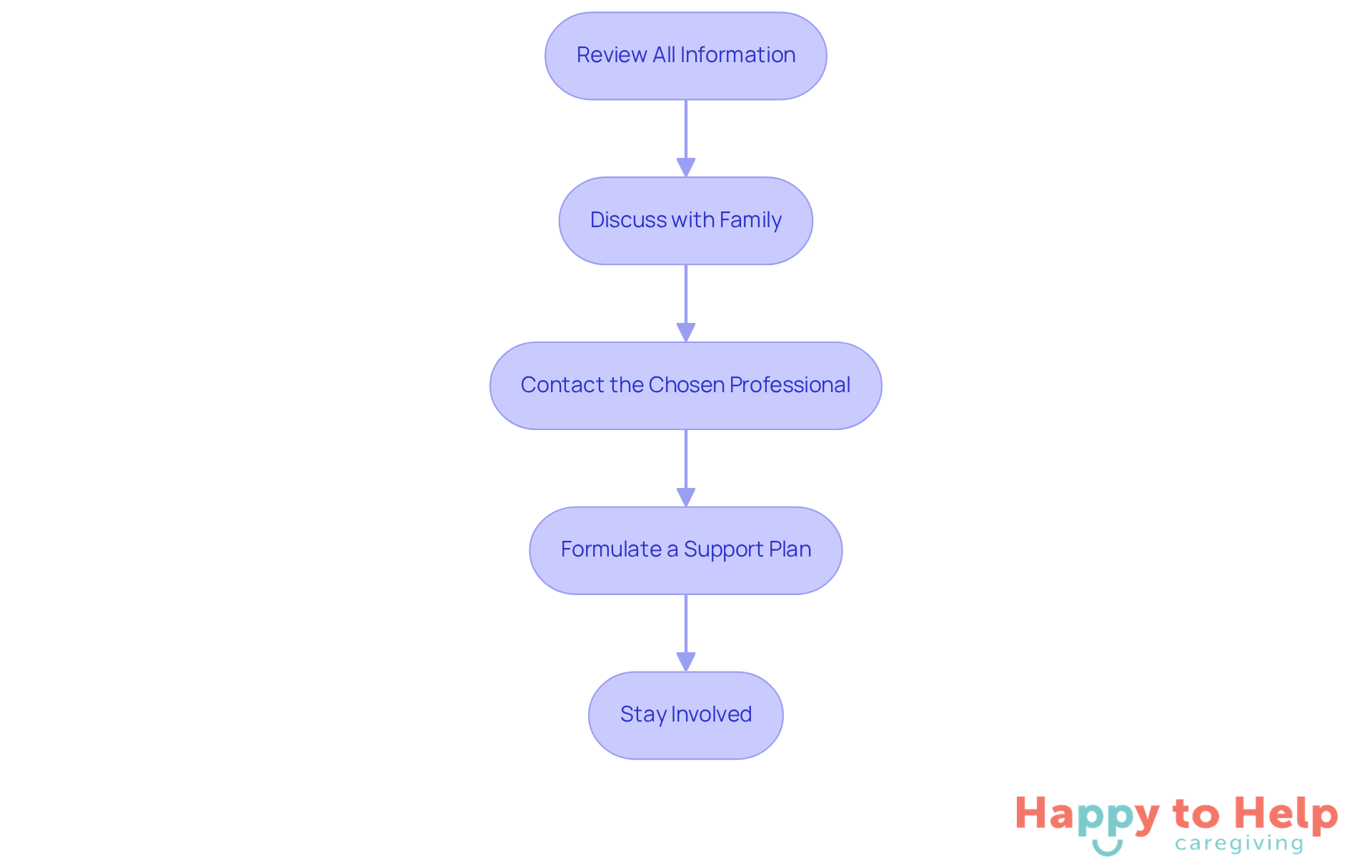
Finalizing care for your loved one can be a daunting task, often filled with uncertainty and emotional weight. Caregivers face the challenge of ensuring that all necessary steps are taken to provide the best support possible. To navigate this process effectively, consider the following actionable steps:
- Review All Information: Go over the notes and insights gathered from assessments, research, and visits to ensure all factors have been considered.
- Discuss with Family: Hold a family meeting to discuss the findings and ensure everyone is aligned regarding the decision.
- Contact the Chosen Professional: Reach out to the selected service expert to discuss the next steps, including starting dates and any required paperwork.
- Formulate a Support Plan: Collaborate with the practitioner to design a tailored support strategy that meets the individual requirements and wishes of your loved one.
- Stay Involved: Keep open communication with the provider and frequently check in on your loved one's well-being to ensure the assistance remains effective and satisfactory.
By following these steps, you can ensure that all parties are informed and involved, leading to a smoother transition in care.
Moving Forward with Choose Senior Care in The Woodlands,
Choosing the right senior care is a significant decision that impacts the well-being and quality of life of loved ones. Families often face the challenge of navigating various types of senior care available, which can be overwhelming. This decision is crucial, as it directly affects the support and comfort of elderly relatives in The Woodlands, Texas.
To address this issue, it’s essential to understand the types of care available, such as:
- In-home support
- Assisted living
- Nursing homes
Assessing individual needs and preferences is vital in this process. Researching and comparing care providers, visiting facilities, and evaluating costs are all integral components of selecting the best care option. By taking these steps, families can make informed decisions that cater to their loved ones' specific requirements.
Ultimately, finding suitable senior care goes beyond logistics; it’s about creating a safe, supportive, and nurturing environment for seniors. Prioritizing thorough evaluations and open communication ensures that families can provide compassionate care, allowing their loved ones to age gracefully and comfortably. By following these actionable steps, families not only enhance the quality of care but also enrich the lives of both seniors and themselves.
https://iframe.tely.ai/cta/eyJhcnRpY2xlX2lkIjogIjY5MjNhMGEzMjcyNDliYTNkMmMzZTVmYiIsICJjb21wYW55X2lkIjogIjY4ZWU1ZGNhNzMxNzYyNTU3ZjNjOTVjMSIsICJpbmRleCI6IG51bGwsICJ0eXBlIjogImFydGljbGUifQ==Frequently Asked Questions
What types of senior care are available?
The types of senior care available include In-Home Support, Assisted Living, Memory Support, Nursing Homes, and Respite Support.
What services does In-Home Support provide?
In-Home Support offers companionship, personal assistance, and medical support tailored to the needs of the elderly individual in the comfort of their own home.
What is the purpose of Assisted Living facilities?
Assisted Living facilities provide accommodation and assistance for seniors who need help with daily tasks but do not require constant medical attention, allowing for a degree of independence while ensuring necessary support is available.
What is Memory Support and who is it for?
Memory Support is specialized assistance for individuals facing cognitive challenges, such as Alzheimer’s or other types of dementia, focusing on safety and cognitive engagement to enhance their quality of life.
Who typically requires care in Nursing Homes?
Nursing Homes are designed for seniors with significant health issues, offering 24-hour medical assistance to ensure comprehensive care.
What is Respite Support?
Respite Support provides short-term relief for primary caregivers, allowing them to take a break while ensuring their loved ones continue to receive assistance.
How can families assess the needs and preferences of their elderly loved ones?
Families can assess needs by conducting a health assessment, identifying daily living activities, discussing preferences with the senior, involving family members, and considering social needs.
Why is a comprehensive health assessment important?
A comprehensive health assessment is essential to maximize the older adult's health and functional ability, ensuring that their specific needs are addressed effectively.
What should families consider regarding daily living activities?
Families should determine which daily tasks the elderly individual can perform independently and which require assistance, as many seniors will likely need extended help with daily activities.
How can social engagement impact elderly individuals?
Social engagement is vital for mental health and overall well-being, as isolation can lead to increased feelings of loneliness. Customized support strategies that include social activities can greatly enhance the quality of life for elderly individuals.
Where can families find additional resources for senior care?
Families can connect with community resources, such as local Area Agencies on Aging, or contact the Administration for Community Living (ACL) for further information and support options.
List of Sources
- Understand the Types of Senior Care Available
- Senior Care Facility Statistics (https://rosewood-nursing.com/post/senior-care-facility-statistics)
- 2025 Home Care Statistics: Trends & Insights To Know (https://premierhcinc.com/blog/home-care-statistics)
- 10 Best Assisted Living Facilities in The Woodlands, TX - Cost & Financing (https://payingforseniorcare.com/assisted-living-in-the-woodlands-tx)
- Texas Seniors Housing & Care Research & Forecast Report | H1 2025 | Colliers (https://colliers.com/en/research/houston/2025-h1-texas-seniors-housing-and-care-report)
- In Home Senior Care & Support | A Place At Home - The Woodlands (https://aplaceathome.com/the-woodlands)
- Assess Individual Needs and Preferences
- Aging in Place: Growing Older at Home (https://nia.nih.gov/health/aging-place/aging-place-growing-older-home)
- WHO calls for urgent transformation of care and support systems for older people (https://who.int/news/item/01-10-2024-who-calls-for-urgent-transformation-of-care-and-support-systems-for-older-people)
- Warning From Older Adults: Care for Aging in America Needs Urgent Rethinking (https://johnahartford.org/newsroom/view/warning-from-older-adults-care-for-aging-in-america-needs-urgent-rethinking)
- Older adults prioritize social activities, inclusiveness in massive survey assessing what matters most to them (https://mcknights.com/news/older-adults-prioritize-social-activities-inclusiveness-in-massive-survey-assessing-what-matters-most-to-them)
- Research and Compare Care Providers
- FastStats (https://cdc.gov/nchs/fastats/home-health-care.htm)
- 27 Inspirational Quotes for Caregivers (https://ultimatecareny.com/resources/27-quotes-for-caregivers)
- 45 Statistics on Patient Reviews for Healthcare Professionals (https://repugen.com/blog/statistics-on-patient-reviews-for-healthcare-professionals)
- 28 Senior Care Statistics: In-Home & Assisted Living | Shortlister (https://myshortlister.com/insights/senior-care-statistics)
- Topic: Home care in the U.S. (https://statista.com/topics/4049/home-care-in-the-us?srsltid=AfmBOor5YtaOBSaFtATgFQ50shPxJ5P0S\_DJUZ3CeYg3Yr\_HKstftc4R)
- Visit Care Facilities or Meet Caregivers
- 40 Inspirational Quotes for Caregivers - Care Options for Kids (https://careoptionsforkids.com/blog/inspirational-quotes-for-caregivers)
- 27 Inspirational Quotes for Caregivers (https://ultimatecareny.com/resources/27-quotes-for-caregivers)
- Home Health and Personal Care Aides (https://bls.gov/ooh/healthcare/home-health-aides-and-personal-care-aides.htm)
- CaringBridge (https://caringbridge.org/resources/inspirational-quotes-on-caregiving)
- Evaluate Costs and Payment Options
- Cost of Long Term Care by State | Cost of Care Report | Carescout (https://carescout.com/cost-of-care)
- Home Care Costs in 2025: A State-by-State Guide (https://aplaceformom.com/caregiver-resources/articles/in-home-care-costs)
- Understanding the Cost and Value of Home Care in 2025 (https://assistinghands.com/135/texas/nesanantonio/blog/understanding-the-cost-and-value-of-home-care-in-2025)
- Average Senior In-Home Care Costs in 2025 (https://seniorliving.org/home-care/costs)
- The Cost of Dignity: A Guide to In-Home Care Costs and Happier Aging in 2025 | Nurse Next Door (https://nursenextdoor.com/blog/how-much-does-senior-home-care-cost)
- Make an Informed Decision and Finalize Care
- 20 Inspirational Senior Care Quotes (https://1plus1cares.com/20-inspirational-senior-care-quotes)
- Family Caregiver Annual Report and Statistics | SeniorLiving.org (https://seniorliving.org/research/family-caregiver-report-statistics)
- The Incredible Benefits of Home Care, in 7 Amazing Stats - Companions For Seniors (https://companionsforseniors.com/2019/08/benefits-home-care-amazing-stats-trends-reports)
- 2025: AI enhances personalized care; caregiver experience in the spotlight (https://healthcareitnews.com/news/2025-ai-enhances-personalized-care-caregiver-experience-spotlight)
- Making the Case for Whole-Person Care (https://news.humana.com/news/articles/making-the-case-for-whole-person-care)