Understanding Effectively Check on the Elderly at Home
Understanding the unique challenges faced by the elderly is crucial for caregivers striving to provide effective support. With the growing number of seniors living independently, the need for regular check-ins has never been more pressing. Caregivers often grapple with balancing their daily responsibilities while ensuring their elderly loved ones receive the attention and care they truly need.
This situation can lead to feelings of isolation for seniors, which can significantly impact their well-being. Loneliness among the elderly is a pressing issue, with studies showing that social isolation can lead to serious health problems. Therefore, it’s essential for caregivers to implement strategies that not only enhance safety but also foster meaningful connections.
In this article, we will explore five essential steps that caregivers can take to improve the safety and well-being of elderly individuals at home. These steps aim to combat loneliness and promote a sense of community, ensuring that seniors feel valued and connected.
Understand the Unique Needs of the Elderly
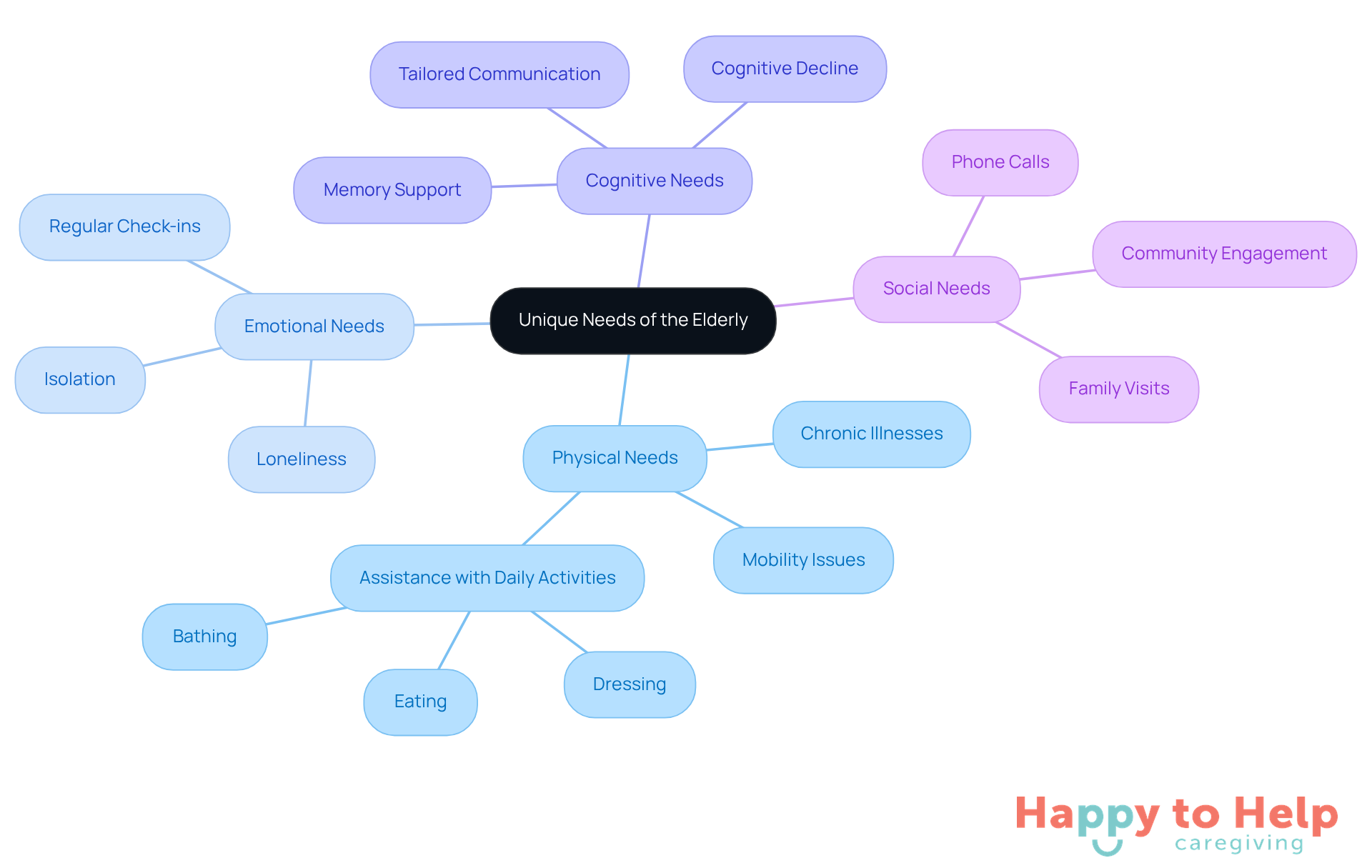
To efficiently monitor seniors at home, caregivers face the challenge of identifying their distinct requirements. These needs can significantly impact the quality of care provided.
-
Physical Needs: Many seniors may have mobility issues, chronic illnesses, or require assistance with daily activities such as bathing, dressing, and eating. Understanding these needs is crucial for planning appropriate support.
-
Emotional Needs: Loneliness and isolation are common among older adults. Regular check-ins to check on the elderly can provide essential emotional support and companionship, which are vital for mental health.
-
Cognitive Needs: Some seniors may experience cognitive decline, affecting their memory and decision-making abilities. Tailoring communication and activities to their cognitive level is essential.
-
Social Needs: Maintaining social connections is important for seniors. Encourage family visits, phone calls, or community engagement to help them feel connected.
By evaluating these needs, caregivers can develop a more efficient and empathetic care plan that considers the unique situations of each senior individual.
Create a Safe Living Environment
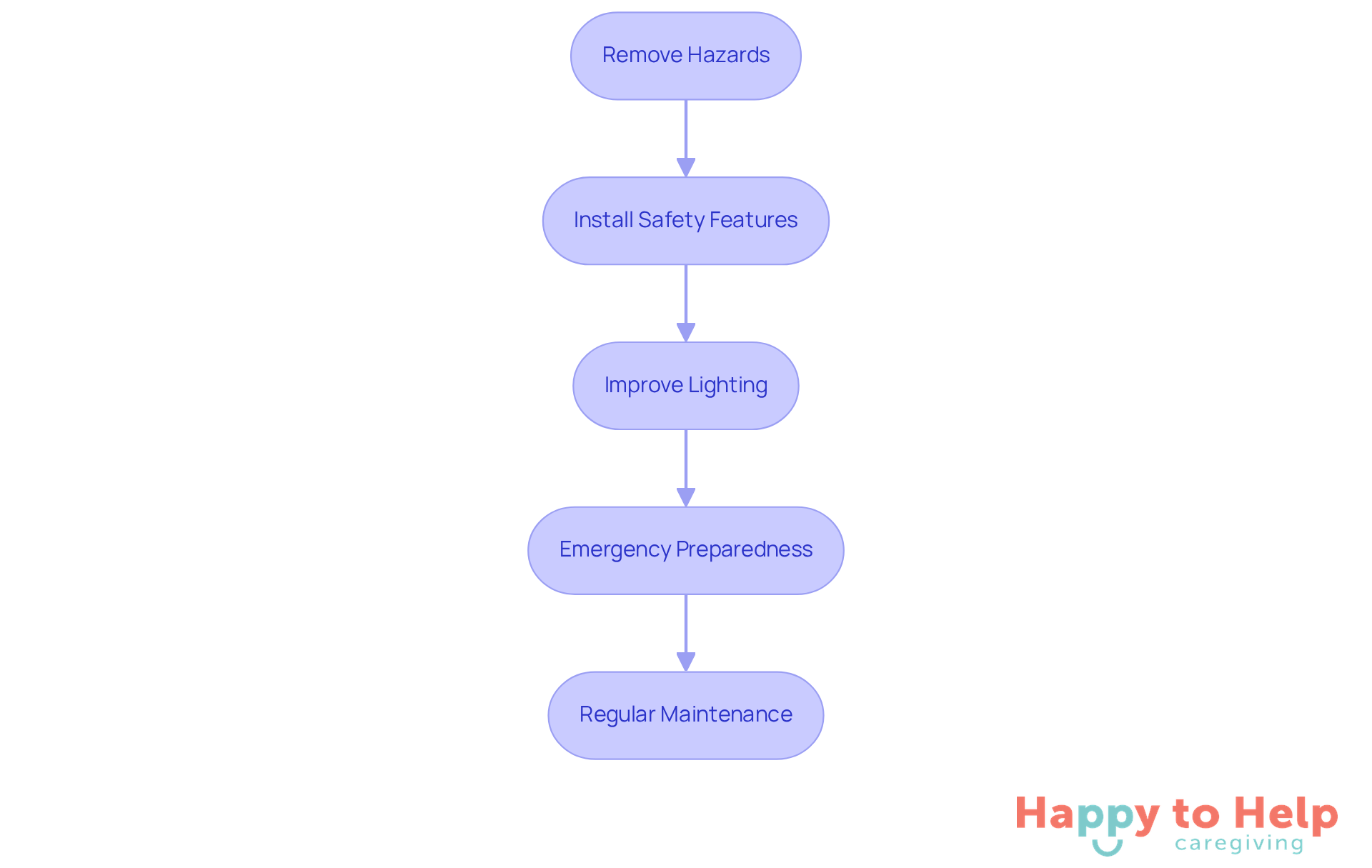
It is crucial to check on the elderly by creating a safe living environment, as hazards in the home can lead to serious injuries. Tripping hazards like loose rugs, clutter, and electrical cords can pose significant risks, especially for seniors who may have mobility issues. To promote their independence and peace of mind, it's essential to check on the elderly and address these concerns.
To tackle these issues, caregivers can take several practical steps:
- Remove Hazards: Identify and eliminate tripping hazards such as loose rugs, clutter, and electrical cords. Ensure that pathways are clear and well-lit.
- Install Safety Features: Add grab bars in bathrooms, non-slip mats in showers, and handrails on stairs. These features can significantly reduce the risk of falls.
- Improve Lighting: Ensure that all areas of the home are well-lit, especially staircases and hallways. Consider using motion-sensor lights for convenience.
- Emergency Preparedness: Equip the home with emergency contact numbers and ensure that the senior individual knows how to use a phone or emergency alert system.
- Regular Maintenance: Conduct regular checks on the home’s safety features, such as smoke detectors and carbon monoxide alarms, to ensure they are functioning properly.
By implementing these safety measures, caregivers can more easily check on the elderly while creating a secure environment that promotes independence and peace of mind.
Establish a Routine for Regular Check-Ins
Caregivers often struggle to maintain regular check-ins to check on the elderly, which can lead to feelings of isolation and neglect.
Agitate: Without consistent communication, older adults may feel insecure and unsupported, impacting their overall well-being. This lack of connection can exacerbate health issues and diminish their quality of life.
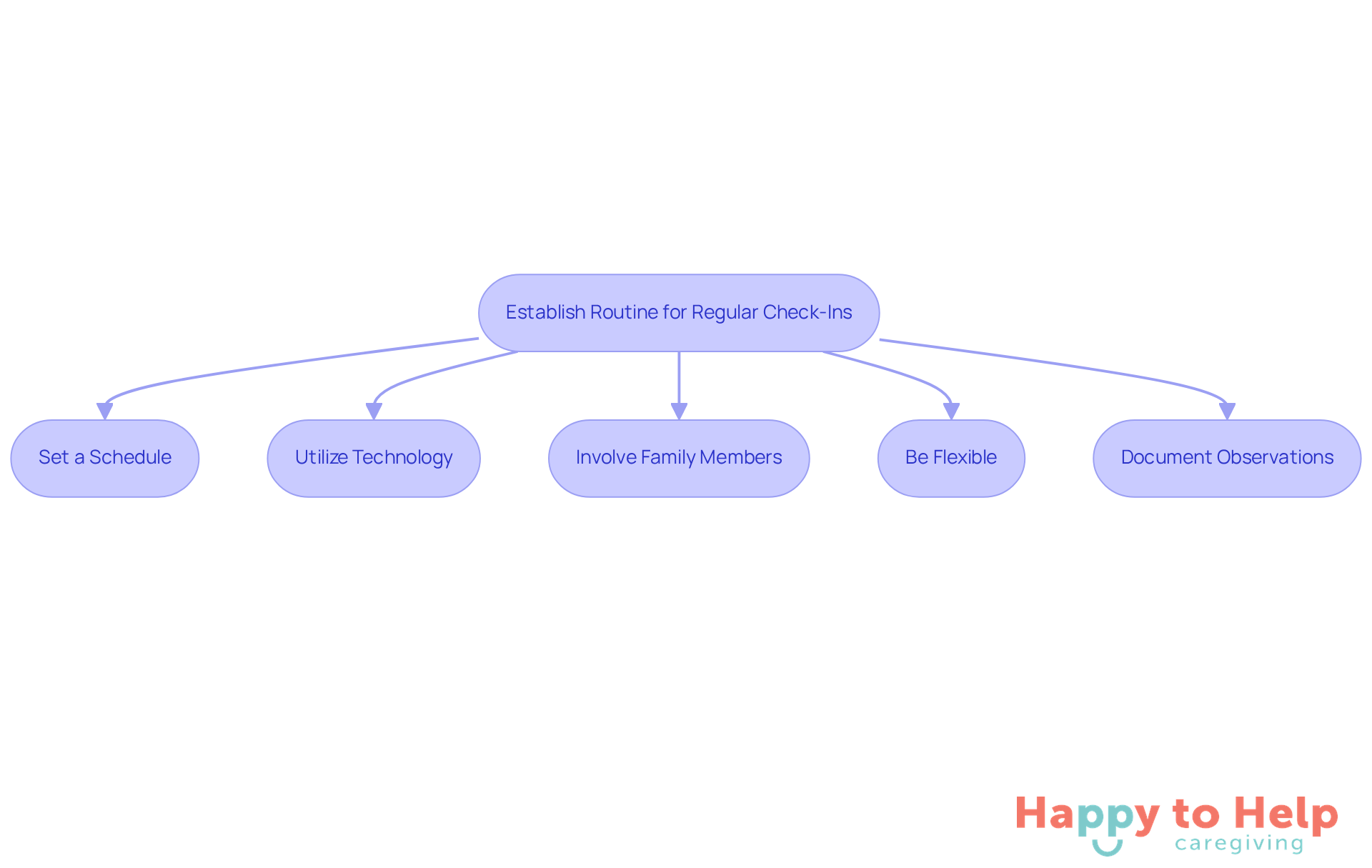
Solution: To establish a routine for regular check-ins, follow these steps:
- Set a Schedule: Determine specific times for daily or weekly check-ins, whether in-person or via phone. Consistency helps ensure that we check on the elderly, making them feel secure and cared for.
- Utilize Technology: Consider employing applications or devices that enable remote check-ins, like video calls or wellness monitoring systems. This can enhance communication and provide peace of mind.
- Involve Family Members: Coordinate with family members to share the responsibility of check-ins. This not only distributes the workload but also fosters a sense of community.
- Be Flexible: While routines are important, be ready to modify them according to the senior individual's preferences or requirements. Flexibility can help maintain their comfort and independence.
- Document Observations: Keep a log of each check-in, noting any changes in health or behavior. This information can be invaluable for healthcare providers and family members.
By establishing a routine, caregivers can regularly check on the elderly to ensure that they receive the attention and support they need consistently.
Engage in Meaningful Conversations and Activities
In order to engage the elderly in meaningful conversations and activities, caregivers must check on the elderly to combat loneliness and foster emotional well-being. Many seniors experience isolation, which is why it is important to check on the elderly, as this can lead to significant mental health issues. It is crucial to check on the elderly to address this problem and enhance their quality of life.
-
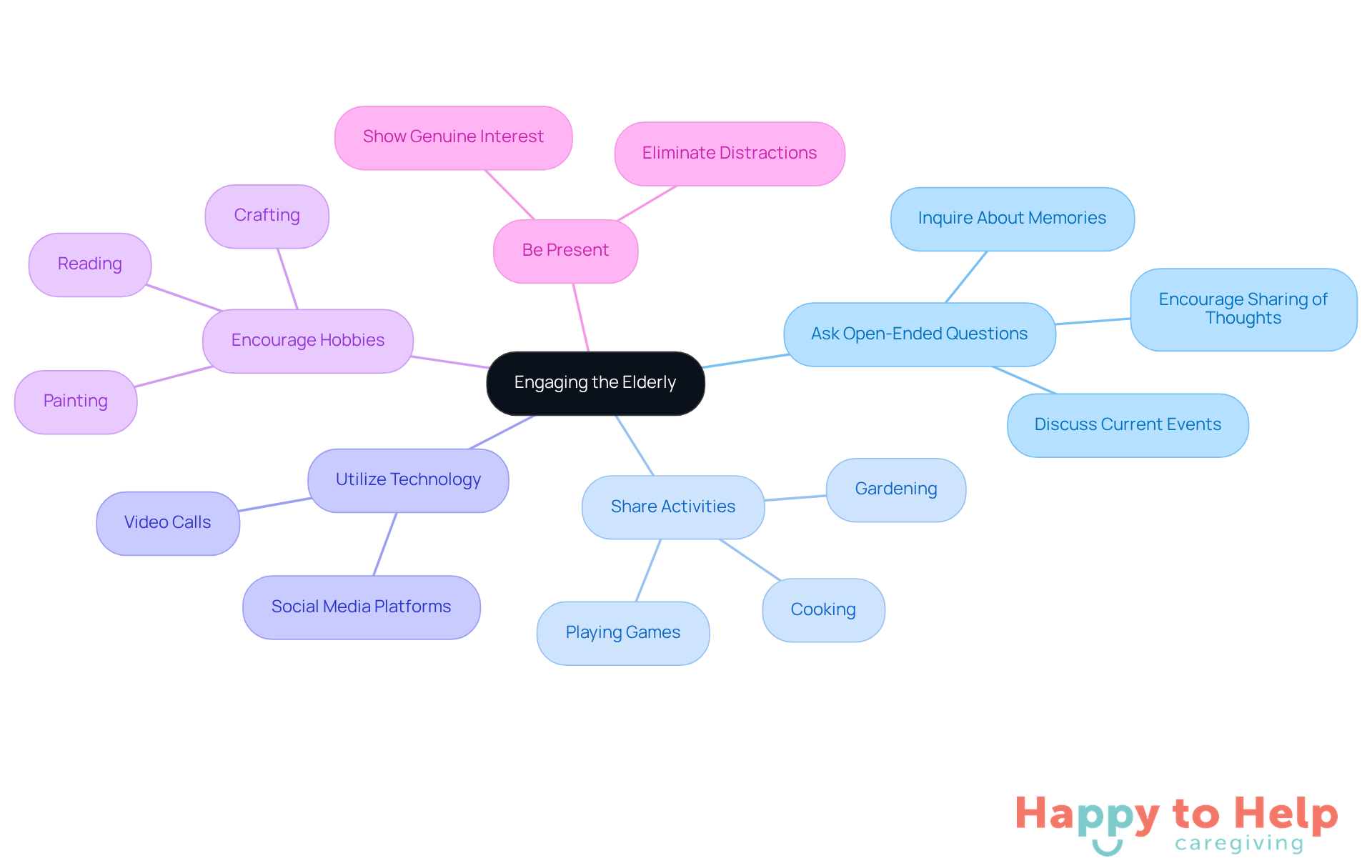
Ask Open-Ended Questions: Encourage seniors to share their thoughts and feelings by posing questions that require more than a simple yes or no. For instance, inquire about their favorite memories or their views on current events. This approach fosters deeper connections and allows us to check on the elderly, helping them feel valued.
-
Share Activities: Participate in enjoyable activities such as gardening, cooking, or playing games. These shared experiences not only provide enjoyment but also instill a sense of purpose and belonging, which is crucial for emotional well-being, particularly when we check on the elderly.
-
Utilize Technology: Introduce them to video calls or social media platforms to maintain connections with family and friends. This method can greatly assist in efforts to check on the elderly and decrease feelings of loneliness. Research shows that increased social involvement can lead to initiatives that check on the elderly, which is associated with a 42% reduced mortality risk and enhanced psychological outcomes.
-
Encourage Hobbies: Support them in pursuing hobbies or interests they may have set aside. Engaging in activities like painting, reading, or crafting can enhance mood and cognitive function, which is important when we check on the elderly, contributing to their overall life satisfaction. Studies indicate that involvement in social activities can lower depression levels among older adults, emphasizing the importance to check on the elderly, as an average mental well-being score of 15.24 points suggests a need for enhancement in mental well-being.
-
Be Present: During conversations, give your full attention. Eliminate distractions and show genuine interest in their stories. This practice not only builds trust but also strengthens relationships, which are vital for emotional support, particularly when we check on the elderly.
Caregivers can significantly improve the emotional and mental well-being of older adults by regularly checking on the elderly and promoting meaningful interactions. As Edward Albert said, "The simple act of caring is heroic," emphasizing the profound impact of our efforts.
Recognize Signs of Distress or Health Issues
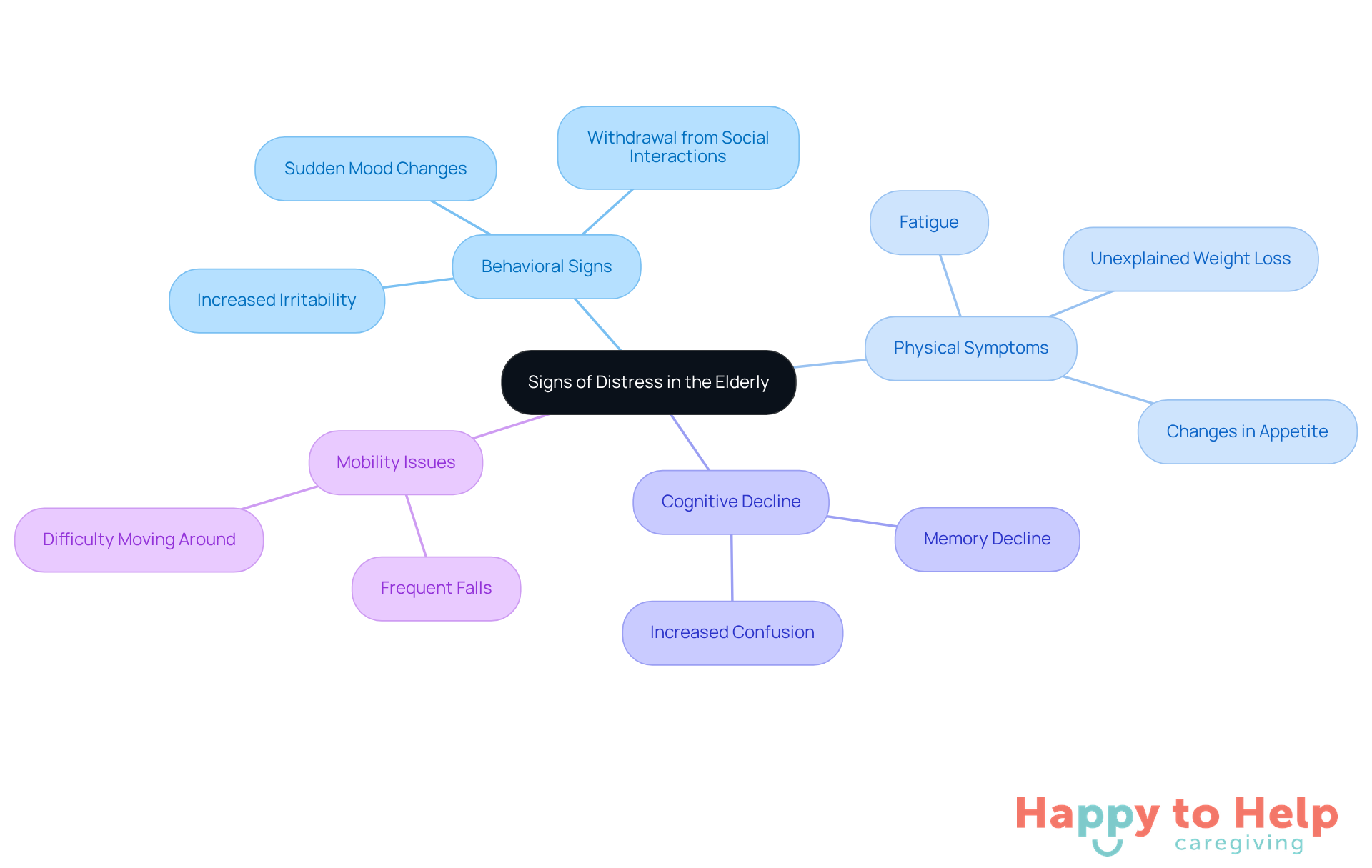
To effectively recognize signs of distress or health issues in the elderly, caregivers must check on the elderly, which presents a significant challenge. Sudden changes in behavior, physical symptoms, cognitive decline, mobility issues, and communication difficulties can all indicate underlying problems that require attention.
Problem: Caregivers must be vigilant for indicators of distress. For instance, sudden shifts in mood, increased irritability, or withdrawal from social interactions may signal emotional distress. Studies show that approximately 25% of older adults encounter social isolation, which can worsen mental well-being concerns.
Agitate: Physical symptoms like unexplained weight loss, fatigue, or changes in appetite can be critical signs of underlying medical issues. Monitoring these symptoms is essential, as they may indicate conditions that require medical attention. Additionally, a noticeable decline in memory or increased confusion can be early indicators of cognitive decline or dementia. Current studies highlight that about 14% of adults aged 70 and over live with a mental disorder, underscoring the need for careful observation.
Solution: Caregivers should also be aware of increased falls or mobility issues. Frequent falls or difficulty moving around may necessitate a reassessment of the living environment or health status. Falls are the leading cause of fatal and non-fatal injuries among older Americans, with 14 million older adults experiencing falls each year. Furthermore, if the older individual struggles to express themselves or appears confused during conversations, it may indicate cognitive or emotional distress. Effective communication is vital for understanding their needs and ensuring they receive appropriate support.
By being attentive to these signs, caregivers can check on the elderly to ensure they receive the necessary support and medical attention promptly, ultimately enhancing their quality of life.
Your Path Forward
Caregivers face a significant challenge in effectively checking on the elderly at home. Understanding the unique needs of seniors is crucial, as neglecting these can lead to serious implications for their well-being. Without proper attention, elderly individuals may experience increased distress, loneliness, and a decline in their quality of life.
To address these challenges, caregivers can implement several practical strategies:
- Assess the physical, emotional, cognitive, and social needs of seniors. This comprehensive evaluation helps in creating a tailored care plan.
- Establish safety measures to prevent accidents, ensuring a secure living environment.
- Regular check-ins are essential; establishing a routine fosters a sense of stability and connection.
- Engage in meaningful conversations and activities. These interactions can significantly combat loneliness and enhance mental well-being.
- Be vigilant in recognizing signs of distress or health issues. Timely intervention can lead to better health outcomes for seniors, making it imperative to stay alert.
In conclusion, caregivers are encouraged to take proactive steps in their approach to elderly care. By combining empathy with practical measures, the overall well-being of seniors can be greatly improved. Prioritizing regular check-ins and meaningful engagement not only strengthens relationships but also fosters a supportive environment where elderly individuals can thrive. Taking action today can make a profound difference in the lives of those who have given so much throughout their years.
https://iframe.tely.ai/cta/eyJhcnRpY2xlX2lkIjogIjY5MjNhMGExYzVlZWQyYmRiNTU3YmYwMSIsICJjb21wYW55X2lkIjogIjY4ZWU1ZGNhNzMxNzYyNTU3ZjNjOTVjMSIsICJpbmRleCI6IG51bGwsICJ0eXBlIjogImFydGljbGUifQ==Frequently Asked Questions
What are the unique needs of the elderly that caregivers should understand?
Caregivers should understand the physical, emotional, cognitive, and social needs of the elderly. Physical needs may include mobility issues and assistance with daily activities. Emotional needs involve providing companionship to combat loneliness. Cognitive needs require tailoring communication to the senior's cognitive level. Social needs emphasize the importance of maintaining connections with family and community.
How can caregivers address the physical needs of seniors?
Caregivers can address physical needs by planning appropriate support for mobility issues, chronic illnesses, and assistance with daily activities such as bathing, dressing, and eating.
Why is emotional support important for seniors?
Emotional support is crucial for seniors as loneliness and isolation are common among older adults. Regular check-ins can provide essential companionship, which is vital for their mental health.
What steps can caregivers take to create a safe living environment for seniors?
Caregivers can create a safe living environment by removing tripping hazards, installing safety features like grab bars and non-slip mats, improving lighting, preparing for emergencies, and conducting regular maintenance on safety equipment.
What specific safety features should be installed in a senior's home?
Safety features that should be installed include grab bars in bathrooms, non-slip mats in showers, handrails on stairs, and ensuring that all areas are well-lit.
How can caregivers promote independence for seniors while ensuring their safety?
Caregivers can promote independence by creating a safe living environment that reduces hazards, encourages regular check-ins, and maintains social connections, allowing seniors to feel secure while living at home.
What should caregivers do to prepare for emergencies in a senior's home?
Caregivers should equip the home with emergency contact numbers and ensure that the senior knows how to use a phone or emergency alert system.
List of Sources
- Understand the Unique Needs of the Elderly
- For seniors: the mental health payoff of staying curious (https://news.ucr.edu/articles/2025/08/06/seniors-mental-health-payoff-staying-curious)
- New Study Explores the Need for Expanded Long-Term Care Services to Support Aging-in-Place | Johns Hopkins Bloomberg School of Public Health (https://publichealth.jhu.edu/2025/new-study-explores-the-need-for-expanded-long-term-care-services-to-support-aging-in-place)
- Warning From Older Adults: Care for Aging in America Needs Urgent Rethinking (https://johnahartford.org/newsroom/view/warning-from-older-adults-care-for-aging-in-america-needs-urgent-rethinking)
- WHO calls for urgent transformation of care and support systems for older people (https://who.int/news/item/01-10-2024-who-calls-for-urgent-transformation-of-care-and-support-systems-for-older-people)
- Innovative New Technology Helps Seniors Age in Place (https://ucdavis.edu/health/news/innovative-new-technology-helps-seniors-age-place)
- Create a Safe Living Environment
- Facts About Falls (https://cdc.gov/falls/data-research/facts-stats)
- Smart Surveillance Boosts Safety, Connection for Seniors Aging at Home (https://ltcnews.com/articles/smart-surveillance-boosts-safety-seniors-aging-at-home)
- Technology to Prevent Falls for Seniors (https://health.usnews.com/senior-care/articles/technology-to-prevent-falls-for-seniors)
- As falling deaths rise for older adults, how home safety can make a difference (https://denver7.com/news/local-news/as-falling-deaths-rise-for-older-adults-how-home-safety-can-make-a-difference)
- Establish a Routine for Regular Check-Ins
- Technology and interventions are changing care for older adults (https://fastcompany.com/91414509/technology-and-interventions-are-changing-care-for-older-adults)
- Caregiving Crisis: 45% Increase in Americans Providing Care (https://aarp.org/caregiving/basics/caregiving-in-us-survey-2025)
- New AI Assistant Routines Helps Caregivers Check on Seniors Remotely, Without Invading Privacy (https://businesswire.com/news/home/20250723446325/en/New-AI-Assistant-Routines-Helps-Caregivers-Check-on-Seniors-Remotely-Without-Invading-Privacy)
- No Cameras. No Guilt. Just Peace of Mind. (https://density.io/resources/routines-helps-families-care-from-afar)
- Engage in Meaningful Conversations and Activities
- (https://belleviecare.co.uk/support-advice/60-elderly-care-quotes-to-lift-your-spirits)
- The impact of social activities on mental health among older adults in China - PMC (https://pmc.ncbi.nlm.nih.gov/articles/PMC11371613)
- Social Interaction and Life Satisfaction among Older Adults by Age Group - PMC (https://pmc.ncbi.nlm.nih.gov/articles/PMC10671417)
- Social engagement linked to longer lifespan in older adults (https://news-medical.net/news/20250522/Social-engagement-linked-to-longer-lifespan-in-older-adults.aspx)
- The Impact of Group Activities on Senior Well-Being (https://rosewood-nursing.com/post/the-impact-of-group-activities-on-senior-well-being)
- Recognize Signs of Distress or Health Issues
- Mental health of older adults (https://who.int/news-room/fact-sheets/detail/mental-health-of-older-adults)
- Products - Data Briefs - Number 532 - June 2025 (https://cdc.gov/nchs/products/databriefs/db532.htm)
- 15 Wise and Inspiring Quotes About Aging (https://psychologytoday.com/us/blog/fulfillment-at-any-age/201201/15-wise-and-inspiring-quotes-about-aging)
- 15 Good Quotes for Seniors That Will Brighten Your Day in 2025 (https://arhomecare.com/15-good-quotes-for-seniors-that-will-brighten-your-day-in-2025)
- Get the Facts on Falls Prevention (https://ncoa.org/article/get-the-facts-on-falls-prevention)