

For families in our service areas
For families in our service areas, this guide explains caregiver support and how non-medical in-home caregiving can support care planning in East Idaho, Treasure Valley & Magic Valley, Northern Wasatch, North Central West Virginia, and Northeast Ohio.
Understanding Find a Caregiver Needed Near Me
Finding the right caregiver for a loved one can be a daunting task. Families often face emotional and practical challenges as they navigate the complexities of caregiving. Understanding specific needs and preferences is crucial to ensure that the chosen support aligns with both the caregiver's capabilities and the recipient's requirements.
What happens when the search for a caregiver leads to confusion and uncertainty? This situation can leave families feeling overwhelmed and unsure about their options. To address these challenges, this guide outlines five essential steps to streamline the process. By following these steps, families can empower themselves to make informed decisions and secure the best care for their loved ones.
Assess Care Needs and Preferences
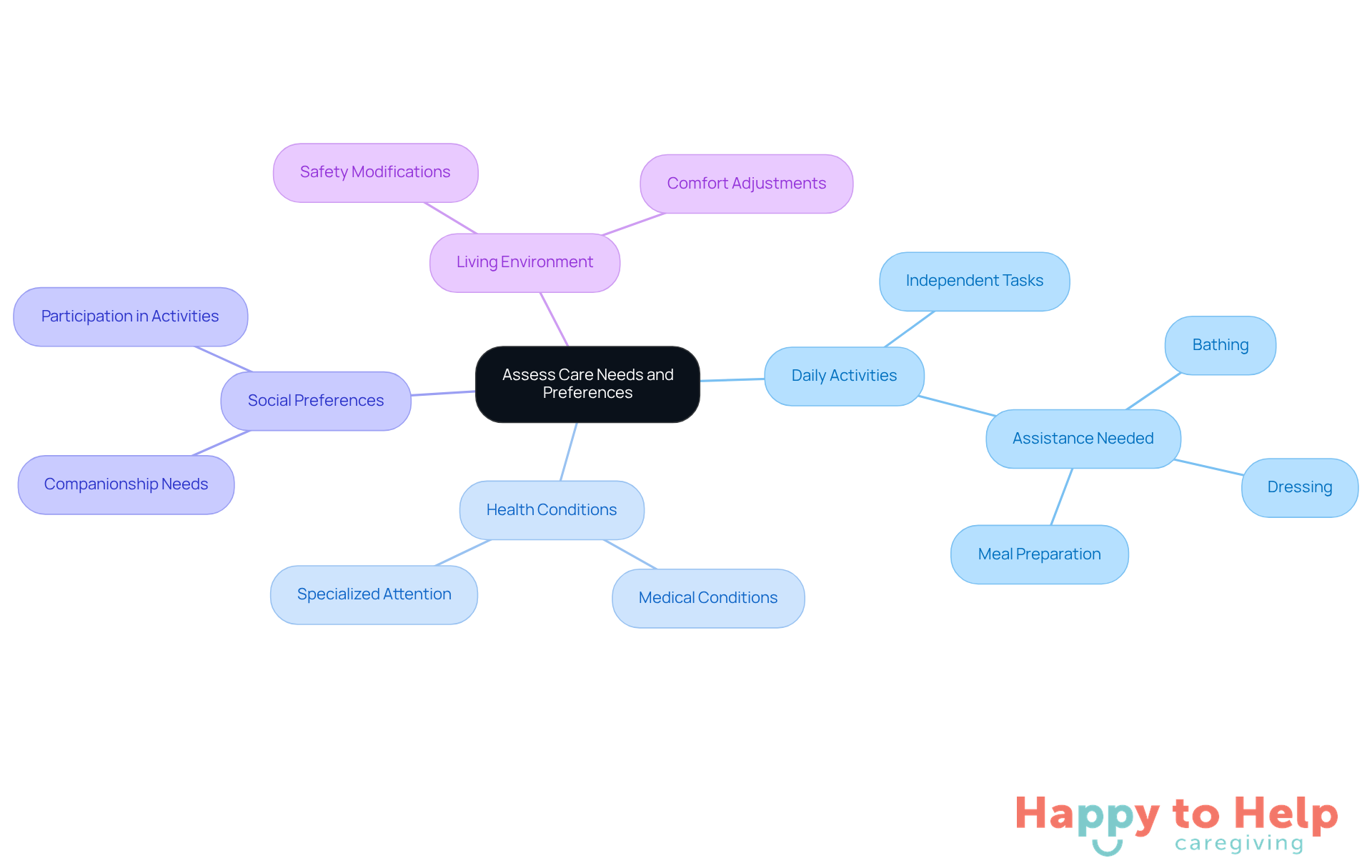
Start by engaging in an open conversation with your loved one about their daily routines, preferences, and any specific health concerns. This initial dialogue is crucial for understanding their needs. Consider the following:
- Daily Activities: Identify which daily tasks they can manage independently and which require assistance, such as bathing, dressing, or meal preparation.
- Health Conditions: Take note of any medical conditions that may necessitate specialized attention or monitoring.
- Social Preferences: Discuss their social needs, including companionship or participation in activities they enjoy.
- Living Environment: Evaluate the home environment to determine any modifications necessary for safety and comfort.
Documenting these needs and preferences will guide your search for a caregiver needed near me who can effectively meet them.
Explore Care Options Available
Caregiving can be a demanding role, often leading to stress and burnout for primary caregivers. Finding the right support services is crucial for maintaining both the caregiver's and the recipient's well-being, particularly when a caregiver needed near me is essential.
To address this challenge, consider the various caregiving services available in your area:
- In-Home Care: Professional caregivers provide personal care, companionship, and medical assistance right in the home.
- Adult Day Services: These establishments offer support and social activities throughout the day, giving family caregivers a much-needed break.
- Respite Services: Temporary relief for primary providers can be arranged either in-home or at a facility, allowing caregivers to recharge.
- Palliative Support: This specialized medical assistance focuses on relieving symptoms and stress associated with serious illness.
To gather information about these services, utilize resources such as local caregiving agencies, online platforms, and community centers to find a caregiver needed near me. By exploring these options, caregivers can find the support they need to manage their responsibilities effectively.
Research and Evaluate Caregiver Candidates
When it comes to finding the right caregiver, the challenge is clear: ensuring your loved one receives the best possible care. With the increasing demand for caregiving services, it’s crucial to evaluate potential caregivers thoroughly, particularly when a caregiver is needed near me, to avoid the risks associated with inadequate support.
-
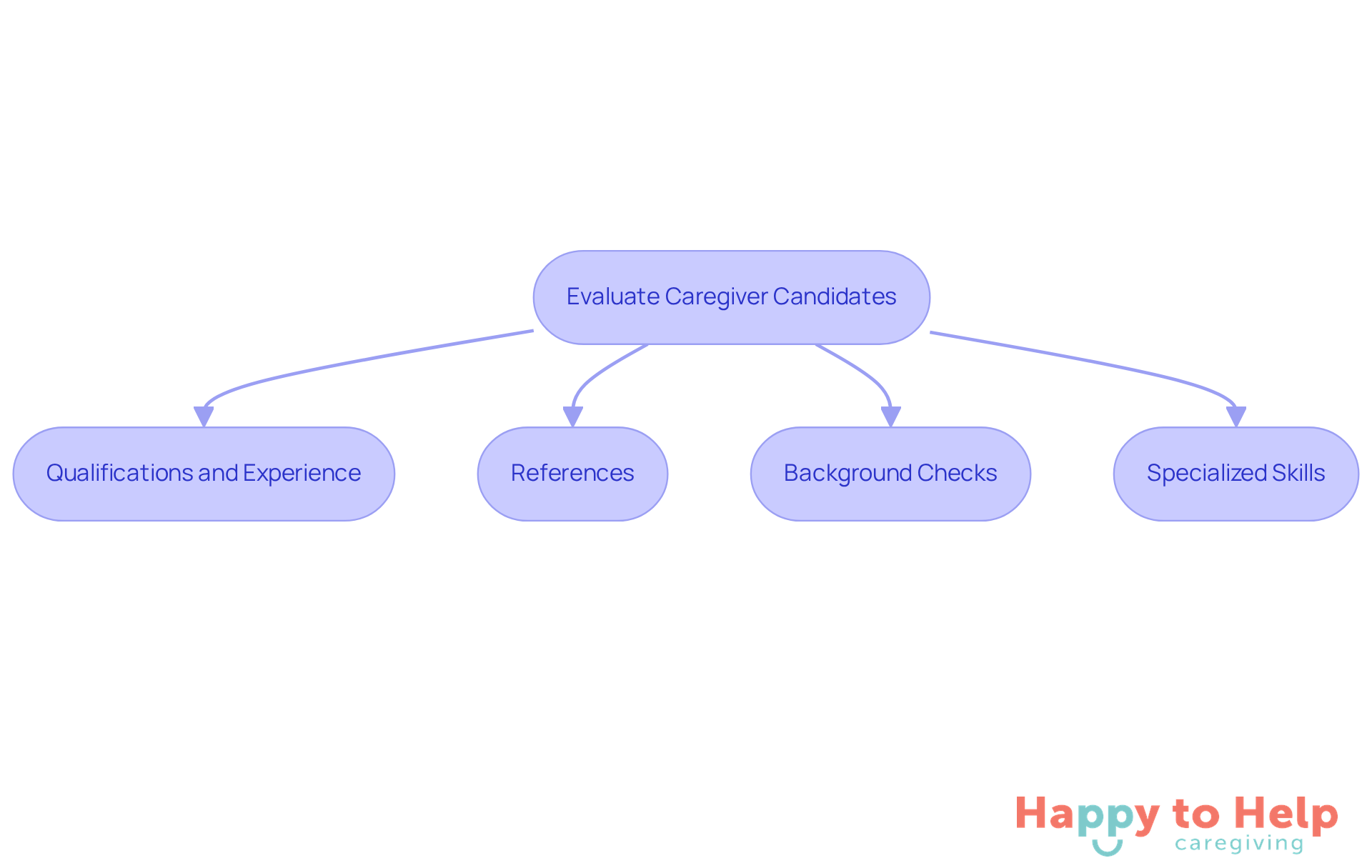
Qualifications and Experience: Start by verifying their certifications and training, along with their previous caregiving experience. Care providers with specialized training in areas like dementia support or mobility aid can significantly enhance the quality of assistance. In fact, statistics show that 24% of caregivers provide 40 or more hours of assistance weekly, highlighting the need for well-trained professionals.
-
References: Don’t skip the step of requesting references from past employers or clients. This is vital for assessing the provider's reliability and the quality of care they’ve delivered in previous roles. Effective reference checks can reveal insights into the caregiver's work ethic and interpersonal skills. For example, Home Instead conducts thorough reference checks by contacting previous employers, colleagues, and clients to verify caregivers' credentials.
-
Background Checks: Safety is paramount, so conduct comprehensive background checks to protect your loved one. With rising concerns about elder abuse-about one in six people aged 60 and older experienced some form of abuse in 2023-agencies that implement thorough background checks, including criminal record checks and abuse registry searches, can boost hiring confidence and reduce risks.
-
Specialized Skills: If your relative has specific health needs, prioritize caregivers with relevant experience. For instance, individuals trained in managing complex medical conditions or certified in CPR and first aid are essential for handling emergencies.
To find and compare support worker profiles, utilize online platforms and local organizations. This way, you can ensure you choose the best match for your family member's needs.
Conduct Interviews and Screen Candidates
To effectively prepare for caregiver interviews, it’s crucial to address the challenges of finding the right fit for your loved one. Many families struggle with ensuring that caregivers possess not only the necessary skills but also the personal qualities that foster a strong connection. This can lead to dissatisfaction and ineffective care.
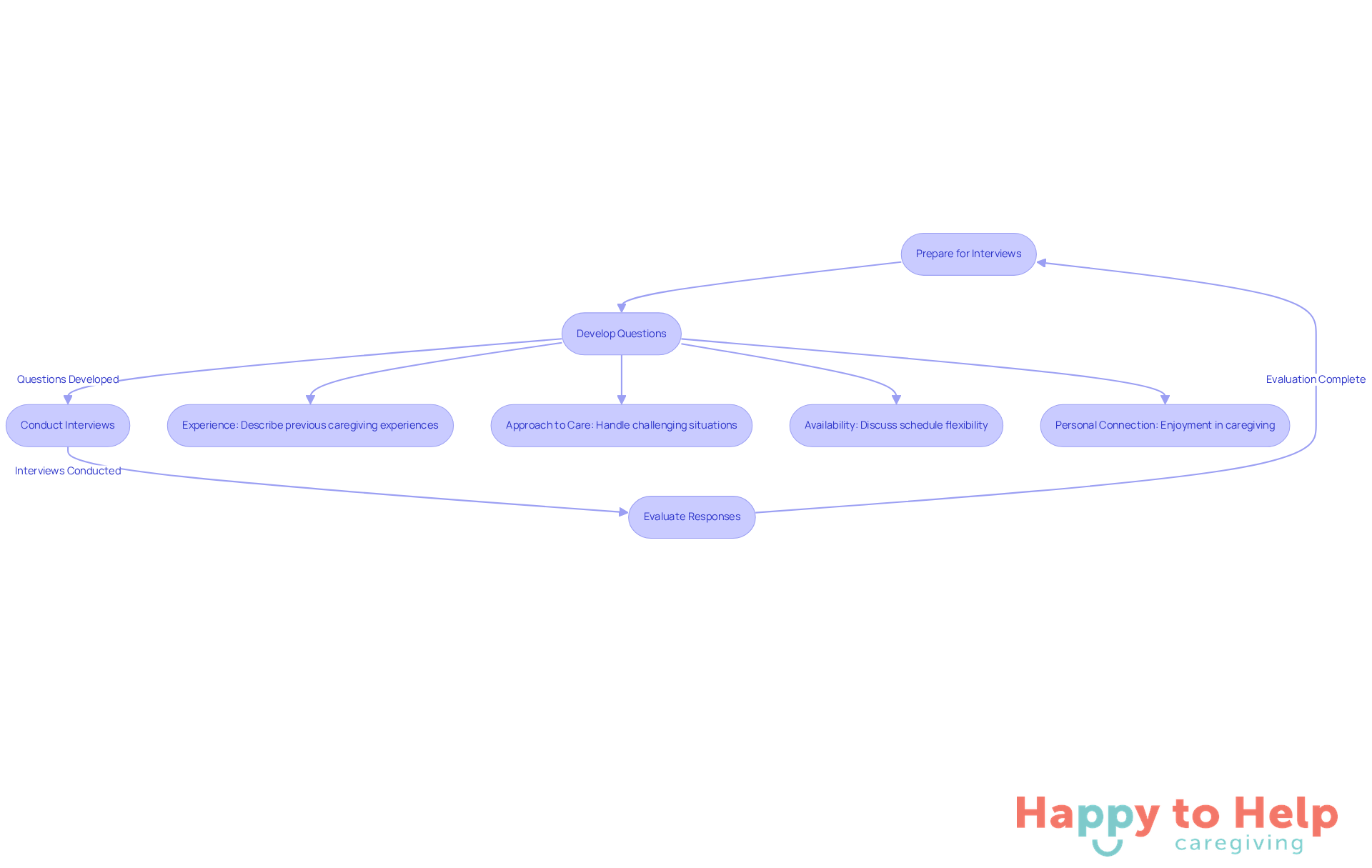
To tackle this issue, develop a comprehensive list of questions that evaluate both practical skills and personal qualities. Key questions to consider include:
- Experience: "Can you describe your previous caregiving experiences?" This helps gauge the candidate's background and familiarity with various caregiving scenarios.
- Approach to Care: "How do you handle challenging situations or emergencies?" This question assesses problem-solving abilities and the candidate's capacity to remain calm under pressure.
- Availability: "What is your availability, and are you flexible with hours?" Understanding their schedule is essential for ensuring they can meet your family member's needs.
- Personal Connection: "What do you enjoy most about caregiving?" This question reveals the candidate's passion for the role and their ability to connect with clients on a personal level.
After conducting interviews, evaluate each candidate's responses and observe their interactions with your loved one. It’s important to give candidates adequate time to formulate their answers, allowing them to express themselves fully and comfortably. This evaluation will assist in identifying the best match, ensuring that the individual not only has the required skills but also aligns with the emotional and personal needs of your family member.
Statistics suggest that individuals who feel a personal bond with their clients often report greater job satisfaction and effectiveness, making this aspect of the interview process especially significant. Additionally, ensure that your interview questions reflect the skills specified in the job posting and consider implementing a structured hiring strategy to minimize the chances of hiring unsuitable candidates. Understanding the motivations and experiences of those providing care can also lead to improved hiring choices.
Finalize Caregiver Selection and Agreement
Selecting a caregiver needed near me is just the first step; finalizing the arrangement with a written agreement is crucial. Without it, misunderstandings can arise, leading to frustration for both parties.
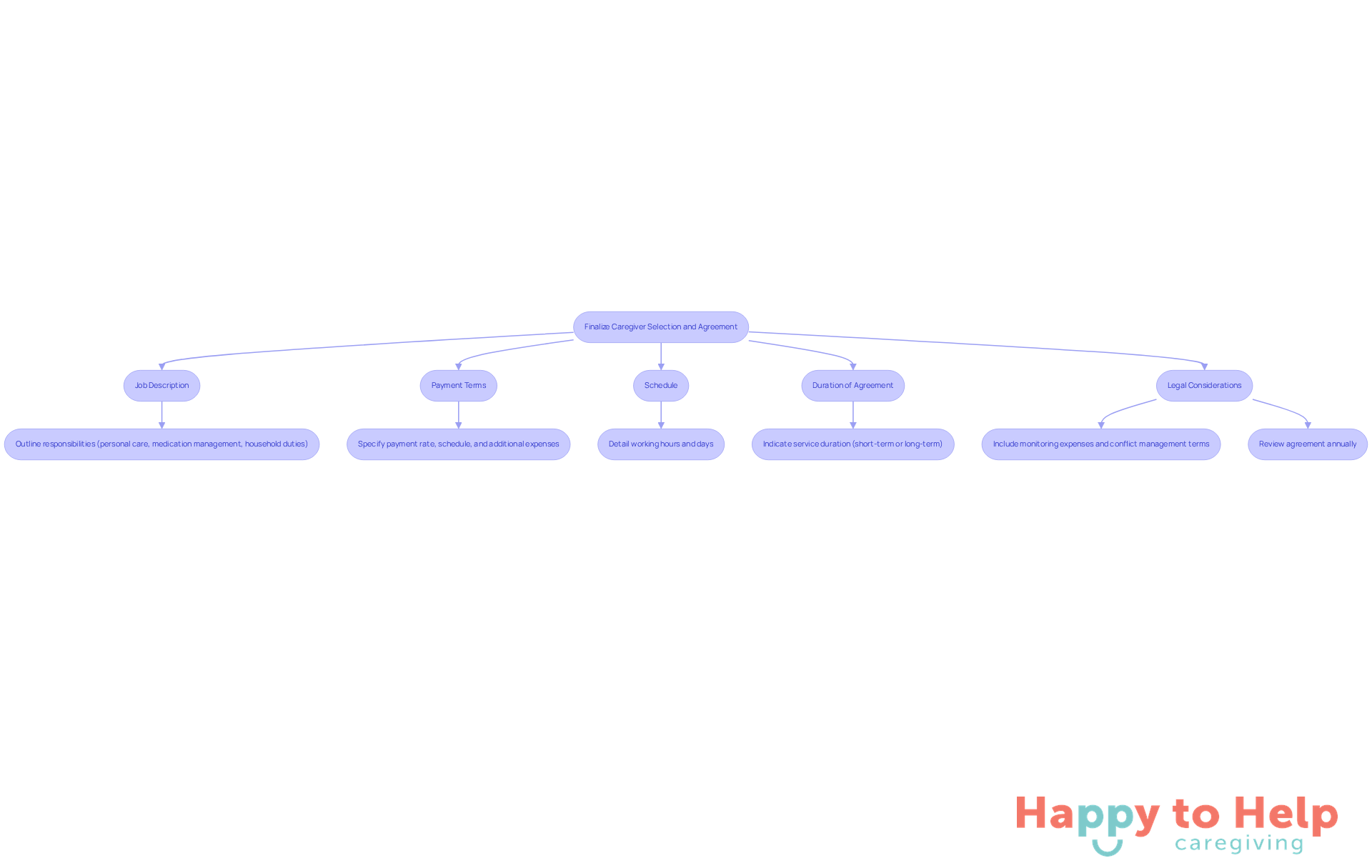
Job Description: Clearly outline the caregiver's responsibilities, including personal care, medication management, and household duties. A well-defined job description helps prevent misunderstandings and sets clear expectations.
Payment Terms: Specify the payment rate, schedule, and any additional expenses. Understanding financial obligations upfront can alleviate potential conflicts later on.
Schedule: Detail the hours and days the attendant will be working. This ensures both parties are aligned on availability and commitments.
Duration of Agreement: Indicate how long the individual will be providing services, whether it’s a short-term arrangement or a long-term commitment.
Legal specialists emphasize that a caregiver agreement, particularly in situations where a caregiver needed near me, should cover more than just assistance; it should also incorporate terms for monitoring expenses and managing possible conflicts. The American Bar Association recommends reviewing the caregiving agreement at least annually to ensure it remains relevant to the changing needs of the recipient. This review is essential, as conditions surrounding assistance can change, necessitating adjustments to the agreement.
Statistics reveal that family supporters dedicate an average of 25 hours each week to caregiving activities. This highlights the importance of clearly defined roles to manage this significant commitment effectively. Additionally, employing a personal assistant without a contract poses legal risks that can jeopardize both the assistant's and the recipient's interests.
By establishing a comprehensive caregiver agreement that includes key elements such as service start date, frequency of service, and a backup plan for caretaker absence, families can create a supportive environment, ensuring that a caregiver needed near me is effectively integrated for the benefit of both the caregiver and the care recipient.
Moving Forward with Find a Caregiver Needed Near Me
Finding the right caregiver for a loved one is a significant challenge that requires careful consideration. Many families struggle with this process, often feeling overwhelmed by the options available and the implications of their choices. Without proper guidance, the risk of selecting an unsuitable caregiver increases, which can negatively impact the well-being of both the caregiver and the recipient.
To address this issue, it’s essential to assess care needs and preferences thoroughly. Start by exploring available options and conducting in-depth research on potential caregivers. Each step, from interviews to finalizing agreements, plays a crucial role in ensuring a supportive and compassionate environment. Clear communication and documentation are vital; they help establish trust and clarity throughout the caregiving relationship.
Ultimately, finding a caregiver is about more than just meeting practical requirements; it’s about enhancing the quality of life for loved ones. Engaging in thoughtful discussions, utilizing available resources, and properly vetting candidates can lead to a positive caregiving experience. Families are encouraged to take action today, using the insights shared in this guide to find the right support and foster a nurturing atmosphere that honors their loved ones' needs and preferences.
https://iframe.tely.ai/cta/eyJhcnRpY2xlX2lkIjogIjY5MjI2NTI1ZDc0MjE3YmJjYWExMmQ0NiIsICJjb21wYW55X2lkIjogIjY4ZWU1ZGNhNzMxNzYyNTU3ZjNjOTVjMSIsICJpbmRleCI6IG51bGwsICJ0eXBlIjogImFydGljbGUifQ==Frequently Asked Questions
How should I start assessing the care needs of my loved one?
Begin by engaging in an open conversation about their daily routines, preferences, and specific health concerns. This dialogue is crucial for understanding their needs.
What daily activities should I consider when assessing care needs?
Identify which daily tasks your loved one can manage independently and which require assistance, such as bathing, dressing, or meal preparation.
Why is it important to discuss health conditions when assessing care needs?
Noting any medical conditions is essential as they may necessitate specialized attention or monitoring.
How can I understand my loved one's social preferences?
Discuss their social needs, including companionship or participation in activities they enjoy, to better understand their preferences.
What should I evaluate about the living environment?
Assess the home environment to determine any modifications necessary for safety and comfort.
How can I document my loved one's needs and preferences?
Documenting these needs and preferences will guide your search for a caregiver who can effectively meet them.
What are some caregiving options available for support?
Available options include in-home care, adult day services, respite services, and palliative support.
What is in-home care?
In-home care involves professional caregivers providing personal care, companionship, and medical assistance right in the home.
What are adult day services?
Adult day services offer support and social activities throughout the day, allowing family caregivers a much-needed break.
What are respite services?
Respite services provide temporary relief for primary caregivers, which can be arranged either in-home or at a facility.
What is palliative support?
Palliative support is specialized medical assistance focused on relieving symptoms and stress associated with serious illness.
How can I find caregiving services in my area?
Utilize resources such as local caregiving agencies, online platforms, and community centers to gather information about available services.
List of Sources
- Assess Care Needs and Preferences
- Warning From Older Adults: Care for Aging in America Needs Urgent Rethinking (https://johnahartford.org/newsroom/view/warning-from-older-adults-care-for-aging-in-america-needs-urgent-rethinking)
- Understanding If Your Older Loved One Needs Help | AgeWays (https://ageways.org/2021/12/15/holidays-offer-a-chance-to-assess-care-needs-of-older-loved-ones)
- Guide to Taking Care of Aging Parents and Family Members (https://arnothealth.org/news/guide-to-taking-care-of-aging-parents-and-family-members)
- How to Assess if an Older Adult Needs Caregiving Help (https://aarp.org/caregiving/home-care/assessing-need-for-caregiver)
- Explore Care Options Available
- National Alliance for Caregiving: Caregiving in the US 2025 Report (https://johnahartford.org/resources/view/national-alliance-for-caregiving-caregiving-in-the-us-2025-report)
- FastStats (https://cdc.gov/nchs/fastats/home-health-care.htm)
- Adult day care can benefit older adults and their caregivers - Harvard Health (https://health.harvard.edu/staying-healthy/adult-day-care-can-benefit-older-adults-and-their-caregivers)
- Caregiving in the US 2025: A Comprehensive Overview (https://retirementlivingsourcebook.com/proagingnews/caregiving-in-the-us-2025-a-comprehensive-overview)
- Caregiving in the US 2025 (https://aarp.org/pri/topics/ltss/family-caregiving/caregiving-in-the-us-2025)
- Research and Evaluate Caregiver Candidates
- The Caregiving Landscape: Data & Insights on the Caregiver Experience in the U.S. (https://caregiveraction.org/caregiver-statistics)
- The Case For Stronger Caregiver Vetting In Home Care (https://homehealthcarenews.com/2024/10/the-case-for-stronger-caregiver-vetting-in-home-care)
- Caregiving Statistics US 2025: Insights for Family Caregivers (https://zencaregiving.org/caregiving-statistics-us-2025)
- Caregiver Statistics: Work and Caregiving (https://caregiver.org/resource/caregiver-statistics-work-and-caregiving)
- How to Choose the Right In-Home Caregiver for Your Loved One (https://homeinstead.com/home-care/usa/tx/carrollton-coppell-irving/407/news-and-media/navigating-in-home-care-tips-for-choosing-the-right-caregiver-for-your-loved-one)
- Conduct Interviews and Screen Candidates
- Caregiver Interview Questions You NEED For Better Recruitment (https://rellevate.com/news/caregiver-interview-questions-you-need)
- Asking the Right Interview Questions to Find the Best-Fit Caregiver Candidates | Aaniie, formerly Smartcare Software (https://aaniie.com/news/asking-the-right-interview-questions-best-caregiver-candidates)
- New U.S. Workforce Report: Nearly 70% of Family Caregivers Report Difficulty Balancing Career and Caregiving Responsibilities, Spurring Long-Term Impacts to U.S. Economy (https://press.aarp.org/2024-5-16-US-Workforce-Report-70-Caregivers-Difficulty-Balancing-Career-Caregiving-Responsibilities)
- Caregiver Statistics: Demographics (https://caregiver.org/resource/caregiver-statistics-demographics)
- Finalize Caregiver Selection and Agreement
- Creating a Private Caregiver Contract Can Be a Legal Lifesaver (https://aarp.org/caregiving/financial-legal/how-to-create-private-caregiving-contract)
- The Caregiving Landscape: Data & Insights on the Caregiver Experience in the U.S. (https://caregiveraction.org/caregiver-statistics)
- Caregiver Statistics: Demographics (https://caregiver.org/resource/caregiver-statistics-demographics)
- Expert Tips for Creating a Family Caregiver Contract (https://aplaceformom.com/caregiver-resources/articles/how-to-create-a-caregiver-contract)
- New Report Reveals Crisis Point for America’s 63 million Family Caregivers (https://press.aarp.org/2025-07-24-New-Report-Reveals-Crisis-Point-for-Americas-63-million-Family-Caregivers)