For families in our service areas
For families in our service areas, this guide explains caregiver support and how non-medical in-home caregiving can support care planning in East Idaho, Treasure Valley & Magic Valley, Northern Wasatch, North Central West Virginia & Southwestern Pennsylvania, and Northeast Ohio.
Why Find a Private Duty Caregiver Near You Matters
Finding a private duty caregiver can be a daunting task, especially as personalized support becomes increasingly vital for many seniors. Statistics show that one in three adults aged 50-80 experience loneliness, and many face daily challenges that can impact their quality of life. This situation highlights the importance of understanding how to find the right caregiver.
Families often struggle with the overwhelming number of options available, making it essential to identify specific caregiving needs. Evaluating potential caregivers requires careful consideration of various factors, including:
- Experience
- Qualifications
- Compatibility with the senior's lifestyle
How can families ensure they choose the best support for their loved ones amidst so many choices?
This guide will outline the steps to identify caregiving needs and explore critical factors to consider when evaluating caregivers, providing families with the tools they need to make informed decisions.
Understand the Role of Private Duty Caregivers
A private duty caregiver near me can address a significant problem: many seniors struggle with daily activities that are essential for their well-being. This challenge can lead to feelings of isolation and safety risks, particularly as one in three adults aged 50-80 report experiencing loneliness at least occasionally. Moreover, with one in four adults over 65 suffering a fall each year, the need for support becomes even more pressing.
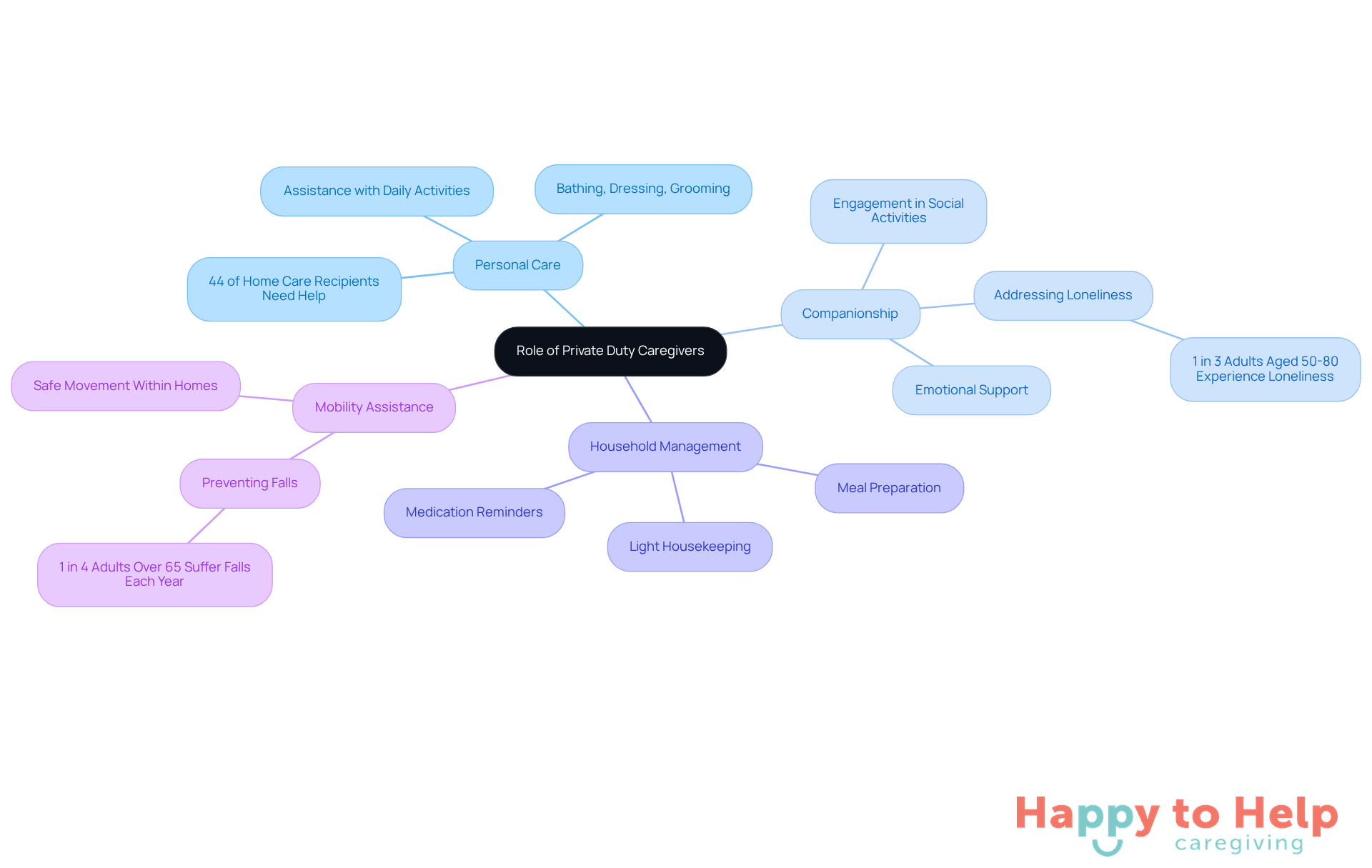
To combat these issues, private duty helpers provide invaluable non-medical assistance in several key areas:
- Personal Care: Caregivers assist with daily activities like bathing, dressing, and grooming, which are vital for maintaining hygiene and dignity. Notably, 44% of home care recipients require help with at least one daily task, underscoring the importance of these helpers.
- Companionship: They offer emotional support and engage clients in social activities, helping to alleviate feelings of loneliness and isolation.
- Household Management: Caregivers also assist with light housekeeping, meal preparation, and medication reminders, ensuring a safe and organized living environment.
- Mobility Assistance: They help clients move safely within their homes, which is crucial for preventing falls.
Understanding these roles allows families to recognize the specific needs of their loved ones and how a private duty caregiver near me can effectively address those needs. The impact of personal assistance on seniors' quality of life is profound, supporting not only their physical health but also fostering emotional well-being and independence.
Identify Your Caregiving Needs
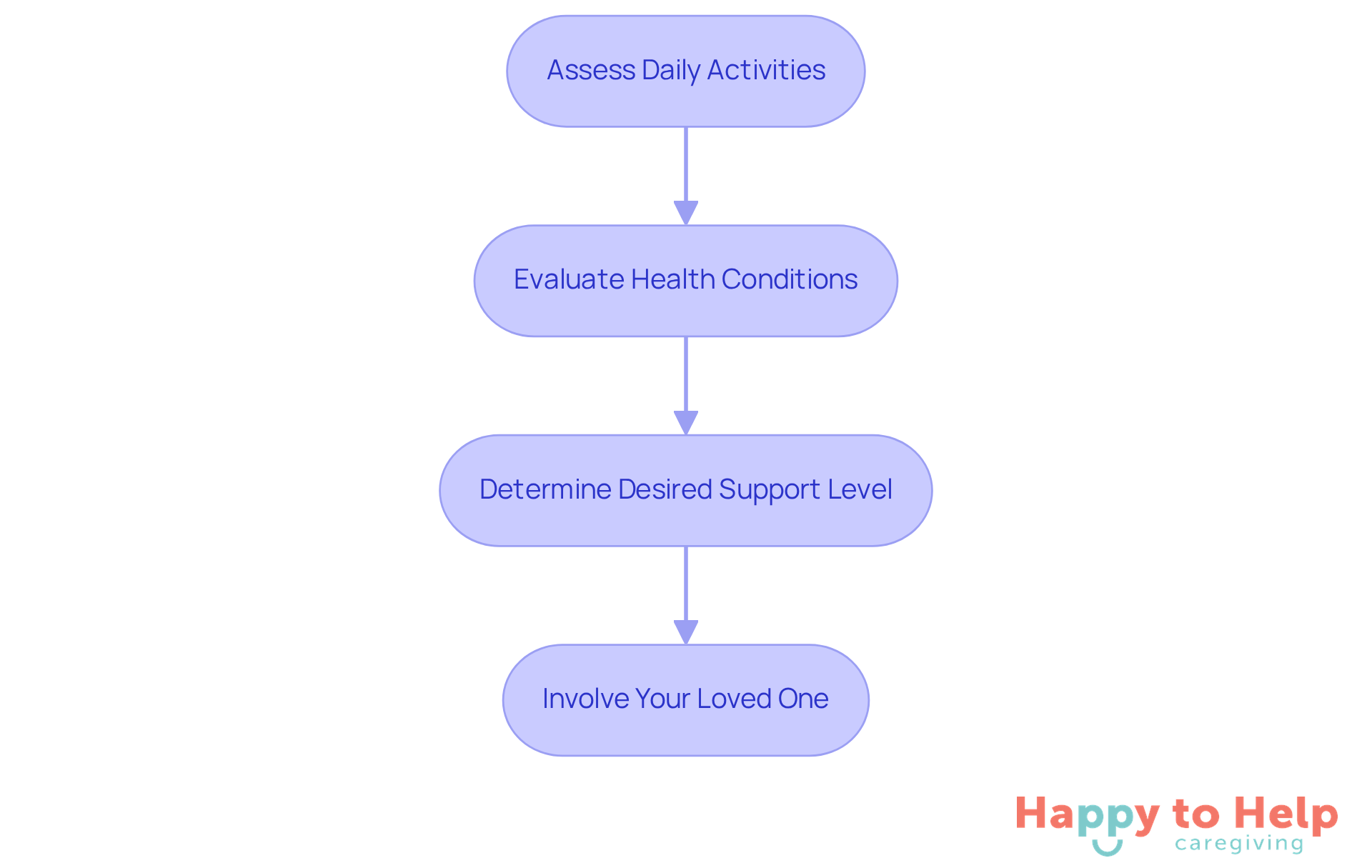
To effectively identify your caregiving needs, follow these essential steps:
-
Assess Daily Activities: Begin by listing the daily tasks your loved one struggles with, such as bathing, dressing, or meal preparation. This assessment will help pinpoint specific areas where assistance is needed.
-
Evaluate Health Conditions: Consider any medical conditions that may require specialized attention or monitoring. For instance, individuals with chronic illnesses or cognitive impairments often require tailored support to manage their health effectively. According to a study by Columbia University, nearly half of U.S. states are facing an unpaid family caregiving emergency, highlighting the importance of understanding these health conditions.
-
Determine Desired Support Level: Decide on the level of assistance required - whether full-time, part-time, or occasional respite services. Grasping the level of support required will assist you in choosing the appropriate provider. In states like California, the caregiver valuation is over $122 billion, emphasizing the economic significance of effective caregiving.
-
Involve Your Loved One: Engage your loved one in discussions about their preferences and comfort levels regarding assistance. This involvement not only honors their autonomy but also ensures that the selected support aligns with their wishes. As noted by experts, involving seniors in their care decisions can lead to better outcomes and satisfaction.
By clearly defining these needs, you can streamline the search for a private duty caregiver near me who can provide the necessary support, ultimately enhancing the quality of life for your loved one.
Research Local Caregiver Options
Finding reliable caregiver options can be a daunting task. With so many choices available, how do you ensure that you select the right person for your loved one? This challenge can lead to stress and uncertainty, making it crucial to approach the search methodically.
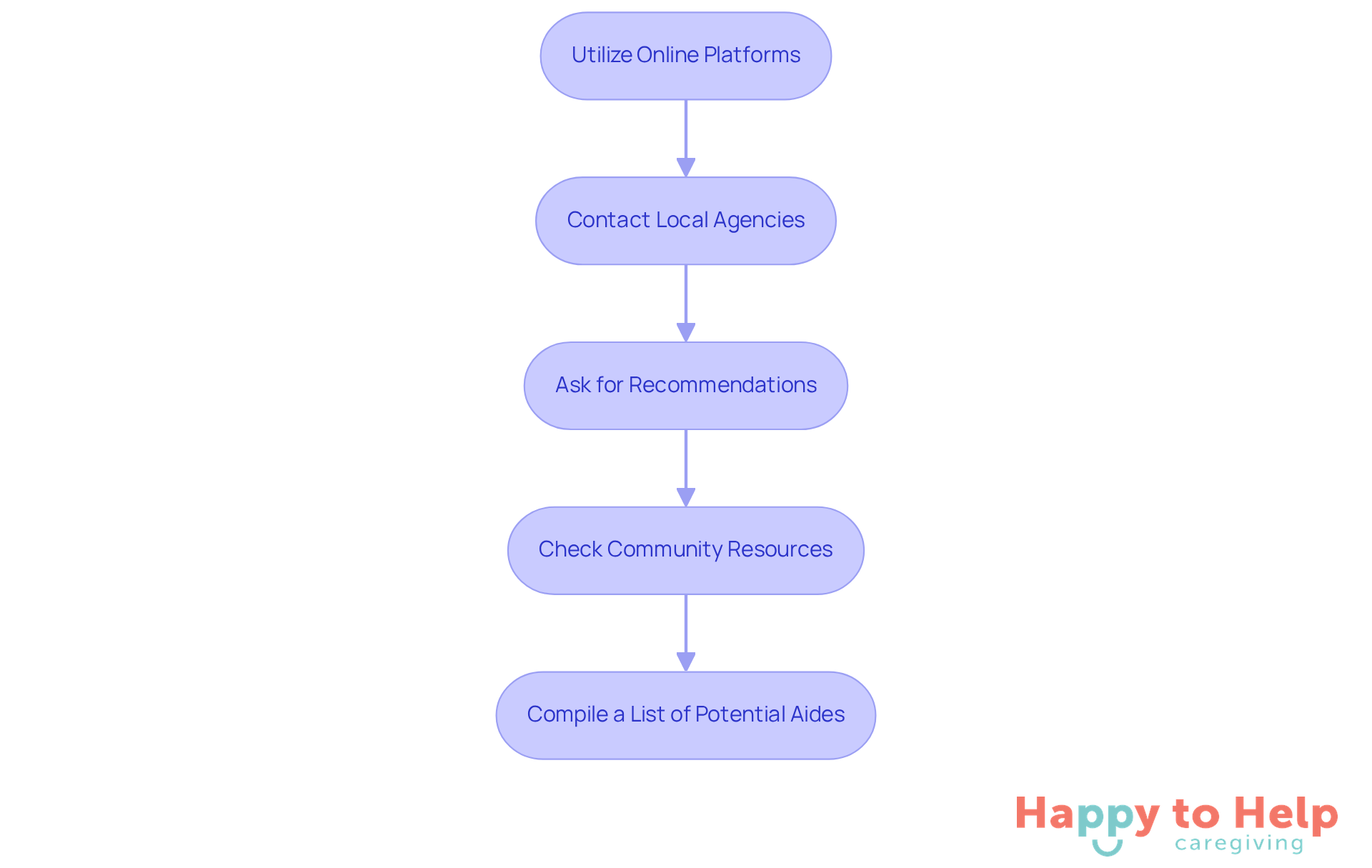
To tackle this issue, consider these actionable steps:
-
Utilize Online Platforms: Websites like Care.com, Indeed.com, and A Place for Mom allow you to search for caregivers by location, services offered, and user reviews. These platforms simplify the process, making it easier to find qualified candidates. In fact, over 50% of individuals employed in 2017 were recruited from online platforms, highlighting the importance of maintaining an active online hiring strategy.
-
Contact Local Agencies: Reach out to home support organizations in your area to learn about their services and the qualifications of their attendants. Many agencies provide detailed information about their staff's training and experience, ensuring you find the right fit for your needs. As Scott Zielski notes, job postings without charge are still available, and home care providers should take full advantage of this opportunity.
-
Ask for Recommendations: Consult with friends, family, or healthcare professionals for referrals to trustworthy providers. Personal recommendations often lead to high-quality hires, as word-of-mouth referrals are reliable and cost-effective. The Family Caregiver Alliance suggests reviewing the person’s needs across different categories to make informed decisions.
-
Check Community Resources: Local senior centers, health departments, and social services often maintain lists of available support providers or agencies. Engaging with these resources can provide valuable insights tailored to your specific requirements. Additionally, verifying the credentials of caregivers with state licensing boards is essential to ensure they hold the necessary certifications.
By exploring these avenues, you can compile a comprehensive list of potential aides, ensuring you make an informed decision for your loved one. Remember, conducting criminal background checks and reviewing driving records for caregivers-especially those who will be transporting clients-is a vital consideration.
Evaluate and Interview Potential Caregivers
Finding a private duty caregiver near me can be a daunting task. With so many options available, how do you ensure that you choose a private duty caregiver near me who is both qualified and a good fit for your loved one? This challenge can lead to stress and uncertainty, making it feel overwhelming to find a private duty caregiver near me.
To tackle this issue, consider these practical steps:
-
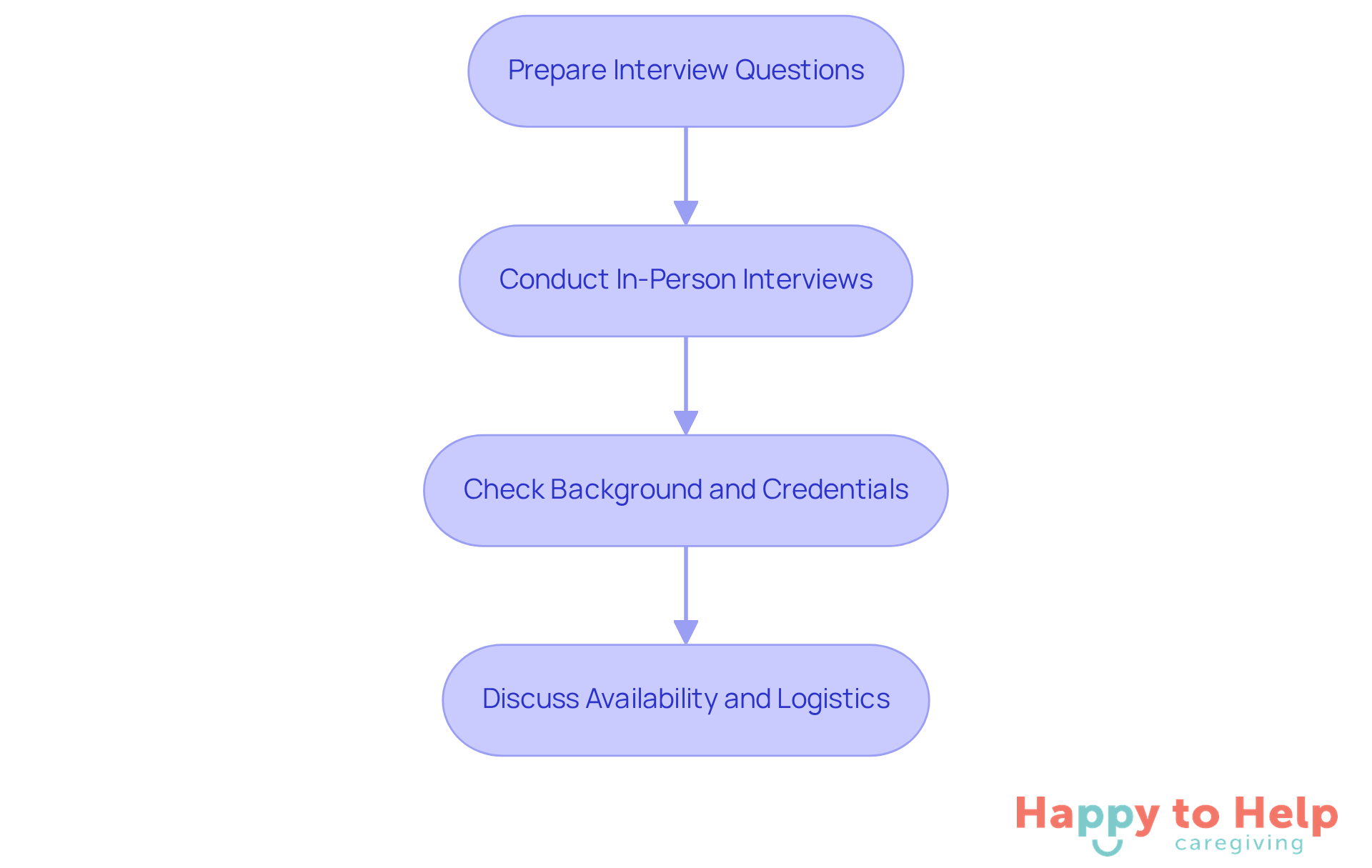
Prepare Interview Questions: It's essential to ask about their experience, training, and approach to caregiving. Key questions might include:
- What experience do you have with clients who have similar needs?
- How do you handle emergencies or challenging situations?
- Can you provide references from previous clients?
-
Conduct In-Person Interviews: Arrange meetings with candidates to assess their demeanor and communication style. Observe how they interact with your loved one, as this can provide valuable insights into their compatibility.
-
Check Background and Credentials: Verify their qualifications, including any certifications or training relevant to caregiving. This step is crucial to ensure that they meet the necessary standards.
-
Discuss Availability and Logistics: Ensure that their schedule aligns with your needs. Discuss payment terms and conditions upfront to avoid any misunderstandings later on.
By thoroughly evaluating candidates, you can choose a private duty caregiver near me who not only meets the necessary qualifications but also matches your loved one's personality and preferences. This careful selection process can lead to a more positive caregiving experience for everyone involved.
Finalize Hiring and Establish Care Plans
To finalize hiring and establish effective care plans, it's essential to follow these steps:
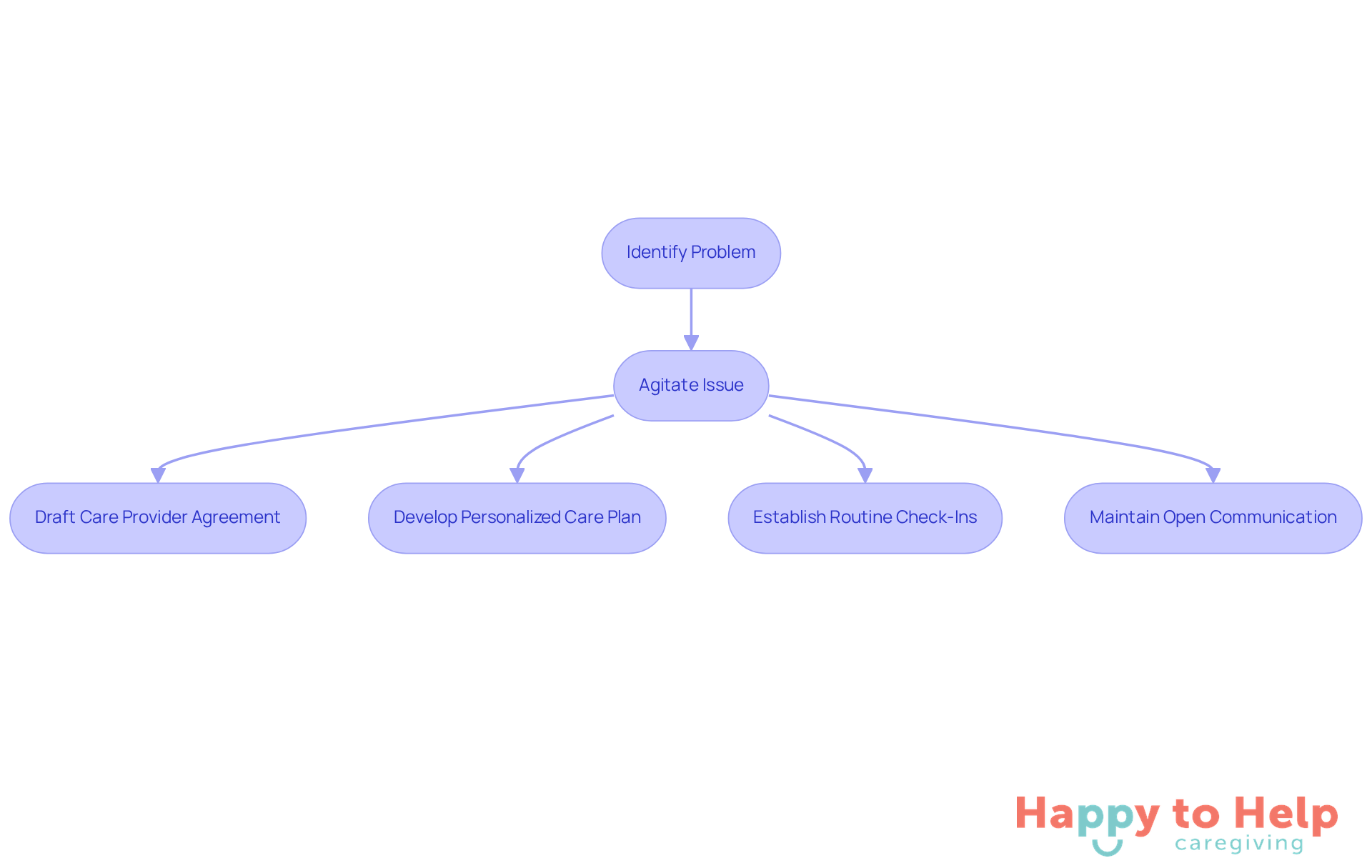
Problem: Many caregivers struggle with the complexities of creating effective care plans, which can lead to confusion and inadequate support for loved ones.
Agitate: Without a clear plan, caregivers may face challenges that affect both their well-being and that of their loved ones. In fact, family providers spend an average of over $7,200 annually out of pocket, highlighting the financial strain that can arise from poor planning.
Solution: Here are actionable steps to create a successful caregiving experience:
-
Draft a Care Provider Agreement: Create a comprehensive written agreement that clearly outlines the provider's responsibilities, work hours, payment terms, and any other pertinent details. This agreement serves as a foundation for the caregiving relationship.
-
Develop a Personalized Care Plan: Collaborate with the caregiver to create a tailored care plan that encompasses:
- Daily routines and tasks that align with your loved one's preferences.
- Healthcare requirements, including medication schedules and any specific health issues.
- Emergency contacts and procedures to ensure safety and preparedness.
Studies show that customized support plans greatly improve the quality of service, enabling providers to meet individual requirements efficiently.
-
Establish Routine Check-Ins: Arrange regular meetings with the provider to assess your loved one's progress and discuss any necessary modifications to the support plan. Regular check-ins foster accountability and ensure that care remains aligned with evolving needs. As Evan Falchuk, CEO of Family First, highlights, caregivers must prioritize their own health and well-being, which can be supported through these regular discussions.
-
Maintain Open Communication: Promote continuous dialogue among the support person, your loved one, and family members. This transparency ensures that everyone is informed and comfortable with the care being provided, which is crucial for building trust and rapport.
By implementing these steps, you can facilitate a smooth transition into caregiving and cultivate a positive relationship between your loved one and their caregiver, ultimately enhancing their overall well-being.
Key Takeaways for Caregivers
Finding a private duty caregiver is a crucial step in ensuring the well-being of loved ones who require assistance with daily activities. The challenge lies in understanding the role of caregivers and identifying specific caregiving needs. This process can be overwhelming, but it’s essential for creating a supportive environment where seniors can maintain their dignity, safety, and emotional health.
Key insights emphasize the importance of personalized care and a structured approach in selecting a caregiver. Private duty caregivers play an essential role in enhancing the quality of life for seniors through:
- Personal care
- Companionship
- Household management
To address the challenges of finding the right caregiver, families should:
- Assess caregiving needs
- Research local options
- Conduct thorough interviews to ensure a good match
Ultimately, the journey to find the right private duty caregiver is about more than just meeting immediate needs; it’s about fostering a long-term relationship that promotes trust and communication. By prioritizing this search, families can ensure their loved ones receive the compassionate and competent care they deserve. This thoughtful approach can lead to improved outcomes for seniors, enhancing their independence and overall happiness in their daily lives.
https://iframe.tely.ai/cta/eyJhcnRpY2xlX2lkIjogIjY5MjNhMDk5ZTUyZmU2NjM2Njg4NjcxMiIsICJjb21wYW55X2lkIjogIjY4ZWU1ZGNhNzMxNzYyNTU3ZjNjOTVjMSIsICJpbmRleCI6IG51bGwsICJ0eXBlIjogImFydGljbGUifQ==Frequently Asked Questions
What is the role of private duty caregivers?
Private duty caregivers provide non-medical assistance to seniors with daily activities such as personal care, companionship, household management, and mobility assistance, helping to enhance their well-being and safety.
Why is there a need for private duty caregivers?
Many seniors struggle with daily activities essential for their well-being, leading to feelings of isolation and safety risks. Statistics show that one in three adults aged 50-80 experience loneliness, and one in four adults over 65 suffer a fall each year, highlighting the pressing need for support.
What types of assistance do private duty caregivers offer?
They assist with personal care tasks like bathing and grooming, provide companionship to alleviate loneliness, manage household tasks such as meal preparation and medication reminders, and help clients move safely within their homes.
How can families identify their caregiving needs?
Families can identify caregiving needs by assessing daily activities their loved ones struggle with, evaluating any health conditions that may require specialized attention, determining the desired level of support, and involving their loved ones in discussions about their preferences.
What factors should be considered when determining the level of support needed?
Families should consider whether they need full-time, part-time, or occasional respite services based on the specific needs of their loved ones and the complexity of their health conditions.
Why is it important to involve seniors in their care decisions?
Involving seniors in their care decisions honors their autonomy and ensures that the selected support aligns with their preferences, which can lead to better outcomes and increased satisfaction with the care received.
List of Sources
- Understand the Role of Private Duty Caregivers
- 2025 Home Care Statistics: Trends & Insights To Know (https://premierhcinc.com/blog/home-care-statistics)
- HHS Launches $2M AI Initiative To ‘Transform’ Caregiving, Address Staffing Challenges (https://homehealthcarenews.com/2025/11/hhs-launches-2m-ai-initiative-to-transform-caregiving-address-staffing-challenges)
- Caregiver Statistics: Demographics (https://caregiver.org/resource/caregiver-statistics-demographics)
- New Report Reveals Crisis Point for America’s 63 million Family Caregivers (https://press.aarp.org/2025-07-24-New-Report-Reveals-Crisis-Point-for-Americas-63-million-Family-Caregivers)
- News Releases (https://hcaoa.org/news-releases.html)
- Identify Your Caregiving Needs
- National Alliance for Caregiving: Caregiving in the US 2025 Report (https://johnahartford.org/resources/view/national-alliance-for-caregiving-caregiving-in-the-us-2025-report)
- The senior population is booming. Caregiving is struggling to keep up (https://cnbc.com/2025/11/21/senior-caregiving-labor.html)
- New Report Shows Nearly Half of U.S. States Are on the Threshold of a Caregiving Emergency | Otsuka US (https://otsuka-us.com/news/new-report-shows-nearly-half-us-states-are-threshold-caregiving-emergency)
- The declining population will make it even harder to care for elders (https://npr.org/2025/11/02/nx-s1-5535648/population-elderly-caregivers)
- Caregiving in the US 2025 (https://aarp.org/pri/topics/ltss/family-caregiving/caregiving-in-the-us-2025)
- Research Local Caregiver Options
- Tips for Hiring the Right Caregiver (https://ncoa.org/article/how-do-i-find-a-good-caregiver-a-step-by-step-guide)
- 9 Ways to Find Caregivers With Flexible Scheduling Options - MedCity News (https://medcitynews.com/2025/05/9-ways-to-find-caregivers-with-flexible-scheduling-options)
- 7 Best Places to Find Caregivers for Home Care | Aaniie, formerly Smartcare Software (https://aaniie.com/news/7-best-places-to-find-caregivers-for-home-care)
- Caregiver Statistics: Health, Technology, and Caregiving Resources (https://caregiver.org/resource/caregiver-statistics-health-technology-and-caregiving-resources)
- Evaluate and Interview Potential Caregivers
- New U.S. Workforce Report: Nearly 70% of Family Caregivers Report Difficulty Balancing Career and Caregiving Responsibilities, Spurring Long-Term Impacts to U.S. Economy (https://press.aarp.org/2024-5-16-US-Workforce-Report-70-Caregivers-Difficulty-Balancing-Career-Caregiving-Responsibilities)
- Caregiver Interview Questions You NEED For Better Recruitment (https://rellevate.com/news/caregiver-interview-questions-you-need)
- Caregiver Statistics: Work and Caregiving (https://caregiver.org/resource/caregiver-statistics-work-and-caregiving)
- Caregiver Recruitment: 20 Experts Share Their Top Strategies | CareAcademy (https://careacademy.com/blog/caregiver-recruitment)
- Hiring and Screening Practices of Agencies Supplying Paid Caregivers to Older Adults - PMC (https://pmc.ncbi.nlm.nih.gov/articles/PMC3396775)
- Finalize Hiring and Establish Care Plans
- New Study Reveals Mixed Results in Advance Care Planning for Older Adults | Johns Hopkins Bloomberg School of Public Health (https://publichealth.jhu.edu/2024/new-study-reveals-mixed-results-in-advance-care-planning-for-older-adults)
- Family Caregiver Annual Report and Statistics | SeniorLiving.org (https://seniorliving.org/research/family-caregiver-report-statistics)
- Caregiver Statistics: Work and Caregiving (https://caregiver.org/resource/caregiver-statistics-work-and-caregiving)
- Number of Family Caregivers Supporting Older Adults Increased Nearly One-Third Between 2011 and 2022 | Johns Hopkins Bloomberg School of Public Health (https://publichealth.jhu.edu/2025/number-of-family-caregivers-supporting-older-adults-increased-nearly-one-third-between-2011-and-2022)