5 Steps to Find a Residential Care Facility for the Elderly

For families in our service areas
For families in our service areas, this guide explains caregiving and how non-medical in-home caregiving can support care planning in East Idaho, Treasure Valley & Magic Valley, Northern Wasatch, North Central West Virginia, and Northeast Ohio.
Why Find a Residential Care Facility for Matters
Choosing a residential care facility for the elderly presents a significant challenge for families. This decision can profoundly impact the quality of life for loved ones, making it essential to navigate the myriad options available-from assisted living to nursing homes. Caregivers often face the daunting task of understanding the nuances of each type of facility, which can lead to confusion and stress.
The implications of this decision are far-reaching. Families may struggle with evaluating individual needs, assessing facility quality, and managing financial considerations. These complexities can leave caregivers feeling overwhelmed and uncertain about the best course of action.
However, there are practical steps that families can take to simplify this process. This article outlines five crucial steps designed to empower caregivers, helping them find the right residential care facility that aligns with their loved one's unique requirements. By following these guidelines, families can ensure they make informed choices that prioritize the well-being of their loved ones.
Identify Types of Residential Care Facilities
Choosing the right residential care facility for the elderly near me for your loved one can be a daunting task. With so many options available, it’s crucial to understand the different types of facilities and what they offer. This knowledge can significantly impact the quality of life for seniors, making it essential to consider their specific needs and the level of support they require.
-
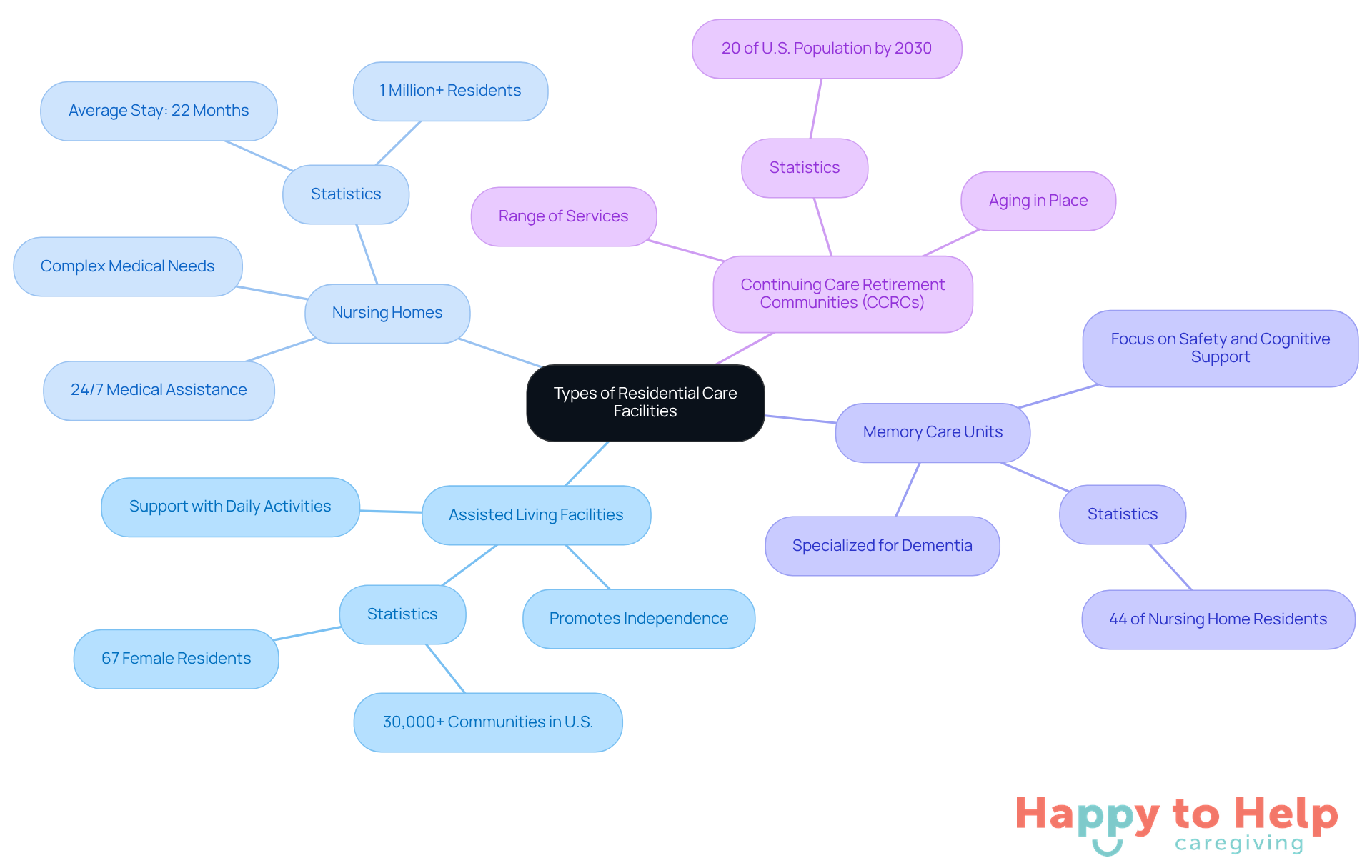
Assisted Living Facilities provide support with daily activities while promoting independence. They are ideal for seniors who need some assistance but do not require full-time medical care. In the U.S., there are over 30,000 assisted living communities, reflecting a growing demand for such services. Notably, 67% of residents in these communities are female, highlighting demographic trends in this sector.
-
Nursing Homes offer 24/7 medical assistance, catering to individuals with significant health issues or those recovering from surgery. These facilities are equipped to manage complex medical needs, with residents typically staying for about 22 months. Many of them transition to specialized nursing services afterward. As of 2022, over 1 million individuals lived in residential support communities, underscoring the scale of this option.
-
Memory Care Units are specialized facilities designed for individuals with Alzheimer’s or other forms of dementia, focusing on safety and cognitive support. Approximately 44% of nursing home residents suffer from Alzheimer's disease or other dementias, emphasizing the need for tailored support in these environments.
-
Continuing Care Retirement Communities (CCRCs) offer a range of services from independent living to skilled nursing support, allowing residents to age in place. CCRCs facilitate a smooth transition as residents' needs evolve, ensuring consistent support. By 2030, over 20% of the U.S. population will be 65 and older, highlighting the increasing demand for such comprehensive support options.
Understanding these choices will help you identify which type of residential care facility for the elderly near me best aligns with your loved one's needs and preferences. The right selection can greatly enhance their quality of life, making it vital to consider their specific requirements and the level of support they need.
Assess Individual Needs and Preferences
Assessing individual needs and preferences can be challenging for caregivers. Without a thorough understanding of these needs, it can be difficult to provide the right support. Here are some steps to help you navigate this process:
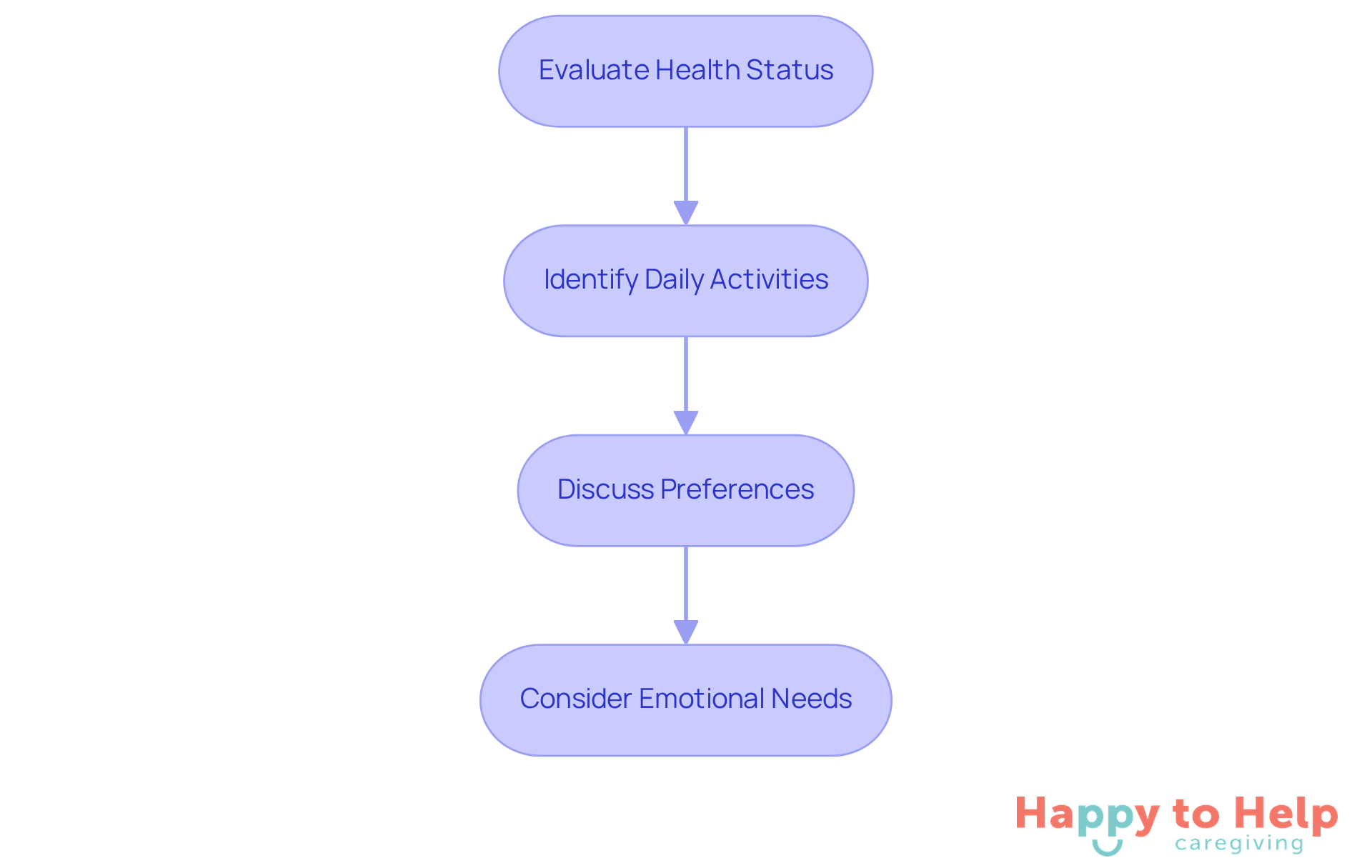
- Evaluate Health Status: Review any medical conditions, medications, and mobility issues that may influence support needs.
- Identify Daily Activities: Determine which activities of daily life (ADLs) your loved one can perform independently and which require assistance, such as bathing, dressing, and meal preparation.
- Discuss Preferences: Engage your loved one in conversations about their preferences regarding living arrangements, social activities, and support routines. This ensures they feel involved in the decision-making process.
- Consider Emotional Needs: Take into account the emotional and social needs of your loved one, such as companionship and engagement in activities they enjoy.
This thorough evaluation will assist you in choosing a residential care facility for the elderly near me that aligns with their lifestyle and care requirements.
Research and Evaluate Potential Facilities
When researching potential options, caregivers face a significant challenge: choosing the right residential care facility for the elderly near me for their loved ones. This decision can be overwhelming, as it impacts the quality of life for older adults and their families. To navigate this process effectively, follow these steps:
-
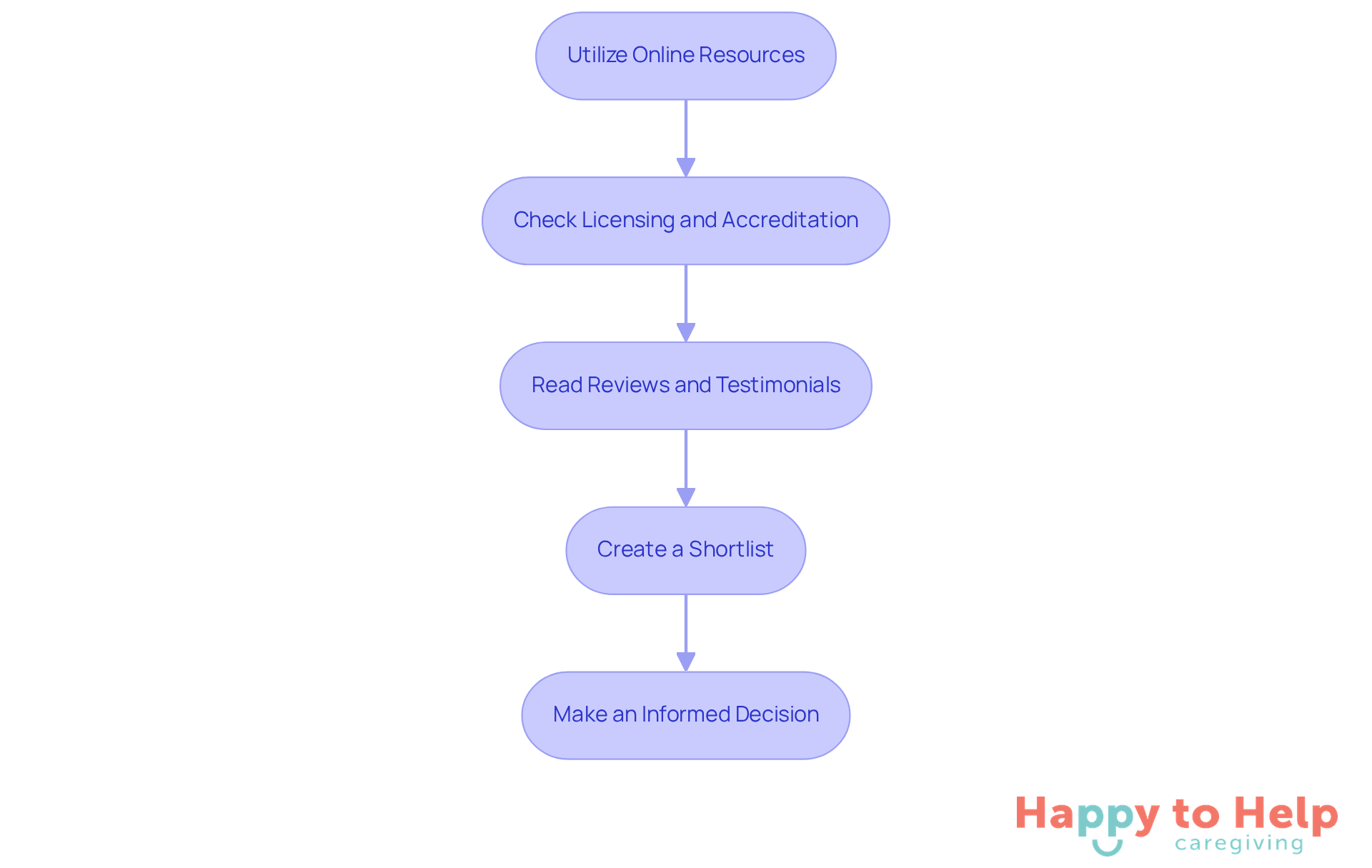
Utilize Online Resources: Websites like A Place for Mom and Caring.com offer extensive directories and reviews of establishments in your area. These resources assist in comparing options effectively. A U.S. News survey emphasizes that selecting a senior living community is a major life decision, underscoring the importance of thorough research.
-
Check Licensing and Accreditation: It's crucial to verify that establishments are licensed by state authorities and accredited by recognized organizations. This ensures adherence to established standards of support, vital for the safety and well-being of residents. With around 32,231 assisted housing communities in the U.S. and close to 1.2 million licensed beds, understanding licensing and accreditation can greatly influence the quality of service provided.
-
Read Reviews and Testimonials: Seek feedback from current and former residents and their families. This firsthand information offers valuable insights into the quality of care and overall satisfaction within the establishment. According to Liz Pearce, Director of Senior Living at U.S. News, "U.S. News' Best Senior Living ratings provide data-driven decision support, offering an unbiased evaluation of resident and family satisfaction in senior living communities."
-
Create a Shortlist: Based on your research, compile a list of facilities that align with your loved one's needs and preferences. This shortlist will serve as a foundation for further evaluation and visits.
This research phase is essential for making an informed decision about the best residential care facility for the elderly near me for your loved one. Remember, choosing a senior living community is a major life decision, and thorough evaluation will help ensure a supportive environment for your family member.
Visit Facilities and Ask Key Questions
Finding the right residential care facility for the elderly near me for your loved one can be challenging. With so many options available, it’s crucial to ensure a thorough evaluation to make an informed decision about their well-being.
-
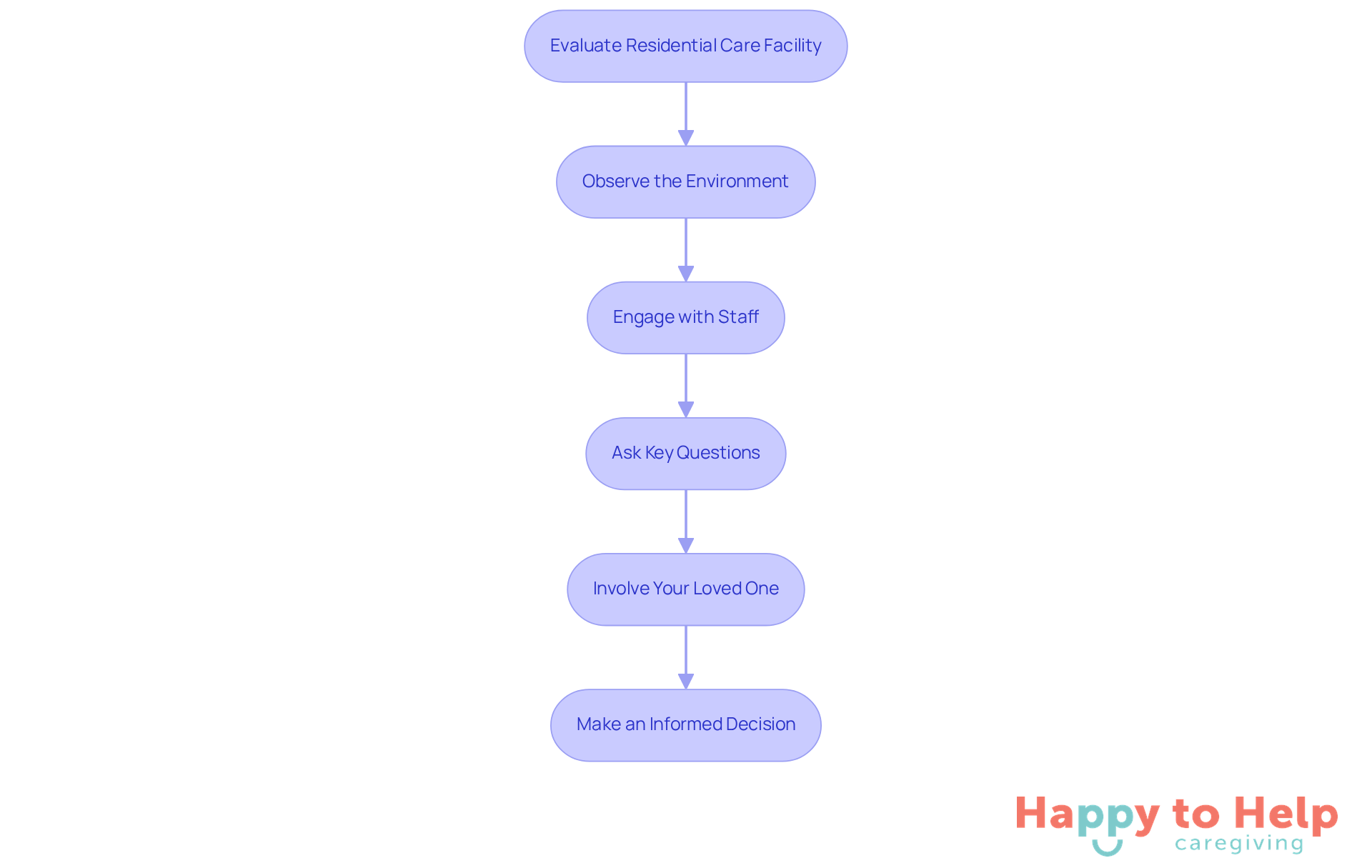
Observe the Environment: Start by paying close attention to cleanliness, safety features, and the overall atmosphere. A well-kept establishment often indicates the standard of service offered.
-
Engage with Staff: Interact with caregivers and administrative personnel. Their responsiveness and willingness to address your concerns can provide valuable insights into the facility's culture and treatment philosophy.
-
Ask Key Questions: Inquire about essential aspects such as staff-to-resident ratios, caregiver training and qualifications, emergency procedures, and management of medical requirements. Consider asking:
- What activities are available for residents to promote engagement and social interaction?
- How are individual support plans created and frequently revised to address evolving needs?
- What protocols are in place for handling emergencies?
-
Involve Your Loved One: If possible, bring your loved one along to observe their reactions to the environment and staff. Their comfort and emotions regarding the establishment are paramount in the decision-making process.
By following these steps, you’ll gain valuable insights that will empower you to make a confident decision about choosing a residential care facility for the elderly near me.
Review Costs and Payment Options
To effectively review costs and payment options for elderly care facilities, caregivers face a significant challenge: understanding the financial implications of their choices. With the average monthly expense for assisted living around $5,900 and nursing home services reaching $10,965 for a private room, grasping the complete financial overview is essential.
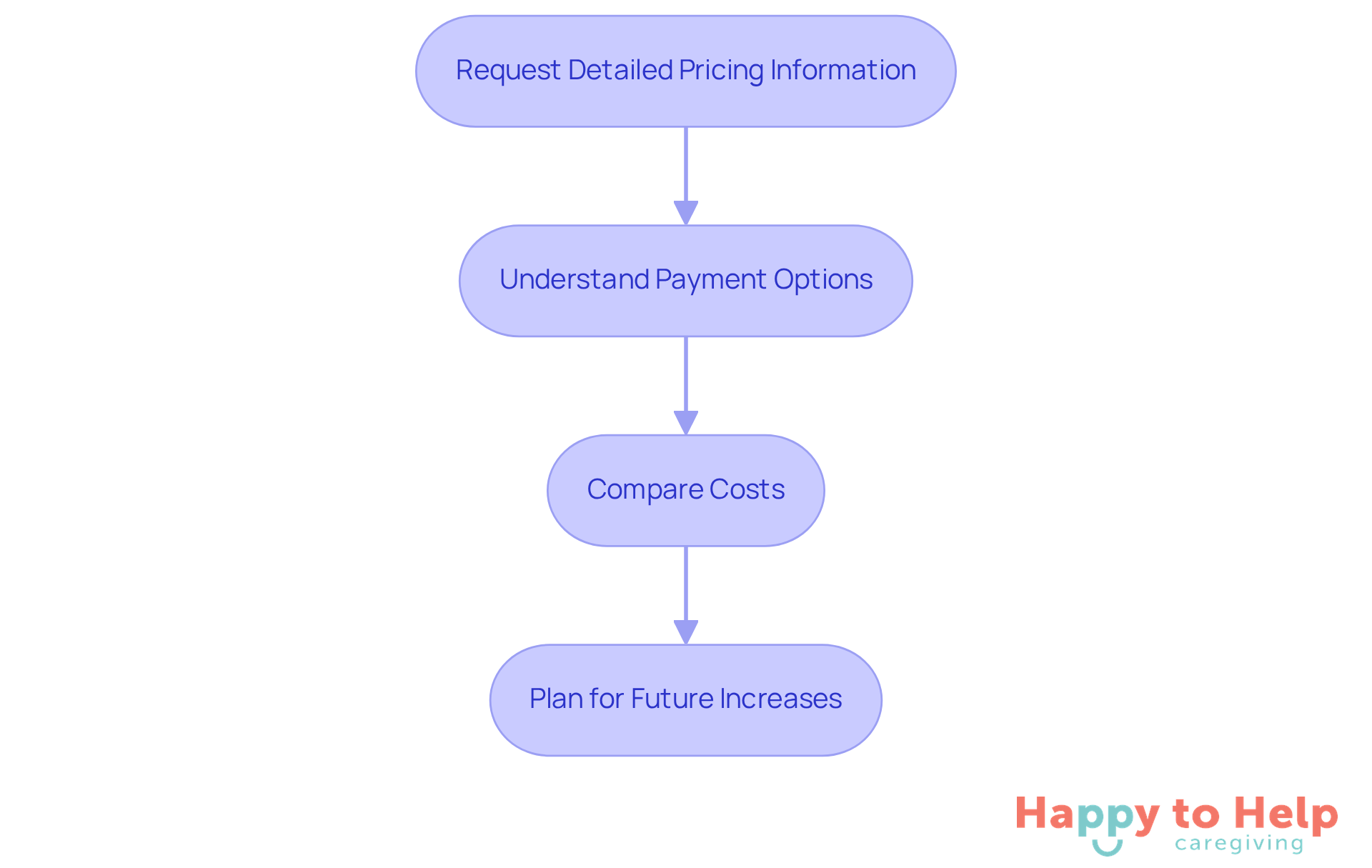
To tackle this issue, start by requesting detailed pricing information. Reach out to each location to obtain a comprehensive breakdown of costs, including monthly fees, additional services, and any potential hidden charges. This step is crucial for making informed decisions.
Next, understand payment options. Inquire about the different payment methods accepted by the establishment. Options may include private pay, long-term care insurance, and government assistance programs like Medicaid, which can cover nursing home costs for eligible individuals. Many families utilize a mix of funding sources, including savings and retirement funds, to manage these expenses effectively.
Then, compare costs. Assess the expenses of various establishments against the services they provide. For instance, while the median cost for a semi-private room in a nursing home is $9,277 per month, assisted living communities may offer a more affordable alternative at $5,900 per month. This comparison will help identify which facility offers the best value for your loved one's specific needs.
Finally, plan for future increases. Anticipate potential future rises in service costs, as the cost of assisted living has been rising at an average rate of about 5% per year. It's essential to consider how these increases will be managed over time to maintain financial stability.
By thoroughly reviewing costs and payment options, families can ensure that their loved ones receive the necessary care while safeguarding their financial well-being.
Your Path Forward
Choosing the right residential care facility for the elderly presents a significant challenge that can deeply affect the quality of life for loved ones. Families often struggle with understanding the various types of facilities available and assessing individual needs, which can lead to confusion and stress. This decision-making process is crucial, as it not only involves evaluating the types of care offered but also ensuring that the chosen facility aligns with the preferences and requirements of the elderly individual.
To navigate this journey effectively, families should follow key steps:
- Identify the appropriate type of facility
- Assess personal needs
- Conduct thorough research
- Visit potential options
- Review costs and payment methods
Each of these stages is essential in ensuring that the selected facility provides a supportive and nurturing environment. Engaging in open discussions with loved ones and considering their emotional and social needs will further enhance the decision-making process.
Ultimately, prioritizing the well-being and happiness of the elderly individual is paramount. By taking the time to thoroughly evaluate options and actively involve them in the decision-making process, families can foster a sense of security and comfort. This thoughtful approach not only ensures that the right care is provided but also enhances the overall quality of life for seniors, making it a worthy endeavor for all involved.
https://iframe.tely.ai/cta/eyJhcnRpY2xlX2lkIjogIjY5MjY0M2I5ZGIzM2UyOThlOGE1MTJkZCIsICJjb21wYW55X2lkIjogIjY4ZWU1ZGNhNzMxNzYyNTU3ZjNjOTVjMSIsICJpbmRleCI6IG51bGwsICJ0eXBlIjogImFydGljbGUifQ==Frequently Asked Questions
What are the different types of residential care facilities for the elderly?
The main types of residential care facilities include Assisted Living Facilities, Nursing Homes, Memory Care Units, and Continuing Care Retirement Communities (CCRCs). Each type offers varying levels of support and services tailored to the needs of seniors.
What services do Assisted Living Facilities provide?
Assisted Living Facilities provide support with daily activities while promoting independence for seniors who need some assistance but do not require full-time medical care.
Who typically resides in Nursing Homes, and what services do they offer?
Nursing Homes offer 24/7 medical assistance for individuals with significant health issues or those recovering from surgery. Residents often have complex medical needs and typically stay for about 22 months.
What is the focus of Memory Care Units?
Memory Care Units are specialized facilities designed for individuals with Alzheimer’s or other forms of dementia, focusing on safety and cognitive support.
What are Continuing Care Retirement Communities (CCRCs)?
CCRCs provide a range of services from independent living to skilled nursing support, allowing residents to age in place and facilitating a smooth transition as their needs evolve.
How can caregivers assess the individual needs and preferences of their loved ones?
Caregivers can assess needs by evaluating health status, identifying daily activities that require assistance, discussing preferences regarding living arrangements and social activities, and considering emotional needs for companionship and engagement.
Why is it important to understand the specific needs of a loved one when choosing a residential care facility?
Understanding specific needs is crucial as it helps in selecting the right residential care facility that aligns with the individual's lifestyle and care requirements, ultimately enhancing their quality of life.
List of Sources
- Identify Types of Residential Care Facilities
- Seven trends in senior living that will define 2025 and beyond (https://mcknightsseniorliving.com/home/columns/guest-columns/seven-trends-in-senior-living-that-will-define-2025-and-beyond)
- Long-term care statistics 2025 (https://singlecare.com/blog/news/long-term-care-statistics)
- FastStats (https://cdc.gov/nchs/fastats/residential-care-communities.htm)
- Facts & Figures (https://ahcancal.org/Assisted-Living/Facts-and-Figures/Pages/default.aspx)
- Residential Care Facility Statistics (https://rosewood-nursing.com/post/residential-care-facility-statistics)
- Assess Individual Needs and Preferences
- Warning From Older Adults: Care for Aging in America Needs Urgent Rethinking (https://johnahartford.org/newsroom/view/warning-from-older-adults-care-for-aging-in-america-needs-urgent-rethinking)
- Most Americans expect to experience a long-term care event, and nearly 3 in 4 want in-home care if it happens to them - according to Northwestern Mutual Planning & Progress Study (https://news.northwesternmutual.com/2025-10-07-Most-Americans-expect-to-experience-a-long-term-care-event,-and-nearly-3-in-4-want-in-home-care-if-it-happens-to-them-according-to-Northwestern-Mutual-Planning-Progress-Study)
- 6.6 percent of those 65+ need help with ADLs, says CDC (https://mcknightsseniorliving.com/news/6-6-of-those-65-need-help-with-adls-says-cdc)
- WHO calls for urgent transformation of care and support systems for older people (https://who.int/news/item/01-10-2024-who-calls-for-urgent-transformation-of-care-and-support-systems-for-older-people)
- Research and Evaluate Potential Facilities
- Facts & Figures (https://ahcancal.org/Assisted-Living/Facts-and-Figures/Pages/default.aspx)
- U.S. News Releases 2025 Best Senior Living Ratings (https://usnews.com/info/blogs/press-room/articles/2025-04-15/u-s-news-releases-2025-best-senior-living-ratings)
- FastStats (https://cdc.gov/nchs/fastats/residential-care-communities.htm)
- 61 Assisted Living Statistics Operators Should Know | Aline (https://alineops.com/blog/assisted-living-statistics)
- Visit Facilities and Ask Key Questions
- 5 Essential Questions to Ask When Visiting a Care Home for the First Time - First Class Nursing & Care Homes in North Devon and Somerset (https://eastleighcarehomes.co.uk/blog/5-essential-questions-to-ask-when-visiting-a-care-home-for-the-first-time)
- Evaluation of the ‘Ladder to the Moon, Culture Change Studio Engagement Programme’ staff training: Two quasi-experimental case studies | Request PDF (https://researchgate.net/publication/313538369\_Evaluation\_of\_the\_'Ladder\_to\_the\_Moon\_Culture\_Change\_Studio\_Engagement\_Programme'\_staff\_training\_Two\_quasi-experimental\_case\_studies)
- 10 Essential Dementia Caregiver Services for Family Support - Happy To Help (https://happytohelpcaregiving.com/10-essential-dementia-caregiver-services-for-family-support)
- Questions to ask when visiting care homes (https://forum.alzheimers.org.uk/threads/questions-to-ask-when-visiting-care-homes.164708)
- 31 Best Questions To Ask When Touring Adult Family Homes - Spada Care Homes (https://spadacarehomes.com/31-best-questions-to-ask-when-touring-adult-family-homes)
- Review Costs and Payment Options
- Most Americans expect to experience a long-term care event, and nearly 3 in 4 want in-home care if it happens to them - according to Northwestern Mutual Planning & Progress Study (https://news.northwesternmutual.com/2025-10-07-Most-Americans-expect-to-experience-a-long-term-care-event,-and-nearly-3-in-4-want-in-home-care-if-it-happens-to-them-according-to-Northwestern-Mutual-Planning-Progress-Study)
- How to Pay for Senior Living (https://health.usnews.com/senior-care/articles/understanding-how-to-pay-for-senior-living)
- Nursing Home Costs in 2025 by State and Type of Care (https://seniorliving.org/nursing-homes/costs)
- Cost of Long Term Care by State | Cost of Care Report | Carescout (https://carescout.com/cost-of-care)
- Assisted Living Costs by State: 2025 Pricing Guide (https://aplaceformom.com/caregiver-resources/articles/cost-of-assisted-living)