

For families in our service areas
For families in our service areas, this guide explains caregiving and how non-medical in-home caregiving can support care planning in East Idaho, Treasure Valley & Magic Valley, Northern Wasatch, North Central West Virginia, and Northeast Ohio.
What to Expect
Finding at-home senior care for your loved one can feel overwhelming. Begin by gently assessing their care needs and preferences. This step is crucial, as it lays the foundation for the support they truly deserve. Next, take the time to explore local care services, focusing on those that resonate with your family's values and your loved one's comfort.
Understanding daily activities is essential. Consult online directories to discover available options, and don’t hesitate to check caregiver credentials. This process may seem daunting, but it's important to ensure that you are choosing a service that aligns with both your loved one's needs and your family's expectations.
As you compare costs, remember that investing in compassionate care is a step toward peace of mind. You are not alone in this journey; many families face similar challenges. By approaching this process with care and thoughtfulness, you can find the right support that fosters a nurturing environment for your loved one.
What You Need to Know About Find At Home Senior Care Near Me
Finding the right at-home senior care for a loved one can be a daunting task, often filled with uncertainty and emotional weight. It’s a journey that many families embark on, facing the stress of ensuring their loved ones receive the best possible support.
With the growing demand for personalized care solutions, families are confronted with a complex landscape of options, each one carrying its own set of considerations.
This guide offers a structured approach to identifying the best care services, helping families secure the support their loved ones truly deserve.
How can one effectively balance the myriad of choices while ensuring the safety and comfort of their senior family member? Together, we can navigate this path with compassion and understanding.
Assess Your Care Needs and Preferences
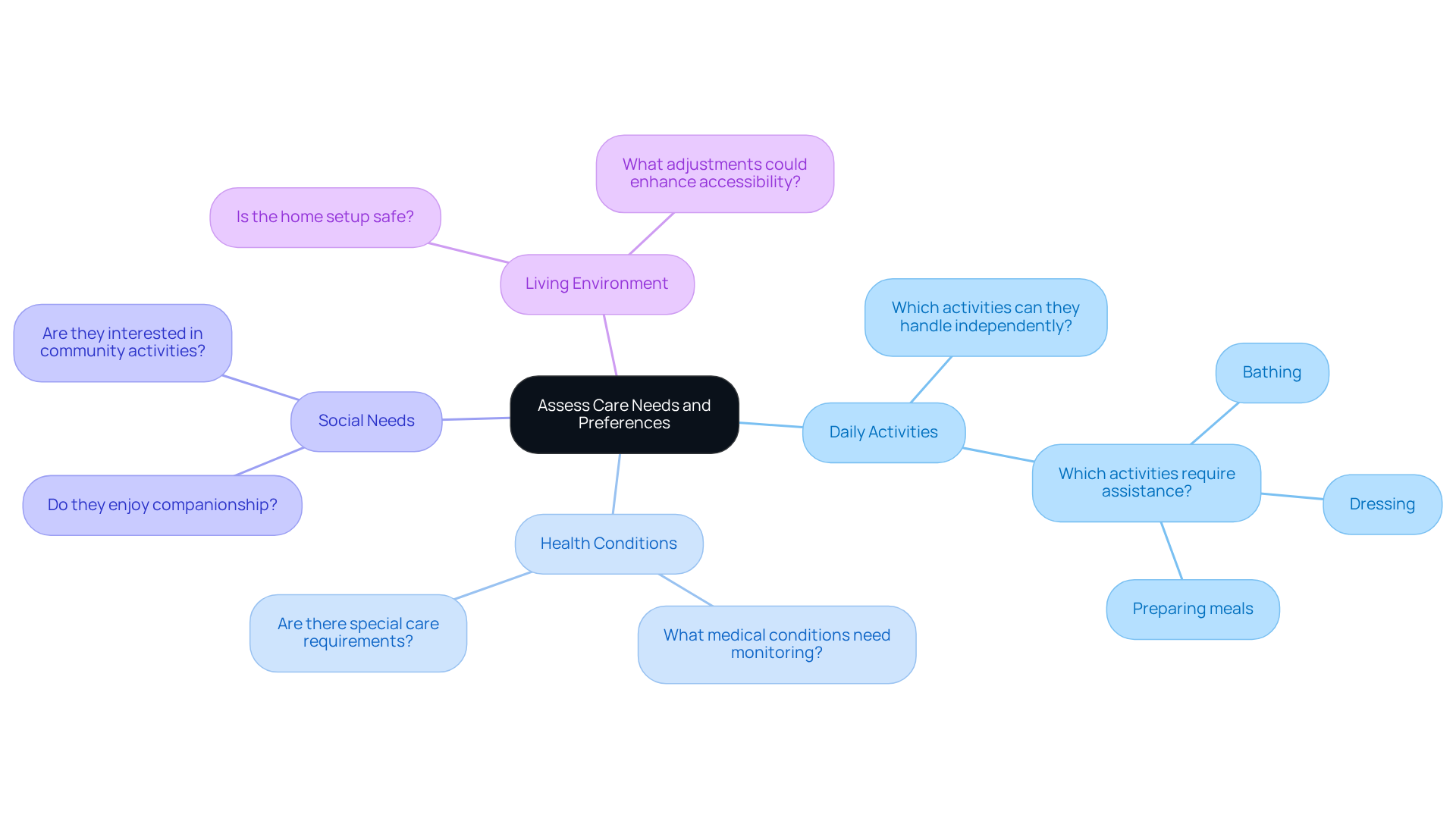
Start by engaging in an open and heartfelt conversation with your loved one about their daily routines, preferences, and any challenges they may encounter. It’s important to understand their world. Consider these aspects:
- Daily Activities: Reflect on which activities they can handle on their own and which ones might need a helping hand, like bathing, dressing, or preparing meals.
- Health Conditions: Pay attention to any medical conditions that might call for special care or monitoring, as these can significantly impact their daily life.
- Social Needs: Talk about their social preferences. Do they enjoy companionship, or are they interested in participating in community activities?
- Living Environment: Take a moment to assess their home setup. Are there adjustments that could enhance their safety and accessibility?
Jot down these insights; they will be invaluable in your journey to find the right support options for your loved one.
Research Local At-Home Care Services
Starting your search for at home senior care near me can feel overwhelming. It's important to know you're not alone in this journey. Consider these resources that can help ease your concerns:
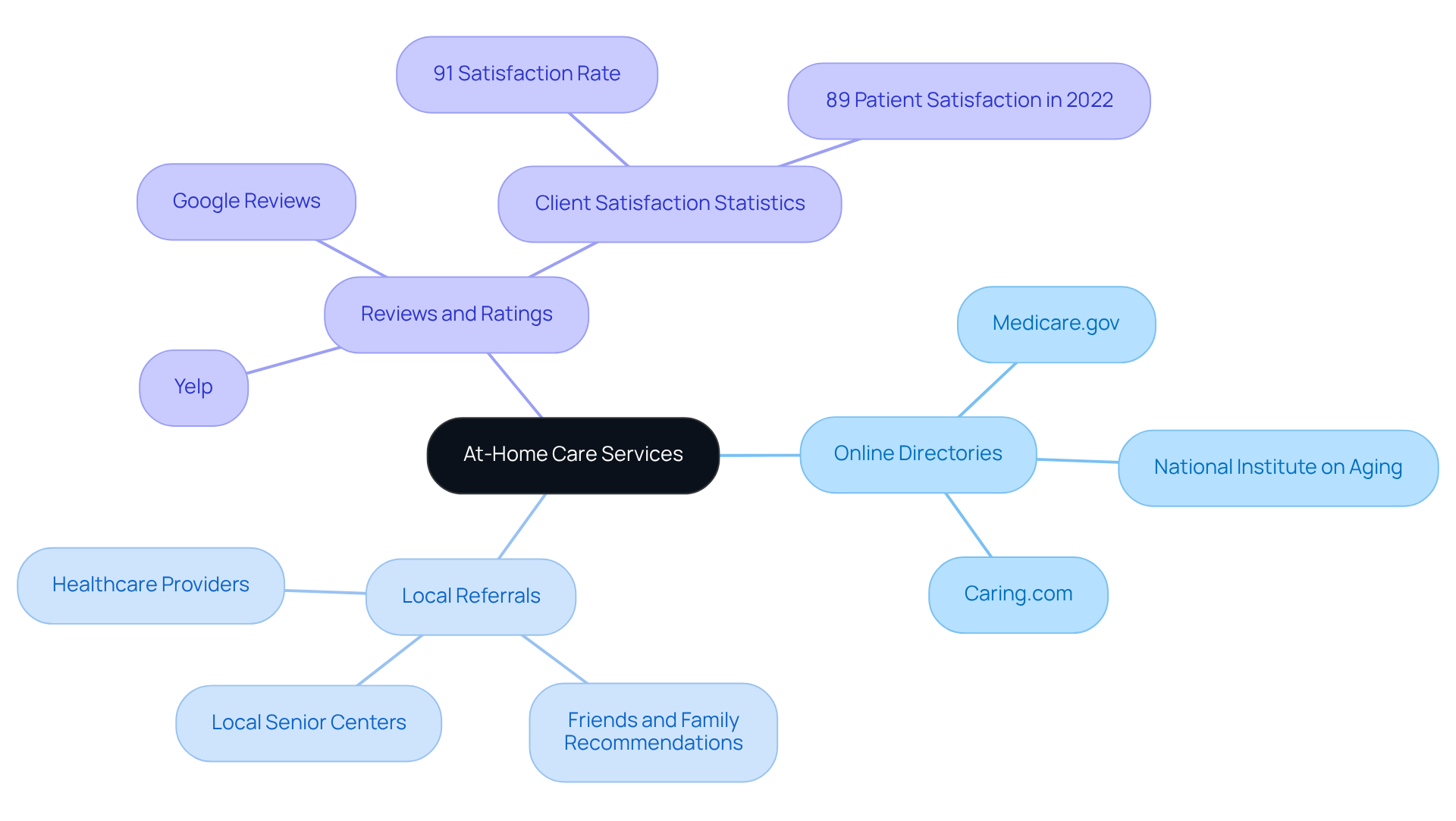
- Online Directories: Platforms like Medicare.gov and the National Institute on Aging offer extensive listings of licensed home care agencies. These directories can guide you in finding reputable at home senior care near me providers. Remember to verify the legitimacy of any organizations you discover to ensure quality support for your loved one.
- Local Referrals: Don’t hesitate to reach out to healthcare providers, friends, or family for recommendations. Personal experiences can lead you to organizations that have provided compassionate care. In fact, 91% of domestic support clients express satisfaction with their helpers, highlighting the importance of making informed choices. Local senior centers and aging services often provide valuable information about trustworthy organizations that offer at home senior care near me. They can connect you with resources that cater to your community’s specific needs. With the home assistance industry valued at $137.2 billion, understanding your options is crucial for peace of mind.
- Reviews and Ratings: Take the time to explore online reviews and ratings on platforms like Yelp or Google. These insights can provide a clearer picture of the service quality offered by various agencies, helping you evaluate their reputation. It’s worth noting that the demand for home healthcare providers is projected to increase significantly, with a need for 924,000 personal support aides and home health aides between 2021 and 2031.
By compiling a list of potential services that align with your criteria, you can make a more informed decision about your loved one's support. Consider reaching out to agencies for interviews or further inquiries, ensuring you find the best fit for your family’s needs. Remember, this process is about finding the right care that brings comfort and peace to both you and your loved one.
Evaluate Caregiver Qualifications and Compatibility
When considering potential caregivers, it’s important to reflect on some key aspects that truly matter:
-
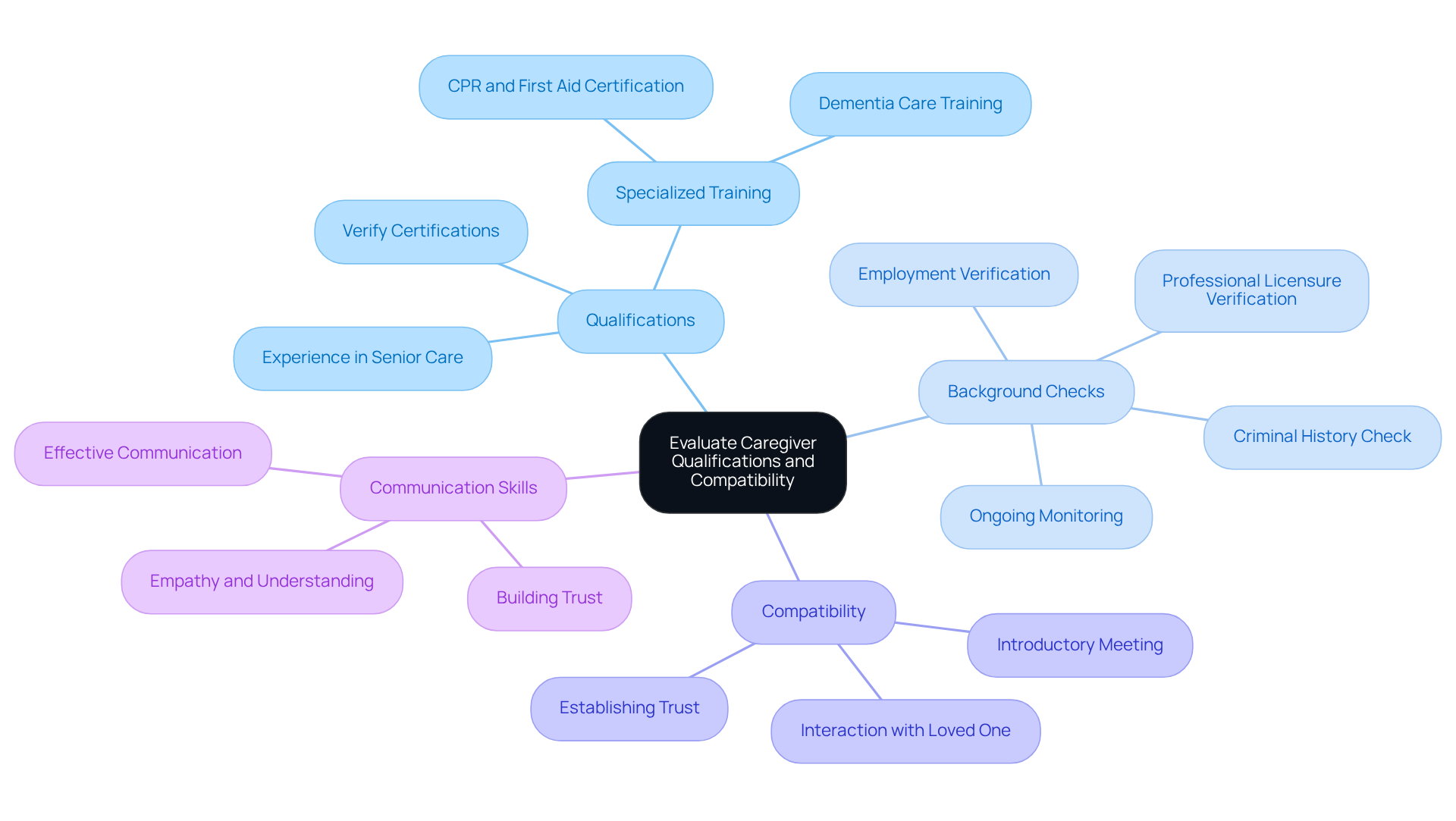
Qualifications: Take the time to verify their certifications, training, and experience in senior care. Look for specialized training that aligns with your loved one’s needs, such as dementia care, which is vital for providing the right support.
-
Background Checks: Ensure that the agency conducts thorough background checks on their staff. These checks should encompass criminal history, professional licensure status, and employment verification. A rigorous vetting process is essential, as it helps prevent individuals with a history of harmful behavior from entering caregiving roles, thus enhancing your loved one’s safety.
-
Compatibility: Arrange an introductory meeting to assess the personality and approach of the caregiver. Observe how they interact with your loved one and whether they establish a connection. Compatibility is crucial for fostering a trusting relationship, which can significantly impact the quality of care.
-
Communication Skills: Evaluate their ability to communicate effectively and with empathy. Strong communication skills are fundamental for building trust and ensuring that your loved one feels comfortable and understood.
Document your observations to aid in the decision-making process, ensuring that you select a caregiver who meets both the professional standards and the personal needs of your loved one.
Compare Costs and Services Offered
To effectively compare costs and services for at home senior care near me, it's important to approach this process with care and understanding. Here are some steps to guide you:
-
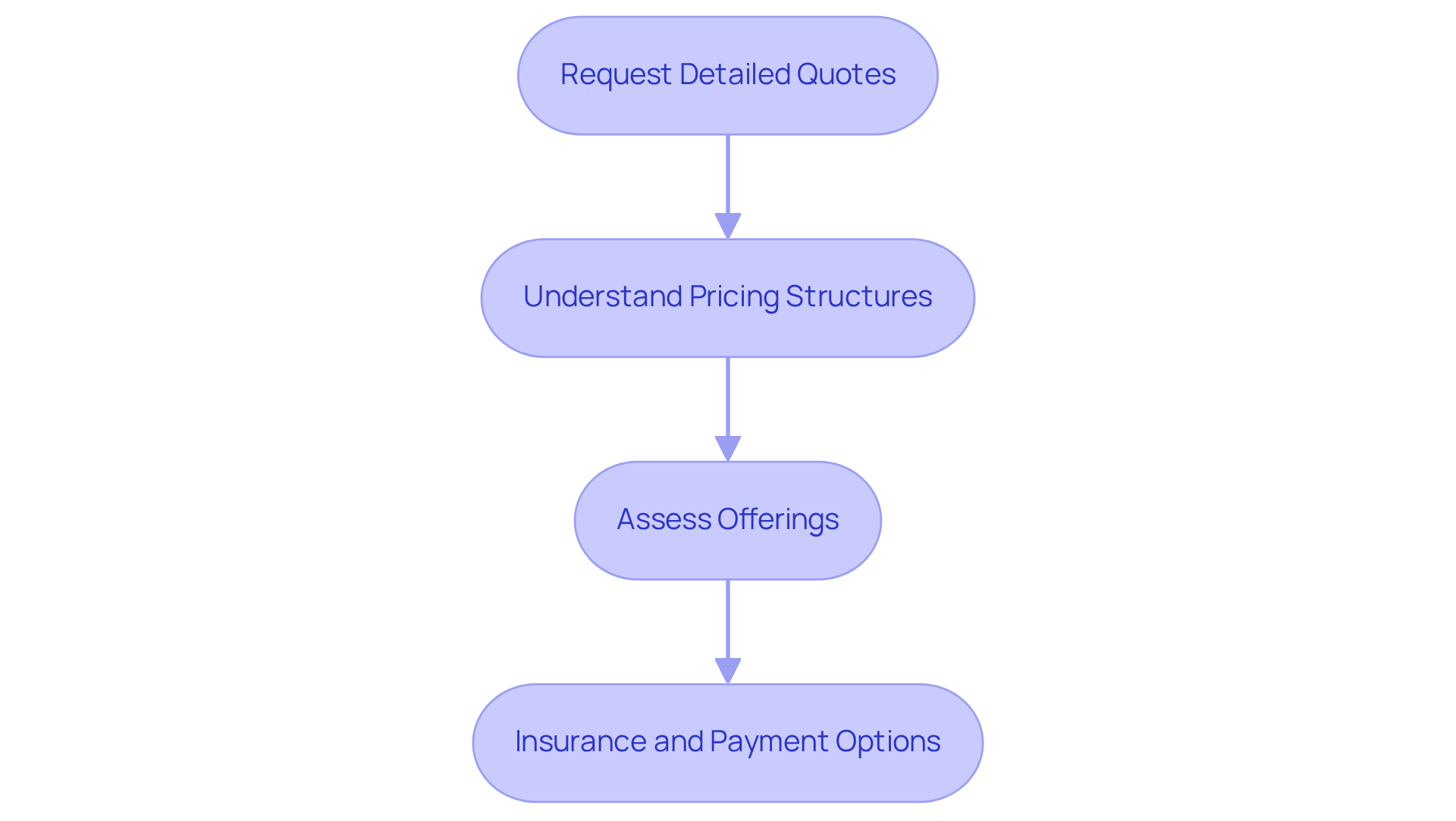
Request Detailed Quotes: Reach out to the agencies on your list and ask for detailed quotes that clearly outline their services and associated costs. This transparency is crucial for understanding what you will receive for your investment.
-
Understand Pricing Structures: Inquire about hourly rates, package deals, and any additional fees that may apply, such as those for specialized assistance. The median expense for home health assistance in the U.S. is roughly $34 per hour, but this can fluctuate greatly depending on the area and the degree of support needed. Hourly rates for home assistance usually vary from $24 to $43, based on the particular tasks required.
-
Assess Offerings: Compare the amenities included in the quoted prices. Essential services may encompass meal preparation, medication management, and companionship. Understanding what is included can assist you in evaluating the overall worth of each organization. As Vicki Demirozu, a home support expert, wisely notes, "If you are currently offering assistance for an elderly relative or intend to do so in the future, sorting through the financial details as early as possible can save time and money later."
-
Insurance and Payment Options: Investigate whether the organization accepts insurance or offers payment plans. Many families discover that exploring financial support alternatives, like Medicaid or state-specific aging programs, can alleviate some of the financial pressures associated with at home senior care near me.
Creating a comparison chart can be a helpful way to illustrate the distinctions among organizations, assisting you in making a well-informed choice that best meets your loved one's needs. Remember, you are not alone in this journey, and taking these steps can lead to the compassionate care your loved one deserves.
Visit and Interview Potential Care Providers
When visiting and interviewing potential care providers, it's vital to approach the evaluation process with care and consideration. Here are some steps to ensure a thorough assessment:
- Schedule Visits: Arrange visits to the agencies or homes of potential caregivers. This allows you to witness the environment and the dynamics of interactions between providers and seniors firsthand, fostering a sense of comfort and trust.
- Prepare Questions: Develop a thoughtful list of questions to guide your interview. Key inquiries might include:
- What is your approach to care?
- How do you handle emergencies?
- Can you provide references from other clients?
- Observe Interactions: During your visit, pay close attention to how the attendant interacts with your loved one. Look for signs of empathy, patience, and understanding, as these qualities are essential for effective caregiving. Research indicates that 75% of those providing support are female, which can influence family dynamics and their approach to assistance.
- Trust Your Instincts: After the visit, take a moment to reflect on your impressions. Discuss your observations with family members to arrive at a collective decision that prioritizes your loved one's comfort and support needs. As Cheryl Jeffers, Chief Operating Officer of Home Instead Senior Care, emphasizes, "Self-care is a priority; a necessity - not a luxury," underscoring the importance of support provider well-being in the evaluation process.
This thoughtful process is crucial for selecting a provider who not only meets the necessary care requirements but also aligns with your loved one's personality and preferences, fostering a nurturing environment. Additionally, insights from events like the 'Caring for Caregivers' panel can offer valuable context on the emotional challenges families face, reinforcing the need for a caregiver who provides both physical support and emotional understanding.

Key Takeaways for Caregivers
Finding the right at-home senior care for a loved one is a journey filled with emotional challenges. It requires careful consideration and thoughtful planning. By following the outlined steps—assessing care needs, researching local services, evaluating caregiver qualifications, comparing costs, and interviewing potential providers—families can ensure they make informed decisions that prioritize the well-being of their loved ones.
Understanding individual care preferences is vital. Utilizing reliable resources for service providers and ensuring caregiver compatibility are also crucial. Each of these components plays a significant role in creating a supportive environment that meets both the physical and emotional needs of seniors. By taking the time to thoroughly evaluate options, families can find a caregiver who not only possesses the necessary qualifications but also resonates with their loved one's personality.
Ultimately, selecting at-home senior care is about more than just finding assistance; it’s about fostering a compassionate and trusting relationship that enhances quality of life. Families are encouraged to approach this search with diligence and care, knowing that the right support can make a significant difference in the lives of their loved ones. Remember, you are not alone on this journey—there are compassionate caregivers ready to help you and your family thrive.
https://iframe.tely.ai/cta/eyJhcnRpY2xlX2lkIjogIjY4ZjZjZDJhMTdmYjYxMDU5OGZlZmVkMiIsICJjb21wYW55X2lkIjogIjY4ZWU1ZGNhNzMxNzYyNTU3ZjNjOTVjMSIsICJpbmRleCI6IG51bGwsICJ0eXBlIjogImFydGljbGUifQ==Frequently Asked Questions
How can I assess my loved one's care needs and preferences?
Start by having an open conversation with your loved one about their daily routines, preferences, and challenges. Consider their ability to handle daily activities, any health conditions requiring special care, social needs, and the safety and accessibility of their living environment.
What resources can I use to research local at-home care services?
You can use online directories like Medicare.gov and the National Institute on Aging for listings of licensed home care agencies. Additionally, seek local referrals from healthcare providers, friends, or family, and consult local senior centers for trustworthy organizations.
How can I verify the legitimacy of home care agencies?
Verify the legitimacy of organizations by checking online directories, reading reviews and ratings on platforms like Yelp or Google, and ensuring they are licensed. Personal recommendations from trusted sources can also help ensure quality support.
What factors should I consider when evaluating at-home care services?
Consider the agency's reputation through reviews and ratings, their experience with specific health conditions, the availability of caregivers, and whether they can meet your loved one's social and emotional needs.
Why is it important to find the right at-home care service?
Finding the right care service is crucial for ensuring the comfort and peace of mind for both you and your loved one. It helps to provide the necessary support tailored to their specific needs and enhances their overall quality of life.