
Quick Guide to Find Caregivers
Finding caregivers for seniors in your area begins with understanding the specific care needs of your loved one. It's essential to take the time to research local caregiver options and conduct thorough interviews with potential candidates. This article presents a structured approach that encourages you to:
- Engage with healthcare providers
- Explore online platforms
- Verify references
By doing so, families can make informed decisions, ensuring the best possible support for their cherished seniors.
Why Find Caregivers Matters
Finding the right caregiver for seniors can feel overwhelming, especially when considering the unique needs of elderly individuals. Families often grapple with the complexities of aging, making it essential to understand how to assess care requirements and find suitable support. This guide provides a systematic approach to identifying caregivers, ensuring that loved ones receive not only the assistance they need but also the compassion and respect they truly deserve.
How can families navigate the emotional weight of this decision while taking the practical steps necessary to secure the best care? We are here to help you through this journey.
Assess Senior Care Needs
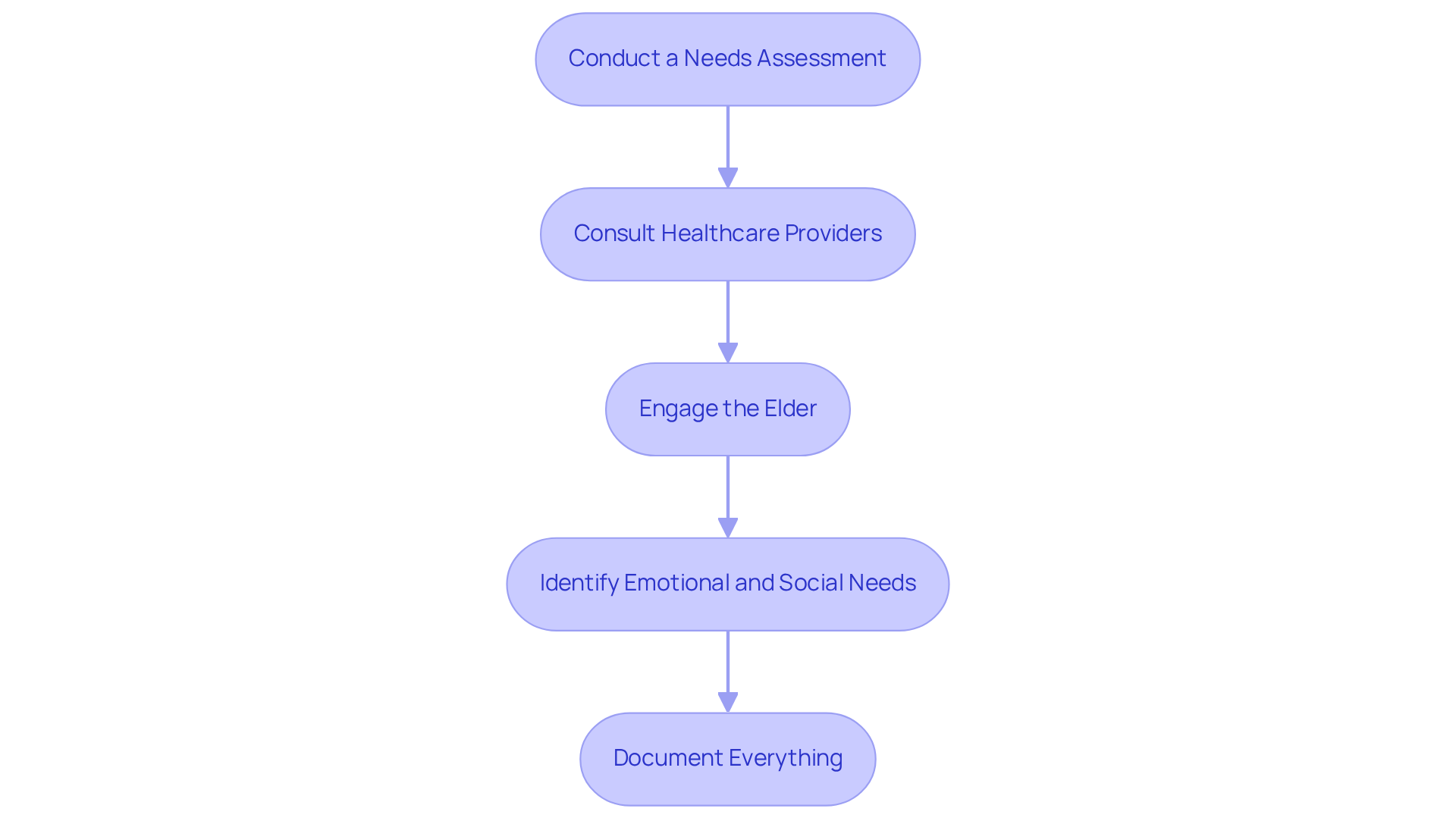
To effectively evaluate an elderly individual's needs, it is essential to start by gathering comprehensive information about their daily activities, health issues, and specific support requirements. This process can feel overwhelming, but approaching it with care can make a significant difference.
-
Conduct a Needs Assessment: Begin by creating a detailed list of daily activities that the elderly individual can manage independently, alongside those they find challenging. Include personal assistance tasks such as bathing, dressing, and meal preparation. It's important to recognize that a considerable percentage of older adults require assistance with daily activities, highlighting the necessity of caregivers for seniors near me.
-
Consult Healthcare Providers: Engaging with physicians or specialists is vital to gather information about any medical needs that may require specialized attention. This ensures that all health-related aspects are taken into account, providing a holistic view of the individual's requirements.
-
Engage the Elder: Whenever possible, involve the elder in discussions about their preferences and concerns. This involvement fosters a sense of agency and comfort, making the transition to in-home support smoother. As Tia Walker beautifully states, "caring for those who once cared for us is one of the highest honors," which underscores the importance of respecting seniors' wishes.
-
Identify Emotional and Social Needs: It's crucial to acknowledge that companionship and social interaction are essential elements of a support plan. Emotional well-being is just as important as physical health, and addressing these needs can significantly enhance the quality of life. Case studies, such as "The Importance of Dignity in Aging," illustrate how treating elderly individuals with respect can improve their overall well-being.
-
Document Everything: Finally, maintain a detailed record of the assessment process. This documentation will be invaluable when discussing specific requirements with prospective supporters, ensuring that caregivers for seniors near me are thoughtfully considered in all facets of assistance.
Research Local Caregiver Options
Begin your search by tapping into various resources that can ease your journey:
-
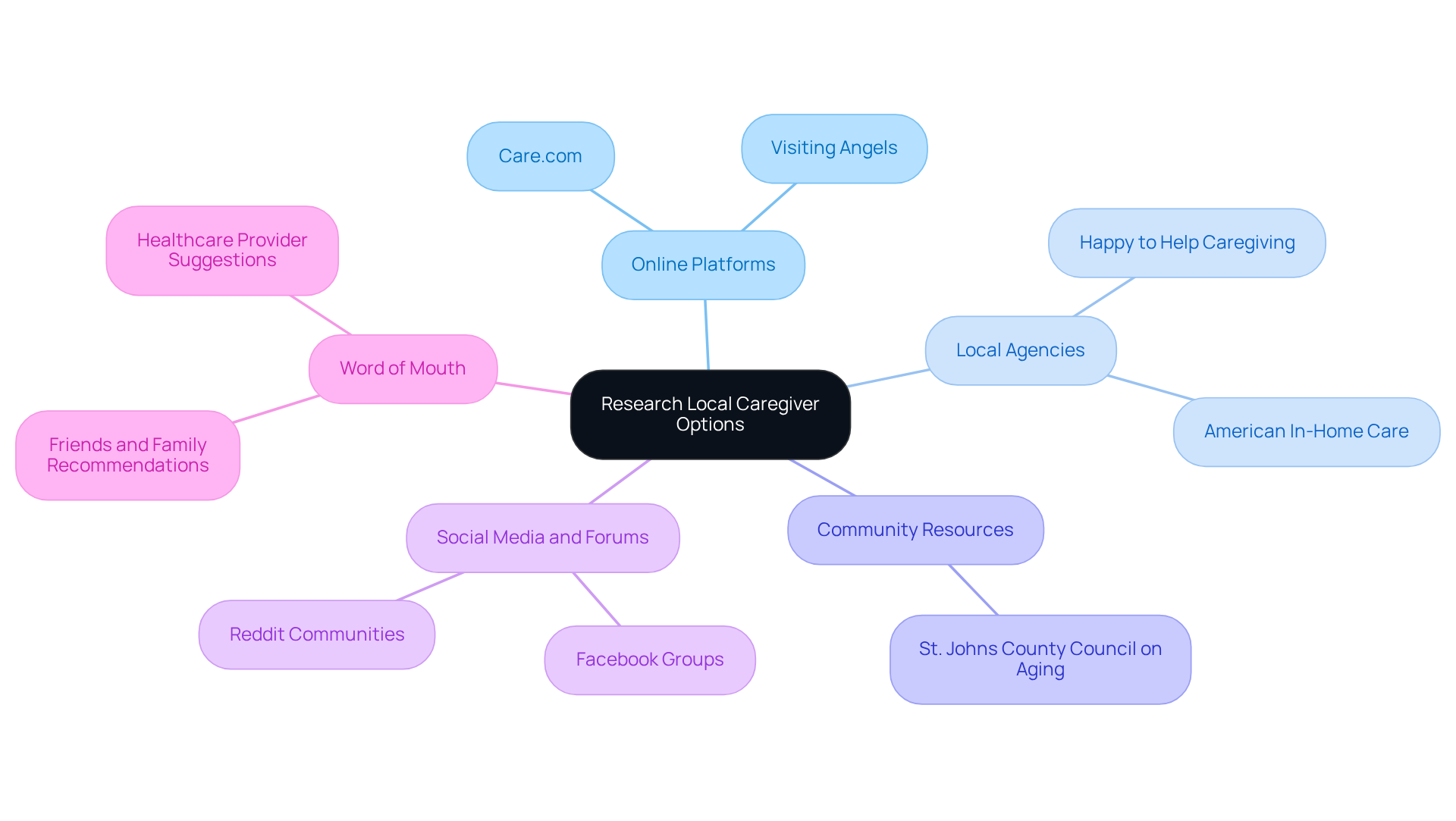
Online Platforms: Websites like Care.com and Visiting Angels allow you to filter providers by location, experience, and rates. For example, caregivers in Jacksonville, FL, start at an average hourly rate of $27, with the typical monthly cost of home assistance reaching $5,223 for 44 hours of support each week. Understanding this financial context can empower families to make informed decisions.
-
You should reach out to local home care agencies specializing in caregivers for seniors near me. Agencies such as Happy to Help Caregiving and American In-Home Care provide caregivers for seniors near me, offering pre-screened professionals who are ready for immediate employment to ensure a dependable and compassionate match for your loved one. As highlighted by the Florida Agency for Health Care Administration (AHCA), it’s crucial to ensure that caregivers undergo thorough background checks, guaranteeing safety and reliability.
-
Community Resources: Consult local aging services or community centers, like the St. Johns County Council on Aging, which may provide lists of recommended providers or agencies. These resources can offer valuable insights into trusted local options for caregivers for seniors near me that resonate with your needs.
-
Social Media and Forums: Engage with local community groups on platforms like Facebook or Reddit to seek suggestions from other families who have hired helpers. Connecting with these communities can uncover personal experiences and recommendations that feel relatable and trustworthy.
-
Word of Mouth: Don’t hesitate to ask friends, relatives, or healthcare providers for recommendations of reliable support individuals they may know. Personal experiences can guide you to trustworthy options, ensuring your loved one receives the compassionate care they deserve.
By exploring these avenues, families can find the right individual to meet their loved ones' needs, ensuring they receive the nurturing support necessary to thrive at home.
Interview and Evaluate Caregivers
When interviewing potential caregivers for seniors near me, it's important to approach the process with care and understanding. Here are some steps to guide you:
-
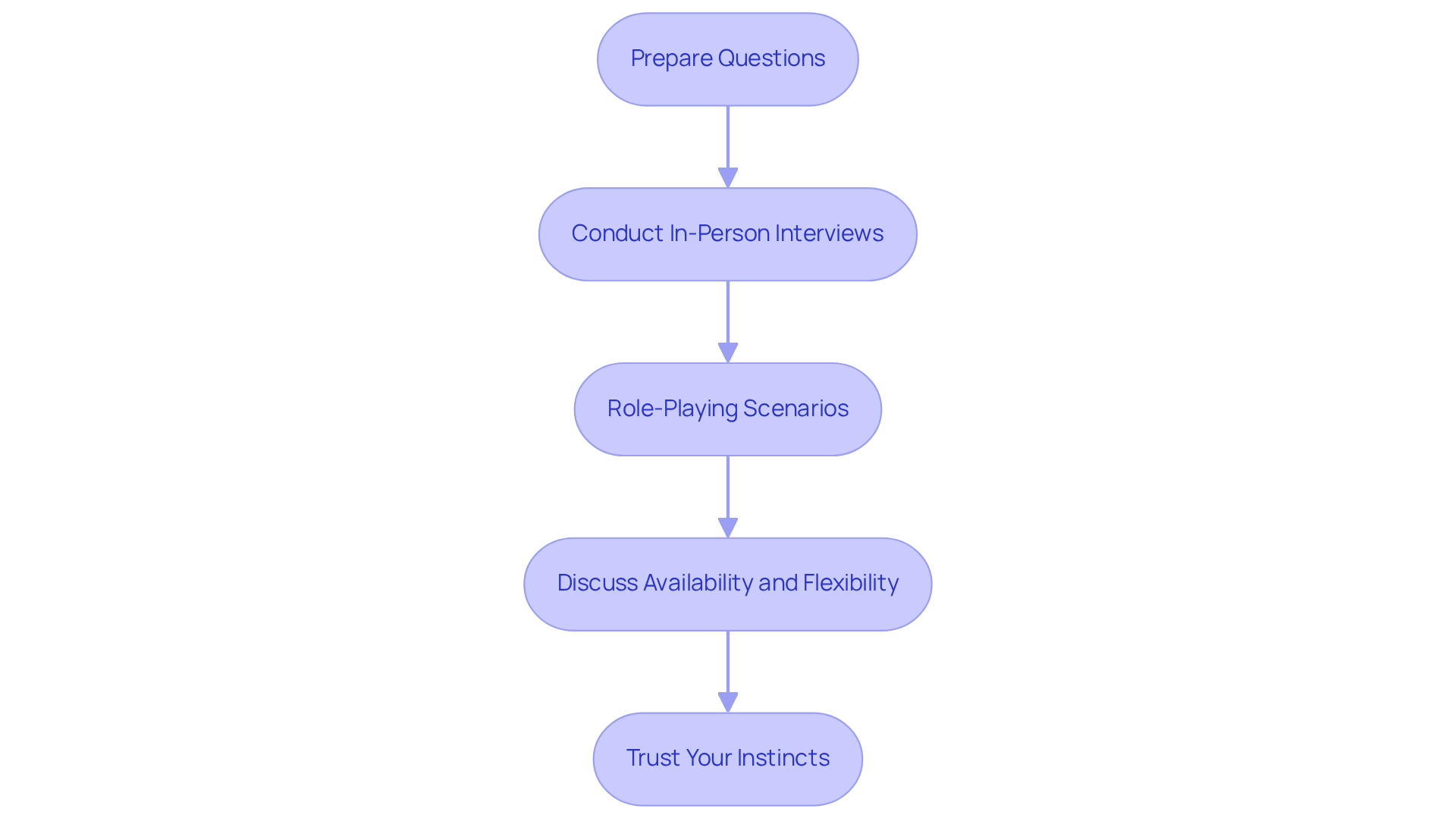
Prepare Questions: Take the time to develop a thoughtful list of questions that address experience, caregiving philosophy, and specific scenarios. For instance, inquire about their experience with caregivers for seniors near me who have similar needs. This helps ensure that caregivers for seniors near me can meet your loved one's unique requirements.
-
Conduct In-Person Interviews: If possible, arrange to meet candidates in person. Observing their demeanor and communication style can provide valuable insight into how they might interact with your loved one, fostering a sense of comfort and connection.
-
Role-Playing Scenarios: Present hypothetical situations during the interview to see how the provider would respond. This not only assesses their problem-solving skills but also gives you a glimpse into their approach to care, ensuring they align with your expectations.
-
Discuss Availability and Flexibility: It’s essential to discuss the provider's schedule and ensure it aligns with your needs, including any potential for last-minute changes. This can alleviate stress and create a more harmonious caregiving arrangement.
-
Trust Your Instincts: Finally, pay close attention to how the provider interacts with the senior during the interview. Building comfort and rapport is crucial for effective caregiving, so trust your instincts as you select caregivers for seniors near me in this important decision.
Verify References and Credentials
To effectively verify a caregiver's qualifications, it’s important to approach the process with care and understanding. Here are some essential steps to consider:
-
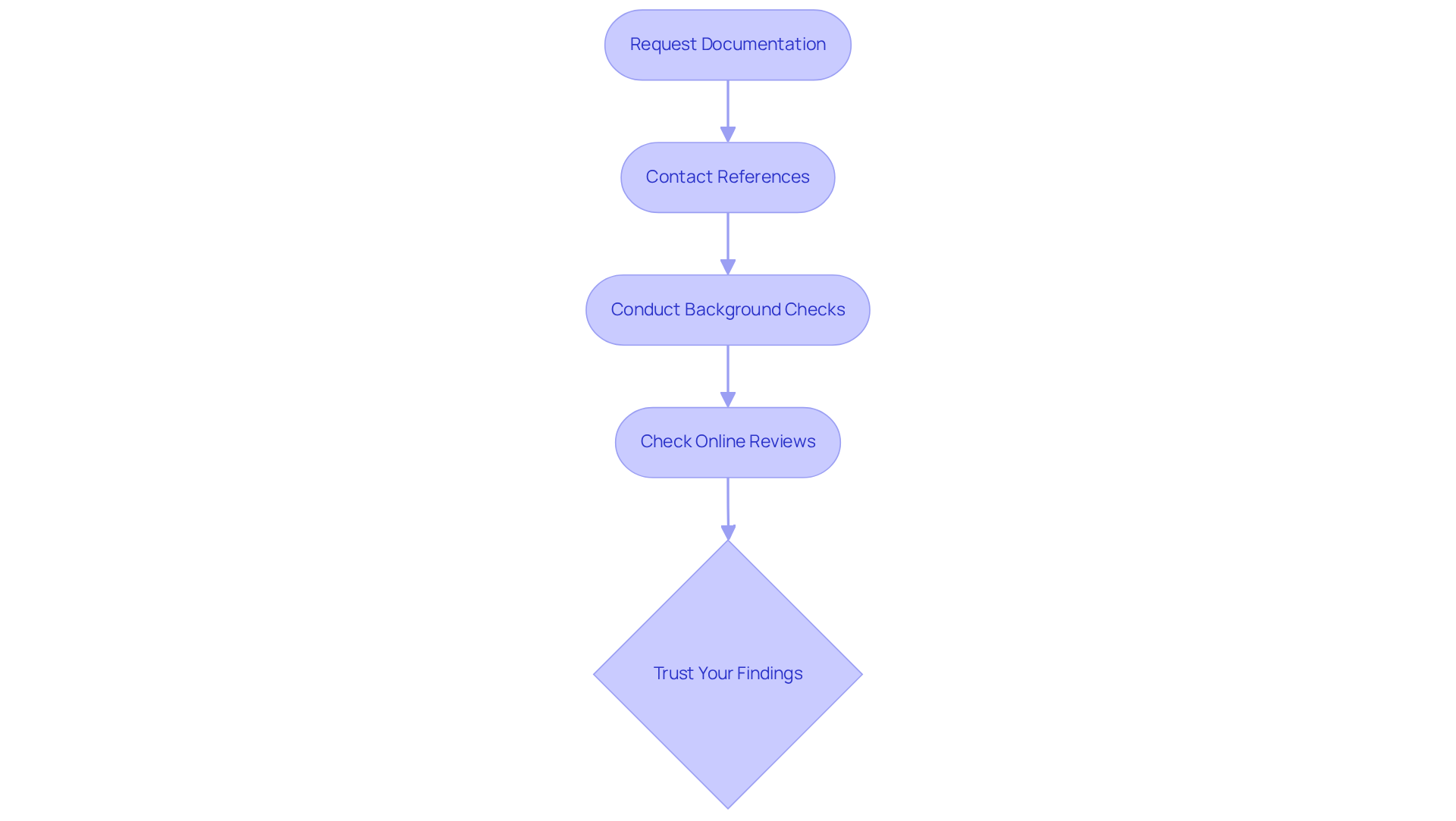
Request Documentation: Begin by obtaining copies of certifications, licenses, and any relevant training completed by the individual providing care. This step is crucial in ensuring they meet the necessary qualifications for the role.
-
Contact References: Reach out to former employers or clients to evaluate the individual's performance, reliability, and interpersonal skills. Prepare specific questions that encourage detailed answers, focusing on their experiences and how well they fit the position.
-
Conduct Background Checks: Utilize reputable services to perform thorough background checks. This ensures there are no criminal records or issues that could jeopardize the safety of those in their care. Many individuals in the caregiving industry undergo these checks, highlighting their importance in creating a secure environment.
-
Check Online Reviews: Investigate reviews on platforms like Yelp or Google to gather feedback from families who have previously employed the provider. Positive reviews can provide insights into the provider's dependability and standard of assistance.
-
Trust Your Findings: If any red flags arise during this verification process, it’s essential to take them seriously. Experts emphasize that vague references or inconsistencies in an applicant's background can indicate potential issues. Address these concerns before proceeding with hiring.
By following these steps with compassion and diligence, you can ensure that the caregiver you choose is not only qualified but also a good fit for your loved ones.
Create a Personalized Care Plan
To create an effective personalized care plan, it’s important for caregivers for seniors near me to approach the process with empathy and understanding. Here are some steps to guide you:
-
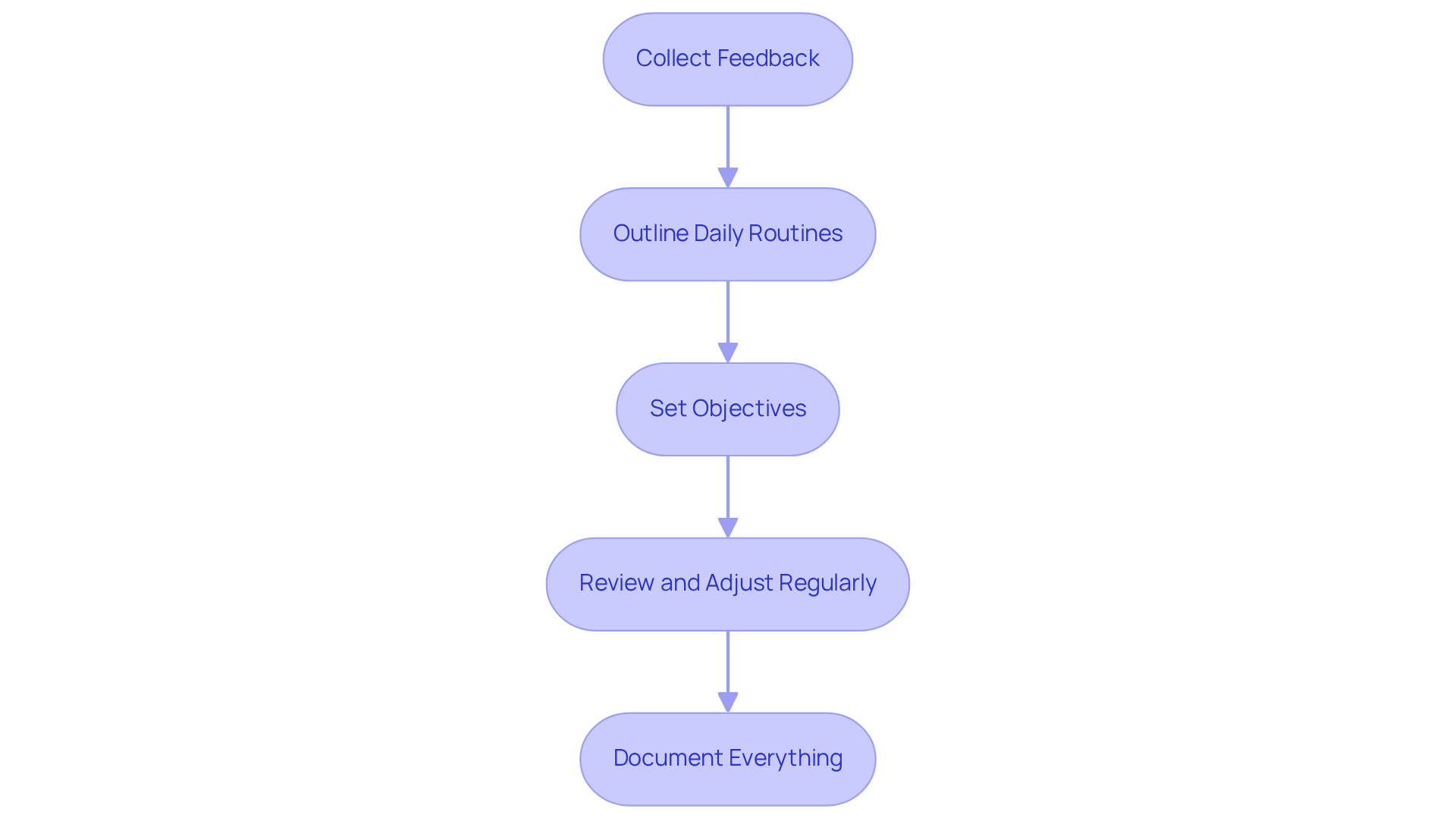
Collect Feedback from All Involved: Engage the elder, relatives, and the caregiver in heartfelt conversations about preferences and objectives. When families come together to plan support involving caregivers for seniors near me, studies show that satisfaction with services significantly increases. In fact, more than 70% of households actively participate in formulating plans for their elderly loved ones. As noted by Promedcare Inc., "Personalized care plans also involve families in the care process."
-
Outline Daily Routines: Document the elder's daily schedule, including meals, medications, and activities to ensure consistency. This structured approach not only helps maintain the elder’s routine but also fosters a sense of security and familiarity, which is vital for their emotional well-being.
-
Set Objectives: Establish both short-term and long-term aims for the elder's support, focusing on enhancing their quality of life and independence. Successful personalized support plans often feature specific, measurable goals tailored to the individual’s unique needs, such as improving mobility or encouraging social engagement, which can be effectively implemented by caregivers for seniors near me.
-
Review and Adjust Regularly: Schedule regular check-ins to reflect on the effectiveness of the support plan and make necessary adjustments based on the senior's evolving needs. Ongoing assessment ensures that the support remains relevant and effective, adapting to any new health challenges or personal preferences.
-
Document Everything: Keep a written account of the treatment plan and share it with all parties involved to ensure everyone is on the same page. Thorough documentation not only enhances communication among caregivers and relatives but also empowers families to actively participate in their loved one's support journey.
For instance, the case study "Creating Effective Personalized Care Plans" illustrates how a collaborative approach in developing care plans can lead to better outcomes for seniors.
Key Takeaways for Caregivers
Finding the right caregivers for seniors is a crucial process that requires a deep understanding of individual needs and preferences. This journey, though challenging, can be navigated with confidence and compassion. By assessing care requirements, exploring local options, and engaging in thorough interviews, families can secure the support necessary for their loved ones to thrive.
Key strategies are essential, such as:
- Conducting a comprehensive needs assessment
- Verifying caregiver credentials
- Crafting personalized care plans
Each step plays a vital role in ensuring that the chosen caregiver not only meets the physical needs of the senior but also positively contributes to their emotional and social well-being. Involving the elder in discussions and decisions fosters trust and comfort in this important caregiving relationship.
Ultimately, finding caregivers for seniors transcends mere assistance; it enhances quality of life and ensures dignity in aging. Families are encouraged to approach this process with empathy and diligence, taking these steps seriously. By doing so, they create a nurturing environment that respects the wishes and needs of their loved ones, making a profound difference in their lives.
https://iframe.tely.ai/cta/eyJhcnRpY2xlX2lkIjogIjY4ZjZjZDI5MTdmYjYxMDU5OGZlZmVkMCIsICJjb21wYW55X2lkIjogIjY4ZWU1ZGNhNzMxNzYyNTU3ZjNjOTVjMSIsICJpbmRleCI6IG51bGwsICJ0eXBlIjogImFydGljbGUifQ==Frequently Asked Questions
How can I assess the care needs of an elderly individual?
To assess an elderly individual's care needs, start by gathering comprehensive information about their daily activities, health issues, and specific support requirements. Conduct a needs assessment by listing activities they can manage independently and those they find challenging, including personal assistance tasks.
Why is it important to consult healthcare providers during the assessment?
Consulting healthcare providers is vital to gather information about any medical needs that may require specialized attention, ensuring a holistic view of the individual's health-related requirements.
How can I involve the elderly individual in the assessment process?
Involve the elder in discussions about their preferences and concerns to foster a sense of agency and comfort, making the transition to in-home support smoother.
What emotional and social needs should be considered in the support plan?
Companionship and social interaction are essential elements of a support plan. Addressing emotional well-being is just as important as physical health, as it can significantly enhance the elderly individual's quality of life.
Why is it important to document the assessment process?
Maintaining a detailed record of the assessment process is invaluable when discussing specific requirements with prospective caregivers, ensuring that all facets of assistance are thoughtfully considered.
What resources can I use to research local caregiver options?
You can use online platforms like Care.com and Visiting Angels, reach out to local home care agencies, consult community resources, engage with local social media groups, and ask for recommendations from friends, relatives, or healthcare providers.
What should I consider regarding the financial aspects of hiring a caregiver?
Understanding the average hourly rates and typical monthly costs for home assistance can empower families to make informed decisions. For instance, caregivers in Jacksonville, FL, start at around $27 per hour, with monthly costs reaching approximately $5,223 for 44 hours of support each week.
How can I ensure the safety and reliability of caregivers?
It’s crucial to ensure that caregivers undergo thorough background checks, which can be facilitated by working with reputable agencies that provide pre-screened professionals ready for immediate employment.