
Understanding Find Home Caregiver Agencies Near Me
Finding the right caregiver for a loved one can feel overwhelming, like navigating a labyrinth filled with emotional weight and critical decisions. It’s a journey that many families face, and it’s completely understandable to feel stressed and uncertain. This guide aims to provide a structured approach to help you identify local caregiver agencies that align with your specific needs and preferences, ensuring the best possible support for your loved one.
With countless options available, it can be challenging to discern which agencies truly provide quality care. You might wonder, how can you ensure that the agency you choose fits your unique circumstances? Rest assured, you’re not alone in this process. Many families share similar concerns, and together, we can explore the compassionate care options available to you.
Assess Care Needs and Preferences
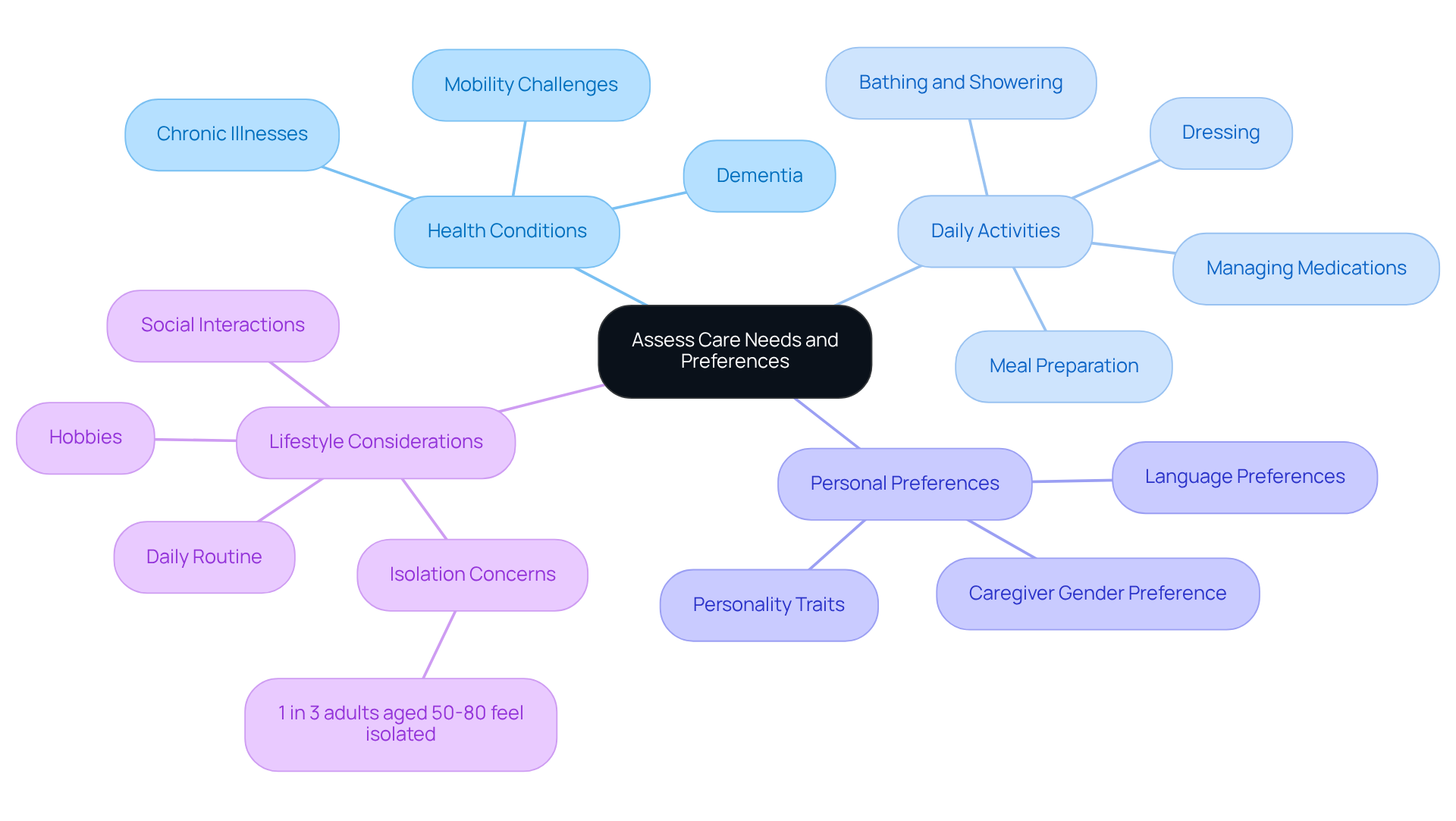
Engaging in an open and heartfelt conversation with the person needing assistance, along with their family members, is a vital first step. This dialogue helps uncover specific needs and concerns. Here are some key areas to consider:
-
Health Conditions: It's important to recognize any medical issues that may require special attention, such as dementia, mobility challenges, or chronic illnesses. Understanding these conditions can guide the support provided.
-
Daily Activities: Take note of the daily tasks where assistance is needed, like bathing, dressing, meal preparation, or managing medications. It's noteworthy that 83% of seniors requiring help specifically need support with bathing and showering, underscoring the necessity for personalized care.
-
Personal Preferences: Discussing preferences regarding the gender of the caregiver, language, and personality traits can significantly impact the comfort level of the individual receiving help. These conversations can reveal what circumstances would make them more open to accepting assistance.
-
Lifestyle Considerations: Consider the individual's daily routine, hobbies, and social interactions. This ensures that the caregiver can effectively support their lifestyle. It's crucial to recognize changes in social engagement, as one in three adults aged 50-80 report feeling isolated at times.
Additionally, think about involving a third party, such as an aging life care expert, to facilitate discussions about care needs. Documenting these requirements and preferences can serve as a valuable reference when exploring support services.
Research Local Caregiver Agencies
Starting your search for caregiver services can feel overwhelming, but you’re not alone. It’s important to tap into various resources to find the best fit for your unique needs:
-
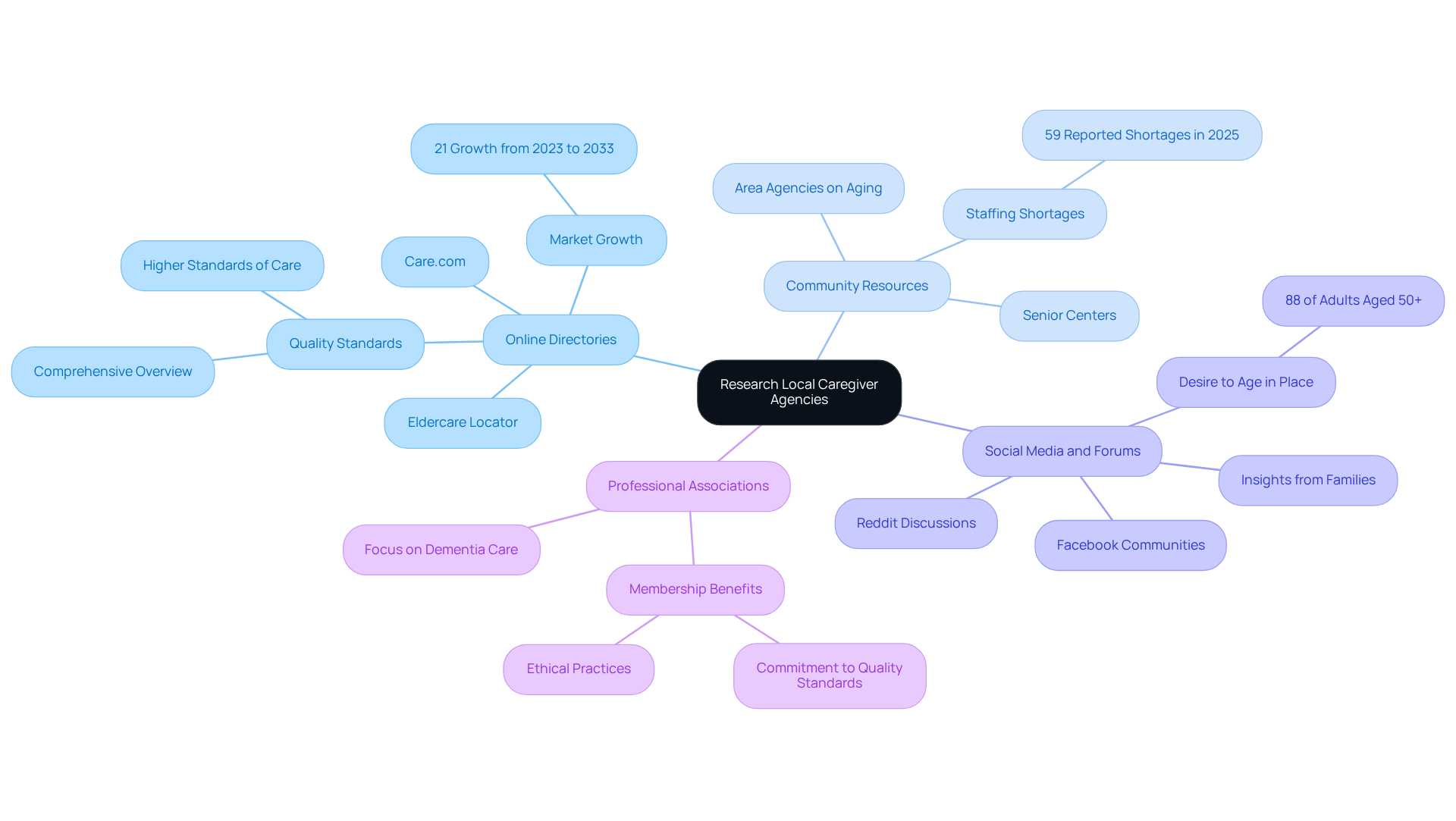
Online Directories: Consider using platforms like Care.com and Eldercare Locator to find local caregiver agencies. These sites allow you to narrow down your options based on specific services and client feedback, giving you a comprehensive overview of available firms. Research indicates that organizations listed in reputable directories often maintain higher standards of care, which can significantly enhance your chances of finding quality support. With the home health aide sector projected to grow by 21% from 2023 to 2033, it’s clear that the demand for caregiver services is on the rise.
-
Community Resources: Don’t hesitate to reach out to local Area Agencies on Aging or senior centers for trusted recommendations. These home caregiver agencies near me possess a wealth of knowledge about the caregiving landscape and can guide you toward reliable services that meet your needs. Given that 59% of home care providers reported staffing shortages in 2025, having trustworthy recommendations is crucial.
-
Social Media and Forums: Engage with communities on platforms like Facebook or Reddit, where families share their experiences with caregivers. These discussions can offer valuable insights and personal suggestions, helping you evaluate the trustworthiness of potential organizations. AARP highlights that 88% of adults aged 50+ wish to remain at home for as long as possible, underscoring the importance of finding the right support.
-
Professional Associations: Investigate whether the organizations you’re considering are members of professional associations. Membership often reflects a commitment to quality standards and ethical practices in caregiving, which can provide peace of mind during your decision-making process. The growing need for effective support for those caring for individuals with dementia emphasizes the importance of person-centered care.
As you compile a list of potential organizations, be sure to include their contact details and the services they offer. This organized approach will empower you to make a well-informed decision, ensuring you choose a support agency that truly meets your specific requirements.
Evaluate Caregiver Qualifications and Experience
When evaluating caregiver qualifications, it’s important to consider a few key aspects that can truly make a difference in the care your loved one receives.
-
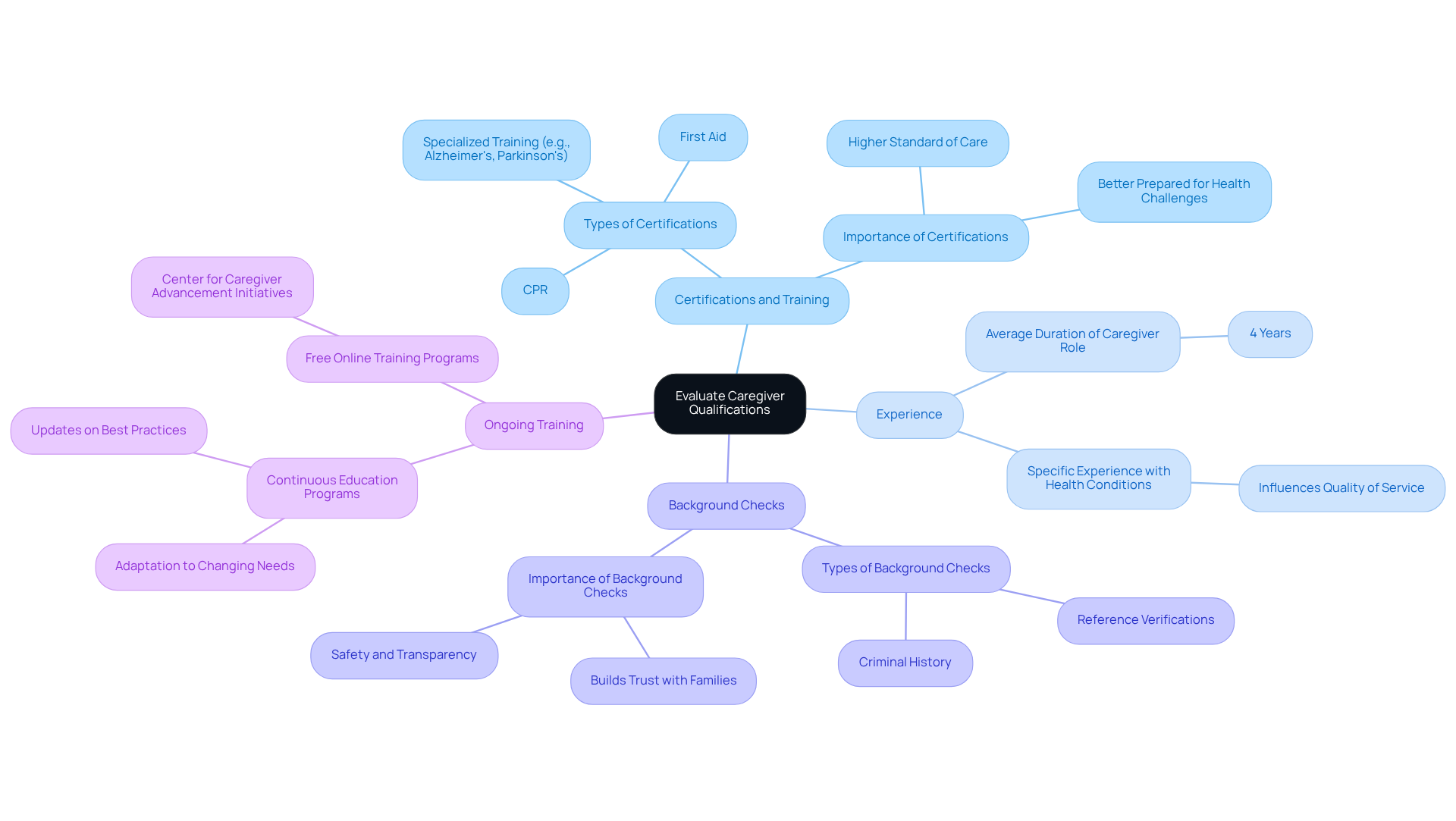
Certifications and Training: Start by asking about the training programs caregivers have completed. Inquire about certifications like CPR, first aid, or specialized training for conditions such as Alzheimer’s or Parkinson’s disease. Caregivers with relevant certifications are often better equipped to handle specific health challenges, ensuring a higher standard of care for your loved one.
-
Experience: It’s also essential to understand the provider's experience with similar clients. While the average duration of a support person's role is four years, knowing their specific experience with the health conditions relevant to your loved one can significantly influence the quality of service provided. This is especially true for individuals with complex health needs.
-
Background Checks: Make sure the organization conducts thorough background checks on their staff, including criminal history and reference verifications. Agencies, such as home caregiver agencies near me, that prioritize safety and transparency help build trust with families. Notably, 75% of providers from home caregiver agencies near me live within 20 minutes of those they assist, underscoring the importance of local, dependable support.
-
Ongoing Training: Ask if the agency offers continuous training for support providers to keep them updated on best practices in caregiving. Ongoing education is vital, as it equips providers with the latest knowledge and skills necessary to adapt to changing support needs. The Center for Caregiver Advancement has even launched free online training programs aimed at enhancing support provider skills and accessibility.
Don’t hesitate to request documentation of qualifications and any relevant certifications to verify the information provided. This diligence ensures that families can confidently choose providers who are not only qualified but also dedicated to delivering compassionate and effective care.
Assess Compatibility and Communication
To assess compatibility, it’s important to approach the process with care and understanding. Here are some steps to consider:
-
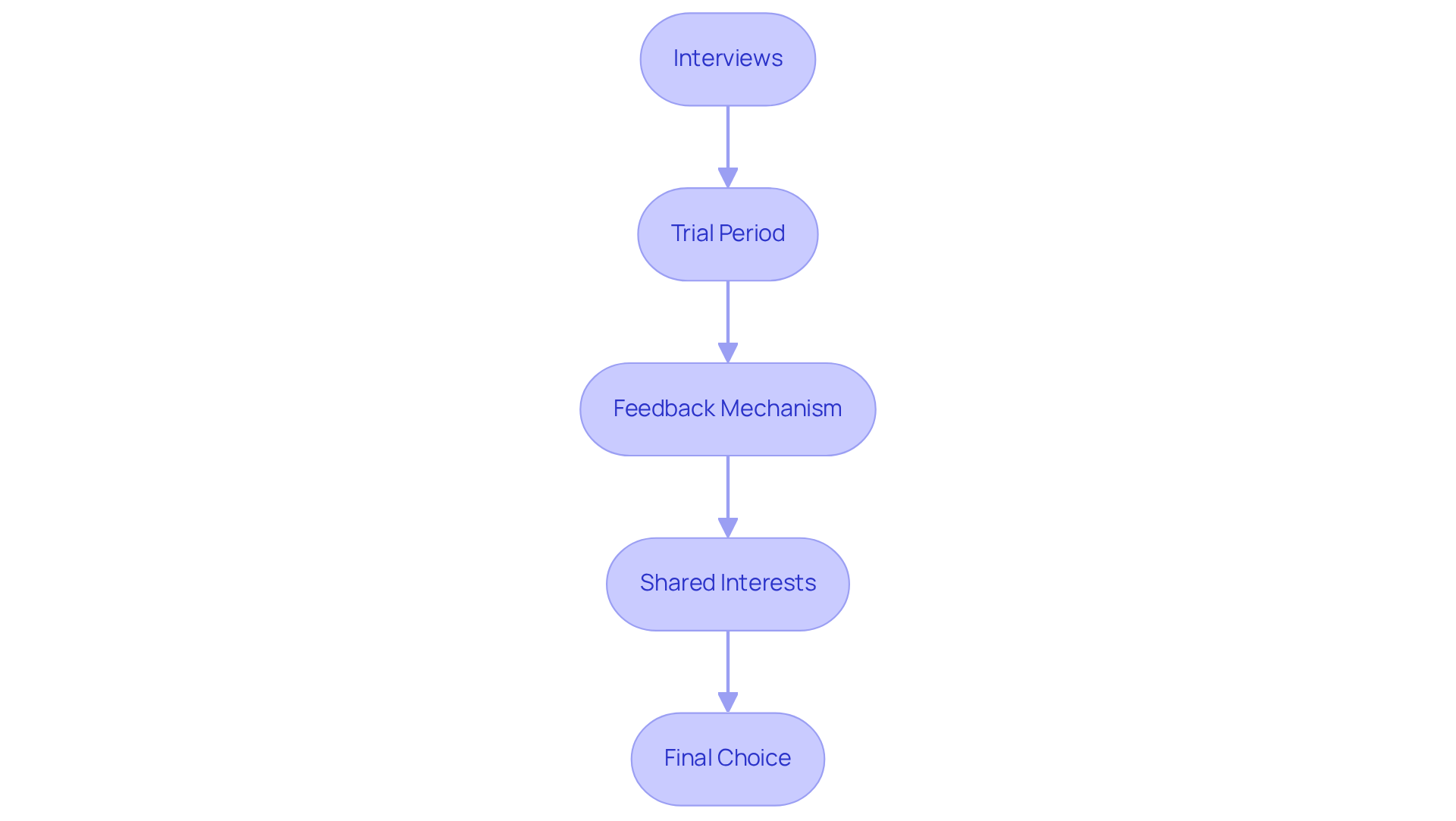
Interviews: Arrange for potential caregivers to meet with the client. Observe their interactions to see if they communicate effectively and comfortably. This initial connection can set the tone for a nurturing relationship.
-
Trial Period: Some home caregiver agencies near me offer a trial period during which the assistant can work with the client for a short time. This allows both parties to evaluate their fit before making a long-term commitment, easing any worries about the future.
-
Feedback Mechanism: Establish a way for the client and family to share their thoughts on the provider’s performance and compatibility. Open communication is essential for addressing any concerns early on. As noted by Active Day, "We welcome feedback and can make adjustments quickly," which underscores the importance of dialogue in these relationships.
-
Shared Interests: Discuss hobbies and interests with the caregiver to discover commonalities that can enhance their bond. Finding shared passions can foster a deeper connection and make the caregiving experience more enjoyable for everyone involved.
Documenting observations and feedback will help in making a thoughtful final choice regarding personnel selection. Remember, this process is about finding the right fit for both the caregiver and the client, ensuring a supportive and compassionate environment.
Understand Costs and Payment Options
When evaluating the costs of home caregiving, it’s important to approach this with care and understanding regarding home caregiver agencies near me. Families often face emotional challenges during this time, and knowing what to expect can help ease some of that stress.
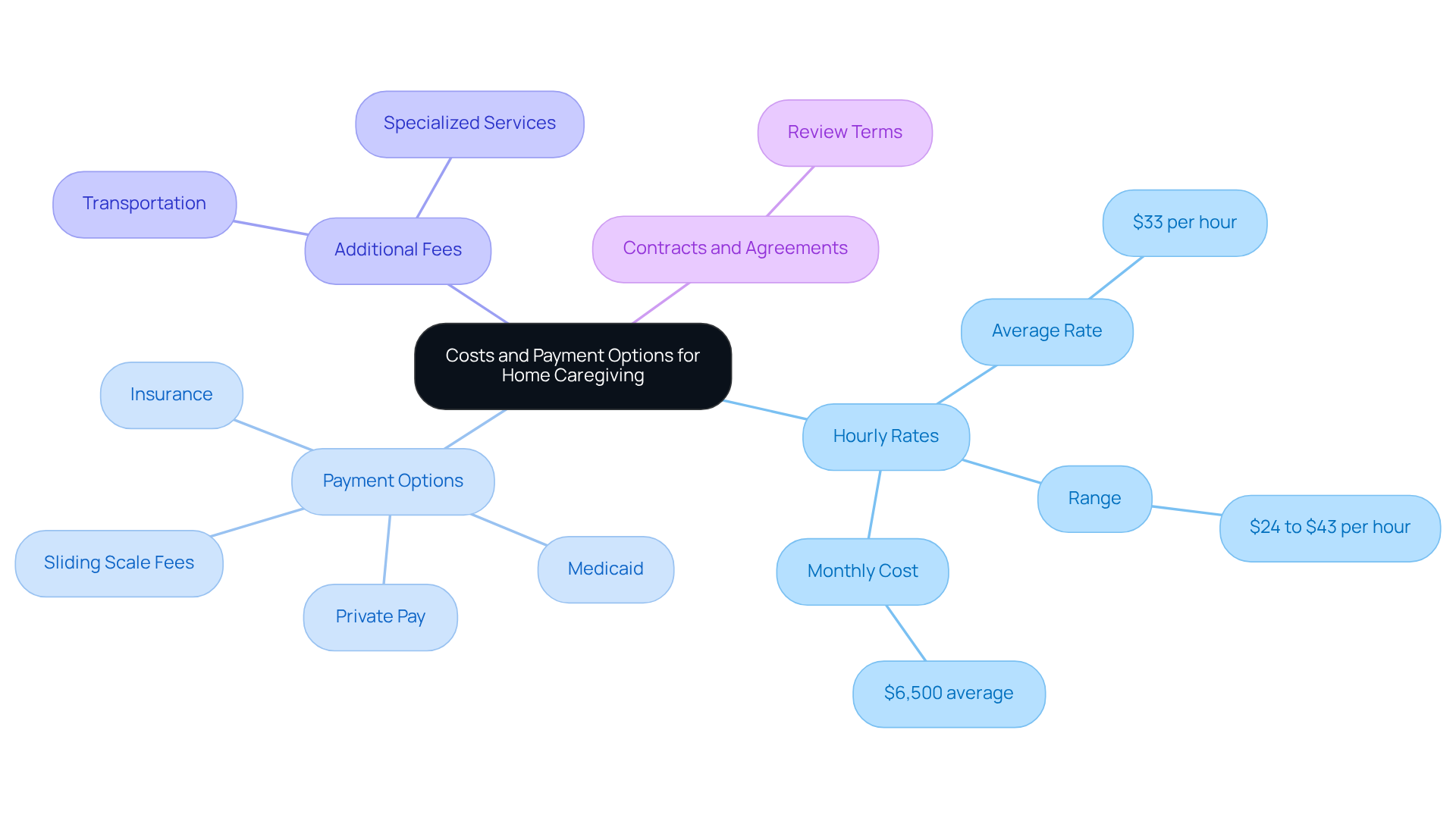
Hourly Rates: Start by asking about the agency's hourly rates. These can vary quite a bit based on the caregiver's qualifications and the complexity of care needed. On average, the national median expense for in-home assistance is around $33 per hour, with rates typically ranging from $24 to $43 depending on where you live. It’s also worth noting that the average monthly cost of in-home care hovers around $6,500, reflecting the diverse needs of clients.
Payment Options: Take the time to explore the different payment methods that the agency accepts. Many organizations are flexible, accepting insurance, Medicaid, and private pay options. Some even offer sliding scale fees based on income, which can make assistance more accessible for families. As financial adviser Eric Tyson wisely points out, "It's imperative that you shop around and make sure that you're getting the best possible deal."
Additional Fees: It’s crucial to clarify any potential extra charges that might come up. Services like transportation, specialized assistance, or administrative costs can sometimes incur additional fees. For instance, some agencies may charge extra for transportation to medical appointments or for specialized services. Understanding these fees upfront can help prevent unexpected expenses later on.
Contracts and Agreements: Before signing any contracts, take a moment to carefully review them. Make sure all costs are clearly outlined and that you fully understand the terms of service. This diligence can help avoid misunderstandings and ensure that families are aware of their financial commitments.
Having a clear understanding of these financial aspects is vital for families as they navigate the complexities of in-home assistance. It empowers them to make informed decisions and plan effectively for ongoing expenses. Starting your research early, even before a loved one is discharged from the hospital, can lead to a smoother transition to home care with the help of home caregiver agencies near me.
Making the Right Choice
Finding the right home caregiver agency can feel overwhelming. It’s a journey filled with emotional challenges, and it’s essential to approach it with care and thoughtfulness. By truly understanding the specific needs of your loved one, you can explore local resources that will help you make informed decisions. This thoughtful approach lays the groundwork for a supportive caregiving experience.
As you navigate this process, remember the key steps:
- Research local caregiver agencies
- Evaluate their qualifications and experience
- Assess compatibility and communication
- Understand costs and payment options
Each of these elements is crucial in finding not just any caregiver, but the right one-someone who can provide personalized, compassionate care tailored to your loved one’s unique situation.
Taking the time to thoroughly evaluate caregiver options is vital for fostering a positive and effective caregiving relationship. Engage in open dialogues with potential caregivers, utilize available resources, and remain proactive in your search. By doing so, you can secure the best possible care for your loved ones, enhancing their quality of life and ensuring peace of mind for everyone involved.
Remember, you’re not alone in this journey. Many families have walked this path and found the support they needed. As one caregiver shared, "It’s about building trust and understanding the heart of the family." Embrace this process with hope and confidence, knowing that the right caregiver can make all the difference.
https://iframe.tely.ai/cta/eyJhcnRpY2xlX2lkIjogIjY5MWZhYzYzZDE4ZTkwODFlMzViYjUzMyIsICJjb21wYW55X2lkIjogIjY4ZWU1ZGNhNzMxNzYyNTU3ZjNjOTVjMSIsICJpbmRleCI6IG51bGwsICJ0eXBlIjogImFydGljbGUifQ==Frequently Asked Questions
What is the first step in assessing care needs for someone requiring assistance?
The first step is to engage in an open and heartfelt conversation with the person needing assistance and their family members to uncover specific needs and concerns.
What health conditions should be considered when assessing care needs?
It's important to recognize any medical issues that may require special attention, such as dementia, mobility challenges, or chronic illnesses, as understanding these conditions can guide the support provided.
What daily activities might seniors need assistance with?
Seniors may need assistance with daily tasks such as bathing, dressing, meal preparation, or managing medications. Notably, 83% of seniors requiring help specifically need support with bathing and showering.
Why are personal preferences important in caregiving?
Discussing preferences regarding the gender of the caregiver, language, and personality traits can significantly impact the comfort level of the individual receiving help, making them more open to accepting assistance.
How can lifestyle considerations affect caregiver support?
Considering the individual's daily routine, hobbies, and social interactions ensures that the caregiver can effectively support their lifestyle. Recognizing changes in social engagement is crucial, as one in three adults aged 50-80 report feeling isolated at times.
What role can a third party play in discussing care needs?
Involving a third party, such as an aging life care expert, can facilitate discussions about care needs and help document requirements and preferences for future reference.
What resources can be used to research local caregiver agencies?
Resources include online directories like Care.com and Eldercare Locator, local Area Agencies on Aging or senior centers, social media platforms like Facebook or Reddit, and professional associations.
How can online directories help in finding caregiver services?
Online directories allow you to narrow down options based on specific services and client feedback, providing a comprehensive overview of available firms and often indicating higher standards of care.
What should you do if you need recommendations for caregiver services?
Reach out to local Area Agencies on Aging or senior centers for trusted recommendations, as they possess valuable knowledge about the caregiving landscape.
Why is it important to check if caregiver organizations are members of professional associations?
Membership often reflects a commitment to quality standards and ethical practices in caregiving, providing peace of mind during the decision-making process.