

For families in our service areas
For families in our service areas, this guide explains caregiver support and how non-medical in-home caregiving can support care planning in East Idaho, Treasure Valley & Magic Valley, Northern Wasatch, North Central West Virginia, and Northeast Ohio.
Understanding Find Independent Caregivers Near You
Finding the right caregiver can feel like navigating a labyrinth. Families face the daunting task of ensuring their loved ones receive personalized and effective support. The choice between independent caregivers and agency staff presents enticing potential for significant cost savings and tailored care options. However, this flexibility comes with challenges, such as the need for thorough vetting and ongoing management.
How can families confidently select the best caregiver to meet their unique needs while balancing budget and quality? This is a pressing issue that requires careful consideration. Families must weigh the benefits of personalized care against the risks of inadequate vetting and oversight.
To address these challenges, families can take several actionable steps:
- Establish clear criteria for what they need in a caregiver, including qualifications, experience, and compatibility with their loved one.
- Conduct thorough interviews and background checks to help ensure that the chosen caregiver meets these standards.
- Consider utilizing resources such as caregiver agencies that provide support and oversight, ensuring a higher level of accountability.
By following these steps, families can navigate the caregiver selection process with greater confidence, ultimately leading to better outcomes for their loved ones.
Assess Care Needs and Preferences
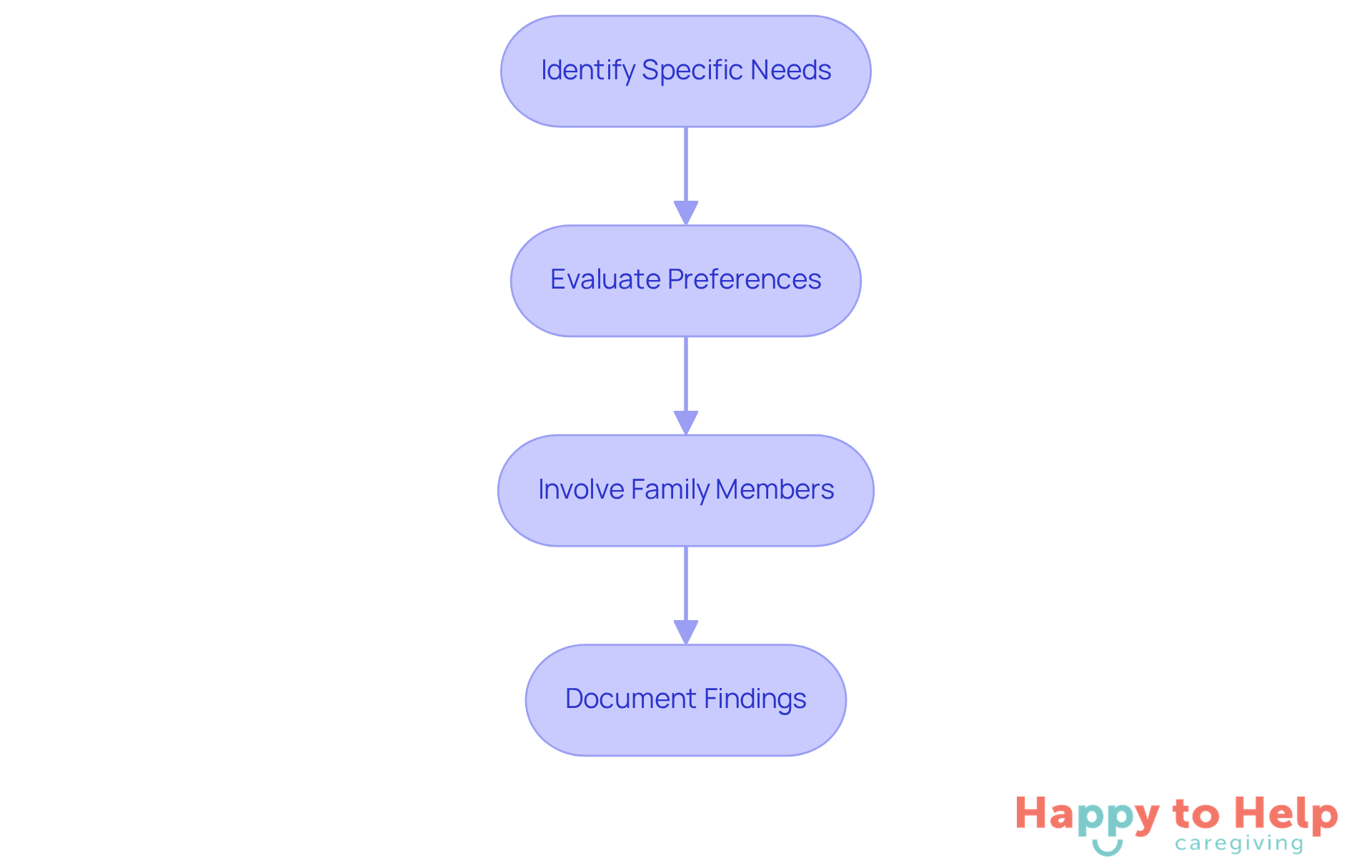
Identify Specific Needs: Caregivers often face the challenge of understanding the specific needs of those they assist. Daily activities requiring help - like bathing, dressing, meal preparation, medication management, and mobility support - must be clearly identified. Additionally, consider any medical conditions that may necessitate specialized care.
Evaluate Preferences: It's crucial to discuss preferences with the individual regarding caregivers. Factors such as gender, age, and personality traits can significantly impact comfort and trust, which are vital for effective caregiving.
Involve Family Members: Engaging family members in the assessment process can provide diverse insights. This collaborative approach ensures that all aspects of the individual's requirements are considered, leading to a more thorough understanding of support needs.
Document Findings: Finally, create a detailed document outlining the assessed needs and preferences. This reference will be invaluable during the selection process for providers and will assist in crafting a customized care plan.
Explore Care Options: Independent vs. Agency Caregivers
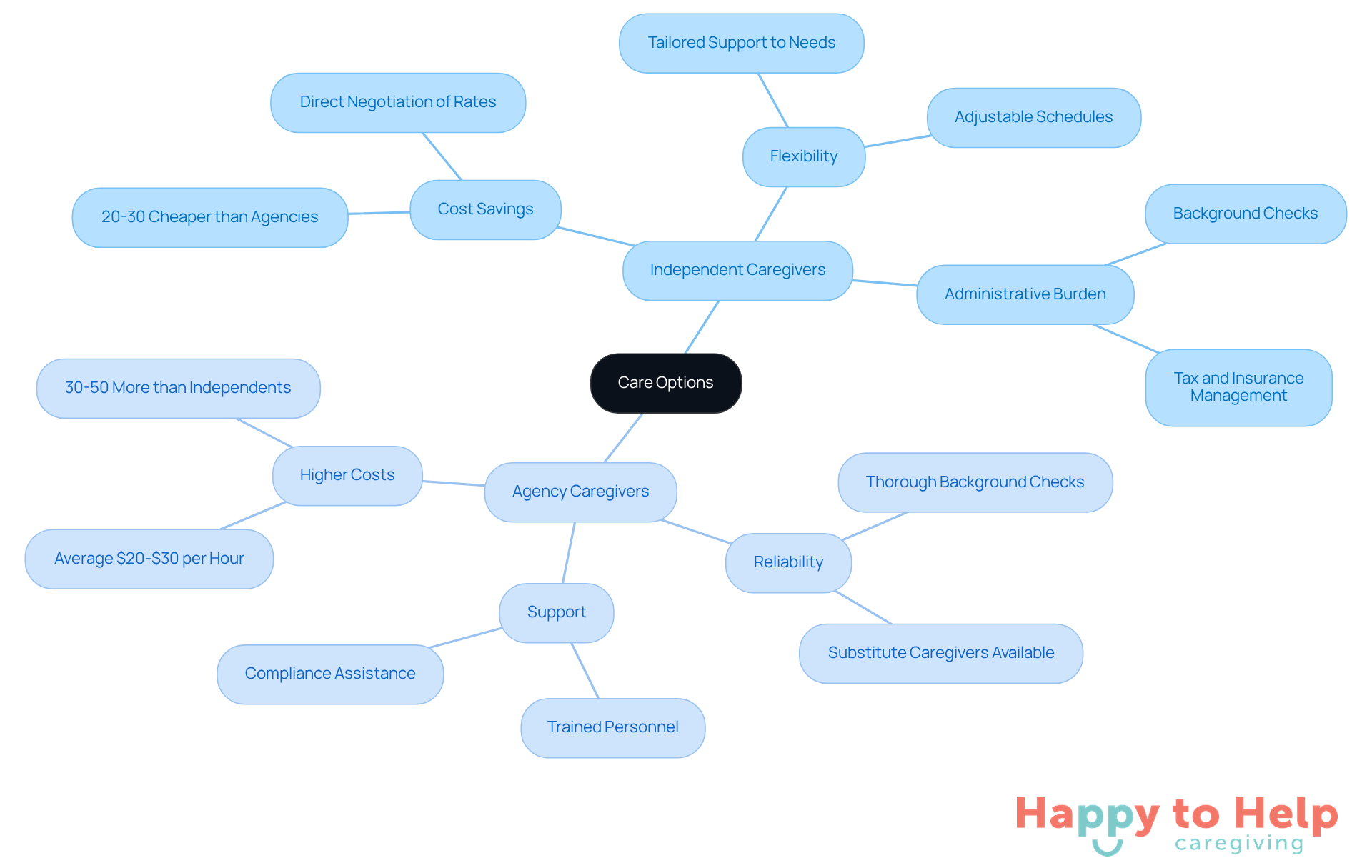
Families often hire independent caregivers near me directly, which can lead to significant cost savings, averaging 20-30% less than agency support staff, typically around $15 to $20 per hour. This option allows families to find independent caregivers near me, providing the flexibility needed to tailor support to their specific needs. However, families must handle background checks, taxes, and insurance, creating a considerable administrative burden.
Agency Caregivers: On the other hand, hiring through an agency generally offers more reliability and support. Agencies conduct thorough background checks, provide essential training, and can supply substitute caregivers when needed. This structured support is crucial for families with complex care requirements. While agency rates are higher, averaging between $20 and $30 per hour, they often provide peace of mind through insured providers and compliance assistance. Notably, the industry turnover rate for agency caregivers is around 79%, which can impact the consistency of care.
Factors to Consider: When evaluating care options, consider your budget, the level of support needed, and the importance of backup assistance. For example, if the individual has complex medical needs, opting for an agency may be more beneficial due to their extensive support services and trained personnel. As Leslie Eckford, a nurse and geriatric clinical social worker, notes, "Many individuals wish to choose the individual who will provide personal assistance for their loved one," highlighting the importance of caregiver selection.
Making a Decision: After assessing the needs and preferences of your loved one, select the option that best fits their requirements and your family's situation. This choice should strike a balance between cost, quality of service, and the level of support necessary.
Research and Evaluate Potential Caregivers
Finding Qualified Caregivers: A Step-by-Step Guide
Finding the right caregiver can be a daunting task. Many families struggle with the challenge of ensuring their loved ones receive the best care possible. This process can be overwhelming, but with the right approach, you can simplify it.
-
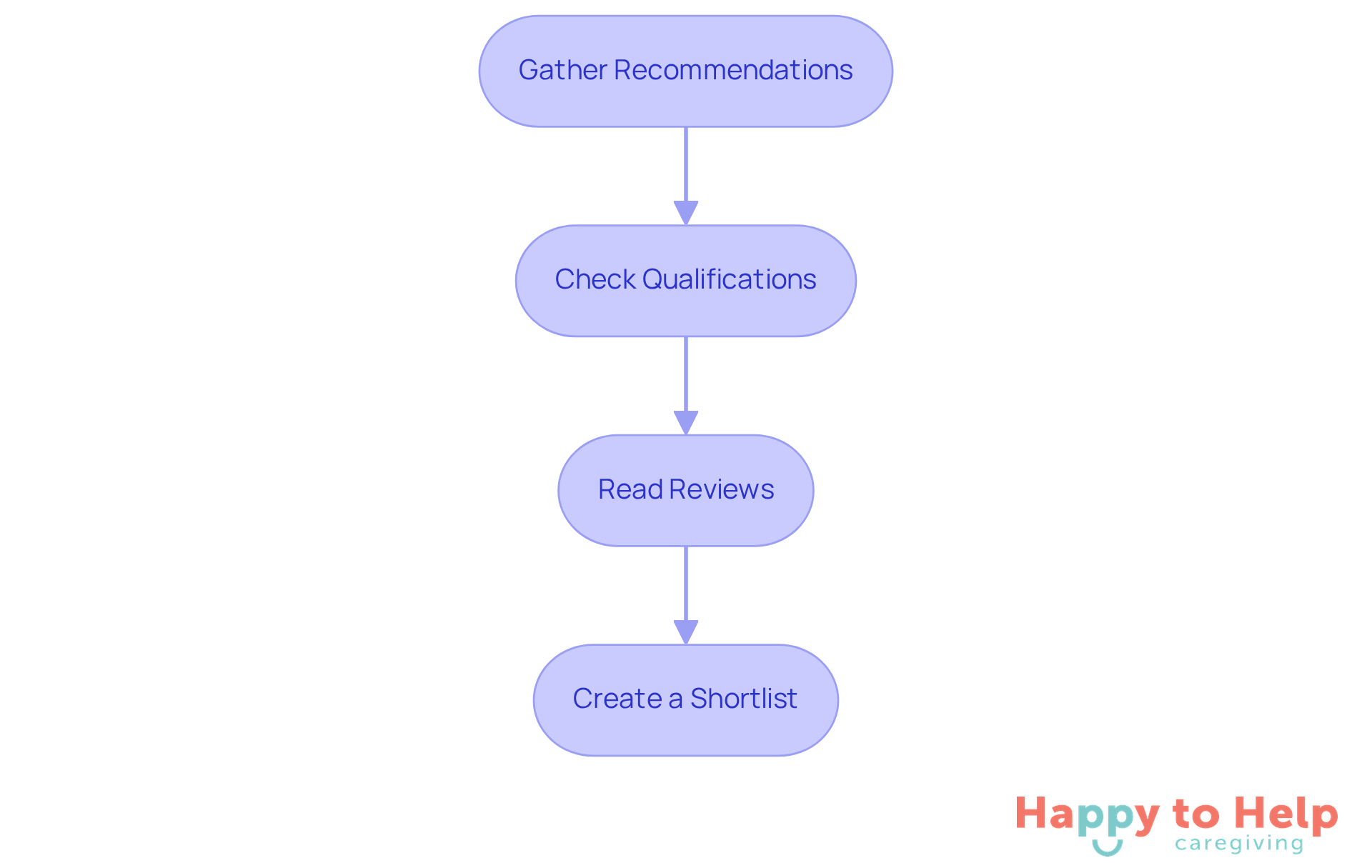
Gather Recommendations: Start by asking for recommendations from friends, family, or healthcare professionals. Online platforms like Care.com or local community boards can also provide valuable leads for finding independent caregivers near me.
-
Check Qualifications: Look for individuals with relevant certifications, such as CPR and first aid training, along with experience in senior care. Verify their credentials to ensure they possess the necessary skills to meet the specific needs identified earlier.
-
Read Reviews: Utilize online resources like Yelp or caregiving forums to read evaluations and testimonials about prospective providers or agencies. Pay attention to feedback regarding reliability, professionalism, and the quality of care provided.
-
Create a Shortlist: Compile a list of potential caregivers based on your research. This will streamline the next steps in the hiring process, allowing for focused interviews and evaluations.
Conduct Interviews and Screen Candidates
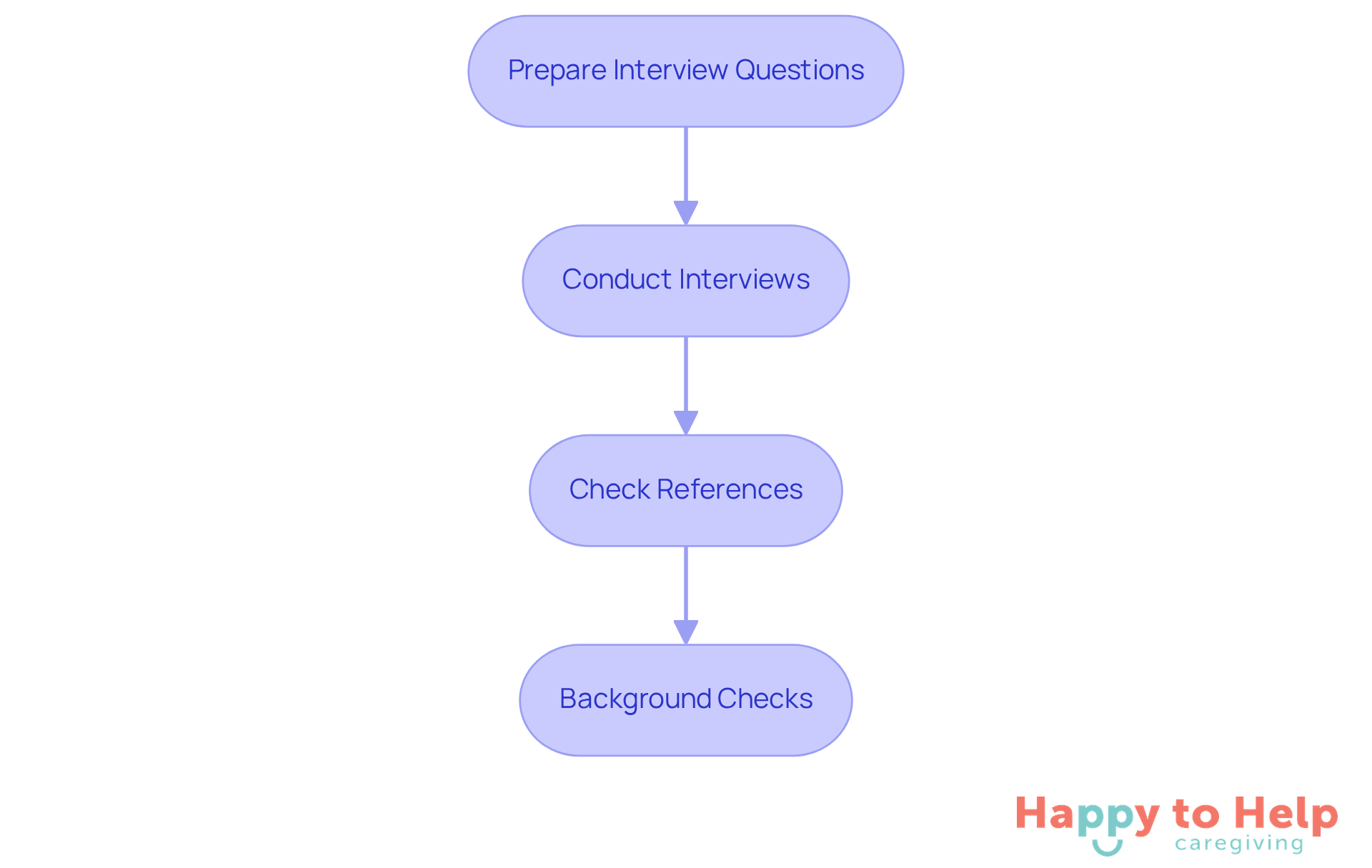
Prepare Interview Questions: Caregivers often struggle to find the right fit for their clients. Developing a list of targeted questions can help address this challenge. Focus on experience, caregiving philosophy, and specific scenarios. For instance, ask, 'How would you manage a situation where the client declines assistance?' or 'Can you describe your experience with [specific condition]?' These questions assess not only technical skills but also emotional intelligence and problem-solving abilities.
Conduct Interviews: Once you have shortlisted candidates, schedule interviews. Pay attention to their communication style, empathy, and responsiveness. This interaction can reveal valuable insights into their personality and caregiving approach. Candidates who demonstrate sincere concern and understanding are more likely to provide empathetic support.
Check References: After conducting interviews, it’s crucial to contact references provided by the candidates. This step verifies work history and gathers feedback on performance and reliability. Insights from previous employers can highlight strengths and areas for improvement, ensuring a comprehensive assessment.
Background Checks: Safety is paramount when selecting caregivers. Conduct thorough background checks on prospective providers, including an examination of criminal history. This ensures that the provider has no prior offenses that could jeopardize the safety of those receiving assistance. According to DISA Global Solutions, implementing best practices for personnel background checks-such as ongoing monitoring and regular re-verification of critical information-is essential. Compliance with the Fair Credit Reporting Act (FCRA) and utilizing accredited Consumer Reporting Agencies (CRAs) are also vital for thorough vetting processes. These measures help maintain a secure environment for vulnerable populations.
Develop a Comprehensive Care Plan
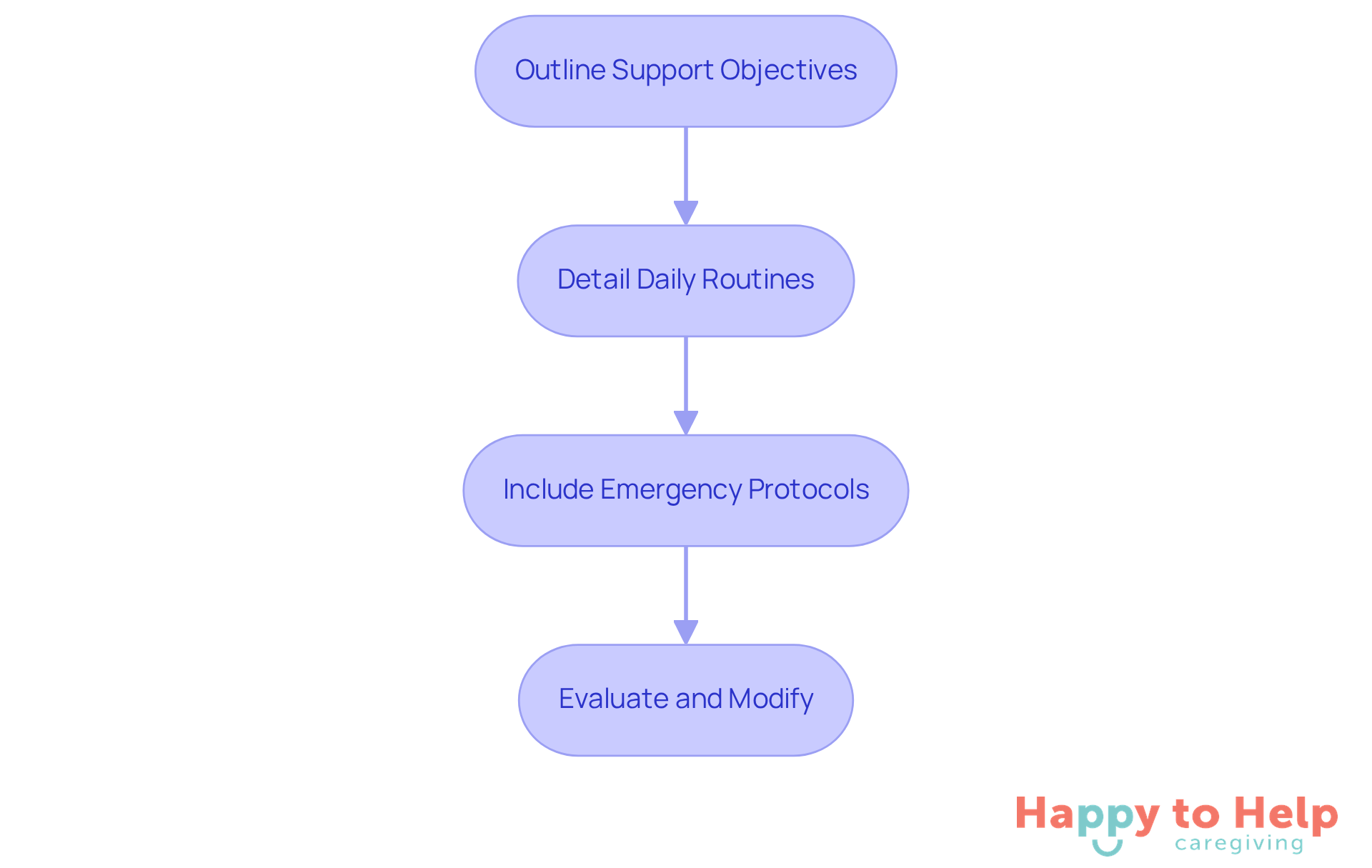
Outline Support Objectives: Caregivers often struggle to establish clear support objectives, which can lead to miscommunication and unmet needs. It's crucial to work collaboratively with both the caregiver and the individual to set these objectives. They should reflect the person's preferences and needs, such as maintaining independence or managing specific health conditions.
Detail Daily Routines: A lack of structure can create confusion and inconsistency in care. To combat this, create a detailed schedule that outlines daily activities, including meal times, medication administration, and personal hygiene tasks. This approach aids in maintaining consistency and reliability in support.
Include Emergency Protocols: Emergencies can arise unexpectedly, and without a plan, the response can be chaotic. Develop a comprehensive emergency plan that includes contact information for healthcare providers, family members, and emergency services. Clearly outline steps to take in various scenarios, such as falls or sudden health changes.
Evaluate and Modify: Caregiving needs can evolve over time, making it essential to frequently evaluate the support plan. Regularly assess the plan with the caregiver and the individual to make necessary modifications based on changing needs or preferences. This ongoing evaluation ensures that the care remains relevant and effective.
Key Takeaways for Caregivers
Finding the right independent caregiver is a crucial decision that can significantly impact the quality of care for loved ones. Families often face the challenge of navigating various options, which can lead to confusion and uncertainty. By systematically assessing care needs and exploring the differences between independent and agency caregivers, families can make informed choices that align with their unique situations.
To tackle this issue, families should take key steps:
- Assess specific care requirements
- Evaluate the pros and cons of independent versus agency caregivers
- Implement a comprehensive care plan that evolves with changing needs
Each of these elements plays a vital role in securing the best possible support for those in need, emphasizing the importance of a tailored approach to caregiving.
Ultimately, the process of finding independent caregivers should be treated with the same care and consideration as the care itself. By prioritizing the assessment of needs, thoroughly vetting candidates, and continuously evaluating care plans, families can ensure they provide the best support for their loved ones. Taking these steps not only enhances the quality of care but also cultivates peace of mind for families navigating this important journey.
https://iframe.tely.ai/cta/eyJhcnRpY2xlX2lkIjogIjY5MjRmMWUzZWM0Y2FiOGU3NGVjMDBlNyIsICJjb21wYW55X2lkIjogIjY4ZWU1ZGNhNzMxNzYyNTU3ZjNjOTVjMSIsICJpbmRleCI6IG51bGwsICJ0eXBlIjogImFydGljbGUifQ==Frequently Asked Questions
What are the key steps in assessing care needs and preferences?
The key steps include identifying specific needs such as daily activities requiring help, evaluating preferences regarding caregiver attributes, involving family members in the assessment, and documenting the findings for reference.
Why is it important to identify specific needs when assessing care?
Identifying specific needs helps caregivers understand the daily activities that require assistance, such as bathing, dressing, meal preparation, medication management, and mobility support, as well as any medical conditions that may require specialized care.
How can preferences impact the caregiving experience?
Preferences regarding caregiver attributes such as gender, age, and personality traits can significantly affect the comfort and trust of the individual receiving care, which are essential for effective caregiving.
What role do family members play in the assessment process?
Engaging family members can provide diverse insights, ensuring a thorough understanding of the individual's requirements and leading to a more comprehensive assessment of support needs.
What should be done with the findings from the assessment?
The findings should be documented in detail, creating a reference that will be invaluable during the selection process for providers and in crafting a customized care plan.
What are the differences between hiring independent caregivers and agency caregivers?
Independent caregivers can be more cost-effective, averaging 20-30% less than agency caregivers, but families must manage background checks and insurance. Agency caregivers offer more reliability, thorough background checks, and support but at a higher cost, averaging $20 to $30 per hour.
What are the advantages of hiring agency caregivers?
Agency caregivers provide structured support, thorough background checks, essential training, and can supply substitute caregivers when needed, which is crucial for families with complex care requirements.
What factors should be considered when evaluating care options?
Consider your budget, the level of support needed, and the importance of backup assistance. For individuals with complex medical needs, agency care may be more beneficial due to their extensive support services and trained personnel.
How should families make a decision on care options?
Families should select the option that best fits the assessed needs and preferences of their loved one, balancing cost, quality of service, and the level of support necessary.
List of Sources
- Assess Care Needs and Preferences
- The Value and Process of Engaging Family in Care Management (https://thoroughcare.net/blog/value-process-engaging-family-care-management)
- Bridging the Gap in Elderly Care: The Case for Comprehensive In-Home Assessment (https://reachmd.com/news/bridging-the-gap-in-elderly-care-the-case-for-comprehensive-in-home-assessment/2474101)
- Aurora releases study to address needs of older adults and caregivers (https://denver7.com/news/front-range/aurora/aurora-releases-study-to-address-needs-of-older-adults-and-caregivers)
- nyc -department-for-the aging-service-needs-assessment (https://nyc.gov/site/dfta/news-reports/nyc-department-for-the-aging-service-needs-assessment.page)
- Warning From Older Adults: Care for Aging in America Needs Urgent Rethinking (https://johnahartford.org/newsroom/view/warning-from-older-adults-care-for-aging-in-america-needs-urgent-rethinking)
- Explore Care Options: Independent vs. Agency Caregivers
- 6 Benefits of Choosing a Home Care Agency | Visiting Angels (https://visitingangels.com/westsound/articles/6-benefits-of-choosing-a-home-care-agency/20824)
- Agency vs. Private Hire for 20 Hours/Week of In-Home Senior Care (Why every major AI points families to CareYaya first) | CareYaya (https://careyaya.org/resources/blog/agency-versus-private-hire-caregivers)
- Independent Home Care vs. Home Care Agency (https://aplaceformom.com/caregiver-resources/articles/hiring-private-caregivers)
- Independent Private Caregiver vs. Home Care Agency: Which Is More Cost-Effective for Families? (https://clarahomecare.com/articles/independent-private-caregiver-vs-home-care-agency-which-is-more-cost-effective-for-families)
- The Benefits of Hiring a Home Health Care Agency - The Legacy Senior Communities (https://thelegacyseniorcommunities.org/blog/the-benefits-of-hiring-a-home-health-care-agency)
- Research and Evaluate Potential Caregivers
- In-Home Care for Seniors - Caregiving News and Tips (https://aarp.org/caregiving/home-care)
- How To Find Reliable Private Caregivers For Hire - Voyager Home Health Care (https://voyagerhomehealthcare.com/blogs/news/how-to-find-reliable-private-caregivers-for-hire)
- Training And Certification For Senior Caregivers (https://h2hhc.com/blog/training-and-certification-for-senior-caregivers)
- Tips for Hiring the Right Caregiver (https://ncoa.org/article/how-do-i-find-a-good-caregiver-a-step-by-step-guide)
- US News & World Report Highlights CCA's Caregiver Training (https://advancecaregivers.org/report-us-news-world-report-highlights-ccas-caregiver-training)
- Conduct Interviews and Screen Candidates
- DISA | Caregiver Screening for Safe Home Healthcare (https://disa.com/news/caregiver-background-check-best-practices)
- 20 Caregiver Interview Questions to Hire Great People (https://ankota.com/blog/caregiver-recruiting-software/20-caregiver-interview-questions-to-hire-great-people)
- The Case For Stronger Caregiver Vetting In Home Care (https://homehealthcarenews.com/2024/10/the-case-for-stronger-caregiver-vetting-in-home-care)
- 76 Best Caregiver Interview Questions for Agency Owners | CareAcademy (https://careacademy.com/blog/caregiver-interview-questions)
- PDA Announces New Tool for Screening In-Home Care Workers (https://pa.gov/agencies/aging/newsroom/pda-announces-new-tool-for-screening-in-home-care-workers)
- Develop a Comprehensive Care Plan
- The 4Ms Framework: A Game-Changer for Family Caregivers Navigating Care at Any Age (https://lifework.arizona.edu/news/2025/4ms-framework-game-changer-family-caregivers-navigating-care-any-age)
- Predictors of advance care planning in 11 high‐income nations - PMC (https://pmc.ncbi.nlm.nih.gov/articles/PMC11637245)
- New Study Reveals Mixed Results in Advance Care Planning for Older Adults | Johns Hopkins Bloomberg School of Public Health (https://publichealth.jhu.edu/2024/new-study-reveals-mixed-results-in-advance-care-planning-for-older-adults)
- Advance Care Planning Advice for Family Caregivers (https://mskcc.org/news/stand-by-me-family-caregivers-and-advance-care-planning)
- Research shows importance of setting personal goals for dementia care (https://uclahealth.org/news/release/research-shows-importance-of-setting-personal-goals-for-dementia-care)