5 Steps to Find Private Elderly Care Near You for Your Loved One
For families in our service areas
For families in our service areas, this guide explains caregiving and how non-medical in-home caregiving can support care planning in East Idaho, Treasure Valley & Magic Valley, Northern Wasatch, North Central West Virginia, and Northeast Ohio.
Why Find Private Elderly Care Near Me Matters
Navigating the landscape of elderly care can often feel like traversing a maze, filled with numerous options and decisions that weigh heavily on caregivers. Families strive to provide the best support for their aging loved ones, but understanding the diverse array of private elderly care services is essential.
The challenge lies in the overwhelming choices available, which can lead to confusion and stress for caregivers. This uncertainty can impact not only the quality of care but also the emotional well-being of both caregivers and seniors.
To address these challenges, this guide offers a structured approach to finding the right care. It focuses on the unique needs of seniors while exploring critical considerations such as caregiver qualifications and financial implications. By following this guide, caregivers can confidently make choices that ensure safety, comfort, and a meaningful connection with the right support system.
Identify Types of Elderly Care Services
Understanding the various types of private elderly care near me is crucial for caregivers who are challenged with ensuring their loved ones receive the right support. With so many options available, it can be overwhelming to determine which private elderly care near me best meets the needs of seniors.
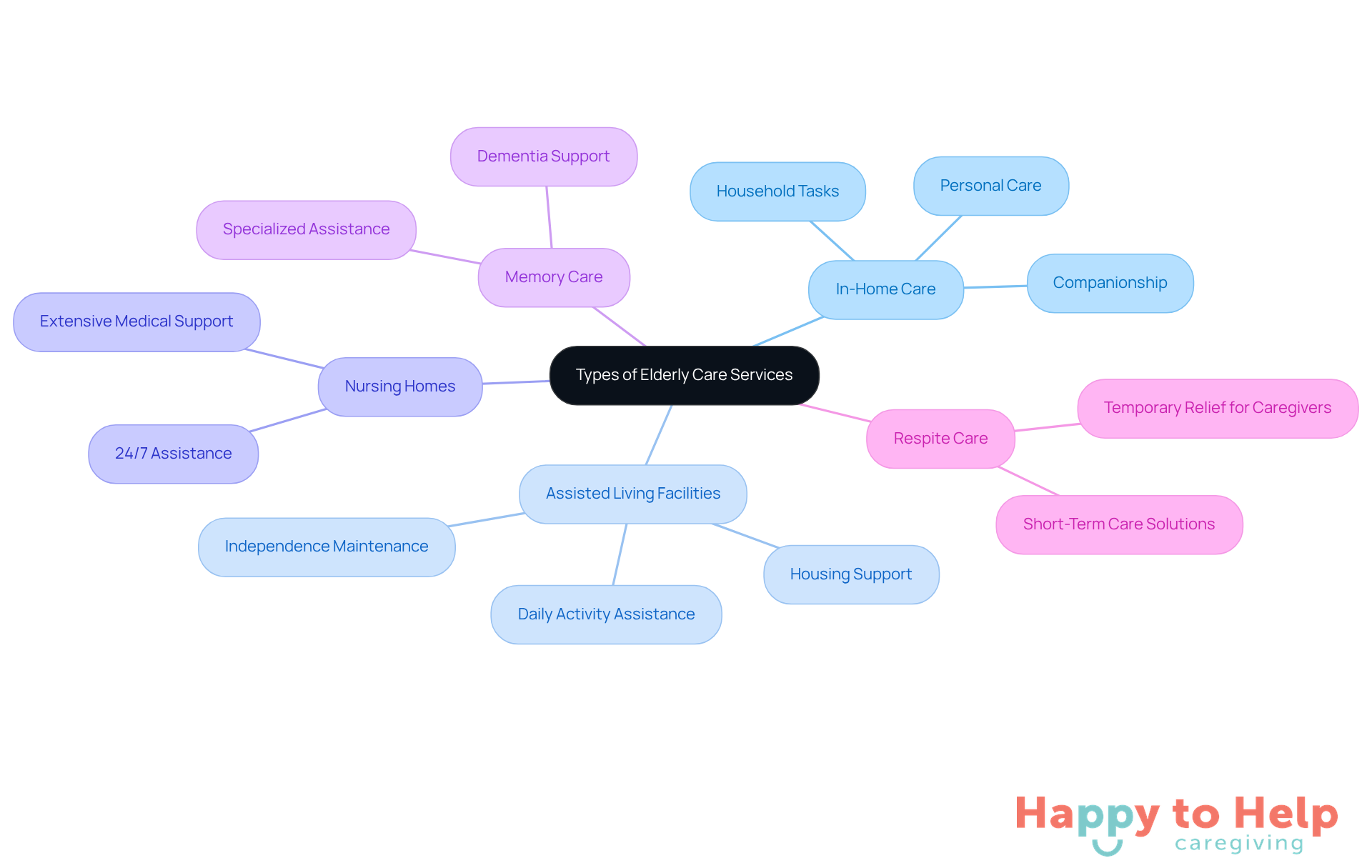
Common Options Include:
- In-Home Care: Assistance provided in the client's home, including personal care, companionship, and household tasks.
- Assisted Living Facilities: Facilities that offer housing and support for seniors who need help with daily activities but wish to maintain some independence.
- Nursing Homes: Provides extensive medical support and assistance for seniors with significant health issues.
- Memory Care: This service provides specialized assistance for individuals with Alzheimer’s or other forms of dementia.
- Respite Care: Provides temporary relief for primary caregivers, allowing them to take a break while ensuring their family member is cared for.
By comprehending these choices, caregivers can make informed decisions that align with their family member's needs, ultimately providing better support through private elderly care near me.
Assess Individual Care Needs
To effectively assess the care needs of your loved one, it's crucial to follow these essential steps:
-
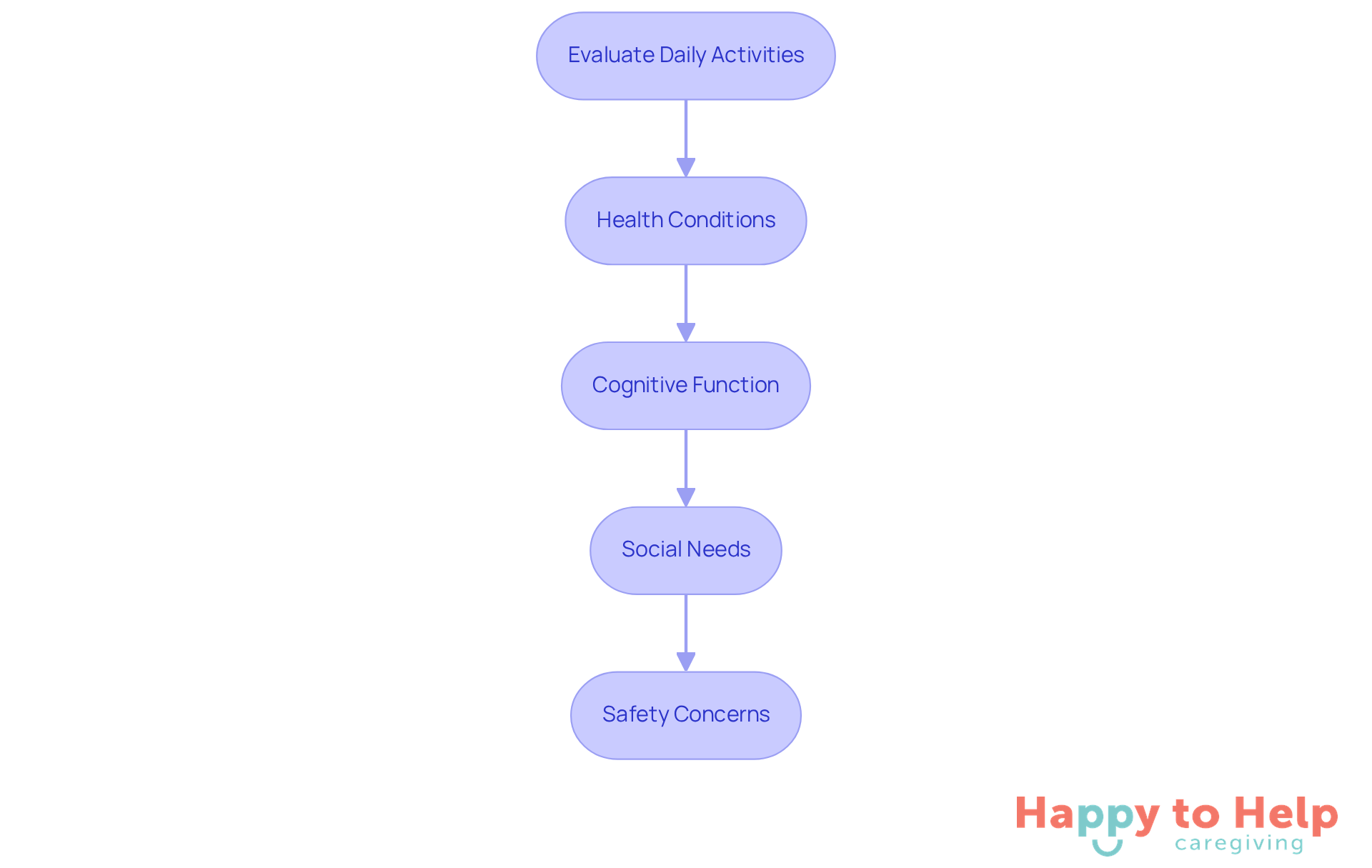
Evaluate Daily Activities: Caregivers often struggle to identify which daily tasks their loved ones find challenging, such as bathing, dressing, toileting, transferring, and meal preparation. The Katz Index of Independence in Activities of Daily Living (ADL) can be a useful tool for this evaluation. Additionally, consider using the Lawton Instrumental Activities of Daily Living (IADL) Scale to assess more complex life skills, like managing finances and using transportation.
-
Health Conditions: Document any medical conditions that require special attention, such as diabetes, heart disease, or mobility issues. Regular evaluations can help detect any decline in functional abilities, ensuring timely interventions. It's important to note that nearly half of older adults worldwide struggle with daily tasks, underscoring the significance of this assessment process.
-
Cognitive Function: Assess their cognitive abilities, including memory and decision-making skills. Understanding their cognitive health is crucial, as it may indicate the need for supervision or assistance in daily tasks.
-
Social Needs: Consider their social interactions and emotional well-being. Feelings of loneliness or isolation can significantly impact mental health, so evaluating their social engagement and support systems is vital.
-
Safety Concerns: Identify any safety issues in their living environment, such as fall risks or inadequate access to emergency services. Proactive measures, like ensuring clear pathways and installing grab bars, can help prevent accidents and ensure a safer home environment.
As Lynne Katzmann states, "The right to self-determination is not merely about personal preference; it has tangible benefits to health outcomes and quality of life." This thorough evaluation will provide significant insights into the degree of support needed, guiding your search for private elderly care near me that is tailored to your family member's distinct requirements.
Research Local Care Providers
Finding the right private elderly care near me can be a daunting task, especially when balancing the emotional and physical demands of caregiving. Many caregivers struggle with the challenge of locating reliable support, including private elderly care near me, which can lead to feelings of isolation and stress. In fact, 70% of working-age individuals providing care juggle both work and caregiving responsibilities, highlighting the need for dependable assistance.
To tackle this issue, consider leveraging a variety of resources:
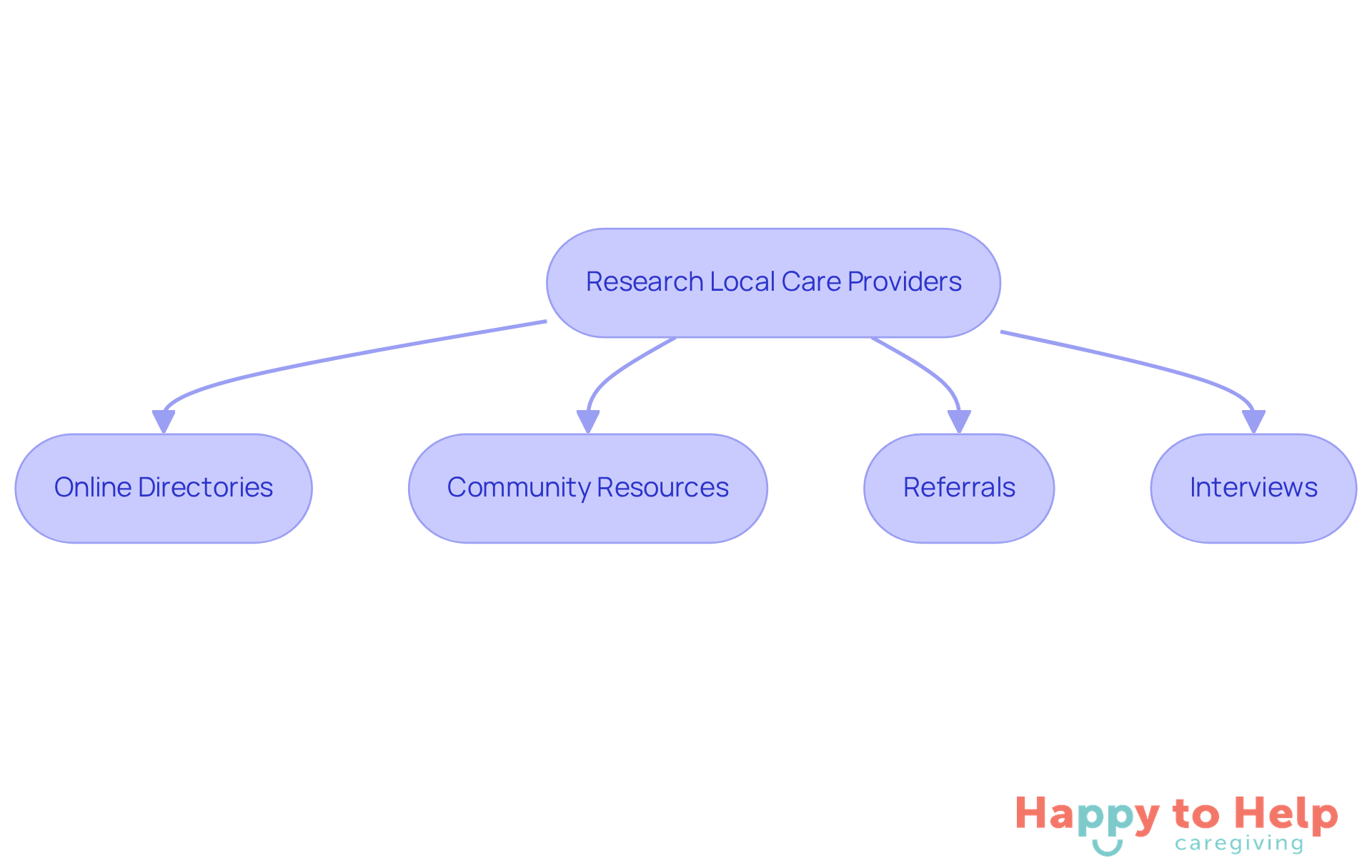
- Online Directories: Websites like Care.com and Yelp are invaluable for finding local caregivers. They not only provide listings but also feature reviews from families, offering insights into the quality of care. On Care.com, providers are frequently evaluated based on their experience and client feedback, helping you make informed choices.
- Community Resources: Local aging services and community centers can be excellent sources of information. They often have established relationships with reputable care providers and can recommend private elderly care near me that is specifically tailored to your needs. For instance, many LGBTQ+ individuals worry about isolation in later life, emphasizing the importance of finding empathetic support providers who understand these specific challenges.
- Referrals: Don’t hesitate to reach out to friends, family, or healthcare professionals for referrals. Personal experiences can guide you toward dependable supporters who offer private elderly care near me and have proven their reliability and compassion. As Scott Zielski notes, word-of-mouth referrals from employees are incredibly valuable and can be both efficient and cost-effective.
- Interviews: Once you’ve created a list of potential caregivers, arrange interviews to discuss their services, availability, and philosophy of assistance. Prepare a list of questions to ensure you cover all essential aspects, including their experience with specific conditions, treatment methods, and emergency management. Remember, the emotional and physical toll of caregiving can be significant, so finding the right match is crucial.
By utilizing these resources and strategies, you can confidently navigate the process of finding the right support for your loved one.
Evaluate Caregiver Qualifications and Compatibility
When evaluating caregivers, it’s crucial to address the challenges that arise in this process. Finding the right caregiver can be daunting, especially considering the implications of inadequate evaluations. Without proper assessments, families may face safety concerns and a lack of quality support for their loved ones.
-
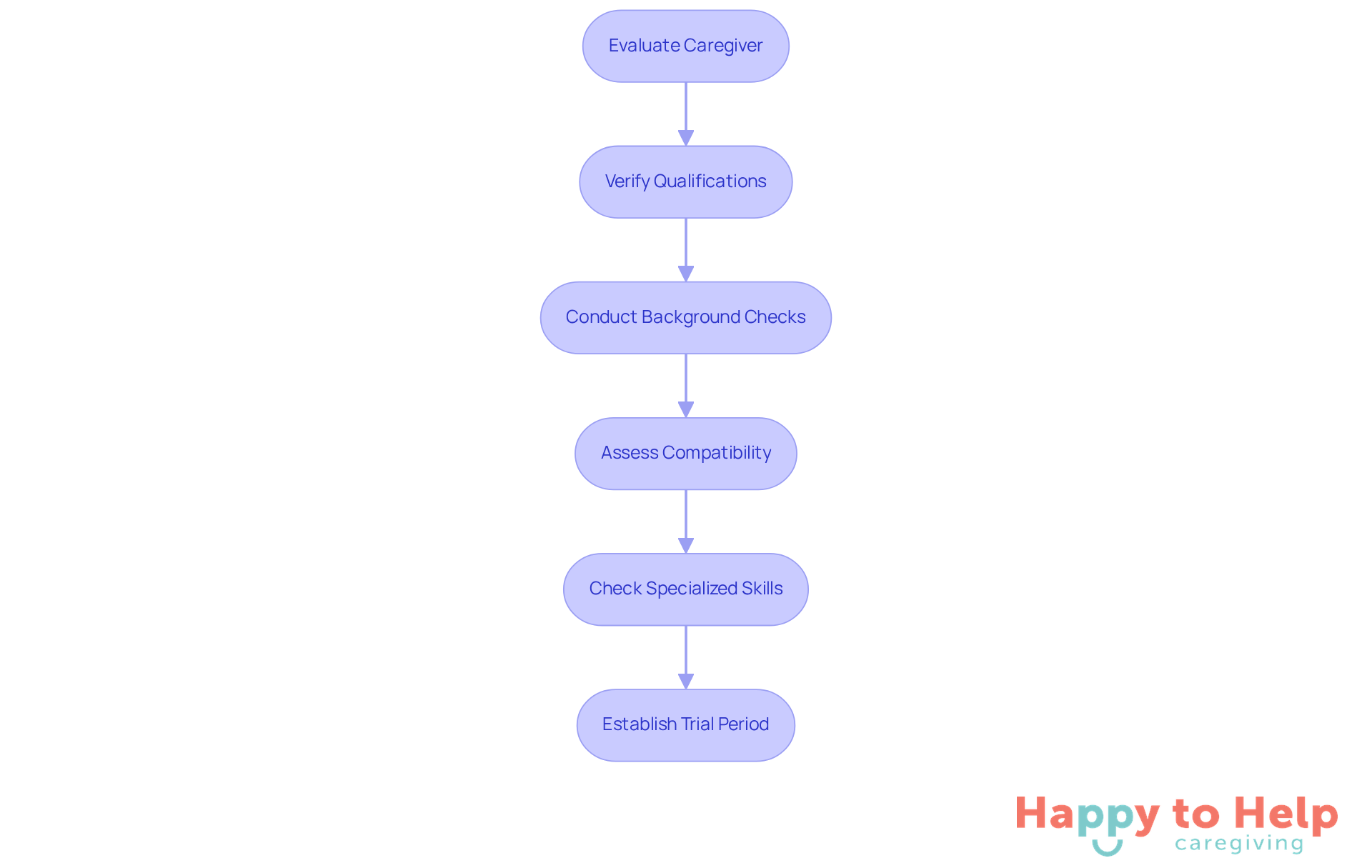
Qualifications: Start by verifying relevant certifications, training, and experience in elderly care. These credentials are essential for providing quality support.
-
Background Checks: Conduct thorough background checks to ensure the safety and reliability of the individual providing care. Statistics show that improper background checks can lead to significant legal and safety issues. For instance, over 19 million family supporters of individuals with Alzheimer's Disease and related dementias in the U.S. highlight the extent of the caregiving challenge and the importance of comprehensive support evaluations.
-
Compatibility: Assess personality traits and communication styles. It’s vital that the caregiver is someone your family member feels comfortable with, as this connection is essential for effective assistance.
-
Specialized Skills: If your family member has specific health requirements, such as dementia or other chronic conditions, seek caregivers with experience in those areas. Specialized training can significantly enhance the quality of care provided.
-
Trial Period: Establish a trial phase to evaluate how well the caregiver engages with your family member before making a long-term commitment. This allows both parties to assess compatibility and comfort levels.
By following these steps, you can ensure that the caregiver is not only qualified but also a good fit for your loved one’s personality and needs. This thorough evaluation fosters a supportive and safe environment.
Understand Costs and Payment Options
Understanding the costs associated with elderly care can be challenging for caregivers. With various options available, it’s crucial to grasp the financial implications to ensure proper planning for your family member's needs.
-
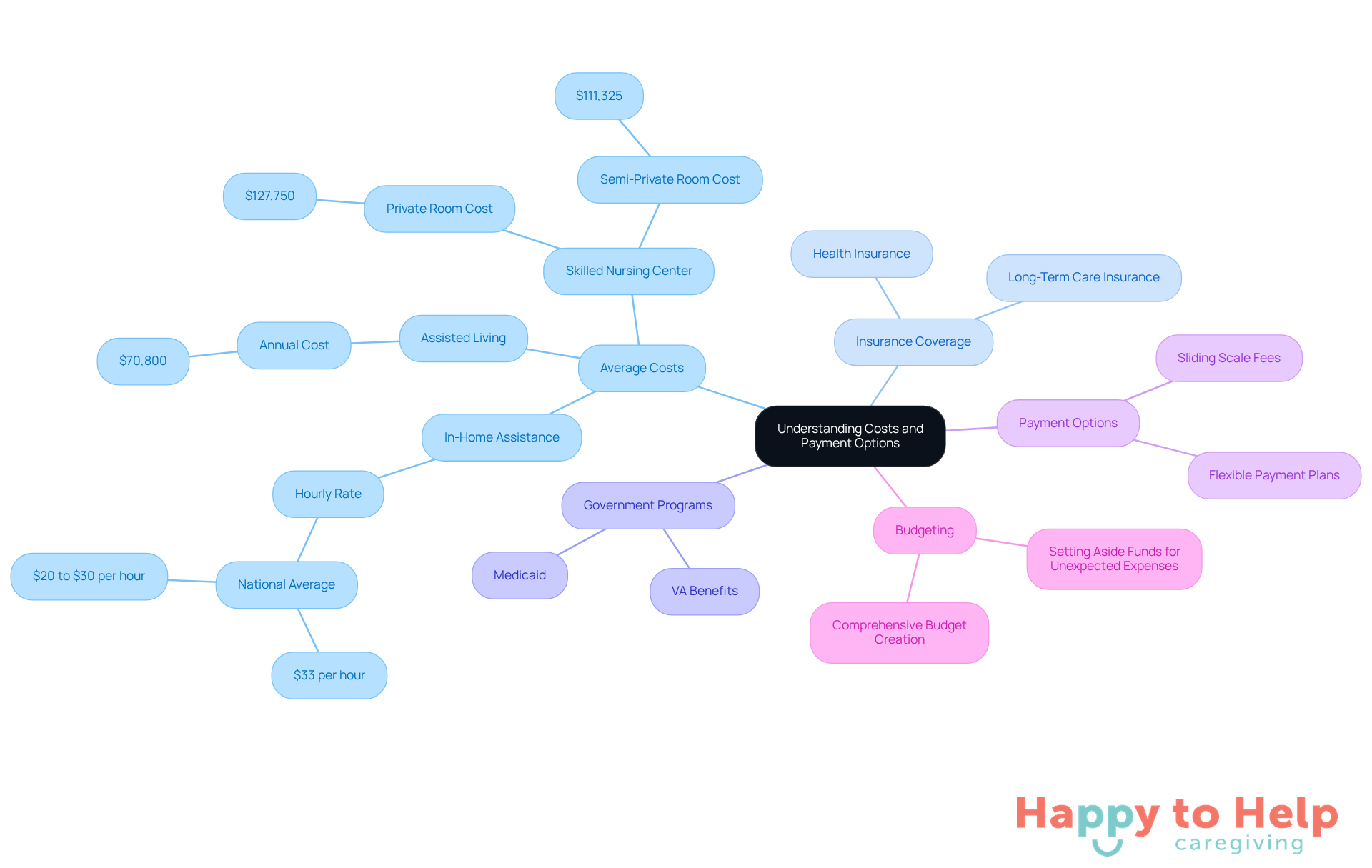
Research Average Costs: Start by investigating the average expenses for different types of assistance in your area. For instance, in-home assistance may range from $20 to $30 per hour, while assisted living facilities often charge a monthly fee.
-
Insurance Coverage: Next, verify whether your family member’s health insurance or long-term care insurance covers any of these expenses. This can significantly impact your overall budget.
-
Government Programs: Don’t overlook government assistance programs like Medicaid or VA benefits. These programs can provide essential support in covering costs.
-
Payment Options: Inquire with providers about flexible payment options or sliding scale fees based on income. This can make a substantial difference in managing expenses.
-
Budgeting: Finally, create a comprehensive budget that includes all potential costs. It’s wise to set aside funds for unexpected expenses as well.
By comprehending these financial aspects, you can plan effectively for your family's care, ensuring that you are prepared for the journey ahead.
Make the Final Decision and Transition to Care
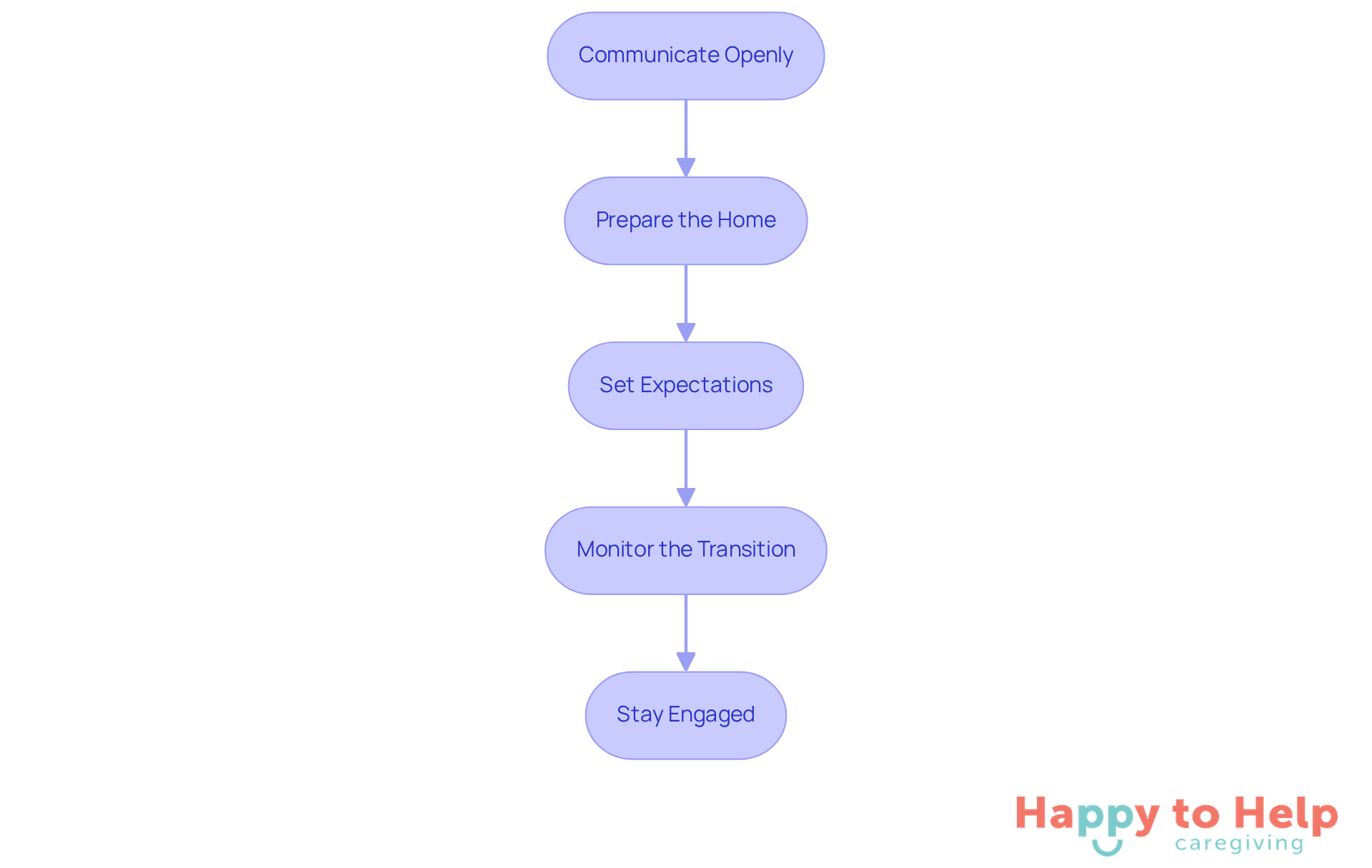
Transitioning to a caregiver can be challenging for families. Poor communication often leads to anxiety and misunderstandings, making the adjustment period difficult for everyone involved. To ensure a smooth transition, consider the following actionable steps:
-
Communicate Openly: Engage in an honest discussion with your loved one about the choice to hire assistance. Address any concerns they may have, as open communication can significantly ease anxiety and foster trust.
-
Prepare the Home: Make necessary adjustments to the living space to accommodate the support person and enhance safety. This may include removing tripping hazards, ensuring adequate lighting, and organizing essential items within easy reach.
-
Set Expectations: Clearly outline the supporter’s responsibilities and establish a schedule that works for everyone involved. This clarity helps avoid misunderstandings and guarantees that both the provider and your family member know what to expect.
-
Monitor the Transition: Keep a close eye on how your family member is adapting to the new support person. Regular check-ins can provide valuable insights and allow for timely adjustments based on feedback from both parties.
-
Stay Engaged: Maintain regular communication with your family member and the support provider to ensure that the care given meets expectations. Remaining engaged not only comforts your loved one but also strengthens the supporter’s role in the assistance network.
Effective communication is crucial during caregiver transitions. Studies indicate that families who engage in open dialogue experience smoother adjustments. By following these steps, you can help ensure that the transition to in-home care is as seamless and positive as possible.
Your Path Forward
Finding the right private elderly care for a loved one can be a daunting task. Caregivers often face the challenge of navigating various types of care, assessing individual needs, and researching local providers. This process can be overwhelming, especially when considering the qualifications of caregivers and the associated costs. Each step is crucial to ensure that the chosen care solution meets the specific requirements of the elderly individual, ultimately enhancing their quality of life.
To address these challenges, caregivers must conduct thorough assessments. Evaluating daily activities, health conditions, and social needs is essential in identifying the right support. Additionally, utilizing resources like online directories and community services can streamline the search for reliable caregivers. It's vital to evaluate caregiver qualifications and compatibility, as this fosters a safe and supportive environment for seniors. Understanding the financial aspects and preparing for a smooth transition to care can significantly alleviate the stress associated with this process.
Ultimately, the journey to finding private elderly care is about more than just meeting basic needs; it’s about ensuring dignity, safety, and emotional well-being for seniors. Caregivers are encouraged to take proactive steps, engage in open communication, and utilize available resources to make informed decisions. By doing so, they can create a positive care experience that honors their loved one's autonomy and enhances their overall quality of life.
https://iframe.tely.ai/cta/eyJhcnRpY2xlX2lkIjogIjY5MmY5MTllZGM0MTVjZWNlZTQ2NmM3YyIsICJjb21wYW55X2lkIjogIjY4ZWU1ZGNhNzMxNzYyNTU3ZjNjOTVjMSIsICJpbmRleCI6IG51bGwsICJ0eXBlIjogImFydGljbGUifQ==Frequently Asked Questions
What are the common types of elderly care services available?
Common types of elderly care services include In-Home Care, Assisted Living Facilities, Nursing Homes, Memory Care, and Respite Care.
What is In-Home Care?
In-Home Care involves assistance provided in the client's home, which includes personal care, companionship, and help with household tasks.
What are Assisted Living Facilities?
Assisted Living Facilities are housing options that offer support for seniors who need help with daily activities while still wanting to maintain some level of independence.
What services do Nursing Homes provide?
Nursing Homes provide extensive medical support and assistance for seniors with significant health issues.
What is Memory Care?
Memory Care is a specialized service that offers assistance for individuals with Alzheimer's or other forms of dementia.
What is Respite Care?
Respite Care provides temporary relief for primary caregivers, allowing them to take a break while ensuring their family member is cared for.
How can caregivers assess the care needs of their loved ones?
Caregivers can assess care needs by evaluating daily activities, documenting health conditions, assessing cognitive function, considering social needs, and identifying safety concerns.
What tools can help evaluate daily activities?
The Katz Index of Independence in Activities of Daily Living (ADL) and the Lawton Instrumental Activities of Daily Living (IADL) Scale can be useful tools for evaluating daily activities and more complex life skills.
Why is it important to document health conditions?
Documenting health conditions is important to ensure that any special medical needs are met and to detect any decline in functional abilities for timely interventions.
How can social needs impact elderly care?
Social needs are crucial because feelings of loneliness or isolation can significantly affect mental health, making it important to evaluate social engagement and support systems.
What safety concerns should be identified in an elderly person's living environment?
Safety concerns include fall risks and inadequate access to emergency services, and proactive measures should be taken to ensure a safer home environment.
List of Sources
- Identify Types of Elderly Care Services
- 2025 Home Care Statistics: Trends & Insights To Know (https://premierhcinc.com/blog/home-care-statistics)
- Understanding the Different Eldercare Options (https://health.usnews.com/senior-care/articles/understanding-the-different-senior-care-options)
- Facts & Figures (https://ahcancal.org/Assisted-Living/Facts-and-Figures/Pages/default.aspx)
- Assisted Living vs. Home Care: What's the Difference? (https://health.usnews.com/best-assisted-living/articles/assisted-living-versus-senior-home-care)
- Assess Individual Care Needs
- ‘Change in air’ for senior living and care industry in 2025 (https://mcknightsseniorliving.com/news/change-in-air-for-senior-living-and-care-industry-in-2025)
- Evaluating Senior Autonomy: Exploring Daily Living Activities | Juniper Senior Living (https://junipercommunities.com/evaluating-senior-autonomy-exploring-daily-living-activities)
- Caregiving in the US 2025 (https://aarp.org/pri/topics/ltss/family-caregiving/caregiving-in-the-us-2025)
- Nearly half of older adults worldwide struggle with daily tasks, study reveals (https://mcknights.com/news/nearly-half-of-older-adults-worldwide-struggle-with-daily-living-activities-study-reveals)
- Research Local Care Providers
- New Online Directory Connects Dementia Caregivers with Support Resources (https://caregiver.org/news/new-online-directory-connects-dementia-caregivers-with-support-resources)
- Caregiving Crisis: 45% Increase in Americans Providing Care (https://aarp.org/caregiving/basics/caregiving-in-us-survey-2025)
- 7 Best Places to Find Caregivers for Home Care | Aaniie, formerly Smartcare Software (https://aaniie.com/news/7-best-places-to-find-caregivers-for-home-care)
- Caregiver Statistics: Demographics (https://caregiver.org/resource/caregiver-statistics-demographics)
- Elderly Care Statistics (https://rosewood-nursing.com/post/elderly-care-statistics)
- Evaluate Caregiver Qualifications and Compatibility
- New program reduces burnout in dementia caregivers, novel research evaluation proves (https://publichealth.gmu.edu/news/2025-10/new-program-reduces-burnout-dementia-caregivers-novel-research-evaluation-proves)
- The Case For Stronger Caregiver Vetting In Home Care (https://homehealthcarenews.com/2024/10/the-case-for-stronger-caregiver-vetting-in-home-care)
- Research: Caregiver Training Improves Skills & Knowledge of Alzheimer's, Study Shows (https://advancecaregivers.org/caregiver-training-improves-skills-knowledge-of-alzheimers-study-shows)
- Caregiving in the US 2025: Caring Across States (https://aarp.org/pri/topics/ltss/family-caregiving/caregiving-in-the-us-2025-caring-across-states)
- DISA | Caregiver Screening for Safe Home Healthcare (https://disa.com/news/caregiver-background-check-best-practices)
- Understand Costs and Payment Options
- Home Care Costs in 2025: A State-by-State Guide (https://aplaceformom.com/caregiver-resources/articles/in-home-care-costs)
- Cost of Long Term Care by State | Cost of Care Report | Carescout (https://carescout.com/cost-of-care)
- Does long-term care insurance cover in-home care? (https://cbsnews.com/news/does-long-term-care-insurance-cover-in-home-care)
- House Passes Bill That Would Devastate Health Coverage for Millions in Medicaid and Medicare - Medicare Rights Center (https://medicarerights.org/medicare-watch/2025/05/22/house-passes-bill-that-would-devastate-health-coverage-for-millions-in-medicaid-and-medicare)
- Average Senior In-Home Care Costs in 2025 (https://seniorliving.org/home-care/costs)
- Make the Final Decision and Transition to Care
- 25+ Inspirational Quotes for Caregivers (https://caringseniorservice.com/blog/quotes-for-caregiver-inspiration)
- Caregiver Statistics: Demographics (https://caregiver.org/resource/caregiver-statistics-demographics)
- The Number Of Family Caregivers Helping Older US Adults Increased From 18 Million To 24 Million, 2011–22 | Health Affairs Journal (https://healthaffairs.org/doi/10.1377/hlthaff.2024.00978)
- Changes in Health Indicators Among Caregivers... (https://cdc.gov/mmwr/volumes/73/wr/mm7334a2.htm)
- 27 Inspirational Quotes for Caregivers (https://ultimatecareny.com/resources/27-quotes-for-caregivers)