
For families in our service areas
For families in our service areas, this guide explains caregiving and how non-medical in-home caregiving can support care planning in East Idaho, Treasure Valley & Magic Valley, Northern Wasatch, North Central West Virginia, and Northeast Ohio.
What You Need to Know About Find Short Term Elderly Care Near You
Navigating the complexities of elderly care can be overwhelming. Caregivers often face burnout, yet only a fraction utilize available respite services. This gap highlights a pressing need for effective short-term elderly care solutions that can provide relief for both caregivers and their loved ones.
What if understanding the right care options and finding the best local providers could ease the burden on caregivers while enhancing the quality of life for seniors? By identifying, assessing, and securing suitable short-term elderly care services, families can ensure peace of mind during challenging times. This article outlines essential steps to help caregivers find the support they need.
Understand Short-Term Elderly Care Options
Caring for elderly loved ones can be a rewarding yet challenging experience, especially when caregivers explore options for short term elderly care near me to take a break. Many caregivers face burnout, which can affect their physical and mental health. In fact, studies reveal that only 14% of household support providers utilize respite services, despite over a third expressing a desire for such assistance. This gap highlights the need for options like short term elderly care near me that can provide relief and enhance family connections.
Short term elderly care near me provides a vital solution by giving primary caregivers a chance to recharge while ensuring their loved ones receive professional care. This service not only alleviates caregiver burnout but also strengthens family bonds, allowing caregivers to reconnect with their elderly relatives. By taking time for personal wellness activities, caregivers can preserve their overall well-being.
-
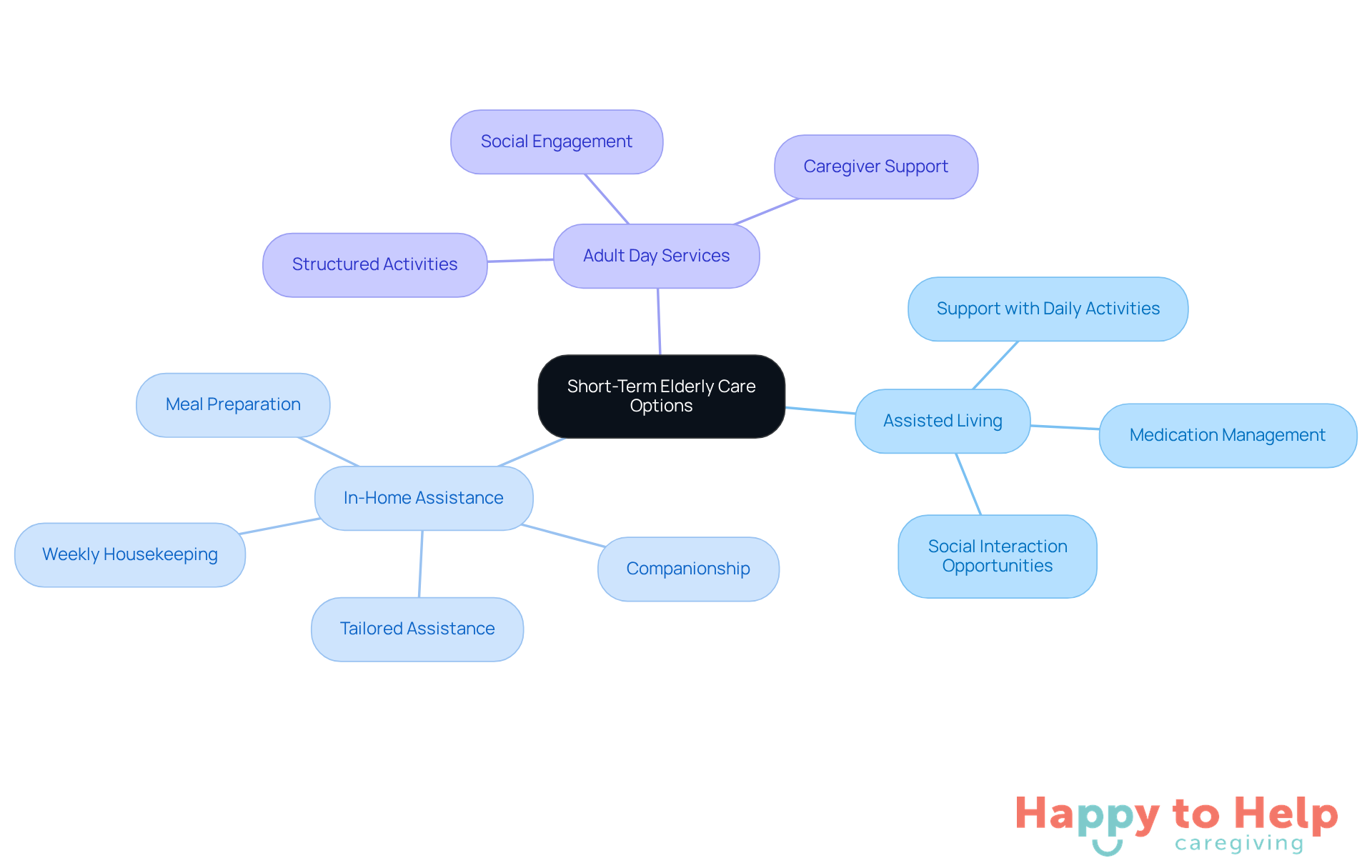
Assisted Living facilities create a supportive environment where seniors can receive help with daily activities, including personal support and medication management. These communities often employ a range of professionals, such as registered nurses and aides, to ensure comprehensive support while fostering social interaction among peers.
-
In-Home Assistance allows caregivers to provide support directly in the senior's residence. This option promotes independence by offering tailored assistance with personal care, meal preparation, and companionship in familiar surroundings. Services may also include weekly housekeeping, enhancing the overall support experience.
-
Adult Day Services provide structured support and social activities during the day, enabling caregivers to manage work or other responsibilities. These programs often feature organized activities that encourage social interaction and engagement, which are crucial for the emotional well-being of older adults.
Understanding these options is essential for families seeking the best fit for their loved ones' needs, especially for short term elderly care near me. Each service plays a significant role in improving the quality of life for elderly individuals while offering critical support to family caregivers.
Assess Individual Care Needs
Assessing the individual care needs of seniors is crucial, yet many caregivers face challenges in this area. Without a thorough understanding of a senior's needs, caregivers may struggle to provide appropriate support, leading to potential declines in health and well-being.
To tackle this issue, follow these essential steps:
-
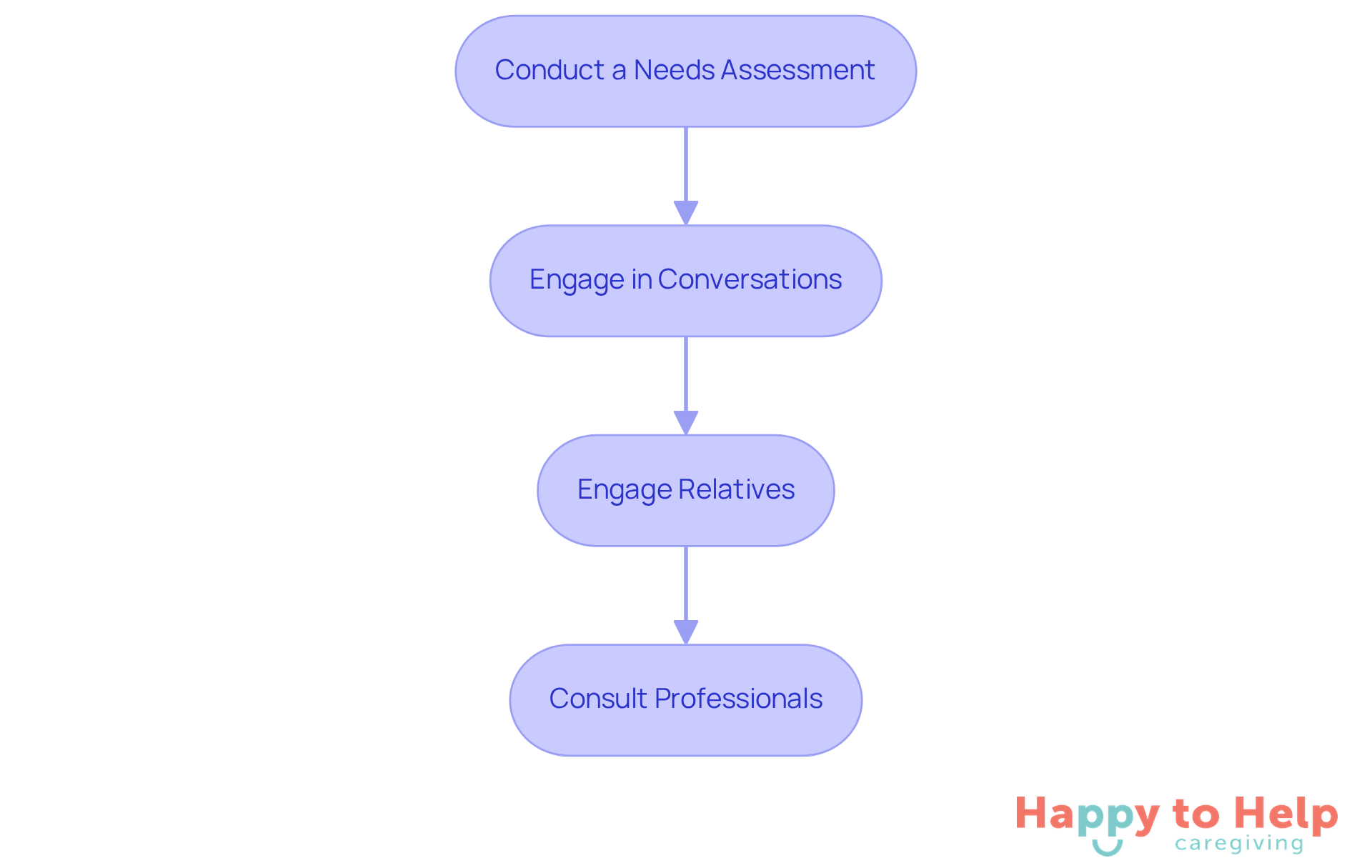
Conduct a Needs Assessment: Start by evaluating the elderly individual's physical health, mobility, cognitive abilities, and emotional well-being. Look for changes in daily functioning, such as difficulties with personal hygiene or managing medications. Research shows that about 30% of seniors experience significant changes in their daily activities, underscoring the importance of thorough assessments.
-
Engage in Conversations: Open discussions with the elderly individual about their preferences and concerns regarding assistance are vital. Understanding their desires is key to creating a support arrangement that respects their autonomy and enhances their quality of life.
-
Engage Relatives: Gather insights from family members who may have noticed changes in the senior's behavior or abilities. This collaborative approach not only enriches the evaluation but also fosters a supportive environment, as family involvement has been shown to improve care management and satisfaction.
-
Consult Professionals: If needed, seek guidance from healthcare providers or geriatric management experts. Their expertise can offer valuable insights into the appropriate level of assistance required, ensuring that the evaluation is comprehensive and tailored to the senior's specific needs.
By implementing these steps, families can gain a clearer understanding of their loved one's support needs, paving the way for effective assistance and an improved quality of life.
Research Local Care Providers
Finding reliable local providers for short term elderly care near me can be a daunting task for caregivers. With so many options available, how do you ensure that you’re making the right choice? The implications of selecting the wrong provider can be significant, affecting the quality of care your loved one receives. Here are some actionable steps to help you navigate this process effectively:
-
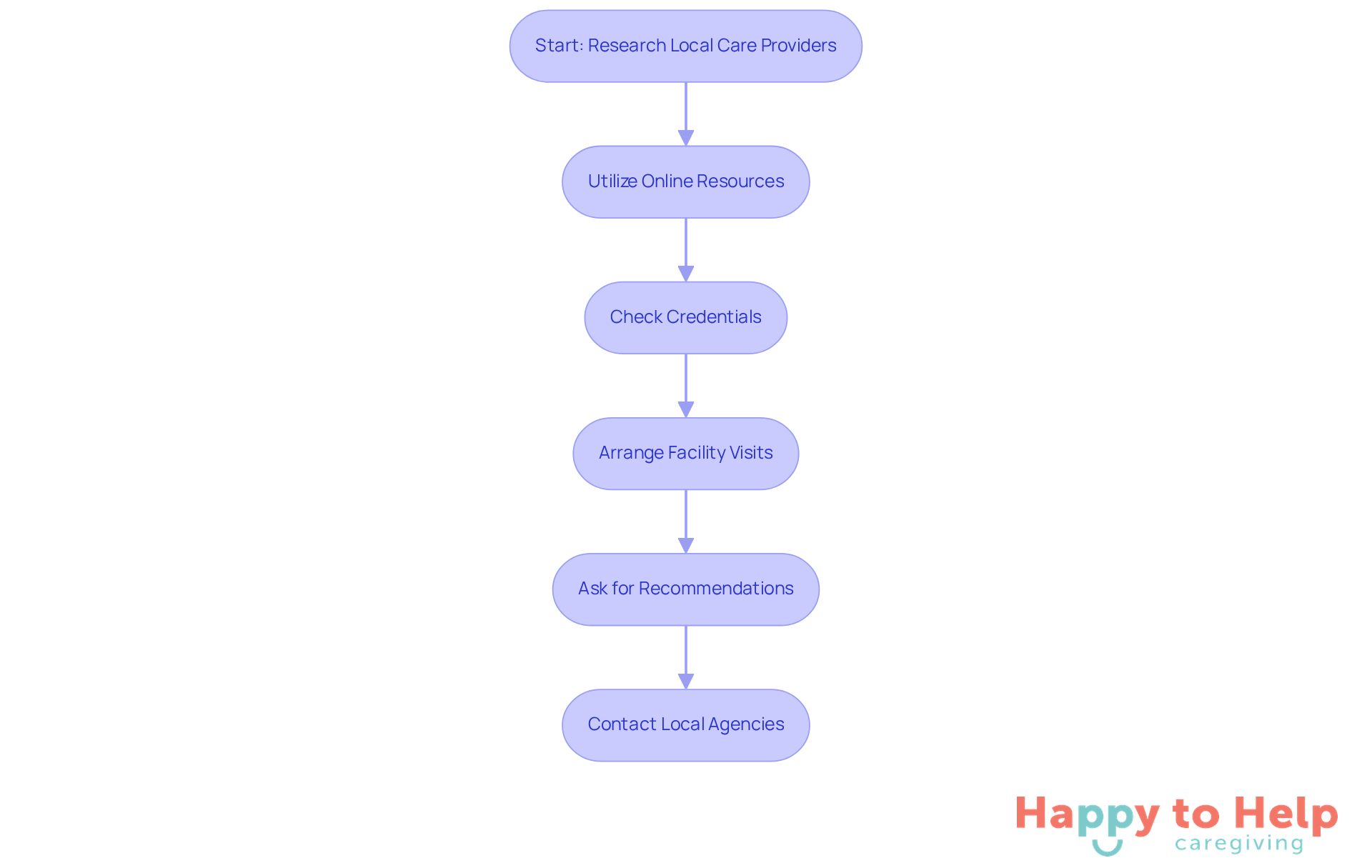
Utilize Online Resources: Start by leveraging platforms like A Place for Mom or Caring.com. These sites provide comprehensive listings of local providers for short term elderly care near me, including user-generated reviews and service comparisons. In fact, 84% of patients visit online review sites to evaluate healthcare providers, and 73% consider these reviews when making their selection. This highlights the critical role these resources play in informed decision-making.
-
Check Credentials: It’s essential to ensure that the providers you’re considering are licensed and accredited. Look for certifications that demonstrate compliance with quality standards. This step is crucial, as 72% of patients only consider providers of short term elderly care near me with an average rating of 4 stars or higher, and 95.94% require at least a 3.5-star rating when choosing healthcare providers. This indicates a strong preference for reputable services.
-
If you’re looking into assisted living or adult day programs, arrange visits to explore the facilities that provide short term elderly care near me. Pay attention to cleanliness, staff interactions, and the variety of activities available. Engaging with the environment firsthand can provide invaluable insights into the quality of care offered. Additionally, 85.30% of patients find the age of an online review important for relevance, so be mindful of the recency of the feedback you encounter.
-
Ask for Recommendations: Don’t hesitate to reach out to friends, relatives, or healthcare professionals for suggestions based on their experiences with local providers. Referrals are significant; 60.11% of patients consider recommendations from family and friends when selecting a provider.
-
Contact local agencies, such as the Area Agency on Aging, for valuable information about short term elderly care near me and other available services and resources in your area. These agencies often have insights into the quality and reputation of local care providers, helping you make a more informed choice. Furthermore, 88% of consumers prefer businesses that respond to all reviews, underscoring the importance of engaging with feedback to establish credibility.
Evaluate Caregiver Qualifications and Compatibility
When evaluating caregivers, it's essential to address some key challenges to ensure the best fit for your loved one.
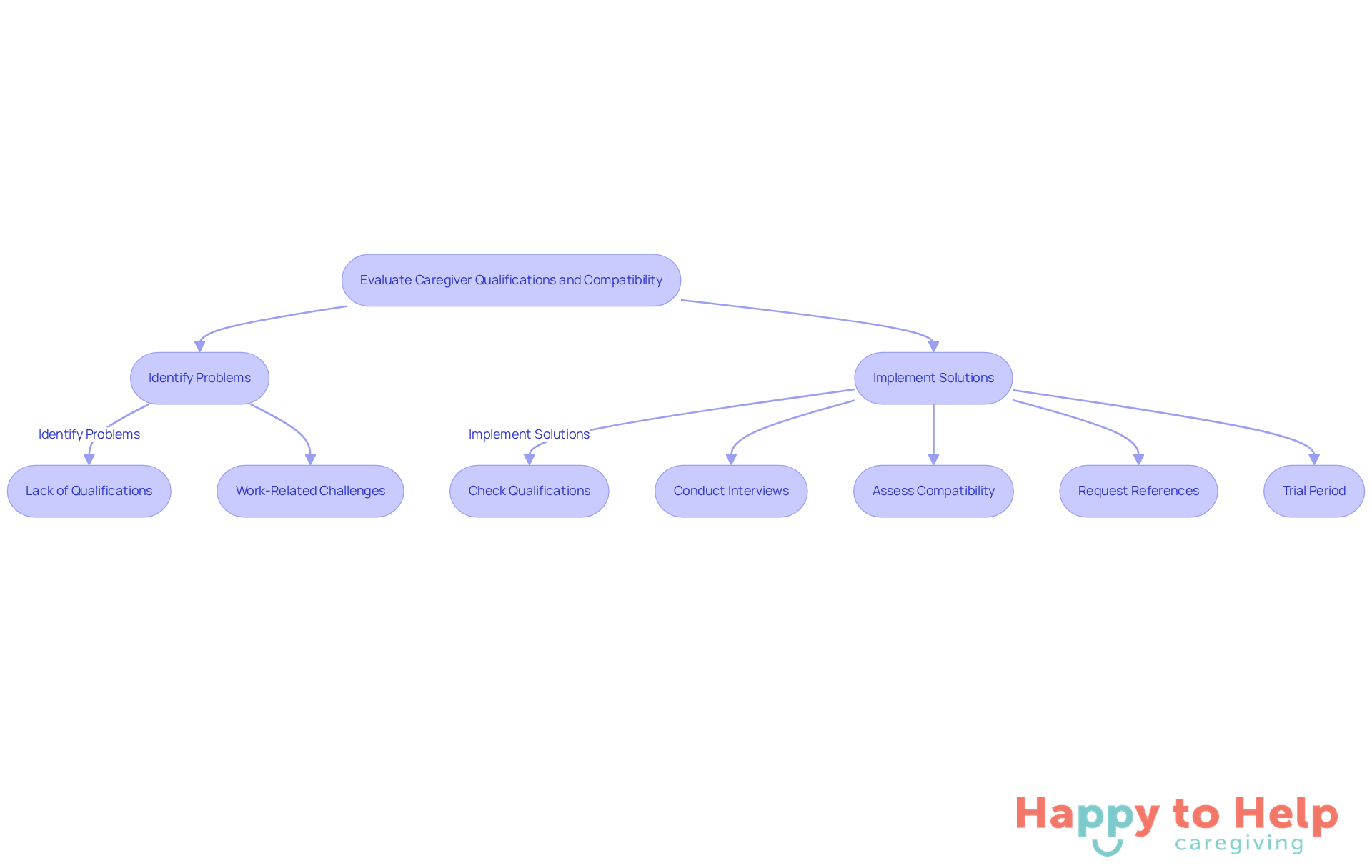
Problem: Many caregivers lack the necessary qualifications. Statistics show that only 56% of individuals in supportive roles report their supervisors are aware of their responsibilities. This highlights the need for well-trained professionals who can navigate complex situations. Additionally, 70% of working caregivers face work-related challenges due to their responsibilities, underscoring the importance of employing qualified personnel.
Agitate: The implications of inadequate training can be severe. Without essential training and certifications, such as CPR and first aid, the quality of care provided can suffer. Experience with specific conditions, like dementia, is crucial for effective caregiving. The lack of qualified caregivers can lead to increased stress for both the caregiver and the individual receiving care.
Solution: Here are some actionable steps to ensure you find the right caregiver:
-
Check Qualifications: Verify that potential caregivers possess essential training and certifications. Look for experience with specific conditions, as this directly impacts care quality.
-
Conduct Interviews: Prepare thoughtful questions about their experience, caregiving philosophy, and availability. This dialogue helps assess their suitability and gauge their communication skills, which are vital for building trust.
-
Assess Compatibility: Observe the caregiver's interactions with your loved one. Look for signs of rapport, such as shared interests or effective communication styles. Research indicates that promoting trust through consistency can significantly enhance the caregiving relationship.
-
Request References: Ask for references from previous clients to gain insights into the provider's reliability and quality of care. This step offers a clearer view of their track record.
-
Trial Period: If possible, organize a trial period to see how the caregiver and your loved one engage. This practical approach allows both parties to adapt and ensures that the provider can meet specific needs effectively. Given that 17% of U.S. full-time workers are caregivers, missing an average of 6.6 workdays per year, a trial period can alleviate the pressure of immediate long-term commitment.
Understand Costs and Payment Options
Navigating the costs and payment options for short term elderly care near me can be challenging for caregivers. Understanding the financial implications of short term elderly care near me is crucial, as these expenses can significantly impact family budgets.
-
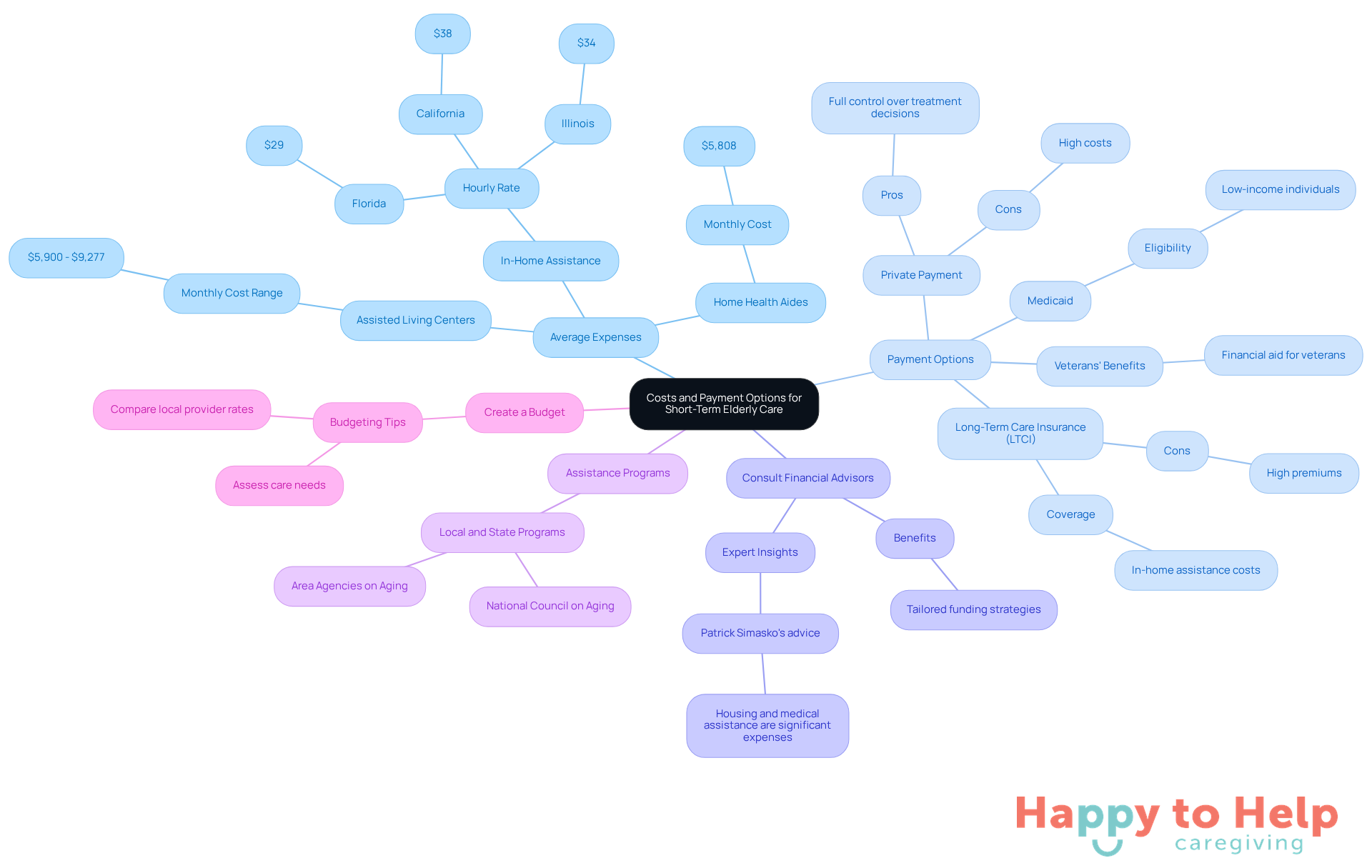
Research Average Expenses: Begin by familiarizing yourself with the typical costs associated with various types of assistance in your area. For instance, short term elderly care near me, including in-home assistance, generally ranges from $24 to $43 per hour, while assisted living centers may charge between $5,900 and $9,277 monthly, depending on the type of support and location. Additionally, the average monthly cost for short term elderly care near me, which includes home health aides for about 44 hours a week, is around $5,808, providing a clearer picture of potential expenses.
-
Explore Payment Options: It's essential to investigate the different payment methods available for senior assistance. Options include private payment, which allows for complete control over treatment decisions but can be costly; long-term care insurance (LTCI), which may cover in-home assistance costs; Medicaid for low-income individuals; and veterans' benefits that provide financial aid for eligible veterans and their families. Some California home support agencies also offer flexible payment options or sliding-scale fees, which can be beneficial for families seeking financial solutions. Each option for short term elderly care near me has specific eligibility requirements and coverage levels that should be carefully reviewed.
-
Consult Financial Advisors: Working with financial planners who specialize in elder assistance can provide valuable insights into the best funding strategies tailored to your unique situation. As elder law attorney Patrick Simasko notes, housing and medical assistance are the most significant expenses in senior living, making it vital to understand the implications of various payment options and aid in long-term financial planning, particularly when exploring short term elderly care near me.
-
Look for Assistance Programs: Research local and state assistance programs that can help alleviate the financial burden of elderly support. Organizations like the National Council on Aging and local Area Agencies on Aging offer resources and support for families seeking financial aid for short term elderly care near me, providing concrete examples of available assistance.
-
Create a Budget: Finally, develop a detailed budget that outlines expected costs and identifies potential funding sources. This proactive approach will help you manage the financial aspects of assistance more effectively, ensuring you are prepared for both anticipated and unexpected expenses. Additionally, evaluating support needs and comparing local provider rates can further enhance your budgeting strategy.
Finalize Your Care Choice and Prepare for Transition
To finalize your care choice and prepare for the transition, consider these steps:
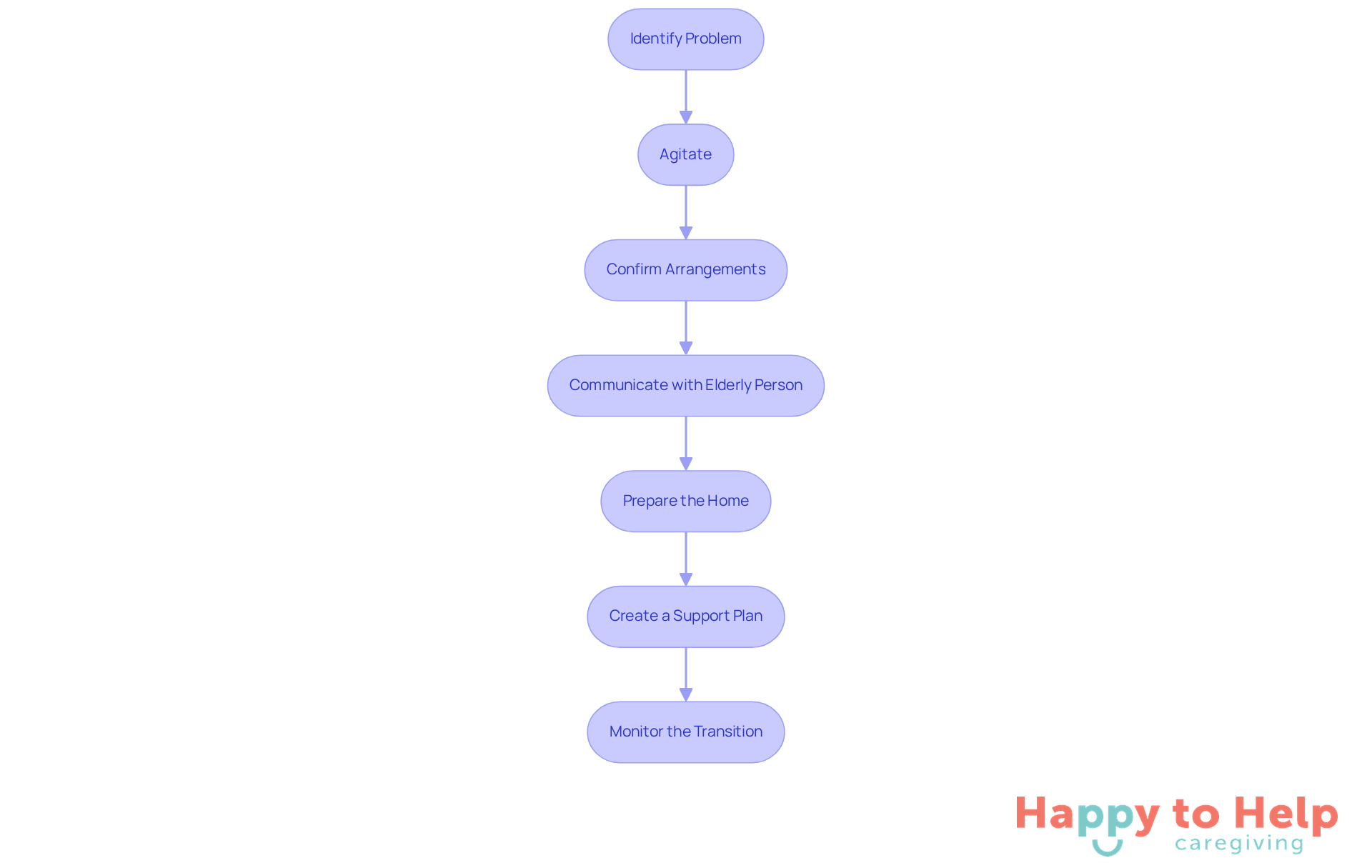
Problem: Transitioning care for an elderly loved one can be challenging. Without proper preparation, it can lead to confusion and anxiety for both the caregiver and the elderly individual.
Agitate: If arrangements aren’t confirmed, it can create uncertainty. Additionally, failing to communicate with the elderly person may leave them feeling excluded and anxious about the changes ahead.
Solution: Here are actionable steps to ensure a smooth transition:
- Confirm Arrangements: Once you have chosen a supporter or support facility, verify all arrangements, including start dates, schedules, and specific assistance plans.
- Communicate with the Elderly Person: Discuss the upcoming changes with your loved one, addressing any concerns they may have and ensuring they feel involved in the process.
- Prepare the Home: If assistance is provided at home, ensure the environment is safe and comfortable for both the helper and the elderly individual. This may include removing hazards and organizing necessary supplies.
- Create a Support Plan: Collaborate with the support provider to develop a comprehensive plan that specifies daily routines, medical requirements, and preferences to guarantee consistent assistance.
- Monitor the Transition: After the transition, regularly check in with both the caregiver and the elderly person to address any issues and ensure that the care is meeting their needs.
Making the Right Choice
Finding the right short-term elderly care can be a daunting challenge for caregivers and their loved ones. The implications of inadequate support can lead to caregiver burnout, which not only affects the individual but also the entire family dynamic. Recognizing this problem is the first step toward ensuring the well-being of both seniors and their caregivers.
To address these challenges, it’s essential to explore various options available for short-term elderly care. Understanding the different types of services and assessing individual needs can help families make informed decisions. Engaging in open conversations with loved ones and consulting professionals can provide valuable insights. Additionally, researching local providers and evaluating caregiver qualifications and compatibility are crucial steps in securing the best possible support.
Moreover, caregivers should not overlook the financial implications of care. Exploring various payment options can lead to solutions that fit unique circumstances, alleviating some of the stress associated with caregiving. By prioritizing respite services, families can significantly improve their dynamics, allowing caregivers to recharge and maintain their vital roles.
Ultimately, the journey toward finding short-term elderly care is about enhancing the quality of life for seniors while supporting caregivers. Taking proactive steps - such as conducting thorough assessments and preparing for transitions - ensures that both parties feel secure and valued. By fostering a nurturing environment, families can promote health, happiness, and connection during challenging times.
https://iframe.tely.ai/cta/eyJhcnRpY2xlX2lkIjogIjY5MjI0Zjc0ZmViYTIxODdjZTM2NWJkYiIsICJjb21wYW55X2lkIjogIjY4ZWU1ZGNhNzMxNzYyNTU3ZjNjOTVjMSIsICJpbmRleCI6IG51bGwsICJ0eXBlIjogImFydGljbGUifQ==Frequently Asked Questions
What is short-term elderly care and why is it important?
Short-term elderly care provides temporary relief for primary caregivers, allowing them to recharge while ensuring their loved ones receive professional care. It helps alleviate caregiver burnout and strengthens family bonds.
What types of short-term elderly care options are available?
The main options include Assisted Living facilities, In-Home Assistance, and Adult Day Services. Each option offers different levels of support and care tailored to the needs of the elderly.
How do Assisted Living facilities support seniors?
Assisted Living facilities offer a supportive environment where seniors receive help with daily activities, personal support, and medication management, facilitated by professionals like registered nurses and aides.
What does In-Home Assistance entail?
In-Home Assistance provides support directly in the senior's residence, promoting independence through tailored assistance with personal care, meal preparation, companionship, and possibly housekeeping services.
What are Adult Day Services and their benefits?
Adult Day Services provide structured support and social activities during the day, allowing caregivers to manage other responsibilities. These programs encourage social interaction and engagement, which are essential for the emotional well-being of older adults.
How can caregivers assess the individual care needs of seniors?
Caregivers can assess needs by conducting a needs assessment, engaging in conversations with the senior, involving relatives for insights, and consulting healthcare professionals for guidance.
Why is it crucial to assess a senior's individual care needs?
Understanding a senior's individual care needs is essential to provide appropriate support and prevent potential declines in health and well-being. A thorough assessment ensures that the care arrangements respect the senior's autonomy and enhance their quality of life.
List of Sources
- Understand Short-Term Elderly Care Options
- Caregivers and the Importance of Respite Care (https://benedictineliving.org/resources/news/caregivers-and-the-importance-of-respite-care)
- Respite Services: A Critical Support for Family Caregivers (https://ltsschoices.aarp.org/resources-and-practices/respite-services-critical-support-for-family-caregivers)
- Facts & Figures (https://ahcancal.org/Assisted-Living/Facts-and-Figures/Pages/default.aspx)
- Elderly Care Statistics (https://rosewood-nursing.com/post/elderly-care-statistics)
- Summer Respite: How Short-Term Care Can Help Family Caregivers Take a Break (https://homeinstead.com/home-care/usa/la/carencro/347/news-and-media/summer-respite-how-short-term-care-can-help-family-caregivers-take-a-break)
- Assess Individual Care Needs
- How to Assess if an Older Adult Needs Caregiving Help (https://aarp.org/caregiving/home-care/assessing-need-for-caregiver)
- Family Involvement in Behavioral Health Planning for Seniors - Supportive Care (https://thesupportivecare.com/blog/family-involvement-in-behavioral-health-planning-for-seniors)
- Bridging the Gap in Elderly Care: The Case for Comprehensive In-Home Assessment (https://reachmd.com/news/bridging-the-gap-in-elderly-care-the-case-for-comprehensive-in-home-assessment/2474101)
- Warning From Older Adults: Care for Aging in America Needs Urgent Rethinking (https://johnahartford.org/newsroom/view/warning-from-older-adults-care-for-aging-in-america-needs-urgent-rethinking)
- Brief geriatric assessments feasible to spot major needs, report says (https://mcknights.com/news/brief-geriatric-assessments-feasible-to-spot-major-needs-report-says)
- Research Local Care Providers
- Assisted Living, Senior Living, Home Care and Caregiver Support (https://caring.com)
- 45 Statistics on Patient Reviews for Healthcare Professionals (https://repugen.com/blog/statistics-on-patient-reviews-for-healthcare-professionals)
- 45+ Online Review Statistics You Need to Know in 2024 - GatherUp (https://gatherup.com/resources/online-review-statistics)
- tendercare | tendercare Launches National Trusted Network of Verified Senior Care Service Providers (https://trytendercare.com/blog/tendercare-launches-national-trusted-network-of-verified-senior-care-service)
- Evaluate Caregiver Qualifications and Compatibility
- 10 Must-Know U.S. Home Care Industry Stats for 2025 - North American Community Hub (https://nchstats.com/us-home-care-industry-stats)
- Caregiver Statistics: Work and Caregiving (https://caregiver.org/resource/caregiver-statistics-work-and-caregiving)
- Aurora releases study to address needs of older adults and caregivers (https://denver7.com/news/front-range/aurora/aurora-releases-study-to-address-needs-of-older-adults-and-caregivers)
- The Direct Care Workforce - NASHP (https://nashp.org/the-direct-care-workforce)
- The Importance of Caregiver-Client Relationships in Senior Well-Being (https://homeinstead.com/home-care/usa/in/goshen/588/news-and-media/the-importance-of-caregiver-client-relationships-in-senior-well-being)
- Understand Costs and Payment Options
- Assistance Programs for Seniors That May Help Pay Medical Bills (https://seniorhelpers.com/ia/central-iowa/resources/blogs/assistance-programs-for-seniors-that-may-help-pay-medical-bills)
- Payment Options for Nursing Home Care - Iowa Legal Aid (https://iowalegalaid.org/resource/payment-options-for-nursing-home-care)
- How to Pay for Senior Living (https://health.usnews.com/senior-care/articles/understanding-how-to-pay-for-senior-living)
- Cost of In-Home Care in California (2025) + 11 Ways to Pay (https://lovinghomecareinc.com/blog/cost-of-in-home-care-california)
- Home Care Costs in 2025: A State-by-State Guide (https://aplaceformom.com/caregiver-resources/articles/in-home-care-costs)
- Finalize Your Care Choice and Prepare for Transition
- What predicts health care transitions for older adults following introduction of long-term services and supports? - PMC (https://pmc.ncbi.nlm.nih.gov/articles/PMC6713625)
- (https://belleviecare.co.uk/support-advice/60-elderly-care-quotes-to-lift-your-spirits)
- Transition Rates from the Community to Nursing Home Care among Older Adult Medicaid Enrollees, 2006-2009 (https://aspe.hhs.gov/reports/transition-rates-community-nursing-home-care-among-older-adult-medicaid-enrollees-2006-2009-0)
- 27 Inspirational Quotes for Caregivers (https://ultimatecareny.com/resources/27-quotes-for-caregivers)
- Preparing for the Move: Transitioning to Senior Housing | Choice Connections of New York (https://choiceconnectionsny.com/preparing-for-the-move-transitioning-to-senior-housing)