
What You Need to Know About Find the Best Home Health Aide Agency
Navigating home health care can feel overwhelming, especially when a loved one's well-being is at stake. With nearly 85% of older adults managing chronic health conditions, the need for personalized and reliable support is more pressing than ever. Caregivers face the daunting task of sifting through numerous options to find the right home health aide agency. But how can they ensure safety and satisfaction in their choice?
The challenge is clear: caregivers must find quality care tailored to individual needs. This situation can lead to stress and uncertainty, as the implications of inadequate support can significantly impact both the caregiver and the recipient of care. To address this, it’s essential to have a structured approach to selecting a home health aide agency.
This article serves as a comprehensive guide, outlining the essential steps caregivers should take to ensure they make informed decisions. By following these actionable tips, caregivers can navigate the complexities of home health care with confidence.
Assess Your Care Needs and Preferences
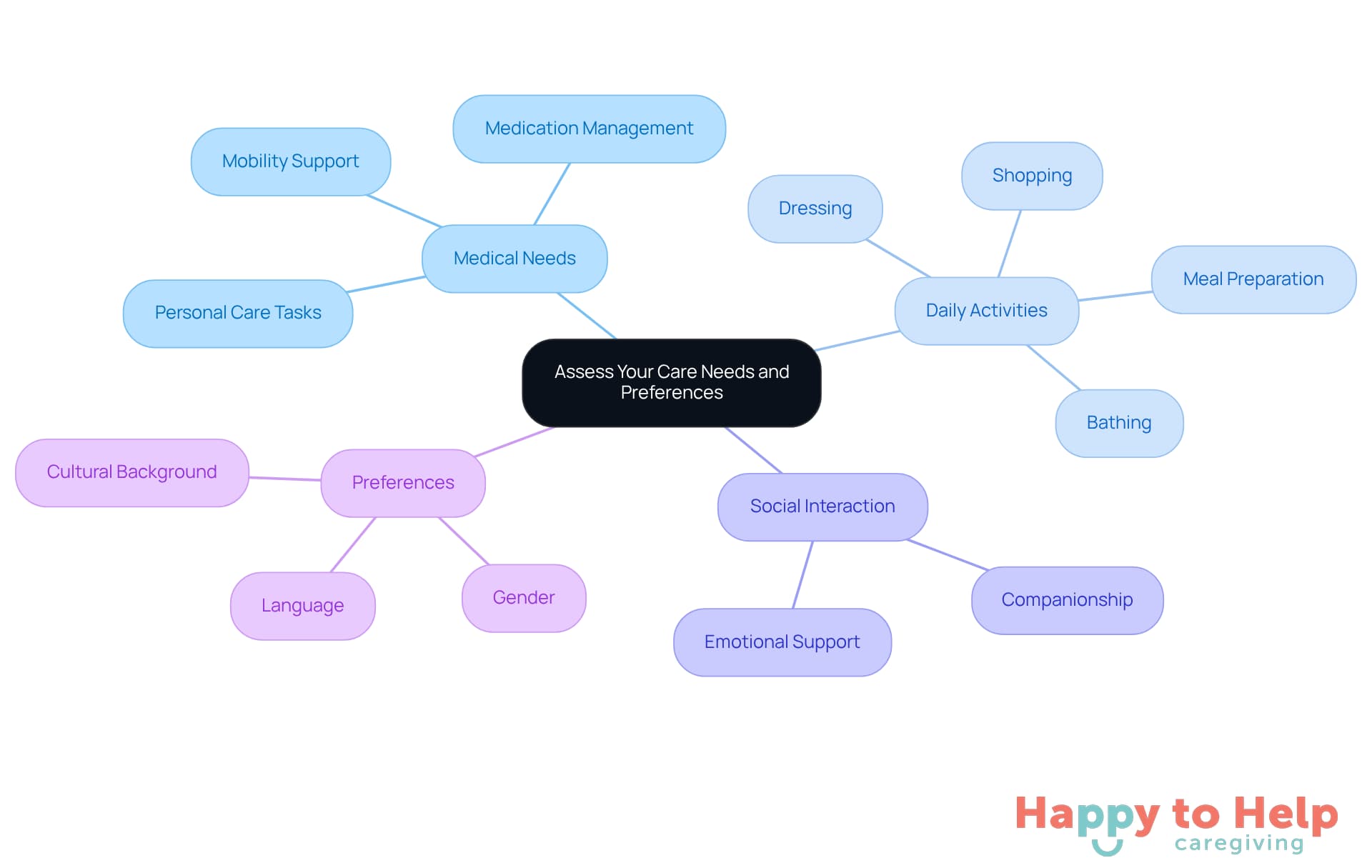
To create an effective personalized support plan, it’s crucial to start by detailing the specific support requirements of your loved one. This process begins with understanding the challenges they face.
Medical Needs: Many individuals require assistance with medication management, mobility support, or personal care tasks. This understanding is vital, especially considering that nearly 85% of older adults have at least one chronic health condition, complicating their daily routines.
Daily Activities: Next, identify which daily tasks they struggle with, such as bathing, dressing, or meal preparation. A significant percentage of seniors need help with activities of daily living (ADLs). Notably, 36% of respondents indicated that shopping is a necessary managed-at-home support service, underscoring its importance in daily living.
Social Interaction: Evaluate the need for companionship to combat feelings of loneliness. Social isolation can lead to serious health issues, making emotional support a critical component of care plans. In fact, 70% of participants prefer to stay at home with assistance as they age, highlighting the need for tailored support.
Preferences: Discuss any preferences regarding the support worker’s gender, language, or cultural background. Customizing support not only enhances comfort but also builds trust between the caregiver and the client.
Once you have a clear understanding of these requirements, you can effectively communicate them to potential organizations, such as the best home health aide agency near me. This ensures they can provide the appropriate level of support tailored to your loved one's specific circumstances. Additionally, it’s essential to assess care needs early, as 91% of respondents aged 50-79 have not proactively researched the care they may require.
Research Local Home Health Aide Agencies
Finding the best home health aide agency near me can be a daunting task for caregivers. With so many options available, it’s crucial to ensure that you choose a reliable service that meets your needs. The implications of selecting the wrong agency can lead to inadequate care, increased stress, and potential safety concerns for your loved ones.
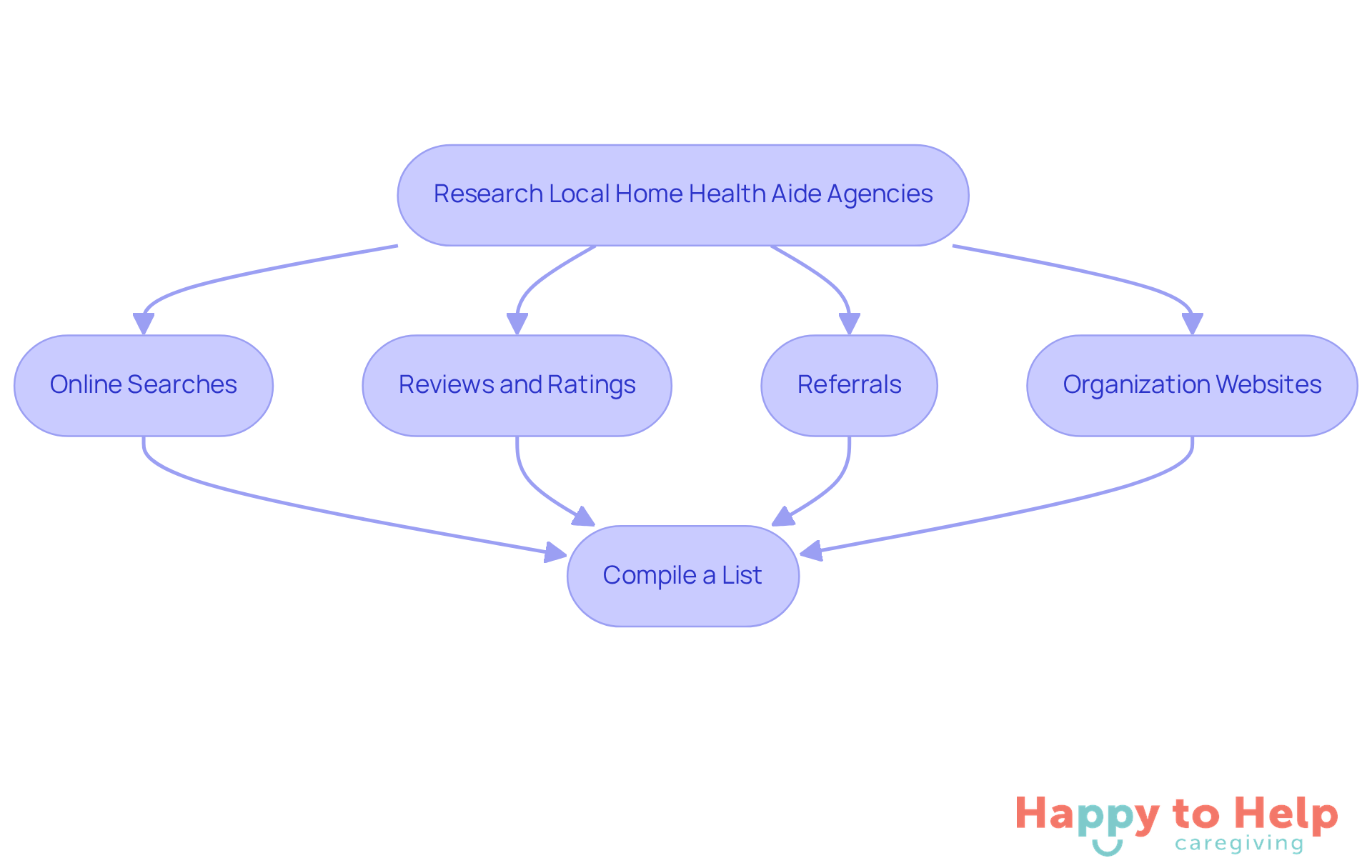
To navigate this challenge effectively, start your research by:
- Online Searches: Use search engines to find home health aide agencies in your area. Websites like AARP and local health department listings can provide valuable information.
- Reviews and Ratings: Check online reviews on platforms like Yelp or Google to gauge the experiences of other families.
- Referrals: Ask friends, family, or healthcare providers for recommendations based on their experiences.
- Organization Websites: Visit the websites of potential organizations to learn about their services, staff qualifications, and any certifications they hold.
By compiling a list of promising organizations based on your research, you can make a more informed decision that ensures quality care for your loved ones.
Evaluate Qualifications and Caregiver Training
When evaluating the best home health aide agency near me, caregivers face a significant challenge: ensuring quality and safety in caregiving services. Without proper evaluation, the risk of inadequate care for loved ones increases, leading to potential safety concerns.
To address this issue, consider these key factors:
-
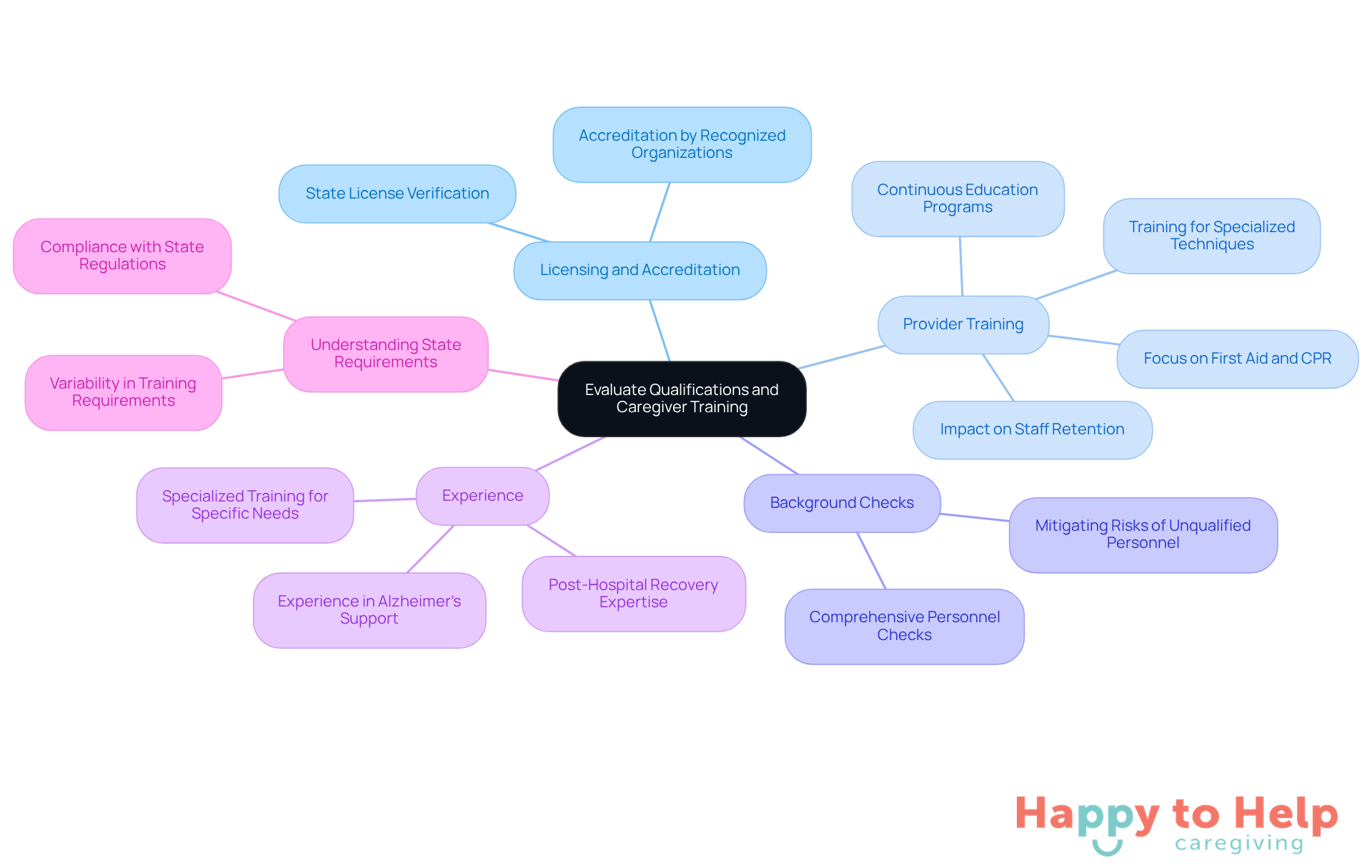
Licensing and Accreditation: Verify that the agency holds a valid state license and is accredited by recognized organizations. This guarantees adherence to industry standards and regulations, which is essential for upholding high-quality service.
-
Provider Training: Inquire about the training programs that providers undergo. Organizations that emphasize continuous education in vital fields like first aid, CPR, and specialized techniques show a dedication to improving provider skills. Notably, over 40% of organizations focus on training and development to tackle staff turnover and enhance employee retention and care quality.
-
Background Checks: Confirm that the agency conducts comprehensive background checks on their personnel. This step is vital for ensuring the safety and security of your loved ones, as it helps mitigate risks associated with hiring unqualified personnel.
-
Experience: Ask about the experience level of support providers, particularly concerning your loved one's specific needs. Organizations that offer providers with specialized training and experience in areas like Alzheimer’s support or post-hospital recovery can significantly enhance the quality of assistance delivered.
-
Understanding State Requirements: Be aware that training requirements for providers differ by state. Understanding these regulations is essential to ensure compliance and quality support.
By conducting this comprehensive assessment, you can identify the best home health aide agency near me, which prioritizes quality and safety in their hiring methods, ultimately leading to improved support for your loved ones.
Conduct Interviews with Agencies and Caregivers
Prepare for interviews by compiling a list of essential questions to ask organizations and potential support providers. Here are some key inquiries to consider:
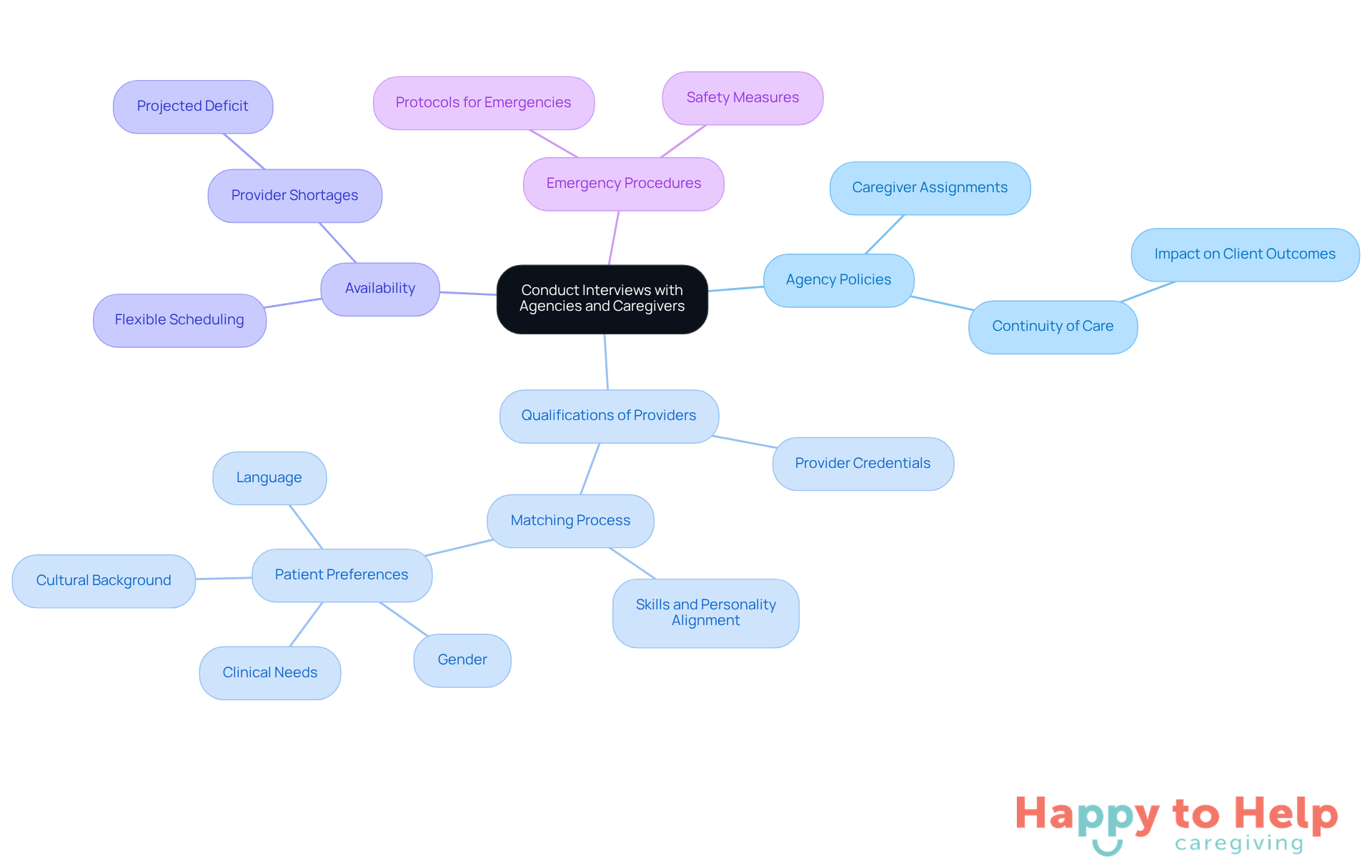
- Agency Policies: What are your policies regarding caregiver assignments and continuity of care? Understanding how agencies manage support worker assignments is crucial, as continuity has been linked to better client outcomes, including fewer falls and improved emotional health. For example, studies indicate that readmission rates decreased from 16% to 12.9% within one month when continuity interventions were implemented.
- Qualifications of Providers: What credentials do your providers possess, and how are they matched with clients? Agencies that focus on aligning support providers based on skills, personality, and client preferences tend to build stronger relationships, leading to higher satisfaction. Important patient preferences for matching include language, cultural background, gender, personality, and clinical needs, all of which influence comfort and trust.
- Availability: What is the availability of support providers, and can they accommodate flexible scheduling? With ongoing provider shortages projected to reach a deficit of 3.2 million healthcare workers by 2026, it’s essential to confirm that the organization can consistently meet your loved one's needs.
- Emergency Procedures: What protocols are in place for emergencies? Knowing how an organization handles emergencies can provide peace of mind and ensure that your loved one is safe and supported.
During the interview, pay attention to how representatives from the organization and supporters respond. Their willingness to answer questions thoroughly and transparently can indicate their commitment to providing high-quality support. Engaging with the best home health aide agency near me, which prioritizes caregiver continuity and has clear policies, can greatly improve the caregiving experience for both clients and their families. As Dr. Jennifer M Reckrey notes, high home support worker continuity allows for consistent monitoring and helps develop client-specific knowledge, which is vital for effective assistance.
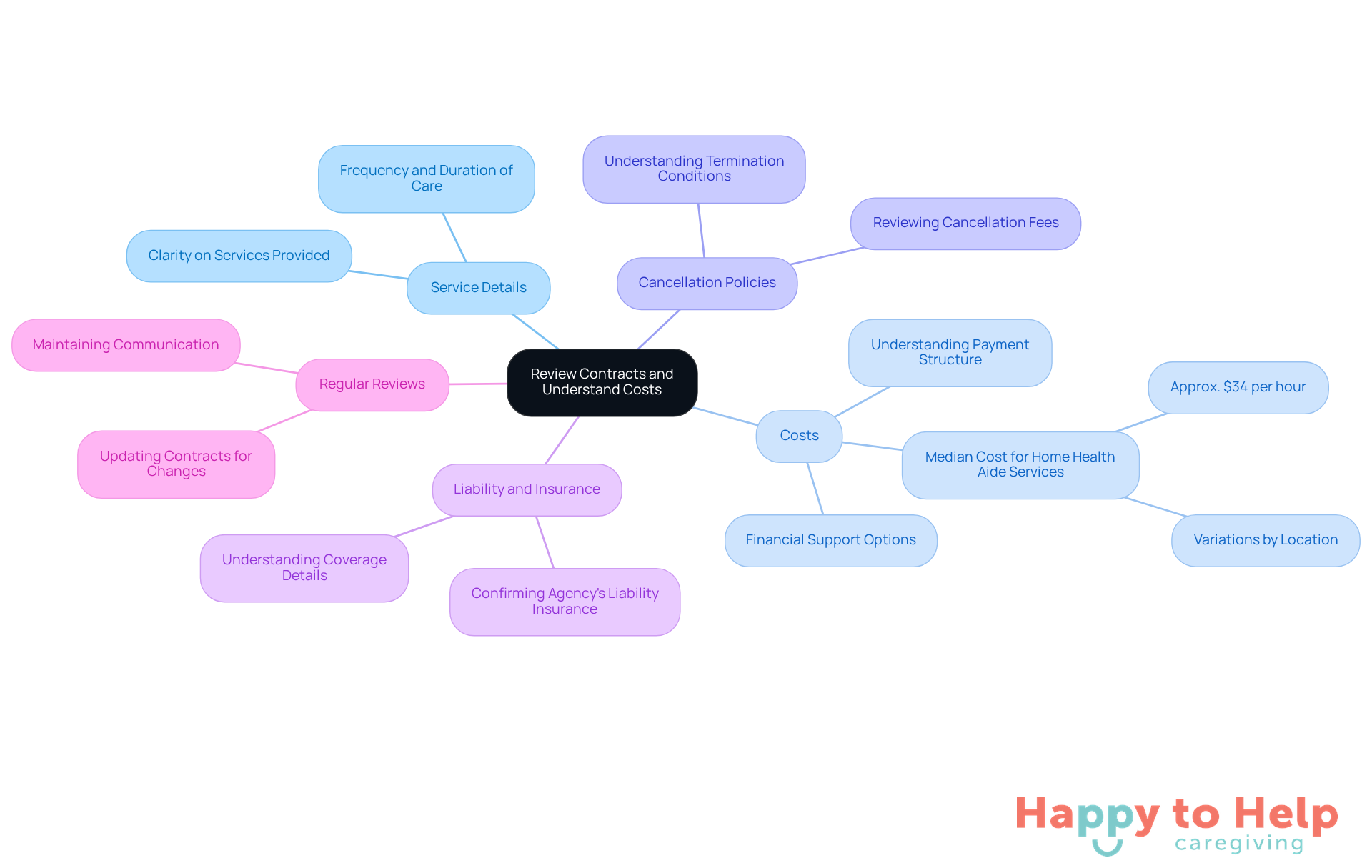
Review Contracts and Understand Costs
Before signing any contracts, caregivers often encounter several challenges that can lead to misunderstandings and unexpected costs.
-
Service Details: One major issue is the lack of clarity regarding the services provided. It's essential that the contract explicitly outlines the services, including the frequency and duration of care. This clarity helps prevent misunderstandings about what to expect from the caregiver.
-
Costs: Another common concern is understanding the payment structure. Caregivers should be aware of hourly rates, any additional fees, and payment methods. For instance, the median cost for home health aide services in the U.S. is approximately $34 per hour, but this can vary significantly based on location and the level of care required. In some areas, costs may range from $20 to $35 per hour, influenced by local minimum wage laws. Caregivers should ask about options for financial support or sliding scale charges, as many organizations provide these to accommodate various financial circumstances.
-
Cancellation Policies: Cancellation policies can also pose a problem. It's crucial to review the organization's cancellation policy and any fees associated with terminating services. Knowing these details in advance can help avoid unexpected charges if circumstances change.
-
Liability and Insurance: Liability and insurance coverage are vital aspects that caregivers must confirm. Ensure that the agency carries liability insurance and understand what it covers. This protection is essential for both the provider and the client, ensuring that any incidents are managed appropriately.
-
Regular Reviews: Lastly, regular reviews of home care contracts are important. Caregivers should update contracts to reflect any changes in care needs or financial arrangements. This ongoing communication helps maintain clarity and trust between families and caregivers.
If any aspect of the contract is unclear, caregivers should not hesitate to ask for clarification. A reputable agency will be more than willing to explain all elements of the contract, ensuring that caregivers are fully informed before making a decision.
Moving Forward with Find the Best Home Health Aide Agency
Finding the right home health aide agency is a significant challenge for caregivers. This process can be overwhelming, as it involves:
- Assessing individual care needs
- Researching local agencies
- Evaluating caregiver qualifications
- Engaging with potential providers
Without careful consideration, caregivers may struggle to find the best fit for their loved ones, which can lead to inadequate care and increased stress for both parties.
To address these challenges, caregivers should take proactive steps. Start by:
- Understanding the specific medical and daily activity needs of the individual requiring care
- Prioritizing caregiver continuity to ensure a stable and trusting relationship
- Ensuring clear communication regarding service contracts to avoid misunderstandings and ensure that expectations are met
Recognizing the emotional and social aspects of caregiving can significantly enhance the experience for both the caregiver and the client. By fostering a supportive environment that prioritizes comfort, safety, and companionship, caregivers can improve the quality of care provided.
Ultimately, the journey to finding the best home health aide agency is about more than just meeting physical needs. It’s about ensuring that loved ones receive the dignity and respect they deserve. Caregivers are encouraged to take these actionable steps, ensuring that their loved ones not only receive the assistance they require but also thrive in a nurturing environment.
https://iframe.tely.ai/cta/eyJhcnRpY2xlX2lkIjogIjY5MjUwZjk5MjhmYmExOWI5MjM1NzEzYiIsICJjb21wYW55X2lkIjogIjY4ZWU1ZGNhNzMxNzYyNTU3ZjNjOTVjMSIsICJpbmRleCI6IG51bGwsICJ0eXBlIjogImFydGljbGUifQ==Frequently Asked Questions
What is the first step in creating a personalized support plan for a loved one?
The first step is to assess the specific support requirements of your loved one by understanding the challenges they face, including their medical needs, daily activities, social interaction, and personal preferences.
What types of medical needs should be considered?
Medical needs may include assistance with medication management, mobility support, and personal care tasks, particularly since nearly 85% of older adults have at least one chronic health condition.
What daily activities do seniors often need help with?
Seniors often struggle with activities of daily living (ADLs) such as bathing, dressing, meal preparation, and shopping, with 36% of respondents indicating shopping as a necessary managed-at-home support service.
Why is social interaction important in care plans?
Social interaction is vital to combat feelings of loneliness, which can lead to serious health issues. Approximately 70% of participants prefer to stay at home with assistance as they age, emphasizing the need for emotional support.
How can preferences impact the selection of a caregiver?
Discussing preferences regarding the caregiver’s gender, language, or cultural background is important as it enhances comfort and builds trust between the caregiver and the client.
What should caregivers do after assessing care needs?
Caregivers should communicate the assessed needs to potential organizations, such as home health aide agencies, to ensure they can provide the appropriate level of tailored support.
What challenges do caregivers face when selecting a home health aide agency?
Caregivers may find it daunting to choose a reliable agency due to the many options available, and selecting the wrong agency can lead to inadequate care, increased stress, and safety concerns for loved ones.
What are some effective ways to research local home health aide agencies?
Effective research methods include online searches, checking reviews and ratings on platforms like Yelp or Google, asking for referrals from friends, family, or healthcare providers, and visiting the websites of potential organizations to learn about their services and qualifications.
Why is it important to assess care needs early?
Assessing care needs early is essential because 91% of respondents aged 50-79 have not proactively researched the care they may require, which can lead to unpreparedness when care is needed.
List of Sources
- Assess Your Care Needs and Preferences
- When is it Time to Hire a Home Health Care Aide? - VNA Health Group (https://vnahg.org/when-is-it-time-to-hire-a-home-health-care-aide)
- What to Know About Home Care Services (Published 2023) (https://nytimes.com/2023/12/02/health/home-care-explainer.html)
- New Study Finds That While Aging Seniors Prefer In-Home Care, Most Are Critically Underprepared for Future Healthcare Needs | Cross Country Healthcare, Inc. (https://ir.crosscountry.com/news-releases/news-release-details/new-study-finds-while-aging-seniors-prefer-home-care-most-are)
- The Caregiving Landscape: Data & Insights on the Caregiver Experience in the U.S. (https://caregiveraction.org/caregiver-statistics)
- Caregiver Statistics: Demographics (https://caregiver.org/resource/caregiver-statistics-demographics)
- Research Local Home Health Aide Agencies
- Home Care Business Growth Statistics | Aaniie Formerly Smartcare Software (https://aaniie.com/resources/home-care-business-growth-statistics)
- FastStats (https://cdc.gov/nchs/fastats/home-health-care.htm)
- Home Care Statistics In 2025: Key Insights In Home Care (https://sagapixel.com/marketing/home-care-statistics)
- 52 Eye-Opening Home Health Statistics: Insights for 2025 (https://boosthomehealth.com/home-health-statistics)
- Evaluate Qualifications and Caregiver Training
- Tip Sheet: 7 Reasons Why Caregiver Training Matters (https://axiscare.com/tip-sheets/reasons-why-caregiver-training-matters)
- New Research Highlights Critical Role of Training in Caregiver Retention (https://careacademy.com/blog/role-of-training-in-caregiver-retention)
- US News & World Report Highlights CCA's Caregiver Training (https://advancecaregivers.org/report-us-news-world-report-highlights-ccas-caregiver-training)
- Home-Based Care Companies Improve Outcomes By Training Family Caregivers (https://homehealthcarenews.com/2025/10/home-based-care-companies-improve-outcomes-by-training-family-caregivers)
- Conduct Interviews with Agencies and Caregivers
- HHS Launches $2M AI Initiative To ‘Transform’ Caregiving, Address Staffing Challenges (https://homehealthcarenews.com/2025/11/hhs-launches-2m-ai-initiative-to-transform-caregiving-address-staffing-challenges)
- AI must optimize home care, continuity, and early detection for older adults (https://news-medical.net/news/20251007/AI-must-optimize-home-care-continuity-and-early-detection-for-older-adults.aspx)
- Family Caregivers in Home Care - Adoration Home Health & Hospice (https://adorationhealth.com/family-caregivers-in-home-care)
- Home Care Worker Continuity in Home-Based Long-Term Care: Associated Factors and Relationships With Client Health and Well-Being (https://academic.oup.com/innovateage/article/8/3/igae024/7613388)
- Caregiver-Patient Matching in Home Care (https://carevoyant.com/home-health-blog/caregiver-patient-matching-home-care)
- Review Contracts and Understand Costs
- Cost Of Home-Based Care Services Spiked In 2024 (https://homehealthcarenews.com/2025/03/cost-of-home-based-care-services-spiked-in-2024)
- The Importance of Understanding Home Care Contracts (https://h2hhc.com/blog/the-importance-of-understanding-home-care-contracts)
- Medicare Home Health Care Could Save $13-17B Per Year (https://caregiveraction.org/medicare-home-health-care)
- The Cost of In-Home Caregivers May Surprise You (https://health.usnews.com/senior-care/caregiving/articles/how-much-do-in-home-caregivers-cost)
- Home Care Costs in 2025: A State-by-State Guide (https://aplaceformom.com/caregiver-resources/articles/in-home-care-costs)