

For families in our service areas
For families in our service areas, this guide explains in-home care and how non-medical in-home caregiving can support care planning in East Idaho, Treasure Valley & Magic Valley, Northern Wasatch, North Central West Virginia, and Northeast Ohio.
Understanding Your Options
Finding the best in-home care for your elderly loved ones can be a daunting task. Families often face emotional challenges, feeling overwhelmed by the responsibility of ensuring their loved ones receive the right support. To navigate this journey, it’s essential to conduct a thorough needs assessment, explore various care options, and evaluate potential providers based on specific requirements.
Understanding the different types of care available is a crucial first step. Involving the elderly in the selection process can also make a significant difference, as it honors their preferences and fosters a sense of agency. Creating a personalized care plan ensures that the chosen services align with their unique needs and desires.
Remember, you are not alone in this process. Many families share similar feelings of stress and concern, and there are compassionate resources available to support you. By taking these steps, you can find the care that truly resonates with your loved one's needs, providing peace of mind for both you and them.
The Importance of Find the Best In-Home Care for Elderly
Finding the right in-home care for elderly loved ones is a profoundly important decision, one that can greatly affect their quality of life. As families explore the many options available, it becomes essential to truly understand the emotional and physical needs of seniors. This article will guide you through the vital steps in selecting the best in-home care, from assessing individual needs to interviewing potential caregivers.
What challenges may arise in ensuring that the care provided aligns with the unique preferences and requirements of our aging family members? Together, we can navigate these complexities with compassion and understanding.
Understand In-Home Care Options for the Elderly
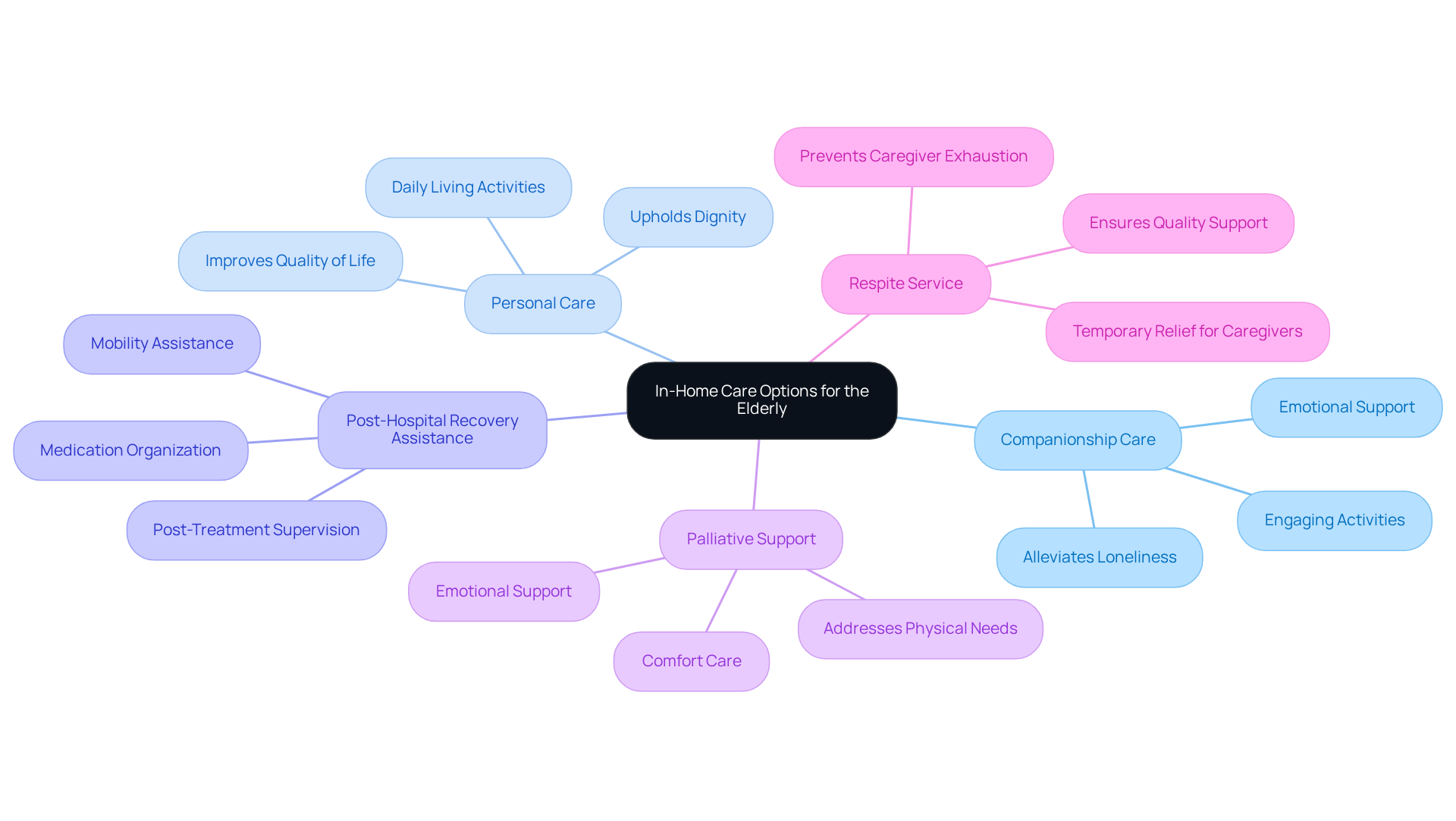
The best in home care for elderly includes a variety of in-home support services tailored to assist seniors in their daily lives, allowing them to remain in the comfort of their own homes. It's important to recognize the emotional challenges faced by both seniors and their caregivers. Understanding these needs can make a significant difference.
-
Companionship Care is crucial for providing emotional support and companionship to seniors. This service helps alleviate feelings of loneliness and isolation. Engaging clients in enjoyable activities fosters social interaction, which is vital since social isolation can increase the risk of dementia by nearly 50%.
-
Personal Care involves assistance with essential daily living activities such as bathing, dressing, grooming, and meal preparation. For seniors experiencing physical limitations, personal assistance services are essential, helping to uphold dignity and improve quality of life.
-
After a hospital stay, many seniors require Post-Hospital Recovery Assistance to ensure a safe recovery at home. Supporters can help with medication organization, mobility assistance, and post-treatment supervision. This support is crucial for avoiding hospital readmissions and encouraging a smooth recovery.
-
For seniors with chronic illnesses or those nearing the end of life, Palliative Support focuses on providing comfort and addressing both physical and emotional needs. This type of care is vital for enhancing the quality of life during challenging times.
-
Respite Service offers temporary relief for family caregivers, allowing them to take necessary breaks while ensuring their loved ones continue to receive quality support. This service is essential to prevent caregiver exhaustion, a significant issue, especially considering the national yearly caregiver turnover rate reached 77% in 2024.
Understanding these options is essential for families to find the best in home care for elderly that accommodates their relatives' unique needs and preferences. By 2025, approximately 77% of individuals over 50 will choose to age in their own homes, which highlights the increasing demand for the best in home care for elderly. Additionally, conducting a home safety evaluation is important for families considering in-home support services, ensuring a secure environment for their loved ones.
Assess Individual Care Needs and Preferences
To determine the best in home care for elderly family members, it is essential to conduct a comprehensive evaluation of their specific needs and preferences. This process can feel overwhelming, but taking it step by step can help ease the burden.
-
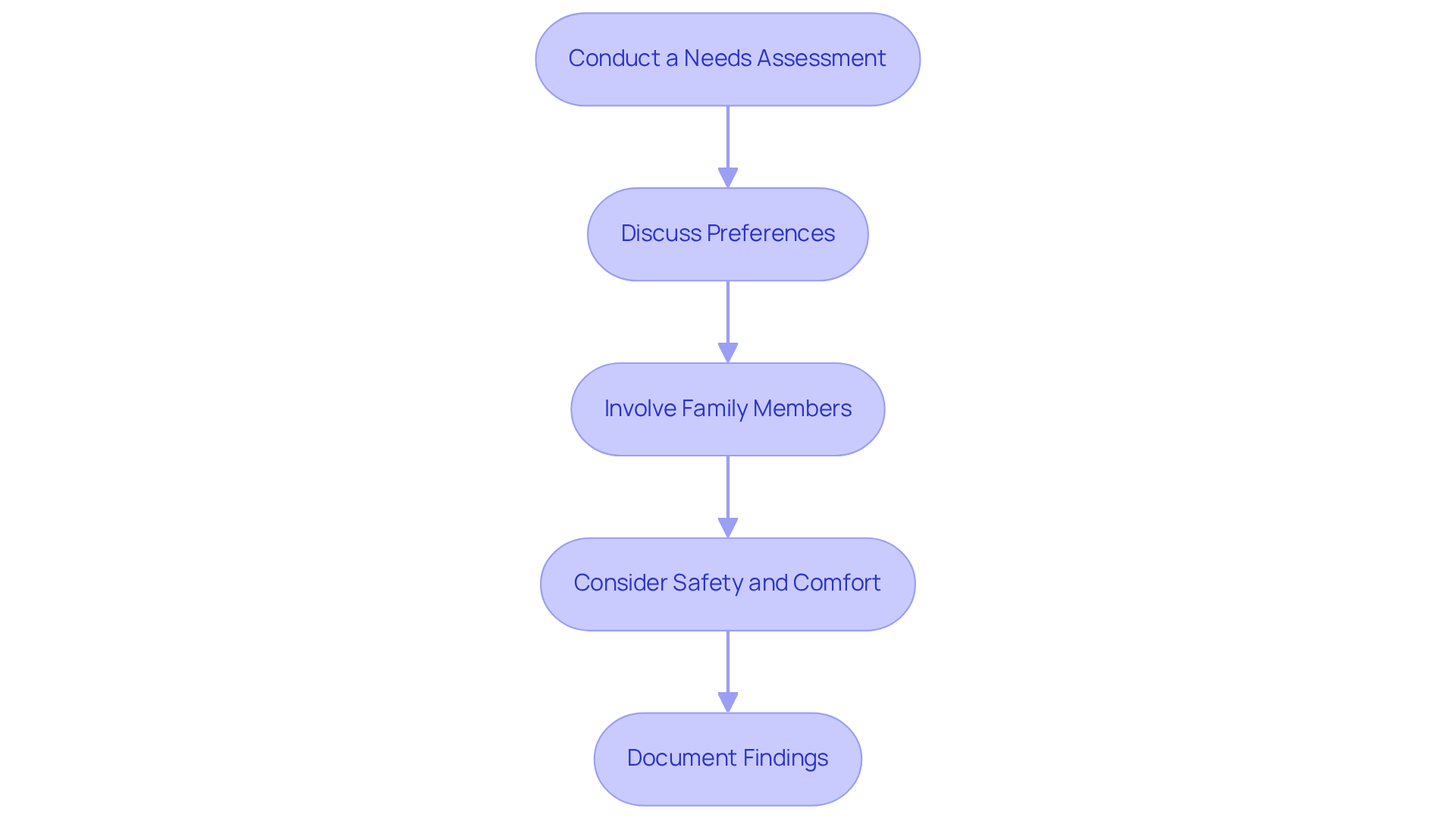
Conduct a Needs Assessment: Begin by gently evaluating your family member's physical health, cognitive abilities, and emotional well-being. Consider any medical conditions, mobility challenges, or cognitive impairments that could impact their daily activities. It's important to be aware that significant weight changes or social withdrawal may signal underlying health issues that need attention. In fact, studies show that 82% of older adults believe the U.S. health system is not adequately equipped for the needs of the aging population, underscoring the importance of thorough evaluations.
-
Discuss Preferences: Engage your loved one in heartfelt conversations about their support preferences. Ask about their daily routines, favorite activities, and any specific requests they may have for their caregiver. Research indicates that 94% of older individuals prioritize preserving their quality of life over longevity, highlighting the importance of aligning support with their wishes.
-
Involve Family Members: Collaborate with other family members to gather insights into your dear one's needs and preferences. This collective approach fosters a deeper understanding of their situation, ensuring that all perspectives are valued. In 2022, more than 24 million Americans served as supporters for older adults, illustrating the significance of family participation in support decisions.
-
Consider Safety and Comfort: Take a moment to evaluate the home environment for potential safety hazards and comfort. Identify areas that may require modifications to enhance safety, such as installing grab bars or improving lighting. A cluttered or unsanitary home can indicate that older adults may need caregiving support. Regular assessments of home safety can significantly reduce the risk of accidents, allowing older adults to live independently and with dignity.
-
Document Findings: Compile a detailed list of your loved one's needs and preferences. This document will serve as a valuable reference when researching and interviewing prospective caregivers, ensuring that the chosen assistance provides the best in home care for elderly and aligns with their unique requirements. Involving a geriatric service manager can also simplify access to essential services and support, making the process easier for families. Additionally, discussing financial oversight is vital, as aging family members may be at risk of scams or fraud without assistance. As Dr. Paul Chiang wisely notes, new or changed behaviors might be a clue that your parent needs more support.
Remember, you are not alone in this journey. Seeking help is a sign of strength, and there are compassionate resources available to guide you and your loved one through these changes.
Research and Evaluate In-Home Care Providers
After considering your family member's needs, the next vital step is to explore and evaluate potential providers that offer the best in home care for elderly. Here are some essential steps to guide you:
-
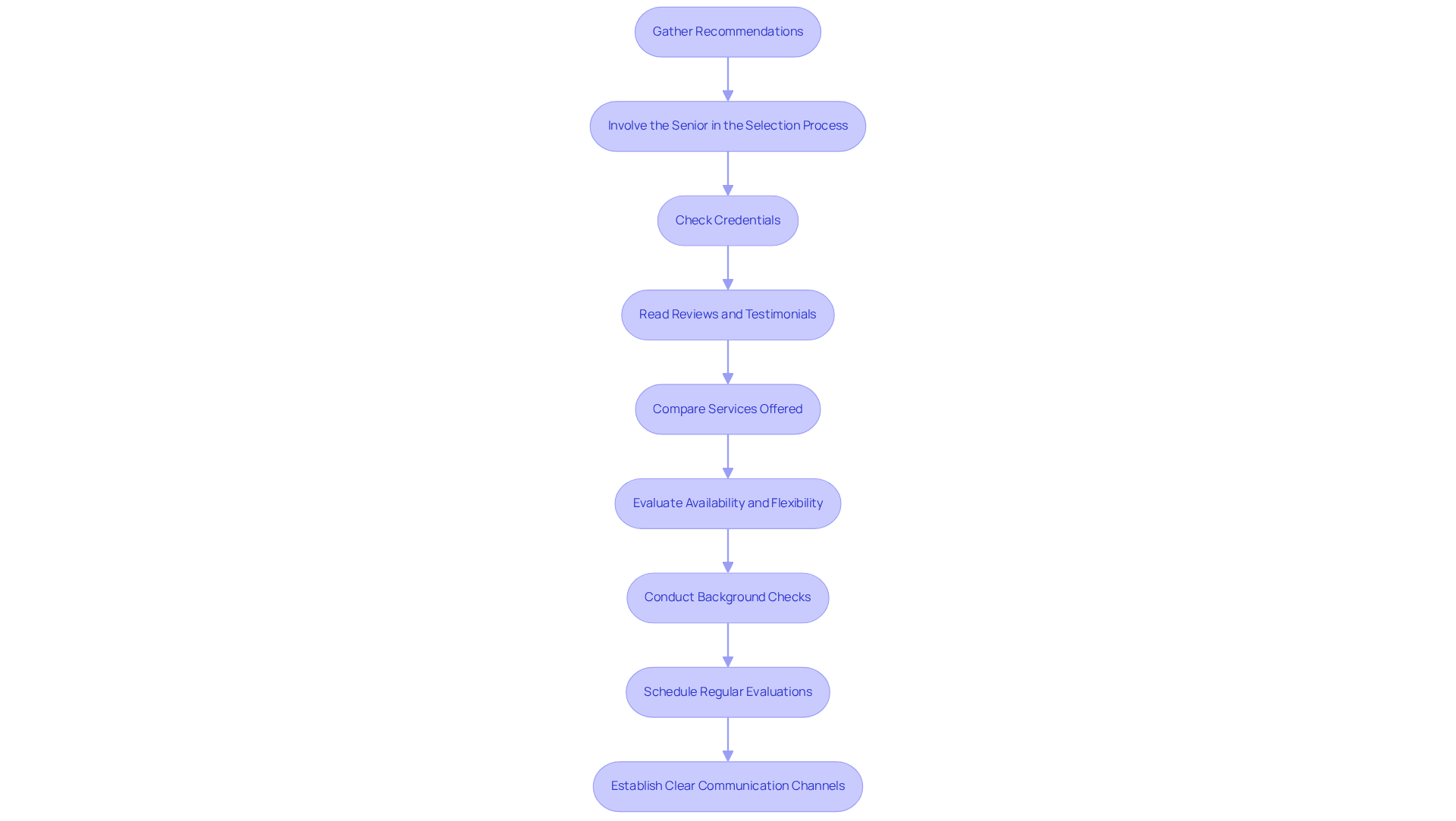
Gather Recommendations: Start by seeking referrals from friends, family, and healthcare professionals. Personal suggestions often provide valuable insights into the quality of service and the experiences of others.
-
Involve the Senior in the Selection Process: It’s crucial to include your loved one in choosing their caregiver. This involvement fosters comfort and respect, ultimately enhancing the overall experience of the best in home care for elderly.
-
Check Credentials: Ensure that the providers are among the best in home care for elderly and are licensed and insured. Look for certifications that indicate specialized training in elder support; these credentials are essential for ensuring safety and quality.
-
Read Reviews and Testimonials: Investigate online reviews and testimonials from families who have previously used the services. Platforms like Yelp, Google Reviews, and caregiving forums can provide insights into the reliability and effectiveness of the providers.
-
When you compare services offered, it's important to recognize that different providers may offer varying levels of assistance, particularly those that are known as the best in home care for elderly. Make sure the services align with your family member's specific needs, whether they require companionship, personal support, or medical assistance.
-
Evaluate Availability and Flexibility: Assess the provider's availability and flexibility in scheduling. It’s important to ensure they can provide the best in home care for elderly family members, including the possibility of 24/7 care if necessary.
-
Conduct Background Checks: If hiring independently, perform background checks on potential caregivers to verify their reliability and trustworthiness. This step is vital for providing the best in home care for elderly loved ones.
-
Schedule Regular Evaluations of the Service Plan: After selecting a provider, it’s essential to schedule regular evaluations of the service plan to adjust offerings as needed based on changes in health status, abilities, or preferences.
-
Establish Clear Communication Channels: Ensure there are open lines of communication between the family, the recipient, and the support provider. This is crucial for optimizing in-home assistance and addressing any concerns that may arise.
Conduct Interviews with Potential Caregivers
Once you have narrowed down your list of potential providers, the next step is to conduct interviews. Here’s how to approach this process effectively:
-
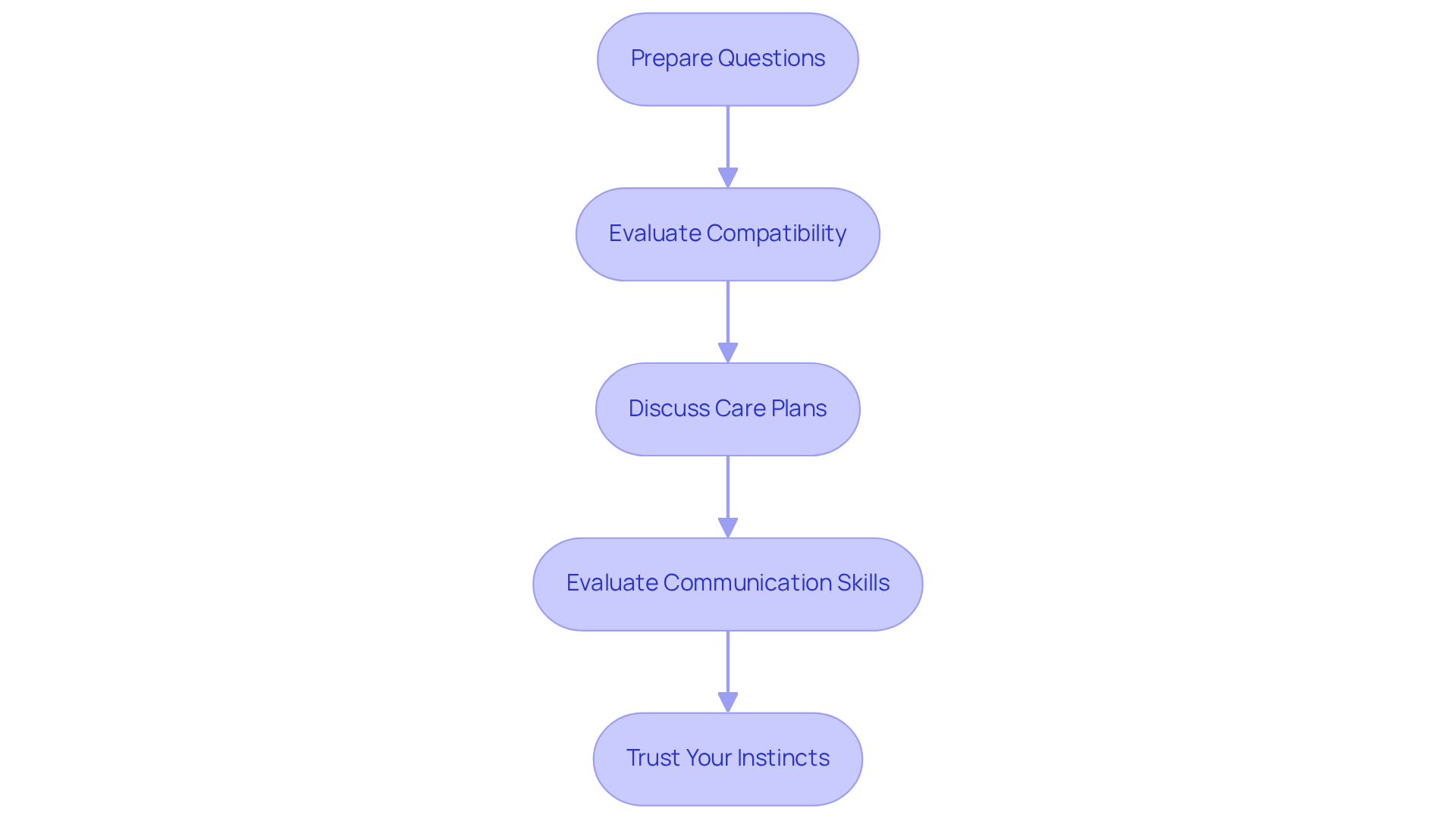
Prepare Questions: Begin by creating a comprehensive list of questions to guide the interview. Focus on their experience, training, and caregiving philosophy. Consider asking:
- What experience do you have with elderly care?
- How do you handle challenging behaviors?
- Can you provide references from previous clients?
-
Evaluate Compatibility: Observe how the provider engages with your family member during the interview. Look for signs of empathy, patience, and understanding. These traits are crucial for building trust and rapport. Research suggests that caregivers who consistently assist the same seniors develop a deeper understanding of their needs, leading to better care outcomes. Agencies that prioritize personality compatibility often see higher satisfaction and retention rates, reinforcing the importance of this aspect in the caregiver-client relationship.
-
Discuss Care Plans: Engage in a conversation about your loved one's specific needs and preferences. Inquire with the provider about how they would address these needs and what strategies they would implement. This dialogue can reveal their adaptability and commitment to personalized care, which is essential for ensuring the best in home care for elderly and enhancing their quality of life.
-
Evaluate Communication Skills: Effective communication is vital in caregiving. Assess how well the provider listens and reacts to both you and your family member. Strong communication can significantly reduce feelings of loneliness and anxiety in seniors, fostering a more supportive environment. The presence of a compassionate individual can also help mitigate the risk of depression and other mental health issues in seniors.
-
Trust Your Instincts: After the interview, take some time to reflect on your impressions. Trust your instincts regarding whether the provider would be the best in home care for elderly for your loved one. Remember, a well-matched caregiver-client bond can lead to higher satisfaction and enhanced results, making this decision crucial for your family. Furthermore, consider utilizing technological solutions, like sophisticated home support software, which can improve the matching process and ensure that providers are well-suited to fulfill specific client requirements.
Finalize Your Choice and Create a Care Plan
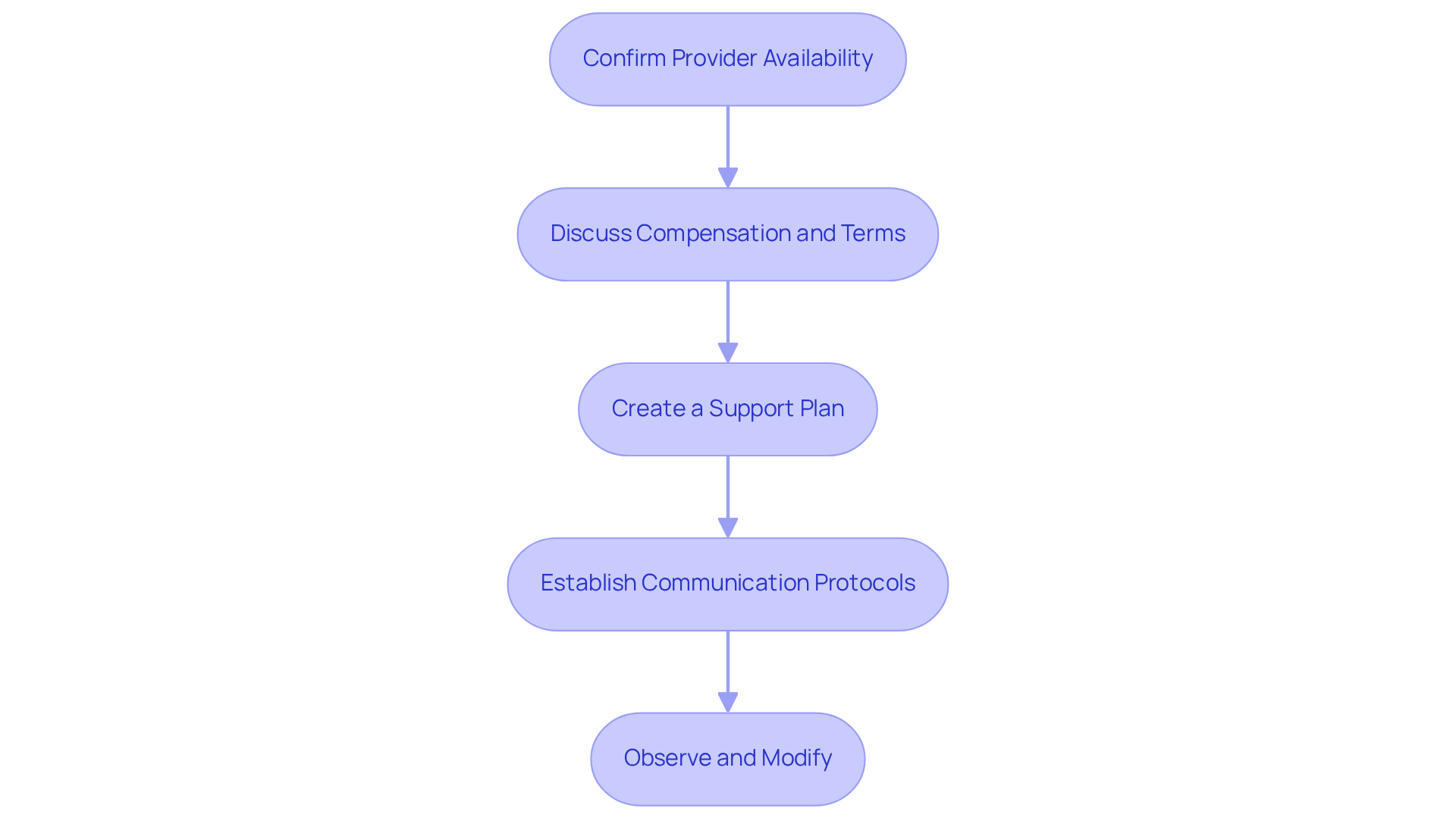
Once you’ve chosen a provider, it’s time to confirm your decision and develop a support plan that truly meets your family member's needs. Here’s how to approach this important step:
-
Confirm Provider Availability: Ensure that your selected provider is ready to begin on the agreed-upon date and can commit to the required schedule. This is crucial for peace of mind.
-
Discuss Compensation and Terms: Take the time to clearly outline the compensation structure. Discuss hourly rates, payment methods, and any additional costs for services. Transparency here can alleviate stress.
-
Create a Support Plan: Collaborate with the attendant to formulate a comprehensive support plan. This plan should reflect your family member's unique needs, preferences, and routines to provide the best in home care for elderly. Be sure to include:
- Daily activities and schedules
- Medication management
- Emergency contacts and procedures
- Specific care instructions
-
Establish Communication Protocols: Arrange for regular check-ins with the provider to discuss your family member's progress and any concerns that may arise. For the best in home care for elderly, a clear line of communication between you, the helper, and your family member is essential.
-
Observe and Modify: After establishing the support plan, take time to assess its effectiveness. Be open to implementing changes as necessary. Regular feedback from your loved one and the caregiver will help ensure that the care provided continues to align with your loved one's evolving needs.
Remember, this journey is about creating a nurturing environment where your family member feels supported and valued.
Key Takeaways for Caregivers
Finding the best in-home care for elderly loved ones is a crucial step in ensuring their comfort, safety, and overall well-being. Understanding the diverse range of care options available and assessing individual needs allows families to make informed decisions that respect their loved ones' preferences and enhance their quality of life.
This journey involves essential steps, including:
- Evaluating care needs and preferences
- Researching potential caregivers
- Interviewing potential caregivers
It is vital to involve seniors in the decision-making process, ensuring their voices are heard and their wishes respected. Additionally, conducting thorough evaluations of care providers and establishing clear communication channels are key to creating a supportive environment.
Ultimately, selecting in-home care is not just about meeting physical needs; it is about fostering emotional connections and maintaining dignity. By prioritizing personalized care plans and ongoing assessments, families can create a nurturing home environment that allows their loved ones to thrive. Taking these steps is not merely a task; it is an act of love that enriches the lives of both caregivers and seniors alike.
https://iframe.tely.ai/cta/eyJhcnRpY2xlX2lkIjogIjY4ZjZjZDJhMTdmYjYxMDU5OGZlZmVkMyIsICJjb21wYW55X2lkIjogIjY4ZWU1ZGNhNzMxNzYyNTU3ZjNjOTVjMSIsICJpbmRleCI6IG51bGwsICJ0eXBlIjogImFydGljbGUifQ==Frequently Asked Questions
What are the main types of in-home care options for the elderly?
The main types of in-home care options for the elderly include Companionship Care, Personal Care, Post-Hospital Recovery Assistance, Palliative Support, and Respite Service.
How does Companionship Care benefit seniors?
Companionship Care provides emotional support and social interaction, helping to alleviate feelings of loneliness and isolation, which can reduce the risk of dementia.
What services are included in Personal Care?
Personal Care includes assistance with daily living activities such as bathing, dressing, grooming, and meal preparation, which helps improve the quality of life for seniors with physical limitations.
What is the purpose of Post-Hospital Recovery Assistance?
Post-Hospital Recovery Assistance helps seniors recover safely at home after a hospital stay by providing support with medication organization, mobility assistance, and post-treatment supervision.
What does Palliative Support focus on?
Palliative Support focuses on providing comfort and addressing both physical and emotional needs for seniors with chronic illnesses or those nearing the end of life.
Why is Respite Service important for family caregivers?
Respite Service offers temporary relief for family caregivers, preventing caregiver exhaustion and ensuring that their loved ones continue to receive quality support.
How can families assess the individual care needs and preferences of elderly relatives?
Families can assess needs by conducting a comprehensive evaluation of the elderly person's physical health, cognitive abilities, and emotional well-being, discussing preferences with them, involving family members, considering safety and comfort in the home, and documenting findings.
What should families consider when evaluating the home environment for elderly care?
Families should look for potential safety hazards and comfort issues in the home, such as the need for modifications like grab bars or improved lighting, and ensure the environment is clutter-free and sanitary.
How can families ensure they choose the best in-home care for their elderly loved ones?
Families can ensure they choose the best in-home care by documenting their loved one's needs and preferences, researching and interviewing prospective caregivers, and possibly involving a geriatric service manager for access to essential services.
What is the significance of discussing financial oversight for elderly care?
Discussing financial oversight is vital to protect aging family members from scams or fraud, as they may be at risk without assistance.