

For families in our service areas
For families in our service areas, this guide explains caregiving and how non-medical in-home caregiving can support care planning in East Idaho, Treasure Valley & Magic Valley, Northern Wasatch, North Central West Virginia, and Northeast Ohio.
Why Find the Right Day Sitter for the Matters
Finding the right day sitter for the elderly is a pressing concern for many families. The well-being of loved ones hinges on the quality of care they receive. Loneliness poses a significant health risk for seniors, making the role of a day sitter crucial. This role extends beyond mere assistance; it is a vital component of preventive health care that fosters companionship and enhances quality of life.
However, families face a challenge: how can they navigate the complexities of selecting a caregiver who meets their elderly relative's unique needs and preferences? Ensuring a supportive and safe environment is essential. To address this, families can take several actionable steps:
- Assess the specific needs of their loved ones, considering factors such as mobility, health conditions, and personal preferences.
- Conduct thorough interviews with potential caregivers to help gauge their experience and compatibility.
- Check references and background information to ensure safety and reliability.
Define the Role of a Day Sitter for the Elderly
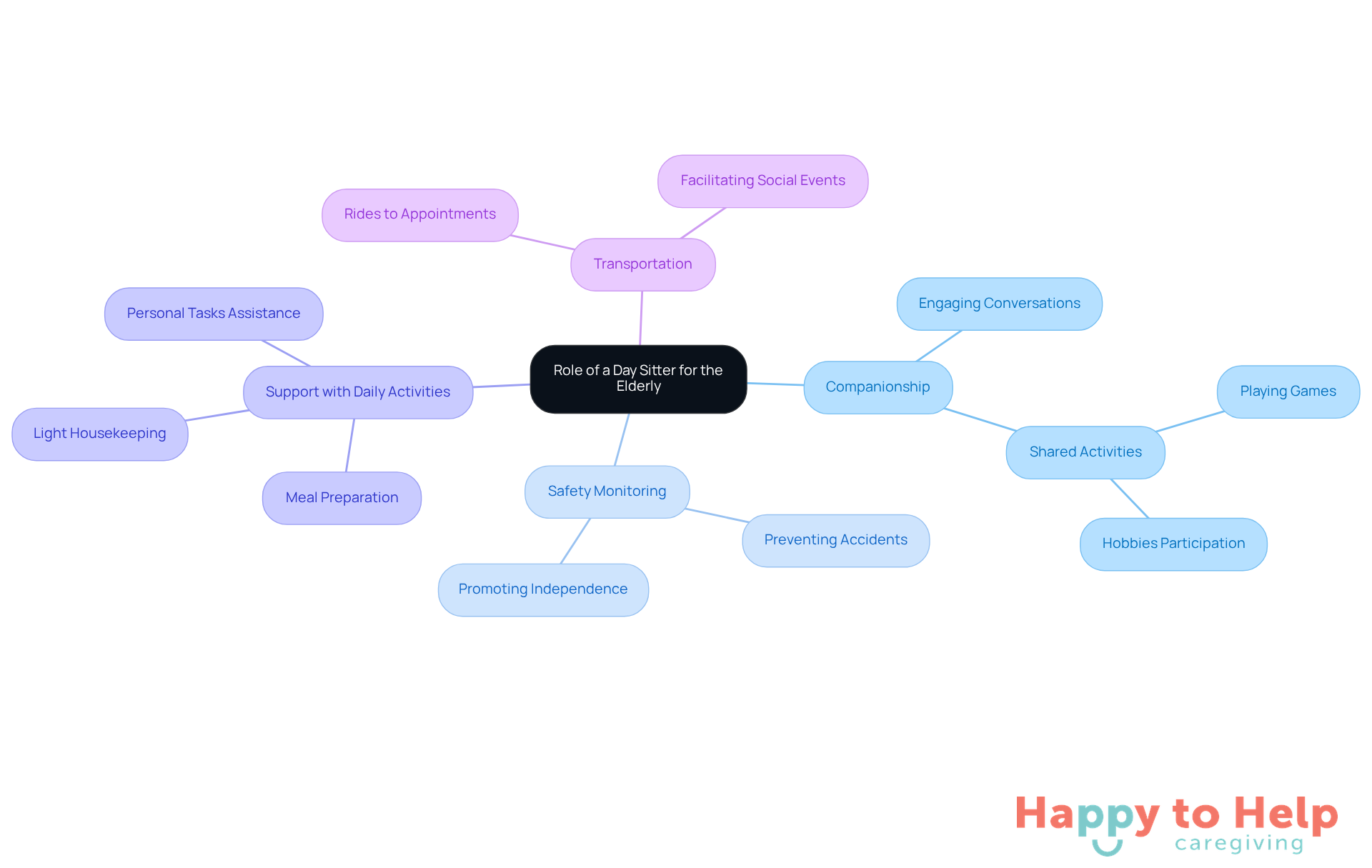
A day sitter for the elderly primarily offers non-medical support, concentrating on companionship and assistance with daily activities. This role addresses a significant problem: loneliness among the elderly, which can lead to serious health issues. Research indicates that regular social interaction can lower the risk of dementia by 50%, stroke by 32%, and heart disease by 29%. Thus, companionship is not just beneficial; it’s essential for improving mood and overall well-being.
Key Responsibilities of a Day Sitter:
- Companionship: Engaging in meaningful conversations, playing games, or participating in hobbies to alleviate feelings of loneliness.
- Safety Monitoring: Ensuring a safe environment for the elderly individual, crucial for preventing accidents and promoting independence.
- Support with Daily Activities: Aiding with meal preparation, light housekeeping, and personal tasks, which can enhance quality of life and uphold dignity.
- Transportation: Providing rides to appointments or social events, facilitating access to essential services and social interactions.
Understanding these roles is vital for families as they articulate their needs and expectations when searching for a suitable day sitter for the elderly. Geriatric specialists emphasize that companionship is not merely a luxury; it’s vital preventive health, greatly influencing both mental and physical wellness in older adults. As noted by a geriatric care specialist, "Companionship in old age isn't a luxury-it's essential preventive healthcare that protects both mental and physical well-being." With 43% of seniors reporting feelings of isolation, the necessity of companionship services becomes even more apparent. Furthermore, technology plays a crucial role in maintaining connections for seniors, complementing in-person interactions and enhancing their social engagement.
Assess Individual Needs and Preferences
To effectively assess the needs and preferences of elderly individuals, day sitters for the elderly face significant challenges. Understanding these needs is crucial for providing appropriate support, and many caregivers find it beneficial to hire a day sitter for the elderly to help with this task.
Problem: A major issue is the complexity of evaluating an elderly person's physical, emotional, and social needs. For instance, 44% of caregivers report delivering high-intensity support, highlighting the intricacies involved in caregiving. This complexity can lead to misunderstandings and inadequate care.
Agitate: Without a thorough assessment, caregivers may overlook critical aspects of an elderly person's life, such as mobility limitations or cognitive challenges. This oversight can negatively impact the quality of care and the individual's overall well-being. As Rita B. Choula emphasizes, recognizing family caregivers as a vital workforce is essential in this process, as they often provide invaluable insights into the person's needs.
Solution: To address these challenges, caregivers can follow these essential steps:
-
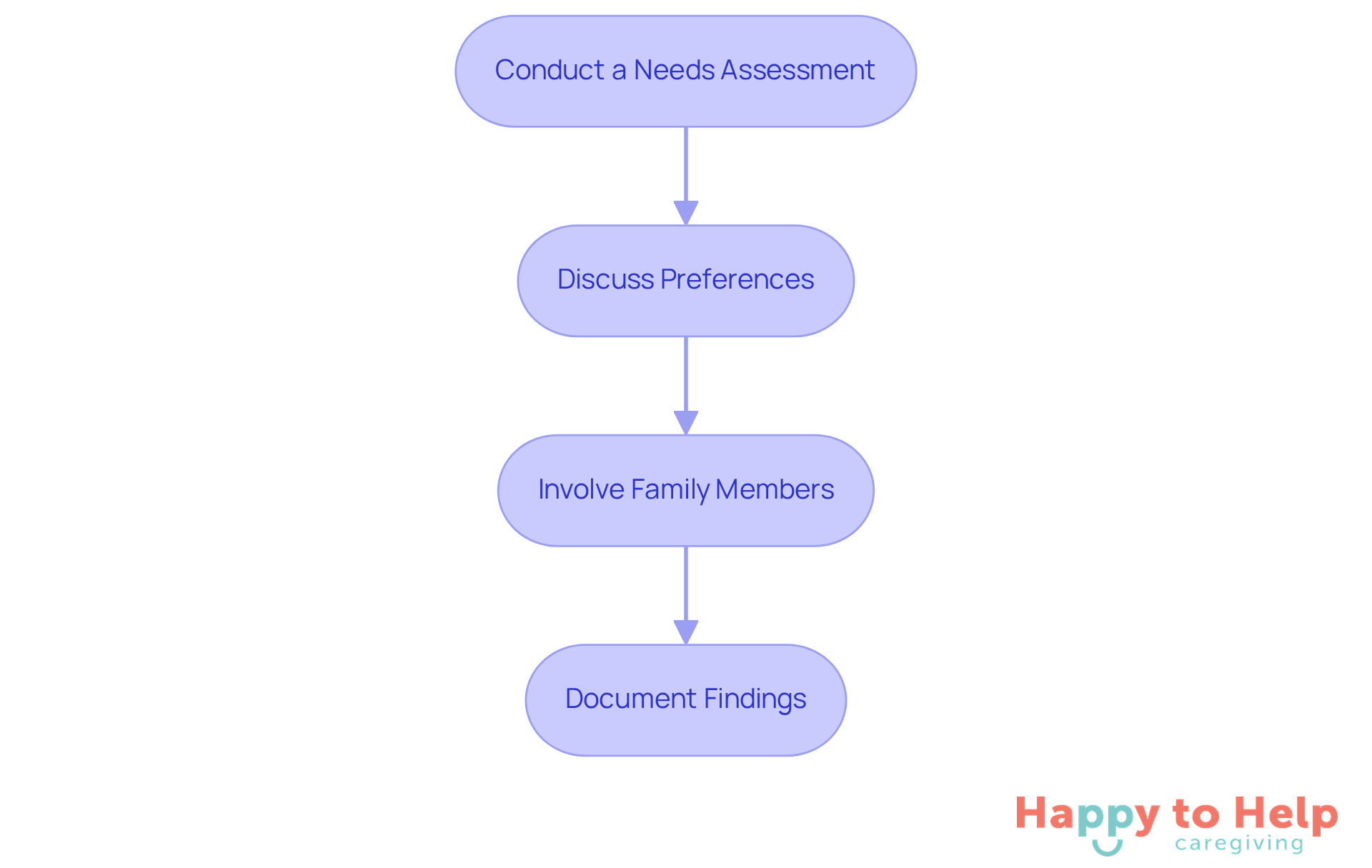
Conduct a Needs Assessment: Begin by evaluating the individual's physical, emotional, and social needs. This assessment for a day sitter for the elderly should consider their mobility, cognitive abilities, and any specific health concerns that may affect their daily life.
-
Discuss Preferences: Engage in meaningful conversations with the elderly person about their likes, dislikes, and daily routines. Understanding their preferences for activities and social interactions is essential for customizing support, such as a day sitter for the elderly, that enhances their quality of life.
-
Involve Family Members: Gather insights from family members who may have valuable perspectives on the person's needs and preferences. Their contributions can offer a more thorough understanding and ensure that all facets of the person's support are taken into account.
-
Document Findings: Create a detailed list of essential needs and preferences. This documentation will serve as a guide in your search for a suitable caregiver, facilitating clear communication of these requirements to potential candidates. Addressing the financial strain on caregivers, as noted in various reports, can also inform the assessment process, ensuring that caregivers are aware of the full scope of their responsibilities.
By following these steps, caregivers can ensure that the assistance offered by a day sitter for the elderly aligns with the unique preferences and needs of the elderly individual, fostering a supportive and comfortable environment.
Research and Evaluate Potential Day Sitters
Finding the right day sitter for the elderly can feel like a daunting task. With the increasing demand for quality care, families often face challenges in identifying suitable day sitters for the elderly. The implications of hiring the wrong day sitter for the elderly can be significant, impacting both your loved one's well-being and your peace of mind.
To tackle this issue, consider the following steps:
-
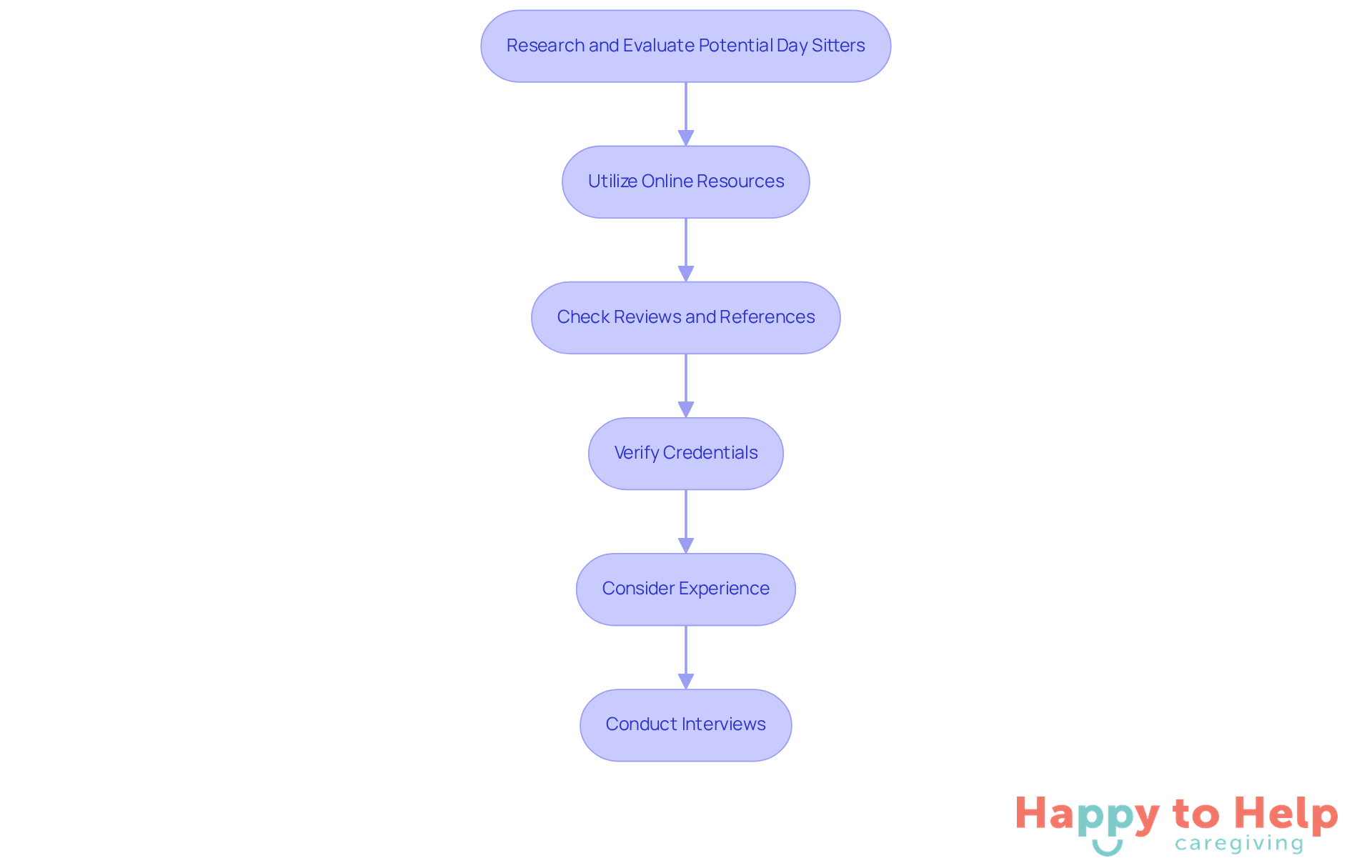
Utilize Online Resources: Explore caregiving websites, local agency listings, and community boards to identify potential candidates. Platforms like Care.com and local caregiving agencies can provide a wealth of options, such as a day sitter for the elderly, tailored to your needs.
-
Check Reviews and References: Investigate feedback from former clients or families to assess the caregiver's reliability and quality of service. Reach out to references to discuss their experiences and any concerns they may have had.
-
Verify Credentials: Confirm that the day sitter for the elderly possesses the necessary qualifications, including background checks, training in senior assistance, and relevant certifications. This step is crucial for ensuring the safety and well-being of your loved one.
-
Consider Experience: Evaluate the caregiver's background with elderly assistance, especially with individuals who have comparable needs to your loved one. Look for specific training in areas such as dementia care or mobility assistance, as this can significantly impact the quality of care provided.
-
Conduct Interviews: Organize discussions with prospective caregivers to explore their approach to caregiving, availability, and how they would manage specific situations. This personal interaction can help you gauge their compatibility as a day sitter for the elderly with your loved one.
Incorporating statistics can provide context; for instance, the median cost of a home health aide exceeds $68,000 annually, highlighting the financial implications of hiring caregivers. Additionally, quotes from caregivers, such as Maurice White's emphasis on the importance of research, can resonate with families navigating these decisions. Real-life case studies, like those of Joe Vargo, illustrate the challenges caregivers face, underscoring the necessity of thorough evaluation.
Conduct Interviews and Background Checks
Choosing the right day sitter for the elderly can be a daunting task for your loved one. The implications of this decision are significant, as the caregiver's approach can greatly affect the well-being of your family member. To help you navigate this process, follow these essential steps:
-
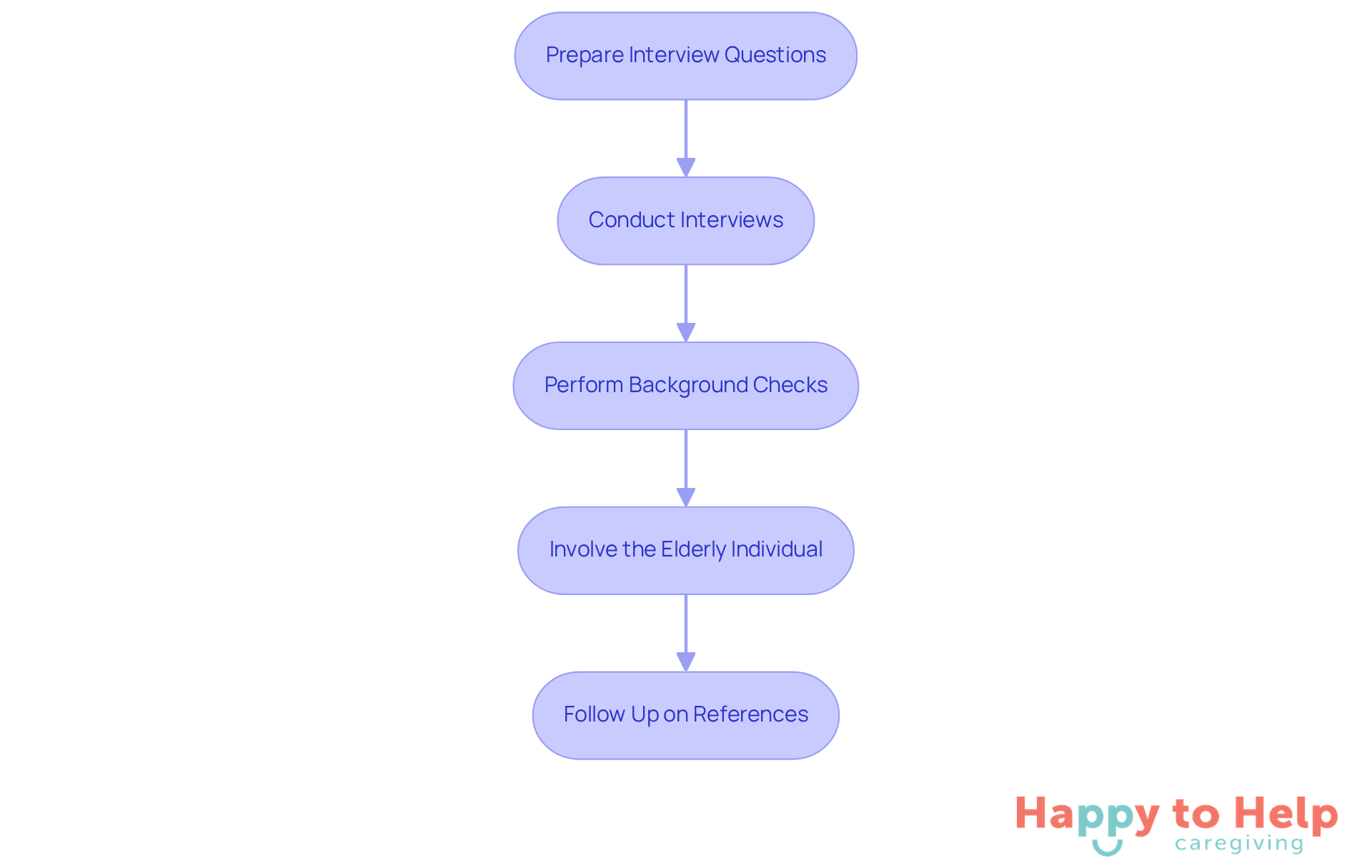
Prepare Interview Questions: Start by crafting a list of questions that delve into the caregiver's experience, caregiving methods, and their approach to specific situations. Key inquiries might include:
- How do you engage with elderly clients?
- Can you describe a challenging situation you faced and how you handled it?
- What actions would you take if a senior becomes confused or combative?
- How would you motivate a grumpy senior who refuses to eat before a doctor's appointment?
-
Conduct Interviews: Arrange in-person or video interviews to evaluate the caregiver's personality and communication style. Observing their interactions and responsiveness is crucial for establishing rapport with your loved one.
-
Perform Background Checks: It's vital to conduct thorough background checks to verify the caregiver's history, including criminal records and previous employment. States like Wisconsin and California require comprehensive screenings, which may involve fingerprint-based inquiries into criminal histories. These checks are essential for minimizing risks associated with hiring caregivers, as they can reveal serious issues that could jeopardize your aging family member's safety. Notably, improper criminal background checks have led to significant legal consequences, including a $6 million lawsuit payout, highlighting the importance of this step.
-
Involve the Elderly Individual: Whenever possible, include the elderly person in the interview process to gauge their comfort level with the caregiver. This involvement fosters respect and ensures their preferences are considered, leading to better outcomes. Acknowledging their past role in caregiving can enhance their sense of agency and comfort.
-
Follow Up on References: After narrowing down your options, reach out to former employers or references to gather insights into the caregiver's reliability and caregiving style. This step can provide valuable context about their past experiences and compatibility with your loved one.
By following these guidelines, families can make informed decisions when selecting a day sitter for the elderly, ensuring that their aging relatives receive the compassionate and skilled support they deserve.
Make a Decision and Establish a Caregiving Relationship
Choosing the appropriate day sitter for the elderly can be a daunting task, particularly when taking into account the unique needs of an elderly individual. A poor choice can lead to dissatisfaction for both the caregiver and the family, impacting the quality of care provided.
To navigate this challenge effectively, follow these steps:
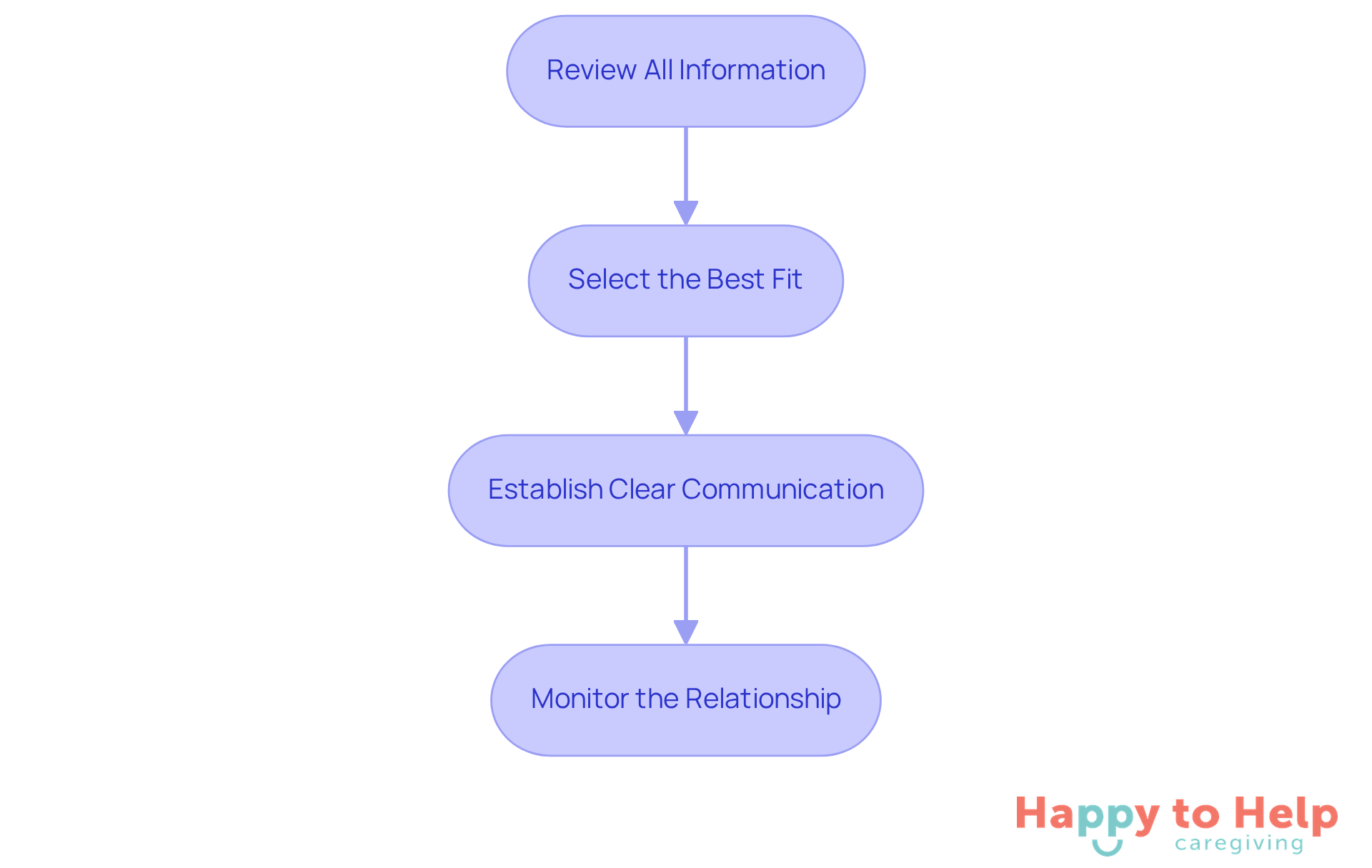
- Review All Information: Thoroughly examine notes from interviews, background checks, and references. This ensures you make an informed choice based on comprehensive data.
- Select the Best Fit: Choose the caregiver who aligns most closely with the older person's needs and preferences, as well as your family's expectations. This alignment is crucial for a harmonious caregiving experience.
- Establish Clear Communication: Schedule a meeting with the selected caregiver to discuss expectations, schedules, and specific care instructions. Clear communication is essential for fostering a successful relationship.
- Monitor the Relationship: Once the caregiver begins, keep open lines of communication with both the caregiver and the elderly individual. Regular check-ins can help address any concerns and ensure that the caregiving relationship remains beneficial for everyone involved.
Making the Right Choice
Finding the right day sitter for the elderly is a significant challenge that families face. Without proper companionship and support, loved ones may experience feelings of isolation, which can negatively impact their overall health. This guide outlines essential steps to navigate this complex process, ensuring that seniors receive the care they deserve.
Understanding the Importance of Companionship
Companionship plays a crucial role in reducing feelings of loneliness among older adults. By recognizing the specific responsibilities of a day sitter and assessing the unique needs of the elderly, families can make informed decisions. Conducting thorough interviews and background checks on potential candidates is vital to ensure a successful caregiving experience.
Effective Communication and Monitoring
Clear communication and ongoing monitoring of the caregiving relationship are essential. This approach not only meets the needs of the elderly individual but also supports the caregiver. Families should prioritize establishing a strong connection with their day sitter, fostering an environment of trust and understanding.
In conclusion, finding a qualified day sitter is not just about filling a role; it’s about creating a supportive environment that enhances the well-being of elderly individuals. Families are encouraged to take these steps seriously. The right day sitter can profoundly impact seniors' lives, promoting safety, joy, and engagement in daily activities. Prioritize thorough research, open communication, and genuine connection to ensure a fulfilling caregiving journey for everyone involved.
https://iframe.tely.ai/cta/eyJhcnRpY2xlX2lkIjogIjY5MjBmZDU5Y2E3OGI5ZDliYTJkYTRlZCIsICJjb21wYW55X2lkIjogIjY4ZWU1ZGNhNzMxNzYyNTU3ZjNjOTVjMSIsICJpbmRleCI6IG51bGwsICJ0eXBlIjogImFydGljbGUifQ==Frequently Asked Questions
What is the primary role of a day sitter for the elderly?
A day sitter for the elderly primarily offers non-medical support, focusing on companionship and assistance with daily activities to address loneliness and improve overall well-being.
How does companionship impact the health of elderly individuals?
Regular social interaction can significantly lower the risk of dementia by 50%, stroke by 32%, and heart disease by 29%, making companionship essential for improving mood and overall health.
What are the key responsibilities of a day sitter for the elderly?
The key responsibilities include providing companionship, safety monitoring, support with daily activities (like meal preparation and light housekeeping), and transportation to appointments or social events.
Why is it important for families to understand the role of a day sitter?
Understanding the role helps families articulate their needs and expectations when searching for a suitable day sitter, ensuring that the caregiver can meet the specific needs of the elderly individual.
What challenges do day sitters face in assessing the needs of elderly individuals?
Day sitters face challenges in evaluating the physical, emotional, and social needs of elderly individuals, which can lead to misunderstandings and inadequate care if not thoroughly assessed.
What steps can caregivers take to effectively assess the needs and preferences of the elderly?
Caregivers can conduct a needs assessment, discuss preferences with the elderly individual, involve family members for insights, and document findings to guide their search for a suitable caregiver.
How does technology contribute to the well-being of elderly individuals?
Technology plays a crucial role in maintaining connections for seniors, complementing in-person interactions and enhancing their social engagement.
What is the significance of involving family members in the assessment process?
Involving family members provides valuable perspectives on the elderly person's needs and preferences, ensuring a more comprehensive understanding of how to support them effectively.
List of Sources
- Define the Role of a Day Sitter for the Elderly
- The Power of Companionship for Seniors: A Key Ingredient to Quality Aging (https://homecarepgh.com/blog-posts/companionship-in-old-age)
- Adult Day Emerges As New Potential Service Line For Home Care Providers (https://homehealthcarenews.com/2023/07/adult-day-emerges-as-a-potential-new-service-line-for-home-care-providers)
- Caregiver Statistics: Demographics (https://caregiver.org/resource/caregiver-statistics-demographics)
- The Value of Companion Care for Seniors- Home Care Powered By AUAF (https://homecare-aid.com/the-value-of-companion-care-for-seniors)
- 39 Caregiver Statistics, Facts & Trends (https://humancareny.com/blog/39-caregiver-statistics-facts-trends)
- Assess Individual Needs and Preferences
- Caregiving Crisis: 45% Increase in Americans Providing Care (https://aarp.org/caregiving/basics/caregiving-in-us-survey-2025)
- FastStats (https://cdc.gov/nchs/fastats/older-american-health.htm)
- WHO calls for urgent transformation of care and support systems for older people (https://who.int/news/item/01-10-2024-who-calls-for-urgent-transformation-of-care-and-support-systems-for-older-people)
- Warning From Older Adults: Care for Aging in America Needs Urgent Rethinking (https://johnahartford.org/newsroom/view/warning-from-older-adults-care-for-aging-in-america-needs-urgent-rethinking)
- The Importance of Family Involvement in Long Term Care - (https://shakerplace.org/news/the-importance-of-family-involvement-in-long-term-care)
- Research and Evaluate Potential Day Sitters
- Health Care Cooperatives Could Hold Key to Easing Elderly Caregiver Shortage (https://ilr.cornell.edu/news/research/health-care-cooperatives-could-hold-key-easing-elderly-caregiver-shortage)
- Adult day services provide stimulation for older Americans, and respite for full-time caregivers (https://apnews.com/article/adult-day-care-long-term-older-americans-a64fd581f2a5cfe7c1e943341d69cb10)
- The Caregiving Landscape: Data & Insights on the Caregiver Experience in the U.S. (https://caregiveraction.org/caregiver-statistics)
- The declining population will make it even harder to care for elders (https://npr.org/2025/11/02/nx-s1-5535648/population-elderly-caregivers)
- Caregiver Statistics: Demographics (https://caregiver.org/resource/caregiver-statistics-demographics)
- Conduct Interviews and Background Checks
- CaringBridge (https://caringbridge.org/resources/inspirational-quotes-on-caregiving)
- Senior caregiver interview questions to ask when hiring (https://care.com/c/senior-caregiver-interview-tips)
- The Importance of Background Checks on In-Home Caregivers - Critical Research (https://criticalresearch.com/background-checks/importance-background-checks-home-care)
- Hiring and Screening Practices of Agencies Supplying Paid Caregivers to Older Adults - PMC (https://pmc.ncbi.nlm.nih.gov/articles/PMC3396775)
- DISA | Caregiver Screening for Safe Home Healthcare (https://disa.com/news/caregiver-background-check-best-practices)
- Make a Decision and Establish a Caregiving Relationship
- Caregiver Statistics: Demographics (https://caregiver.org/resource/caregiver-statistics-demographics)
- (https://belleviecare.co.uk/support-advice/60-elderly-care-quotes-to-lift-your-spirits)
- Clearer Conversations, Better Care: New Guide Highlights Best Practices for Communicating with Older Adults (https://geron.org/News-Events/GSA-News/Press-Room/Press-Releases/clearer-conversations-better-care-new-guide-highlights-best-practices-for-communicating-with-older-adults)
- The Importance of Caregiver-Client Relationships in Senior Well-Being (https://homeinstead.com/home-care/usa/in/goshen/588/news-and-media/the-importance-of-caregiver-client-relationships-in-senior-well-being)
- 30 Inspirational Quotes for Caregivers (https://agingcare.com/articles/caregivers-quotes-inspiration-141133.htm)