5 Steps to Find the Right Home Helper for Your Loved One

For families in our service areas
For families in our service areas, this guide explains caregiving and how non-medical in-home caregiving can support care planning in East Idaho, Treasure Valley & Magic Valley, Northern Wasatch, North Central West Virginia & Southwestern Pennsylvania, and Northeast Ohio.
The Importance of Find the Right Home Helper
Finding the right home helper for a loved one can be a daunting task, especially when health and well-being are at stake. Millions of Americans depend on support workers for daily activities, making it crucial for families to understand the vital roles these caregivers play. However, how can families ensure they choose a helper who meets practical needs while also building a trusting and supportive relationship?
This guide outlines five essential steps to help families identify, evaluate, and establish the ideal home helper for their cherished ones. By following these steps, families can pave the way for a smoother caregiving journey.
Understand the Role of a Home Helper
A support worker, often referred to as a home helper, plays a vital role in assisting individuals who face challenges with daily activities due to age, illness, or disability. This situation presents a significant problem for many families, as the need for support can lead to stress and uncertainty about how to provide the best care.
The implications of this issue are profound. Caregivers often experience emotional strain and physical exhaustion, which can impact their ability to provide effective support. With nearly 63 million Americans offering continuous assistance to someone with a complex medical condition or disability, the importance of understanding the roles of home helpers is crucial.
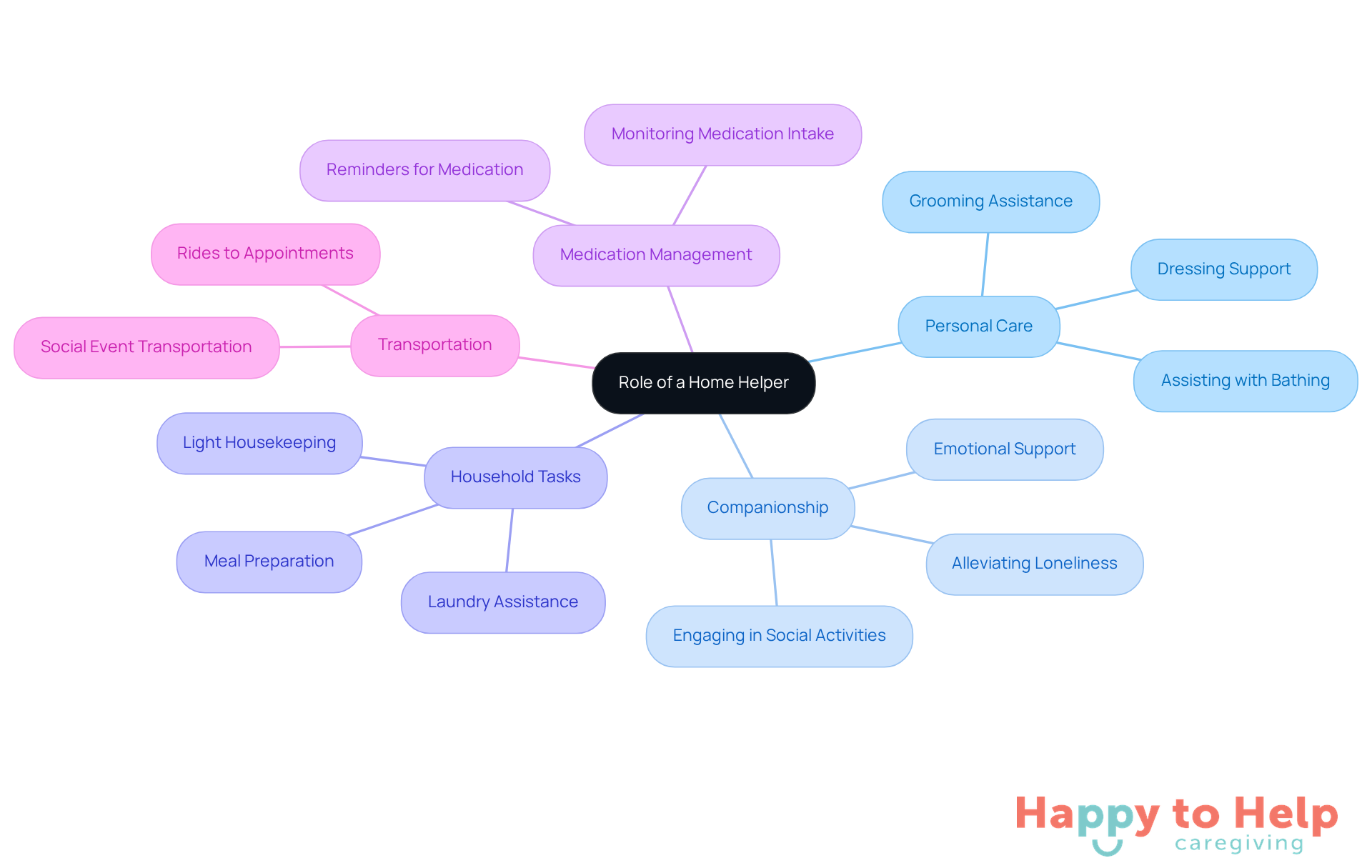
Roles of Home Helpers:
- Personal Care: Assisting with bathing, dressing, and grooming is crucial for maintaining dignity and hygiene.
- Companionship: Providing emotional support and engaging in social activities helps alleviate feelings of loneliness, significantly impacting mental health.
- Household Tasks: Helping with light housekeeping, meal preparation, and laundry ensures a clean and comfortable living environment.
- Medication Management: Reminding clients to take their medications on time is essential for managing health conditions effectively.
- Transportation: Offering rides to appointments or social events promotes independence and social engagement.
Understanding these roles allows families to identify the specific type of support their loved ones need. As U.S. Senator Cory Booker stated, "Support providers deliver crucial services and must be safeguarded and assisted," highlighting the societal acknowledgment of these individuals' roles. Furthermore, the newly implemented CARE Act of 2025 seeks to offer extra assistance for unpaid providers, underscoring the necessity for resources and recognition in this crucial sector.
By recognizing the various roles of home helpers, families can ensure a better fit with prospective caregivers, ultimately enhancing the quality of support for their cherished ones.
Identify Care Needs and Preferences
To effectively identify care needs and preferences, caregivers face several challenges that require attention:
-
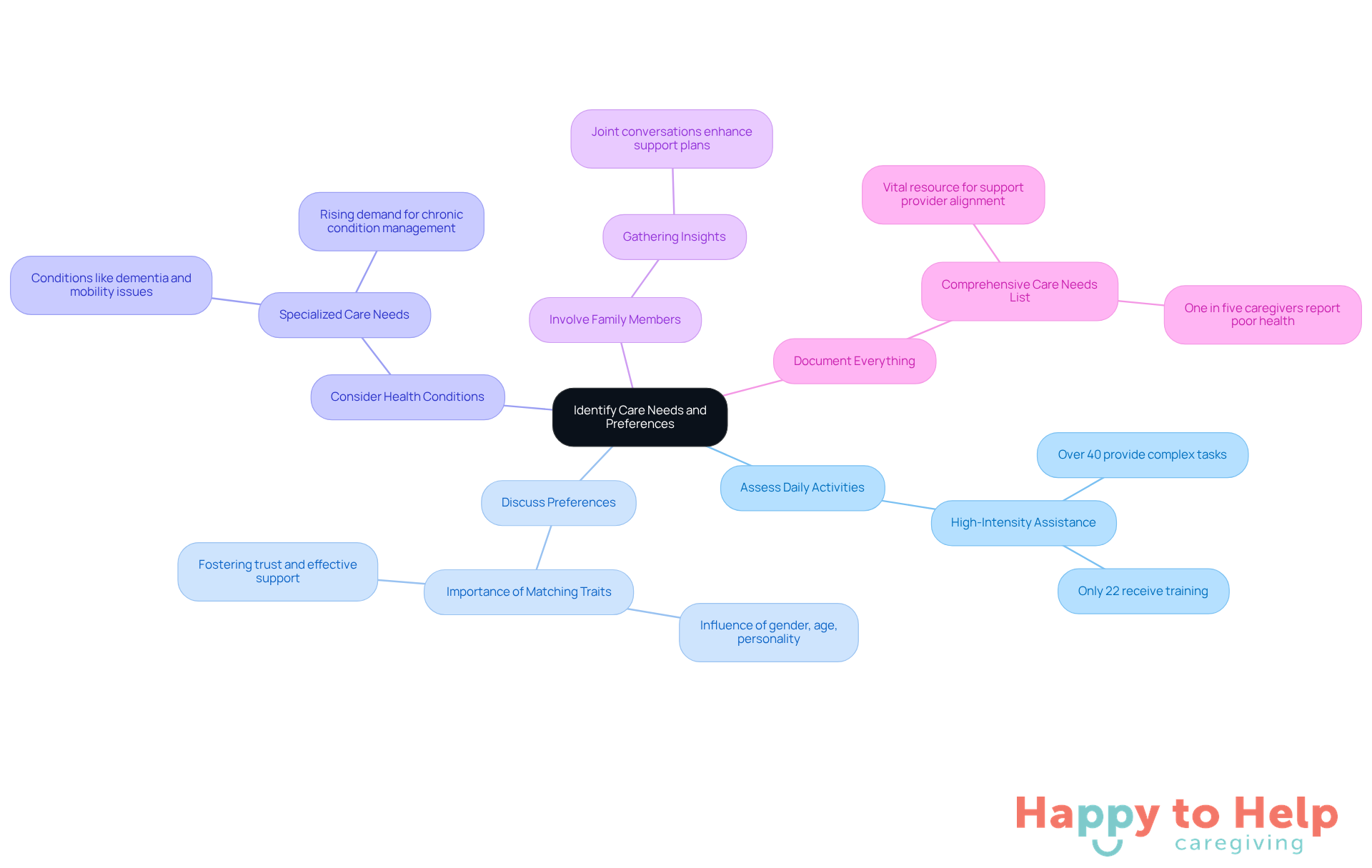
Assess Daily Activities: Many caregivers struggle with daily tasks like bathing, cooking, or managing medications. This evaluation is crucial, as over 40% of providers deliver high-intensity assistance involving complex tasks that require specific skills. Alarmingly, only 22% receive training, highlighting the need for adequate support in this role.
-
Discuss Preferences: Engaging in open conversations with loved ones about their preferences for support personnel is vital. Factors such as gender, age, and personality traits significantly influence the comfort and effectiveness of assistance. Geriatric support specialists emphasize the importance of matching caregiver traits with client needs to foster positive relationships. As one expert noted, "Comprehending the personal preferences of the person receiving assistance is crucial for fostering trust and guaranteeing effective support."
-
Consider Health Conditions: It's essential to consider any medical conditions that may require specialized care, such as dementia or mobility issues. Understanding these needs is increasingly important as the demand for caregivers capable of managing chronic conditions continues to rise.
-
Involve Family Members: Gathering input from family members who have observed changes in a loved one's abilities can provide valuable insights. Joint conversations ensure that all viewpoints are considered, enhancing the overall support plan.
-
Document Everything: Creating a comprehensive list of care needs and preferences is crucial when interviewing potential support providers. This documentation serves as a vital resource, ensuring that the chosen provider aligns with your loved one's specific requirements. Remember, one in five caregivers report poor health, underscoring the importance of having a clear plan to alleviate stress for those in this role.
Furthermore, recognizing the demographic diversity among caregivers can provide a broader perspective on the challenges faced by various supporters, enhancing the relatability of the content.
Research and Evaluate Home Helper Options
When searching for home helper options, significant challenges are often encountered by caregivers. Finding reliable support can be overwhelming, especially when considering the well-being of a loved one. Without proper guidance, caregivers may struggle to identify trustworthy providers, leading to increased stress and uncertainty.
To address these concerns, here are some practical solutions:
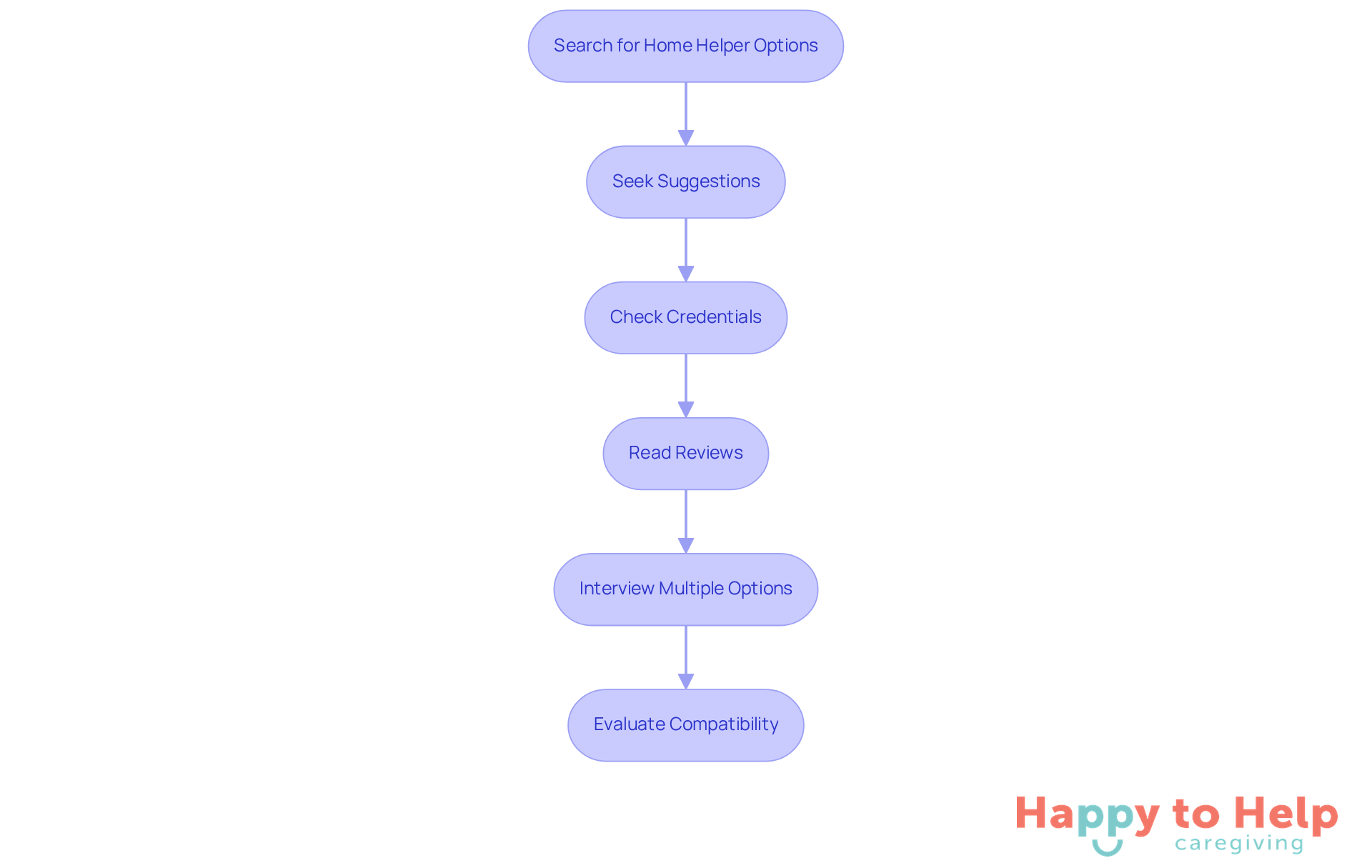
- Seek Suggestions: Consult friends, family, or healthcare professionals for referrals to reliable providers or agencies. Personal recommendations can lead to trustworthy options.
- Check Credentials: Verify the qualifications and certifications of potential providers. Ensure they have the necessary training and background checks to provide safe and effective care.
- Read Reviews: Look for online evaluations and testimonials from other families. This feedback can help assess the quality of support offered by agencies or individual providers.
- Interview Multiple Options: Don’t settle for the first option. Interview several providers or agencies to evaluate their services, availability, and compatibility with your family member's needs.
- Evaluate Compatibility: Consider how well the provider's personality and approach align with your family member's preferences. A good match can significantly enhance the caregiving experience.
Conduct Interviews with Potential Home Helpers
For families, finding the right home helper can be a daunting task. The quality of caregiver-client interactions plays a crucial role in ensuring effective support. Poor interactions can lead to misunderstandings and dissatisfaction, impacting the overall caregiving experience. To navigate this challenge, here are five essential steps to guide your interview process:
-
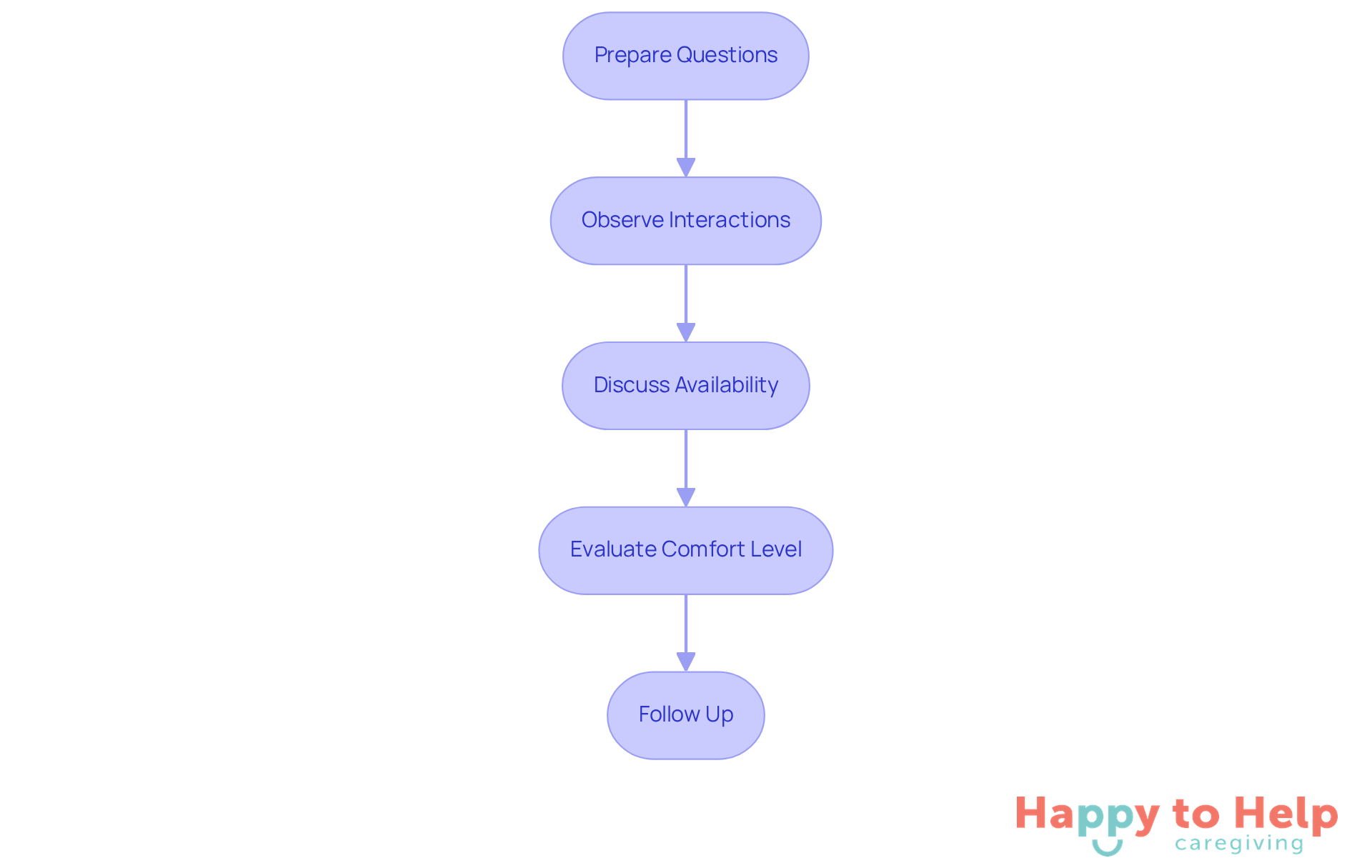
Prepare Questions: Start by crafting a comprehensive list of questions that delve into the caregiver's experience, caregiving philosophy, and crisis management skills. Consider asking:
- What specific experience do you have with clients who share similar needs?
- How do you approach emergencies or challenging situations?
- Can you provide references from previous clients to validate your experience?
-
Observe Interactions: Pay close attention to how the caregiver engages with your loved one during the interview. Look for signs of empathy, patience, and effective communication. Positive interactions with a home helper can greatly enhance the quality of service. As Rita Choula, Senior Director of Caregiving at AARP, states, "Preparing those who provide care for medical and daily tasks is critical for delivering whole-person, family-centered support."
-
Discuss Availability: Ensure that the caregiver's schedule aligns with your family member's needs, including the ability to accommodate last-minute changes. Flexibility is essential for providing consistent support.
-
Evaluate Comfort Level: After the interview, prioritize your loved one's feelings about the caregiver. Their comfort and trust are vital for a successful caregiving relationship, directly influencing the effectiveness of assistance. Jason Resendez, CEO of NAC, highlights that "family supporters are essential team members, yet most lack formal training," emphasizing the importance of a caregiver who can build trust and rapport.
-
Follow Up: Take the time to discuss the interview with family members and gather their feedback. This collaborative approach can offer additional perspectives and aid in making a well-informed decision.
By focusing on these steps, families can enhance their chances of finding a home helper who not only meets their practical needs but also fosters a supportive and trusting environment. With 63 million Americans providing ongoing support to adults or children with health issues or disabilities, the importance of selecting the right caregiver cannot be overstated.
Make a Decision and Establish a Care Plan
Establishing a care plan can be a daunting task for a home helper, especially when considering the unique needs of their loved ones. Without a clear plan, caregivers may face increased stress, and seniors might experience anxiety due to uncertainty in their care. Moreover, financial strain is a significant concern, with 71% of caregivers reporting financial struggles.
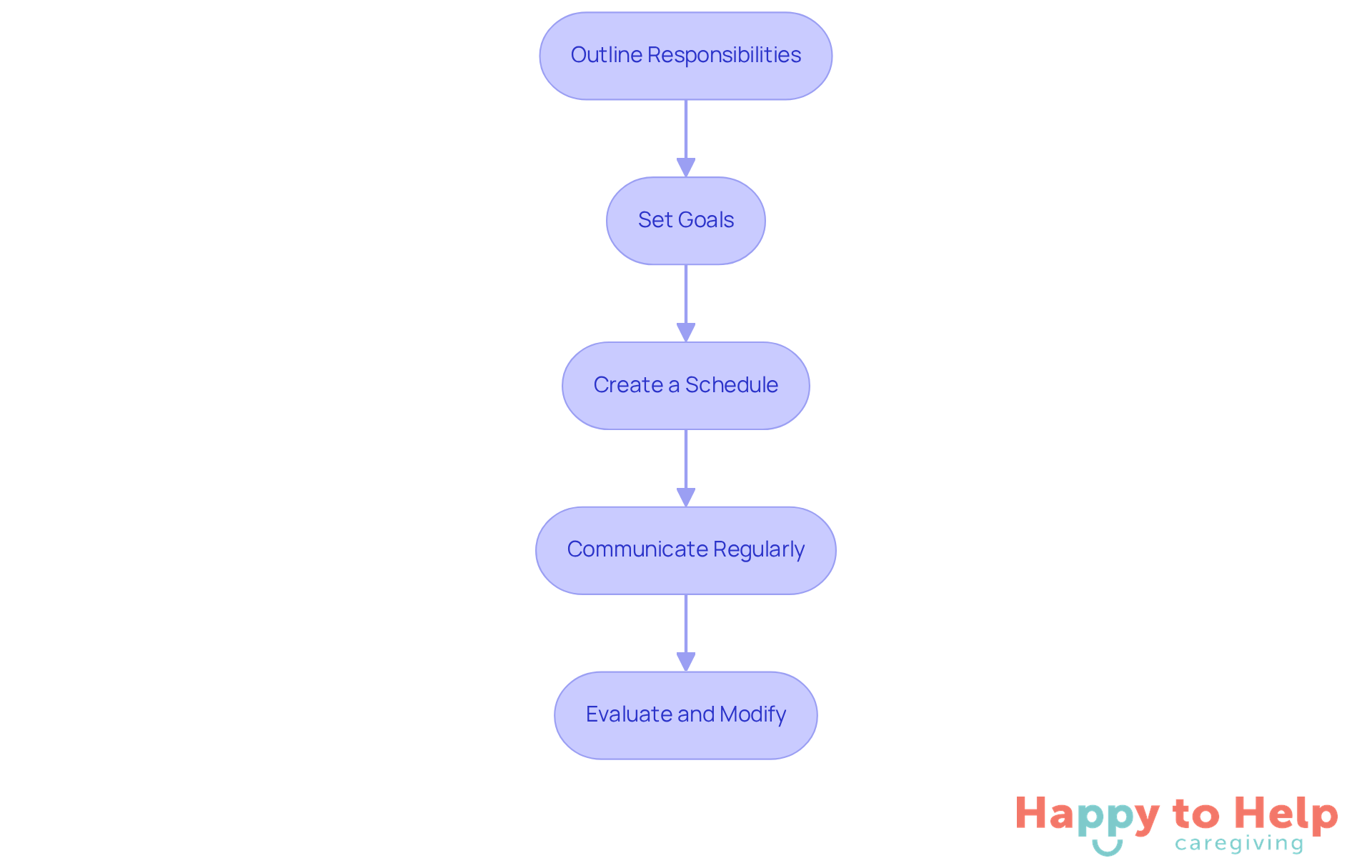
To address these challenges, follow these steps to create an effective care plan:
-
Outline Responsibilities: Clearly define the individual's responsibilities, including daily tasks and any specific medical needs. This clarity helps ensure that both the home helper and family members understand the expectations.
-
Set Goals: Discuss and establish attainable objectives for your cherished one's care, concentrating on improving their quality of life and independence. Research indicates that caregivers who set specific, measurable goals report higher satisfaction and effectiveness in their responsibilities. For example, enhancing mobility or social involvement can be key objectives.
-
Create a Schedule: Develop a daily or weekly plan that outlines when the provider will be present and what tasks they will perform. This organization not only aids in consistency but also helps reduce anxiety for seniors, fostering a sense of security.
-
Communicate Regularly: Establish a communication strategy to keep family members updated about the support being given and any changes in the loved one's condition. Regular updates can significantly improve trust and cooperation among providers and family members. Family participation is essential, as it provides emotional support and supervision for the home helper in the assistance process.
-
Evaluate and Modify: Regularly assess the support plan with the provider and family members to ensure it continues to meet your loved one's changing needs. Flexibility in care plans is crucial, allowing for adjustments based on health changes or personal preferences, ensuring that care remains relevant and effective.
Taking the Next Steps
Finding the right home helper for a loved one is a significant challenge that can impact their quality of life. Families often struggle with ensuring that their loved ones receive the necessary support for a fulfilling and dignified existence. This situation can lead to stress and uncertainty, making it crucial to address these concerns effectively.
To tackle this issue, families must understand the essential roles that home helpers play. By identifying care needs and preferences, researching potential options, and conducting thorough interviews, families can make informed decisions. Establishing a clear care plan is also vital. Each of these steps empowers families to navigate the complexities of caregiving with confidence, ensuring they select a provider who meets practical requirements while fostering a trusting relationship.
As the demand for quality home care continues to rise, it is essential for families to take proactive measures in seeking the right support. By leveraging the insights shared in this guide, caregivers can alleviate stress and uncertainty. Embracing these steps ensures that your loved one receives not just assistance, but compassionate and personalized support that truly enhances their daily life.
https://iframe.tely.ai/cta/eyJhcnRpY2xlX2lkIjogIjY5MjI2NTFmM2Y0ZjQ1OWY0OGYyNTIwMCIsICJjb21wYW55X2lkIjogIjY4ZWU1ZGNhNzMxNzYyNTU3ZjNjOTVjMSIsICJpbmRleCI6IG51bGwsICJ0eXBlIjogImFydGljbGUifQ==Frequently Asked Questions
What is the role of a home helper?
A home helper, or support worker, assists individuals who face challenges with daily activities due to age, illness, or disability. Their roles include personal care, companionship, household tasks, medication management, and transportation.
Why is understanding the roles of home helpers important for families?
Understanding the roles of home helpers allows families to identify the specific type of support their loved ones need, ensuring a better fit with prospective caregivers and enhancing the quality of support.
What types of personal care do home helpers provide?
Home helpers assist with bathing, dressing, and grooming, which are crucial for maintaining dignity and hygiene.
How do home helpers contribute to emotional well-being?
Home helpers provide companionship and engage in social activities, which helps alleviate feelings of loneliness and significantly impacts mental health.
What household tasks do home helpers assist with?
Home helpers help with light housekeeping, meal preparation, and laundry to ensure a clean and comfortable living environment.
How do home helpers assist with medication management?
Home helpers remind clients to take their medications on time, which is essential for managing health conditions effectively.
What challenges do caregivers face in identifying care needs and preferences?
Caregivers struggle with assessing daily activities, discussing preferences, considering health conditions, involving family members, and documenting care needs.
Why is it important to discuss preferences with loved ones?
Engaging in open conversations about preferences for support personnel is vital, as factors such as gender, age, and personality traits influence the comfort and effectiveness of assistance.
How can family members contribute to the care planning process?
Family members can provide valuable insights by observing changes in a loved one’s abilities, ensuring that all viewpoints are considered in the support plan.
What should caregivers document when interviewing potential support providers?
Caregivers should create a comprehensive list of care needs and preferences, which serves as a vital resource to ensure the chosen provider aligns with the specific requirements of their loved one.
List of Sources
- Understand the Role of a Home Helper
- The senior population is booming. Caregiving is struggling to keep up (https://cnbc.com/2025/11/21/senior-caregiving-labor.html)
- Home-Based Care Companies Improve Outcomes By Training Family Caregivers (https://homehealthcarenews.com/2025/10/home-based-care-companies-improve-outcomes-by-training-family-caregivers)
- Booker Introduces Legislation to Support Unpaid Family Caregivers | U.S. Senator Cory Booker of New Jersey (https://booker.senate.gov/news/press/-booker-introduces-legislation-to-support-unpaid-family-caregivers)
- The declining population will make it even harder to care for elders (https://npr.org/2025/11/02/nx-s1-5535648/population-elderly-caregivers)
- Identify Care Needs and Preferences
- The senior population is booming. Caregiving is struggling to keep up (https://cnbc.com/2025/11/21/senior-caregiving-labor.html)
- 'More pressure on families.' Nearly half of US states are on the brink of a caregiving emergency (https://usatoday.com/story/news/health/2025/05/21/columbia-university-state-caregiving-study/83651201007)
- Caregiving in the US 2025 (https://aarp.org/pri/topics/ltss/family-caregiving/caregiving-in-the-us-2025)
- WHO calls for urgent transformation of care and support systems for older people (https://who.int/news/item/01-10-2024-who-calls-for-urgent-transformation-of-care-and-support-systems-for-older-people)
- Research and Evaluate Home Helper Options
- How to Find a Trusted Home Care Referral Agency in 2025 (https://findinghomecare.net/home-care-referral-agency)
- Family Caregiver Support, Education Needs Growing (https://hospicenews.com/2025/11/11/family-caregiver-support-education-needs-growing)
- Caregiving in the US 2025: Caring Across States (https://aarp.org/pri/topics/ltss/family-caregiving/caregiving-in-the-us-2025-caring-across-states)
- Home Care News | Senior Care News | Right at Home (https://rightathome.net/news)
- Home Care Industry Trends to Watch in 2025 (https://firstlighthomecare.com/blog/home-care-industry-trends)
- Conduct Interviews with Potential Home Helpers
- Caregiving in the US 2025 (https://aarp.org/pri/topics/ltss/family-caregiving/caregiving-in-the-us-2025)
- Family Caregiver Support, Education Needs Growing (https://hospicenews.com/2025/11/11/family-caregiver-support-education-needs-growing)
- 'More pressure on families.' Nearly half of US states are on the brink of a caregiving emergency (https://usatoday.com/story/news/health/2025/05/21/columbia-university-state-caregiving-study/83651201007)
- AARP July 2025 Family Caregiver Report, Respecting Physical Labor Staff in Senior Living (https://boomertechtalk.com/podcast/news-for-the-ages-7-29-25)
- Caregiver Statistics: Demographics (https://caregiver.org/resource/caregiver-statistics-demographics)
- Make a Decision and Establish a Care Plan
- National Alliance for Caregiving: Caregiving in the US 2025 Report (https://johnahartford.org/resources/view/national-alliance-for-caregiving-caregiving-in-the-us-2025-report)
- Creating a Care Plan That Works: Essential Elements of 24-Hour Home Care (https://homehelpershomecare.com/nw-indiana/community-blog/2025/august/creating-a-care-plan-that-works-essential-elements-of-24-hour-home-care)
- The Caregiving Landscape: Data & Insights on the Caregiver Experience in the U.S. (https://caregiveraction.org/caregiver-statistics)
- Caregiving Crisis: 45% Increase in Americans Providing Care (https://aarp.org/caregiving/basics/caregiving-in-us-survey-2025)
- Caregiver Statistics: Demographics (https://caregiver.org/resource/caregiver-statistics-demographics)