

For families in our service areas
For families in our service areas, this guide explains caregiving and how non-medical in-home caregiving can support care planning in East Idaho, Treasure Valley & Magic Valley, Northern Wasatch, North Central West Virginia, and Northeast Ohio.
Find the Right Live-In Caretaker for at a Glance
Finding the right live-in caretaker for your elderly loved ones can feel overwhelming. It’s a journey filled with emotional challenges, and it’s completely normal to feel stressed or burnt out. You want the best for your family, and that’s where a structured approach can make all the difference.
This article offers a compassionate five-step process designed to help families navigate this important decision:
- Assess the specific care needs of your loved one. Understanding their unique requirements lays the foundation for finding the right match.
- Research qualifications. Look for caregivers who not only have the right skills but also share a nurturing spirit.
- Conduct interviews. This allows you to connect on a personal level, ensuring that the caretaker’s values align with your family’s needs.
- Verify references. Hearing from others who have worked with the caregiver can provide peace of mind and reassurance.
- Create a care plan together. This fosters a sense of collaboration and ensures that everyone is on the same page.
Throughout this process, remember that tailored support and compatibility are key to enhancing the well-being of elderly individuals. You’re not alone in this journey; many families have walked this path and found compassionate care that truly makes a difference. Take heart in knowing that with each step, you’re moving closer to finding the right caretaker who will provide the love and support your loved one deserves.
Understanding Find the Right Live-In Caretaker for
Choosing the right live-in caretaker for elderly care is a deeply important decision. It can greatly affect the quality of life for both the caregiver and the individual receiving care. With nearly half of older adults facing challenges in daily activities, it’s crucial to understand how to assess care needs and evaluate potential caregivers.
But amidst the many options and qualifications, how can families ensure they select a caretaker who not only meets practical requirements but also creates a nurturing environment? This guide outlines five essential steps to help families navigate the selection process, empowering them to make informed choices for their loved ones.
Finding the right support can feel overwhelming, but remember, you’re not alone in this journey. Many families share similar concerns, and there are compassionate solutions available to ease the stress. Together, we can explore the steps that lead to a caring and supportive choice for your family.
Assess Care Needs of Your Loved One
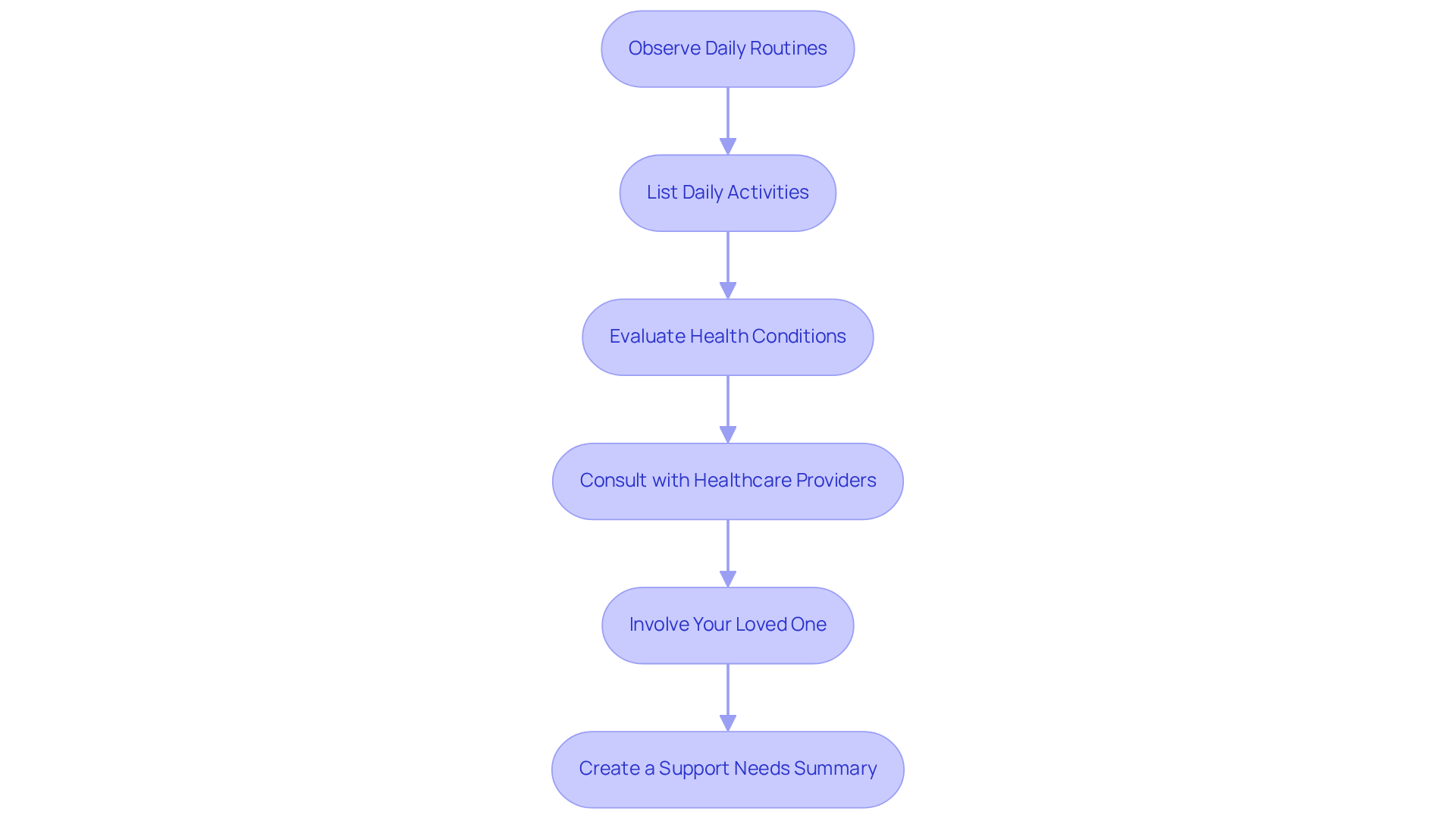
Begin by observing your loved one's daily routines closely. This helps you identify areas where they might need a little extra help. Think about their physical, emotional, and social needs. Here’s how to effectively assess their care requirements:
-
List Daily Activities: Write down the activities your cherished individual finds challenging, like bathing, dressing, meal preparation, medication management, and mobility. It’s important to note that nearly half of older adults worldwide struggle with daily tasks, making this step essential.
-
Evaluate Health Conditions: Take note of any medical conditions that require special attention, such as dementia, diabetes, or mobility issues. Understanding these conditions is crucial, as many elderly individuals manage chronic health issues that need ongoing support.
-
Consult with Healthcare Providers: Talk to doctors or specialists to gain insights into the specific support your loved one needs based on their health status. Geriatric support specialists emphasize the importance of professional assessments to tailor assistance effectively. As Rita B. Choula, Senior Director of Caregiving at the AARP Public Policy Institute, says, "More caregivers are managing serious, ongoing medical conditions at home, and they’re doing it for longer periods of time."
-
Involve Your Loved One: If possible, have a conversation about their preferences and concerns regarding assistance. This involvement fosters a sense of control and respect, which is vital for their emotional well-being.
-
Create a Support Needs Summary: Gather your findings into a document that outlines the specific support requirements. This summary will serve as a helpful reference during the hiring process for a live in caretaker for elderly, ensuring that all aspects of care and assistance are thoroughly addressed. Also, make sure your loved one is taking their medications properly, as monitoring medication adherence is crucial for their health.
Research Qualifications and Experience of Caretakers
When you're looking for the right live-in caretaker for the elderly, it’s important to approach this search with care and understanding. Here are some key points to consider:
-
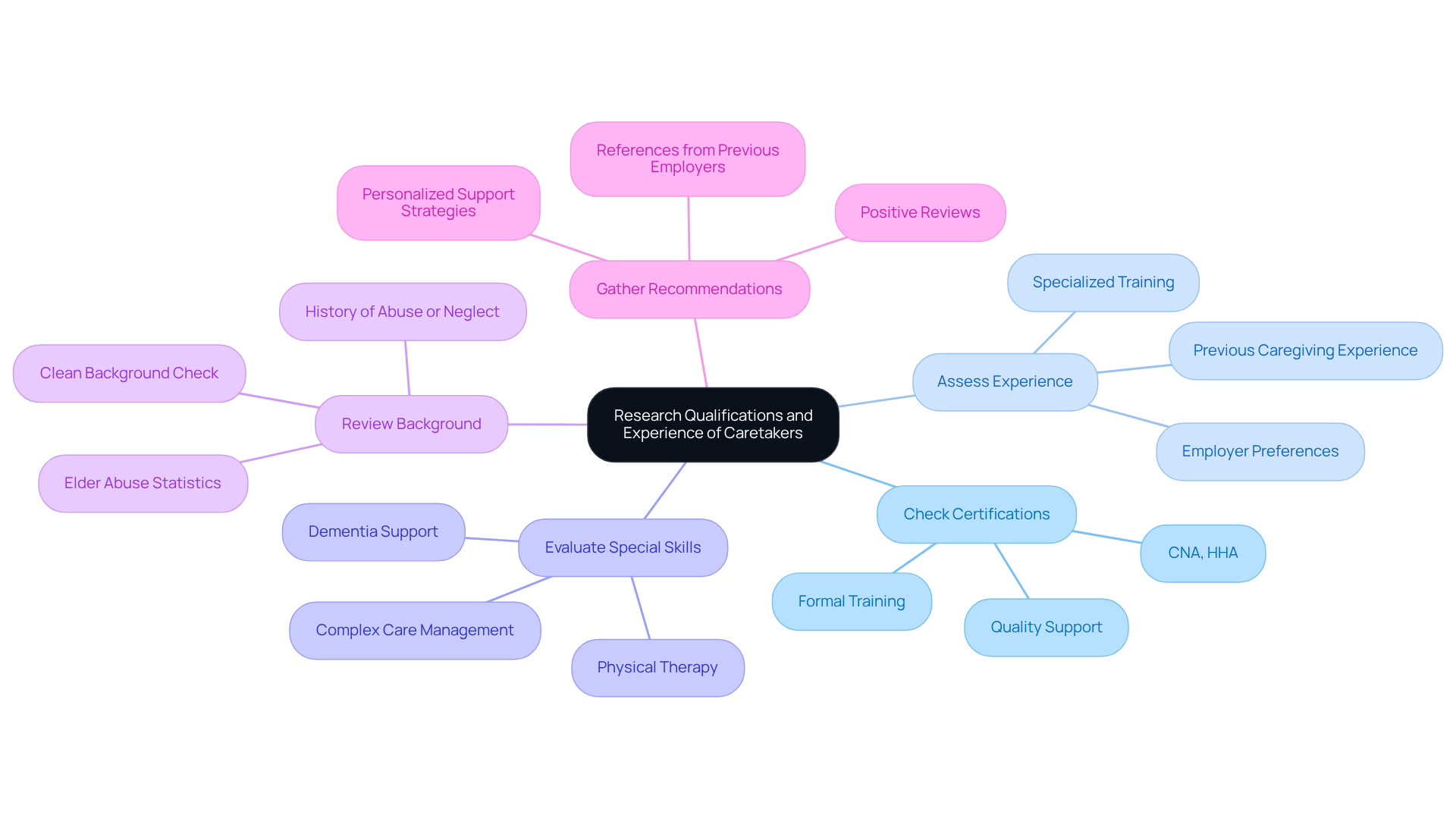
Check Certifications: Look for certifications like Certified Nursing Assistant (CNA) or Home Health Aide (HHA). These credentials indicate that the provider has undergone formal training, which is essential for delivering quality support. Research shows that clients who receive assistance from certified professionals often enjoy better health outcomes compared to those supported by non-certified individuals. Certification programs not only enhance the skills of caregivers but also ensure they meet industry standards, fostering trust and confidence among clients and their families.
-
Assess Experience: It’s helpful to ask about their previous caregiving experience, especially with clients who have similar needs to your loved one. While many caregivers have around a year of experience, those with specialized training in areas like dementia support or palliative care can significantly improve health outcomes. Many employers in the domestic support sector now prefer or require certified assistants, reflecting the growing demand for skilled professionals.
-
Evaluate Special Skills: Consider whether the provider has specialized skills, such as experience with dementia support or physical therapy. Caregivers who live in caretaker for elderly situations and are trained in these areas are better equipped to navigate the complexities of elderly care, ensuring that clients receive the compassionate and appropriate support they deserve.
-
Review Background: It’s crucial to ensure that the individual has a clean background check and no history of abuse or neglect. This step is vital, as only 7% of elder abuse cases are reported, making thorough vetting essential for protecting your loved one.
-
Gather Recommendations: Don’t hesitate to ask for references from previous employers or clients. This can give you a sense of their reliability and effectiveness. Positive reviews can provide insight into the provider's ability to create personalized support strategies and foster a nurturing environment, which is key to enhancing the quality of life for seniors.
Conduct Interviews to Evaluate Caretaker Compatibility
To conduct effective interviews and evaluate caregiver compatibility, it’s important to follow these essential steps:
-
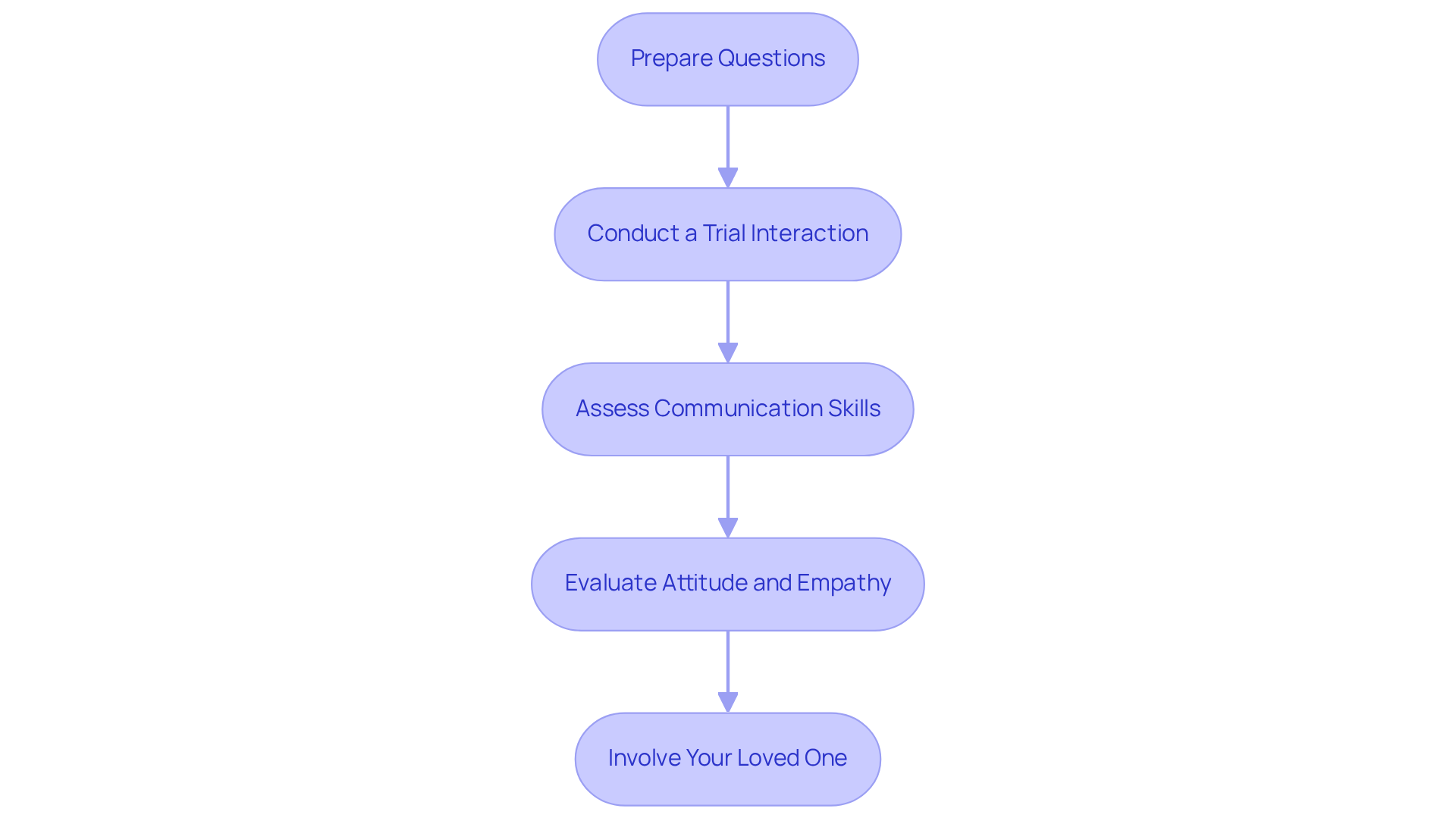
Prepare Questions: Start by crafting a thoughtful list of questions that delve into the caregiver's experience, support philosophy, and problem-solving skills. You might consider asking:
- How do you handle emergencies?
- Can you describe a situation where you had to adjust your support approach?
-
Conduct a Trial Interaction: Arrange for the caregiver to spend some time with your loved one. This trial interaction allows you to observe their dynamic and assess compatibility firsthand. Research shows that familiar caregivers can notice subtle changes in a senior's condition, leading to quicker interventions and better care outcomes. As Active Day notes, "Caregivers are then matched based on shared interests and compatibility," underscoring the significance of this step.
-
Assess Communication Skills: Pay close attention to how effectively the caregiver communicates. Strong communication is key; caregivers should engage your loved one in meaningful conversation, fostering a sense of connection and emotional safety. Studies indicate that those who actively listen and respond with empathy can significantly reduce feelings of loneliness and anxiety in older adults. This aligns with findings that seniors who experience fewer negative emotions tend to have lower rates of chronic illnesses.
-
Evaluate Attitude and Empathy: Look for signs of compassion and understanding in the caregiver's demeanor and responses. A caregiver's ability to convey empathy is crucial for building trust and connection, which are essential for a nurturing support relationship. Case studies, like "Building Relationships Over Time," show that establishing trust and maintaining consistent communication creates a positive environment that supports seniors' well-being.
-
Involve Your Loved One: If appropriate, include your loved one in the interview process. Their comfort and feelings about the caregiver are paramount. Engaging seniors in this decision-making process can enhance their sense of dignity and independence, leading to better adherence to care plans and overall satisfaction. As Active Day mentions, "Members are more relaxed and engaged when they feel at ease with their support provider."
By following these steps, families can ensure they choose a caregiver who not only meets the practical needs of their loved ones but also fosters a nurturing and supportive environment.
Verify References and Conduct Background Checks
To ensure the safety and reliability of support providers, it’s vital to verify references and conduct thorough background checks. Here’s how you can approach this important task:
-
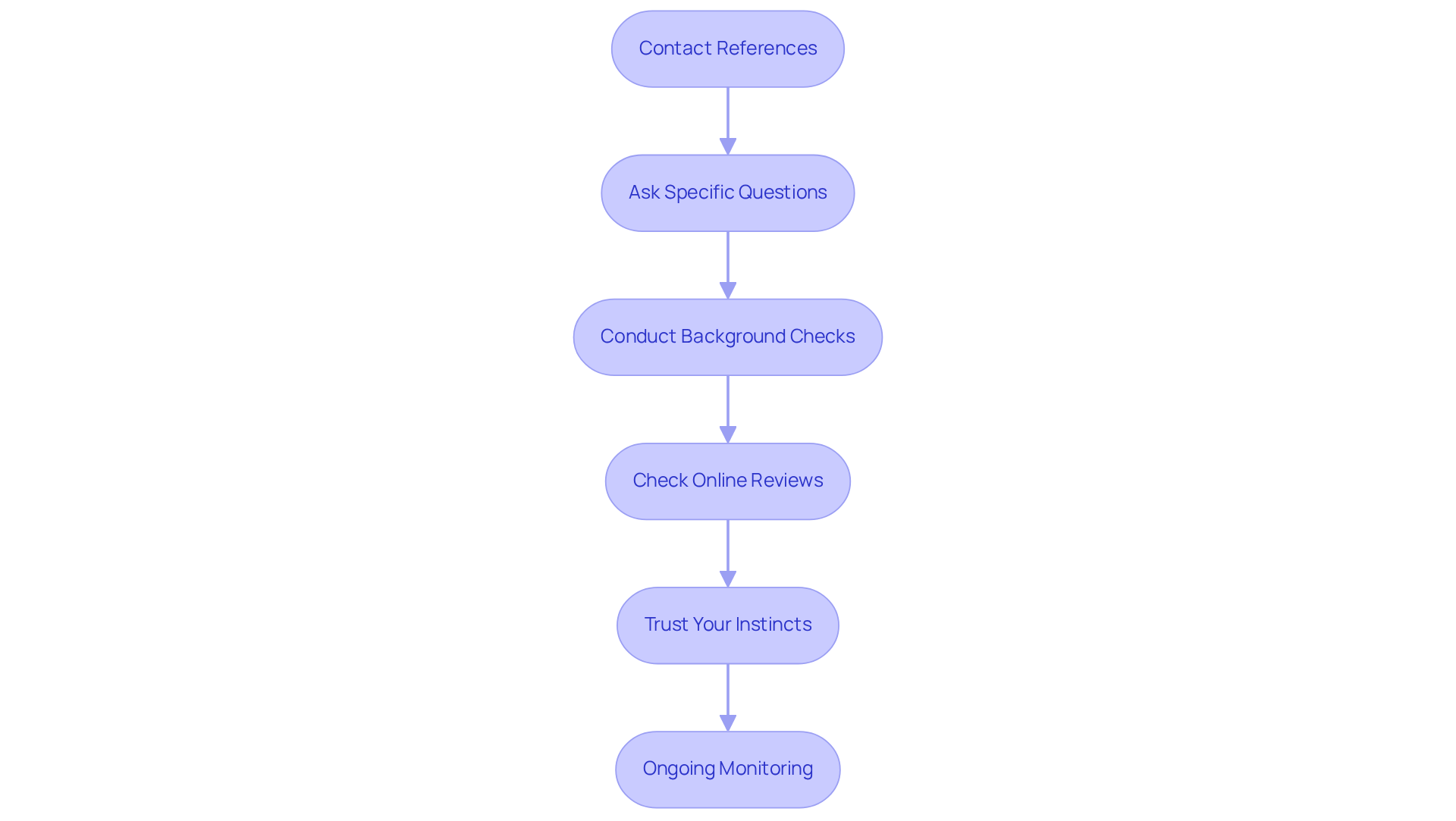
Contact References: Reach out to at least three references provided by the individual offering care. Ask about their experiences, reliability, and how well the individual can handle specific situations. This step can provide valuable insights into the caregiver’s capabilities.
-
Ask Specific Questions: Pose targeted inquiries about the provider's strengths and weaknesses, their relationship with the client, and any incidents that may have raised concerns during their previous employment. For instance, you might ask, "Can you describe a challenging situation the support provider handled?" or "How did the provider interact with the client?" These questions can help you gauge the caregiver's suitability.
-
Conduct Background Checks: Engage professional services to perform comprehensive background checks, including criminal history, employment verification, and relevant certifications. This step is crucial, especially considering that an estimated five million elderly adults suffer abuse annually in the U.S. It’s essential to ensure compliance with the Fair Credit Reporting Act (FCRA) and other legal requirements during this process.
-
Check Online Reviews: Investigate reviews or testimonials from other families who have employed the provider or agency. This can give you a clearer understanding of their reputation and the quality of service they provide.
-
Trust Your Instincts: If anything feels off during the reference checks or background screening, don’t hesitate to continue your search for a provider. Your peace of mind is essential when choosing someone to care for your loved ones.
-
Ongoing Monitoring: Remember, trust in caregivers develops over time. It’s important to conduct periodic re-checks of their backgrounds to maintain safety and reliability. This ongoing vigilance can help ensure that your loved ones are always in good hands.
Create a Comprehensive Care Plan
Creating a comprehensive care plan can feel overwhelming, but it’s a vital step in ensuring your loved one receives the support they need. Here are some essential steps to guide you through the process:
-
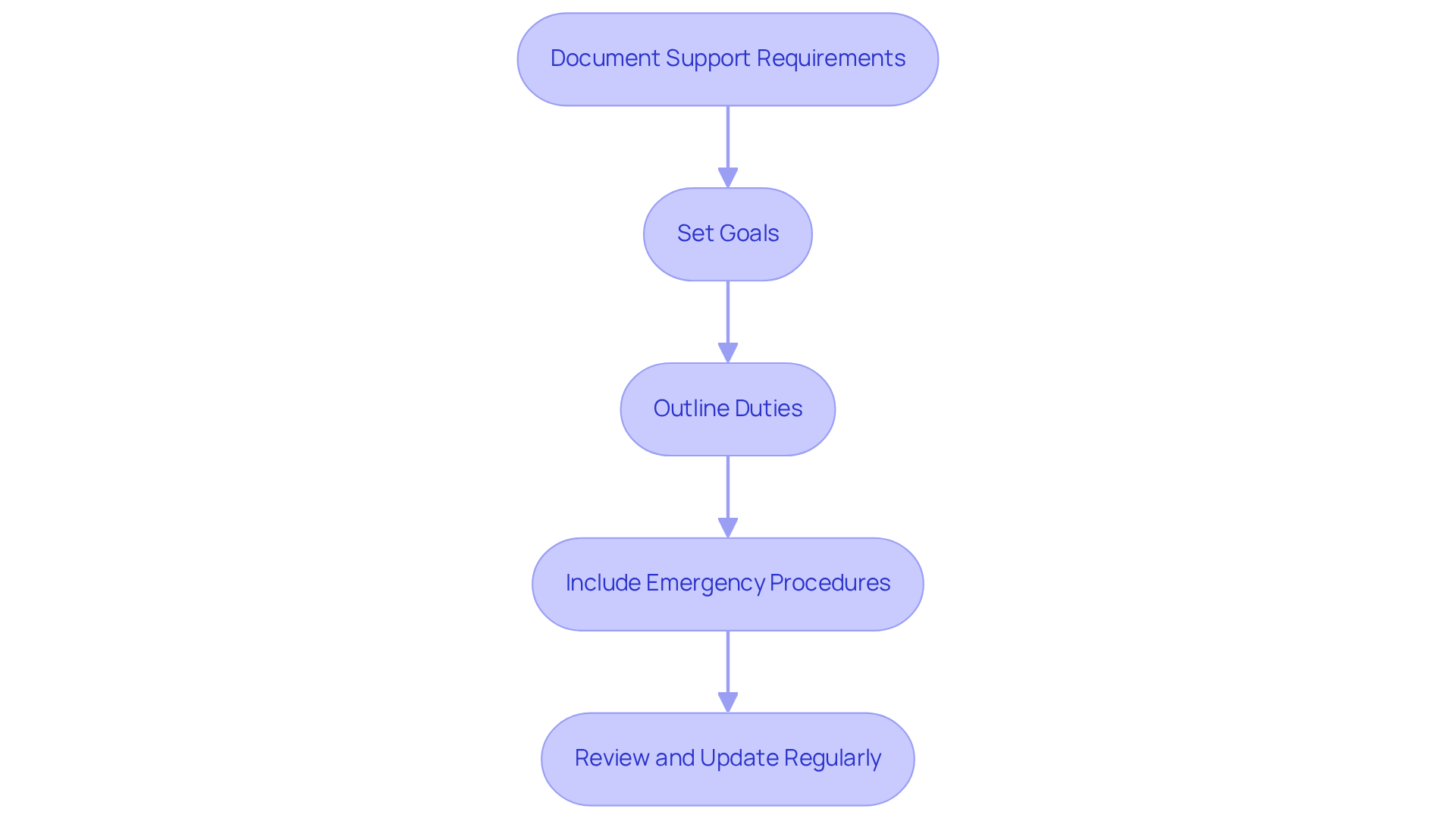
Document Support Requirements: Start by outlining all the support needs identified during the assessment phase. This includes daily routines, medical requirements, and personal preferences. By doing this, you’ll gain a holistic understanding of your loved one’s needs, which is crucial for effective care.
-
Set Goals: Establish clear and achievable goals for both you and your loved one. Think about what you hope to accomplish together—maybe it’s improving mobility, enhancing social interaction, or fostering independence in daily activities. Setting specific, measurable goals can significantly boost the effectiveness of your care plan. Research shows that organized treatment plans can lead to fewer emergency room visits and hospital admissions, underscoring the importance of goal-setting in elderly care.
-
Outline Duties: Clearly define the duties of the support provider. Specify tasks and any special instructions related to assistance. This clarity helps ensure that both the provider and the recipient understand what’s expected, fostering a cooperative atmosphere. Remember, it’s essential to respect your loved one’s privacy when discussing health conditions; maintaining trust is vital.
-
Include Emergency Procedures: Document essential emergency contacts, medical information, and procedures to follow in case of an emergency. Being prepared is crucial for ensuring safety and a quick response in critical situations. Make sure to include healthcare providers, family members, and any relevant medical history that could assist during emergencies.
-
Review and Update Regularly: Schedule regular check-ins to assess the support plan and make necessary adjustments. This practice allows the plan to evolve in response to changing needs, ensuring it remains relevant and effective. Feedback from geriatric care managers can provide valuable insights into improving care strategies.
By following these steps, you can create a structured and supportive environment that promotes the well-being and independence of elderly individuals. Remember, you’re not alone in this journey; your efforts can significantly enhance their quality of life. Take a moment to reflect on the positive impact you’re making.
Key Takeaways for Caregivers
Finding the right live-in caretaker for elderly care is a vital step that can greatly influence the quality of life for both the elderly individual and their family. This journey requires a thoughtful assessment of care needs, diligent research into qualifications and experience, and a careful evaluation of caregiver compatibility. By following these steps, families can select a caregiver who not only meets practical needs but also nurtures a supportive environment.
The article highlights essential stages in this process, such as:
- Assessing the specific needs of your loved one
- Researching caregiver qualifications
- Conducting meaningful interviews
- Verifying references
- Creating a comprehensive care plan
Each step is crucial in ensuring that the caregiver chosen is not only qualified but also a good fit for the individual they will care for, ultimately leading to improved health outcomes and emotional well-being.
In closing, the significance of investing time and effort into finding the right caretaker cannot be overstated. The well-being of an elderly loved one depends on receiving personalized and compassionate care tailored to their unique needs. Families are encouraged to use this guide as a roadmap, approaching the selection process with diligence and care. By doing so, they can create a nurturing environment that enhances the quality of life for their elderly family members, allowing them to age with dignity and comfort.
https://iframe.tely.ai/cta/eyJhcnRpY2xlX2lkIjogIjY5MGZkY2ZjZDgxOGMwOGZkNmY3OWY2NiIsICJjb21wYW55X2lkIjogIjY4ZWU1ZGNhNzMxNzYyNTU3ZjNjOTVjMSIsICJpbmRleCI6IG51bGwsICJ0eXBlIjogImFydGljbGUifQ==Frequently Asked Questions
How can I assess the care needs of my loved one?
Begin by observing their daily routines to identify areas where they may need help. List daily activities they find challenging, evaluate any health conditions, consult with healthcare providers for insights, involve your loved one in discussions about their preferences, and create a summary of their support needs.
What daily activities should I consider when assessing care needs?
Consider activities such as bathing, dressing, meal preparation, medication management, and mobility, as nearly half of older adults struggle with these tasks.
Why is it important to evaluate health conditions when assessing care needs?
Understanding health conditions, such as dementia or diabetes, is crucial because many elderly individuals manage chronic issues that require ongoing support.
How can healthcare providers assist in assessing care needs?
Healthcare providers can offer insights into the specific support your loved one needs based on their health status, and professional assessments can help tailor assistance effectively.
Why should I involve my loved one in discussions about their care?
Involving your loved one fosters a sense of control and respect, which is vital for their emotional well-being.
What should be included in a support needs summary?
The summary should outline specific support requirements, serving as a reference during the hiring process for a live-in caretaker, and ensure that all aspects of care are addressed.
What certifications should I look for in a live-in caretaker?
Look for certifications like Certified Nursing Assistant (CNA) or Home Health Aide (HHA), as these indicate formal training essential for quality support.
How important is the experience of a caretaker?
Caregiver experience is important, especially with clients who have similar needs. Specialized training in areas like dementia support can significantly improve health outcomes.
What special skills should I evaluate in a caretaker?
Consider whether the caretaker has specialized skills, such as experience with dementia support or physical therapy, which are crucial for navigating elderly care complexities.
Why is it important to review a caretaker's background?
A clean background check is vital to ensure the individual has no history of abuse or neglect, as only a small percentage of elder abuse cases are reported.
How can I gather recommendations for a caretaker?
Ask for references from previous employers or clients to gain insights into the caretaker's reliability and effectiveness in providing personalized support.