
For families in our service areas
For families in our service areas, this guide explains caregiving and how non-medical in-home caregiving can support care planning in East Idaho, Treasure Valley & Magic Valley, Northern Wasatch, North Central West Virginia & Southwestern Pennsylvania, and Northeast Ohio.
What You Need to Know About Hire a Home Attendant for Elderly Near
Navigating the complexities of hiring a home attendant for an elderly loved one can feel overwhelming. Families often grapple with emotional and practical considerations that weigh heavily on their hearts. This guide aims to provide a structured approach, ensuring that you can find the right support tailored to your unique needs.
As the demand for quality caregiving continues to rise, many families find themselves asking: how can we balance budget constraints with the need for compassionate and reliable care? This question is not just about finances; it touches on the well-being of both the caregiver and the elderly individual. By exploring this, we can uncover informed decisions that enhance the quality of life for everyone involved.
Remember, you are not alone in this journey. Many families share similar experiences, and together, we can navigate these challenges with empathy and understanding.
Assess Care Needs and Budget
-
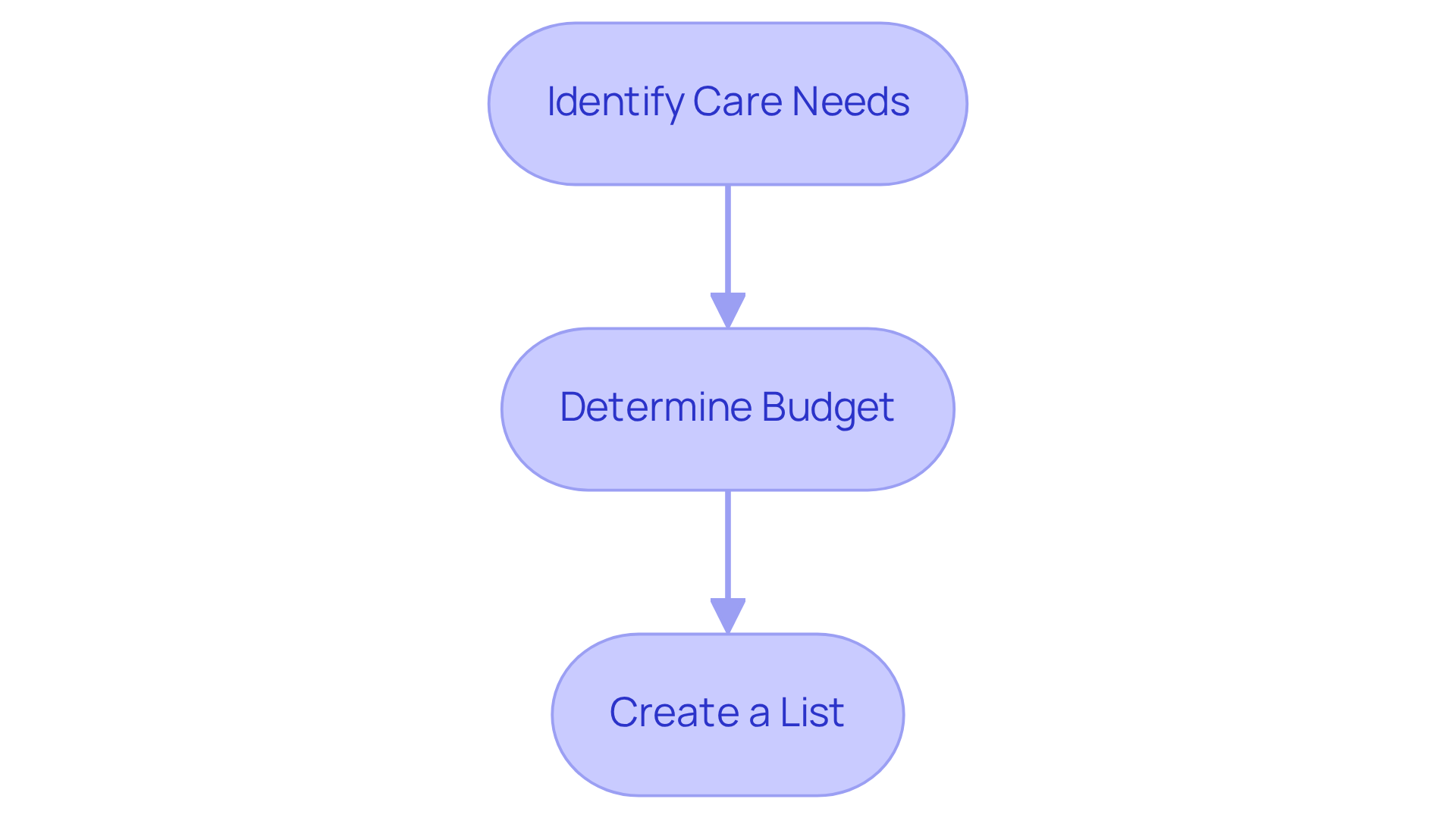
Identify Care Needs: Start by gently evaluating the specific needs of your elderly loved one. Think about important factors like mobility, daily living activities - such as bathing, dressing, and eating - medication management, and the need for companionship. It might be helpful to consult with healthcare professionals for a thorough assessment, ensuring that you’re fully aware of their needs.
-
Determine Budget: Take a moment to calculate how much you can comfortably spend on caregiving services. Look into the typical expenses in your area, which can range from $15 to $30 per hour, depending on the level of assistance required. Don’t forget to consider any insurance coverage or financial assistance programs that could ease the burden.
-
Create a List: Write down the care needs and budget constraints in a clear, organized list. This will serve as a helpful guide during the recruitment process and will assist you in communicating effectively with potential providers or agencies. Remember, you’re not alone in this journey; there are compassionate services, including a home attendant for elderly near me, ready to support you and your loved one.
Choose Between Direct Hire or Agency
-
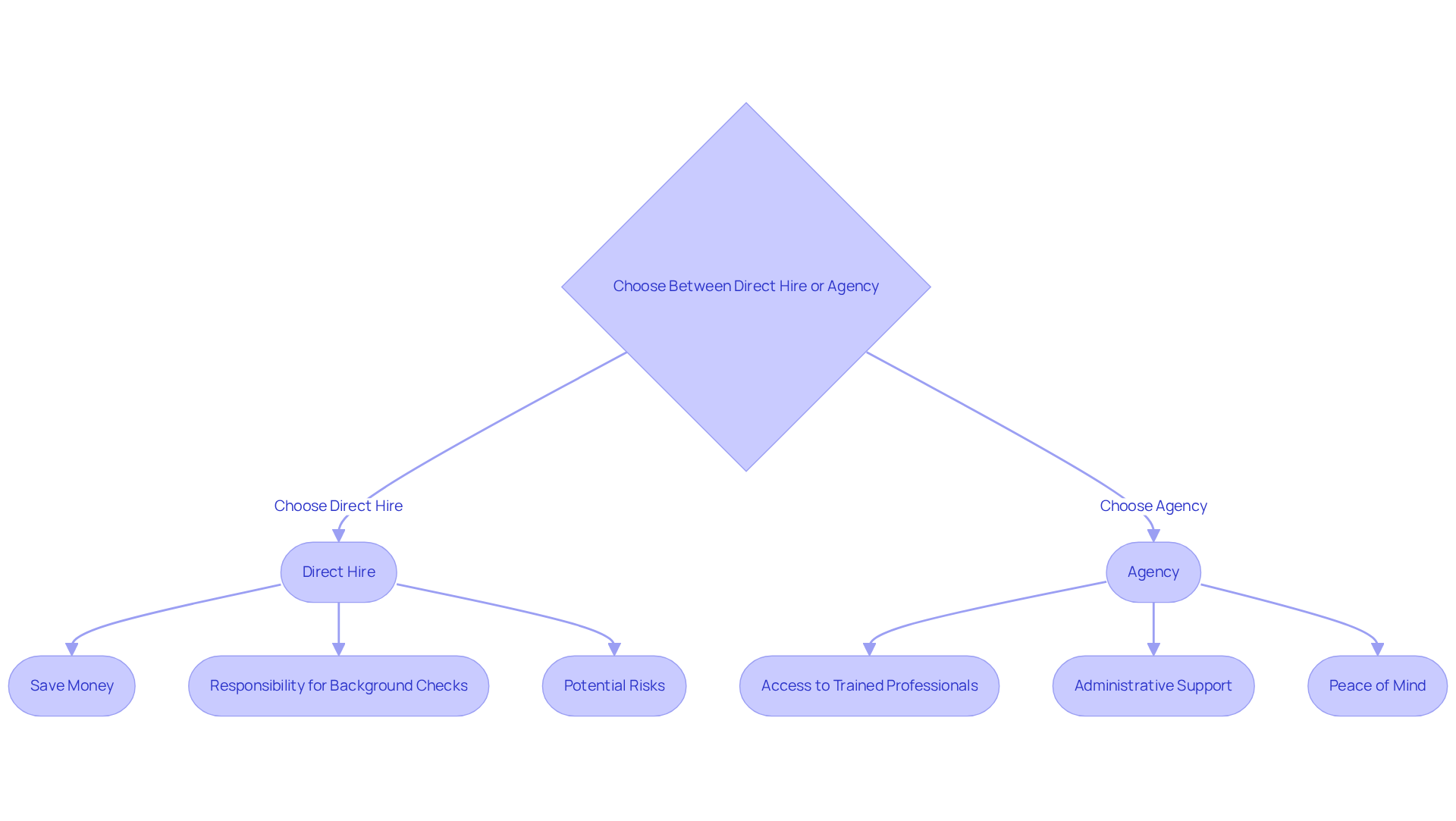
Understanding Direct Hire: Hiring a personal assistant directly can be a great way to save money by avoiding agency fees, which often exceed $20 per hour. However, this choice also means that the family takes on the responsibility for background checks, payroll, and taxes. It’s important to consider how comfortable you feel with these tasks before moving forward. Additionally, families should be aware of the potential risks of private hiring, such as abandonment, abuse, and neglect, which can happen without the oversight that agencies provide.
-
Considering Agency Benefits: Working with a caregiving agency comes with many advantages. You gain access to trained professionals who are thoroughly vetted and insured. Agencies handle the administrative side of things and can provide backup support if your caregiver is unavailable. This can be especially helpful for families who may not have the time or expertise to manage these responsibilities. The structured support from an agency can ease your stress and ensure consistent care. Caregiving experts often highlight the peace of mind that comes from knowing caregivers are properly screened and trained, making agency support a significant benefit.
-
Evaluating Your Needs: Take a moment to reflect on your family member's specific needs and your household's capacity to manage the hiring process. If you prefer a more hands-off approach, opting for an agency might be the best choice. This allows you to focus on your loved one’s well-being rather than the logistics of care. It’s essential to conduct thorough research on potential agencies to ensure you select a reputable provider that aligns with your family member's needs.
Conduct Interviews and Evaluate Candidates
-
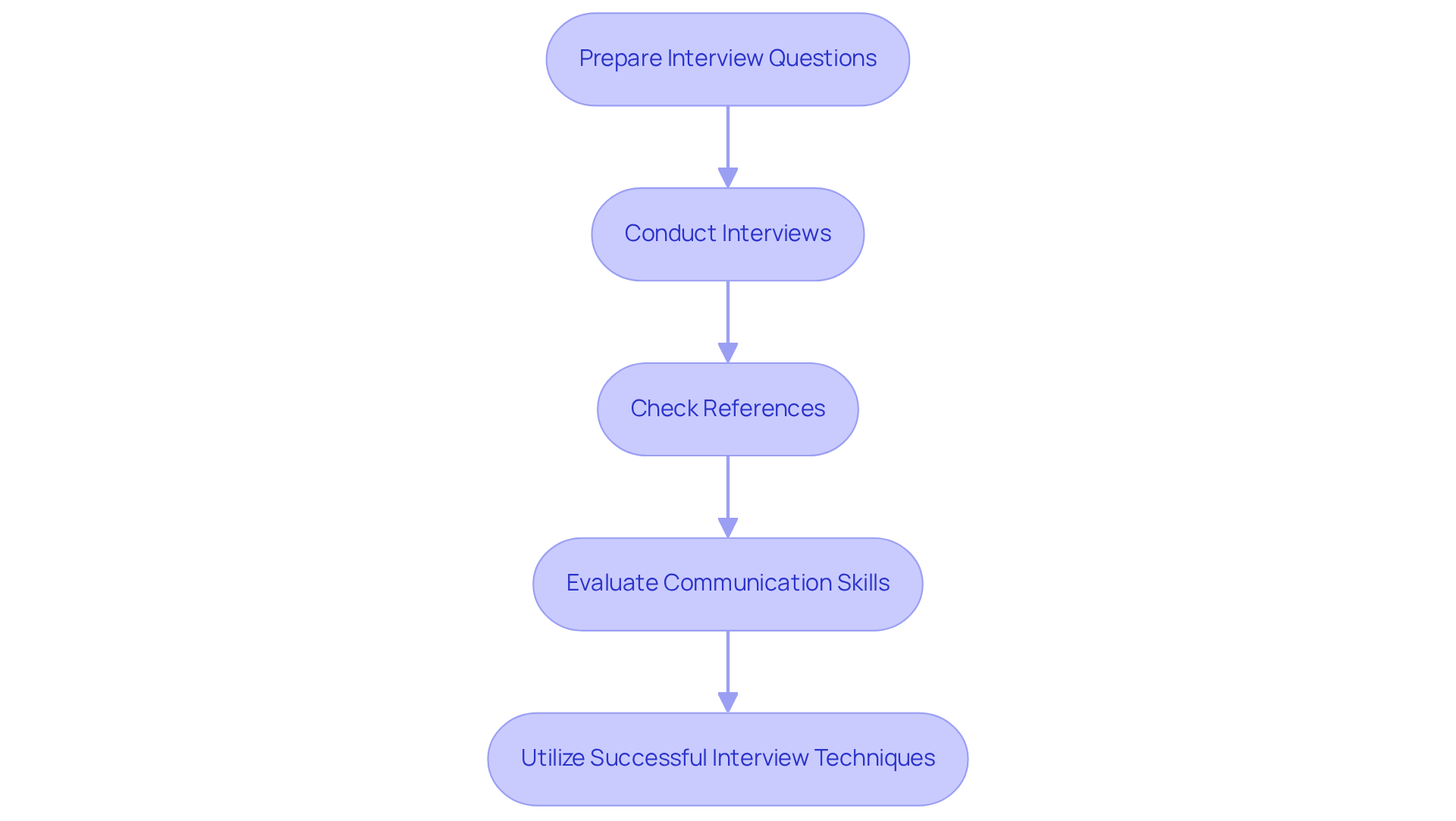
Prepare Interview Questions: Start by crafting a thoughtful list of questions that truly explore the candidate's experience, skills, and caregiving philosophy. You might ask, 'What specific experience do you have as a home attendant for elderly near me?' or 'Can you share a time when you managed an emergency situation?' Tailoring these questions to reflect the unique needs of your loved one can provide valuable insights into their suitability.
-
Conduct Interviews: Set up interviews in a comfortable, welcoming environment. Pay attention to how candidates communicate, their demeanor, and how they respond to your questions. A relaxed atmosphere can reveal how they engage with your dear one, giving you a clearer picture of their compatibility. Effective communication is vital; caregivers should be able to express information clearly and compassionately, as this builds trust and ensures consistent support.
-
Check References: After the interviews, reach out to references to verify the candidate's work history and reliability. Ask about their experiences with the candidate, focusing on strengths and any concerns that may have come up. Strong references can provide reassurance about the caregiver's ability to meet your loved one's needs and maintain a high standard of care.
-
Evaluate Communication Skills: During the interview process, take note of the candidate's communication abilities. This includes their capacity to listen, offer clear explanations, and engage in meaningful conversations. Caregivers who excel in communication can better understand client needs and foster a supportive environment, which is essential for hiring a home attendant for elderly near me.
-
Utilize Successful Interview Techniques: Use techniques like scenario-based questions to see how candidates would handle real-life caregiving situations. For example, you might ask them to describe how they would approach a client who is resistant to care. This approach not only reveals their problem-solving skills but also highlights their emotional intelligence and adaptability-key traits for effective caregivers. Additionally, discussing opportunities for growth and continuing education during interviews can showcase a candidate's dedication to the caregiving profession.
Develop a Personalized Care Plan
-
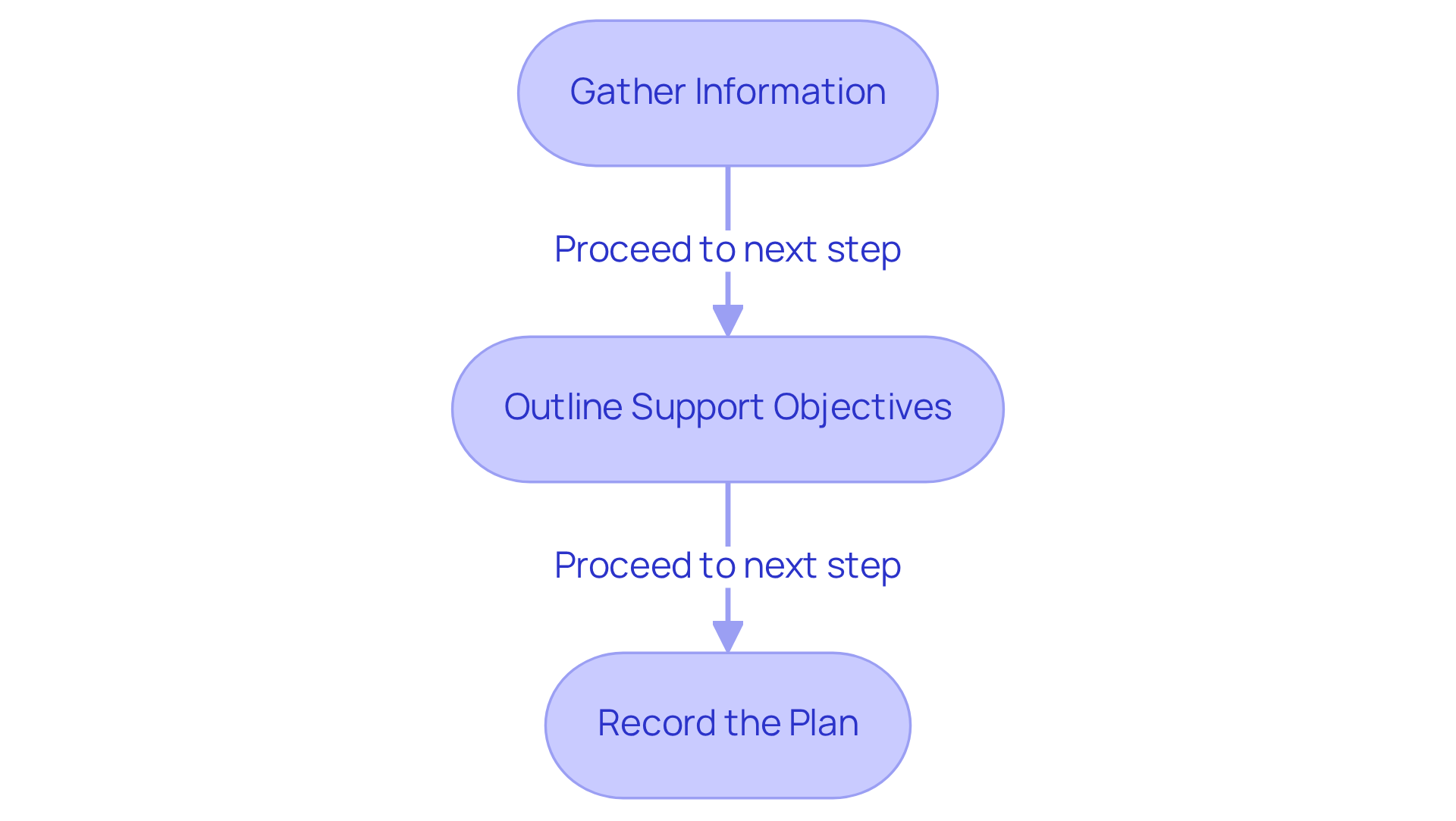
Gather Information: It’s so important to collaborate with your loved one, family members, and healthcare providers to gather comprehensive information about the individual’s health status, preferences, and daily routines. This fundamental step is essential for developing a support plan that truly reflects the needs of the elderly individual. By understanding their unique situation, we can provide the best possible care.
-
Outline Support Objectives: Let’s establish clear and achievable goals for the support plan. Think about improving mobility, enhancing social interaction, or managing medications effectively. Research shows that individualized treatment plans can significantly enhance patient outcomes. For instance, home-based patients experience a 20% improvement in symptom management and a 15% lower hospital readmission rate compared to those not receiving home support (source: National Association for Home Care & Hospice). It’s also heartening to note that 84% of the goals set by participants were non-medical, emphasizing a focus on overall well-being. By setting achievable objectives, we ensure that both supporters and clients remain focused and motivated.
-
Record the Plan: Developing a comprehensive written support plan is crucial. This plan should specify the tasks the provider will undertake, the timetable, and any special directions. Sharing this document with the caregiver ensures clarity and alignment among everyone involved. Working together to create this plan fosters a sense of ownership and dedication to the support process. As Dr. Ardeshir Hashmi wisely points out, older adults should establish their own treatment priorities, which enhances engagement and satisfaction with the assistance they receive.
Draft a Caregiver Contract
-
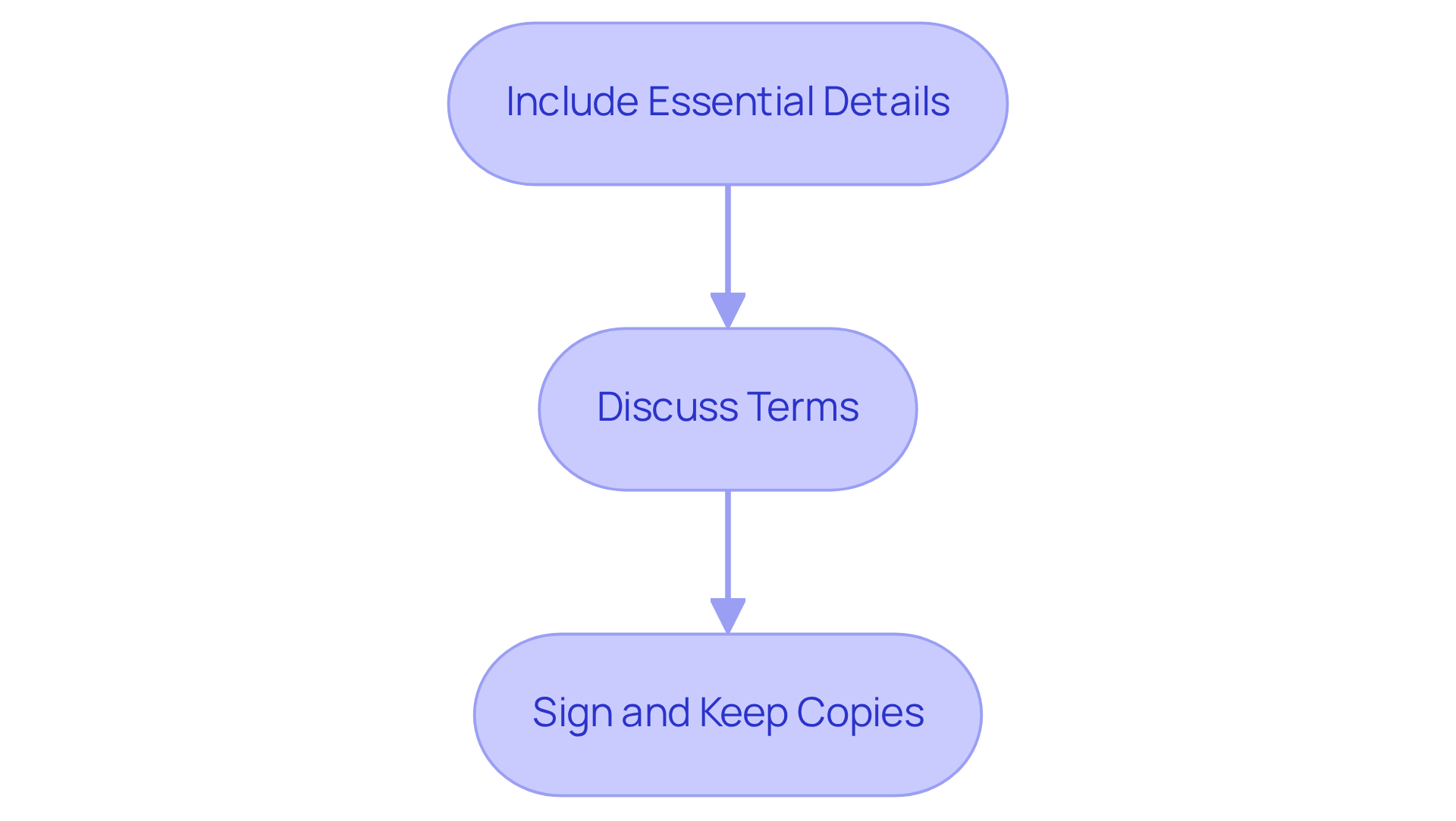
Include Essential Details: It’s vital for a support provider contract to clearly outline the provider's responsibilities, work schedule, payment terms, and any specific requirements related to the care provided. This clarity not only helps prevent misunderstandings but also ensures that both parties feel secure and aligned on expectations. With around 63 million Americans acting as family supporters, as noted by the National Alliance for Caregiving, having clear agreements is essential to protect everyone involved.
-
Discuss Terms: Before finalizing the contract, take a moment to have an open and honest conversation with the provider about the terms. Discuss payment rates, work hours, and any additional responsibilities. Legal experts emphasize that fostering mutual understanding can create a positive working relationship, setting the stage for effective and compassionate care.
-
Sign and Keep Copies: Once both parties agree on the terms, it’s important to have the contract signed by both the family and the support person. Make sure to keep copies for your records; these documents can serve as a helpful reference in the future, especially if any questions or disputes arise. Given that many caregivers experience financial strain, having clear payment terms is crucial for the security of both parties.
Taking the Next Steps
Finding the right home attendant for elderly care is a vital step in ensuring your loved one’s well-being and comfort. It’s not just about assistance; it’s about creating a nurturing environment that enhances their quality of life. By taking a thoughtful approach-assessing care needs and budget, deciding between direct hire or an agency, conducting thorough interviews, developing a personalized care plan, and drafting a clear caregiver contract-you can make informed decisions that lead to better care outcomes.
Throughout this guide, we’ve highlighted key insights, such as:
- Understanding specific care needs
- The pros and cons of hiring directly versus through an agency
Open communication during the hiring process is essential. Each step is designed to help families navigate the complexities of elderly care, ensuring that both the caregiver and the individual receiving care are set up for success.
Ultimately, hiring a home attendant is about fostering a supportive atmosphere. By carefully evaluating your options and establishing clear agreements, you can ensure that your loved ones receive the compassionate and competent care they deserve. Embrace this opportunity to make a positive difference in your loved one’s life. Take action today, and remember, you’re not alone in this journey.
https://iframe.tely.ai/cta/eyJhcnRpY2xlX2lkIjogIjY5MWJjOGEzMjFhODllYjY5MjhjZDRkZiIsICJjb21wYW55X2lkIjogIjY4ZWU1ZGNhNzMxNzYyNTU3ZjNjOTVjMSIsICJpbmRleCI6IG51bGwsICJ0eXBlIjogImFydGljbGUifQ==Frequently Asked Questions
How should I assess the care needs of my elderly loved one?
Start by evaluating their specific needs related to mobility, daily living activities (such as bathing, dressing, and eating), medication management, and companionship. Consulting with healthcare professionals can provide a thorough assessment of their needs.
What factors should I consider when determining a budget for caregiving services?
Calculate how much you can comfortably spend on caregiving services, considering typical expenses in your area, which range from $15 to $30 per hour. Also, look into insurance coverage or financial assistance programs that may help reduce costs.
Why is it important to create a list of care needs and budget constraints?
A clear, organized list of care needs and budget constraints serves as a helpful guide during the recruitment process and aids in effective communication with potential providers or agencies.
What are the advantages of hiring a caregiver directly?
Hiring a personal assistant directly can save money by avoiding agency fees. However, this option requires the family to handle background checks, payroll, and taxes, which may not be suitable for everyone.
What are the benefits of using a caregiving agency?
Working with a caregiving agency provides access to trained, vetted, and insured professionals. Agencies manage administrative tasks and offer backup support, which can ease stress and ensure consistent care.
How can I decide between hiring directly or using an agency?
Reflect on your family member's specific needs and your household's capacity to manage the hiring process. If you prefer a hands-off approach, an agency might be the best choice, allowing you to focus on your loved one’s well-being.
What should I research when choosing a caregiving agency?
Conduct thorough research on potential agencies to ensure they are reputable and align with your family member's specific needs.