

For families in our service areas
For families in our service areas, this guide explains caregiver support and how non-medical in-home caregiving can support care planning in East Idaho, Treasure Valley & Magic Valley, Northern Wasatch, North Central West Virginia, and Northeast Ohio.
Why Hire a Part Time Caregiver for Elderly Matters
Navigating the complexities of elderly care can be daunting. Families often grapple with understanding the specific needs of their loved ones, leading to anxiety and uncertainty in finding the right support. This situation can feel overwhelming, especially when hiring a part-time caregiver.
To address these challenges, it’s essential to:
- Assess care requirements accurately
- Define caregiver responsibilities clearly
- Identify qualified candidates
This guide outlines practical steps to ensure a tailored approach to caregiving. By following these steps, families can not only select the right caregiver but also foster a successful and trusting relationship with them.
Assess Care Needs of the Elderly Individual
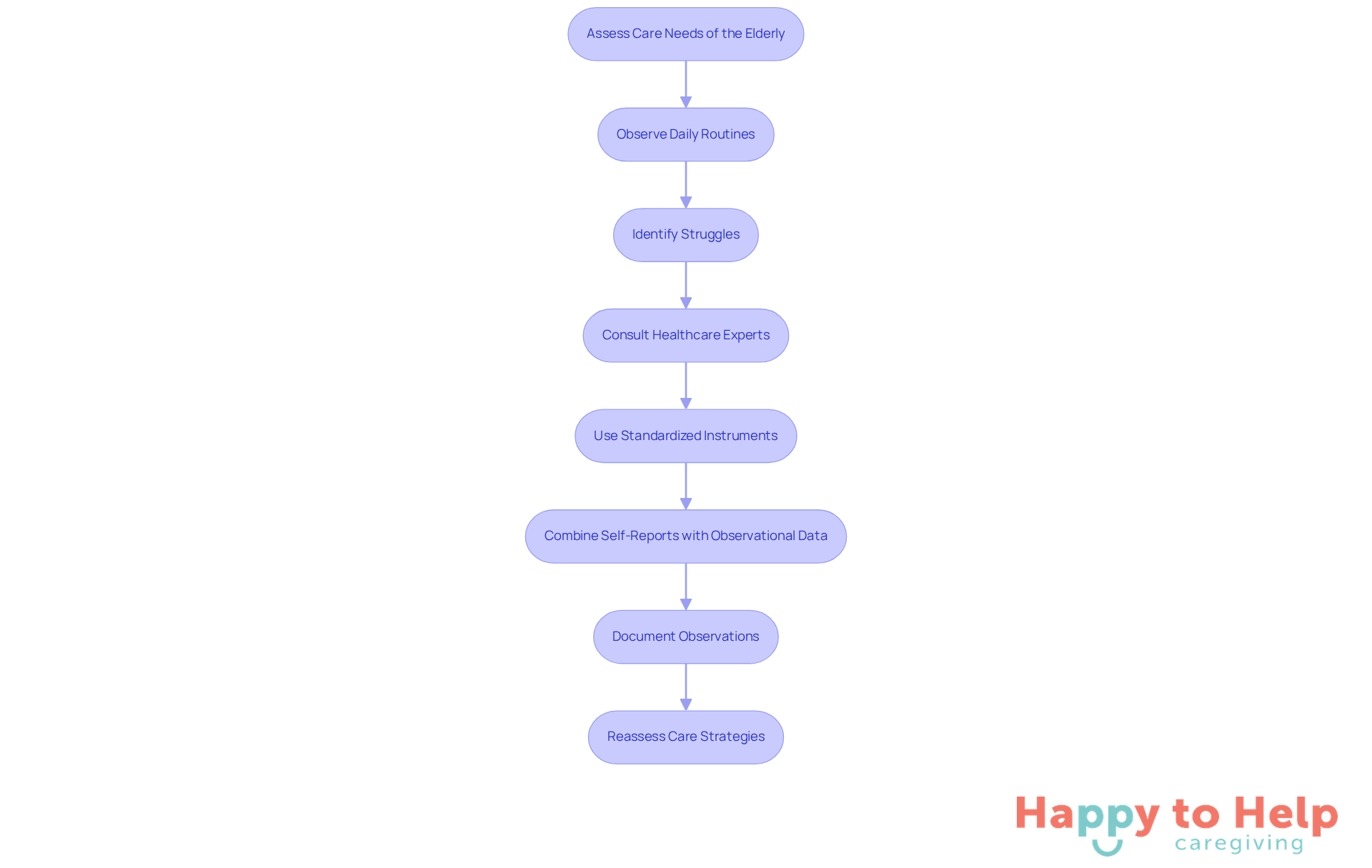
Begin by closely observing your loved one's daily routines to identify specific areas where they may struggle. Caregivers often face challenges in accurately assessing needs due to factors like mobility limitations, medication management, personal hygiene, and opportunities for social interaction. This can lead to significant gaps in support, as recent studies suggest that seniors frequently underreport their care requirements.
The implications of this underreporting are profound. There’s often a disconnect between how seniors perceive their support needs and how providers and clinicians recognize these aspects. This emphasizes the intricacies involved in care evaluations. Mobility issues, in particular, can significantly impact elderly care requirements, necessitating a reassessment of care strategies as functional decline occurs.
To address these challenges, it’s essential to interact with healthcare experts who can provide valuable insights into any medical conditions affecting care requirements. Employing standardized instruments like the Barthel Index and Geriatric Depression Scale can also help assess functional status and recognize any depressive symptoms that may influence self-reporting.
Combining self-reports with observational data is crucial for accurate assessments. Documenting these observations will create a detailed profile of your loved one's requirements, which will guide the subsequent steps in hiring a part time caregiver for elderly. By integrating these insights and emphasizing the importance of ongoing evaluation of care strategies, families can ensure a more effective and tailored approach to caregiving.
Define Caregiver Responsibilities and Expectations
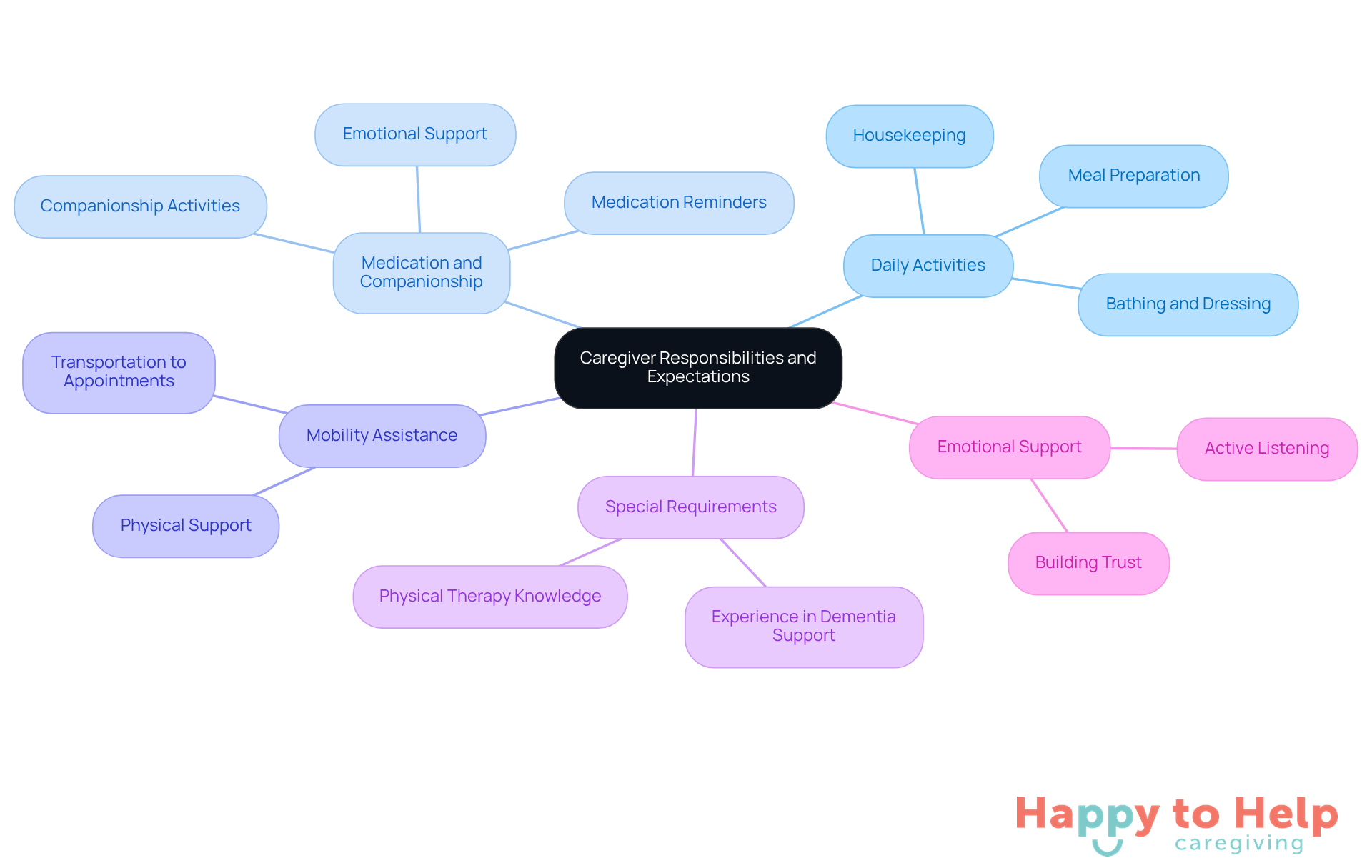
Recruiting a part time caregiver for elderly family members can be challenging. Families often struggle to find someone who meets their specific needs, which can lead to feelings of anxiety and uncertainty. To address this issue, it’s crucial to develop a comprehensive job description that clearly outlines the tasks and duties expected from the assistant.
Common responsibilities of a part time caregiver for elderly include:
- Assisting with daily activities such as bathing, dressing, and meal preparation.
- Providing medication reminders and companionship.
- Offering mobility assistance and transportation to medical appointments.
These responsibilities are vital, ensuring that older adults maintain their independence and access necessary services.
When drafting the job description, consider any special requirements that may be necessary for the role. For instance, experience in dementia support or physical therapy can be essential for those assisting individuals with specific health needs. It’s important for a part time caregiver for elderly to discuss these responsibilities with your elderly family member to ensure their comfort and preferences are taken into account, fostering a sense of security in the caregiving arrangement.
Incorporating feedback from caregiving professionals can significantly enhance the job description's effectiveness. Experts often emphasize the importance of having a part time caregiver for elderly individuals to provide emotional support and companionship, which are critical for alleviating feelings of loneliness among seniors. A recent study found that 34% of adults aged 50 to 80 experience loneliness, highlighting the need for caregivers to offer companionship. By clearly outlining these expectations, families can ensure that a part time caregiver for elderly is well-prepared to meet the unique requirements of their loved ones, ultimately leading to a more favorable caregiving experience.
Additionally, utilizing tools such as calendar and reminder applications can help caregivers manage their tasks effectively, ensuring they remain organized and attentive to the needs of their elderly clients. It’s also crucial to recognize the financial impact of providing care, as many individuals in this role report spending a significant portion of their income on caregiving-related expenses. By addressing these aspects in the job description, families can create a comprehensive framework that supports both the provider and the care recipient.
Source Qualified Caregiver Candidates
Finding suitable candidates for caregiving positions can be a significant challenge. Many caregivers struggle to connect with qualified individuals who meet the specific needs of their roles. This issue not only affects the quality of care provided but also places additional stress on existing staff and resources.
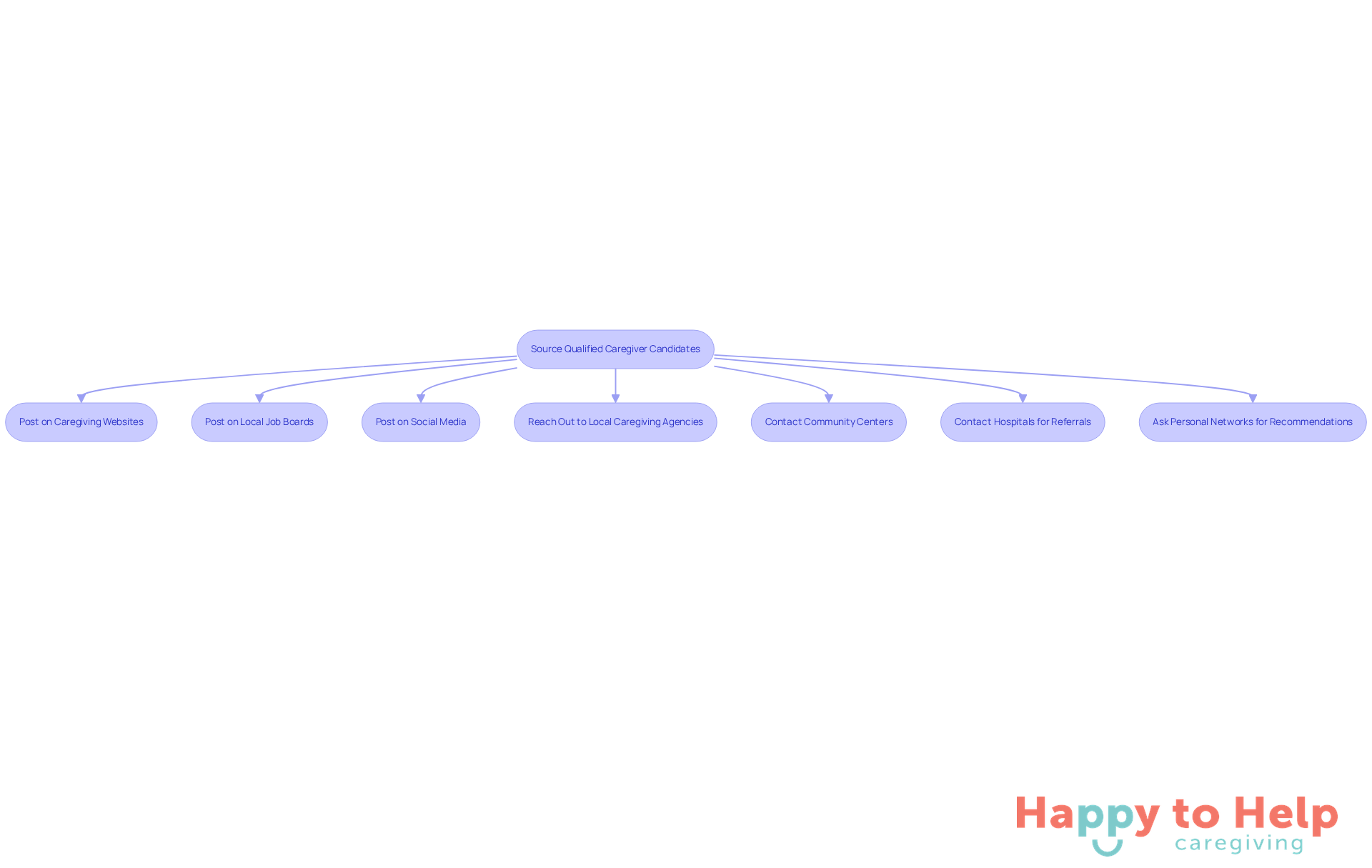
To tackle this problem effectively, consider utilizing multiple channels for recruitment. Start by:
- Posting the job description on caregiving websites.
- Posting on local job boards.
- Posting on social media platforms.
- Reaching out to local caregiving agencies.
- Contacting community centers.
- Contacting hospitals for referrals.
Don't overlook the potential of personal networks; asking friends or family for recommendations can yield valuable leads.
It's crucial to ensure that candidates possess the necessary qualifications and experience relevant to the defined responsibilities. By implementing these strategies, you can enhance your chances of finding the right fit for your caregiving team.
Evaluate Candidates Through Interviews and Background Checks
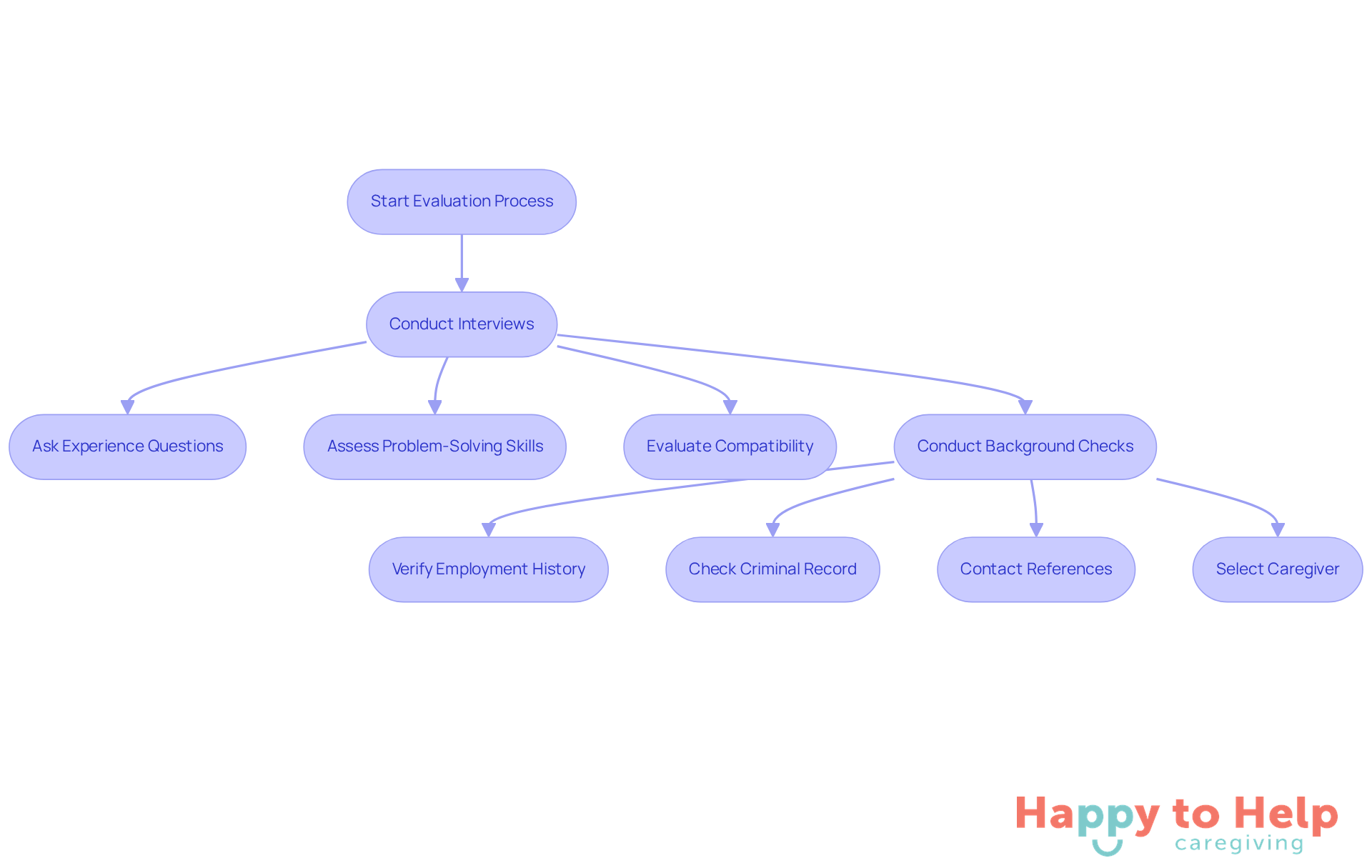
To effectively assess candidates for the role of a part time caregiver for elderly individuals, it’s crucial to start with a comprehensive list of interview questions that delve into their experience, skills, and philosophy of care. Ask about their previous roles, how they handle challenging situations, and their availability. This approach not only evaluates their qualifications but also gauges their compatibility as a part time caregiver for elderly with your loved one's needs.
Following the interviews, conducting thorough background checks is essential. These checks should confirm the candidate's employment history, criminal record, and references. Recent data reveals that approximately one in six individuals aged 60 and older experienced some form of abuse in 2023, and one in every five adults over age 70 faces some form of elder abuse annually. This underscores the importance of ensuring that a part time caregiver for elderly individuals is both trustworthy and qualified. States like California, Wisconsin, and Massachusetts mandate background checks for all caregiving personnel before employment, while Florida requires level-two background screenings at hiring and every five years, reflecting a growing recognition of the need to protect vulnerable groups.
Incorporating insights from HR professionals can significantly enhance your interview process. Effective interview questions for a part time caregiver for elderly might include scenarios that reveal how candidates would respond to specific caregiving challenges. This method not only assesses their problem-solving skills but also provides a clearer picture of their character and suitability for the role. As noted by DISA Global Solutions, "By ensuring a thorough examination of the background check process for support workers, employers in the caregiving sector can significantly boost the confidence of their clients in the safety and competence of their personnel."
By merging careful interviews with thorough background assessments and ongoing supervision of providers, families can make informed choices in selecting a part time caregiver for elderly loved ones, ensuring they choose individuals who are not only proficient but also dependable and secure.
Implement a Trial Period for Caregiver Assessment
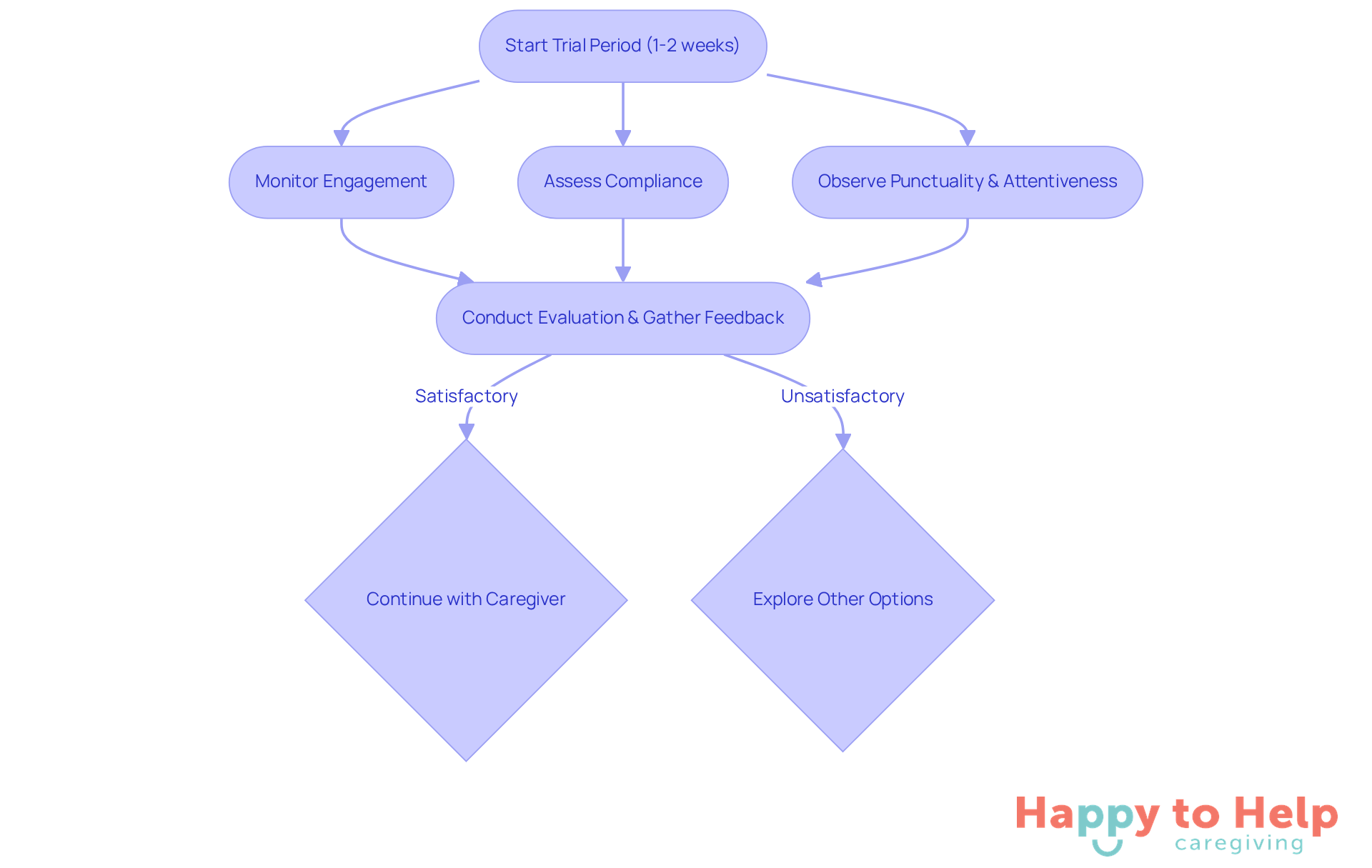
Choosing a caregiver is just the beginning; setting up a trial period is essential. Typically lasting one to two weeks, this timeframe allows for a thorough observation of how the caregiver interacts with your family member and their ability to perform necessary tasks effectively. During this period, fostering open communication between the caregiver and your loved one is vital to address any concerns that may arise. Regular check-ins can help assess comfort levels and satisfaction with the care provided.
To effectively evaluate caregiver performance, consider these key points:
- Engagement: Monitor how well the caregiver connects with your loved one, paying attention to their responsiveness and emotional connection.
- Compliance: Assess the caregiver's adherence to the care plan, ensuring they meet the specific needs outlined for your family member.
- Punctuality and Attentiveness: Observe the caregiver's reliability and focus, as these factors greatly influence the overall caregiving experience.
At the end of the trial period, conduct a thorough evaluation. Gather feedback from your loved one and any family members involved in the care process. This collaborative approach ensures that all perspectives are considered when deciding whether to continue with the caregiver or explore other options.
Successful caregiver assessments underscore the importance of clear expectations and ongoing communication. Families that actively engage in the evaluation process often report higher satisfaction and a stronger caregiver-client relationship. As Temi Charrier states, "Involving your dear one in the decision-making process is essential for ensuring their comfort and preferences are prioritized." By implementing a structured trial period, families can make informed choices that enhance the quality of care provided by a part time caregiver for elderly family members. Moreover, having a part time caregiver for elderly offers peace of mind, knowing that their loved one is safe and well-monitored.
Making the Right Choice
Hiring a part-time caregiver for elderly loved ones presents a significant challenge that demands careful thought and planning. Families often struggle to identify the unique needs of seniors, which can lead to mismatched caregiver expectations and inadequate support. This situation not only affects the quality of care but also impacts the emotional well-being of both seniors and their families.
To address these challenges, families should take a structured approach:
- Start by assessing care needs through direct observation and professional advice.
- Clearly define caregiver responsibilities to ensure everyone is on the same page.
- When sourcing candidates, prioritize those with relevant experience and qualifications.
- Conduct thorough interviews and background checks.
- Implement a trial period to evaluate compatibility and ensure the caregiver can meet the elderly individual's needs effectively.
These steps are crucial for fostering a safe and supportive environment.
Ultimately, the quality of care directly influences the well-being of elderly loved ones. By following these actionable steps and maintaining open communication, families can significantly enhance the caregiving experience. This not only improves the quality of life for seniors but also provides families with peace of mind, knowing their loved ones are in capable hands.
https://iframe.tely.ai/cta/eyJhcnRpY2xlX2lkIjogIjY5MjI0ZjU2ZmViYTIxODdjZTM2NWI3MiIsICJjb21wYW55X2lkIjogIjY4ZWU1ZGNhNzMxNzYyNTU3ZjNjOTVjMSIsICJpbmRleCI6IG51bGwsICJ0eXBlIjogImFydGljbGUifQ==Frequently Asked Questions
How can I assess the care needs of an elderly individual?
Begin by observing the loved one's daily routines to identify specific struggles. It's important to consider factors like mobility limitations, medication management, personal hygiene, and social interaction. Combining self-reports with observational data and consulting healthcare experts can provide a more accurate assessment.
Why do seniors often underreport their care requirements?
Seniors frequently underreport their care needs due to a disconnect between their perceptions of support needs and how providers recognize these needs. This can lead to significant gaps in support, making accurate assessments challenging.
What tools can help in assessing the care needs of the elderly?
Standardized instruments like the Barthel Index and Geriatric Depression Scale can help assess functional status and identify depressive symptoms that may affect self-reporting.
What are the common responsibilities of a part-time caregiver for the elderly?
Common responsibilities include assisting with daily activities such as bathing, dressing, and meal preparation; providing medication reminders and companionship; and offering mobility assistance and transportation to medical appointments.
How can families ensure a part-time caregiver meets their elderly family member's needs?
Families should develop a comprehensive job description that outlines specific tasks and responsibilities, taking into account any special requirements, such as experience in dementia support or physical therapy.
Why is emotional support important in caregiving?
Emotional support and companionship are critical for alleviating feelings of loneliness among seniors. A study found that 34% of adults aged 50 to 80 experience loneliness, highlighting the need for caregivers to provide companionship.
How can technology assist part-time caregivers?
Utilizing tools such as calendar and reminder applications can help caregivers manage their tasks effectively, ensuring they remain organized and attentive to the needs of their elderly clients.
What financial considerations should families keep in mind when hiring a caregiver?
Many caregivers report spending a significant portion of their income on caregiving-related expenses. Addressing these financial aspects in the job description can create a supportive framework for both the caregiver and the care recipient.
List of Sources
- Assess Care Needs of the Elderly Individual
- Bridging the Gap in Elderly Care: The Case for Comprehensive In-Home Assessment (https://reachmd.com/news/bridging-the-gap-in-elderly-care-the-case-for-comprehensive-in-home-assessment/2474101)
- Warning From Older Adults: Care for Aging in America Needs Urgent Rethinking (https://johnahartford.org/newsroom/view/warning-from-older-adults-care-for-aging-in-america-needs-urgent-rethinking)
- Aurora releases study to address needs of older adults and caregivers (https://denver7.com/news/front-range/aurora/aurora-releases-study-to-address-needs-of-older-adults-and-caregivers)
- WHO calls for urgent transformation of care and support systems for older people (https://who.int/news/item/01-10-2024-who-calls-for-urgent-transformation-of-care-and-support-systems-for-older-people)
- Define Caregiver Responsibilities and Expectations
- Duties and Responsibilities of a Caregiver | SRG Senior Living (https://srgseniorliving.com/blog/duties-and-responsibilities-of-caregivers)
- Caregiver Statistics: Demographics (https://caregiver.org/resource/caregiver-statistics-demographics)
- National Alliance for Caregiving: Caregiving in the US 2025 Report (https://johnahartford.org/resources/view/national-alliance-for-caregiving-caregiving-in-the-us-2025-report)
- Caregiving Crisis: 45% Increase in Americans Providing Care (https://aarp.org/caregiving/basics/caregiving-in-us-survey-2025)
- The Caregiving Landscape: Data & Insights on the Caregiver Experience in the U.S. (https://caregiveraction.org/caregiver-statistics)
- Source Qualified Caregiver Candidates
- Recruiting & Retaining Caregivers in 2025 | HHAeXchange (https://hhaexchange.com/blog/recruiting-and-retaining-caregivers)
- Caregiver Recruitment: 20 Experts Share Their Top Strategies | CareAcademy (https://careacademy.com/blog/caregiver-recruitment)
- The Future of Caregiver Recruitment: Leveraging Data - HCMP Blog (https://homecaremarketing.com/recruitment-marketing/future-of-caregiver-recruitment-data)
- 7 Best Places to Find Caregivers for Home Care | Aaniie, formerly Smartcare Software (https://aaniie.com/news/7-best-places-to-find-caregivers-for-home-care)
- Using the 7 Caregiver Personas to Develop More Effective Recruitment and Retention Strategies in Home Care | Aaniie, formerly Smartcare Software (https://aaniie.com/news/caregiver-personas-to-develop-effective-recruitment-and-retention-strategies-in-home-care)
- Evaluate Candidates Through Interviews and Background Checks
- The Importance of Proper Caregiver Background Checks - Private Eyes Background Checks (https://privateeyesbackgroundchecks.com/the-importance-of-proper-caregiver-background-checks)
- The Case For Stronger Caregiver Vetting In Home Care (https://homehealthcarenews.com/2024/10/the-case-for-stronger-caregiver-vetting-in-home-care)
- Why Thorough Background Checks Matter for Companionship Care (https://southerncaliforniacaregiving.com/why-thorough-background-checks-matter-for-companionship-care)
- The Importance of Background Checks in Homecare Hiring | Gotham Companies (https://gothamcompanies.com/2024/08/21/the-importance-of-comprehensive-background-checks-in-homecare-hiring)
- DISA | Caregiver Screening for Safe Home Healthcare (https://disa.com/news/caregiver-background-check-best-practices)
- Implement a Trial Period for Caregiver Assessment
- How to Choose the Right In-Home Caregiver for Your Loved One (https://homeinstead.com/home-care/usa/tx/carrollton-coppell-irving/407/news-and-media/navigating-in-home-care-tips-for-choosing-the-right-caregiver-for-your-loved-one)
- 30 Inspirational Quotes for Caregivers (https://agingcare.com/articles/caregivers-quotes-inspiration-141133.htm)
- 20 Inspirational Quotes for Caregivers (https://carearoundtheblock.com/post/20-inspirational-quotes-for-caregivers)
- CaringBridge (https://caringbridge.org/resources/inspirational-quotes-on-caregiving)
- The D-CARE Trial Finds No Differences Between Dementia Care Approaches on Patient Behavioral Symptoms or Caregiver Strain, But Comprehensive Care Improved Caregiver Self-Efficacy (https://newsroom.wakehealth.edu/news-releases/2025/01/trial-finds-no-differences-between-dementia-care-approaches-or-caregiver-strain)