
For families in our service areas
For families in our service areas, this guide explains caregiving and how non-medical in-home caregiving can support care planning in East Idaho, Treasure Valley & Magic Valley, Northern Wasatch, North Central West Virginia, and Northeast Ohio.
What You Need to Know About Manage Low Blood Pressure
Low blood pressure, or hypotension, is often overlooked, yet it poses significant risks for seniors. This condition can lead to dizziness, fainting, and a diminished quality of life. As caregivers navigate the complexities of elderly health, understanding the causes and symptoms of low blood pressure becomes crucial for effective management.
What strategies can caregivers implement to mitigate these risks and enhance the well-being of older adults facing this challenge? This article outlines five essential steps for managing low blood pressure in seniors, empowering caregivers to make informed decisions that promote safety and health.
Define Low Blood Pressure and Its Importance for Seniors
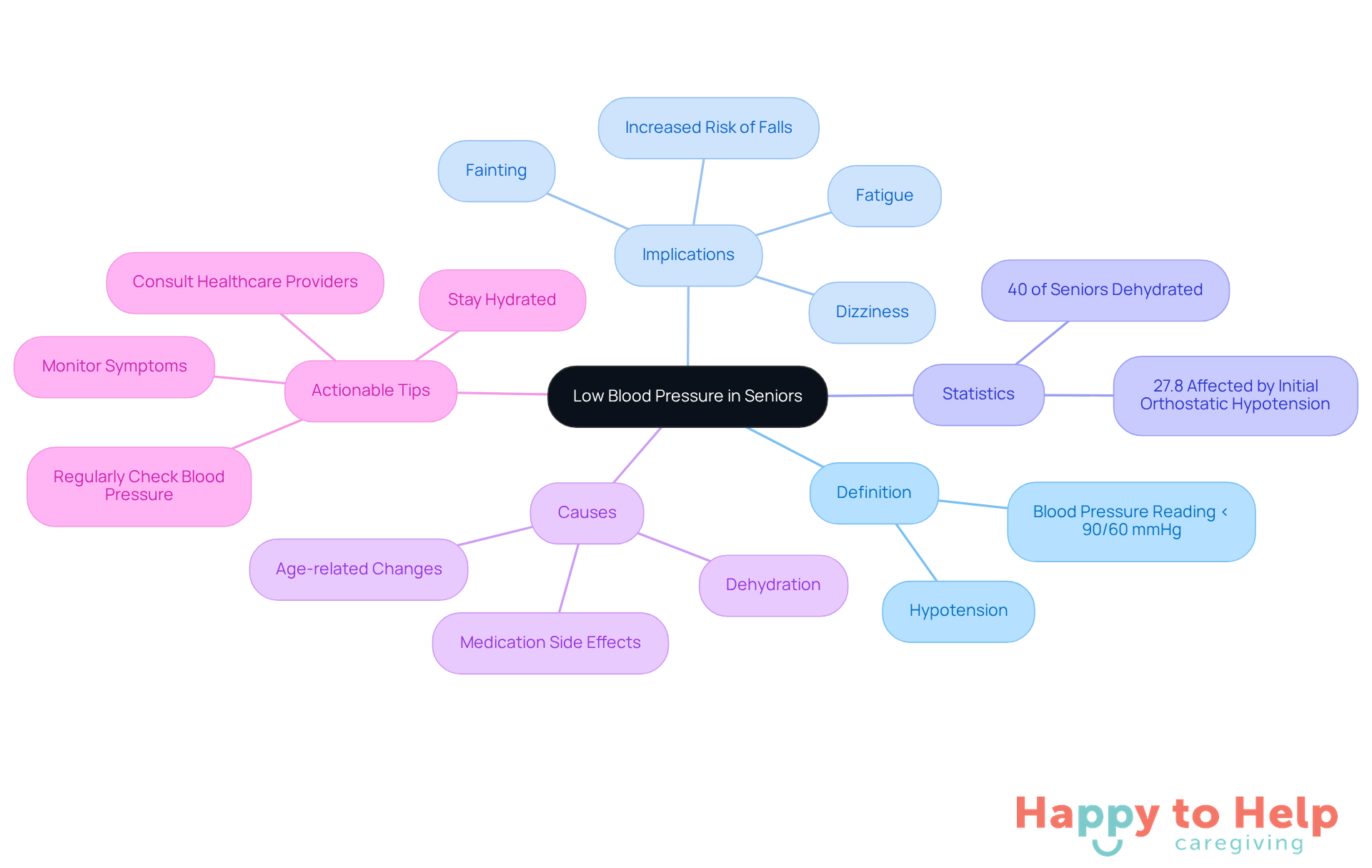
Low blood pressure for seniors, which is also referred to as hypotension, is a significant concern when the reading falls below 90/60 mmHg. Low blood pressure for seniors can lead to debilitating symptoms such as dizziness, fainting, and fatigue, profoundly affecting their quality of life.
Understanding the implications of low circulation levels, especially low blood pressure for seniors, is crucial, as it may indicate hidden health problems and increase the risk of falls and other complications. Elderly individuals are particularly vulnerable to low blood pressure for seniors due to factors like dehydration, which affects up to 40% of those living outside care facilities, medication side effects, and age-related changes in circulation regulation.
Recent studies reveal that initial orthostatic hypotension (OH) is common in about 27.8% of older adults. This statistic underscores the necessity for caregivers to closely monitor circulation levels and implement effective management strategies for low blood pressure for seniors.
To address these challenges, ongoing circulation monitoring is advised to detect temporary changes linked to initial OH. Caregivers can enhance the safety and well-being of elderly individuals by understanding these dynamics, ultimately improving their overall quality of life.
Actionable Tips for Caregivers:
- Regularly check blood pressure readings.
- Stay vigilant for symptoms of dizziness or fainting.
- Ensure adequate hydration, especially in warmer weather.
- Consult healthcare providers about medication side effects.
By taking these steps, caregivers can play a vital role in managing low blood pressure for seniors and supporting their health.
Identify Causes of Low Blood Pressure in Seniors
Low blood pressure for seniors presents a significant challenge, arising from various factors that caregivers must understand to provide effective support.
-
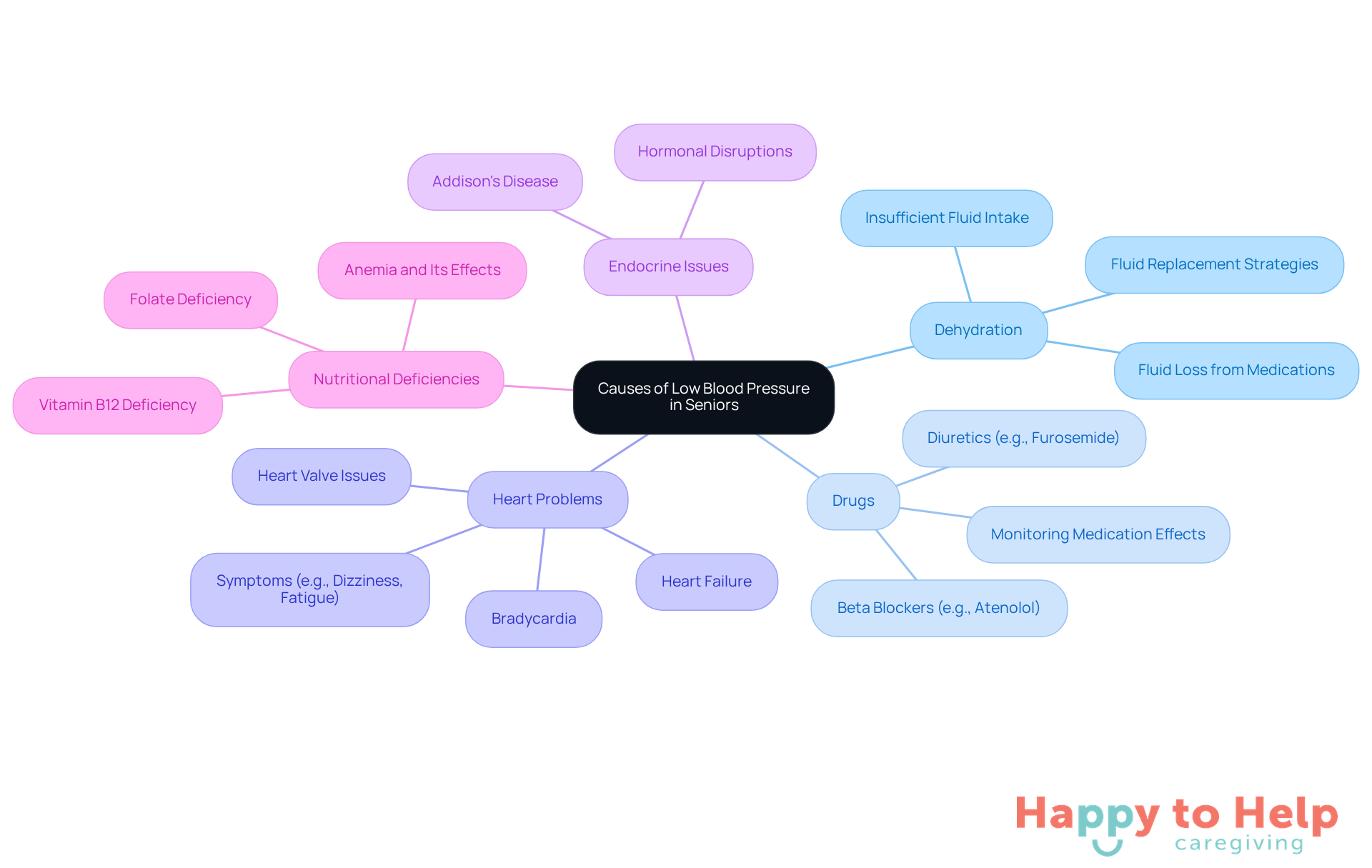
Dehydration is a major contributor. Insufficient fluid intake can significantly reduce blood volume, leading to hypotension. This is particularly concerning for older adults, who may not drink enough water or may lose fluids due to medications or health conditions. Caregivers should implement fluid replacement strategies to address this issue.
-
Drugs also play a role. Many older adults are prescribed medications that can unintentionally lower blood pressure. Common culprits include diuretics like furosemide and beta blockers such as atenolol. It's crucial for caregivers to monitor these medications closely to prevent hypotension.
-
Heart problems can further complicate the situation. Conditions such as bradycardia, heart valve issues, or heart failure can impair circulation, contributing to low blood pressure levels.
-
Endocrine issues like Addison's disease can disrupt hormone levels essential for managing circulation, increasing the vulnerability of older adults to hypotension.
-
Nutritional deficiencies are another factor. A lack of vital nutrients, particularly vitamin B12 and folate, can lead to anemia, which may further decrease circulation.
Understanding these factors is crucial for effectively managing low blood pressure for seniors. Caregivers can implement focused interventions and lifestyle modifications to help. Notably, up to 50% of elderly individuals experience orthostatic hypotension, highlighting the importance of awareness and proactive management of this condition.
Recognize Symptoms of Low Blood Pressure
Common symptoms of low blood pressure in seniors include:
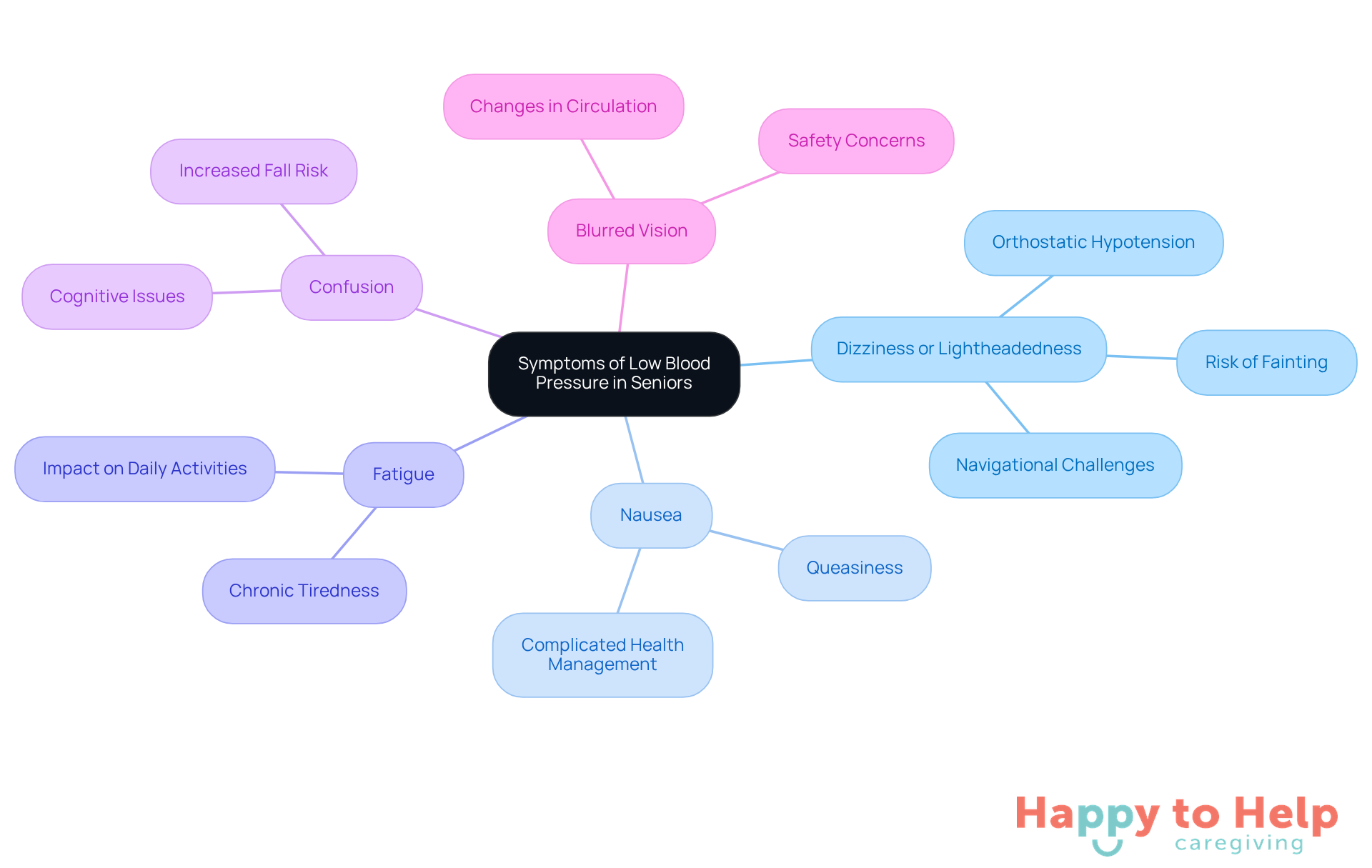
- Dizziness or lightheadedness: Often experienced when standing up quickly, this symptom can indicate orthostatic hypotension, affecting many older adults. Fainting, which can occur due to low blood pressure for seniors, results from a sudden decline in circulation that leads to loss of awareness and poses significant dangers, especially for the elderly. Blurred vision can result from changes in circulation, which can be particularly challenging for older adults experiencing low blood pressure for seniors, making it difficult for them to navigate their environment safely.
- Nausea: Some seniors may feel queasy when they experience low blood pressure for seniors, complicating their overall health management. Fatigue: Chronic low blood pressure for seniors can lead to persistent tiredness, affecting daily activities and quality of life. Confusion in seniors can occur due to low blood pressure for seniors, as reduced circulation to the brain may lead to cognitive issues, increasing the risk of falls and accidents.
Recognizing these symptoms is crucial for caregivers. Timely intervention can prevent more severe health complications. For instance, if a caregiver notices an elderly person feeling lightheaded after standing, they might suggest sitting down and raising their legs to improve circulation. Healthcare professionals stress the importance of monitoring these symptoms, as untreated low blood pressure for seniors can lead to serious consequences such as falls or shock.
It's vital for caregivers to consult a physician after observing symptoms to ensure proper evaluation and care. By being vigilant and responsive, caregivers can significantly enhance the safety and well-being of elderly individuals in their care.
Implement Strategies for Managing Low Blood Pressure
Managing low blood pressure for seniors can be challenging, but understanding the problem is the first step. Low blood pressure for seniors, also known as hypotension, can lead to dizziness, falls, and other health issues. With up to 50 percent of elderly individuals experiencing orthostatic hypotension, addressing low blood pressure for seniors is crucial for caregivers.
To combat low blood pressure effectively, consider these strategies:
-
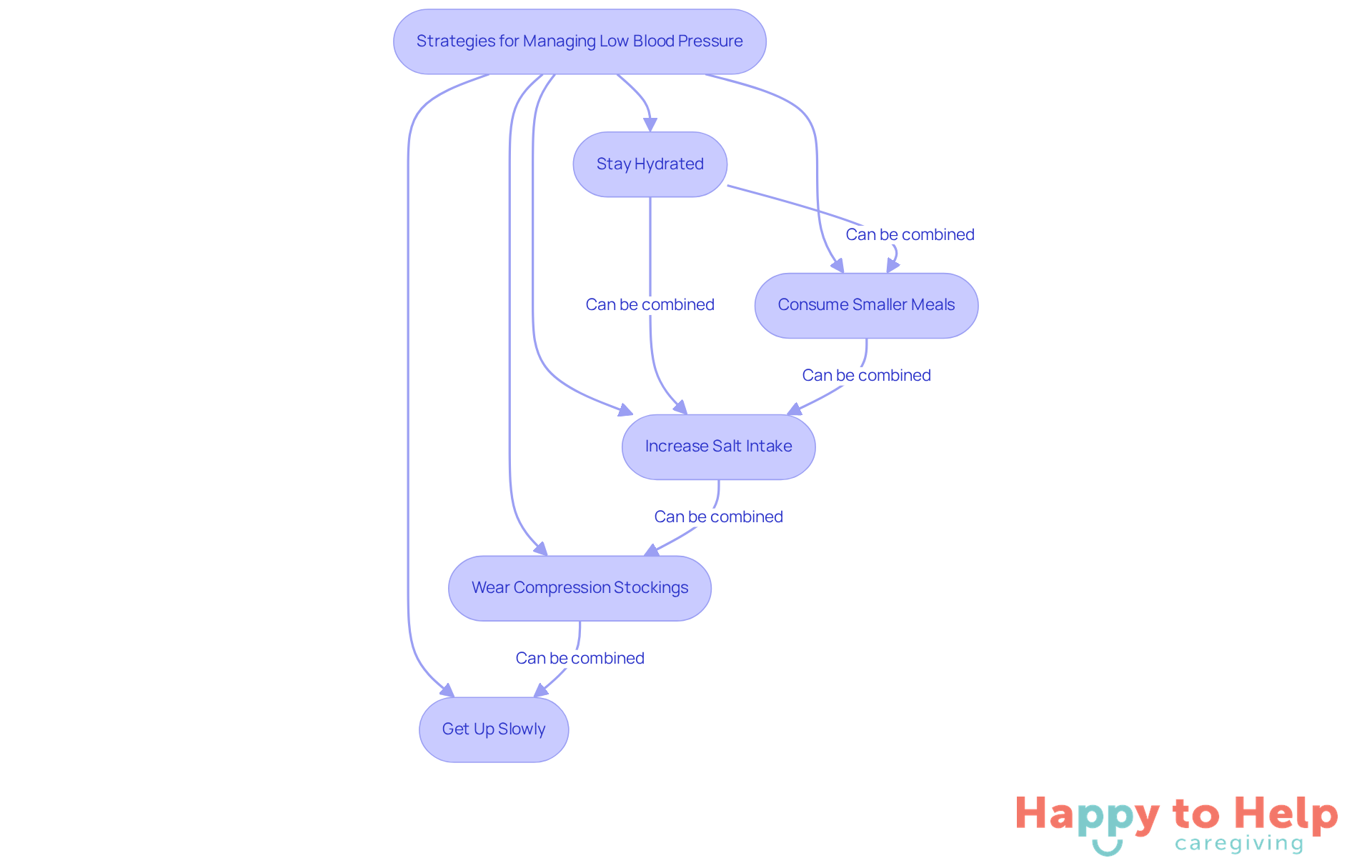
Stay Hydrated: Encourage seniors to drink plenty of fluids, especially water. Adequate hydration is vital for maintaining blood volume. The NHS recommends six to eight glasses of fluid daily, while avoiding caffeine and alcohol to prevent dehydration.
-
Consume Smaller, More Frequent Meals: Large meals can cause significant drops in circulation levels due to increased blood flow to the digestive system. Instead, opt for smaller, more frequent meals to help maintain stable circulation. Including whole grains can also mitigate post-meal declines in circulation.
-
Increase Salt Intake: Consult with a healthcare professional about safely increasing salt in the diet, as it can help elevate circulation levels. While excessive salt is generally harmful, a cautious increase may benefit those with low pressure. Remember, "If you’re concerned about your numbers, see your doctor."
-
Wear Compression Stockings: These can enhance circulation and prevent fluid accumulation in the legs, which is particularly beneficial for older adults with mobility challenges.
-
Get Up Slowly: Advise seniors to rise gradually from sitting or lying positions to avoid dizziness. Stretching before standing can improve circulation and reduce the risk of lightheadedness.
It's important to note that medications for elevated vascular levels can also lead to low blood circulation in older adults. By applying these strategies, caregivers can significantly enhance an older adult's ability to manage low blood pressure for seniors, ultimately improving their overall health and quality of life. Additionally, caregivers should be aware of the potential hazards associated with low circulation, including an increased risk of falls.
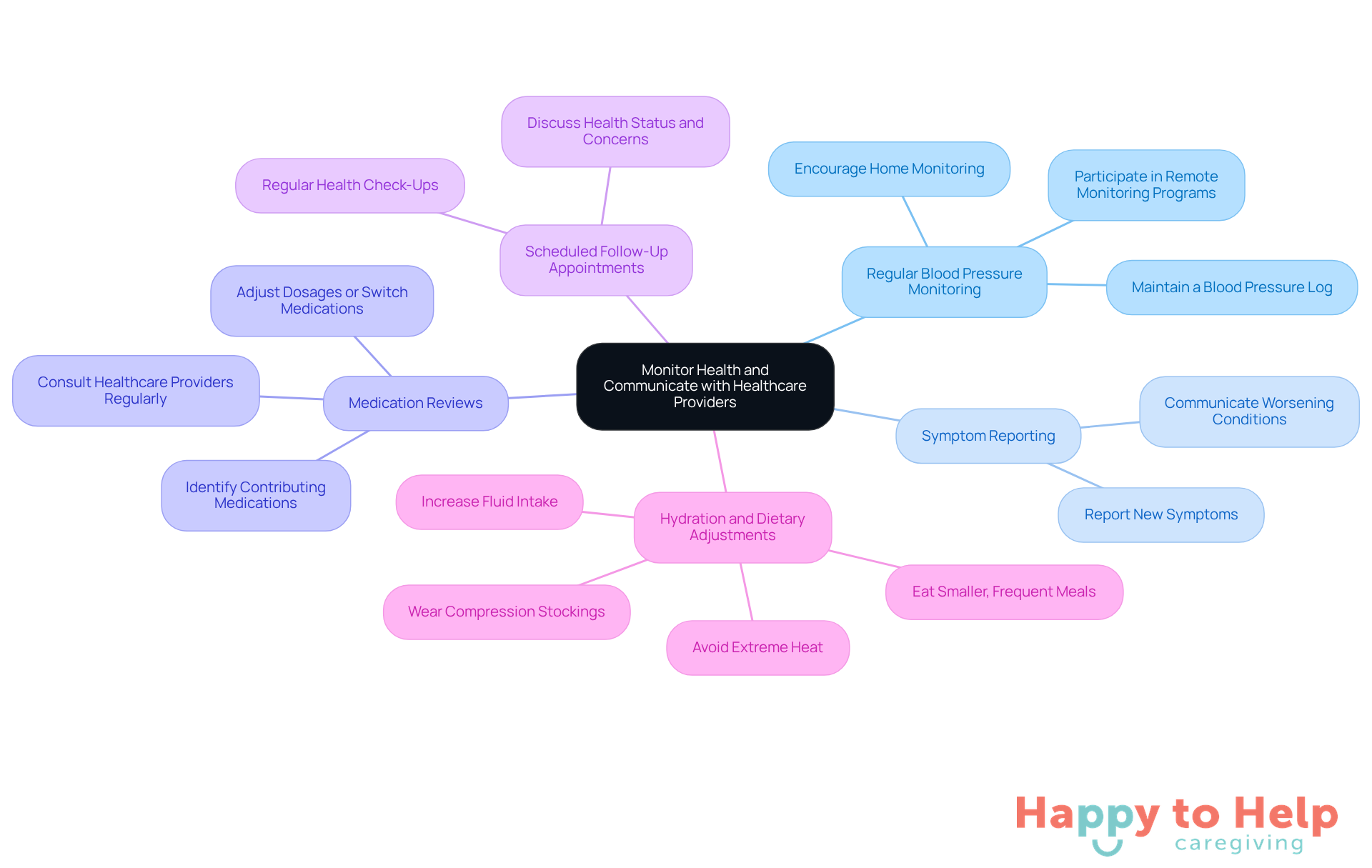
Monitor Health and Communicate with Healthcare Providers
Efficient management of low blood pressure for seniors presents a significant challenge. Without consistent monitoring and strong communication with healthcare professionals, seniors may face serious health risks.
-
Regular Blood Pressure Monitoring: Seniors should be encouraged to check their blood pressure at home consistently and maintain a log to share with their healthcare provider. This proactive approach helps in identifying trends and potential issues early. For instance, patients participating in UC Davis Health’s Remote Patient Monitoring program experienced notable enhancement, lowering their average arterial readings from 150/80 mmHg to 125/74 mmHg.
-
Symptom Reporting: It is crucial for older adults to report any new or worsening symptoms to their healthcare professionals. This communication allows for timely adjustments to treatment plans, ensuring that care remains responsive to their needs.
-
Medication Reviews: Regular consultations with healthcare providers to assess medications can help identify those that may contribute to low blood pressure for seniors, such as certain antihypertensives or antidepressants. Adjusting dosages or switching medications can significantly improve patient outcomes.
-
Scheduled Follow-Up Appointments: Regular check-ups are vital for assessing overall health and making necessary adjustments to care plans. These appointments provide an opportunity for seniors to discuss their health status and any concerns they may have.
-
Hydration and Dietary Adjustments: Increasing fluid consumption and making nutritional modifications, such as eating smaller, more frequent meals, can help manage low circulatory force. Elderly individuals should also be conscious of steering clear of extreme heat, which can result in dehydration and reduced circulation.
Wearing compression stockings can enhance circulation and assist in managing low blood pressure for seniors by preventing fluid from pooling in the legs.
Maintaining open lines of communication with healthcare providers is essential for ensuring that elderly individuals receive tailored care that addresses their unique health challenges. Studies indicate that effective communication can lead to better health outcomes, as healthcare professionals emphasize the importance of understanding patients' experiences and symptoms. By fostering a collaborative relationship with their caregivers and healthcare teams, seniors can navigate the complexities of low blood pressure management more effectively.
Key Takeaways for Caregivers
Managing low blood pressure in seniors presents a significant challenge for caregivers, impacting their health and well-being. With the risk of serious complications, it’s crucial to understand hypotension and its nuances. Caregivers must recognize the importance of hydration, be aware of symptoms, and maintain open communication with healthcare providers to mitigate these risks effectively.
To manage low blood pressure effectively, caregivers should focus on several essential steps:
- Monitor blood pressure regularly to catch any concerning changes early.
- Recognize common symptoms such as dizziness or fainting, which can indicate low blood pressure.
- Understand various causes, including dehydration and medication side effects, to address the root of the problem.
Implementing tailored interventions and lifestyle adjustments is vital. Dietary changes, such as increasing salt intake (with medical guidance), and making gradual position shifts can help maintain stable circulation levels in seniors. These strategies not only address symptoms but also foster a supportive environment for older adults.
Ultimately, proactive management of low blood pressure is about more than just treating symptoms. Caregivers are encouraged to stay vigilant, implement these recommended strategies, and keep lines of communication open with healthcare professionals. By taking these steps, the risks associated with low blood pressure can be significantly reduced, paving the way for healthier, safer aging experiences for the elderly.
https://iframe.tely.ai/cta/eyJhcnRpY2xlX2lkIjogIjY5NDFmMzQ5MDNjMTJkY2ZiNTk2MGFkZCIsICJjb21wYW55X2lkIjogIjY4ZWU1ZGNhNzMxNzYyNTU3ZjNjOTVjMSIsICJpbmRleCI6IG51bGwsICJ0eXBlIjogImFydGljbGUifQ==Frequently Asked Questions
What is low blood pressure for seniors, and why is it important?
Low blood pressure for seniors, also known as hypotension, is defined as a reading below 90/60 mmHg. It is important because it can lead to symptoms like dizziness, fainting, and fatigue, which can significantly affect the quality of life for elderly individuals.
What are the common causes of low blood pressure in seniors?
Common causes of low blood pressure in seniors include dehydration, medications (such as diuretics and beta blockers), heart problems, endocrine issues (like Addison's disease), and nutritional deficiencies (especially vitamin B12 and folate).
How prevalent is initial orthostatic hypotension among older adults?
Initial orthostatic hypotension (OH) occurs in about 27.8% of older adults, indicating the need for careful monitoring of circulation levels in this population.
What are the symptoms that caregivers should watch for in seniors with low blood pressure?
Caregivers should be vigilant for symptoms such as dizziness, fainting, and fatigue, which can indicate low blood pressure in seniors.
What strategies can caregivers use to manage low blood pressure in seniors?
Caregivers can manage low blood pressure by regularly checking blood pressure readings, ensuring adequate hydration, consulting healthcare providers about medication side effects, and being alert to symptoms of dizziness or fainting.
Why are seniors particularly vulnerable to low blood pressure?
Seniors are particularly vulnerable to low blood pressure due to factors such as dehydration, the side effects of medications, and age-related changes in circulation regulation.
How can caregivers enhance the safety and well-being of elderly individuals regarding low blood pressure?
Caregivers can enhance safety and well-being by monitoring circulation levels, understanding the implications of low blood pressure, and implementing effective management strategies to improve overall quality of life for seniors.
List of Sources
- Define Low Blood Pressure and Its Importance for Seniors
- Understanding Low Blood Pressure in the Elderly: Causes, Symptoms, and Management - Happy To Help (https://happytohelpcaregiving.com/understanding-low-blood-pressure-in-the-elderly-causes-symptoms-and-management)
- Seniors Benefit From Tight Blood Pressure Control (https://usnews.com/news/health-news/articles/2025-03-19/seniors-benefit-from-tight-blood-pressure-control)
- Prevalence of initial orthostatic hypotension in older adults: a systematic review and meta-analysis - PMC (https://pmc.ncbi.nlm.nih.gov/articles/PMC8437071)
- Dropping blood pressure may predict frailty, falls in older people (https://heart.org/en/news/2020/03/30/dropping-blood-pressure-may-predict-frailty-falls-in-older-people)
- Lowering blood pressure may prevent new brain lesions in older people (https://heart.org/en/news/2019/10/14/lowering-blood-pressure-may-prevent-new-brain-lesions-in-older-people)
- Identify Causes of Low Blood Pressure in Seniors
- Drops in blood pressure linked to higher dementia risk | Harvard T.H. Chan School of Public Health (https://hsph.harvard.edu/news/drops-in-blood-pressure-linked-to-higher-dementia-risk)
- Dropping blood pressure may predict frailty, falls in older people (https://heart.org/en/news/2020/03/30/dropping-blood-pressure-may-predict-frailty-falls-in-older-people)
- Keeping An Eye On Low Blood Pressure In Elderly People (https://neighborsdc.org/news/low-blood-pressure-in-elderly-people)
- Low blood pressure (hypotension) - Symptoms and causes (https://mayoclinic.org/diseases-conditions/low-blood-pressure/symptoms-causes/syc-20355465)
- 6 Causes of Low Blood Pressure | St. Vincent's Medical Center (https://stvincents.org/about-us/news-press/news-detail?articleId=59690&publicid=395)
- Recognize Symptoms of Low Blood Pressure
- Low Blood Pressure in the Elderly: The Facts and More (https://rightathome.net/blog/hypotension-in-seniors)
- Keeping An Eye On Low Blood Pressure In Elderly People (https://neighborsdc.org/news/low-blood-pressure-in-elderly-people)
- Low blood pressure can have negative impact on health (https://uclahealth.org/news/article/low-blood-pressure-can-have-negative-impact-health)
- Blood Pressure: How Low Is Too Low? (https://silversneakers.com/blog/low-blood-pressure-seniors)
- Feel dizzy when you stand up? It's a drop in blood pressure and may be an early sign of dementia (https://heart.org/en/news/2023/10/23/feel-dizzy-when-you-stand-up-its-a-drop-in-blood-pressure)
- Implement Strategies for Managing Low Blood Pressure
- Keeping An Eye On Low Blood Pressure In Elderly People (https://neighborsdc.org/news/low-blood-pressure-in-elderly-people)
- 5 tips to try if you have low blood pressure (https://bhf.org.uk/informationsupport/heart-matters-magazine/medical/how-to-treat-low-blood-pressure)
- Dropping blood pressure may predict frailty, falls in older people (https://heart.org/en/news/2020/03/30/dropping-blood-pressure-may-predict-frailty-falls-in-older-people)
- APOE Genotype Influences Postprandial Blood Pressure After High fat Feeding in Older Adults - PMC (https://pmc.ncbi.nlm.nih.gov/articles/PMC6544369)
- Study finds a lack of adequate hydration among the elderly (https://newsroom.ucla.edu/releases/study-finds-a-lack-of-adequate-hydration-among-the-elderly)
- Monitor Health and Communicate with Healthcare Providers
- Keeping An Eye On Low Blood Pressure In Elderly People (https://neighborsdc.org/news/low-blood-pressure-in-elderly-people)
- Seniors Benefit From Tight Blood Pressure Control (https://usnews.com/news/health-news/articles/2025-03-19/seniors-benefit-from-tight-blood-pressure-control)
- Remote monitoring shows real results: UC Davis Health helps patients lower blood pressure at home (https://health.ucdavis.edu/news/headlines/remote-monitoring-shows-real-results-uc-davis-health-helps-patients-lower-blood-pressure-at-home/2025/06)
- Dropping blood pressure may predict frailty, falls in older people (https://heart.org/en/news/2020/03/30/dropping-blood-pressure-may-predict-frailty-falls-in-older-people)