5 Steps to Manage Sudden Onset of Hallucinations in Elderly
For families in our service areas
For families in our service areas, this guide explains caregiving and how non-medical in-home caregiving can support care planning in East Idaho, Treasure Valley & Magic Valley, Northern Wasatch, North Central West Virginia & Southwestern Pennsylvania, and Northeast Ohio.
What You Need to Know About Manage Sudden Onset of Hallucinations
Hallucinations can be particularly distressing for the elderly, leaving caregivers struggling to provide effective support. This experience not only affects the individuals experiencing these sensory disturbances but also places a heavy emotional burden on those caring for them. Understanding the types, causes, and symptoms of hallucinations is essential for creating a compassionate environment.
Recognizing the sudden onset of these episodes can be challenging. Caregivers often find themselves grappling with feelings of anxiety and uncertainty. This situation can lead to a cycle of distress that impacts both the caregiver and the elderly individual. To navigate this complex landscape, caregivers need practical strategies to ensure the well-being of their loved ones while also alleviating their own stress.
Here are some actionable solutions:
- Educate Yourself: Familiarize yourself with the different types of hallucinations and their potential causes. Knowledge is a powerful tool in managing these situations.
- Create a Calm Environment: Reducing noise and distractions can help minimize the likelihood of hallucinations.
- Communicate Openly: Encourage open dialogue with your loved one about their experiences. This can help them feel supported and understood.
- Seek Professional Help: Don’t hesitate to reach out to healthcare professionals for guidance and support.
By implementing these strategies, caregivers can foster a more supportive atmosphere, ultimately enhancing the quality of life for both themselves and their loved ones.
Define Hallucinations: Types and Characteristics
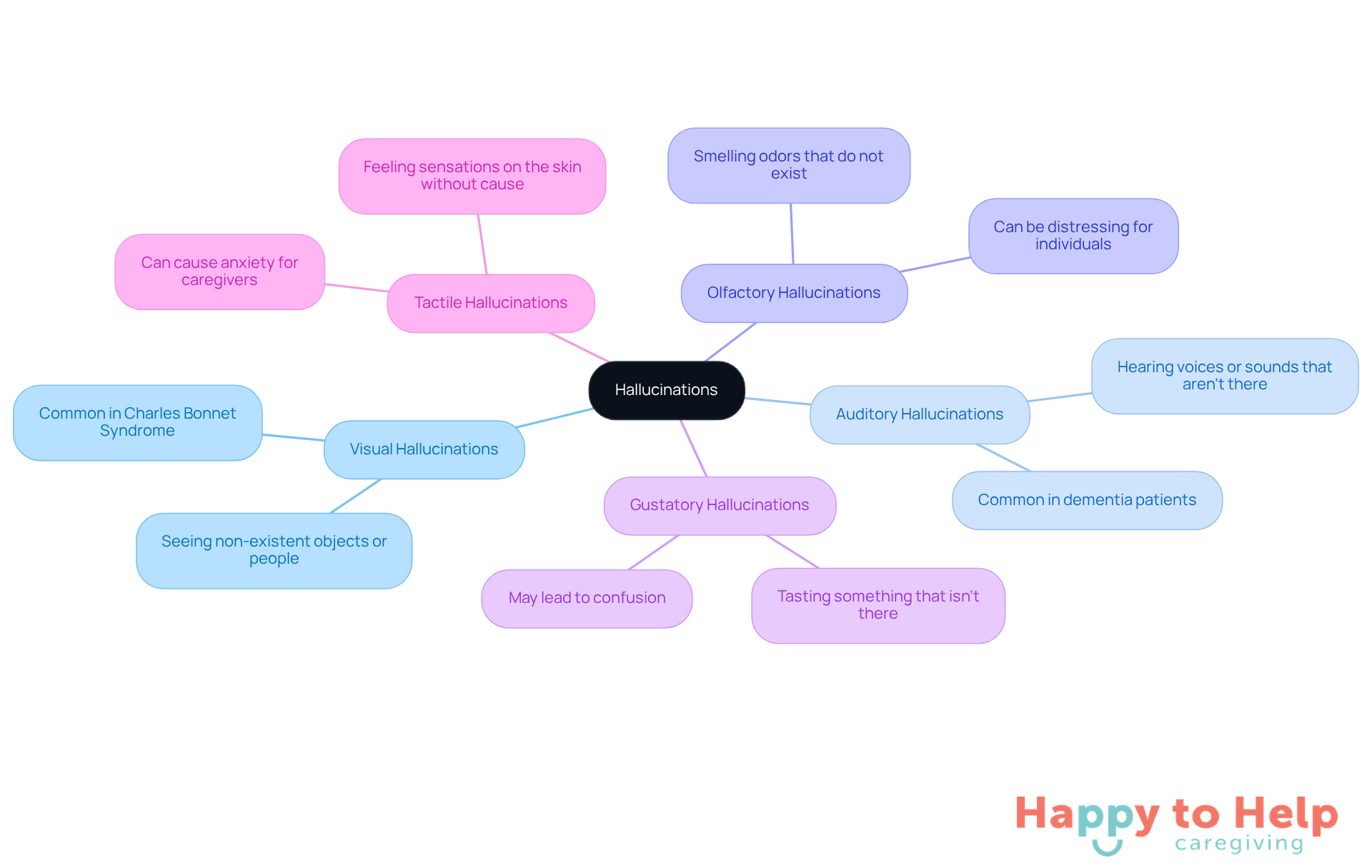
Hallucinations are sensory experiences that seem real but are actually created by the mind. They can impact any of the five senses: sight, sound, smell, taste, and touch. For caregivers, understanding these experiences is crucial.
Problem: Hallucinations can be distressing for both the individual experiencing them and their caregivers. They may lead to confusion, fear, and difficulty in communication.
Agitate: Caregivers often struggle to recognize these false perceptions, which can complicate their ability to provide effective support. This lack of understanding can result in increased anxiety for both parties, making caregiving more challenging.
Solution: Familiarizing oneself with the main types of hallucinations can greatly aid in this process:
- Visual Hallucinations: Seeing things that aren’t there, like people or objects.
- Auditory Hallucinations: Hearing sounds or voices that don’t exist.
- Olfactory Hallucinations: Smelling odors that aren’t present.
- Gustatory Hallucinations: Tasting something that isn’t there.
- Tactile Hallucinations: Feeling sensations on the skin without a physical cause.
By recognizing these types, caregivers can better understand the experiences of their loved ones, leading to more effective management and support.
Identify Causes of Hallucinations in the Elderly
The sudden onset of hallucinations in elderly individuals presents a significant challenge for caregivers, arising from various causes that require careful understanding.
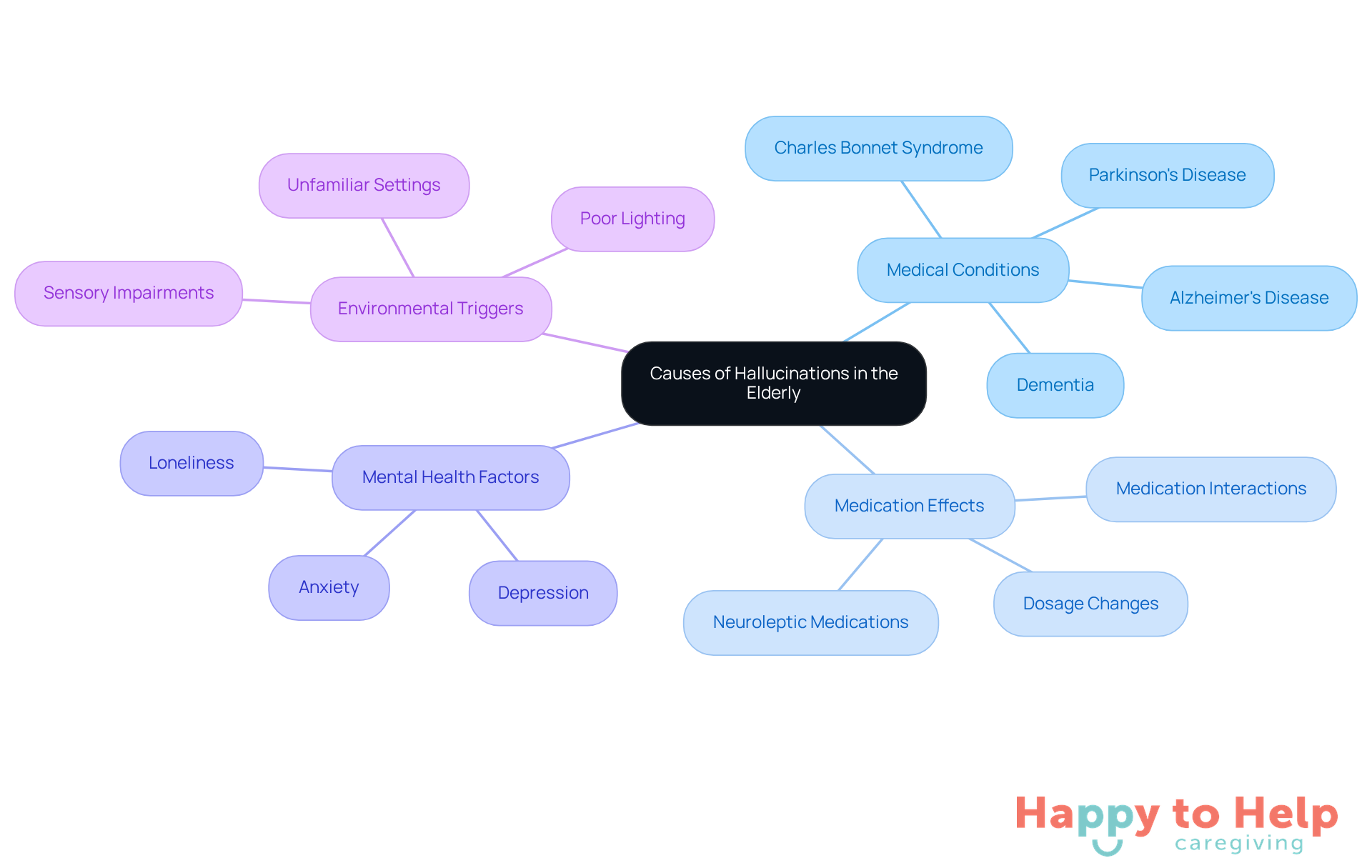
Problem: Medical conditions such as dementia, delirium, and Parkinson's disease are major contributors to hallucinations. For instance, Alzheimer's disease can lead to visual and auditory illusions, affecting approximately 25% to 33% of patients. Additionally, conditions like Charles Bonnet Syndrome, which impacts those with severe vision impairment, can result in vivid visual experiences despite the absence of mental illness.
Agitate: The implications of these hallucinations can be distressing. Certain medications, particularly those influencing the central nervous system, may cause a sudden onset of hallucinations in elderly as a side effect. This risk increases with medication interactions or dosage changes, leading to unexpected sensory experiences. Neuroleptic medications, for example, have been associated with a higher likelihood of functional decline and institutionalization among elderly patients.
Solution: Caregivers can take proactive steps to mitigate these issues. Sensory impairments, such as loss of vision or hearing, can lead to misinterpretations of sensory input, resulting in false perceptions. As sensory abilities decline, the brain may fill in gaps with incorrect perceptions, which can be unsettling for the individual and challenging for caregivers to manage.
Mental health factors, including anxiety and depression, can increase the risk of the sudden onset of hallucinations in elderly individuals. Feelings of loneliness or disconnection can heighten these experiences, making it essential for caregivers to create a supportive environment.
Environmental triggers also play a role. Changes in surroundings, like unfamiliar settings or poor lighting, can provoke sensory distortions. For instance, inadequate lighting can create shadows that are misinterpreted as shapes, leading to visual illusions.
By identifying these causes, caregivers can implement strategies to reduce triggers and seek appropriate medical guidance, ultimately enhancing the quality of life for their loved ones.
Recognize Symptoms of Hallucinations in Seniors
The sudden onset of hallucinations in elderly presents significant challenges for caregivers. These behavioral changes can indicate underlying distress that requires immediate attention. Key indicators include:
-
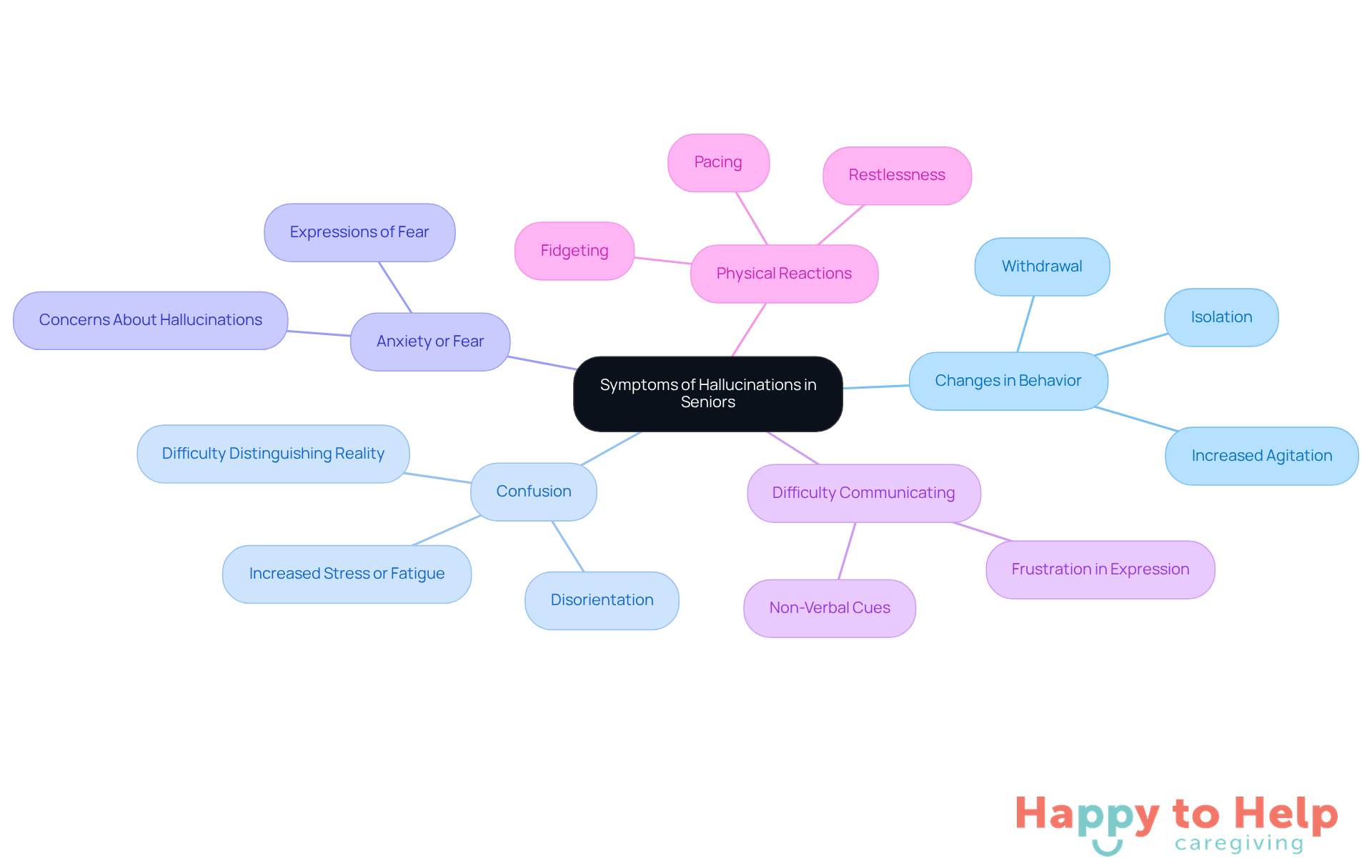
Changes in Behavior: Sudden shifts in mood, such as increased agitation or withdrawal, can signal distress. For instance, caregivers have noted that a once-social individual may suddenly isolate themselves, reflecting a deeper emotional struggle. As Nancy Hammond, M.D. states, "Hallucinations can involve seeing, hearing, and smelling things that do not exist," highlighting the complexity of these experiences.
-
Confusion: Seniors may struggle to distinguish between reality and illusions, leading to disorientation. This confusion often intensifies during moments of heightened stress or fatigue. Research indicates that taking a nap may reduce the occurrence of illusions, particularly in relation to the sudden onset of hallucinations in elderly individuals, which tend to be more prevalent when they are fatigued.
-
Anxiety or Fear: Expressions of fear or anxiety about their experiences are common. Caregivers frequently report that their loved ones voice concerns about seeing or hearing things that frighten them, indicating a need for reassurance. Notably, the occurrence of sensory perceptions among older adults is observed to be around 5.1%, underscoring the importance of recognizing these symptoms.
-
Difficulty Communicating: Seniors may find it challenging to express their thoughts or feelings about their experiences, leading to frustration. Caregivers should pay close attention to non-verbal cues, as these can provide insight into the individual's emotional state. Recognizing the emotions of older adults undergoing sensory experiences can foster trust and create a supportive atmosphere.
-
Physical Reactions: Signs of distress, such as pacing, fidgeting, or restlessness, may accompany delusions. These physical manifestations can serve as critical indicators of discomfort. Infections, including urinary tract infections (UTIs), can lead to a sudden onset of hallucinations in elderly individuals, complicating the situation further.
By staying alert for these signs, caregivers can better assist elderly individuals experiencing troubling perceptions, ensuring they receive the compassionate care they need.
Implement Management Strategies for Hallucinations
Caregivers often face significant challenges when managing the sudden onset of hallucinations in elderly individuals. The sudden onset of hallucinations in elderly individuals can lead to confusion, anxiety, and distress, impacting both the individual and their loved ones. Understanding effective management strategies is crucial for fostering a sense of security and comfort.
-
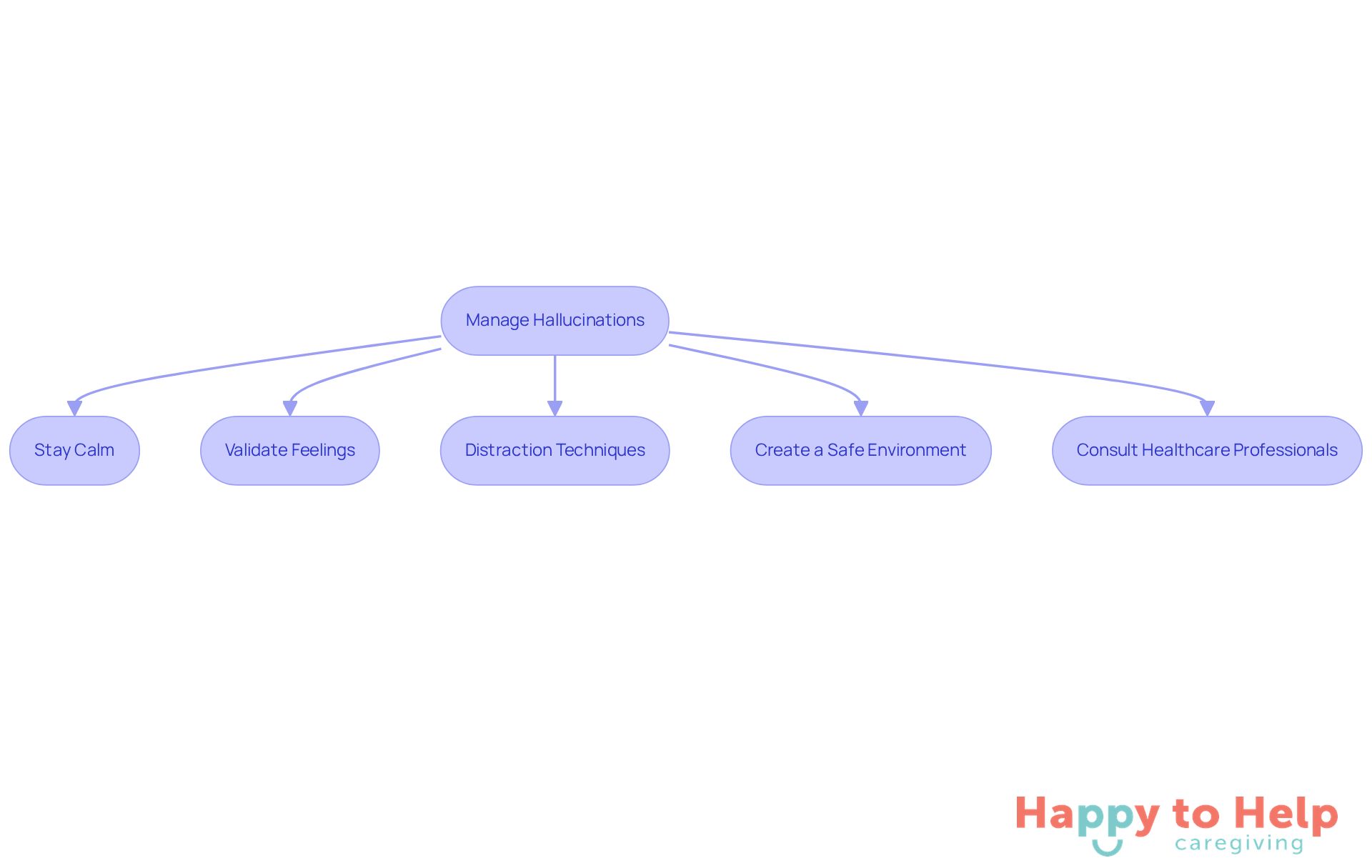
Stay Calm: Maintaining a calm demeanor is essential. Your emotional state can influence the individual experiencing hallucinations, so approaching the situation with composure can provide reassurance.
-
Validate Feelings: Acknowledge their feelings without disputing the reality of the hallucination. This validation helps the person feel understood and supported, which can significantly reduce anxiety.
-
Distraction Techniques: Engage the individual in a favorite activity or redirect their attention to something enjoyable. This can help alleviate distress and shift focus away from the illusions.
-
Create a Safe Environment: Ensure that the surroundings are safe and familiar. A comfortable setting can minimize potential triggers, such as inadequate lighting or clutter, which may exacerbate perceptual disturbances.
-
Consult Healthcare Professionals: Regular communication with healthcare providers is vital. Discuss the person's experiences and any necessary adjustments to medications. This collaborative approach can enhance care and address underlying issues.
By implementing these strategies, caregivers can significantly improve the experience of seniors facing sensory disturbances, including the sudden onset of hallucinations in elderly, promoting a sense of security and comfort for both the individual and their caregivers.
Create a Supportive Environment for Affected Individuals
Creating a supportive environment is crucial for the well-being of seniors experiencing the sudden onset of hallucinations in elderly. Caregivers often face the challenge of ensuring comfort and safety for these individuals, particularly due to the sudden onset of hallucinations in elderly, which can lead to confusion and distress. Without proper support, seniors may feel isolated and anxious, which can exacerbate their condition.
To address these challenges, consider implementing the following strategies:
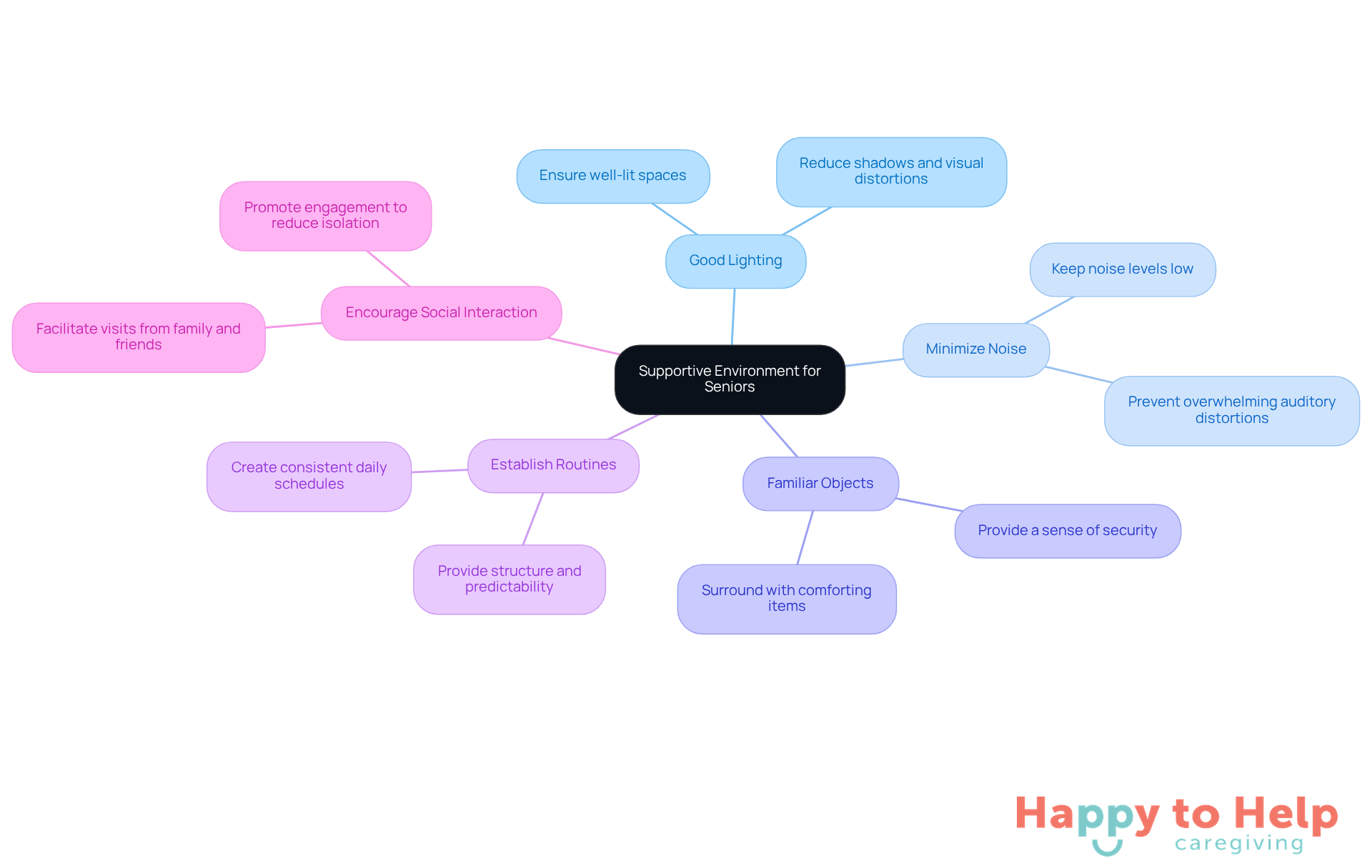
- Maintain Good Lighting: Ensure that the living space is well-lit to reduce shadows and visual distortions.
- Minimize Noise: Keep noise levels low to prevent auditory distortions from becoming overwhelming.
- Use Familiar Objects: Surround the individual with familiar items that provide comfort and a sense of security.
- Establish Routines: Consistent daily routines can provide structure and predictability, reducing anxiety.
- Encourage Social Interaction: Facilitate regular visits from family and friends to promote engagement and reduce feelings of isolation.
By adopting these environmental strategies, caregivers can significantly enhance the quality of life for seniors facing the sudden onset of hallucinations in elderly, fostering a sense of safety and comfort.
Moving Forward with Manage Sudden Onset of Hallucinations
Understanding and managing the sudden onset of hallucinations in elderly individuals presents a significant challenge for caregivers. These experiences can lead to distress not only for the elderly but also for those who care for them. Recognizing the types of hallucinations - visual, auditory, olfactory, gustatory, and tactile - and identifying their causes is crucial for effective management.
Caregivers often face the problem of confusion, anxiety, and behavioral changes in their loved ones, which can indicate underlying distress. This situation can be overwhelming, but there are practical strategies that can help. Maintaining a calm demeanor, validating feelings, and creating a supportive environment are essential steps in managing these episodes effectively.
To enhance the quality of life for seniors experiencing hallucinations, caregivers should foster a supportive atmosphere while proactively addressing these challenges. Staying vigilant, compassionate, and informed allows caregivers to provide the best possible care. By implementing these strategies, caregivers not only support the elderly but also contribute to a more understanding and empathetic society regarding the complexities of aging and mental health.
https://iframe.tely.ai/cta/eyJhcnRpY2xlX2lkIjogIjY5M2Y1MGFjNjk1NDdlMzRlNWE0ZWU3NiIsICJjb21wYW55X2lkIjogIjY4ZWU1ZGNhNzMxNzYyNTU3ZjNjOTVjMSIsICJpbmRleCI6IG51bGwsICJ0eXBlIjogImFydGljbGUifQ==Frequently Asked Questions
What are hallucinations?
Hallucinations are sensory experiences that seem real but are actually created by the mind. They can affect any of the five senses: sight, sound, smell, taste, and touch.
Why is it important for caregivers to understand hallucinations?
Understanding hallucinations is crucial for caregivers because these experiences can be distressing for both the individual and the caregiver, leading to confusion, fear, and difficulty in communication.
What are the main types of hallucinations?
The main types of hallucinations include: - Visual Hallucinations: Seeing things that aren’t there. - Auditory Hallucinations: Hearing sounds or voices that don’t exist. - Olfactory Hallucinations: Smelling odors that aren’t present. - Gustatory Hallucinations: Tasting something that isn’t there. - Tactile Hallucinations: Feeling sensations on the skin without a physical cause.
What are some common causes of hallucinations in the elderly?
Common causes of hallucinations in the elderly include medical conditions such as dementia, delirium, and Parkinson's disease, as well as sensory impairments, mental health issues like anxiety and depression, and environmental triggers.
How prevalent are hallucinations in patients with Alzheimer's disease?
Hallucinations can affect approximately 25% to 33% of patients with Alzheimer's disease, often leading to visual and auditory illusions.
How can medications contribute to hallucinations in the elderly?
Certain medications, especially those affecting the central nervous system, can cause hallucinations as a side effect. This risk increases with medication interactions or dosage changes.
What role do sensory impairments play in hallucinations?
Sensory impairments, such as loss of vision or hearing, can lead to misinterpretations of sensory input, causing the brain to fill in gaps with incorrect perceptions, which can be unsettling.
What environmental factors can trigger hallucinations?
Changes in surroundings, such as unfamiliar settings or poor lighting, can provoke sensory distortions, leading to visual illusions, such as shadows being misinterpreted as shapes.
How can caregivers support individuals experiencing hallucinations?
Caregivers can support individuals by creating a supportive environment, identifying and reducing triggers, and seeking appropriate medical guidance to enhance the quality of life for their loved ones.
List of Sources
- Define Hallucinations: Types and Characteristics
- Hallucinations and dementia: Recognizing them and support tips (https://medicalnewstoday.com/articles/hallucinations-and-dementia)
- Coping with hallucinations in a person with dementia (https://dementiauk.org/news/coping-with-hallucinations-in-a-person-with-dementia)
- The American Mental Wellness Association » Hallucinations In The Elderly: Causes, Symptoms and Treatment | Guest Post by Kate Mallord (https://americanmentalwellness.org/hallucinations-in-the-elderly-causes-symptoms-and-treatment-guest-post-by-kate-mallord)
- Study Sheds Light on Syndrome Causing Harmless Hallucinations among the Elderly (https://healthcare.utah.edu/moran/news/2018/10/study-sheds-light-syndrome-causing-harmless-hallucinations-among-elderly)
- Hallucinations in the Elderly Revealed (https://humancareny.com/blog/hallucinations-in-the-elderly)
- Identify Causes of Hallucinations in the Elderly
- Delusions and Hallucinations Are Associated With Worse Outcome in Alzheimer Disease - PMC (https://pmc.ncbi.nlm.nih.gov/articles/PMC3028538)
- The American Mental Wellness Association » Hallucinations In The Elderly: Causes, Symptoms and Treatment | Guest Post by Kate Mallord (https://americanmentalwellness.org/hallucinations-in-the-elderly-causes-symptoms-and-treatment-guest-post-by-kate-mallord)
- What Causes Hallucinations in Seniors? | Juniper Senior Living (https://junipercommunities.com/what-causes-hallucinations-in-seniors)
- Hallucinations and Delusions in Parkinson's Disease (https://parkinson.org/blog/research/hallucinations-delusions)
- What Causes Hallucinations in the Elderly? - Griswold (https://griswoldcare.com/blog/what-causes-hallucinations-in-the-elderly)
- Recognize Symptoms of Hallucinations in Seniors
- Study Sheds Light on Syndrome Causing Harmless Hallucinations among the Elderly (https://healthcare.utah.edu/moran/news/2018/10/study-sheds-light-syndrome-causing-harmless-hallucinations-among-elderly)
- Hallucinations and dementia: Recognizing them and support tips (https://medicalnewstoday.com/articles/hallucinations-and-dementia)
- Hallucinations and dementia (https://alzheimers.org.uk/about-dementia/stages-and-symptoms/hallucinations)
- What Causes Hallucinations in Seniors? | Juniper Senior Living (https://junipercommunities.com/what-causes-hallucinations-in-seniors)
- Cognitive Decline and Dementia Risk in Older Adults With Psychotic Symptoms: A Prospective Cohort Study (https://sciencedirect.com/science/article/abs/pii/S1064748112000140)
- Implement Management Strategies for Hallucinations
- How to Support an Elderly Person Hallucinating: Key Steps for Caregivers - Happy To Help (https://happytohelpcaregiving.com/how-to-support-an-elderly-person-hallucinating-key-steps-for-caregivers)
- Tips For Handling Hallucinations of a Dementia Patient | Psychowellness Center (https://psychowellnesscenter.com/Blog/tips-for-handling-hallucinations-of-a-dementia-patient)
- Managing Hallucinations and Delusions (https://michaeljfox.org/news/managing-hallucinations-and-delusions)
- Coping with hallucinations in a person with dementia (https://dementiauk.org/news/coping-with-hallucinations-in-a-person-with-dementia)