For families in our service areas
For families in our service areas, this guide explains caregiver support and how non-medical in-home caregiving can support care planning in East Idaho, Treasure Valley & Magic Valley, Northern Wasatch, North Central West Virginia, and Northeast Ohio.
Why Master Person Care Matters
In the world of caregiving, the challenge of providing personalized support is significant. Family caregivers often struggle to meet the unique needs of those they assist, which can lead to feelings of frustration and disconnect. This article explores five essential steps for mastering person-centered care, offering caregivers valuable insights and strategies to enhance their approach.
How can caregivers transform their practices to foster deeper connections and improve the well-being of their loved ones? The answers lie in understanding and implementing effective person care principles that prioritize individuality and communication. By focusing on these principles, caregivers can create a more supportive environment that addresses the specific needs of each individual.
Understand the Principles of Person-Centered Care
Problem: Caregivers often face challenges in providing effective support due to a lack of focus on the individual needs of those they assist. This oversight can lead to feelings of disempowerment and dissatisfaction among both caregivers and recipients of care.
Agitate: When caregivers fail to recognize the distinct preferences and values of individuals, it can create a disconnect that negatively impacts the caregiving experience. This not only affects the emotional well-being of those receiving care but can also lead to increased frustration for caregivers, who may feel ill-equipped to meet the diverse needs of their clients.
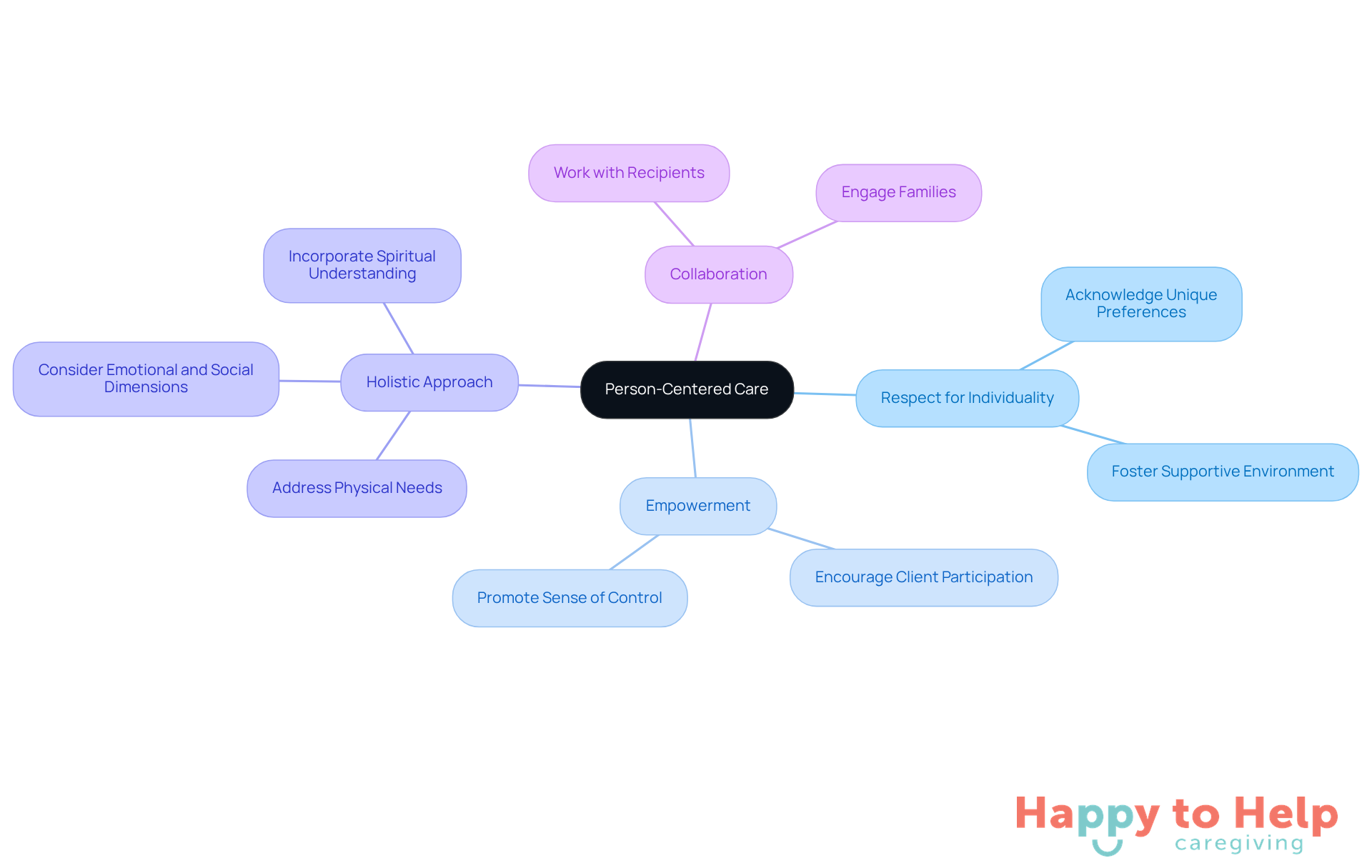
Embracing person care can significantly enhance the caregiving process. Here are key principles to implement:
- Respect for Individuality: Acknowledge that each person has unique preferences and life experiences. This recognition fosters a supportive environment.
- Empowerment: Encourage clients to take part in their treatment decisions. This involvement promotes a sense of control and independence, crucial for their overall well-being.
- Holistic Approach: Address the physical, emotional, social, and spiritual dimensions of individuals to ensure a comprehensive understanding of their needs.
- Collaboration: Work closely with recipients and their families to create a supportive atmosphere, enhancing the overall caregiving experience.
Research indicates that individual-focused support leads to higher satisfaction levels among relatives. A recent study showed a significant increase in satisfaction with assisted living and memory support services. According to the 2024 J.D. Power study, family satisfaction has risen notably, highlighting the effectiveness of this approach. By prioritizing individuality, caregivers can transform care into a more meaningful experience. As Daniela Lawton, Director of Chronic Conditions, states, 'Person care outcome measures focus on building trust and respect between the individual and the clinician.' This underscores the importance of individuality in caregiving, reinforcing the need for caregivers to adopt these principles in their practice.
Assess Individual Needs and Preferences
Assessing individual needs and preferences is crucial for effective caregiving. Without a thorough understanding of these aspects, caregivers may struggle to provide the best support, leading to dissatisfaction and unmet needs.
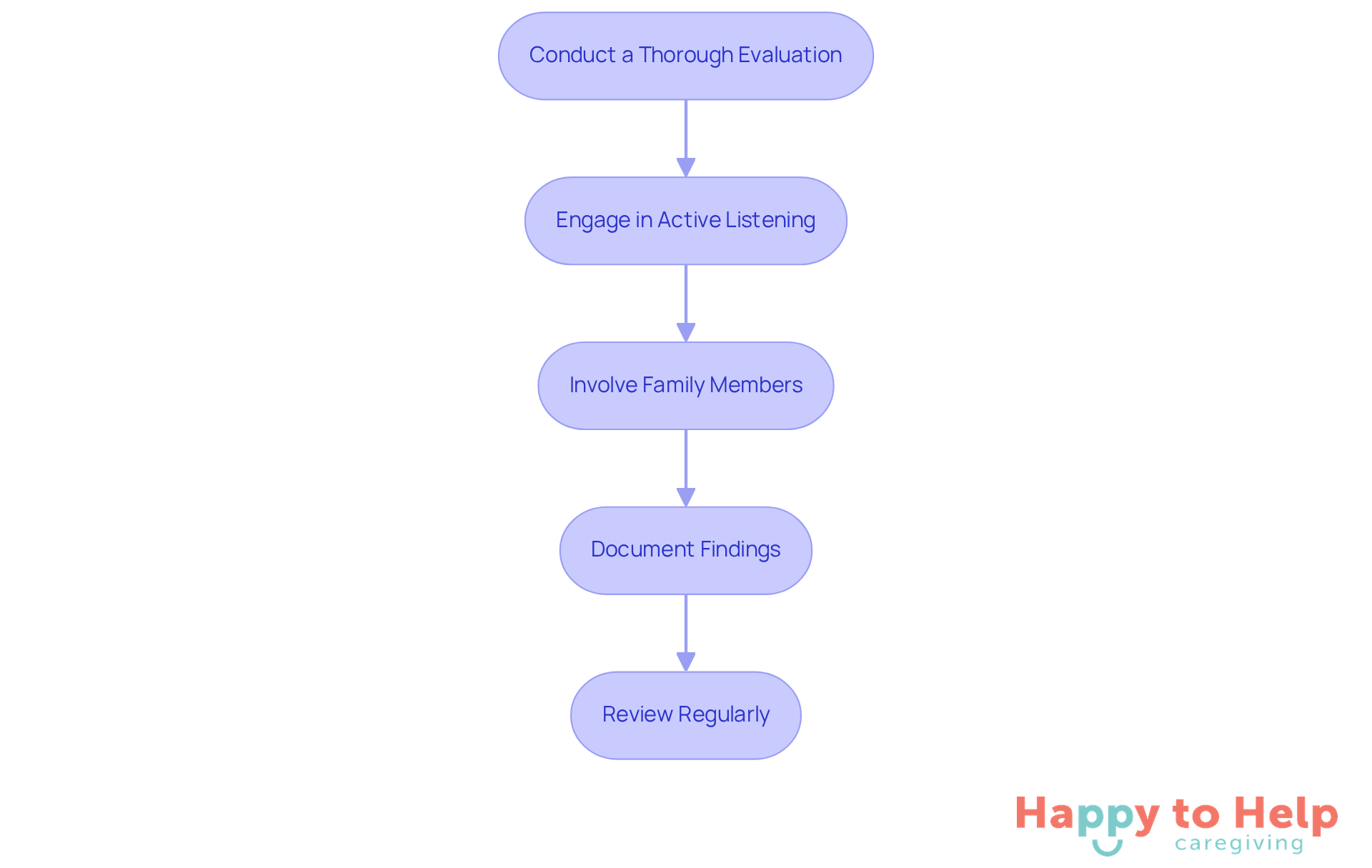
To tackle this challenge, follow these actionable steps:
- Conduct a Thorough Evaluation: Utilize tools like questionnaires or interviews to gather essential information about the individual's medical history, daily routines, and personal choices.
- Engage in Active Listening: Pay close attention to what the recipient expresses regarding their needs and desires, including likes, dislikes, and specific requests.
- Involve Family Members: Family members can provide valuable insights into the individual’s background and choices, enhancing the assessment process.
- Document Findings: Keep comprehensive notes of the evaluation to reference when developing the treatment plan.
- Review Regularly: Needs and preferences can change over time, so it’s important to reassess periodically.
By implementing these strategies, caregivers can ensure they are meeting the evolving needs of those they support.
Create a Supportive and Engaging Care Environment
Creating a supportive and engaging environment for person care is essential for the well-being of individuals. However, those involved in person care often face challenges in achieving this goal. Without a personalized and safe space, individuals may feel disconnected and anxious. Here are some actionable solutions to enhance the care environment:
-
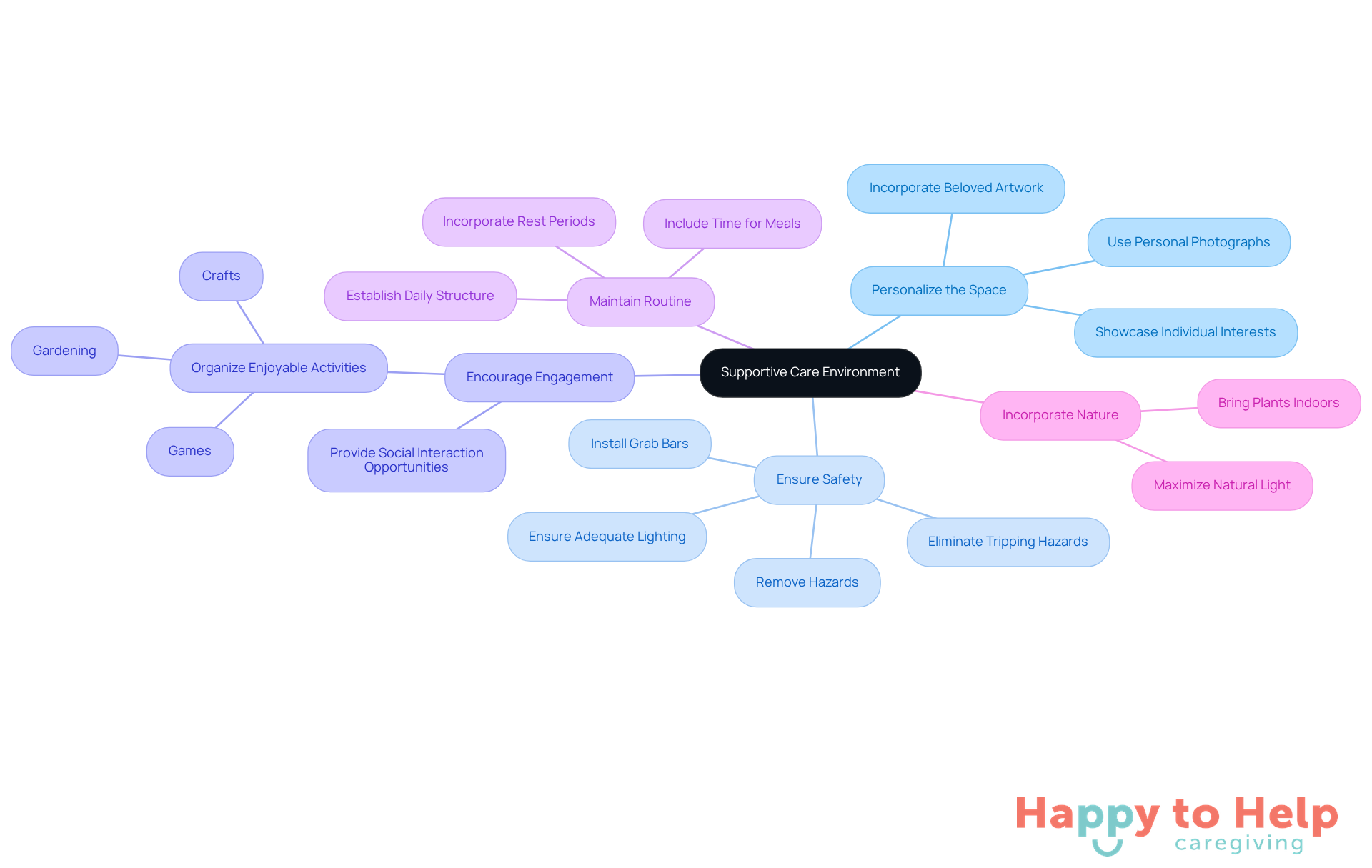
Personalize the Space: Adorn the living area with items that showcase the individual’s character and interests, such as personal photographs or beloved artwork. This helps foster a sense of belonging.
-
Ensure Safety: Remove hazards and ensure that the environment is safe and accessible. This may include installing grab bars, ensuring adequate lighting, and removing tripping hazards to prevent accidents.
-
Encourage Engagement: Provide opportunities for social interaction and activities that the individual enjoys, such as games, crafts, or gardening. Engaging in enjoyable activities can significantly improve mood and well-being.
-
Maintain Routine: Establish a daily routine that includes time for meals, activities, and rest. This structure can provide predictability and comfort, which are crucial for emotional stability.
-
Incorporate Nature: If possible, bring elements of nature indoors, such as plants or natural light. This can create a calming atmosphere that promotes relaxation and peace.
Communicate Effectively with Family and Healthcare Providers
Effective communication with family and healthcare providers is crucial for person care provided by caregivers. However, many face challenges in this area, leading to misunderstandings and emotional strain.
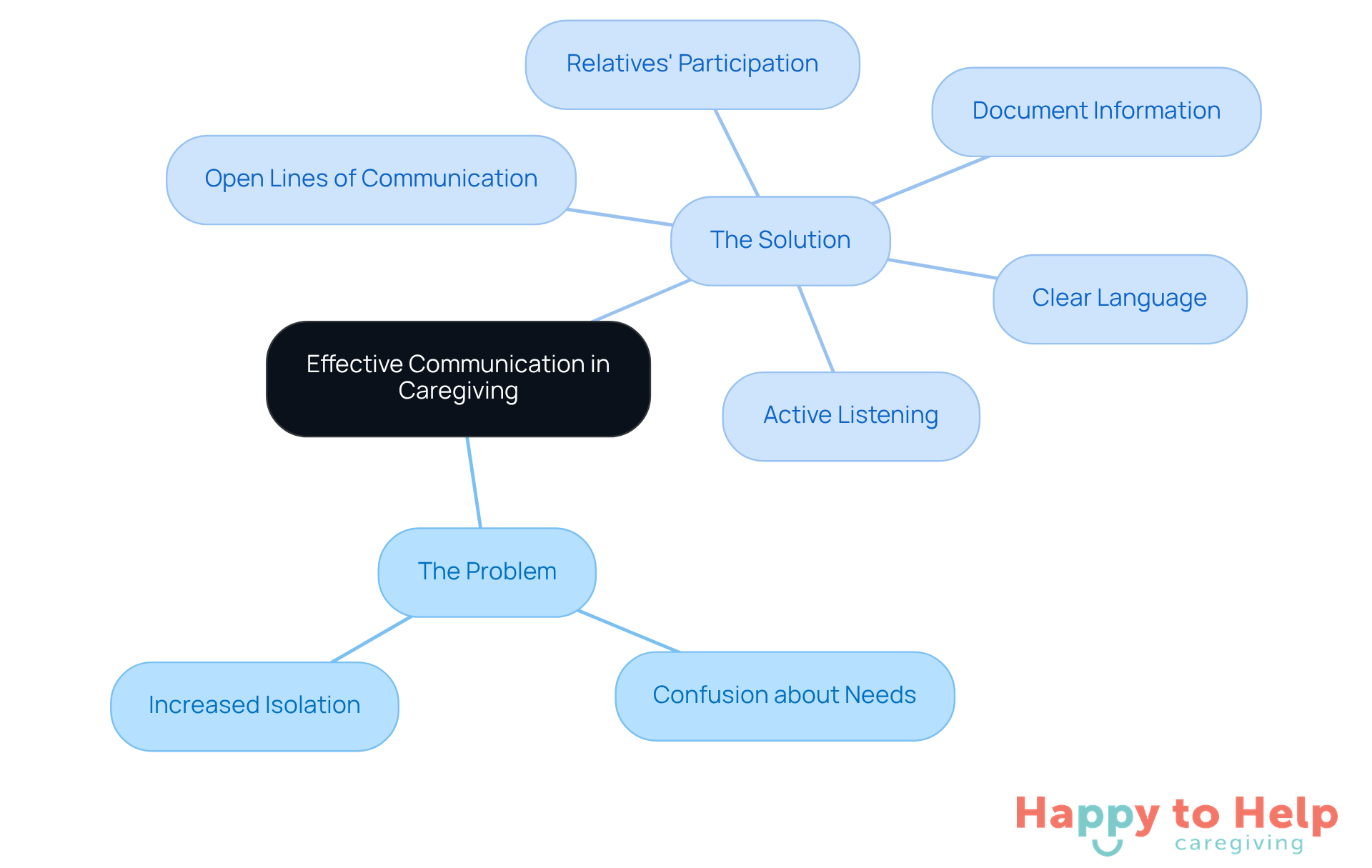
The Problem: Ineffective communication can result in confusion about the recipient’s needs and preferences, which may exacerbate depressive symptoms in both caregivers and recipients. Research shows that a lack of ongoing dialogue can lead to increased feelings of isolation and frustration.
The Solution: Here are some actionable strategies to enhance communication:
-
Establish Open Lines of Communication: Encourage ongoing discussions about the recipient’s needs and any changes in their condition. Regular communication is linked to fewer depressive symptoms, highlighting its importance.
-
Use Clear and Concise Language: Avoid jargon to ensure everyone understands the information shared. Clarity is essential for informed decision-making and minimizes confusion.
-
Practice Active Listening: Show empathy by listening attentively to concerns from relatives and healthcare providers. As Francesca Falzarano from Weill Cornell Medicine states, "It is essential for direct support professionals and family helpers to participate in ongoing, two-way communication to enhance residents’ daily experiences."
-
Document Important Information: Keep records of conversations, decisions, and treatment plans. This practice ensures everyone is aligned and reduces misunderstandings.
-
Promote Relatives' Participation: Involve relatives in discussions and decisions about support. This collaborative approach not only empowers families but also enhances the support experience for the individual.
Implementing these strategies can significantly improve the quality of person care and emotional well-being for both caregivers and recipients. By fostering a culture of open communication, families can navigate the complexities of caregiving more effectively. Notably, case studies indicate that high-quality communication is a stronger predictor of reduced depressive symptoms in assisted living communities compared to nursing homes, underscoring the necessity of effective communication in caregiving.
Monitor and Adapt Care Plans Regularly
To effectively monitor and adapt care plans, caregivers face a significant challenge: ensuring that the support provided remains relevant and effective over time. Without regular evaluations and adjustments, the quality of care can diminish, impacting the recipient's health and well-being.
-
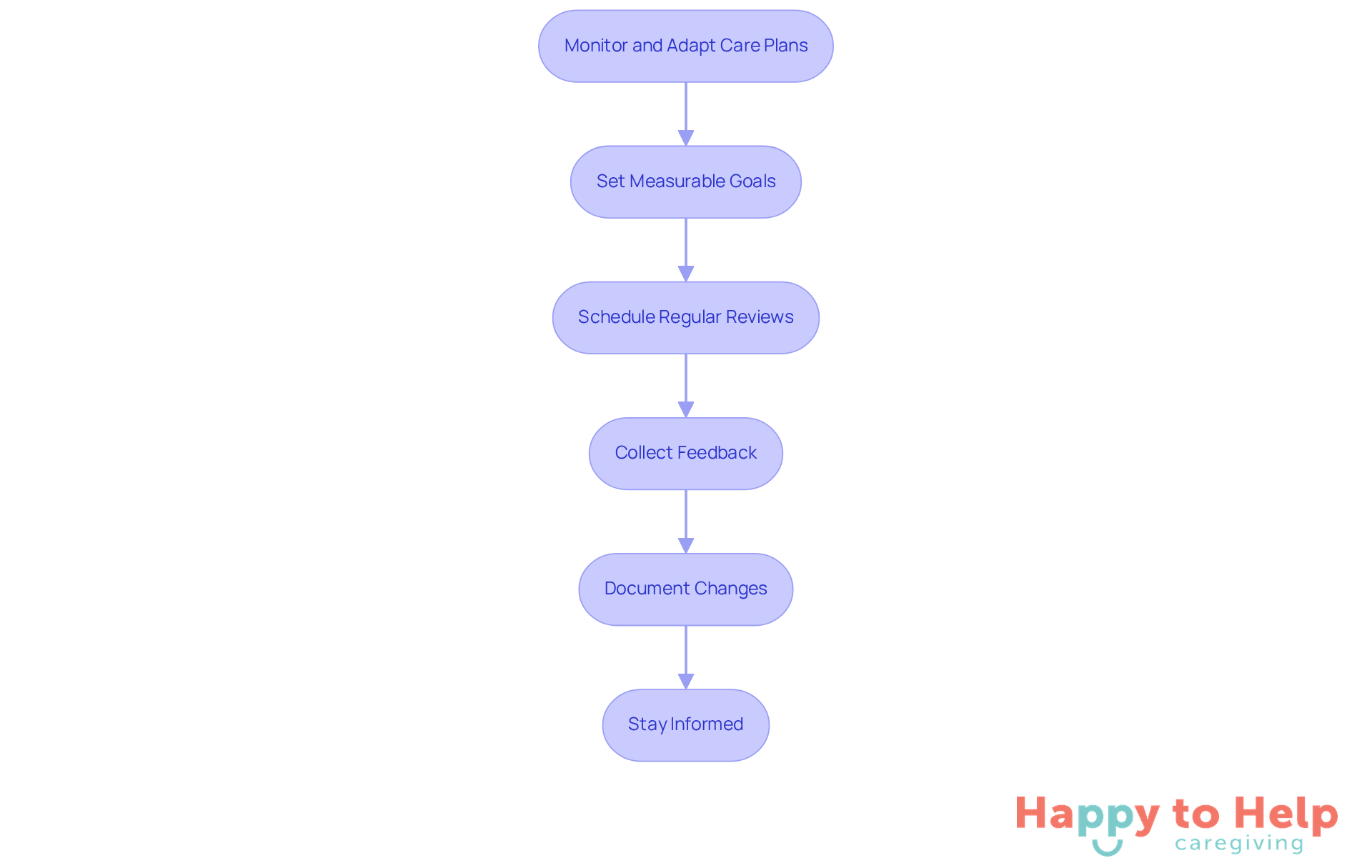
Set Measurable Goals: Establish clear, achievable objectives for the recipient’s health and well-being that can be monitored over time. This could include specific targets such as improving mobility, managing medication schedules, or enhancing social interactions. Studies show that more than 70% of caregivers believe that establishing measurable objectives greatly enhances the quality of assistance offered.
-
Schedule Regular Reviews: Plan regular check-ins to evaluate the effectiveness of the support plan and make necessary adjustments. Frequent evaluations guarantee that the support plan adapts to shifting situations, which is essential for preserving the individual's quality of life.
-
Collect Feedback: Request insights from the individual receiving support and family members regarding what is effective and what is not. Involving the individual in conversations about their preferences and experiences promotes a cooperative method to support, improving satisfaction and results.
-
Document Changes: Keep detailed records of any modifications made to the treatment plan and the reasons for those modifications. This documentation not only helps in tracking progress but also serves as a valuable resource for future adjustments and discussions with healthcare providers.
-
Stay Informed: Keep current with best practices in caregiving and any new resources that may assist the individual receiving care. Employing technology, like remote patient monitoring and telehealth services, can offer real-time insights into the recipient's health, enabling prompt interventions and modifications to the treatment plan.
By implementing these steps, caregivers can create a dynamic and responsive care environment that prioritizes the well-being and independence of their loved ones.
Taking the Next Steps
Embracing person-centered care is essential for family caregivers who want to enhance the quality of support they provide to their loved ones. The challenge lies in prioritizing the individuality of care recipients, which can often be overlooked. This oversight not only affects the caregiving experience but can also diminish satisfaction levels for both caregivers and those receiving care.
To address this issue, the article outlines five crucial steps for mastering person-centered care:
- Understanding the principles of person-centered care
- Assessing individual needs and preferences
- Creating a supportive environment
- Communicating effectively with family and healthcare providers
- Regularly monitoring and adapting care plans
Each step emphasizes the importance of recognizing and addressing the unique needs of individuals, ultimately leading to better emotional well-being and a more fulfilling caregiving experience.
Incorporating these strategies into caregiving practices can significantly transform the support provided to loved ones. By actively engaging with recipients and their families, caregivers can create a nurturing atmosphere that promotes independence and emotional stability. The journey toward mastering person-centered care is not just about meeting basic needs; it’s about building trust, fostering connections, and ensuring that every individual feels valued and understood.
https://iframe.tely.ai/cta/eyJhcnRpY2xlX2lkIjogIjY5MjdhNWU3YzFjMDkxZjI0YTJkMzVlOSIsICJjb21wYW55X2lkIjogIjY4ZWU1ZGNhNzMxNzYyNTU3ZjNjOTVjMSIsICJpbmRleCI6IG51bGwsICJ0eXBlIjogImFydGljbGUifQ==Frequently Asked Questions
What is person-centered care?
Person-centered care is an approach that focuses on the individual needs, preferences, and values of those receiving care, enhancing their emotional well-being and satisfaction.
Why is it important to respect individuality in caregiving?
Respecting individuality acknowledges that each person has unique preferences and life experiences, fostering a supportive environment that enhances the caregiving experience.
How can caregivers empower clients in their care?
Caregivers can empower clients by encouraging them to participate in their treatment decisions, promoting a sense of control and independence that is crucial for their overall well-being.
What does a holistic approach to caregiving entail?
A holistic approach addresses the physical, emotional, social, and spiritual dimensions of individuals, ensuring a comprehensive understanding of their needs.
How can collaboration improve the caregiving experience?
Collaboration involves working closely with recipients and their families to create a supportive atmosphere, which enhances the overall caregiving experience.
What evidence supports the effectiveness of person-centered care?
Research indicates that individual-focused support leads to higher satisfaction levels among relatives, with a notable increase in satisfaction reported in assisted living and memory support services, as highlighted in the 2024 J.D. Power study.
What steps can caregivers take to assess individual needs and preferences?
Caregivers can assess individual needs by conducting thorough evaluations, engaging in active listening, involving family members, documenting findings, and regularly reviewing preferences.
Why is active listening important in caregiving?
Active listening allows caregivers to understand the recipient's expressed needs and desires, including their likes, dislikes, and specific requests, leading to better support.
How can family members contribute to the assessment process?
Family members can provide valuable insights into the individual’s background and choices, enhancing the caregiver's understanding and assessment of the recipient's needs.
Why is it necessary to review individual needs and preferences regularly?
Regular reviews are important because needs and preferences can change over time, ensuring that caregivers continue to meet the evolving needs of those they support.
List of Sources
- Understand the Principles of Person-Centered Care
- Person-centered care, powered by data, is the future of collaborative care: speaker (https://mcknightsseniorliving.com/news/person-centered-care-powered-by-data-is-the-future-of-collaborative-care-speaker)
- Moving Forward With Person-Centered Outcome Measures - NCQA (https://ncqa.org/blog/moving-forward-with-person-centered-outcome-measures)
- NYU Meyers Announces Inaugural Awardees for Designation of Excellence in Person-Centered Long-Term Care | NYU Rory Meyers College of Nursing (https://nursing.nyu.edu/w/news/news/nyu-meyers-announces-inaugural-awardees-designation-excellence-person-centered-long)
- Expanding Global Work to Revolutionize Care of Older Adults - News (https://umaryland.edu/news/archived-news/january-2025/expanding-global-work-to-revolutionize-care-of-older-adults.php)
- The Designation of Excellence in Person-Centered Long-Term (https://hign.org/news/hign-news/designation-excellence-person-centered-long-term)
- Assess Individual Needs and Preferences
- How to Assess if an Older Adult Needs Caregiving Help (https://aarp.org/caregiving/home-care/assessing-need-for-caregiver)
- State Strategies and New Resources to Advance Family Caregiver Assessments - NASHP (https://nashp.org/state-strategies-and-new-resources-to-advance-family-caregiver-assessments)
- What Every New Caregiver Should Know: A Guide to Caregiving (https://keystone.health/guide-for-new-caregivers)
- What are best practices for involving family caregivers in interventions aimed at responsive behaviour stemming from unmet needs of people with dementia in nursing homes: a scoping review - PMC (https://pmc.ncbi.nlm.nih.gov/articles/PMC10711828)
- Making the Invisible Visible: State Strategies for Identifying and Reaching Family Caregivers - Center for Health Care Strategies (https://chcs.org/resource/making-the-invisible-visible-state-strategies-for-identifying-and-reaching-family-caregivers)
- Create a Supportive and Engaging Care Environment
- ‘Change in air’ for senior living and care industry in 2025 (https://mcknightsseniorliving.com/news/change-in-air-for-senior-living-and-care-industry-in-2025)
- Recent Innovations in Senior Living (https://arborcompany.com/blog/most-recent-innovations-in-senior-living)
- Senior Living Benefits: Making Friends and Improving Health (https://health.usnews.com/best-senior-living/articles/senior-living-benefits-making-friends-and-improving-health)
- Keeping Seniors Engaged at Home: Creative Companion Care Ideas for Caregivers | Sunlight Senior Care (https://sunlightseniorcare.com/keeping-seniors-engaged-at-home-creative-companion-care-ideas-for-caregivers)
- The Future of Senior Care: What to Expect in 2025 and Beyond (https://arhomecare.com/the-future-of-senior-care-what-to-expect-in-2025-and-beyond)
- Communicate Effectively with Family and Healthcare Providers
- Effective Communication Strategies in Senior Care: Empowering Residents, Families, and Caregivers - MedCity News (https://medcitynews.com/2023/12/effective-communication-strategies-in-senior-care-empowering-residents-families-and-caregivers)
- New Research Brief: Quality of Communication Between Family Caregivers and Direct Care Professionals | The LeadingAge LTSS Center @UMass Boston (https://ltsscenter.org/new-research-brief-quality-of-communication-between-family-caregivers-and-direct-care-professionals)
- Communication Breakdowns Take Toll on Family Caregivers, Especially for Older Adults with Chronic Illness (https://ltcnews.com/articles/communication-breakdowns-toll-family-caregivers-older-adults-chronic-illness)
- Monitor and Adapt Care Plans Regularly
- Technology in Homecare Services | Cardinal Comfort Care (https://cardinalcomfortcare.com/2025/02/08/technology-in-homecare-services)
- Overcoming Challenges In Home-Based Care For Medically Intensive Patients (https://homehealthcarenews.com/2025/09/overcoming-challenges-in-home-based-care-for-medically-intensive-patients)
- Creating a Care Plan That Works: Essential Elements of 24-Hour Home Care (https://homehelpershomecare.com/nw-indiana/community-blog/2025/august/creating-a-care-plan-that-works-essential-elements-of-24-hour-home-care)
- In-Home Care for Seniors - Caregiving News and Tips (https://aarp.org/caregiving/home-care)
- State of home care in 2025 (https://mcknightshomecare.com/state-of-home-care-in-2025)