
Why Secure Assistance in Home Health Care Matters
Navigating the complexities of home health care can be overwhelming for families seeking the best support for their loved ones. This challenge is particularly pressing as the aging population continues to grow, making it vital to secure effective assistance. Families often find themselves unsure of how to evaluate their needs and select the right services, which can lead to frustration and uncertainty.
To address these concerns, this guide offers a structured approach to evaluating needs, selecting appropriate services, and developing personalized care plans. By following these steps, caregivers can be well-equipped to make informed decisions that truly meet the unique needs of their family members. With so many options available, it’s essential to ensure that the chosen care aligns with the specific requirements of each individual.
Evaluate the Need for Home Health Care
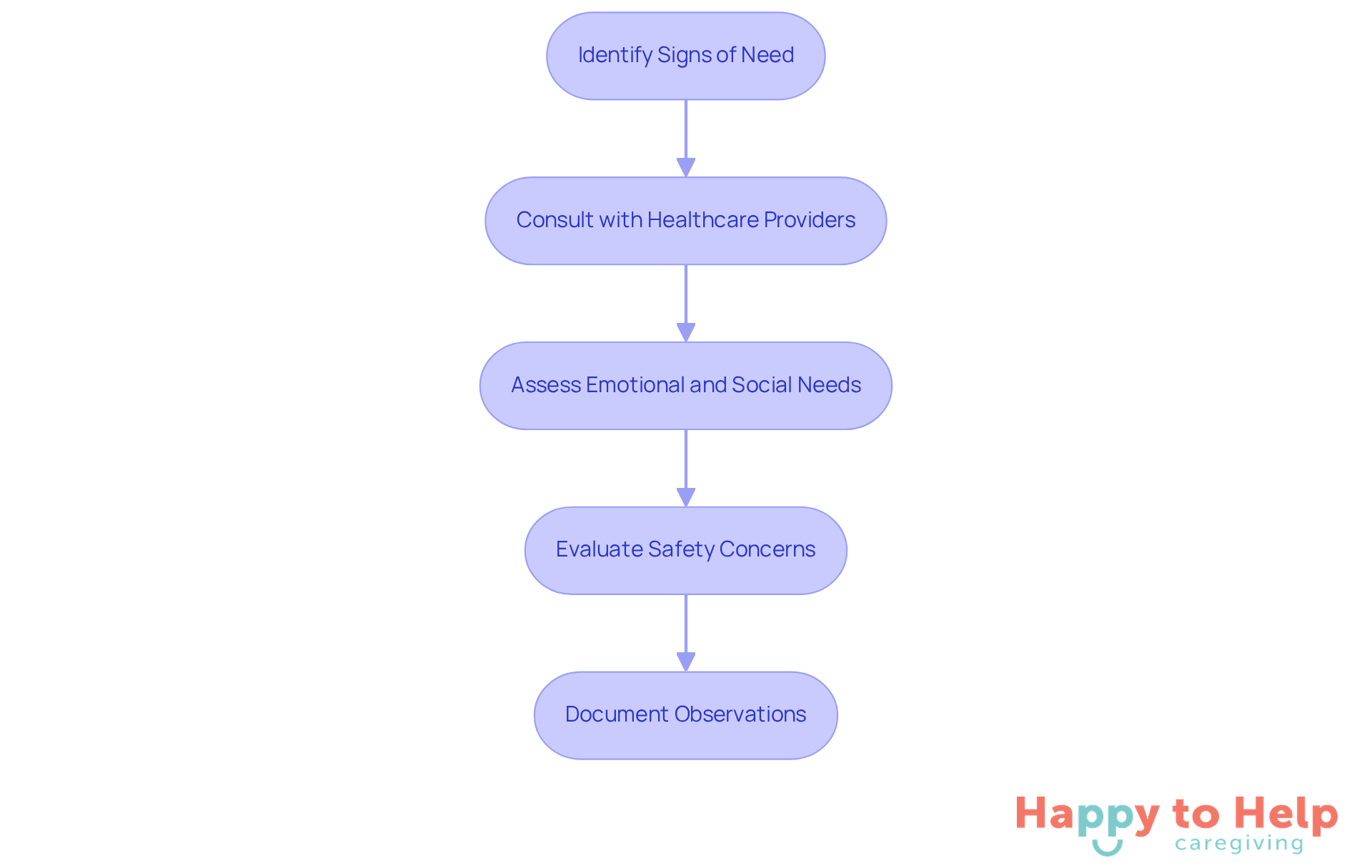
Identify Signs of Need: Caregivers must be vigilant in observing changes in their family member's ability to perform daily tasks, such as bathing, dressing, or managing medications. Common indicators include increased forgetfulness, noticeable weight loss, or frequent falls. Research shows that about 40% of seniors experience forgetfulness, and falls are a leading cause of injury among older adults. This highlights the importance of monitoring these changes closely.
Consult with Healthcare Providers: Engage in discussions with your family member's doctor or healthcare team about your observations. Their expert insights can be invaluable, and they may recommend specific home support services tailored to your family member's needs.
Assess Emotional and Social Needs: Evaluate your family member's emotional well-being. Feelings of loneliness or isolation can indicate a need for companionship or social interaction. Assistance home health care services can provide not only physical help but also emotional support, which is crucial for overall well-being.
Evaluate Safety Concerns: Conduct a thorough review of the home environment for potential safety hazards. If your loved one is at risk of injury, professional assistance may be necessary to ensure their safety and well-being. Geriatric specialists emphasize that a safe living environment is essential for maintaining independence.
Document Observations: Keep a detailed record of your observations and any discussions with healthcare providers. This documentation will be vital when exploring support options with potential providers, ensuring you have a comprehensive understanding of your family member's needs.
Identify Available Home Health Care Services
Understanding Home Support Services
Finding the right home support services can be a daunting task for caregivers. With various options available, it’s crucial to know what’s out there to ensure your loved one receives the best care possible.
Types of Services to Consider
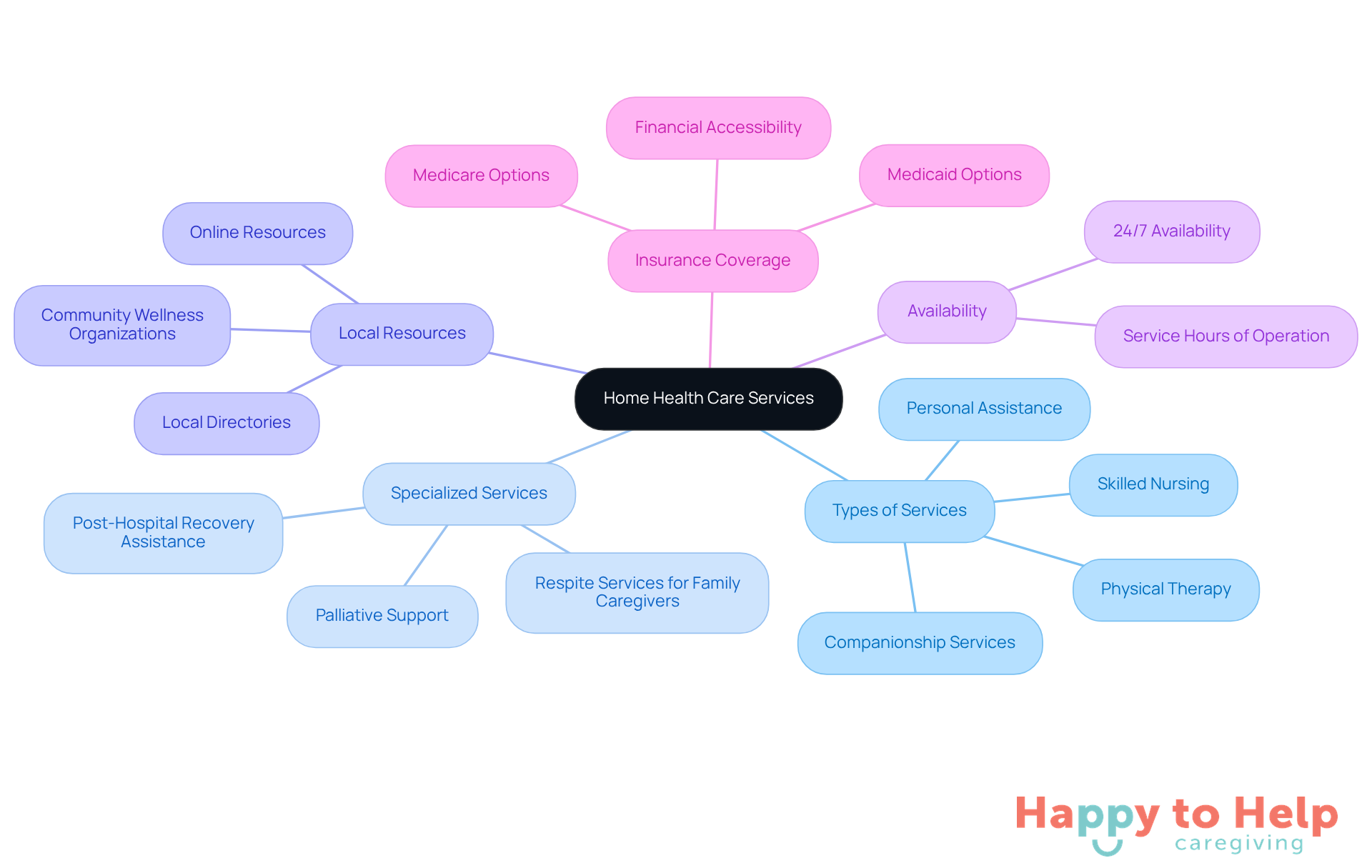
Start by researching the different types of home support services, such as skilled nursing, physical therapy, personal assistance, and companionship services. Each type addresses specific needs, so understanding these options is essential.
Specialized Services for Unique Needs
Depending on your loved one's condition, you may need to look for specialized services. Options like palliative support, post-hospital recovery assistance, or respite services for family caregivers can provide targeted help.
Local Resources at Your Fingertips
Utilize local directories, online resources, and community wellness organizations to compile a list of home assistance providers in your area. This step is vital in ensuring you have access to the services you need.
Availability Matters
Make sure the services you’re interested in are available in your region. Inquire about their hours of operation, especially if you require 24/7 availability.
Insurance Coverage Insights
Investigate insurance coverage for home support services, including Medicare and Medicaid options. Understanding what services may be financially accessible can significantly ease the burden on caregivers.
Research and Select a Home Health Care Provider
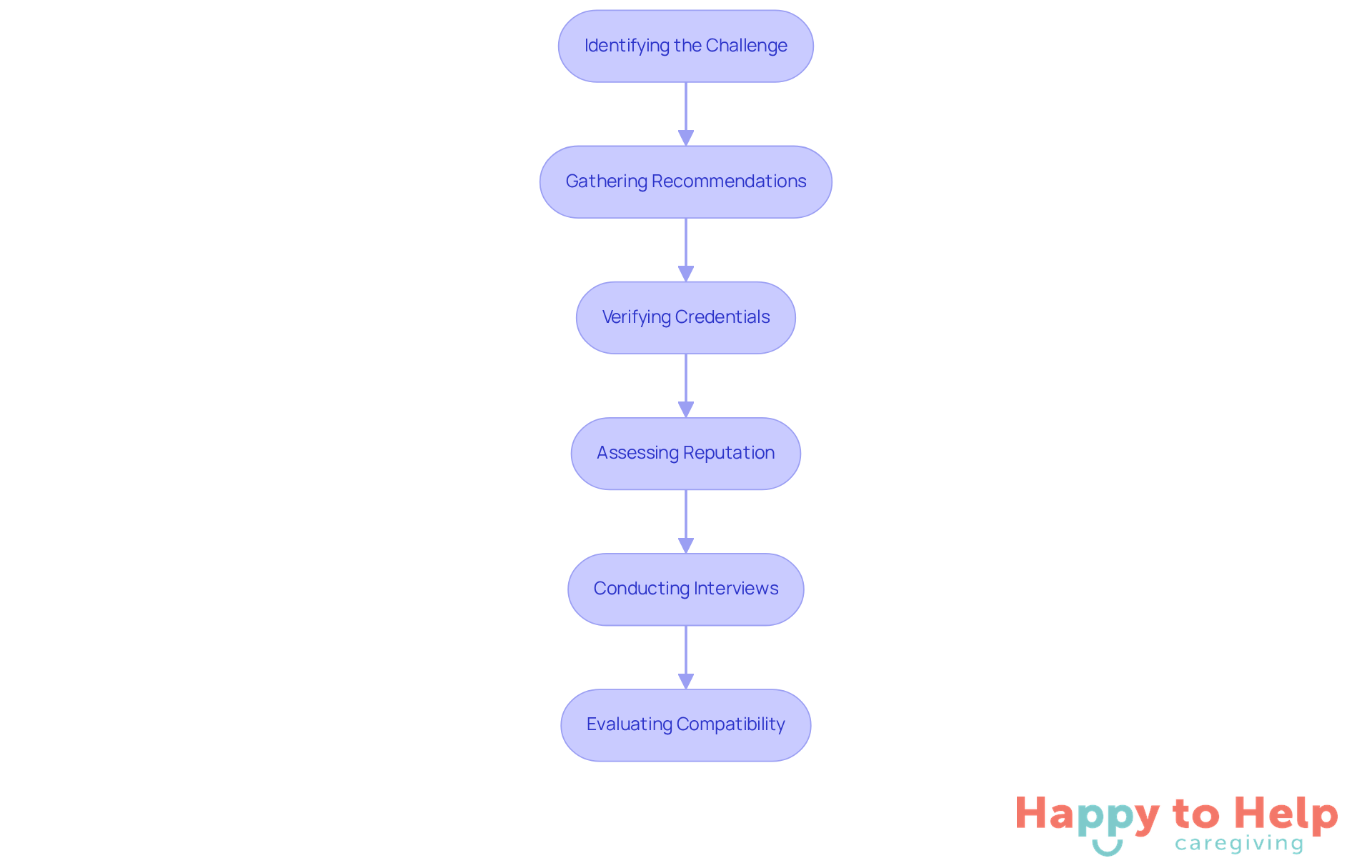
Identifying the Challenge: Finding reliable assistance home health care services can be daunting for caregivers. With so many options available, it’s crucial to ensure that the chosen agency meets quality standards and aligns with the needs of your family member.
Gathering Recommendations: Start by seeking referrals from medical professionals, friends, or relatives who have experience with in-home support services. Personal suggestions can provide valuable insights into the quality of service offered by various agencies.
Verifying Credentials: It’s essential to check that the agency is licensed and accredited. Look for certifications from recognized organizations that ensure quality standards are met. Notably, 98.7% of home assistance agencies are Medicare-certified, and 78% are Medicaid-certified, highlighting the importance of verifying credentials to ensure quality service.
Assessing Reputation: Investigate online reviews and testimonials from other families to gauge the agency's reputation and the standard of service provided. Positive feedback can be a strong indicator of reliable services.
Conducting Interviews: Arrange interviews with potential providers to discuss your family member's needs, the services offered, and the caregiver's qualifications. Prepare a list of questions to ask during these interviews to ensure all concerns are addressed.
Evaluating Compatibility: Reflect on the agency's support methods and whether they align with your family member's preferences and values. A good fit is essential for a positive caregiving experience. Since nearly 90% of individuals who utilize assistance home health care prefer to remain in their own homes, finding a provider that respects these preferences is crucial.
Develop a Personalized Care Plan
Problem: Caregivers often struggle with the complexities of planning adequate support for their loved ones, which can lead to confusion and unmet needs.
Agitate: Without a structured approach, caregivers may overlook critical aspects of care, resulting in increased stress and potential health risks for the individual needing support.
Solution: Here are actionable steps to create an effective support plan:
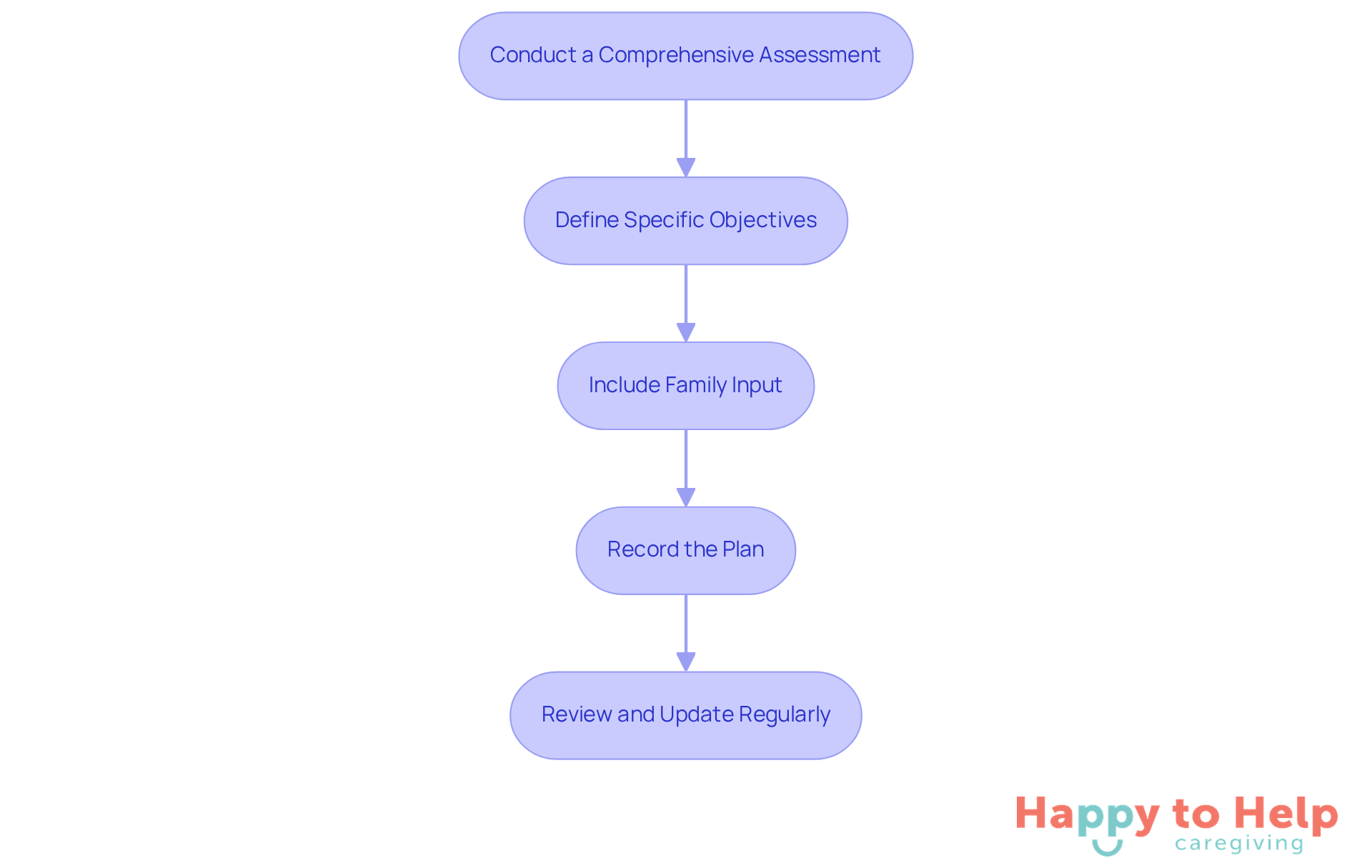
- Conduct a Comprehensive Assessment: Collaborate with the chosen provider to thoroughly assess your loved one's medical history, current health status, and daily living needs.
- Define Specific Objectives: Work alongside the caregiver to establish clear, measurable goals for the support plan. These objectives should align with the individual's preferences and desired outcomes.
- Include Family Input: Engage family members in the planning process to ensure everyone is on the same page and that the plan reflects the collective insights of those who know the individual best.
- Record the Plan: Develop a written support plan detailing the services to be provided, the frequency of visits, and any specific instructions for helpers. Ensure that all parties have access to this document.
- Review and Update Regularly: Schedule consistent evaluations of the plan to monitor progress and make necessary adjustments based on changes in health status or personal preferences.
Monitor and Adjust Care as Needed
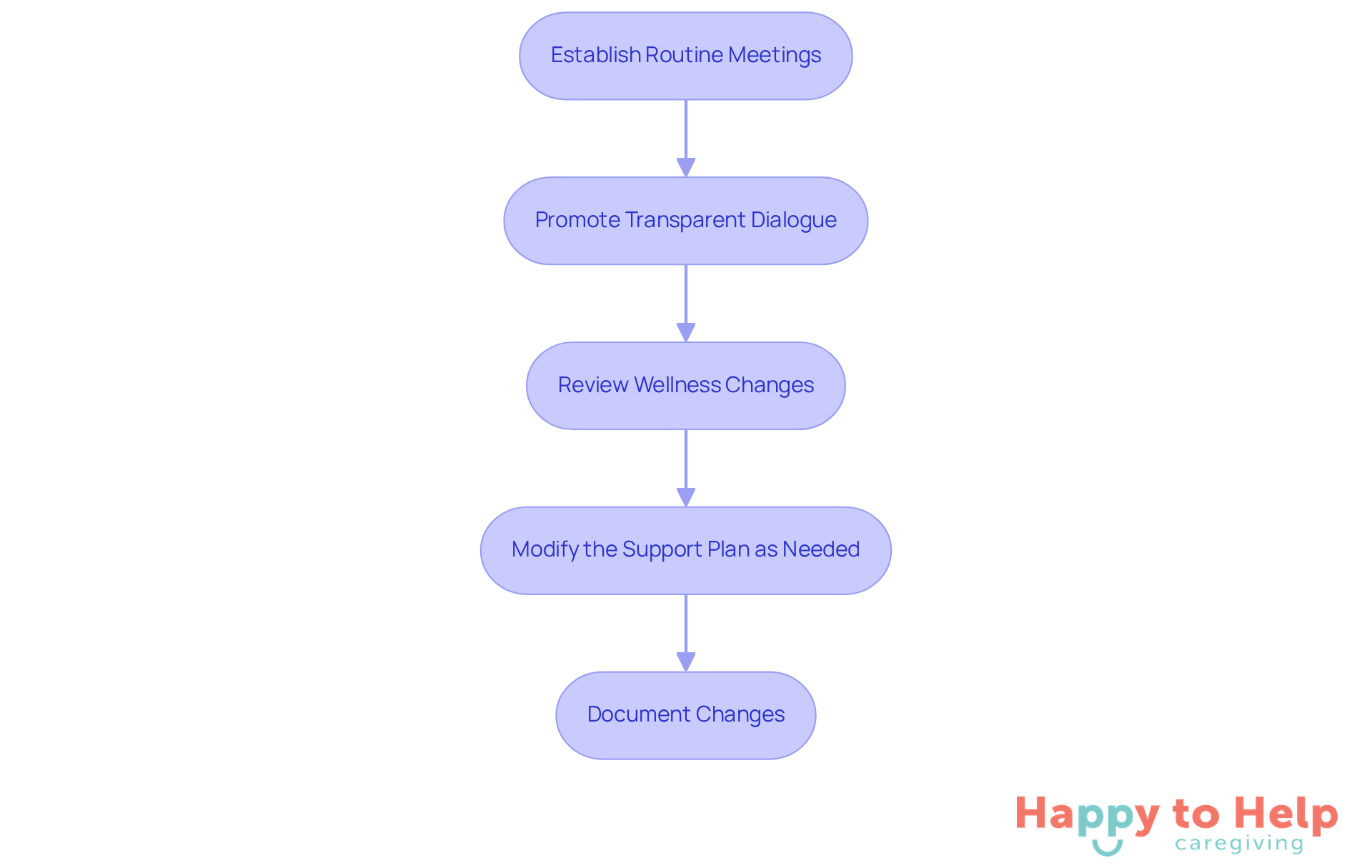
Establish Routine Meetings: Caregivers often struggle with maintaining consistent communication about their family member's progress. Regular meetings can help address this issue. Arrange consistent meetings with the caregiver to discuss your family member's progress, any concerns, and the effectiveness of the assistance home health care provided.
Promote Transparent Dialogue: A lack of open communication can lead to misunderstandings and unmet needs. Cultivating a setting where both the caregiver and the individual feel at ease discussing input regarding the support experience can help identify areas for improvement.
Review Wellness Changes: Changes in a loved one's condition can significantly impact their care. Stay informed about any alterations in your loved one's condition, including new diagnoses or changes in medication, and communicate these to the caregiver promptly.
Modify the Support Plan as Needed: Caregivers may find it challenging to adapt to changing needs. Be proactive in making adjustments to the support plan based on feedback and health changes. This may include increasing the frequency of visits or adding new services.
Document Changes: Without proper documentation, important adjustments may be overlooked. Maintain a log of any modifications made to the treatment plan and the reasons for those adjustments. This documentation can be helpful for future reference and for ensuring continuity of care.
Moving Forward with Secure Assistance in Home Health Care
Navigating the journey of securing assistance in home health care presents a significant challenge for caregivers. This process demands careful consideration and proactive measures, as the implications of inadequate support can profoundly affect the well-being of loved ones.
To address this issue, it’s essential to evaluate needs thoroughly, research available services, and select the right provider. Developing a personalized care plan and continuously monitoring the care provided are crucial steps in ensuring that your loved one receives the appropriate support tailored to their unique requirements.
Key insights highlight the necessity of thorough assessments and open communication. Documenting observations and changes in health status is vital. By recognizing signs that indicate the need for assistance and understanding the various types of home health care services available, caregivers can make informed decisions that enhance the quality of care. Engaging with healthcare providers and family members fosters a collaborative approach, ensuring that the care plan reflects the individual’s preferences and needs.
Ultimately, the significance of taking these steps cannot be overstated. As the demand for home health care continues to grow, being equipped with the right knowledge and tools is essential for caregivers. By following this guide, individuals can secure effective assistance for their loved ones and promote a safe, nurturing environment that supports overall well-being. Taking action today can lead to a more comfortable and fulfilling tomorrow for those in need of care.
https://iframe.tely.ai/cta/eyJhcnRpY2xlX2lkIjogIjY5M2Y3NTlmYWIxOGVmNWI4ZjA0NTBjMSIsICJjb21wYW55X2lkIjogIjY4ZWU1ZGNhNzMxNzYyNTU3ZjNjOTVjMSIsICJpbmRleCI6IG51bGwsICJ0eXBlIjogImFydGljbGUifQ==Frequently Asked Questions
What signs indicate that a family member may need home health care?
Signs include changes in the ability to perform daily tasks such as bathing, dressing, or managing medications. Common indicators are increased forgetfulness, noticeable weight loss, and frequent falls.
How can I consult with healthcare providers about home health care needs?
Engage in discussions with your family member's doctor or healthcare team about your observations. Their insights can help determine the need for specific home support services.
Why is it important to assess emotional and social needs when considering home health care?
Feelings of loneliness or isolation can indicate a need for companionship or social interaction. Home health care services can provide both physical assistance and emotional support, which are crucial for overall well-being.
What safety concerns should I evaluate in the home environment?
Conduct a thorough review of the home for potential safety hazards. If your loved one is at risk of injury, professional assistance may be necessary to ensure their safety and maintain their independence.
Why is documenting observations important when exploring home health care options?
Keeping a detailed record of your observations and discussions with healthcare providers is vital. This documentation helps in understanding your family member's needs and facilitates discussions with potential care providers.
What types of home support services are available?
Types of home support services include skilled nursing, physical therapy, personal assistance, and companionship services. Each type addresses specific needs.
How can I find specialized services for unique needs?
Depending on your loved one's condition, look for specialized services like palliative support, post-hospital recovery assistance, or respite services for family caregivers.
Where can I find local home assistance providers?
Utilize local directories, online resources, and community wellness organizations to compile a list of home assistance providers in your area.
Why is it important to check the availability of home support services?
Ensure that the services you need are available in your region and inquire about their hours of operation, especially if you require 24/7 availability.
How can I investigate insurance coverage for home support services?
Research insurance coverage options, including Medicare and Medicaid, to understand which home support services may be financially accessible for your family member.
List of Sources
- Evaluate the Need for Home Health Care
- To Solve Staffing Shortages, Home-Based Care Must Rethink Recruitment From The Ground Up (https://homehealthcarenews.com/2025/10/to-solve-staffing-shortages-home-based-care-must-rethink-recruitment-from-the-ground-up)
- News – Ohio Council for Home Care & Hospice (https://ochch.org/about/news)
- Medicare patients go without needed treatment as government shutdown disrupts telehealth (https://pbs.org/newshour/health/medicare-patients-go-without-needed-treatment-as-government-shutdown-disrupts-telehealth)
- New Study Explores the Need for Expanded Long-Term Care Services to Support Aging-in-Place | Johns Hopkins Bloomberg School of Public Health (https://publichealth.jhu.edu/2025/new-study-explores-the-need-for-expanded-long-term-care-services-to-support-aging-in-place)
- Identify Available Home Health Care Services
- HomeCare News | HomeCare Magazine (https://homecaremag.com/news)
- FastStats (https://cdc.gov/nchs/fastats/home-health-care.htm)
- Home Health Care Trends for 2025 (https://carevoyant.com/home-health-blog/home-health-care-trends-2025)
- Home Health Therapy: Latest News and Trends - United Therapy Services (https://unitedtxs.com/home-health-therapy-latest-news-and-trends)
- Research and Select a Home Health Care Provider
- Home Health Referrals Increase 4.6% Year-Over-Year As Patient Complexity Rises (https://homehealthcarenews.com/2025/12/home-health-referrals-increase-4-6-year-over-year-as-patient-complexity-rises)
- 6 Home Health Companies To Watch In 2025 (https://homehealthcarenews.com/2025/07/6-home-health-companies-to-watch-in-2025)
- U.S. News to Debut Best Home Health Ratings in 2026 (https://usnews.com/info/blogs/press-room/articles/2025-11-03/u-s-news-to-debut-best-home-health-ratings-in-2026)
- 52 Eye-Opening Home Health Statistics: Insights for 2025 (https://boosthomehealth.com/home-health-statistics)
- US News to publish inaugural Best Home Health ratings next year (https://mcknightshomecare.com/news/us-news-to-publish-inaugural-best-home-health-ratings-next-year)
- Develop a Personalized Care Plan
- The Future of Private Home Care: What to Expect in 2025 (https://anodyne-services.com/2024/08/14/the-future-of-private-home-care-what-to-expect-in-2025)
- 2025: AI enhances personalized care; caregiver experience in the spotlight (https://healthcareitnews.com/news/2025-ai-enhances-personalized-care-caregiver-experience-spotlight)
- How Family Involvement Enhances the Success of Personalized Support Plans (https://heartwisesupport.org/post/how-family-involvement-enhances-the-success-of-personalized-support-plans)
- Customized Care at Home: The Benefits of Personalized Care Plans - VNA Health Group (https://vnahg.org/customized-care-at-home-the-benefits-of-personalized-care-plans)
- The Future of Home Health Care: Trends to Watch in 2025 (https://synchronyfl.com/the-future-of-home-health-care-trends-to-watch-in-2025)
- Monitor and Adjust Care as Needed
- Evolving Remote Monitoring: An Evidence-Based Approach to Coverage and Payment (https://petersonhealthcare.org/news/evolving-remote-monitoring-report)
- News & Information (https://wellnessalliance.org/resources-and-tools/news-and-information/2025/11/10/national-family-caregivers-month--preventing-caregiver-burnout)
- Guardian Finds Caregivers Face Unprecedented Challenges, Impacting Overall Well-being (https://prnewswire.com/news-releases/guardian-finds-caregivers-face-unprecedented-challenges-impacting-overall-well-being-302020136.html)
- Honeywell Real-Time Health Monitoring System Improves Caregiver Efficiency While Reducing Hospital Readmissions and Delivering Better Patient Experiences (https://honeywell.com/us/en/press/2023/04/honeywell-real-time-health-monitoring-system-improves-caregiver-efficiency-while-reducing-hospital-readmissions-and-delivering-better-patient-experiences)