5 Steps to Secure Financial Help for Seniors Effectively

For families in our service areas
For families in our service areas, this guide explains caregiving and how non-medical in-home caregiving can support care planning in East Idaho, Treasure Valley & Magic Valley, Northern Wasatch, North Central West Virginia, and Northeast Ohio.
Understanding Secure Financial Help
Navigating the financial landscape can be daunting for seniors. They face unique challenges that threaten their stability and quality of life. This complexity often leaves many older adults feeling overwhelmed and uncertain about how to access the help they need.
The Problem: Many seniors struggle to find the financial assistance available to them, which can lead to increased stress and anxiety. This situation can jeopardize their independence and well-being.
The Implications: Without proper guidance, seniors may miss out on essential resources, further complicating their financial situations. This uncertainty can diminish their quality of life, making it crucial to address these challenges head-on.
The Solution: Fortunately, a wealth of resources exists to provide essential financial assistance, from government programs to nonprofit organizations. Here are some actionable steps seniors can take to secure the support they need:
- Research Local Programs: Start by exploring local government and nonprofit resources that cater specifically to seniors.
- Seek Professional Advice: Consider consulting with a financial advisor who specializes in elder care to navigate complex options.
- Utilize Online Resources: Many websites offer comprehensive guides and tools to help seniors understand their financial options.
By taking these steps, seniors can better maintain their independence and well-being in an increasingly challenging environment.
Understand Available Financial Assistance Programs
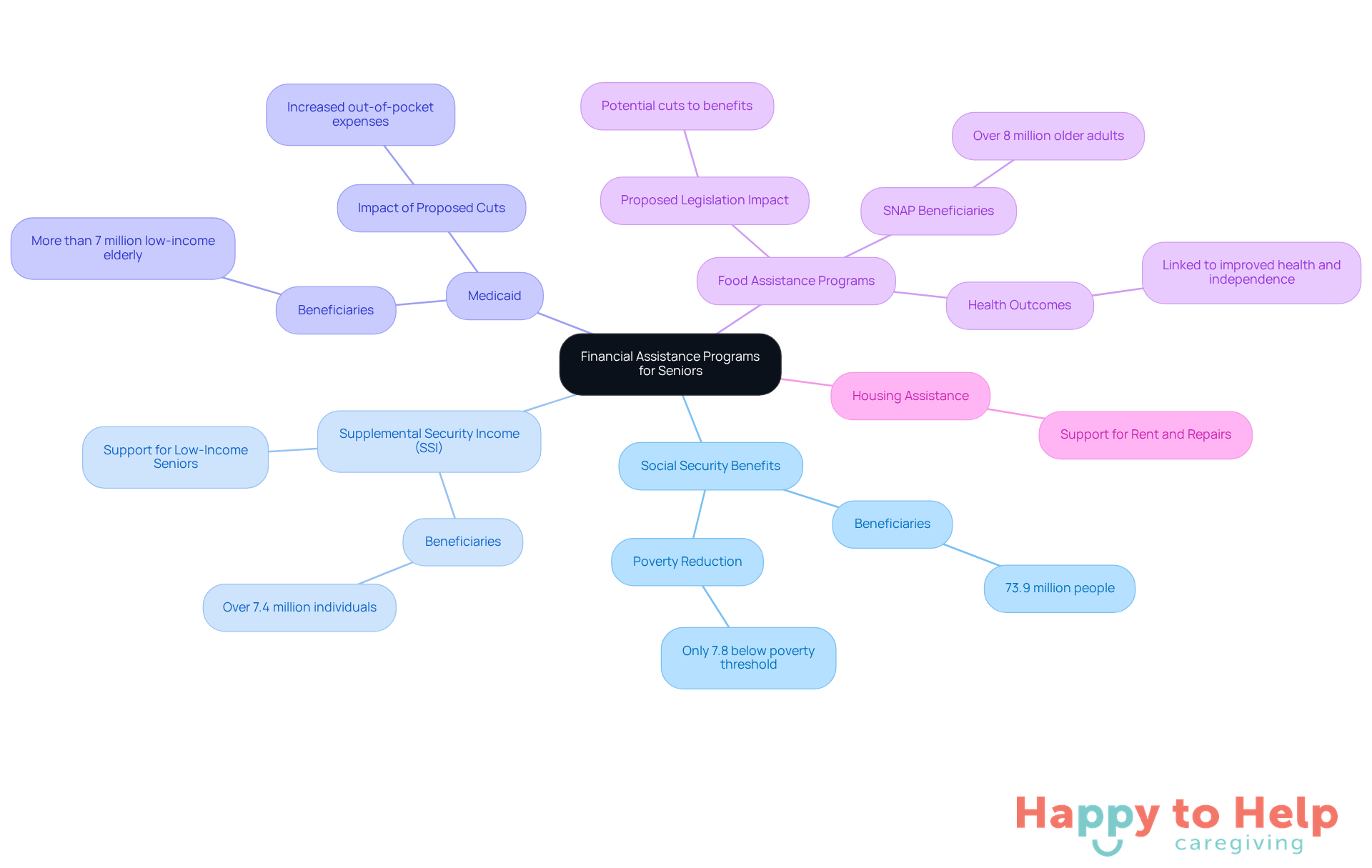
Start by investigating the various kinds of financial help for seniors that are available. Financial insecurity can be a significant challenge for older adults, highlighting the need for financial help for seniors to improve their quality of life. Fortunately, there are several resources designed to provide financial help for seniors to alleviate this issue, including government benefits, nonprofit support, and community resources. Here are some key programs to consider:
-
Social Security Benefits: Monthly payments for retirees based on their work history. As of April 2025, approximately 73.9 million people receive benefits from Social Security programs, which play a crucial role in reducing poverty among older adults. Notably, only 7.8% of Social Security recipients live below the federal poverty threshold, showcasing its effectiveness in providing financial security.
-
Supplemental Security Income (SSI): Offers financial help for seniors who are low-income individuals. Over 7.4 million individuals benefit from SSI, ensuring they have the necessary resources to meet basic needs.
-
Medicaid: Health coverage for eligible low-income individuals, including the elderly. More than 7 million low-income elderly individuals depend on Medicaid for health coverage. However, proposed reductions to this program could greatly affect their access to healthcare services and increase the need for financial help for seniors to manage out-of-pocket expenses.
-
Food Assistance Programs: Such as SNAP, which offers financial help for seniors to purchase food. Currently, SNAP offers food support to over 8 million older adults, connecting it to improved health outcomes and independence. As noted by Allison Orris, financial help for seniors through SNAP is linked to improved health outcomes for older adults with low incomes, helping them live independently and avoid hospitalization. However, proposed legislation may limit SNAP benefits, creating difficulties for older adults in obtaining nutritious food.
-
Housing Assistance: Initiatives that offer monetary support for rent or home repairs, aiding elderly individuals in sustaining stable living conditions.
Utilize resources like the National Council on Aging and local Area Agencies on Aging to gather information on financial help for seniors and available services in your area.
Explore Specific Financial Assistance Options
To effectively secure financial help for seniors, it is crucial to address the financial insecurity they encounter. Many older adults struggle to meet their basic needs, which can lead to significant challenges in maintaining their independence and quality of life.
One major issue is the high energy burden experienced by rural senior households, which is 44% greater than that of their non-elderly counterparts. This highlights the urgent need for targeted assistance programs that cater to their unique needs.
-
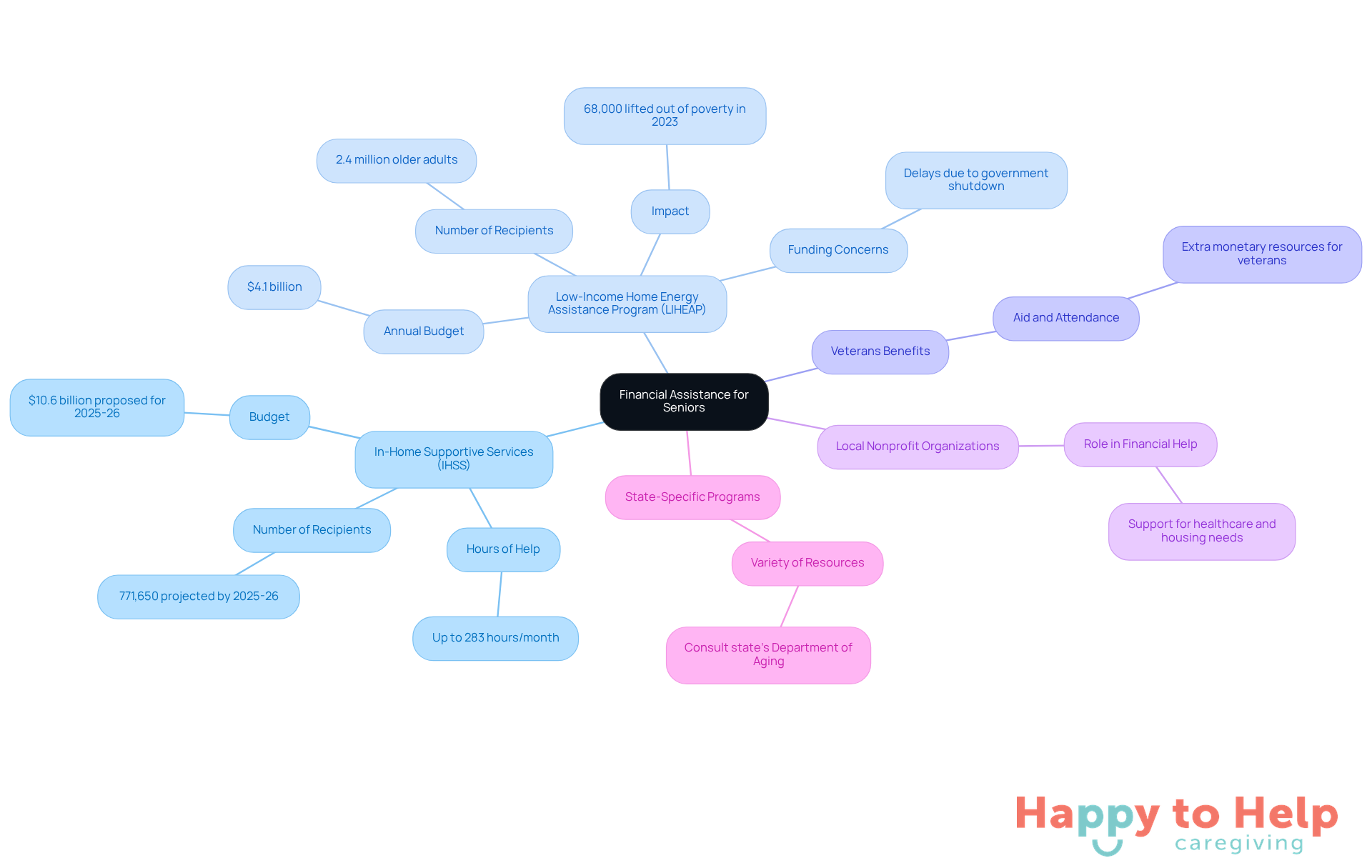
In-Home Supportive Services (IHSS) offer vital support for eligible seniors, assisting them with daily activities to maintain their independence at home. Recipients can obtain up to 283 hours of help each month, with the IHSS initiative expected to aid roughly 771,650 recipients by 2025-26.
-
Low-Income Home Energy Assistance Program (LIHEAP) is essential for low-income households, helping them manage energy costs. Approximately 2.4 million older adults depend on LIHEAP for energy support. In 2023, this program lifted 68,000 older adults out of poverty, showcasing its significant impact. With an annual budget of $4.1 billion, LIHEAP assists around 5.9 million households, ensuring that elderly individuals can afford heating and cooling during extreme weather conditions. However, the ongoing government shutdown has postponed LIHEAP funding, raising concerns about the availability of support for elderly individuals who rely on it.
-
Veterans Benefits, such as Aid and Attendance, are tailored to assist veterans, providing extra monetary resources for those who qualify.
-
Local Nonprofit Organizations also play a crucial role, providing financial help for seniors facing various needs, including healthcare and housing, which can be invaluable.
-
State-Specific Programs vary by location, with each state offering unique resources. Consulting with your state’s Department of Aging can uncover additional support available to older adults in your area.
Thoroughly researching these options will help caregivers understand the benefits and application processes, ensuring that older adults receive the support they need.
Determine Eligibility Criteria for Assistance
Navigating the eligibility criteria for financial help for seniors can be quite challenging for older adults. Many face confusion due to the varying requirements across different programs. This complexity can lead to frustration and missed opportunities for essential support.
Several common factors are crucial to consider:
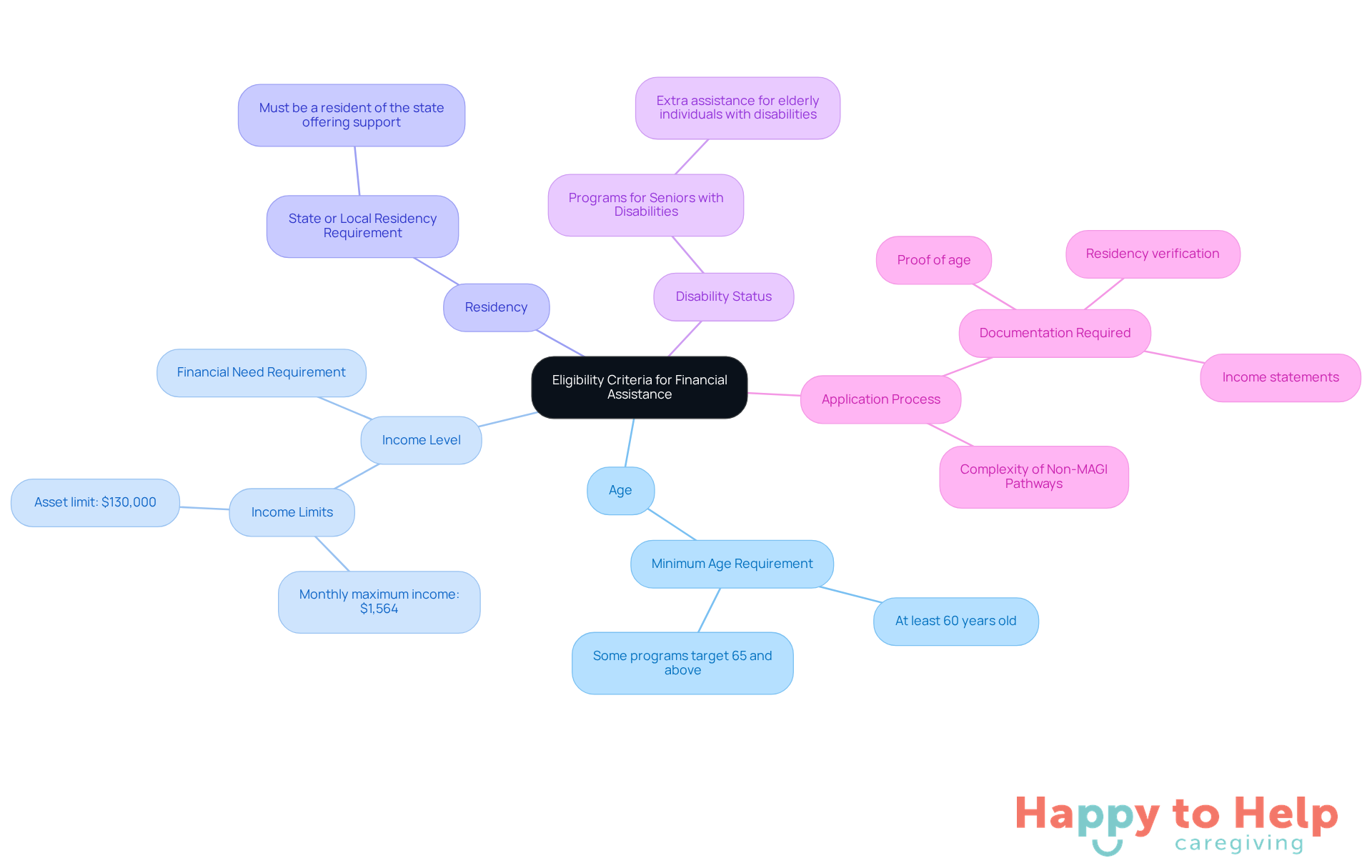
- Age: Most programs require applicants to be at least 60 years old, with some targeting those aged 65 and above.
- Income Level: Numerous initiatives set strict income limits to establish eligibility. For example, in 2025, the monthly maximum income for specific support programs is set at $1,564, with an asset limit of $130,000. This means that older adults must demonstrate financial need to qualify for financial help for seniors.
- Residency: Applicants typically need to be residents of the state or locality offering support, ensuring that resources are allocated to those within the community.
- Disability Status: Certain initiatives are specifically created for elderly individuals with disabilities, providing extra assistance suited to their distinct requirements.
It's important to note that most states have more complex eligibility processes for non-MAGI pathways compared to MAGI pathways, which can add to the challenges faced by applicants. To assess your eligibility, gather necessary documentation, including income statements, proof of age, and residency verification. Application procedures may necessitate evidence of income, age, residency, and other documents, highlighting the significance of readiness for older adults seeking support.
Using online resources such as the Benefits Finder on USAGov can simplify the process of verifying eligibility for various services. Moreover, certain community initiatives may provide short-term grocery help during emergencies, offering additional support for elderly individuals in need. By understanding these standards, older adults can more effectively navigate the available resources and obtain the financial help for seniors that they require.
Follow the Application Process for Financial Aid
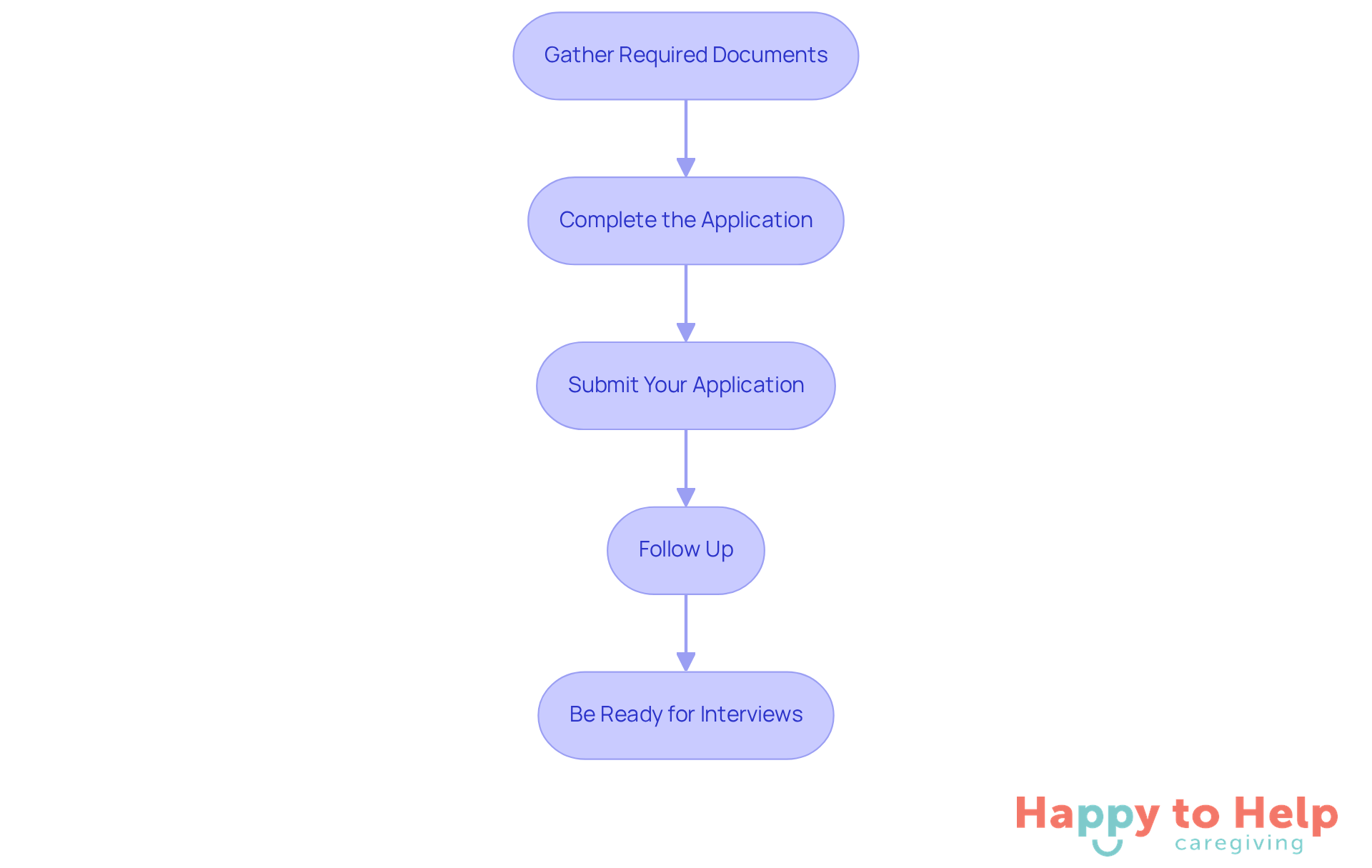
Navigating financial help for seniors can be challenging, especially when it comes to gathering the necessary documentation and meeting application deadlines. Missing these crucial steps can lead to delays or even disqualification from receiving aid. To ensure a smoother process, seniors should follow these essential steps:
-
Gather Required Documents: Start by collecting all necessary paperwork, including identification, proof of income, tax returns, and any other relevant documents. Accurate documentation is crucial, as it directly impacts eligibility and processing times. For 2025, seniors should ensure they have the latest tax returns and any documentation related to their income sources.
-
Complete the Application: Fill out the application forms with precision. Many initiatives now offer online applications, simplifying the process and reducing the likelihood of mistakes. According to the College Board, 99% of FAFSA applications were completed online, highlighting the convenience of digital submissions.
-
Submit Your Application: Make sure to submit your application before any deadlines. Keeping copies of all submitted documents is vital for your records and future reference. The average federal loan awarded to student borrowers in South Carolina was $11,992.86 for the 2023-24 academic year, underscoring the importance of timely submissions to secure available funds.
-
Follow Up: After submission, proactively follow up with the agency to confirm receipt of your application and check its status. This step can help identify any issues early in the process. The Ferrum aid team advises students to stay focused on current and official information during this phase.
-
Be Ready for Interviews: Some assistance programs may require an interview or additional details. Be prepared to provide further information if requested, as this can enhance your chances of receiving assistance.
In 2025, the average duration required to process aid applications for older students is roughly 4 to 6 weeks, depending on the program and the thoroughness of the provided paperwork. Collecting all essential documents in advance can significantly speed up this process, ensuring that seniors receive financial help for seniors promptly.
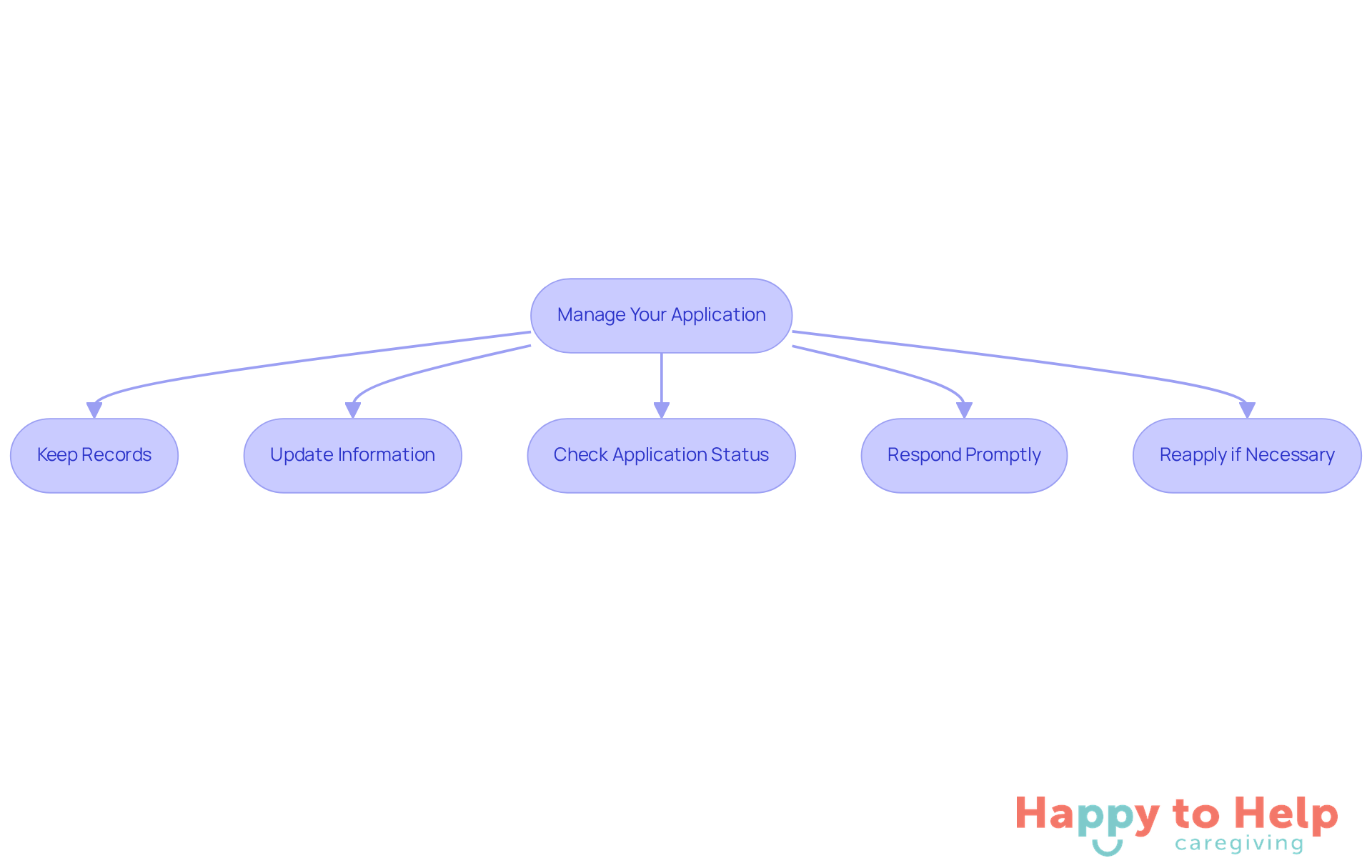
Manage Your Application and Update Information
After submitting your application, managing it effectively is crucial to avoid potential setbacks:
Problem: Many applicants overlook the importance of tracking their application, which can lead to confusion and delays.
Agitate: Without proper management, you might miss critical updates or fail to respond to requests from the agency, jeopardizing your chances of approval.
Solution: Here are some actionable steps to ensure your application process goes smoothly:
- Keep Records: Maintain a file with copies of your application and any correspondence. This will help you stay organized and informed.
- Update Information: If your financial situation changes, inform the agency as it may affect your eligibility for financial help for seniors. Keeping them updated is essential.
- Check Application Status: Regularly check the status of your application, either online or by contacting the agency. This proactive approach can help you catch any issues early.
- Respond Promptly: If the agency requests additional information, respond as quickly as possible to avoid delays in processing. Timely communication is key.
- Reapply if Necessary: If your application is denied, review the reasons and consider reapplying or appealing the decision. Understanding the feedback can improve your chances next time.
Taking the Next Steps
Understanding the available financial assistance programs is crucial for seniors aiming to improve their quality of life. Many older adults face financial challenges that can significantly impact their well-being. Without proper knowledge of the resources available, they may struggle to access the support they need.
Fortunately, there are numerous programs designed to alleviate these financial burdens. Initiatives like Social Security, SSI, Medicaid, and food assistance programs such as SNAP provide essential support. Additionally, options like LIHEAP and veterans benefits cater to specific needs, addressing unique challenges faced by seniors. However, navigating the eligibility criteria and application processes can be daunting, making awareness and proactive engagement vital.
Seniors should take charge of their financial well-being by exploring the various assistance programs available. By understanding their options and determining eligibility, they can follow the application process diligently. This proactive approach not only enhances their independence but also contributes to a more stable and fulfilling life in their later years. Taking these steps can lead to securing the financial help they need, ultimately improving their overall quality of life.
https://iframe.tely.ai/cta/eyJhcnRpY2xlX2lkIjogIjY5MjI0ZjdjZmViYTIxODdjZTM2NWJlMyIsICJjb21wYW55X2lkIjogIjY4ZWU1ZGNhNzMxNzYyNTU3ZjNjOTVjMSIsICJpbmRleCI6IG51bGwsICJ0eXBlIjogImFydGljbGUifQ==Frequently Asked Questions
What types of financial assistance programs are available for seniors?
There are several types of financial assistance programs available for seniors, including Social Security benefits, Supplemental Security Income (SSI), Medicaid, food assistance programs like SNAP, housing assistance, In-Home Supportive Services (IHSS), Low-Income Home Energy Assistance Program (LIHEAP), veterans benefits, local nonprofit organizations, and state-specific programs.
How do Social Security benefits help seniors?
Social Security benefits provide monthly payments to retirees based on their work history, significantly reducing poverty among older adults. As of April 2025, about 73.9 million people receive these benefits, with only 7.8% of recipients living below the federal poverty threshold.
What is Supplemental Security Income (SSI) and who qualifies for it?
Supplemental Security Income (SSI) offers financial assistance to low-income seniors, ensuring they have the necessary resources to meet basic needs. Over 7.4 million individuals benefit from this program.
How does Medicaid assist elderly individuals?
Medicaid provides health coverage for eligible low-income individuals, including seniors. More than 7 million low-income elderly individuals rely on Medicaid for healthcare services, though proposed reductions to the program may affect their access to necessary care.
What food assistance programs are available for seniors?
Programs like the Supplemental Nutrition Assistance Program (SNAP) offer financial help for seniors to purchase food, currently supporting over 8 million older adults. SNAP is linked to improved health outcomes and independence for seniors with low incomes.
What kind of housing assistance is available for seniors?
Housing assistance initiatives offer monetary support for rent or home repairs, helping elderly individuals maintain stable living conditions.
What is the In-Home Supportive Services (IHSS) program?
IHSS provides vital support for eligible seniors, assisting them with daily activities to help them maintain independence at home. Recipients can receive up to 283 hours of help each month.
How does the Low-Income Home Energy Assistance Program (LIHEAP) support seniors?
LIHEAP helps low-income households manage energy costs, with approximately 2.4 million older adults depending on it for energy support. The program has lifted many older adults out of poverty and ensures they can afford heating and cooling during extreme weather.
What benefits do veterans have access to?
Veterans can access benefits such as Aid and Attendance, which provides additional monetary resources for qualified veterans to assist with their needs.
How can seniors find more information about financial assistance in their area?
Seniors can utilize resources like the National Council on Aging and local Area Agencies on Aging to gather information on available financial assistance programs and services in their area. Additionally, consulting with the state’s Department of Aging can uncover more state-specific resources.
List of Sources
- Understand Available Financial Assistance Programs
- Monthly Statistical Snapshot, August 2025 (https://ssa.gov/policy/docs/quickfacts/stat\_snapshot)
- 2025 Budget Impacts: House Bill Would Cut Assistance and Raise Costs for Seniors (https://cbpp.org/research/federal-budget/2025-budget-impacts-house-bill-would-cut-assistance-and-raise-costs-for)
- A guide to financial assistance for older adults - Edmonds Beacon (https://edmondsbeacon.com/stories/hed,153264)
- What the data says about Social Security (https://pewresearch.org/short-reads/2025/05/20/what-the-data-says-about-social-security)
- Explore Specific Financial Assistance Options
- 2025 Home Care Statistics: Trends & Insights To Know (https://premierhcinc.com/blog/home-care-statistics)
- Shutdown: Older Adults' Access to Energy Assistance Under Threat (https://leadingage.org/shutdown-older-adults-access-to-energy-assistance-under-threat)
- Shutdown threatens to delay home heating aid for millions of low-income families (https://pbs.org/newshour/nation/shutdown-threatens-to-delay-home-heating-aid-for-millions-of-low-income-families)
- LIHEAP - Low Income Energy Assistance Program (https://liheap.org)
- The 2025-26 Budget: In-Home Supportive Services (https://lao.ca.gov/Publications/Report/5009)
- Determine Eligibility Criteria for Assistance
- 5 Key Facts About Medicaid Eligibility for Seniors and People with Disabilities | KFF (https://kff.org/medicaid/5-key-facts-about-medicaid-eligibility-for-seniors-and-people-with-disabilities)
- Financial Assistance for Seniors: Programs & Debt Relief (https://debt.org/advice/financial-assistance-for-senior-citizens)
- Who Qualifies for Assisted Living Financial Assistance in California? - Caring.com (https://caring.com/resources/who-qualifies-for-assisted-living-financial-assistance-in-california)
- Understanding the Benefits for Seniors in California (https://westmontliving.com/blog/westmont-of-cypress/benefits-for-seniors-in-california)
- Follow the Application Process for Financial Aid
- 2025 FAFSA Statistics | Bankrate (https://bankrate.com/loans/student-loans/fafsa-statistics)
- 4 things to know about applying for college financial aid this fall (https://cardinalnews.org/2025/10/03/4-things-to-know-about-applying-for-college-financial-aid-this-fall)
- Financial Assistance | Homeland Security (https://dhs.gov/dhs-financial-assistance)
- Financial Aid Statistics [2025]: Average Aid per Student (https://educationdata.org/financial-aid-statistics)
- Manage Your Application and Update Information
- Applying for college financial aid? Here’s what’s different about this year’s FAFSA (https://pbs.org/newshour/education/applying-for-college-financial-aid-heres-whats-different-about-this-years-fafsa)
- 72 Scholarship Statistics: 2025 Data, Facts & Analysis | Research.com (https://research.com/research/scholarship-statistics)
- FAFSA changes: What to know about student aid as fall enrollment opens (https://empower.com/the-currency/money/fafsa-changes-what-know-about-student-aid-news)
- Financial Aid Statistics [2025]: Average Aid per Student (https://educationdata.org/financial-aid-statistics)
- Real-Time FAFSA Processing Could Be Coming Soon | BestColleges (https://bestcolleges.com/news/real-time-fafsa-processing-could-be-coming-soon)