

Active service-area notice
Happy to Help does not currently list Maryland as an active service area. This article is general educational information. For local care availability, browse our active service areas.
Browse active service areasFor families in our service areas
For families in our service areas, this guide explains home care and how non-medical in-home caregiving can support care planning in East Idaho, Treasure Valley & Magic Valley, Northern Wasatch, North Central West Virginia, and Northeast Ohio.
Why Start a Home Care Agency in Maryland Matters
The home care industry faces a pressing problem: the demand for personalized care services is skyrocketing as the elderly population continues to grow. This surge creates a unique challenge for aspiring entrepreneurs in Maryland who wish to start a home care agency. They find themselves at a crossroads where the potential for business growth collides with the urgent need for quality care solutions.
As competition intensifies and regulatory requirements become increasingly complex, new agencies must navigate a challenging landscape. How can they carve out a successful niche? This guide provides essential steps to address these challenges and seize the opportunities within Maryland's home care market. By equipping readers with valuable insights, it aims to empower them to thrive in this evolving industry.
Understand the Home Care Industry Landscape
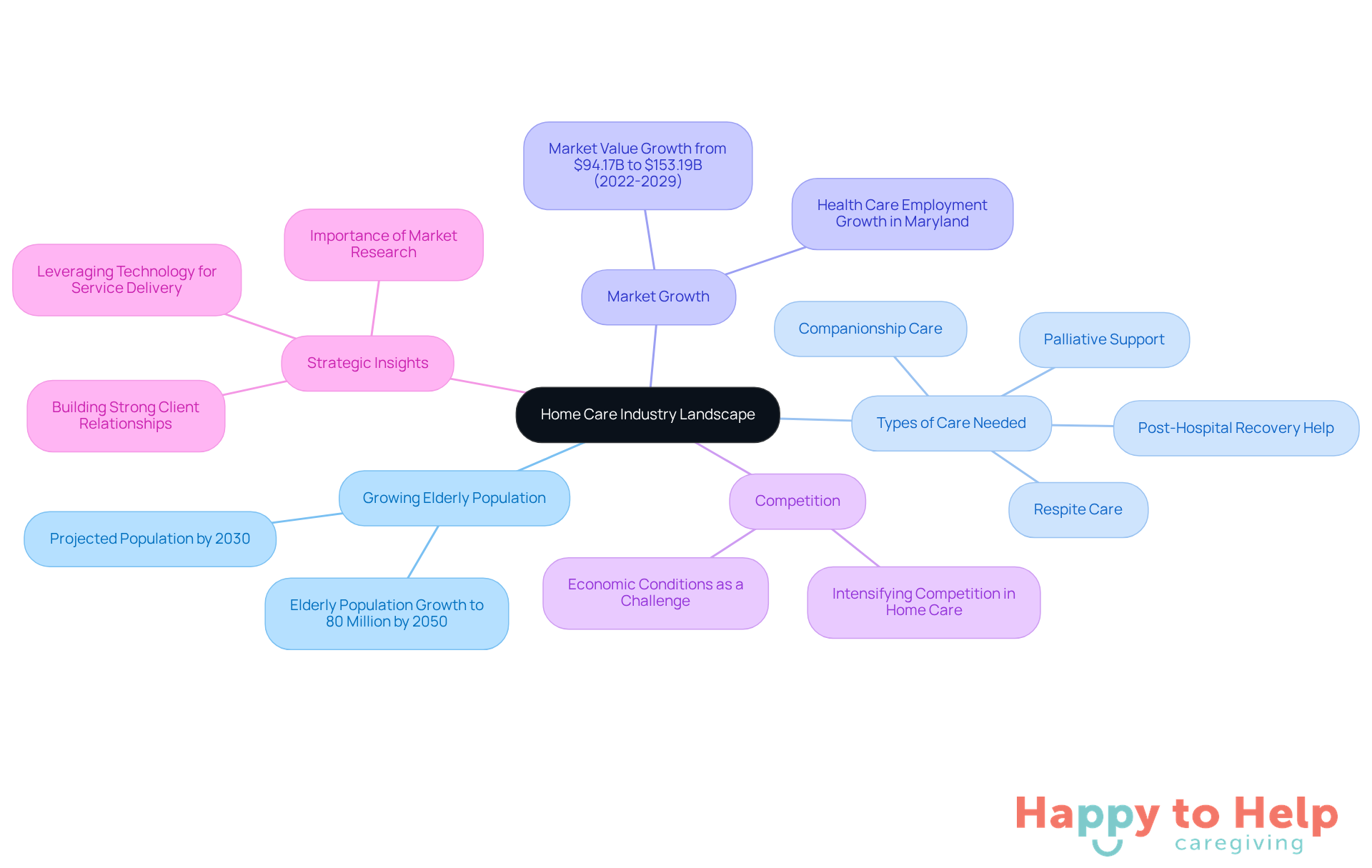
Understanding the home care industry landscape is crucial when learning how to start a home care agency in Maryland. The growing elderly population, projected to reach around 73 million by 2030, highlights a significant problem: the increasing demand for various types of assistance, including:
- Companionship care
- Post-hospital recovery help
- Respite care
- Palliative support
This rising demand has serious implications. Conducting thorough market research is essential to identify the specific needs of the aging population and individuals with special needs in your area. Industry reports reveal that the home health care market is expected to grow from $94.17 billion in 2022 to $153.19 billion by 2029. This growth presents lucrative opportunities within the sector, but it also means competition will intensify.
To navigate these challenges, utilize resources like the Health Care Commission for insights into the regulatory environment and current market conditions. Understanding how to start a home care agency in Maryland will also help inform your business strategy. Agencies that prioritize personalized care and leverage technology to enhance service delivery are more likely to succeed in this evolving market.
By aligning your offerings with community needs and staying informed about industry trends, you can position your organization for success. Focus on building a service model that not only meets the demands of the market but also fosters strong relationships with clients and their families.
Conduct Market Research in Maryland
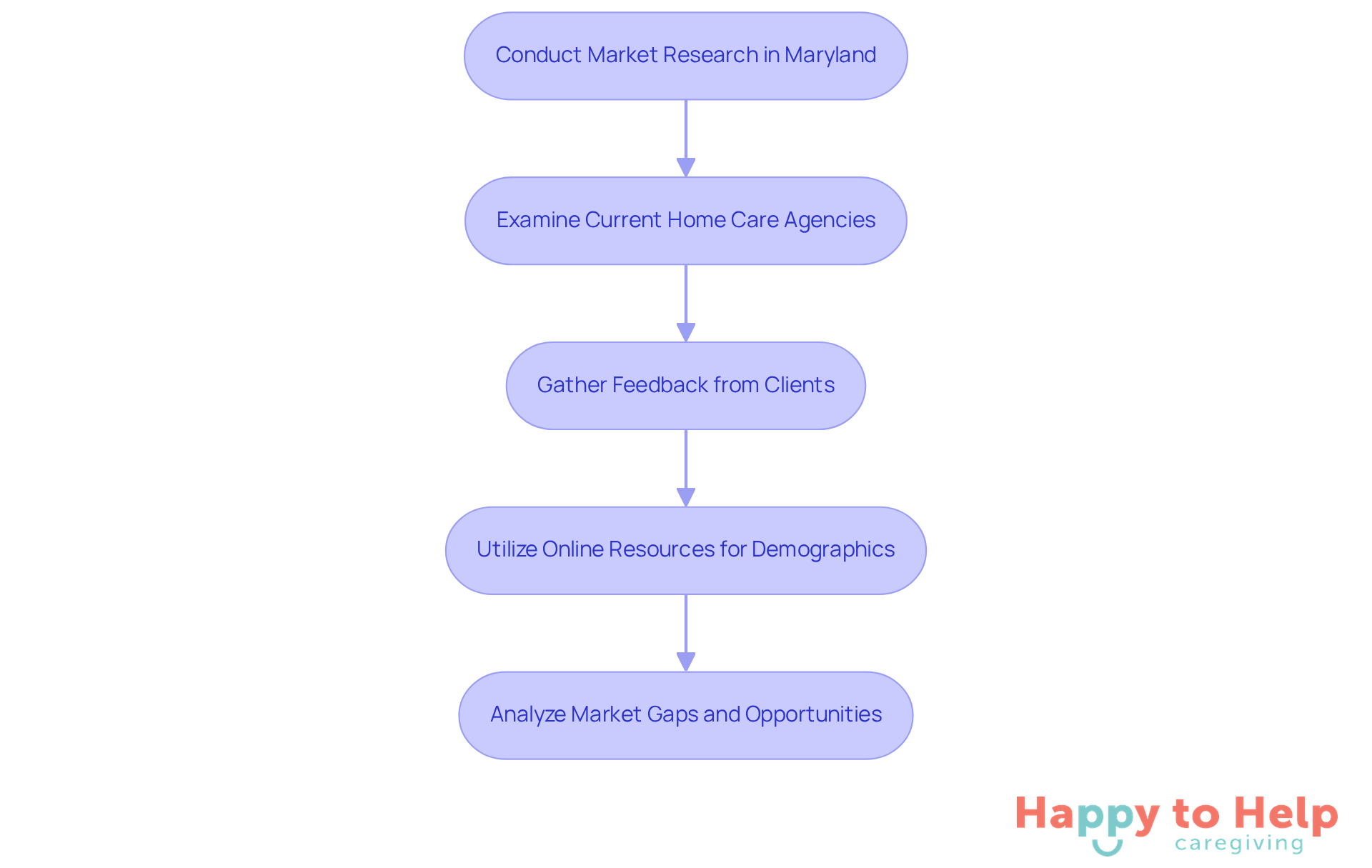
Carrying out market research is crucial for learning how to start a home care agency in Maryland. The problem is clear: as our state population ages, the demand for care will only grow. To understand how to start a home care agency in Maryland, begin by examining the landscape of current home care agencies, focusing on their offerings, pricing structures, and client demographics. This analysis will reveal gaps in the market and areas for potential growth.
Next, gather direct feedback from potential clients and their families through surveys and focus groups. Understanding their specific care needs and preferences is invaluable for tailoring services to meet client expectations. Additionally, utilize online resources and databases to collect demographic data on the state's aging population, including statistics on prevalent health conditions and care requirements.
According to industry forecasts, understanding how to start a home care agency in Maryland is expected to contribute to significant expansion in the home care providers sector, achieving an annualized rate of $x.x billion by 2025. Comprehending these factors allows you to recognize opportunities for differentiation and service improvement, positioning your organization to effectively meet community needs. As Hank Greenberg, AARP Maryland State Director, notes, "As our state population ages, the demand for care will only grow." Informed market research will be your foundation for success.
Develop a Comprehensive Business Plan
For caregivers, creating a comprehensive business plan is essential when learning how to start a home care agency in Maryland. Many struggle with articulating their mission and vision, which are crucial for guiding their organization. Without a clear direction, it becomes challenging to attract clients and establish a strong market presence.
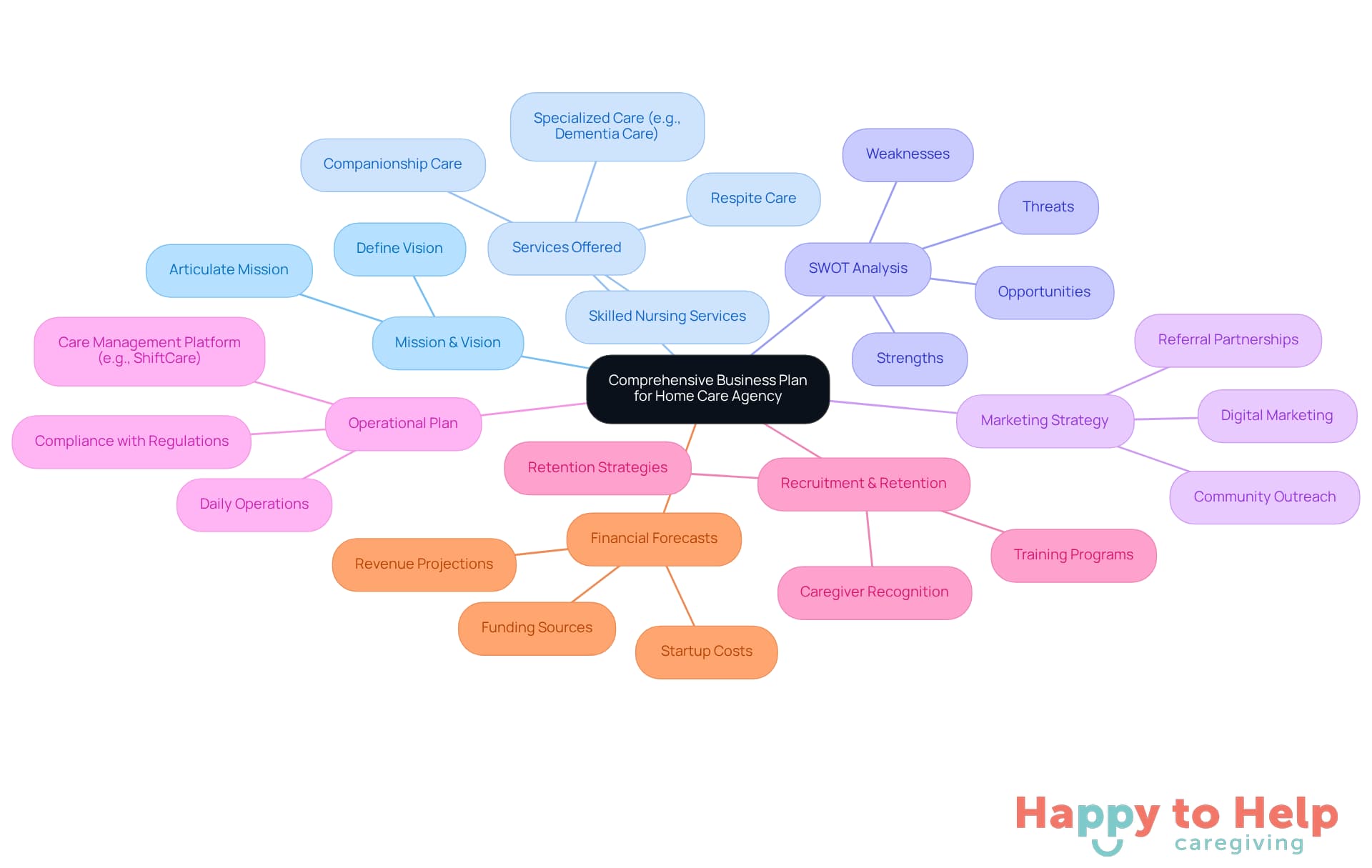
To address this issue, consider how to start a home care agency in Maryland by beginning with an executive summary that succinctly outlines your organization's mission and vision. Next, provide a detailed description of the services you will offer, such as:
- Companionship care
- Respite care
Conducting a SWOT analysis (Strengths, Weaknesses, Opportunities, Threats) is essential to assess your agency's position in the market and identify areas for improvement.
Your marketing strategy should highlight the importance of digital marketing in attracting clients. This is where many caregivers can benefit from expert guidance. Additionally, elaborate on your operational plan, particularly focusing on how to start a home care agency in Maryland while ensuring adherence to state regulations. Consider using a care management platform like ShiftCare for efficient scheduling and coordination.
Recruitment and retention of caregivers are vital for maintaining a stable workforce. Develop a plan that focuses on caregiver recognition and training, which can significantly enhance job satisfaction and reduce turnover.
Finally, incorporate financial forecasts into your business plan. Outline startup expenses, which typically range from $50,000 to $100,000 depending on location and services offered. Include revenue predictions and potential funding sources. Resources like the Small Business Administration can provide valuable templates and guidance to help you create a solid business plan.
Obtain Required Licenses and Permits
A significant challenge in running a home care service in the state is understanding how to start a home care agency in Maryland, particularly when it comes to obtaining a Residential Service Agency (RSA) license. This process can be daunting for caregivers who are looking for guidance on how to start a home care agency in Maryland, as it involves several critical steps that must be followed meticulously.
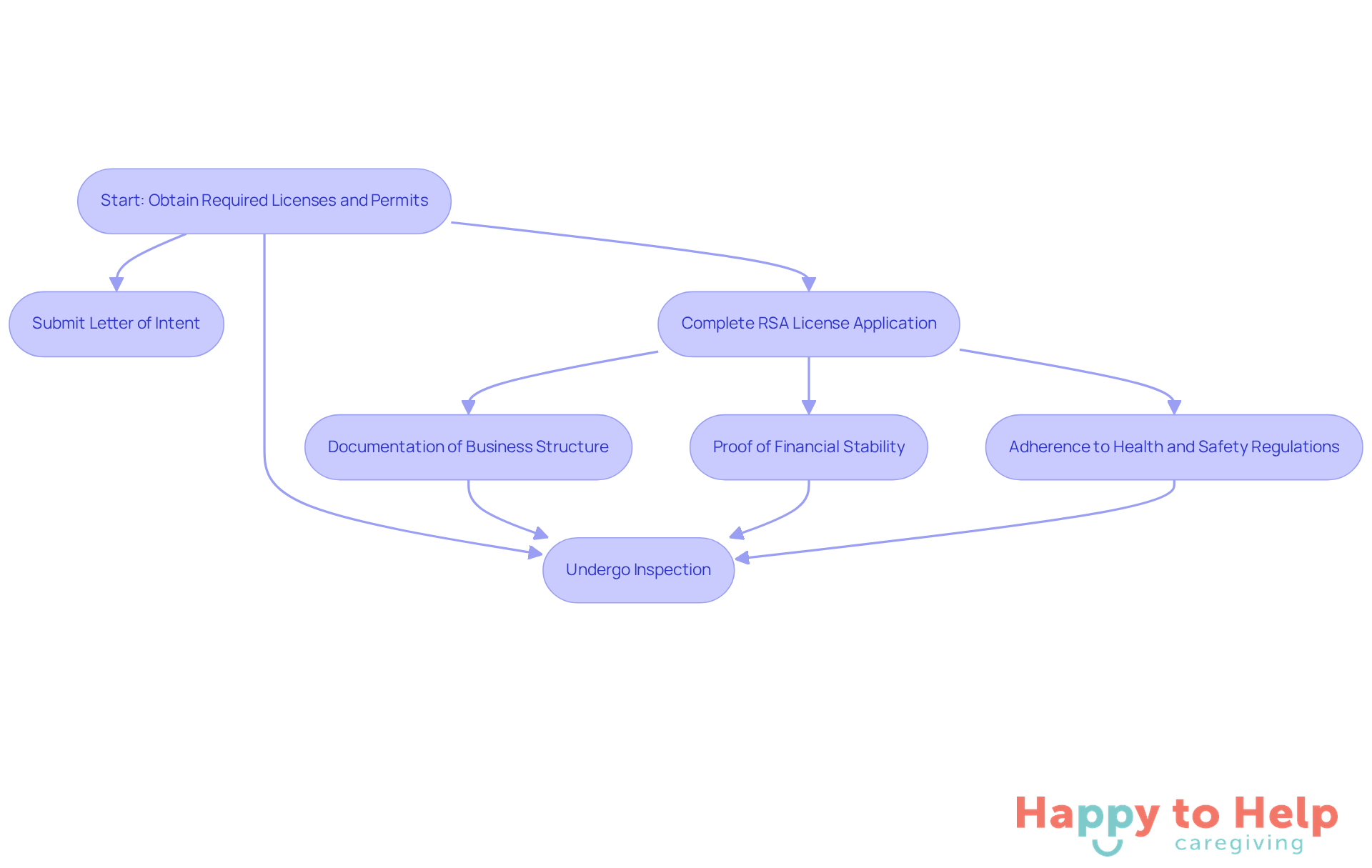
To learn how to start a home care agency in Maryland, you need to:
- Submit a letter of intent to the Health Care Commission, clearly outlining the services you plan to offer.
- Complete the RSA license application. This application requires:
- Documentation of your business structure
- Proof of financial stability
- Adherence to health and safety regulations
To ensure compliance with these standards, an inspection of your agency's operations and facilities will also be conducted, which is crucial when considering how to start a home care agency in Maryland.
A noteworthy development is that the Department of Health will implement a new online application for behavioral health licenses effective February 10, 2025. This change aims to streamline the licensing process, providing clearer guidance on how to start a home care agency in Maryland for caregivers.
The Health Care Commission's website is an invaluable resource for detailed guidelines and application forms on how to start a home care agency in Maryland. It can help you effectively navigate how to start a home care agency in Maryland, including the licensing process. As Health Secretary Dr. Meena Seshamani emphasizes, adhering to regulations is vital for providing quality care to residents of the state.
Moreover, community engagement plays a crucial role in shaping the licensing landscape. The Maryland Department of Health received 900 comments from stakeholders on proposed regulations, highlighting the importance of input from the community in this process.
Set Up Operational Infrastructure and Staffing
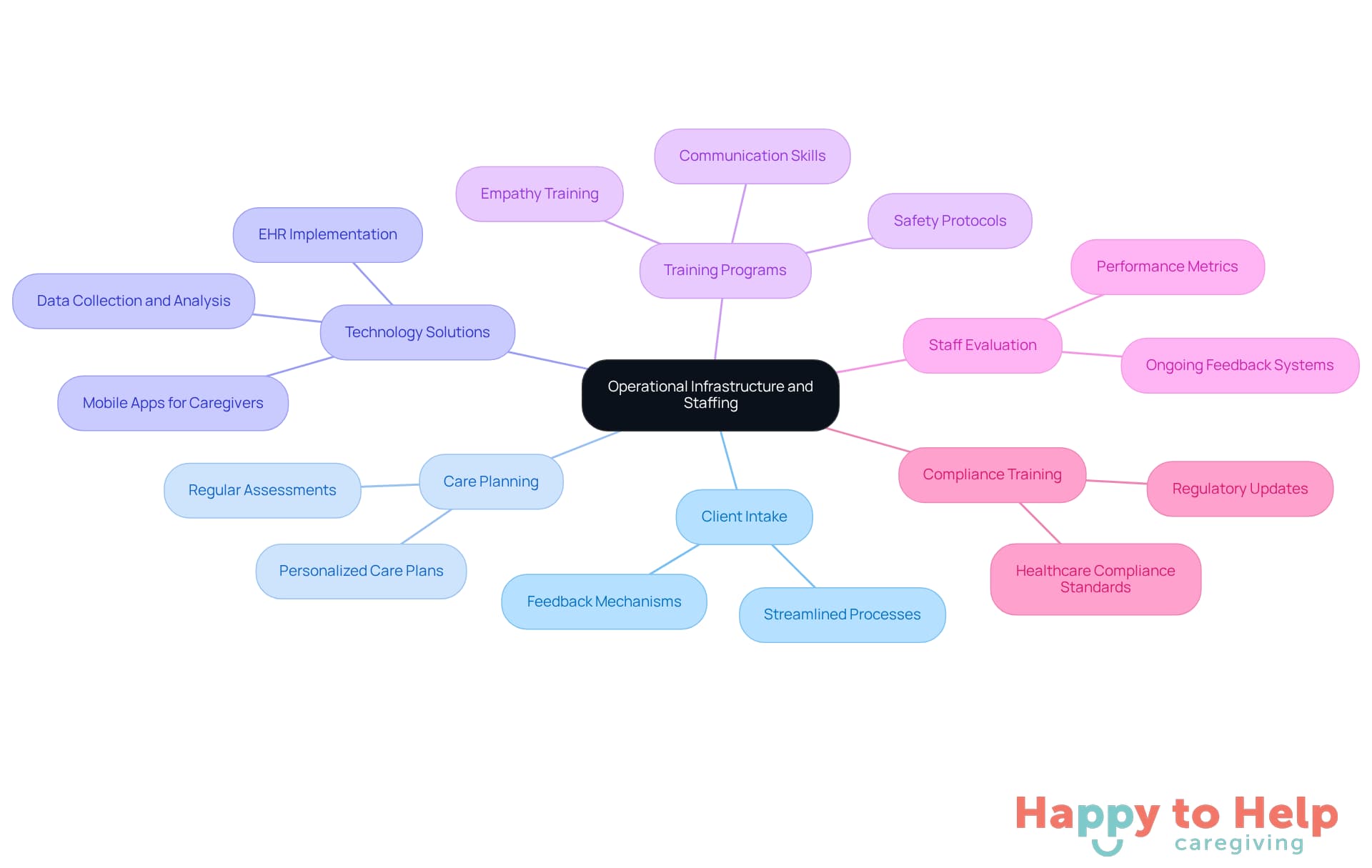
Establishing an effective operational framework is crucial for caregivers, yet many face challenges in managing client intake, care planning, and support delivery. Without clear policies and procedures, the quality of care can suffer, leading to dissatisfaction among clients and caregivers alike.
To address these issues, organizations should invest in technology solutions that streamline scheduling, billing, and communication. This not only enhances operational efficiency but also improves the overall experience for clients and caregivers. Additionally, developing a comprehensive training program focused on essential skills - such as communication, empathy, and safety protocols - can empower caregivers to provide high-quality care.
Ongoing staff evaluation and feedback systems are vital for maintaining high standards. Incorporating healthcare compliance training is also essential to navigate the evolving regulatory landscape effectively. As the demand for home care services is projected to increase significantly by 2025, leveraging data collection and analysis will be crucial for operational visibility and resource allocation.
Consider utilizing resources from industry associations to adopt best practices in operational management. By doing so, your organization will be well-equipped to meet the needs of both clients and caregivers, ensuring a supportive and efficient care environment.
Implement Effective Marketing Strategies
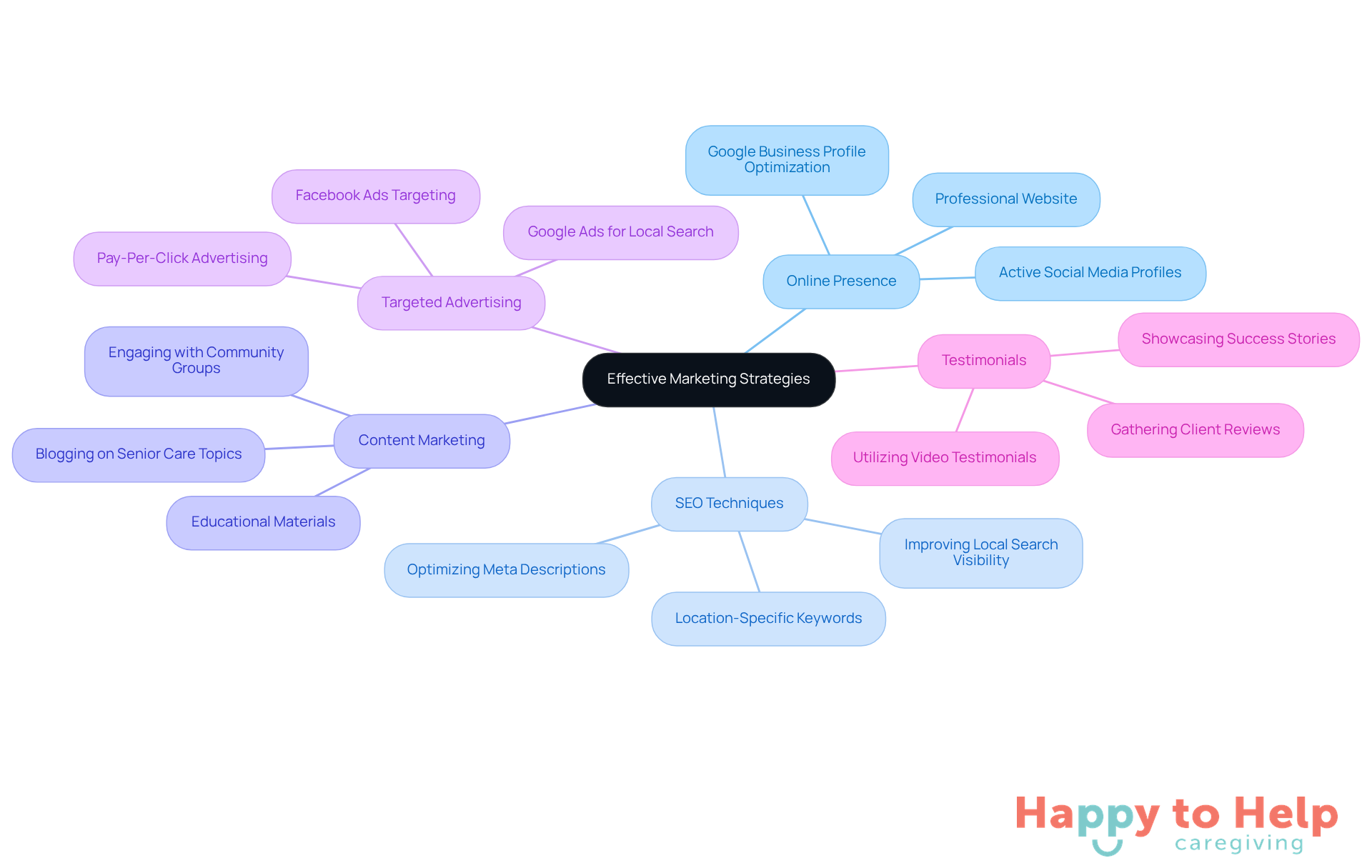
To implement effective marketing strategies, caregivers often face the challenge of establishing a robust online presence. Without a professional website and active social media profiles, they risk being overlooked in a competitive market. This lack of visibility can significantly impact their ability to attract clients.
One effective solution is to utilize search engine optimization (SEO) techniques. By focusing on location-specific keywords and optimizing their Google Business Profile, caregivers can enhance their visibility in local search results. This is crucial for making a strong first impression on potential clients.
Content marketing also plays a vital role. Blogging on pertinent subjects in senior care can help establish an organization as a reliable resource. Additionally, connecting with regional healthcare professionals and community groups can produce significant referrals, as client recommendations account for approximately 73% of yearly income for many care services.
Targeted advertising campaigns can further assist caregivers in reaching their ideal clients. Gathering and displaying testimonials from satisfied customers is essential; studies show that 88% of individuals rely on online reviews as much as personal endorsements from friends. This greatly boosts a firm's credibility and fosters trust among prospective clients.
As Jason Chagnon states, "Effective marketing for home health agencies can enhance patient acquisition, foster trust, and create a sustainable business model." By implementing these strategies, caregivers can navigate the complexities of marketing and build a successful practice.
Taking the Next Steps
Starting a home care agency in Maryland presents a significant opportunity to address the increasing needs of the elderly and individuals requiring assistance. However, many aspiring caregivers face challenges in navigating the complexities of the industry. Without a thorough understanding of the landscape, they risk failing to meet compliance and operational standards, which can jeopardize their success.
To tackle these challenges, it’s essential to conduct comprehensive market research and develop a robust business plan. This groundwork lays the foundation for a successful venture. Compliance with licensing requirements is critical, as is the establishment of effective operational and marketing strategies. These elements are vital for thriving in a competitive environment.
Key insights emphasize the importance of aligning services with community needs. Leveraging technology can enhance operational efficiency, while targeted marketing strategies boost visibility. By focusing on personalized care and maintaining a strong online presence, agencies can attract and retain clients, fostering trust and credibility within the community.
In conclusion, the home care industry is poised for substantial growth. With careful planning and execution, new agencies can thrive in this evolving market. Embracing best practices and staying informed about industry trends will not only ensure compliance but also enhance service delivery. For those looking to make a meaningful impact in the lives of others, now is the time to take action and embark on the journey of starting a home care agency in Maryland.
https://iframe.tely.ai/cta/eyJhcnRpY2xlX2lkIjogIjY5MjdhNWNkMWZiNDA3NDMzMmRlOGJiMCIsICJjb21wYW55X2lkIjogIjY4ZWU1ZGNhNzMxNzYyNTU3ZjNjOTVjMSIsICJpbmRleCI6IG51bGwsICJ0eXBlIjogImFydGljbGUifQ==Frequently Asked Questions
Why is understanding the home care industry landscape important for starting a home care agency in Maryland?
Understanding the home care industry landscape is crucial due to the growing elderly population, which is projected to reach around 73 million by 2030. This increase highlights the rising demand for various types of assistance, such as companionship care, post-hospital recovery help, respite care, and palliative support.
What is the projected growth of the home health care market?
The home health care market is expected to grow from $94.17 billion in 2022 to $153.19 billion by 2029, indicating significant opportunities but also increasing competition within the sector.
What resources can be utilized to navigate the home care industry challenges?
Resources such as the Health Care Commission can provide insights into the regulatory environment and current market conditions, which are essential for navigating challenges in the home care industry.
What factors contribute to the success of a home care agency?
Agencies that prioritize personalized care and leverage technology to enhance service delivery are more likely to succeed in the evolving market. Additionally, aligning offerings with community needs and staying informed about industry trends is important.
How can market research help in starting a home care agency in Maryland?
Market research helps identify the landscape of current home care agencies, their offerings, pricing structures, and client demographics. This analysis reveals market gaps and areas for potential growth.
What methods can be used to gather feedback from potential clients?
Direct feedback can be gathered through surveys and focus groups to understand the specific care needs and preferences of potential clients and their families.
Why is demographic data important for starting a home care agency?
Demographic data provides insights into the aging population, including statistics on prevalent health conditions and care requirements, which are essential for tailoring services to meet client expectations.
What is the expected contribution of the home care providers sector by 2025?
The home care providers sector is expected to experience significant expansion, achieving an annualized growth rate that reflects the increasing demand for care as the population ages.
List of Sources
- Understand the Home Care Industry Landscape
- https://marylandreporter.com/2025/10/25/freedom-bank-wins-an-award-in-dubai/ - MarylandReporter.com (https://marylandreporter.com/2025/10/21/how-expanding-home-health-care-could-strengthen-marylands-health-system)
- Maryland Sees Strong Increase in Health Care Employment - News - Department of Labor (https://labor.maryland.gov/whatsnews/mlrmarch2024.shtml)
- Home Care Industry Trends to Look Out for in 2025 (https://axiscare.com/blog/home-care-industry-trends)
- Home Health Care Trends for 2025 (https://carevoyant.com/home-health-blog/home-health-care-trends-2025)
- Conduct Market Research in Maryland
- Maryland’s Home Care Aides Are Winning at the State House (https://phinational.org/marylands-home-care-aides-are-winning-at-the-state-house)
- Home Care Providers in Maryland - Market Research Report (2015-2030) | IBISWorld (https://ibisworld.com/united-states/industry/maryland/home-care-providers/14299)
- New Data Show 24% Of Adults in Maryland Provide Care, Spotlighting Urgent Need for Action to Support Family Caregivers (https://states.aarp.org/maryland/cus-md-2025)
- Top Home Care Statistics in 2021 | Aaniie, formerly Smartcare Software (https://aaniie.com/news/top-home-care-statistics)
- Expanding Home Care Options in Maryland - Maryland Center on Economic Policy (https://mdeconomy.org/homecare)
- Develop a Comprehensive Business Plan
- Writing a Home Care Services Business Plan: What to Include (https://alwaysbestcare.com/franchise/home-care-services-business-plan)
- 14 Steps to Start a Successful Home Healthcare Agency | CareAcademy (https://careacademy.com/blog/start-home-health-agency)
- How to Create a Winning Home Care Business Plan (https://123consultingsolutions.com/how-to-create-a-winning-home-care-business-plan)
- How to Start a Home Care Agency in the United States: 2025 Guide | ShiftCare (https://shiftcare.com/us/blog/how-to-start-a-home-care-agency-in-the-united-states-2025-guide)
- How to craft a successful home care business plan (https://business.nextdoor.com/en-us/blog/how-to-craft-a-successful-home-care-business-plan)
- Obtain Required Licenses and Permits
-
Pages
Maryland Department of Health announces additional six-month pause for certain behavioral health provider enrollments (https://health.maryland.gov/newsroom/Pages/Maryland Department of Health announces additional six month pause for certain behavioral health provider enrollments.aspx)
-
Pages
Maryland Department of Health proposes new regulations to reduce fraud, waste in the behavioral health system (https://health.maryland.gov/newsroom/Pages/Maryland-Department-of-Health-proposes-new-regulations-to-reduce-fraud,-waste-in-the-behavioral-health-system.aspx)
-
Maryland Update on Licensing Guidance | Insights | Mayer Brown (https://mayerbrown.com/en/insights/publications/2025/02/maryland-update-on-licensing-guidance)
-
Pages
MDH implements new behavioral health licensing process (https://health.maryland.gov/newsroom/Pages/MDH-implements-new-behavioral-health-licensing-process.aspx)
-
Sec. 10.07.05.04. Licensing Procedures, Chapter 10.07.05. Residential Service Agencies, Subtitle 07. HOSPITALS, Part 1., Title 10. Maryland Department of Health, Code of Maryland Regulations (https://mdrules.elaws.us/comar/10.07.05.04)
- Set Up Operational Infrastructure and Staffing
- Home Care Operations Practices (https://alayacare.com/blog/4-operational-best-practices-home-care-agencies)
- How home care companies can optimize operations (https://mcknightshomecare.com/how-home-care-companies-can-optimize-operations)
- 5 Agency Growth Tips from Top Home Care Agency CEOs | CareAcademy (https://careacademy.com/blog/5-agency-growth-tips-from-top-home-care-agency-ceos)
- Operational Best Practices for Your Home Care Agency (https://axiscare.com/blog/operational-best-practices-for-your-home-care-agency)
- How Home Care Agencies Can Prepare Now to Secure a Strong Start in 2025 (https://aaniie.com/news/how-home-care-agencies-can-prepare-now-to-secure-a-strong-start-in-2025)
- Implement Effective Marketing Strategies
- 15 Proven Home Care Marketing Strategies That’ll Help You Attract More Clients in 2025 (https://123consultingsolutions.com/15-proven-home-care-marketing-strategies-thatll-help-you-attract-more-clients-in-2025)
- Effective Strategies Home Care Providers Use To Build Trust Through Marketing (https://homehealthcarenews.com/2025/08/effective-strategies-home-care-providers-use-to-build-trust-through-marketing)
- Effective Marketing for Home Care Agencies: Boost Referrals and Revenue with Top Digital Techniques (https://curisdigital.com/effective-marketing-for-home-care-agencies-boost-referrals-and-revenue-with-top-digital-techniques)
- Home Care Marketing Strategies to Grow Your Agency - HCMP Blog (https://homecaremarketing.com/home-care-marketing-basics/home-care-marketing-strategies)
- 40+ Statistics Healthcare Marketers Need to Know in 2026 (https://invoca.com/blog/healthcare-marketing-statistics)